Bentayga, Flying Spur & Continental GT · Every Bentley V8 Covered
Every Bentley covered on this page shares the same essential story: a hand built grand tourer from Crewe wrapped around a twin turbo V8 with deep Volkswagen Group roots. That shared DNA is good news for owners, because it means the faults are well mapped, the diagnostic pathways are established, and our workshop in Penrose has worked through all of them. What changes across generations is the body, the era, the specific engine calibration and, critically, how aggressively the platform aged. Read on to find your car, understand where it sits in the family, and know exactly what to watch for.
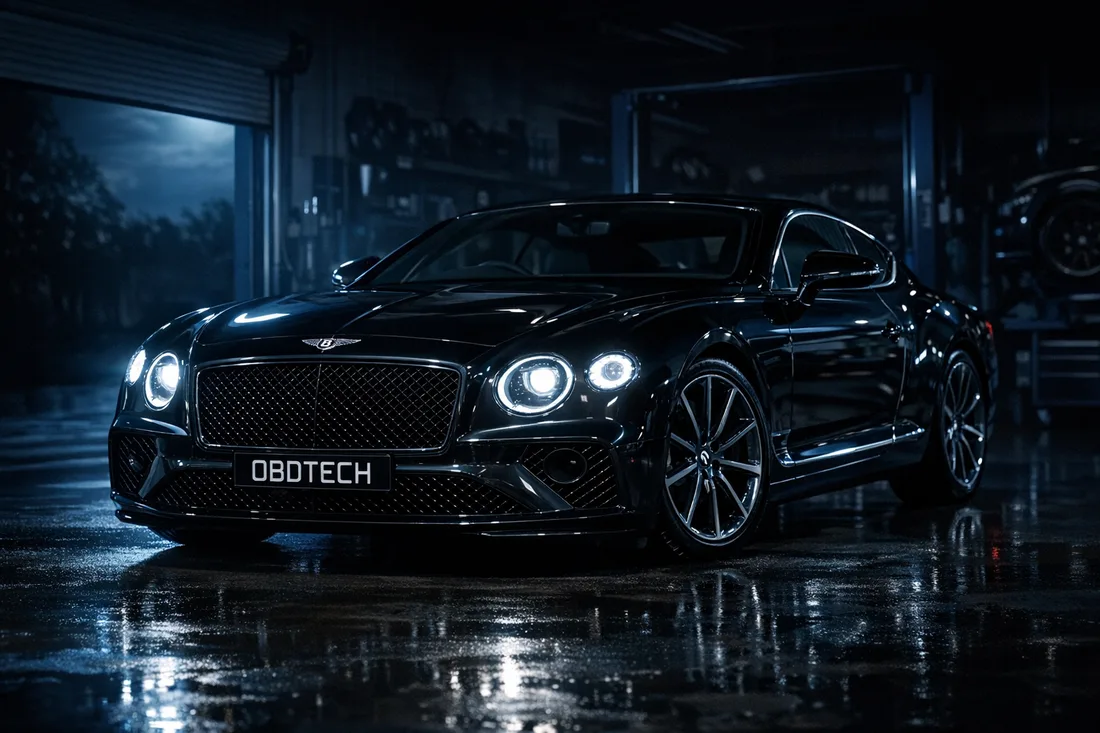



Continental GT 4.0 TFSI V8 (CMM): Where the Modern Story Begins
This is the engine that set the template for every Bentley V8 that followed it. The CMM coded 4.0 TFSI is a 3993 cc twin turbo petrol running a 9.3:1 compression ratio with an 84.5 x 89.0 mm bore and stroke. The ECU is a Bosch MED17.1.1. Factory output sits at 507 hp and 660 Nm, which in a car weighing over 2,300 kg still makes it embarrassing to anything sporting at the lights.
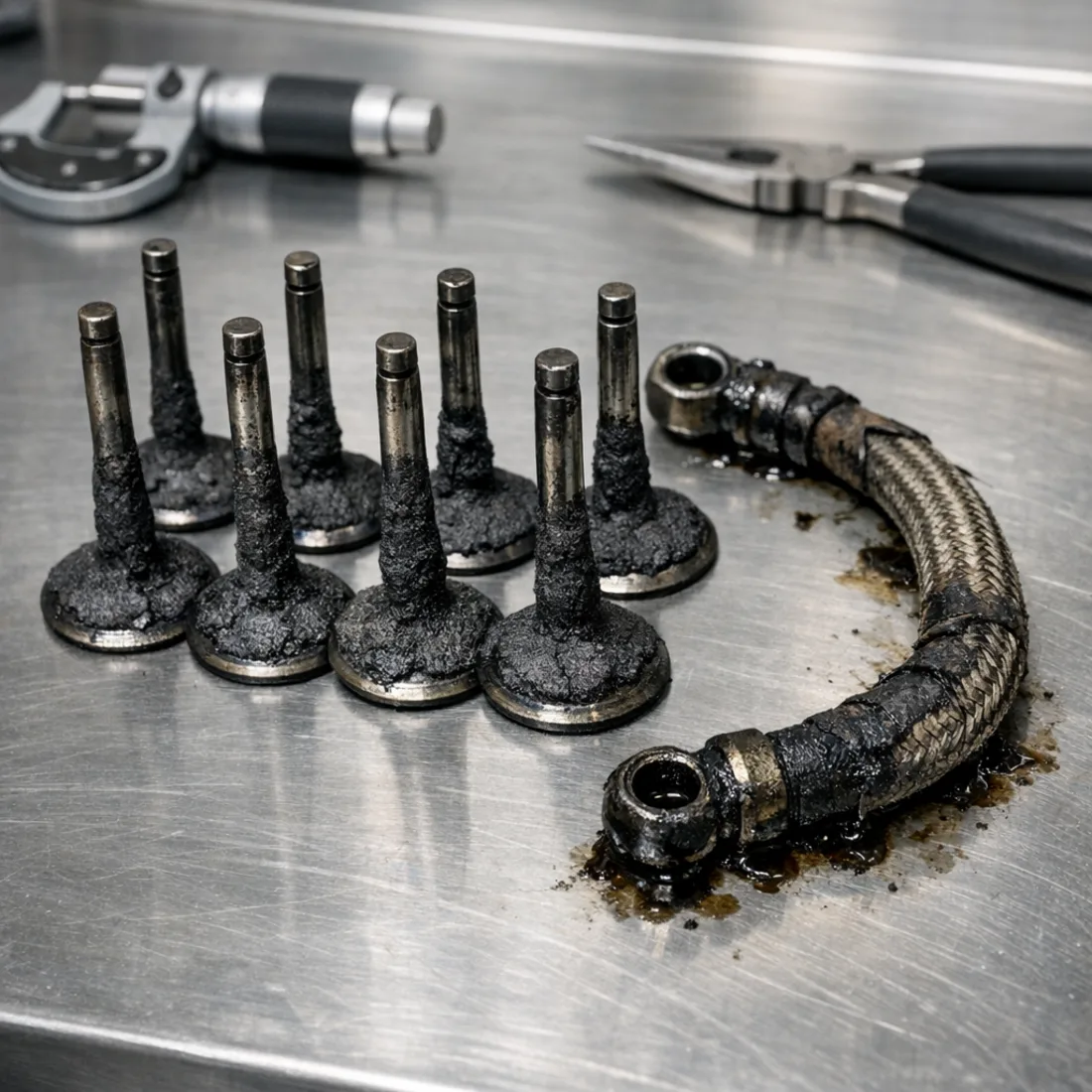
The hot vee layout, where both turbos sit between the cylinder banks rather than outside them, keeps the engine compact and the spool time short. It is clever engineering. The trade off is that heat soaks the turbo oil feed lines, and on high mileage examples those feeds can coke up and restrict oil flow, which accelerates bearing wear. Check the turbo health early and keep up with short interval oil changes.
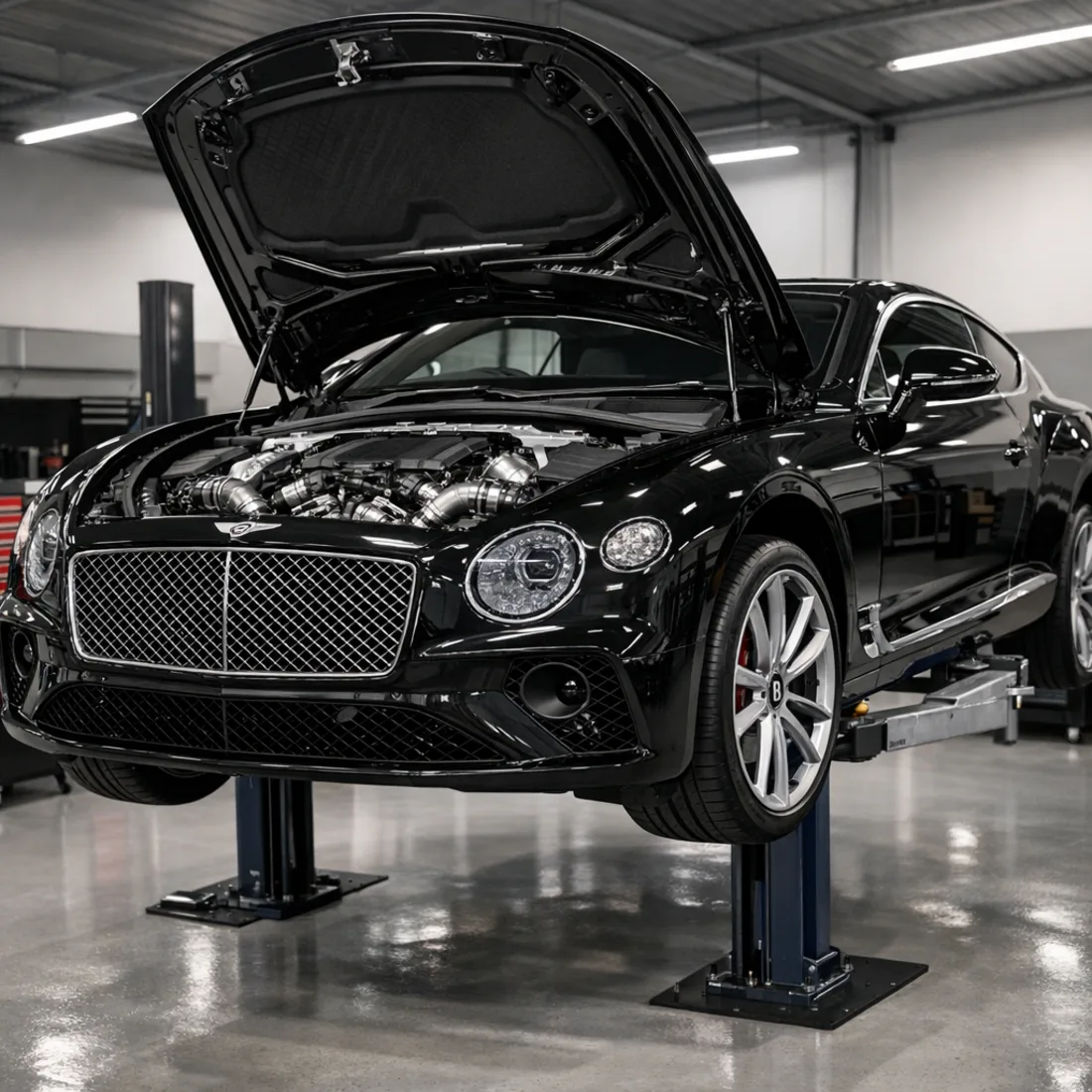
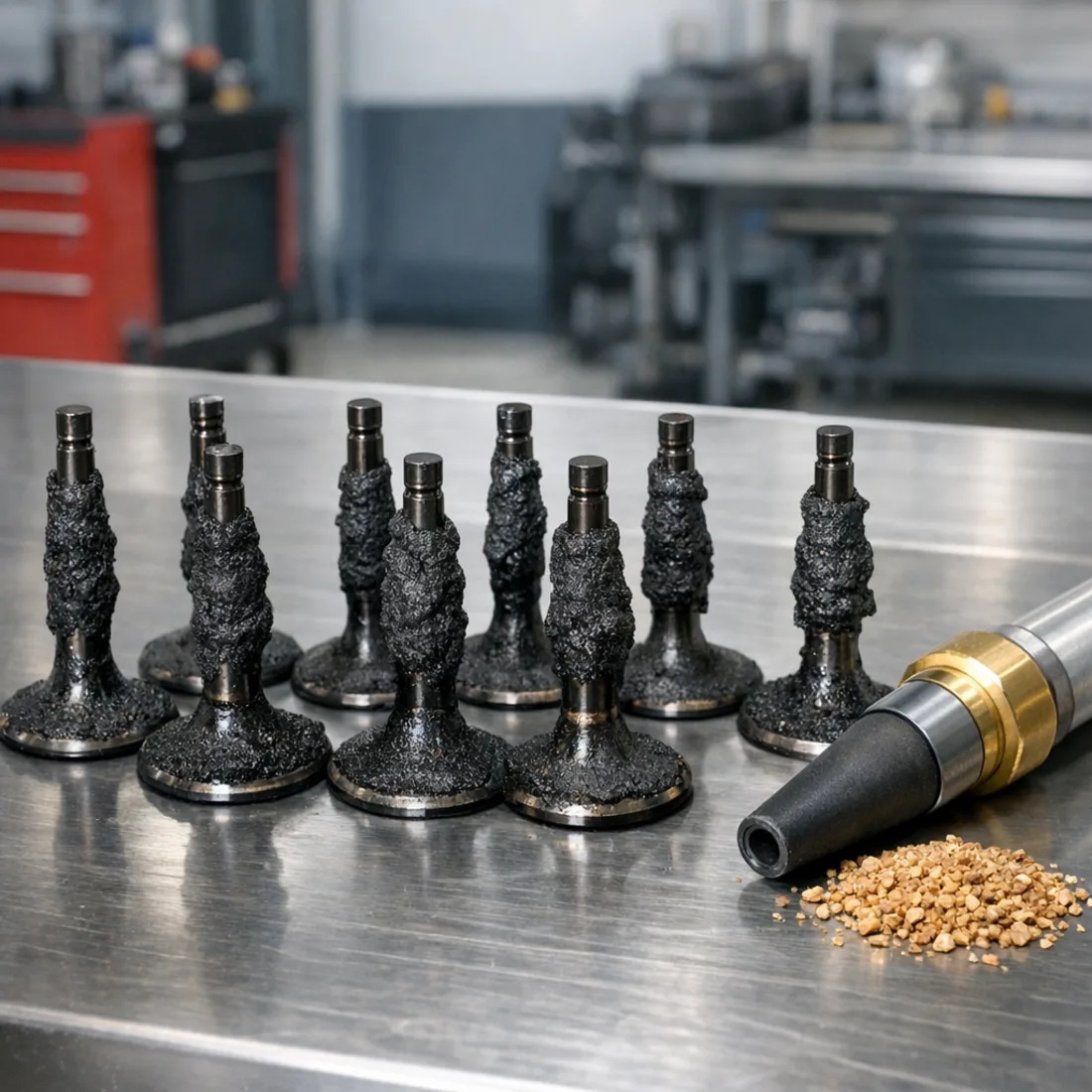
The Continental GT body keeps everything tight, so intake valve cleaning is a proper disassembly job. Do not ignore rough running or a slight misfire at idle, because that is usually carbon fouling telling you it is time for a clean. The timing chain on these is not a forever item either. If the service history is unclear, a cold start rattle check and a proper oil pressure test are worthwhile before you buy.
-
Turbo oil feed coking from heat in the valley
-
Carbon build up on intake valves, direct injection is the cause
-
Timing chain and tensioner wear on stretched service intervals
-
Coolant thermostat housing and water pump weeping
-
High pressure fuel pump and injector faults
-
Coil pack and spark plug degradation
-
Air suspension component wear given the car's weight
A Stage 1 map takes this CMM V8 from 507 hp and 660 Nm to 640 hp and 900 Nm.
That is a meaningful step up in real world driveability.
For tuning, the MED17.1.1 ECU responds well. A Stage 1 map takes this CMM V8 from 507 hp and 660 Nm to 640 hp and 900 Nm, a gain of 133 hp and 240 Nm. That is a meaningful step up in real world driveability.
Additional options on this platform include DTC removal, pop and bang map, start/stop deactivation, FLAPS, Vmax and DECAT functions.
Off-road and motorsport use only. EGR, DPF, AdBlue, decat and related DTC options are not road legal in New Zealand, and a vehicle with them will not pass a WOF.
Get your Bentley V8 booked in with a proper specialist.
Continental Flying Spur 4.0 V8 (CMM): The Four Door Take on the Same Engine
Same CMM engine code. Same 3993 cc displacement. Same 9.3:1 compression, same 84.5 x 89.0 mm bore and stroke, same Bosch MED17.1.1 ECU, same 507 hp and 660 Nm from the factory. The Continental Flying Spur is essentially the four door limousine expression of the Continental GT's drivetrain, and that means every CMM fault listed above applies here too.
What changes with the Flying Spur body is weight distribution and the expectations placed on the air suspension. This is a car that gets used as an executive limousine, driven long distances at motorway pace with a full complement of passengers and luggage. The air suspension components and the accessory drives work harder over time, and the coolant system, particularly the thermostat housing, tends to show weeping seals on higher mileage examples. Budget for a cooling system check when you buy one.
Compared to the Continental GT, the Flying Spur tends to cover higher annual kilometres in New Zealand. That means the CMM faults that show up on stretched service intervals appear sooner. Keep oil changes tight, use the correct high spec grade, and treat the spark plugs and coils as a regular consumable rather than a fix when broken item.
-
Coolant thermostat housing weeping, especially on higher mileage cars
-
Carbon build up on intake valves causing rough idle and misfires
-
Coil packs and spark plugs, a known regular service item
-
Air suspension and accessory drive inspection, loaded use accelerates wear
-
Timing chain guides on cars with unclear service history
-
Turbo oil feed condition and general turbo health
Stage 1 tuning is identical to the GT: 640 hp and 900 Nm from 507 hp and 660 Nm.
The same additional options apply too, including DTC removal, pop and bang map, start/stop deactivation, FLAPS, Vmax and DECAT.
Stage 1 tuning is identical to the GT: 640 hp and 900 Nm from 507 hp and 660 Nm. The same additional options apply too, including DTC removal, pop and bang map, start/stop deactivation, FLAPS, Vmax and DECAT.
For the full tuning options on CMM engined cars, our team handles proper ECU read, calibration and write on the bench. We do not flash over the air or use off the shelf generic files.
Flying Spur 4.0 V8 Bi Turbo: The Newer Platform, Familiar Faults
The newer Flying Spur moved to the EA825 platform, the Volkswagen Group's more recent hot vee twin turbo V8 architecture. Output steps up to 550 hp, and the car is considerably more sophisticated electronically: active engine mounts, air suspension with more modes and more sensors, and 48V mild hybrid or accessory electronics depending on the specification.
The core engine character will feel familiar if you have owned a CMM engined Flying Spur. The hot vee turbos still sit in the valley, direct injection still builds carbon on the intake valves, and oil changes still matter more than the service interval sticker might suggest. What the EA825 adds is a fresh layer of complexity in the form of the 48V system and the active mounts. Both can throw fault codes as the car ages, and both need the factory ODIS platform to diagnose properly rather than a generic reader.
Compared to the older CMM models, the EA825 Flying Spur is a younger car in the New Zealand market and most examples here are not yet at the mileage where the worst CMM faults showed up. That does not mean they are immune. Coolant leak checks, intake valve condition and oil quality are worth verifying at every service regardless of age.
-
Coolant leaks around the valley and turbo feed lines
-
Oil consumption and PCV system faults
-
Carbon build up on intake valves from direct injection
-
Active engine mount faults as electronics age
-
Air suspension component wear and air spring leaks
-
48V and accessory electronics fault codes
The EA825 is more electronically complex, with active engine mounts and 48V systems that the older car does not have.
That complexity is not inherently a problem if it has been serviced properly on factory level diagnostics.
The newer EA825 Flying Spur carries a 550 hp factory output and responds to tuning on the same platform principles, though the specific map parameters follow from the engine's calibration.
What we would caution against is assuming that youth equals simplicity. A car that has been maintained on generic scanners rather than ODIS may have adaptations out of range or unresolved fault codes sitting quietly in modules that a basic reader never found.
Bentley Bentayga 4.0 V8 Bi Turbo (DCUA): Two and a Half Tonnes of Sophisticated Problem
The Bentayga is a different beast in one important way: it is the only SUV in this group, and at close to 2.5 tonnes it is the heaviest. The DCUA engine is a 3996 cc square bore, square stroke unit at 86.0 x 86.0 mm with a 10.1:1 compression ratio and a Bosch MG1CS008 ECU. Factory output is 550 hp and 770 Nm, the highest torque figure of any engine on this page.
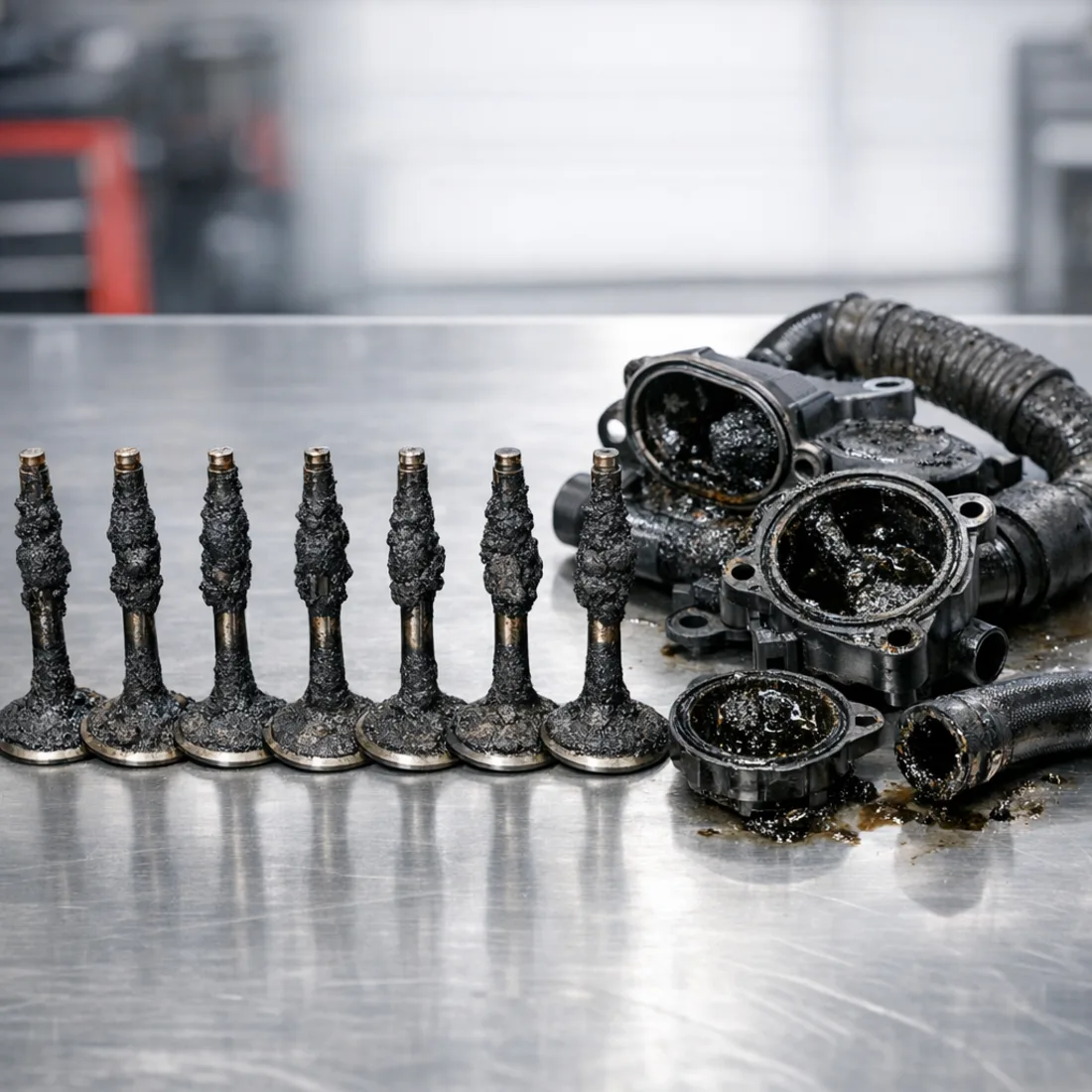
The twin turbos sit in the valley just like every other engine here, and the carbon build up, coolant leak and timing chain wear faults all apply. What makes the Bentayga distinct is its air suspension and active anti roll system. These are sophisticated systems designed to make something the size of a small boat feel composed on the road. They work remarkably well when serviced. On neglected cars, air spring leaks, compressor wear and active roll bar faults accumulate quickly, and the repair bills reflect the engineering complexity.
The Bentayga's brakes deserve specific mention. Stopping 2.5 tonnes from motorway speed repeatedly is serious work, and pad and rotor wear happens faster here than on the lighter Continental GT. If you are buying a used Bentayga, budget for a brake inspection as part of the due diligence. The air suspension is the other big one: a compressor that is running long cycles to maintain ride height is telling you an air spring is leaking.
-
Coolant leaks around the valley and thermostat housing
-
Carbon build up on intake valves, direct injection engine
-
Timing chain and tensioner wear on stretched service intervals
-
Air suspension compressor wear and air spring leaks
-
Active anti roll system faults and hydraulic leaks
-
Brake pad and rotor wear, accelerated by the vehicle's mass
-
Drive belt condition on a heavily loaded accessory drive
Stage 1 tuning on the MG1CS008 ECU takes the DCUA from 550 hp and 770 Nm to 620 hp and 870 Nm.
In a 2.5-tonne SUV, that extra torque makes a genuine difference to overtaking response and motorway composure.
Stage 1 tuning on the MG1CS008 ECU takes the DCUA from 550 hp and 770 Nm to 620 hp and 870 Nm, a gain of 70 hp and 100 Nm. DTC removal is also available on this platform.
All tuning work goes through proper ECU read, calibration and write on the bench. We do not flash over the air or use off the shelf generic ECU files.
Picking Between Them: Used Buying Advice Across the Family
If you are shopping for a used Bentley V8 in New Zealand and you have not settled on which model yet, here is the honest breakdown.
You want the biggest tuning margin in the family. A clean, well serviced CMM car with documented oil changes and no coolant leak history is still a compelling grand tourer, with Stage 1 delivering 640 hp and 900 Nm from a factory 507 hp car. The sweet spot is a car with a full dealer or specialist service history, fresh spark plugs and coils, and a recent intake valve clean. Walk away from anything with a rough idle, a cold start rattle, or a coolant level that keeps dropping.
You want a higher factory output and the latest electronic sophistication. These are younger cars with less high mileage wear in the New Zealand fleet right now. However, the complexity of the active engine mounts and 48V systems means diagnostic capability matters more, not less. Verify an ODIS level service history and check 48V system health before buying.
You need an SUV with grand tourer performance. The DCUA brings the highest factory torque figure at 770 Nm and the most capable air suspension in the group. Inspect the air suspension and active anti roll system thoroughly, and check brake wear closely given the vehicle's weight. A proper ODIS pre purchase scan is money well spent before you hand over the asking price.
- CMM Continental GT and Flying Spur: check service history closely, budget for intake clean and coil packs
- EA825 Flying Spur: younger cars, but verify ODIS level service history and check 48V system health
- DCUA Bentayga: inspect air suspension and anti roll system thoroughly, check brake wear given the weight
- All models: a proper ODIS pre purchase scan is money well spent before you hand over the asking price
Servicing These Cars Properly
Every engine in this group is a direct injection twin turbo petrol. That means a few things are universal regardless of which car is on your driveway. Oil quality and interval discipline matter more than on a port injection engine, because the oil is doing extra work cooling and lubricating turbo bearings that sit in a very hot environment. We use the correct high performance or low ash grade for each application and do not substitute.
Spark plugs and coil packs are regular service items on all four engines, not parts you replace when they fail. A coil pack that is starting to break down under load will not always throw a code immediately, but it will add carbon to the intake over time and stress the catalysts. Fresh plugs and coils on a proper schedule keep the combustion clean and the rest of the engine downstream healthier.
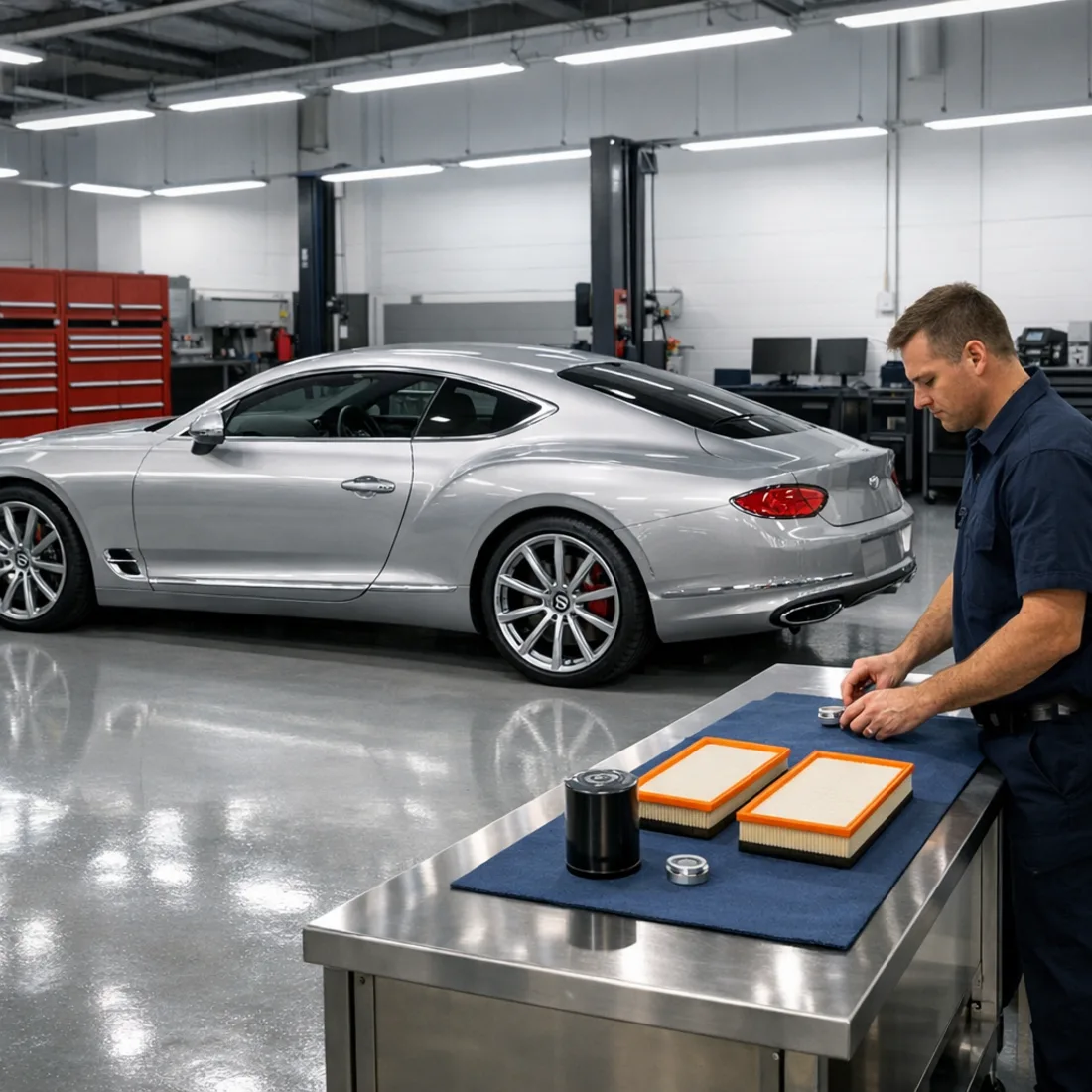
Routine service work we carry out across the Bentley V8 family includes oil and filter service with the correct grade for each engine, air filter and cabin filter replacement, spark plugs and coil pack inspection or replacement, drive belt and tensioner inspection, brake pad and rotor assessment, coolant system inspection and coolant service, air suspension inspection and air spring leak check, and fuel filter replacement where applicable. We fit brand new genuine or OEM parts only, no exceptions.
How We Diagnose Bentley V8s: ODIS and Why It Matters
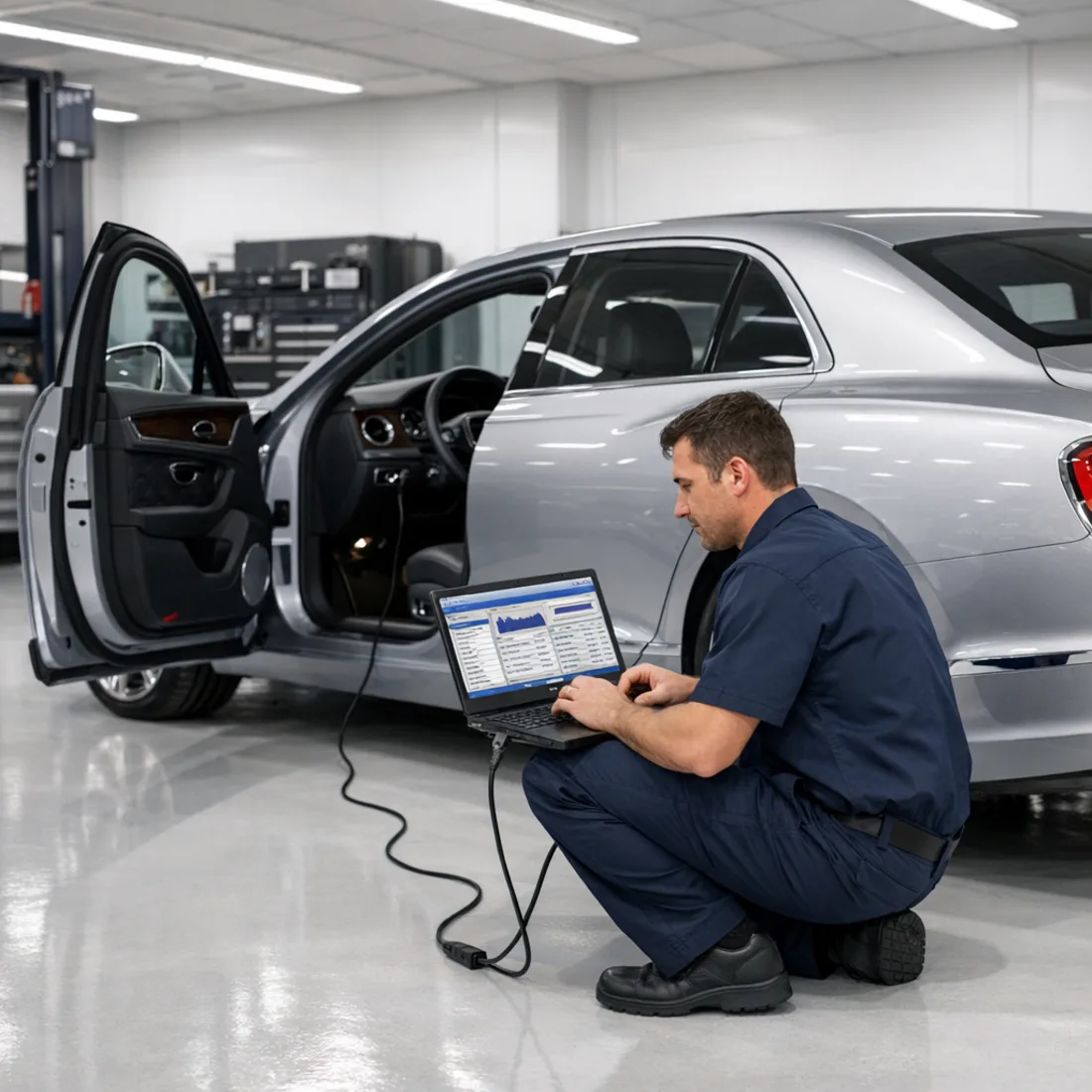
Every car in this family runs VW Group control architecture under the Bentley skin. The correct factory diagnostic platform is ODIS, and that distinction matters far more on these cars than it does on something simpler.
A generic scan tool will read basic OBD fault codes. ODIS reads every control module in the car, including the air suspension ECU, the active engine mount module, the 48V system on the newer cars, the transmission, the active anti roll bars and everything else. It also runs guided functions, so when we replace an air suspension component or a battery, we can run the correct adaptation sequence rather than leaving the system in a default mode that does not match the car's configuration.
For the CMM engined Continental GT and Flying Spur, this is particularly relevant because the MED17.1.1 ECU communicates across the VW Group bus architecture, and coding errors after a module replacement are very difficult to diagnose without the factory tool. For the newer EA825 and DCUA engines, the 48V system and active chassis electronics add further layers that generic tools simply cannot reach. Our auto electrical team handles the full diagnostic process, from initial scan through live data analysis and guided component testing, all on the correct platform.
Tuning the Bentley V8 Family
All four engines on this page are tunable, and the numbers are significant. The CMM engines in both the Continental GT and the Continental Flying Spur carry the biggest margin: Stage 1 takes them from 507 hp and 660 Nm to 640 hp and 900 Nm. That 133 hp and 240 Nm gain transforms how the car feels in the mid range, which is exactly where you use it most on New Zealand roads.
The MED17.1.1 ECU responds exceptionally well to calibration. Additional options on the CMM engined cars include pop and bang crackle map, start/stop deactivation, FLAPS, Vmax, DECAT and DTC removal. All tuning work goes through proper ECU read, calibration and write on the bench.
The DCUA Bentayga delivers a more modest but still worthwhile Stage 1 result on the Bosch MG1CS008 ECU. In a 2.5-tonne SUV, that extra torque makes a genuine difference to overtaking response and motorway composure rather than just headline numbers. DTC removal is also available on this platform.
The newer EA825 Flying Spur carries a 550 hp factory output and responds to tuning on the same platform principles, though the specific map parameters follow from the engine's calibration.
We do not flash over the air or use off the shelf generic files. All work is carried out through a proper ECU file service with full read, calibration and write on the bench.
Frequently Asked Questions
The questions we get most. Something else on your mind? Get in touch.