Maserati Ghibli & Levante: Service, Diagnostics and Tuning Across All Generations
From the Ferrari developed twin turbo petrol in the original Ghibli saloon to the 48V mild hybrid four cylinder in the latest Levante, Maserati has packed this family with engineering that rewards attentive ownership and punishes neglect at pace. These are not cars you hand to a generic workshop with a plug in code reader. They deserve factory level diagnostics, the right fluids, and someone who knows the difference between the generations. That is exactly what we do, every day, out of our Penrose workshop.
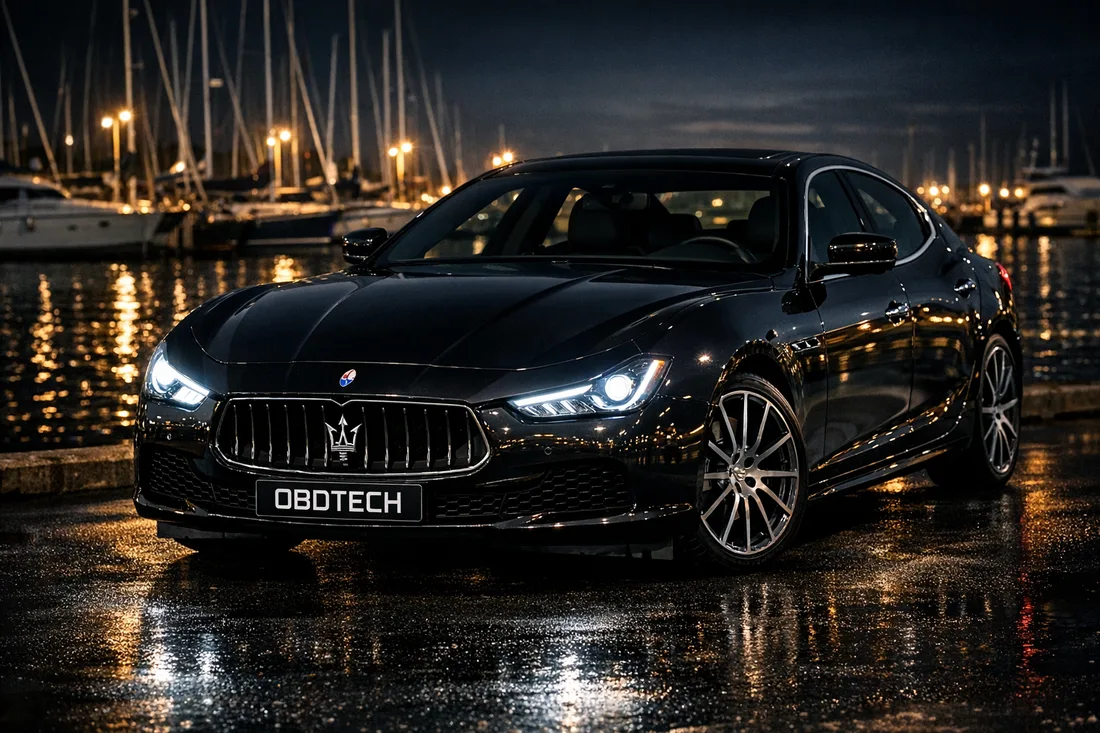
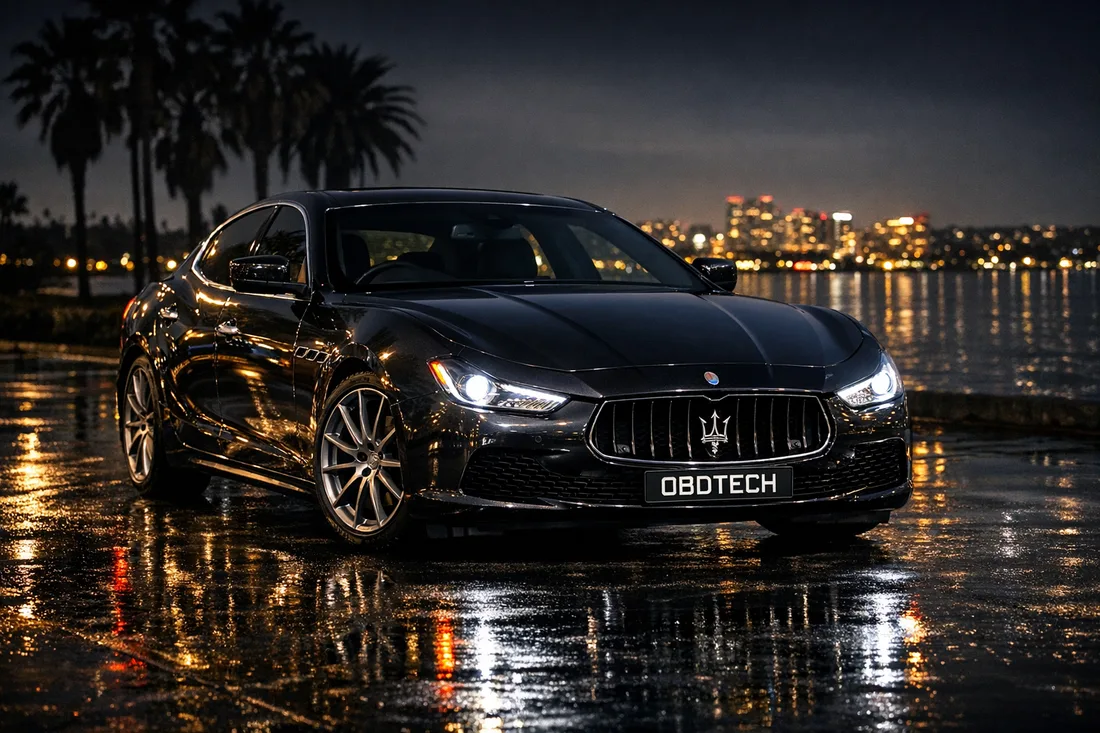
Maserati Ghibli 3.0 V6 350hp: Ferrari DNA, Real World Faults
There is something genuinely special about an engine built with Ferrari involvement at Maranello. The F160AM twin turbo 3.0 V6 petrol, producing 350hp and 500Nm, is shared with the Quattroporte and it shows: torque arrives strong, the soundtrack is properly addictive, and the ZF 8-speed makes the most of both. This is the Ghibli that set the template for everything that followed, and it remains the one most often in our workshop.
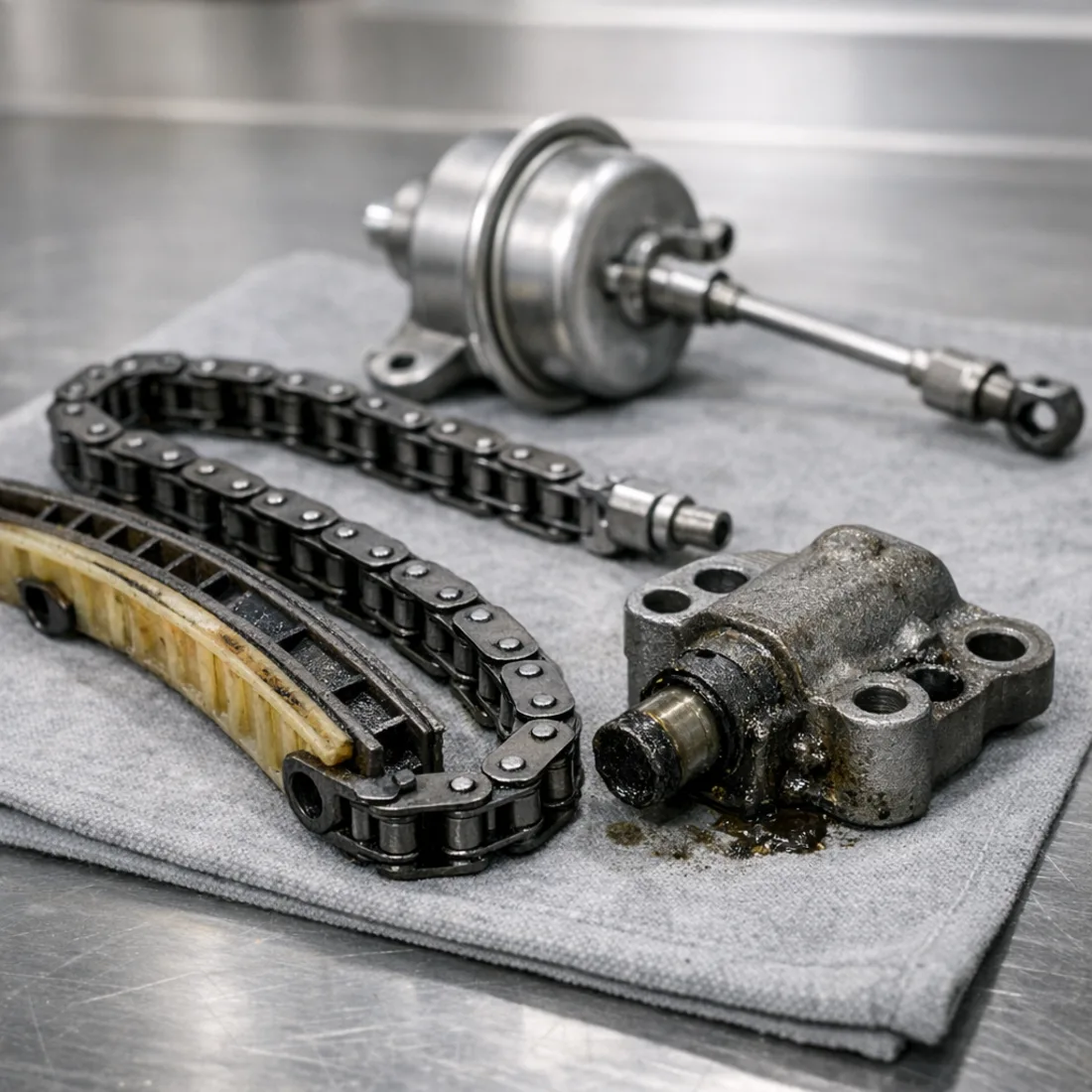
As mileage climbs, the F160AM develops predictable habits. Timing chain and tensioner wear is the one owners dread most. Listen carefully on a cold start: any rattle that clears after a few seconds deserves immediate attention, not a wait and see approach. Chains that are left to stretch further can cause real damage to an engine that is not cheap to rebuild. Beyond the chain, turbo and wastegate actuator issues show up, coil packs and spark plugs are a consumable item that genuinely matters here, and oil leaks around the valve covers and seals become more common past the 80,000 km mark.
-
Timing chain and tensioner wear: listen for cold start rattle
-
Turbo and wastegate actuator faults
-
Coil pack and spark plug misfires
-
Valve cover and seal oil leaks
-
Infotainment and electronics module faults
-
ZF 8-speed gearbox requiring proper fluid service
Any rattle that clears after a few seconds deserves immediate attention, not a wait and see approach.
Timing chain wear on the F160AM can cause real damage to an engine that is not cheap to rebuild.
We diagnose these using the Maserati MDVCI/SD3 factory platform, not a generic scan tool. That matters because a generic reader will pull basic engine codes and miss faults sitting in the transmission, suspension and body control modules. When we see an infotainment warning, a gearbox hesitation and an engine light all at once, we need to read all of it together. That is how you find the actual cause rather than chasing symptoms.
Stage 1 tuning on the F160AM ECU (Bosch MED17.3.5 or MED17.6.9) takes the petrol Ghibli to 420hp and 600Nm, gains of 70hp and 100Nm. The engine has the hardware to handle it. We also offer DTC removal, pop and bang crackle maps, start/stop defeat, flap control and Vmax adjustments.
Get your Maserati booked in with a team that has the tools and knows the difference between the generations.
Maserati Ghibli 3.0D V6 250hp: The Diesel That Surprises Everyone
The diesel Ghibli often catches people off guard. A VM Motori derived 3.0 V6 turbodiesel, tuned by Maserati, with 600Nm arriving in a wave that makes the ZF 8HP feel like it was designed around this specific engine. At 250hp it is no slouch either, and it is significantly more fuel efficient than the petrol twin turbo. Where the 3.0 V6 petrol can trace a direct line to Maranello, the diesel is a different animal: taller compression at 16.5:1, a different bore and stroke, and completely different failure modes.
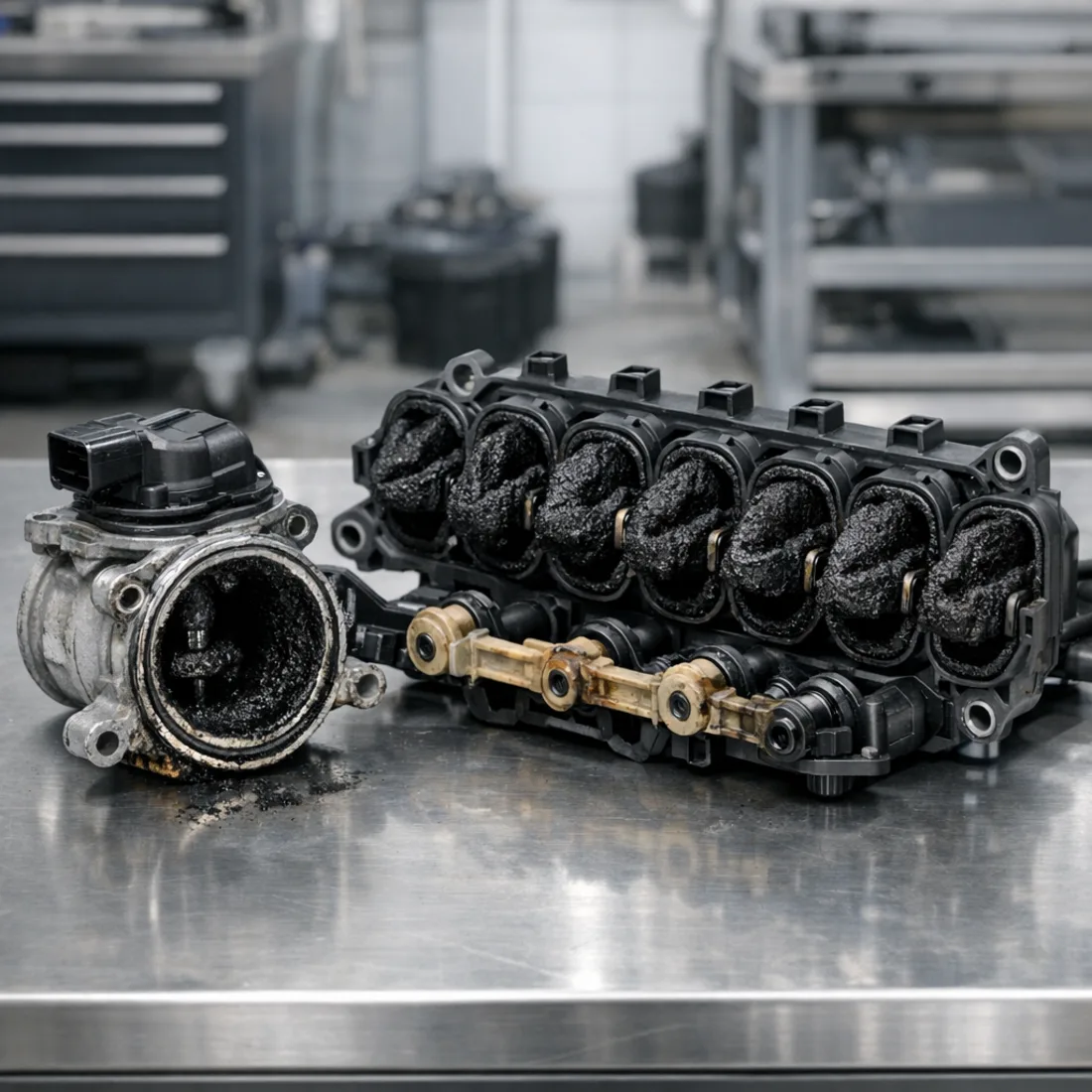
The EGR valve is the headline fault on the 3.0D. Carbon fouling builds progressively and it does not announce itself dramatically. Instead you get gradually deteriorating throttle response, rough idle, and eventually a fault code that sends owners to a dealership for a quote that makes their eyes water. The DPF tells its own story: short trip driving prevents proper regeneration cycles, and blocked DPFs on these cars show up regularly in our workshop. Intake swirl flap gumming adds to the drivability picture, and glow plugs plus turbo actuator condition are worth checking as kilometres accumulate.
-
EGR valve fouling and heavy carbon build up
-
DPF blockage from insufficient regeneration cycles
-
Swirl flap and intake gumming hurting drivability
-
Turbo actuator faults
-
Glow plug failure at higher mileage
-
Coolant and oil leaks from the front of the engine
The EGR valve is the headline fault on the 3.0D. Carbon fouling builds progressively and it does not announce itself dramatically.
Short trip driving prevents proper DPF regeneration cycles, and blocked DPFs on these cars show up regularly in our workshop.
Compared to the petrol F160AM, the diesel does not have the timing chain anxiety, but it has its own consumables that need proper attention. The ZF 8HP gearbox is shared across the Ghibli range and is strong, but both variants benefit from a legitimate fluid and pan service rather than being declared sealed for life. We carry out EGR and DPF cleaning and diagnosis, intake cleans, gearbox servicing, and full scheduled maintenance on the diesel using the correct grade engine oil, air filter, fuel filter, cabin filter and drive belts.
The Bosch EDC17C79 ECU on this engine responds well to a Stage 1 tune: 305hp and 660Nm, gains of 55hp and 60Nm. The midrange torque improvement is the part owners feel immediately. We also offer EGR off, DPF off, DTC removal, pop and bang maps, and start/stop defeat for this variant.
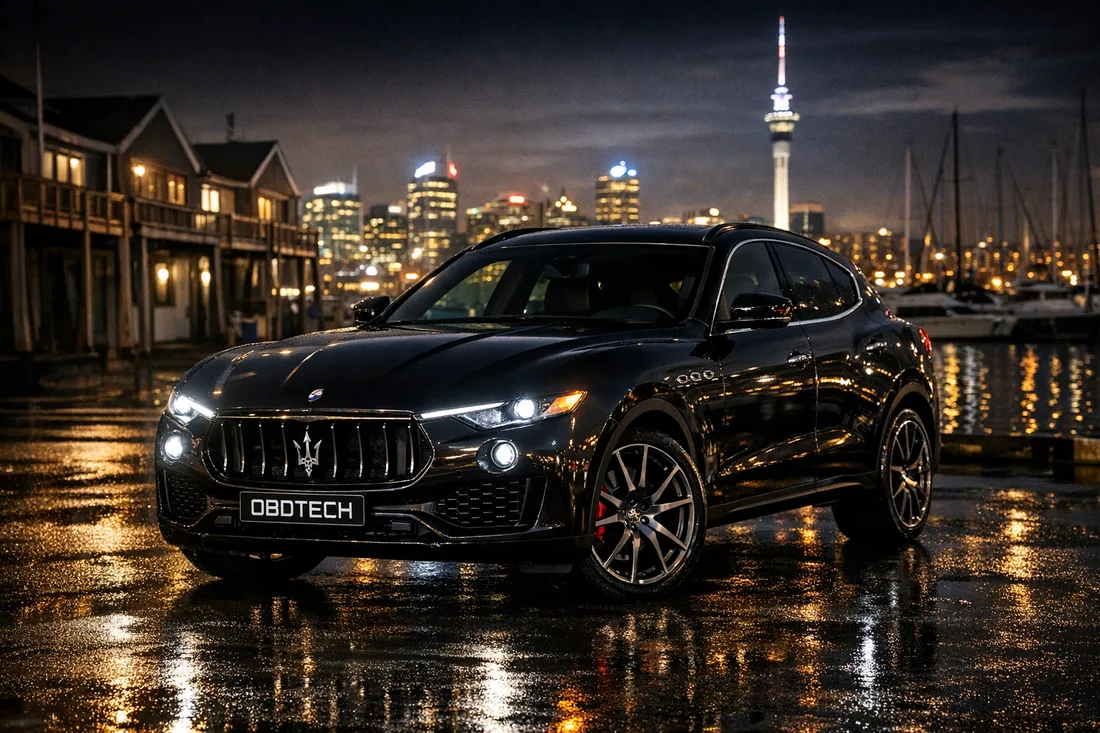
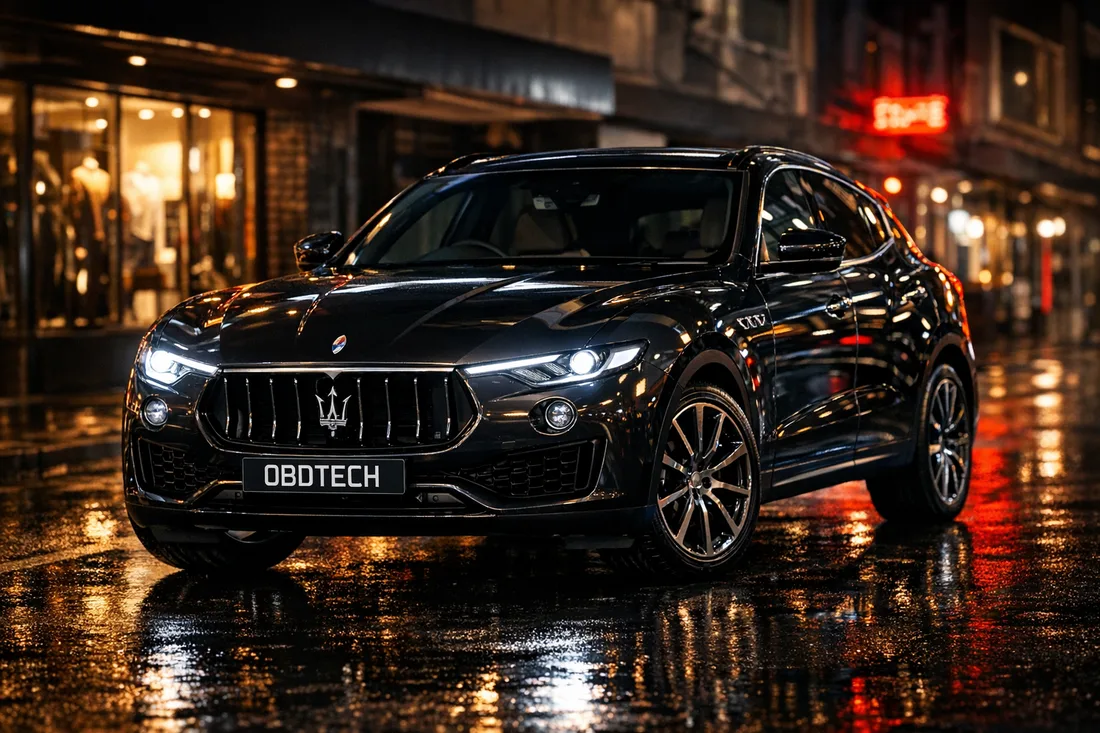
Maserati Levante 3.0 V6 Bi Turbo 350hp: A Ghibli Engine in an SUV Body
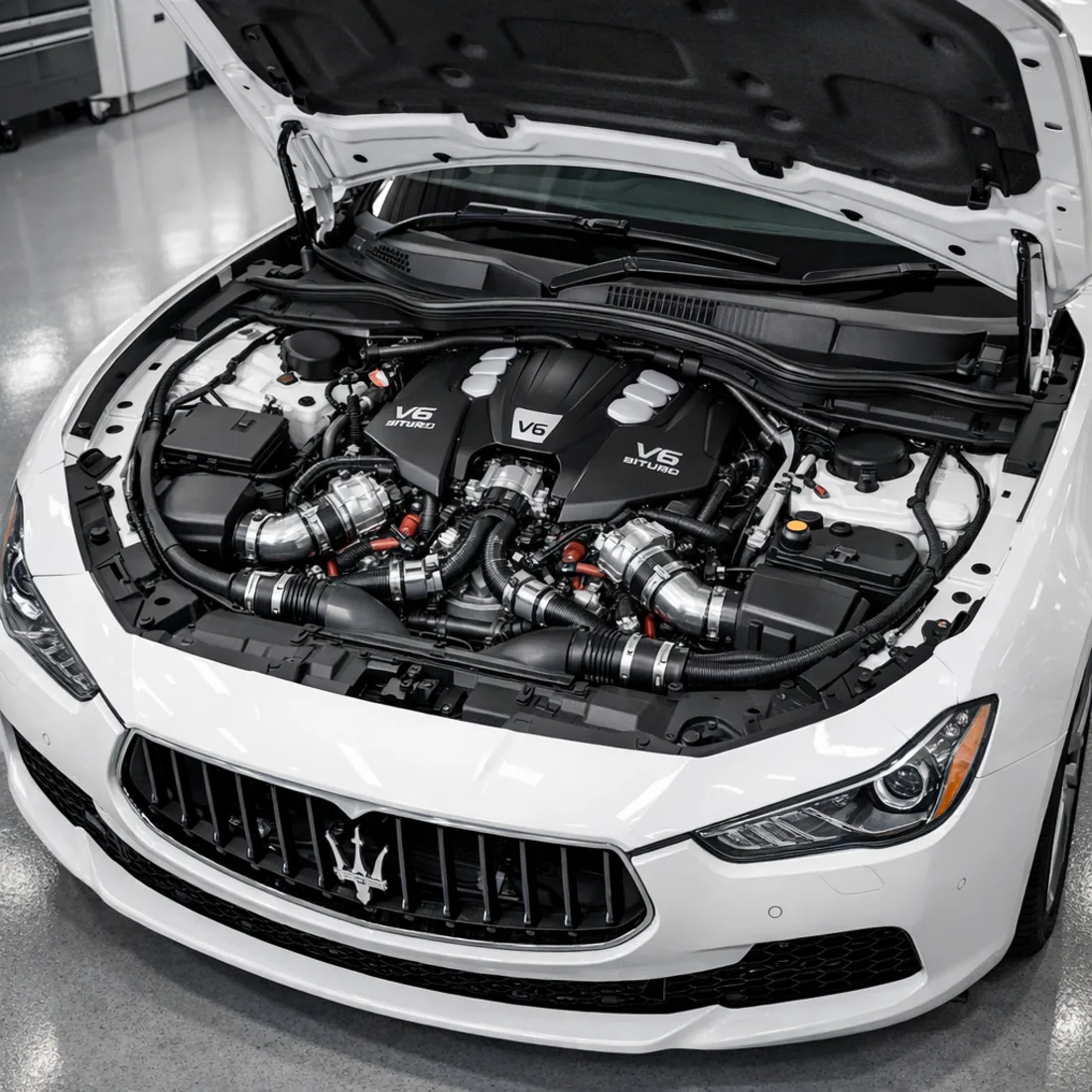
The Levante was a bold move. Maserati had built its reputation on low slung grand tourers and sports saloons, and dropping the trident badge onto an SUV was always going to divide opinion. What made the V6 Bi Turbo Levante convincing was the engine: 2979cc, 350hp, 500Nm, and Ferrari derived architecture that shares a great deal with what we already know from the Ghibli petrol. If you have read the Ghibli 3.0 V6 section above, a lot of this will sound familiar, and that is the point.
The timing chain and tensioner concern carries over directly from the Ghibli. Oil starvation from stretched service intervals is the big killer on this engine: it does not tolerate bargain oil or extended drain intervals. Turbo and intercooler pipe issues, coil pack and spark plug misfires, and electrical gremlins all show up. The Levante adds its own complication with the air suspension system. Bags and compressor failures are a known issue, and when they go, the car can sit nose down or trigger warning lights across multiple modules simultaneously.
-
Timing chain and tensioner wear, accelerated by neglected oil changes
-
Turbo and intercooler boost pipe failures
-
Coil pack and spark plug misfires
-
Air suspension bag and compressor failures
-
Electrical and body module faults
Oil starvation from stretched service intervals is the big killer on this engine: it does not tolerate bargain oil or extended drain intervals.
Air suspension bag and compressor failures can sit the car nose down and trigger warning lights across multiple modules simultaneously.
The ECU on the Levante V6 Bi Turbo is the same Bosch MED17.3.5 or MED17.6.9 platform as the Ghibli petrol, and Stage 1 tuning reaches the same 420hp and 600Nm figures with gains of 70hp and 100Nm. DTC removal, pop and bang maps, start/stop defeat, decat, flap control and Vmax adjustment are all available.
The ZF automatic transmission benefits from the same fluid service schedule we recommend across the range. Routine maintenance on the Levante V6 covers oil and filter with the correct high spec grade, air filter, cabin filter, fuel filter, wipers, drive belts, spark plugs, brake pads and rotors, plus air suspension health as part of every thorough service visit.
Maserati Levante 2.0T 330hp: The Mild Hybrid Generation
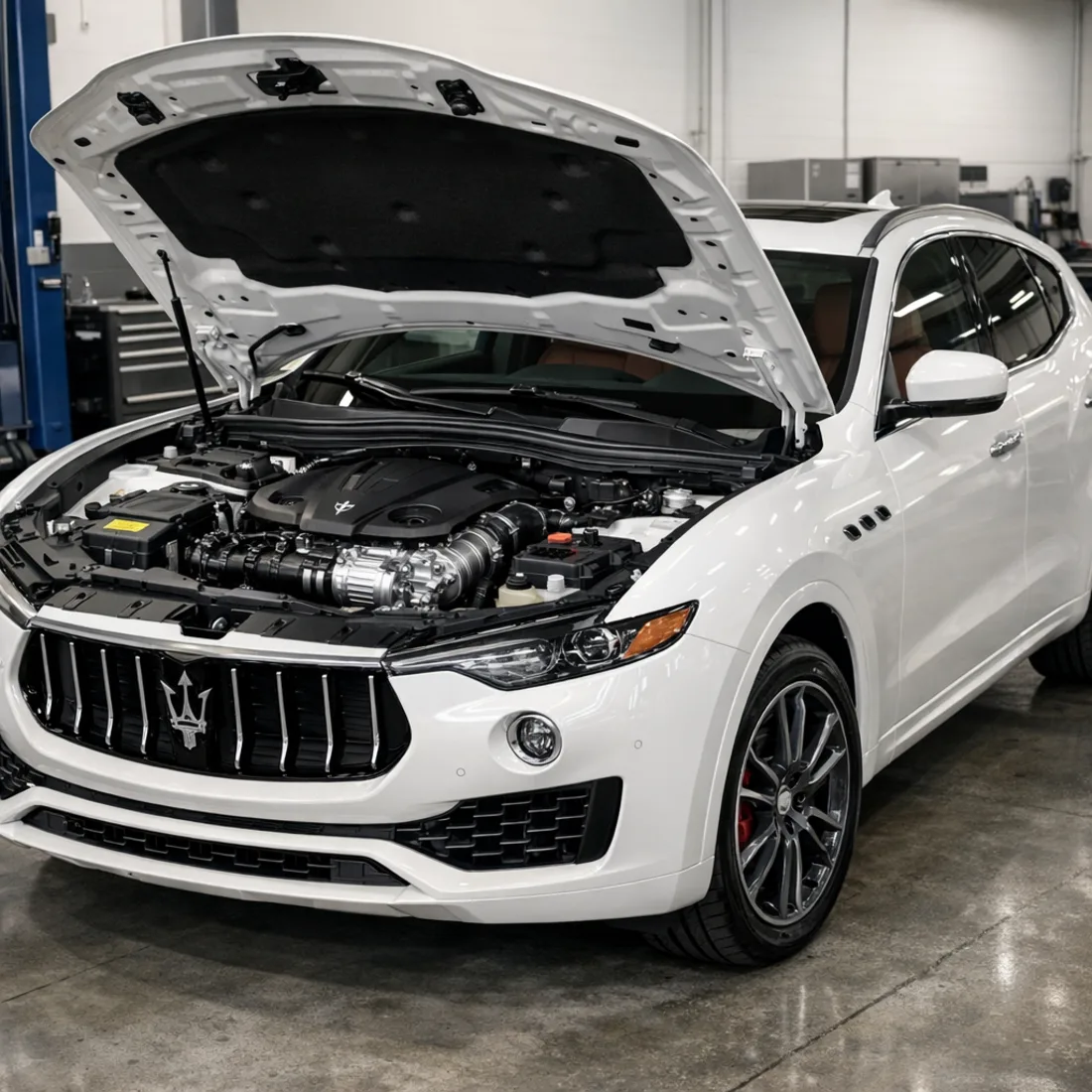
The 2.0T Levante represents the newest direction for the model line: a turbocharged four cylinder petrol paired with a 48V mild hybrid system producing 330hp. It is down slightly on power compared to the V6 variants, but the hybrid assistance fills in where the smaller engine would otherwise feel thin. It is a genuinely interesting car, and it is also the one that introduces failure modes the earlier Levanters never had.
The 48V system, starter generator and its battery are the new variables. Rough restarts, hesitation when the engine kicks back in, and hybrid system warning lights all point here first. Beyond the hybrid components, direct injection carbon build up on the intake ports is a known issue on this engine: the fuel does not wash the valves as it does on port injected engines, so carbon accumulates and progressively kills throttle response. Coil packs and spark plugs are still on the checklist. Air suspension bags and the compressor remain a weak point carried over from the V6 Levante. Cooling components, water pump condition and oil leaks around the sump and covers are age related concerns that appear as these cars get older.
-
48V system, starter generator and hybrid battery faults causing rough restarts and hybrid warnings
-
Direct injection carbon build up on intake ports killing throttle response
-
Coil pack and spark plug failures
-
Air suspension bag and compressor failures
-
Cooling components, water pump and oil leaks around sump and covers
Diagnostics on the 2.0T need factory level access to read the hybrid modules alongside the engine, chassis and body systems.
A generic scan tool simply does not cover the 48V architecture properly.
Diagnostics on the 2.0T need factory level access to read the hybrid modules alongside the engine, chassis and body systems. A generic scan tool simply does not cover the 48V architecture properly. We use the correct Maserati factory platform, which gives us full module access and proper adaptation read back rather than a partial picture.
Stage 1 tuning is available on the 2.0T to lift the 330hp output for owners who want more from the four cylinder. Routine servicing covers the correct grade oil and filter, air filter, fuel filter, cabin filter, wipers, drive belts, spark plugs, coils, brake pads and rotors, plus hybrid battery and air suspension health checks as part of a thorough service visit.
Shopping Used: How to Pick Between These Generations
If you are weighing up which Maserati to buy, the honest answer is that each variant has a distinct personality and a distinct risk profile. Across all four, the sweet spot used buy is a car with documented service history, no stored fault codes across all modules, and a timing chain or DPF inspection already done. We can run a pre purchase health check on any of these variants using factory level tooling so you know exactly what you are buying before money changes hands.
You want the driver's pick with Ferrari DNA. The F160AM engine is spectacular when maintained, and a well kept example is a bargain relative to what it costs new. The risk is buying one with a neglected timing chain or stretched service history. Before committing, get a cold start inspection and a full factory level scan to check for stored faults across all modules.
You want the long distance, real world choice. 600Nm, better fuel economy, and a ZF gearbox that handles the torque beautifully. The caveat is that it needs highway kilometres to keep the DPF happy. If the previous owner used it as a city car, the DPF will tell the story. Check the EGR condition and ask about the service history on the diesel side: fuel filter, air filter, and glow plugs are often overlooked.
You want V6 performance in SUV form. It carries similar mechanical risks to the Ghibli petrol but adds the air suspension variable. Budget for potential suspension work and check the history on oil changes obsessively: this engine is not forgiving of stretched intervals.
You want the newest and most modern variant. It carries the least mileage related wear in most cases, but also the least known long term track record. The 48V hybrid system is the wildcard. Check for hybrid warnings, get the battery health read from the factory platform, and inspect the air suspension as standard. If it is all clean, it is a very capable, modern SUV.
- Documented service history with correct oil grade recorded
- Cold start inspection for timing chain rattle on V6 petrol variants
- Full factory level scan across all modules, not just the engine
- DPF condition and regeneration history on the diesel Ghibli
- EGR valve and intake condition on the 3.0D
- Air suspension bag and compressor health on all Levante variants
- Hybrid battery state of health check on the 2.0T
- ZF gearbox fluid service history on all variants
- Stored fault codes in transmission, body and suspension modules
Servicing Across the Maserati Family
Regardless of which variant you own, the servicing philosophy is the same: correct fluids, correct parts, correct tools, done at the right interval. Maserati is not a brand where you substitute a compatible oil grade and hope for the best. The F160AM and M 139S petrol engines are especially sensitive to oil quality, and the diesel A630HP needs the right grade for the fuel system and turbo to stay healthy.
Common servicing work across the range includes engine oil and filter change using the correct high specification grade for each variant, air filter, fuel filter (especially diesel) and cabin filter replacement, spark plugs and coil packs on all petrol variants, glow plug inspection and replacement on the diesel, brake pads and rotors front and rear, ZF 8-speed automatic gearbox fluid and pan service, cooling system inspection and coolant service, drive belts and timing chain inspection, and air suspension health check on Levante variants. We fit brand new genuine and OEM parts only. No substitutes, no compromises. For brake specific work across any of these Maseratis, our brake repair service covers the full scope from pad and rotor replacement through to caliper rebuilds.
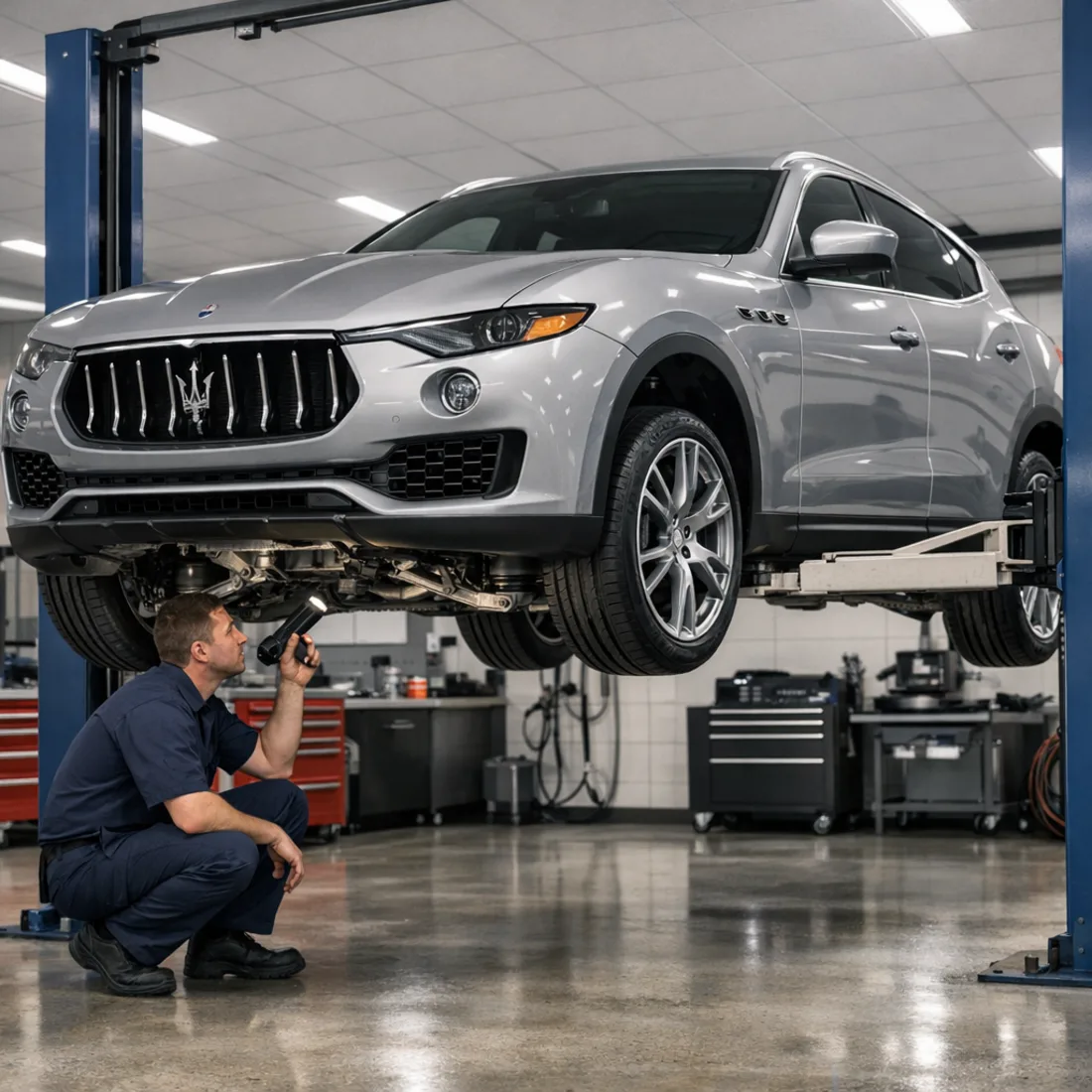
How We Diagnose Maseratis: Factory Tools, Not Guesswork
Every generation in this family has one thing in common: they do not talk to generic scan tools properly. The Maserati MDVCI dealer interface and Maserati diagnostic software is what lets us read all modules, not just the engine. That means the transmission adaptive data, the air suspension control module, the body electronics, the 48V hybrid system on the 2.0T, and the instrument cluster. When a car comes in with multiple warning lights and a frustrated owner who has already been to another workshop, the issue is almost always that the previous diagnosis was done with a partial picture.
Factory level access also lets us carry out proper adaptations after repairs. Replace a turbo actuator and need the ECU to relearn it. Fit a new gearbox solenoid and need the ZF adaptation reset. None of that happens correctly on a generic tool. It is the difference between a repair that solves the fault and a repair that fixes the part but leaves the car behaving oddly for months afterward.
For the 2.0T Levante specifically, the hybrid modules require a platform that speaks the 48V system's language. Starter generator faults, battery state of health data and hybrid warning codes are not accessible any other way. All Maserati diagnostic work at our workshop is carried out using the correct factory platform. Our auto electrical services cover the full scope of what we can read and repair.
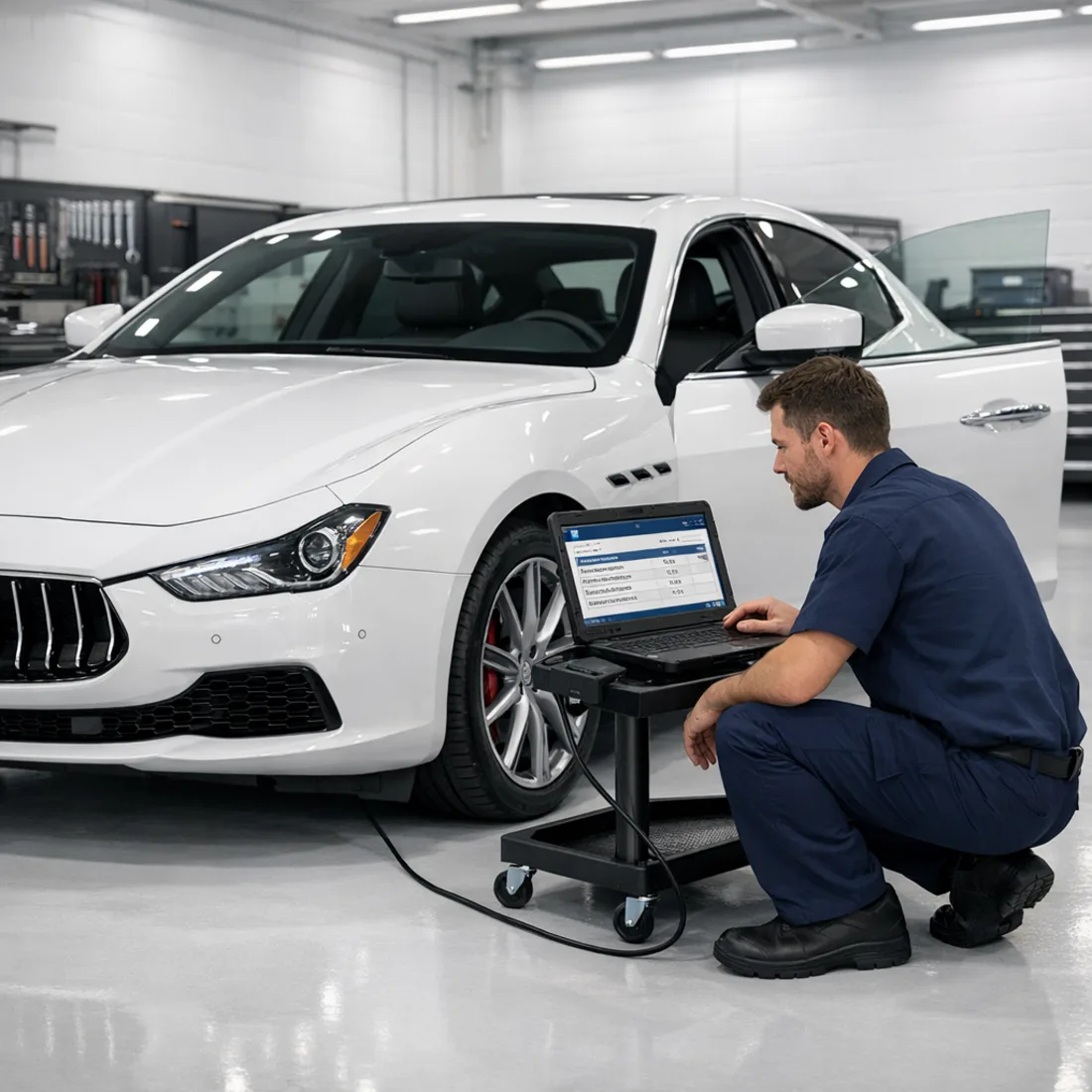
Stage 1 Tuning: More From Every Generation
Every engine in the Maserati Ghibli and Levante family responds to a properly calibrated Stage 1 tune. Whether you want more shove from the petrol V6, stronger midrange torque from the diesel, or a lift on the 2.0T four cylinder, the hardware is capable. We only carry out tuning on properly serviced cars: a neglected engine should be sorted first.
The ECU is Bosch MED17.3.5 or MED17.6.9. The tune is written within safe operating limits using the existing hardware. We also offer DTC removal, pop and bang crackle maps, start/stop defeat, flap control and Vmax adjustment on this variant.
The Bosch EDC17C79 ECU on this engine responds well to a Stage 1 tune. The midrange torque improvement is the part owners feel immediately. We also offer EGR off, DPF off, DTC removal, pop and bang maps, and start/stop defeat for this variant.
Same Bosch MED17.3.5 or MED17.6.9 platform as the Ghibli petrol, reaching identical Stage 1 figures. DTC removal, pop and bang maps, start/stop defeat, decat, flap control and Vmax adjustment are all available on the Levante V6.
Stage 1 tuning is available on the 2.0T to lift the 330hp output for owners who want more from the four cylinder. The tune is written within safe operating limits and using the existing hardware. The car must be in good service condition before we proceed.
All tuning work is preceded by a health check of the relevant engine and its service condition. For a full breakdown of what is achievable across performance vehicles, see our power gains page.
Frequently Asked Questions
The questions we get most. Something else on your mind? Get in touch.