Serious Servicing for a Serious Machine
Picture a hand built 6.75 litre twin turbo V8 that produces 537 horsepower and 1100 Newton metres of torque, wrapped in hand stitched leather and whisper quiet cabin insulation. The Mulsanne is about as far from a city runabout as you can get. But even the finest engineering in the world runs on oil, filters, spark plugs and boost pipes, and the moment something goes wrong in a car this complex, the bill for guesswork is brutal. Getting it right the first time matters enormously here.
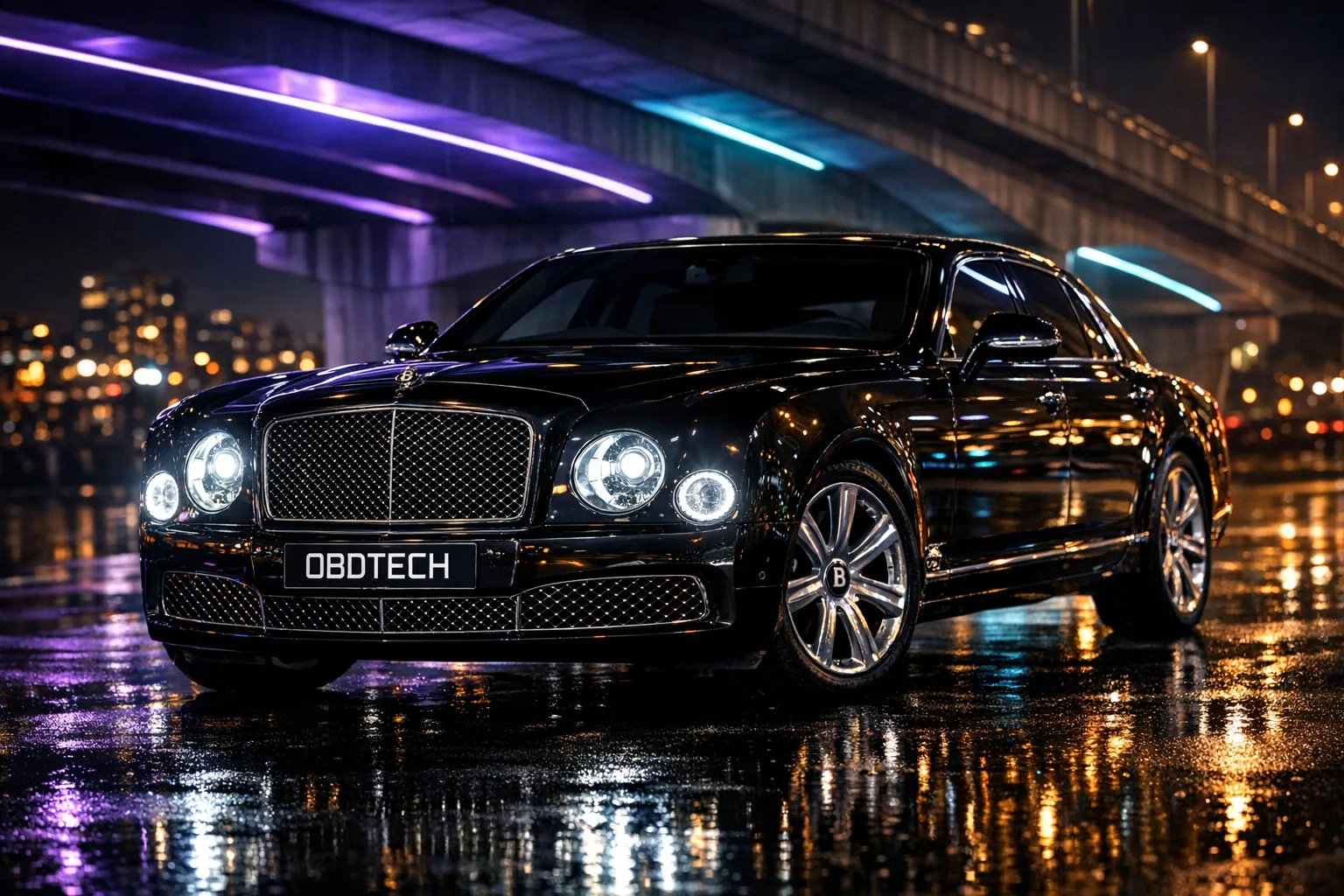
6752 cc, Twin Turbos, Bosch MED17.1.1
Every Mulsanne covered here runs the CKB engine: a 6752 cc petrol V8 with twin turbos, a bore and stroke of 104.2 by 99.1 mm, and a compression ratio of 8.9 to 1. The ECU is a Bosch MED17.1.1, which is a sophisticated piece of hardware managing fuelling, ignition timing, boost control and a long list of safety and comfort functions simultaneously. Stock figures are 537 hp and 1100 Nm, which is a startling number for torque on a petrol engine. Those figures come from a twin turbo setup that works at fairly modest boost to stay refined, and that balance between power and smoothness means the entire system is calibrated tightly from the factory.
The 6.75 litre displacement is old school in the best possible way. It is a large, low revving engine that generates its torque low in the rev range rather than chasing peak power at the top. That character means it is relatively forgiving of minor ignition wear day to day, right up until it is not, and by then you have usually been running on partially misfiring cylinders long enough that the catalytic converters have taken some heat. Staying ahead of the service schedule on a car like this is not optional.
The Mulsanne sits at the very top of the Bentley range, and in the New Zealand fleet it is rare. That rarity means most general workshops simply do not see enough of them to stay sharp. Factory level diagnostics and a known service history matter more here than on almost any other car.
-
Valve cover gaskets and rocker cover seals are the most common source of oil leaks on this engine as the kilometres add up. Left alone, oil can find its way into the ignition coil wells, meaning coil replacement is added to the job.
-
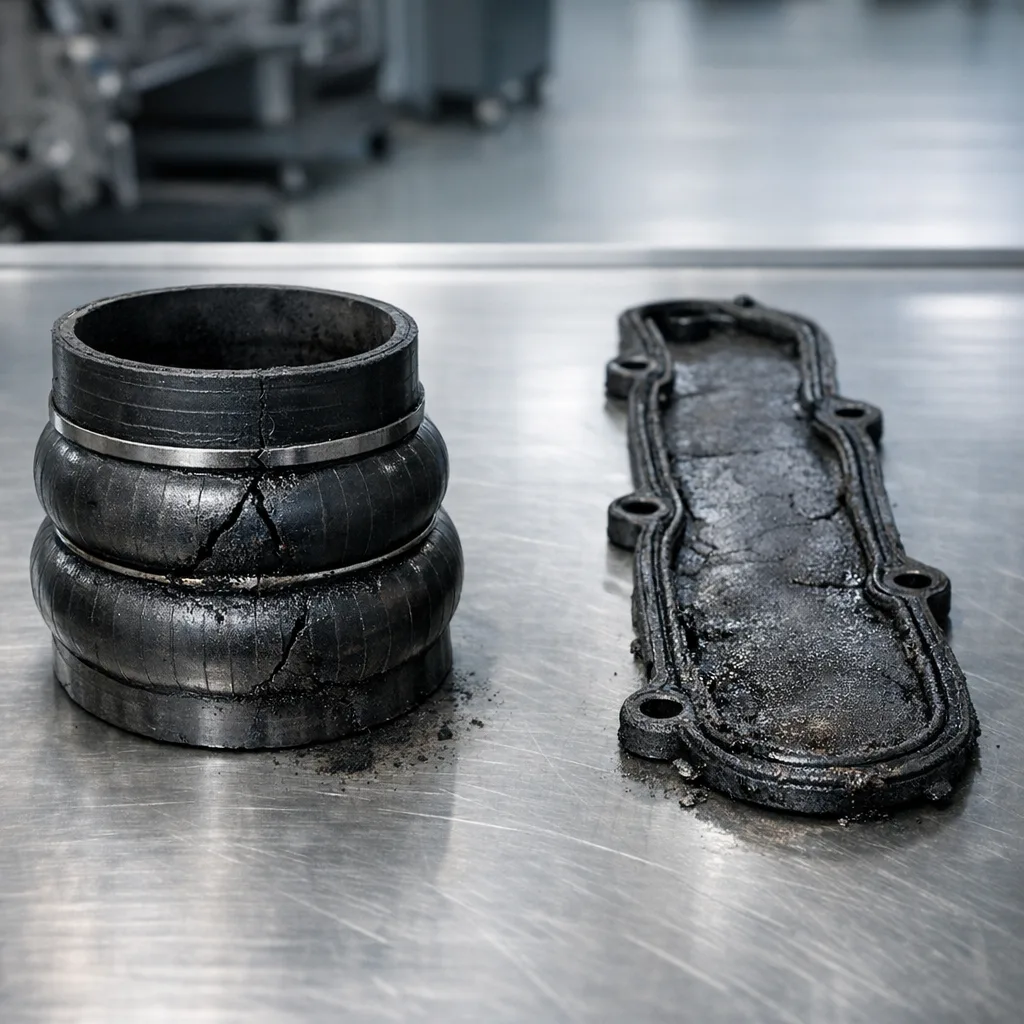
The twin turbo system feeds charge air through a network of pipes and couplers that split, loosen or perish at the clamp seats over time. A boost pipe leak often does not trigger an obvious fault code immediately, instead producing gradual power loss, hesitation under load and occasionally a faint hiss at idle.
-
An eight cylinder engine has eight coils and eight plugs, and on a car that may spend long periods between drives, moisture and heat cycling take a toll. A failing coil on a V8 this smooth can be easy to miss at first, eventually becoming a rough idle with an amber engine warning light.
By the time the ECU logs a fault, you have usually been running lean or underboost long enough that it is worth checking the charge pipes end to end.
We pressure test the system with the engine off so there is no guesswork about which coupler is at fault.
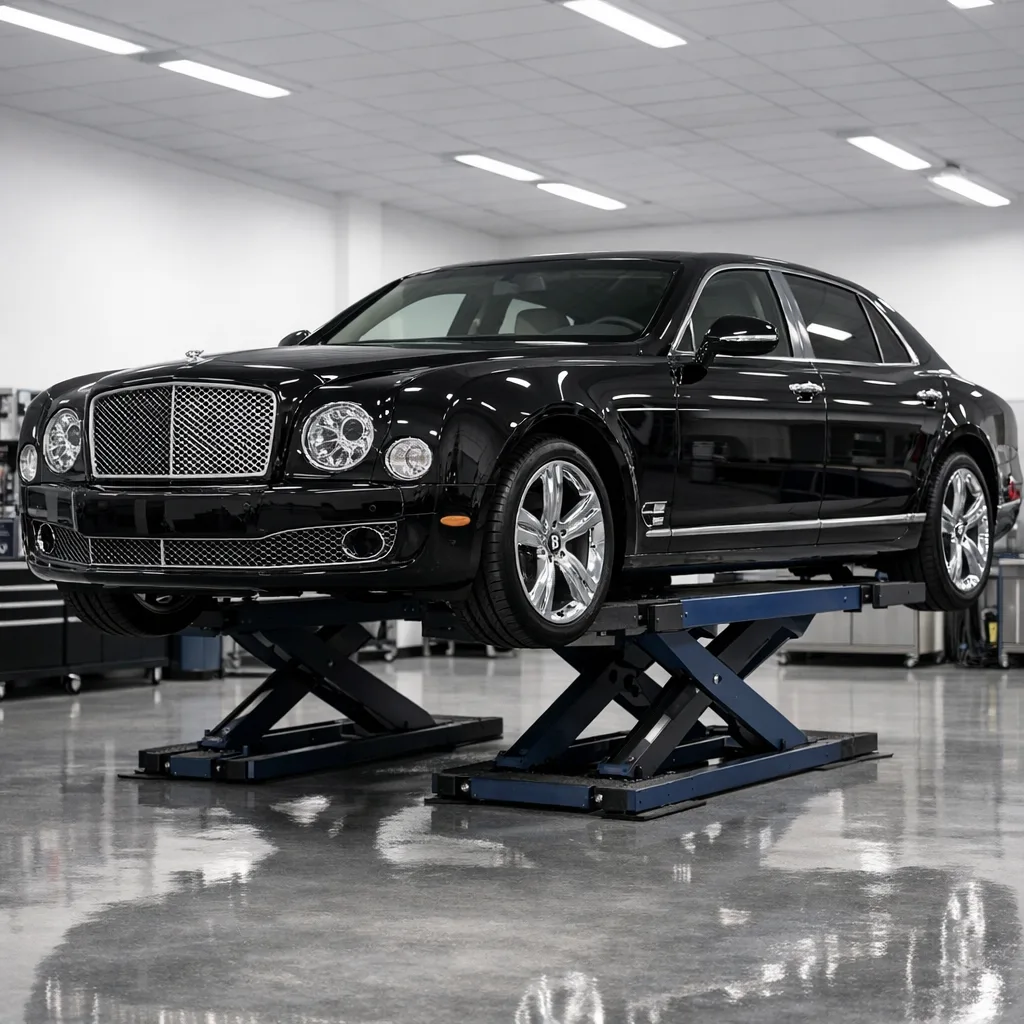
Get your Mulsanne booked in with a proper specialist.
What a Proper Service Schedule Looks Like on This Car
The CKB engine specifies a full synthetic oil that meets or exceeds the factory requirement for a high output turbocharged petrol engine of this capacity. Using anything short of that specification on a twin turbo V8 running 1100 Nm is a false economy that shows up in turbo bearing wear over time. The oil and filter service is the foundation everything else builds on. Beyond engine oil, the air filter on a 6.75 litre engine flows a significant volume and deserves attention on schedule rather than a visual check and a pass. Cabin filter, fuel filter and coolant condition all get checked at every major service visit.
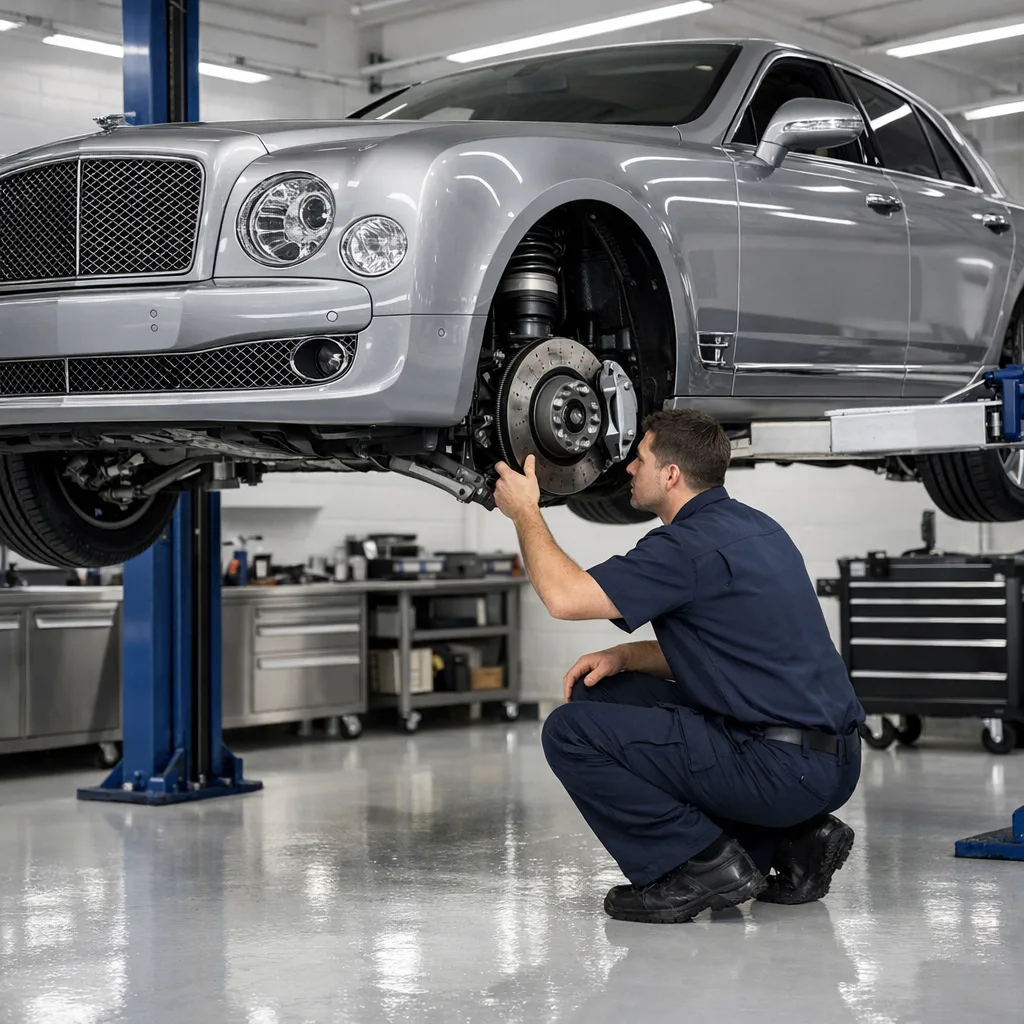
A car that weighs as much as the Mulsanne and can reach speed as quickly as it does puts real demands on its braking system. Brake pad and rotor wear needs to be assessed with the wheels off and the callipers inspected properly, not just a camera peek through the wheel. Drive belts, tensioners and idler pulleys should be inspected regularly. On an engine this size a belt failure is not a minor inconvenience. Air suspension components, including the compressor, air struts and height sensors, should be checked during any major service because a failed strut leaves the car sitting at the wrong ride height with a warning light that can mask other faults.
Wipers, brake fluid condition, tyre condition and pressure, and a full scan for stored and pending fault codes across all modules round out what a thorough service visit covers on this car. We cover all of this under our servicing work, and anything mechanical that surfaces during the inspection gets assessed and quoted on the same visit.
Reading the Mulsanne Properly with ODIS
The Mulsanne shares a significant amount of its electronic architecture with the broader Volkswagen Audi Group platform. That means the right diagnostic tool is the VAG factory platform ODIS, the same software Bentley and Audi dealerships use for guided diagnostics and live data sessions. We run ODIS here, which lets us communicate with every control module in the car: the engine ECU, the air suspension control unit, the comfort and body modules, the instrument cluster and the transmission controller, all of it. A generic scan tool will pick up powertrain faults on the main bus but it misses the depth of data that actually tells you why a fault is there, not just that it exists.
Live data from ODIS on the CKB engine includes real time boost pressure per turbo, injector correction values per cylinder, coil primary voltage, coolant and intake air temperatures, and air suspension ride height sensor values. That depth of data is what separates a diagnosis from a guess. It is also what lets us confirm a repair worked before the car leaves, rather than finding out on the motorway. If the car has electrical gremlins alongside its service needs, our auto electrical team works through module faults, wiring issues and sensor failures with the same factory level tools rather than handing it off to a separate workshop. Everything stays in one place.
Stage 1 Tuning on the CKB: More Power, Measured Approach
The Bosch MED17.1.1 ECU in this engine is a well understood platform, and Stage 1 calibration on the CKB can lift output to approximately 700 hp and 1400 Nm, a gain of around 163 hp and 300 Nm over stock. Those are significant numbers, and the engine hardware is capable of running them. What deserves careful thought is the driveline: the transmission and the rest of the drivetrain are carrying those loads every time the accelerator is pressed, so this is not a modification to rush into on a high mileage car without a proper mechanical assessment first.
Beyond the core power calibration, the ECU on this platform also supports DTC removal for off road or track situations, pop and bang crackle mapping on the overrun, start stop system defeat, decat calibration for track and off road use where WOF compliance is not required, throttle flap adjustment, and Vmax limiter removal. Any emissions related modification such as decat or flap removal affects on road compliance and is best discussed openly before any work is done.
Our performance tuning team can walk through what makes sense for how this car is actually used. If you prefer to send your ECU file in, we also offer a remote file service for the MED17.1.1 platform.
Off-road and motorsport use only. EGR, DPF, AdBlue, decat and related DTC options are not road legal in New Zealand, and a vehicle with them will not pass a WOF.