Maserati Quattroporte V6 & V8 Service and Repair in Auckland
Picture a full size Italian sports saloon with 530 horsepower behind you, the exhaust doing something symphonic, and nothing on your mind except the road ahead. That is what the Quattroporte promises. What it does not advertise is that keeping it in that state takes a workshop that actually knows the car, not one that shrugs and reaches for a generic code reader the moment something amber appears on the dash.
Two Engines, Both Worth Knowing
The 3.0 litre V6 twin turbo carries the engine code M156C. It displaces 2979 cc, runs an 86.5 mm bore against an 84.5 mm stroke, and sits at a 9.7 to 1 compression ratio. Factory output is 330 hp and 500 Nm, managed through a Bosch MED17.3.4, MED17.3.5 or MED17.6.9 ECU depending on build date. This is a sophisticated direct injection unit with twin turbos and all the packaging complexity that brings. It is an impressive engine when it is healthy, and a surprisingly expensive one when it is not.
-
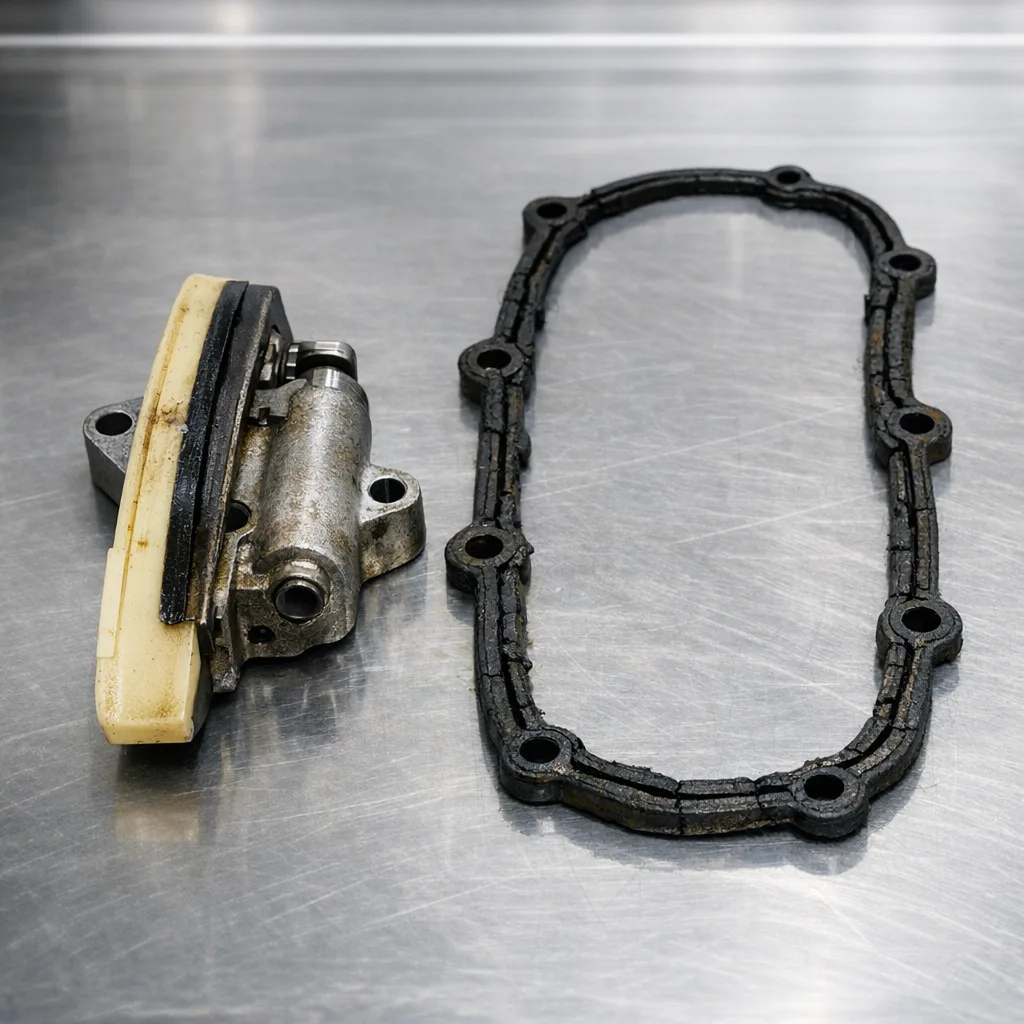
Timing chain stretch and tensioner wear, particularly if oil changes have been stretched out. Symptoms include a rattle on cold start that may settle once oil pressure builds, or in worse cases a persistent knock.
-
Coil pack and spark plug failures cause misfires showing up as a yellow engine warning light and a stumble under load. Finding the specific culprit quickly on a V8 with eight coils and eight plugs is where proper diagnostics earn their money.
-
Cam cover gaskets and front crank seals are known weak points as these cars age. The cam cover leak leaves an oily residue and a faint burning smell as oil contacts hot exhaust components nearby.
-
On the V6 especially, wastegate actuator rattle and boost leaks from intercooler plumbing connections are worth catching early. A boost leak can show up as reduced power, limp mode, or a boost related fault code.
-
The ZF 8 speed automatic communicates with the Maserati body and engine modules in ways that require proper diagnostic access to interpret correctly. Hesitation on gear changes or an amber transmission warning light can point to anything from overdue fluid service to a solenoid fault.
-
Carbon build up on intake valves is common on direct injection engines like these, as fuel is never washing the back of the valve the way it does on port injected engines. That alone can cause rough running.
It is an impressive engine when it is healthy, and a surprisingly expensive one when it is not.
The right workshop makes the difference between fixing the actual fault and replacing parts until something changes.
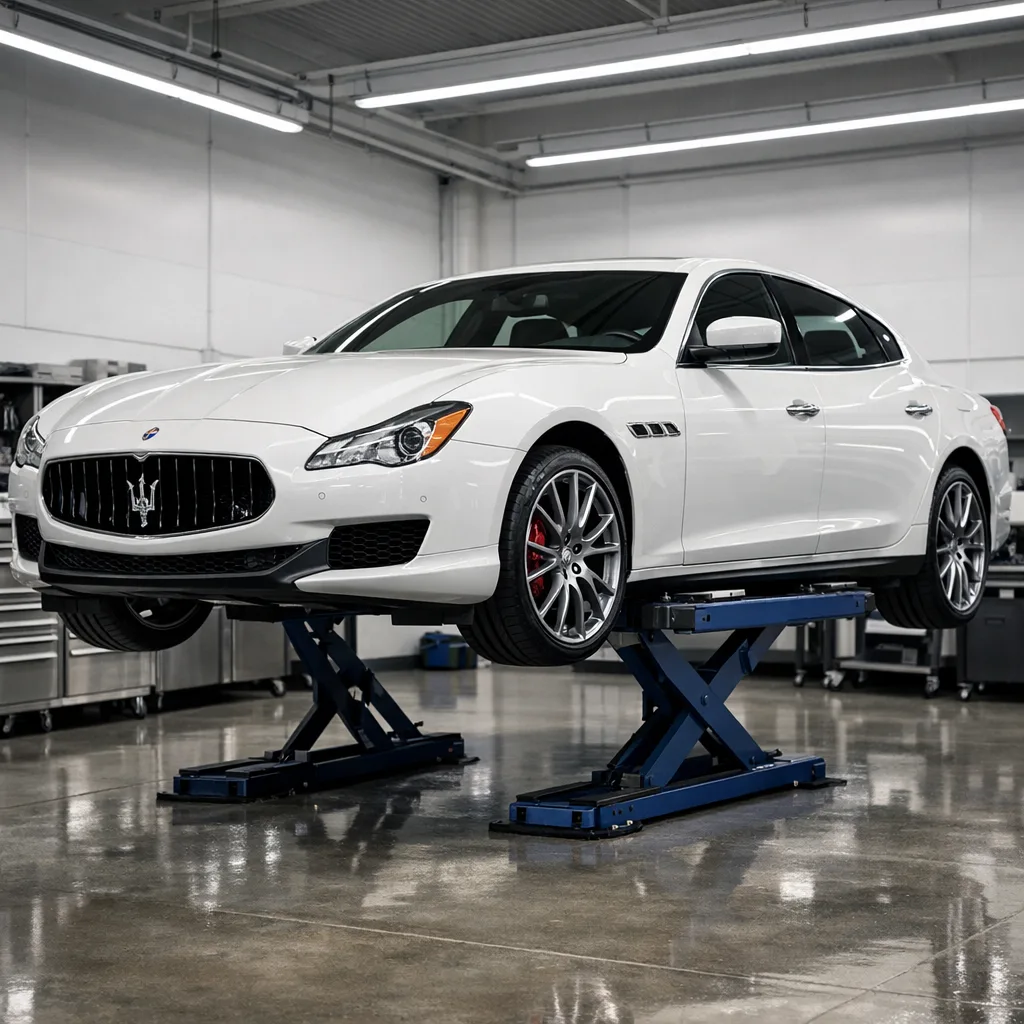
Get your Quattroporte booked in with a proper specialist.
The GTS: When the V6 Simply Is Not Enough
The 3.8 litre V8 GTS is a different proposition entirely. Engine code M156A, displacing 3799 cc with an 86.5 mm bore and 80.8 mm stroke, compression at 9.5 to 1. Stock figures are 530 hp and 650 Nm, again on Bosch MED17.3.4 or MED17.3.5 engine management. This is the GTS variant, the one people buy when the V6 simply is not enough. Both engines share Ferrari lineage and both deserve more than a generic scan tool and a guessed service interval.
-
Timing chain stretch and tensioner wear on the M156A. The tensioners can lose their ability to maintain correct chain tension as mileage climbs. Left alone this becomes a major internal failure; catch it early and it is a targeted repair.
-
On a V8 with eight coils and eight plugs to check, finding the specific misfire culprit quickly is where proper diagnostics earn their money. Swapping all eight plugs on a schedule and inspecting coil resistance saves the guesswork entirely.
-
Front seal leaks are quieter than cam cover leaks but lead to oil tracking down the front of the engine and, eventually, oil consumption that becomes hard to explain on a healthy engine.
-
ZF 8 speed hesitation, reluctance to engage first gear when cold, or an amber transmission warning light can point to anything from a fluid service being overdue to a solenoid fault to a software calibration issue.
Adding 40 hp and 150 Nm transforms how the car feels on a motorway overtake.
The V8 GTS M156A goes from 530 hp and 650 Nm to 570 hp and 800 Nm on a Stage 1 ECU file tune.
Key programming and immobiliser work on the Quattroporte also sits within our capability. If you have a key fault, a lost key situation, or need a replacement programmed correctly to the car, our auto electrician and immobiliser service handles that properly rather than leaving you at the mercy of a main dealer booking queue.
We fit genuine, brand new OEM and OEM grade parts as standard across all of this work. No shortcuts on a car that cost this much to buy. Book online or give us a call and we will get the Quattroporte sorted, whether it needs a service, a diagnosis, a repair, or just a lot more power. We are at Unit 26, 930 Great South Road, Penrose, Auckland 1061.
V6 or V8: Which Quattroporte Is Right for You?
The sixth generation Quattroporte is one of the more interesting cars to land in the New Zealand market. It sits in a small and specific corner of the fleet: a genuine grand touring saloon with Ferrari derived engines, a ZF 8 speed automatic, and an interior that makes a business class seat look ordinary. Both variants have strong cases depending on what you want from the car.
You want a more accessible entry point into the Quattroporte with plenty of real world performance. The 330 hp twin turbo is impressively capable and the tuning options on the M156C are broader, including pop and bang, Vmax removal, FLAPS and DECAT for off road and track use.
The V6 simply is not enough. The 530 hp GTS is the flagship for a reason. Ferrari lineage, 650 Nm from the factory, and room to grow to 570 hp and 800 Nm on a Stage 1 ECU tune. This is the one you buy when the number matters.
- Check the timing chain and tensioner service history on any used example
- Listen for a cold start rattle that may indicate tensioner wear
- Look for oil residue around cam covers and at the front of the engine
- Ask for ZF 8 speed fluid change records
- Test the Skyhook suspension and dampers
- Have a multi module diagnostic scan carried out before purchase
- Inspect turbo plumbing and intercooler connections on the V6
- Check ignition coil and spark plug service history on the V8
Off-road and motorsport use only. EGR, DPF, AdBlue, decat and related DTC options are not road legal in New Zealand, and a vehicle with them will not pass a WOF.
Routine Servicing Done Properly
Routine car servicing on the Quattroporte starts with the oil and filter, using a full synthetic that meets or exceeds the Maserati specified grade for these engines. It is not the place to cut costs with a cheaper oil. The engines run tight tolerances and the turbo bearings in particular need proper lubrication from a cold start. Air filter, cabin filter, spark plugs on a correct schedule, drive belts checked and replaced before they fail rather than after, and wiper blades because nobody should be driving a car like this with streaky vision in an Auckland downpour.
Timing chain service, coil and sensor replacement, cam cover gaskets, ZF 8 speed fluid changes: all of these are part of the work we do regularly on these cars. We carry out proper brake pad and rotor replacement with new OEM grade components, bedded in correctly. We fit genuine, brand new OEM and OEM grade parts as standard across all of this work.
Dealer Level Access, Not a Punt in the Dark
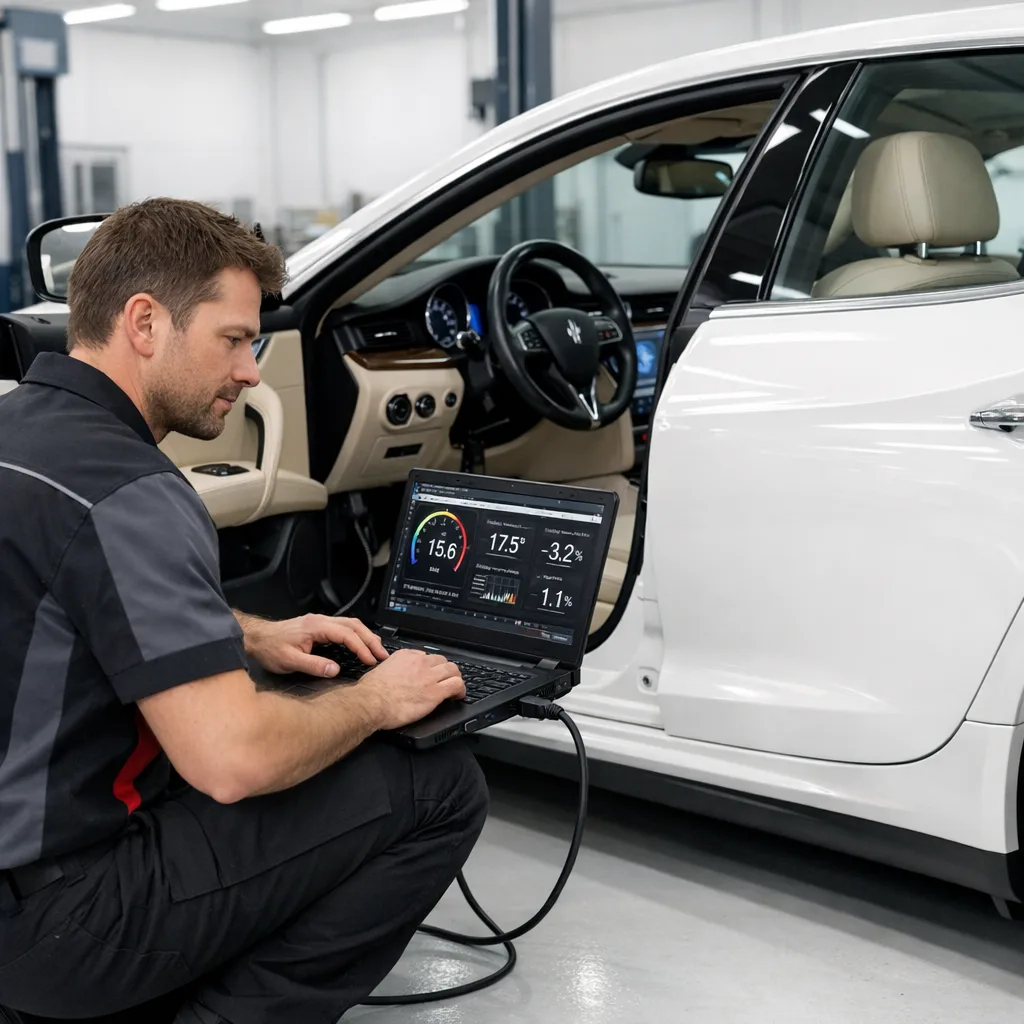
We use the correct professional diagnostic platforms to communicate with the Bosch MED17 engine management on both variants, reading live fuel trim data, boost pressures, ignition timing, misfire counters and sensor outputs in real time. That means when a cam sensor reads intermittently or a turbo wastegate is not responding correctly, we can see it happening rather than inferring it from a stored fault code.
The Quattroporte's body control, transmission and suspension modules all talk on the same diagnostic bus, so we pull the full picture across every system in one session rather than working blind on individual components. That diagnostic depth is what makes the difference between fixing the actual fault and replacing parts until something changes. On a car at this price point, a thorough diagnosis upfront is not a luxury. It is straightforwardly cheaper than the alternative.
ECU Tuning for the V6 and V8 GTS
For owners who want more from either variant, the tuning side is worthwhile. Both tunes are ECU file based, written for the Bosch MED17 management on these specific engine codes. The V6 tune also supports additional options including a pop and bang map, start stop disable, Vmax limiter removal, FLAPS control and DECAT configuration. Note that DECAT work is carried out for off road and track use; removing catalysts may affect your vehicle's WOF compliance for road use in New Zealand. DTC removal is available on both variants.
The M156C on a Stage 1 tune moves from 330 hp and 500 Nm to 380 hp and 600 Nm, a gain of 50 hp and 100 Nm from the same hardware. Additional V6 options include pop and bang map, start stop disable, Vmax limiter removal, FLAPS control, DECAT (off road and track), and DTC removal.
The V8 GTS M156A goes from 530 hp and 650 Nm to 570 hp and 800 Nm, adding 40 hp and 150 Nm in a way that transforms how the car feels on a motorway overtake. DTC removal is available on the V8 variant.
See the full range of performance upgrade options we offer if you want the specifics on what is possible with these engines.
Frequently Asked Questions
The questions we get most. Something else on your mind? Get in touch.