Mini Clubman, Countryman and One: F54, F60 and F56
These four Minis share more than a badge. Underneath the retro styling sits BMW engineering: B series turbocharged engines, Bosch ECUs and factory diagnostics that generic scan tools simply cannot read properly. From the modest 95hp B37 diesel in the F56 One to the full fat 231hp JCW Clubman, the platform DNA is consistent, and so are the recurring faults. Understanding where each model sits in that family helps you buy smarter, service smarter and fix problems before they become expensive ones.




Mini Clubman JCW 2.0T: The Wolf in the Wagon Suit
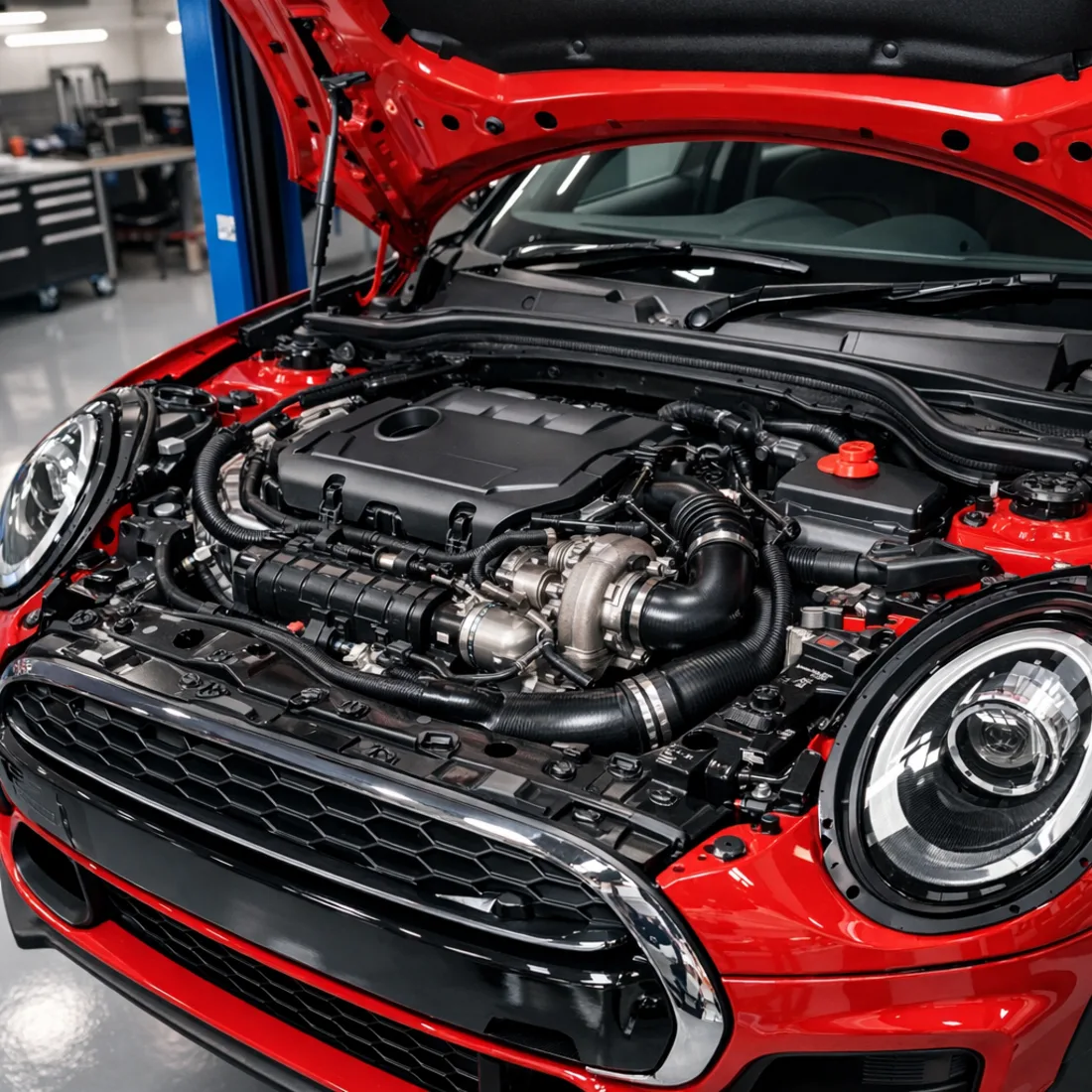
The JCW Clubman is the top of this family tree. The B48B20B is a 1998cc turbocharged four cylinder with an 11.0:1 compression ratio, an 82.0 x 94.6mm bore and stroke, running through the ALL4 all wheel drive system. The Bosch MEVD17.2.3 ECU manages the whole show, and at 231hp and 350Nm from the factory, this thing is genuinely quick for something that looks like a practical estate.
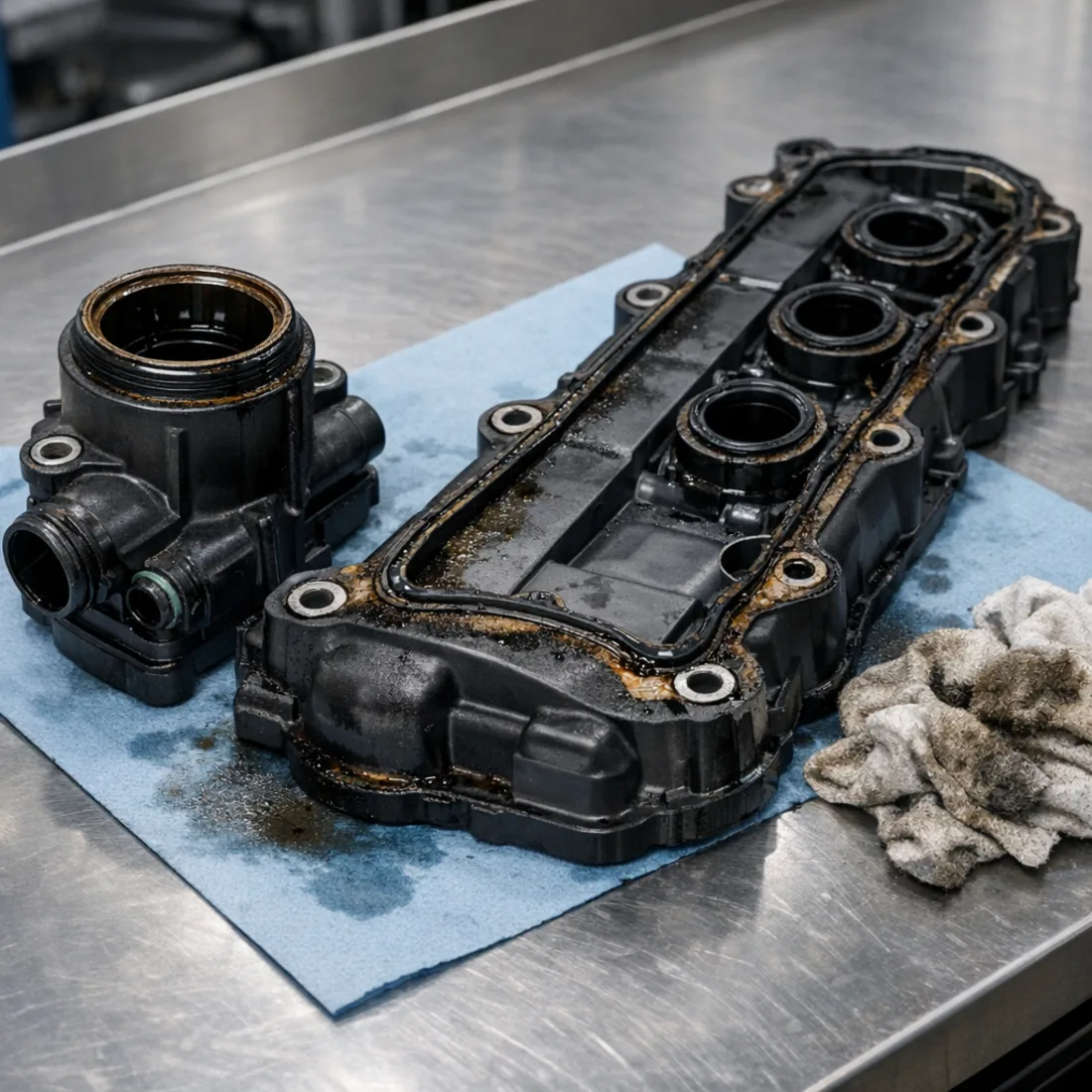
But performance brings accountability. The B48 in JCW tune works hard, and the weak points are consistent across all the B48s in this family, just more consequential here where the engine is pushed closer to its limits. Timing chain and tensioner concerns appear on earlier builds, so a cold start rattle on a used example is a red flag worth acting on immediately. Oil consumption is higher than you might expect, and leaks from the valve cover, oil filter housing gasket and vacuum pump are common as mileage climbs.
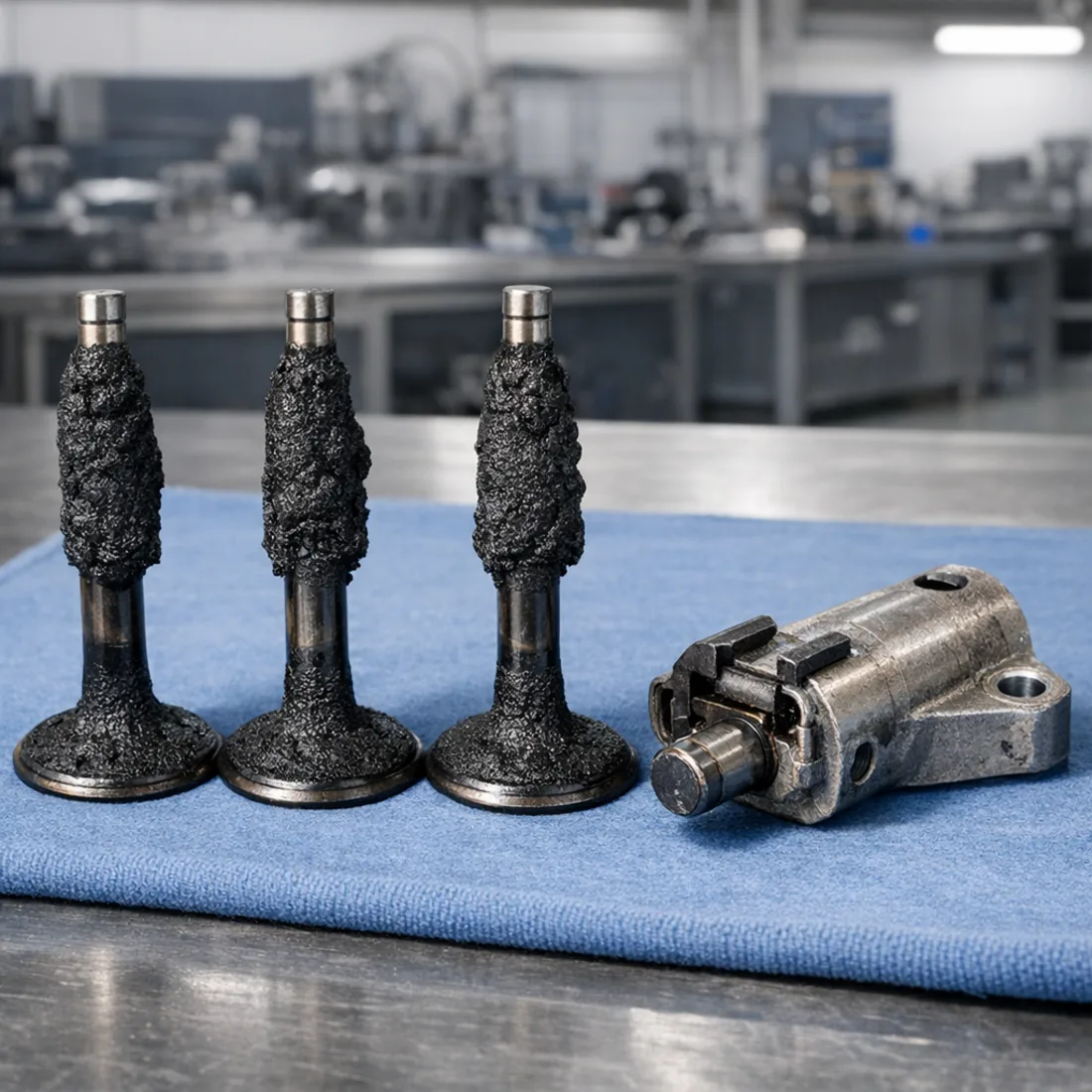
Carbon build up is something every direct injection B48 owner should plan for. Without a port injection system washing the backs of the intake valves, deposits accumulate over time and cause rough running, misfires and a sluggish throttle response. It is not a matter of if on a high mileage JCW, it is a matter of when.
-
Timing chain and tensioner rattle on cold start
-
Oil leaks: valve cover, oil filter housing gasket, vacuum pump
-
Carbon build up on intake valves from direct injection
-
Turbo, charge pipe and high pressure fuel system faults causing misfires or boost loss
-
Oil consumption between services
-
Cooling system: water pump and thermostat failure
It is not a matter of if on a high mileage JCW, it is a matter of when.
Carbon build up on the intake valves is the recurring cost every direct injection B48 owner should plan for.
We diagnose the JCW with BMW's own ISTA/Rheingold platform using a genuine ICOM or ICOM NEXT interface. Not a generic scan tool. This matters because the Bosch MEVD17.2.3 ECU stores coding, adaptations and live data that a cheap reader simply cannot access correctly. Getting a misfire or boost fault wrong on a JCW leads to parts being changed unnecessarily, and that adds up fast.
The JCW also has real tuning potential. A Stage 1 tune on this B48B20B takes output from 231hp and 350Nm to 280hp and 440Nm, a gain of 49hp and 90Nm. For a car already this quick, that is a significant step up without any hardware changes required. Additional options on this ECU include DTC removal, pop and bang mapping, start stop disable, variable flap control and Vmax adjustment.
Get your Mini booked in with a proper specialist.
Mini Clubman Cooper S 2.0T: The Sweeter Spot in the Range
The Cooper S uses the same B48 family but in a softer state of tune: 178hp and 280Nm through an eight speed automatic, managed by a Bosch MG1CS024 ECU. It is genuinely quick, more relaxed than the JCW, and arguably the better daily driver. The F54 LCI brought revised styling and some running changes, and it is the version you are most likely to find on the used market right now.
Because it shares the B48 with the JCW, it shares the same structural weak points. Timing chain rattle on cold start, carbon build up on the intake valves, oil leaks from the valve cover and oil filter housing gasket, and cooling system failures from the thermostat and water pump. The difference is that in Cooper S tune the engine is under less stress, so these issues tend to show up a bit later in the car's life rather than being as acute as they can be on a hard driven JCW.
-
Timing chain and tensioner wear on earlier or poorly serviced B48 units
-
Intake valve carbon build up causing rough running over time
-
Valve cover and oil filter housing gasket leaks
-
Thermostat and electric water pump failure
-
Coil pack faults causing misfires
82hp from a tune alone, on an engine already well within its mechanical limits.
The MG1CS024 ECU responds very well to a Stage 1 tune, and most owners report the car simply feels alive in a way the factory tune never quite achieved.
The MG1CS024 ECU responds very well to a Stage 1 tune. Going from 178hp and 280Nm to 260hp and 400Nm is a gain of 82hp and 120Nm, and for a practical wagon shaped car that already drives well, the transformation is significant. The eight speed automatic adapts well to the extra torque.
Diagnostics are done the same way as the JCW: ISTA/Rheingold with an ICOM NEXT interface. Live data, fault codes and coding are read properly, which matters when you are tracking down something like an intermittent misfire or a boost management fault on a B48. Our car programming and coding service covers the full scope of what this ECU requires, including post repair adaptations and module configuration.
Mini Countryman 1.5T: The Family One, With Its Own Quirks
The F60 LCI Countryman steps away from the Clubman body but stays firmly in the same BMW family. The 1.5T uses the B38 three cylinder turbo, producing 136hp and 230Nm, with a Bosch MG1CS201 ECU. It is the most practical of the four cars on this page, and the most popular with owners who want a compact SUV that does not feel like a compromise.
The B38 is a solid unit, but it is a three cylinder, and three cylinders have inherent characteristics that owners need to understand. Vibration is more noticeable than a four, especially at idle and low speed. When an engine mount fails, that vibration becomes intrusive fast. Checking the mounts is part of our routine inspection on these cars because a worn mount is cheap to fix proactively and expensive to ignore.
Carbon build up is, again, the recurring theme across all the direct injection engines in this family. The B38 is no different. Short urban trips where the engine never fully gets up to temperature accelerate the problem. Auckland driving patterns are not kind to direct injection petrols in this regard.
-
Timing chain wear on higher mileage or poorly serviced B38 units
-
Carbon build up on intake valves causing misfires and rough running
-
Oil housing and cover leaks
-
Electric water pump and thermostat failure
-
Engine mount wear amplifying three cylinder vibration
Timing chain wear on the B38 follows the same pattern as the B48: early builds and poorly serviced examples are more susceptible.
A cold start rattle is the giveaway. If you hear that on a used Countryman, get it checked before you commit to a purchase.
Timing chain wear on the B38 follows the same pattern as the B48: early builds and poorly serviced examples are more susceptible, and a cold start rattle is the giveaway. If you hear that on a used Countryman, get it checked before you commit to a purchase.
Stage 1 tuning is available on the B38, taking output from 136hp and 230Nm to 165hp and 270Nm. It is a modest gain in raw numbers but it makes the car feel noticeably more responsive in everyday driving, where the stock tune can feel a little flat in the mid range.
Mini One 1.5D: The Frugal One That Deserves More Attention Than It Gets
The Mini One 1.5D is a different animal to the three petrols on this page. The B37 is a 1496cc three cylinder diesel with a 16.5:1 compression ratio and an 84.0 x 90.0mm bore and stroke, producing 95hp and 220Nm. The Bosch MD1CS001 ECU manages it. On paper it is the modest one. In practice, it is actually a clever, fuel efficient city car that suits Auckland commuting well. The catch is that Auckland commuting is exactly the kind of driving that gives diesel engines grief.
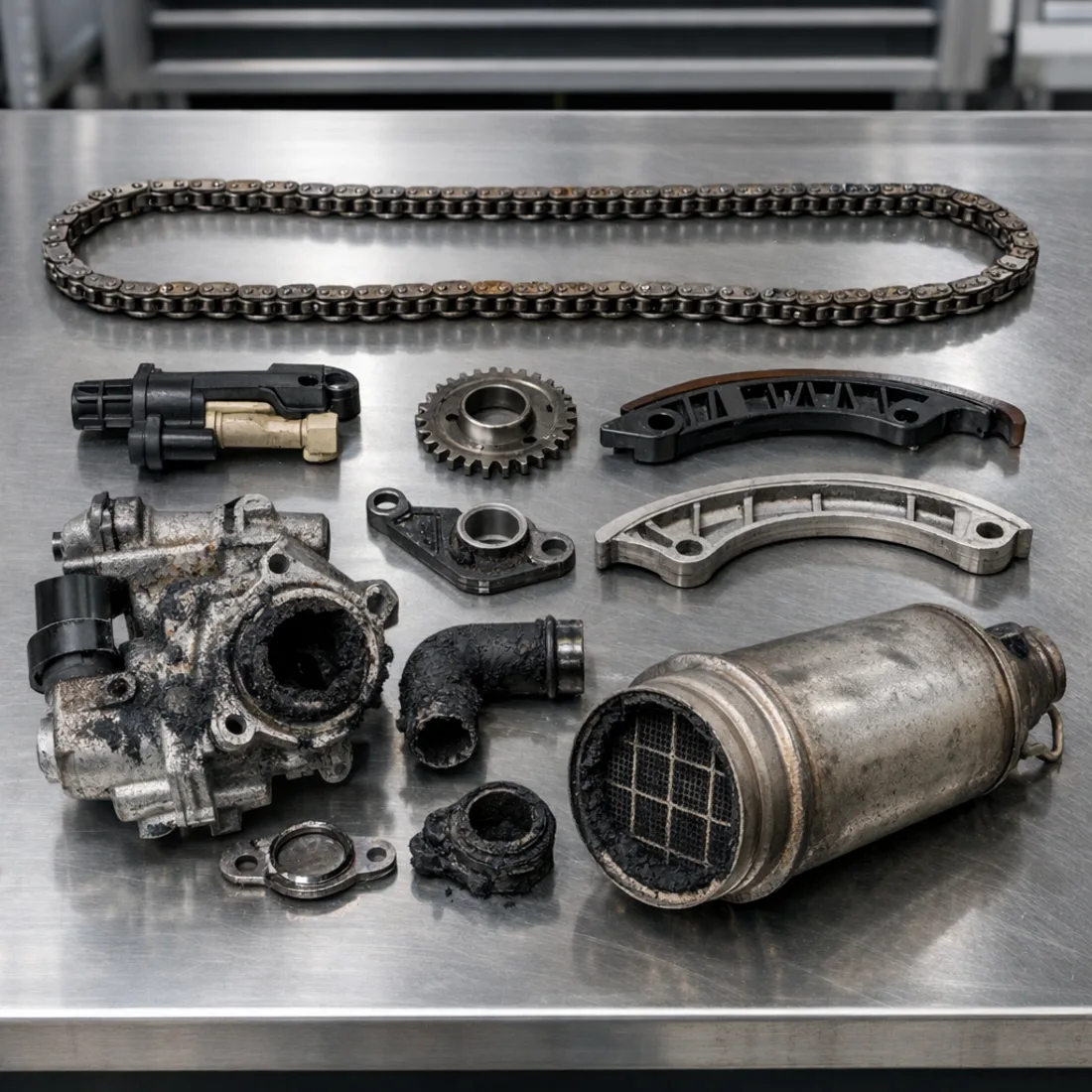
Short trips, low speeds, stop start traffic: this is the environment where DPF regeneration struggles, where EGR valves clog with carbon, where injectors wear faster than they should, and where oil dilution from incomplete warm up cycles becomes a real issue. The B37 shares its architecture with the B38 petrol, which means the timing chain story applies here too. Cold start rattle on a high mileage or poorly serviced example is a sign that needs prompt attention.
The DPF and EGR on the B37 need proper attention, not workarounds. We handle cleaning and legitimate repair of both systems, and we diagnose the root cause of regeneration failures properly before recommending any parts. If the car has been doing mostly short runs, a proper forced regeneration and a service interval reset can sometimes resolve recurring DPF warning lights without replacing anything.
Glow plugs are easy to overlook on a diesel that starts well in summer but becomes a hard starting problem in winter. We include glow plug checks in our diesel servicing because they are much cheaper to replace proactively than they are to deal with when one snaps off in the head.
-
Timing chain wear on early or high mileage B37 units
-
EGR valve clogging from short urban trips
-
DPF regeneration failures, particularly on city only cars
-
Injector wear causing rough running and hard starts
-
Glow plug faults
-
Oil dilution from frequent short runs
-
Intake carbon build up
Going from 95hp and 220Nm to 150hp and 330Nm is a gain of 55hp and 110Nm. That is not a tweak, that is a different car.
The added torque in particular makes city driving far more relaxed, and on the open road the difference is night and day compared to the stock output.
The Stage 1 tune available on the B37 is genuinely transformative on this car. Going from 95hp and 220Nm to 150hp and 330Nm is a gain of 55hp and 110Nm. That is not a tweak, that is a different car. The added torque in particular makes city driving far more relaxed, and on the open road the difference is night and day compared to the stock output.
The One 1.5D also supports EGR and DPF system work as part of a broader diagnostic and repair package. All tuning is done with the car fully serviced and healthy first. We will not tune a car that has unresolved faults or is overdue for maintenance.
Which One Should You Buy? Picking Between These Minis on the Used Market
If you are shopping this family used, the decision comes down to what you actually need the car to do. Here is the honest version. Across all four, we always recommend a pre purchase inspection before handing over money. We see enough of these cars to know exactly what to look for, and a fresh set of eyes with factory diagnostic access can save you from an expensive surprise a month down the track.
You want the most fun and can commit to proper ownership. Needs a cold start check, an oil leak inspection and a service history that shows genuine care. A neglected JCW with timing chain noise and carbon build up is an expensive proposition. A well serviced one is brilliant.
You want the sweet spot in the range. Same B48 engine, less stress on it, better fuel economy, eight speed auto that suits Auckland traffic well. Check the same things as the JCW but expect fewer problems on a given mileage.
You need more ground clearance and a proper SUV feel. Best for families. The B38 is capable but needs the engine mounts checked and the timing chain listened to. A Stage 1 tune makes a real difference to daily driveability.
The car has been used on longer runs, not as a short trip city car. A diesel that has only ever done 5km commutes will have DPF and EGR problems. Check the service history, do a forced regen and get the injectors inspected before you commit.
- Listen for cold start timing chain rattle on all four engines before any purchase
- Check for oil leaks at the valve cover, oil filter housing gasket and vacuum pump on B48 units
- Inspect engine mounts on the B38 Countryman for vibration amplification
- Ask for a full service history showing correct oil grades used at every interval
- On the One 1.5D, confirm the car has been used on longer runs and has a clean DPF history
- Get a factory level pre purchase diagnostic scan, not a generic OBD check
- Verify the cooling system: water pump and thermostat condition across all variants
Servicing These Minis: What Every Generation Needs
All four cars share a service philosophy: BMW grade parts, correct fluids and a genuine diagnostic platform. The B series engines are sensitive to oil quality. The wrong grade accelerates timing chain wear, increases carbon build up and shortens turbo life. We fit genuine and OEM spec parts only, and we use the correct low ash oil grades for the petrols and the correct low SAPS diesel grade for the B37. It is not an upsell, it is basic protection for an engine that costs a lot to rebuild.
Routine service items across the range include oil and filter with the correct grade for each engine, air filter and cabin filter, spark plugs on the petrols or glow plugs on the B37 diesel, drive belts and tensioners, brake pads and rotors, cooling system check covering water pump, thermostat and hoses, and fuel filter on the B37 diesel.
Beyond the basics, timing chain inspection, intake decarbonising, cooling system component replacement and transmission fluid changes are the deeper work we carry out regularly on all four platforms. Our car servicing covers the full scope from routine oil changes through to major mechanical work, all under one roof in Penrose.

How We Diagnose These Cars Properly
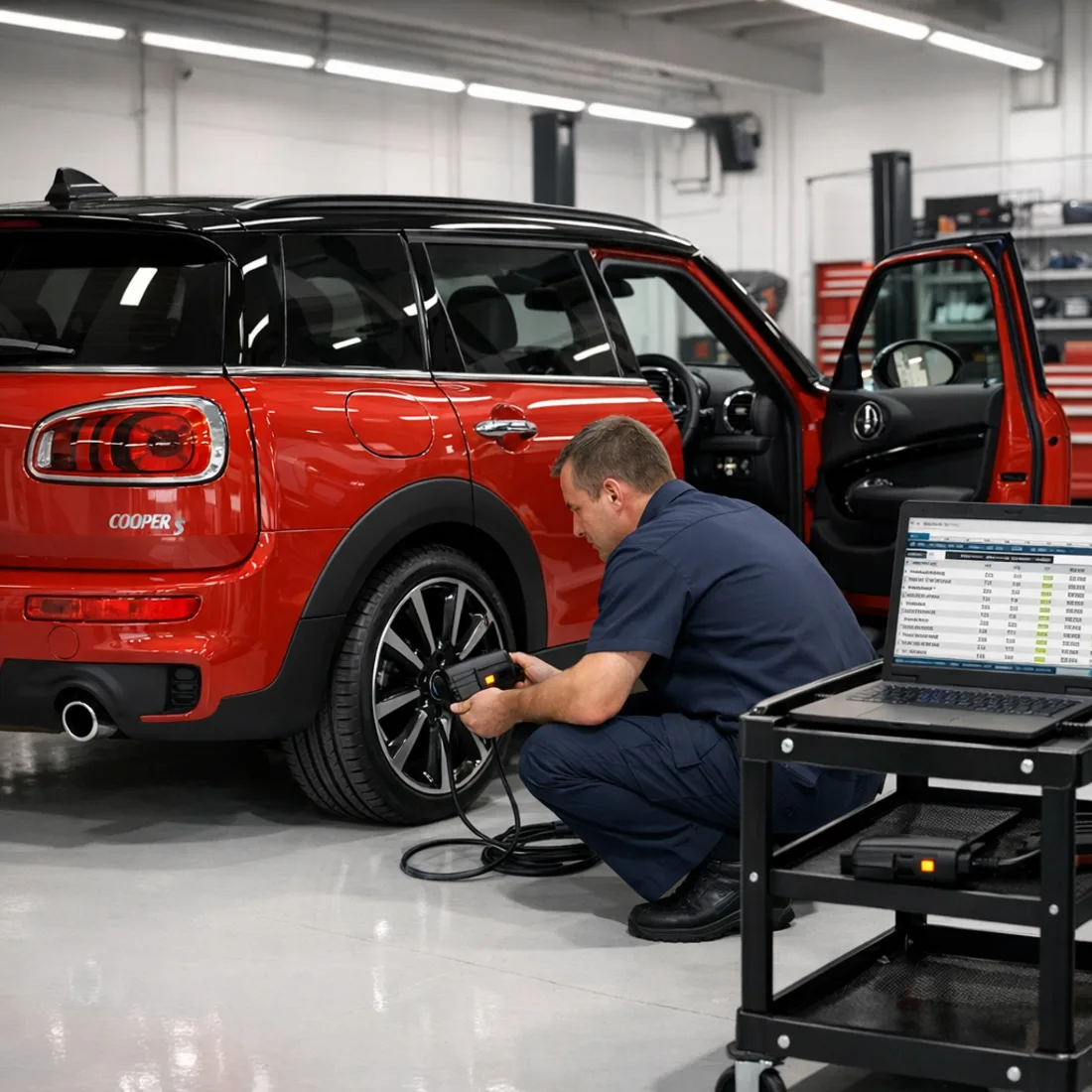
Every Mini on this page, from the base B37 diesel One to the JCW Clubman, gets diagnosed with BMW's own factory platform: ISTA and Rheingold, using a genuine ICOM or ICOM NEXT interface. This is not an optional extra. It is the only way to read these Bosch ECUs, including the MEVD17.2.3, the MG1CS024, MG1CS201 and MD1CS001, with full access to live data, fault memory, coding and adaptations.
Generic scan tools read the surface level OBD codes and miss the majority of what is actually happening inside these modules. That leads to parts being swapped on guesswork, problems recurring, and money wasted. With factory level access we can see exactly what the ECU is reporting, complete adaptations after a repair, and confirm the fix actually worked before the car leaves the workshop.
For transmission concerns, the eight speed auto in the Clubman Cooper S and the automatic variants in the Countryman, our TCU and gearbox repair service uses the same factory diagnostic approach, reading transmission adaptation data and fault codes correctly rather than guessing at symptoms.
Tuning: What Each Generation Can Do
Every engine in this family responds to a proper Stage 1 tune. The Cooper S gains are particularly compelling: 82hp from a tune alone, on an engine that is already well within its mechanical limits at the factory output, means there is a lot of headroom being left on the table from the factory. The One 1.5D gain is transformative in a different way: 55hp and 110Nm on a car that starts at 95hp makes it feel like an entirely different vehicle in everyday driving.
The JCW tune also supports additional options including DTC removal, pop and bang mapping, start stop disable, variable flap control and Vmax adjustment. A significant step up without any hardware changes required.
For a practical wagon shaped car that already drives well, the transformation is significant. The eight speed automatic adapts well to the extra torque, and most owners report the car simply feels alive in a way the factory tune never quite achieved.
A modest gain in raw numbers but it makes the car feel noticeably more responsive in everyday driving, where the stock tune can feel a little flat in the mid range.
That is not a tweak, that is a different car. The added torque in particular makes city driving far more relaxed, and on the open road the difference is night and day. The One 1.5D also supports EGR and DPF system work as part of a broader diagnostic and repair package.
All tuning is done with the car fully serviced and healthy first. We will not tune a car that has unresolved faults or is overdue for maintenance. Remote tuning options are available through our file service.
Frequently Asked Questions
The questions we get most. Something else on your mind? Get in touch.