Porsche Macan: S Diesel and 2.9 GTS
The Macan arrived promising sports car soul in a compact SUV body, and across its generations it has delivered on that promise in very different ways. The S Diesel version built its case on a mountain of torque and diesel efficiency, while the 2.9 GTS took the same compact platform and turned it into something that quietly embarrasses dedicated sports cars at the traffic lights. They share a family name and a chassis lineage, but under the bonnet they are completely different propositions, with different failure modes, different servicing needs, and different tuning potential. Our workshop in Penrose sees both regularly, and the patterns are consistent enough to be worth talking through honestly.


Macan S Diesel: The Torque Machine That Needs Proper Care
The Macan S Diesel is powered by the 3.0 litre V6 CTB engine, displacing 2967cc with an 83.0 x 91.4mm bore and stroke, running a compression ratio of 16.8:1 and managed by a Bosch EDC17CP44 ECU. From the factory it produces 258hp and 580Nm of torque. That torque figure is the whole point. It makes the car feel genuinely alive in a way most SUVs simply do not, and it does it without demanding premium fuel.
The engine shares much of its architecture with the wider Audi and Volkswagen group TDI family, which means it inherits both the strengths and the well documented weak points of that diesel platform. The good news is that we know exactly where those weak points are.
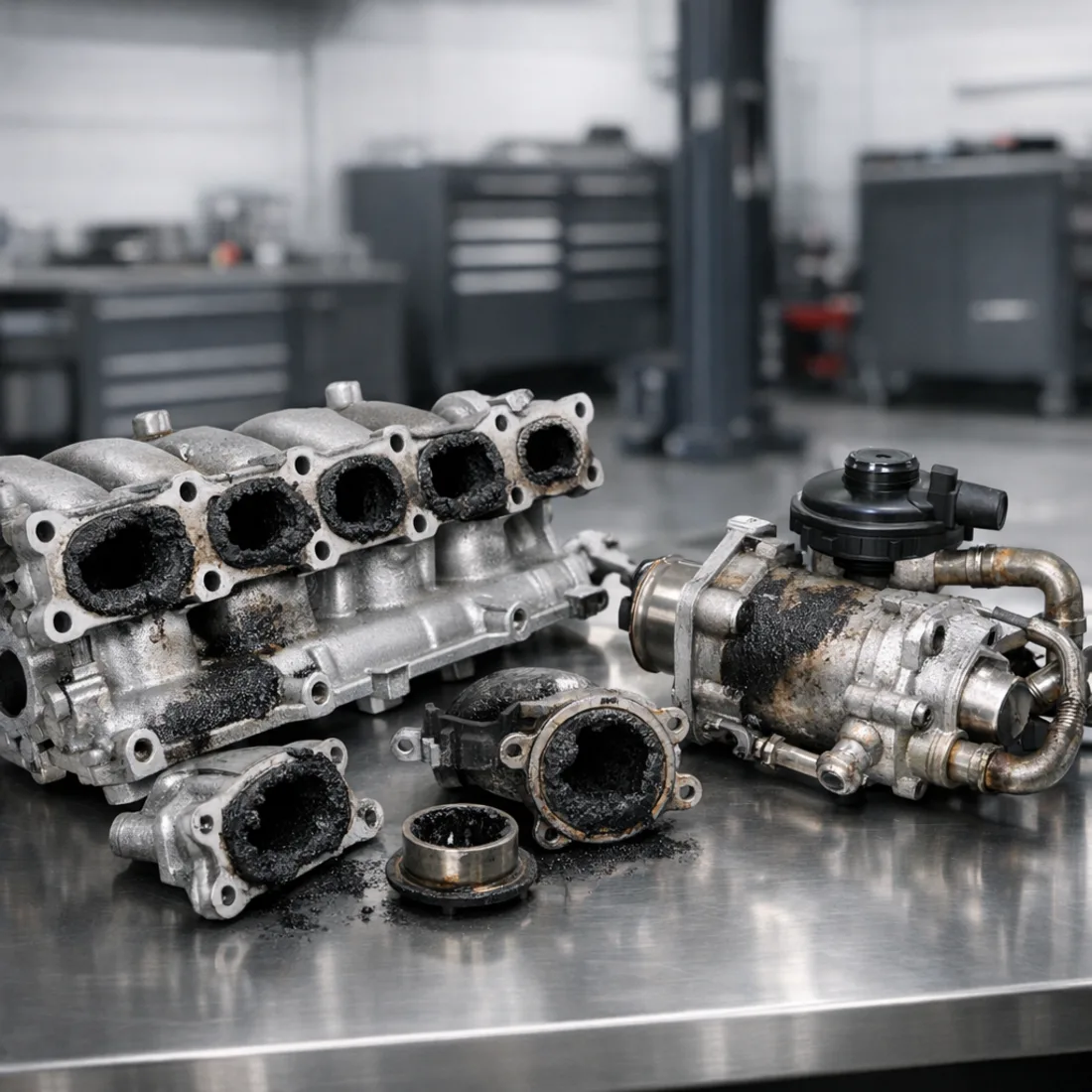
The EGR and DPF story is worth its own paragraph. When this car spends most of its life on short school runs and city commutes, the DPF never gets a proper regeneration cycle and the EGR valve carbons up faster than it should. We clean these components properly and diagnose the root cause before fitting anything new. If you are shopping for one of these used, ask the seller honestly how it has been driven, because a motorway car and a city car are in very different shape inside.
Timing chain wear is the fault that makes experienced Macan diesel owners nervous, and rightly so. A rattle on a cold start that disappears once the oil pressure builds is an early warning sign worth acting on immediately. The chains sit at the rear of the engine on this platform, which means access is significant labour. Catching it early is always cheaper than waiting for a tensioner to let go.
-
Carbon build up on the intake manifold and EGR system, hurting throttle response over time
-
Timing chain rattle on cold starts, a rear of engine job that becomes very costly if the tensioners let go
-
Oil leaks from the timing cover and thermostat housing
-
DPF and AdBlue/SCR system faults, especially on cars used mostly for short urban trips
-
Coolant pump failure and cracking of the plastic coolant pipes
-
Glow plug failure, particularly on higher mileage examples
A rattle on a cold start that disappears once the oil pressure builds is an early warning sign worth acting on immediately.
The chains sit at the rear of the engine on this platform, so catching it early is always cheaper than waiting for a tensioner to let go.
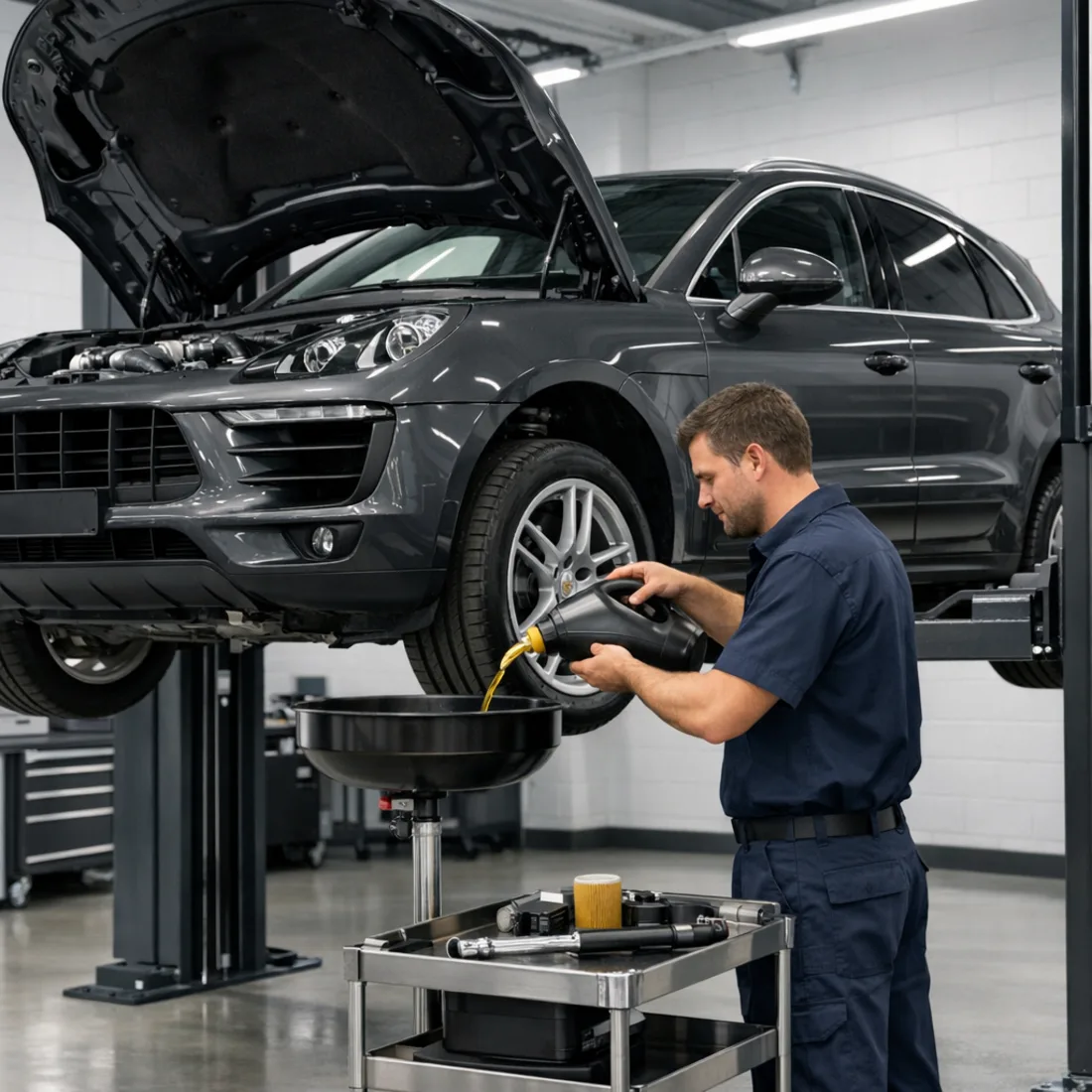
Routine servicing on the S Diesel covers oil and filter with the correct low SAPS specification, air filter, fuel filter, cabin filter, wipers, drive belts, glow plugs, brake pads and rotors, and suspension components including air suspension where fitted. We also handle AdBlue faults, DPF and EGR cleaning and legitimate repair, and sensor replacement as needed. Every diagnosis goes through the factory level Porsche PIWIS tester, not a generic code reader, so we can read all control modules correctly and code any replaced parts to the car.
On the tuning side, a Stage 1 remap of the Bosch EDC17CP44 ECU takes this engine from 258hp and 580Nm to 310hp and 650Nm, a gain of 52hp and 70Nm delivered cleanly across the rev range. For a diesel SUV those are meaningful real world numbers, not just dyno bragging rights.
Get your Macan booked in with a proper specialist.
Macan 2.9 GTS: Seriously Quick, Seriously Specific
The 2.9 GTS sits at the top of the Macan petrol range on the facelifted 95B platform and it is a fundamentally different animal to the diesel. The 2894cc twin turbo V6 from the EA839 engine family runs a 10.5:1 compression ratio on an 84.5 x 86.0mm bore and stroke, managed by a Bosch MG1 ECU, and produces 380hp and 520Nm from the factory. Paired with the PDK dual clutch gearbox, it will quietly destroy most dedicated sports cars off the line while the driver sits in a comfortable SUV cabin. That combination of comfort and performance is the whole appeal.
Because it shares the EA839 engine family with other Audi and Porsche V6 units, we have a clear picture of where these engines develop problems as the kilometres climb.
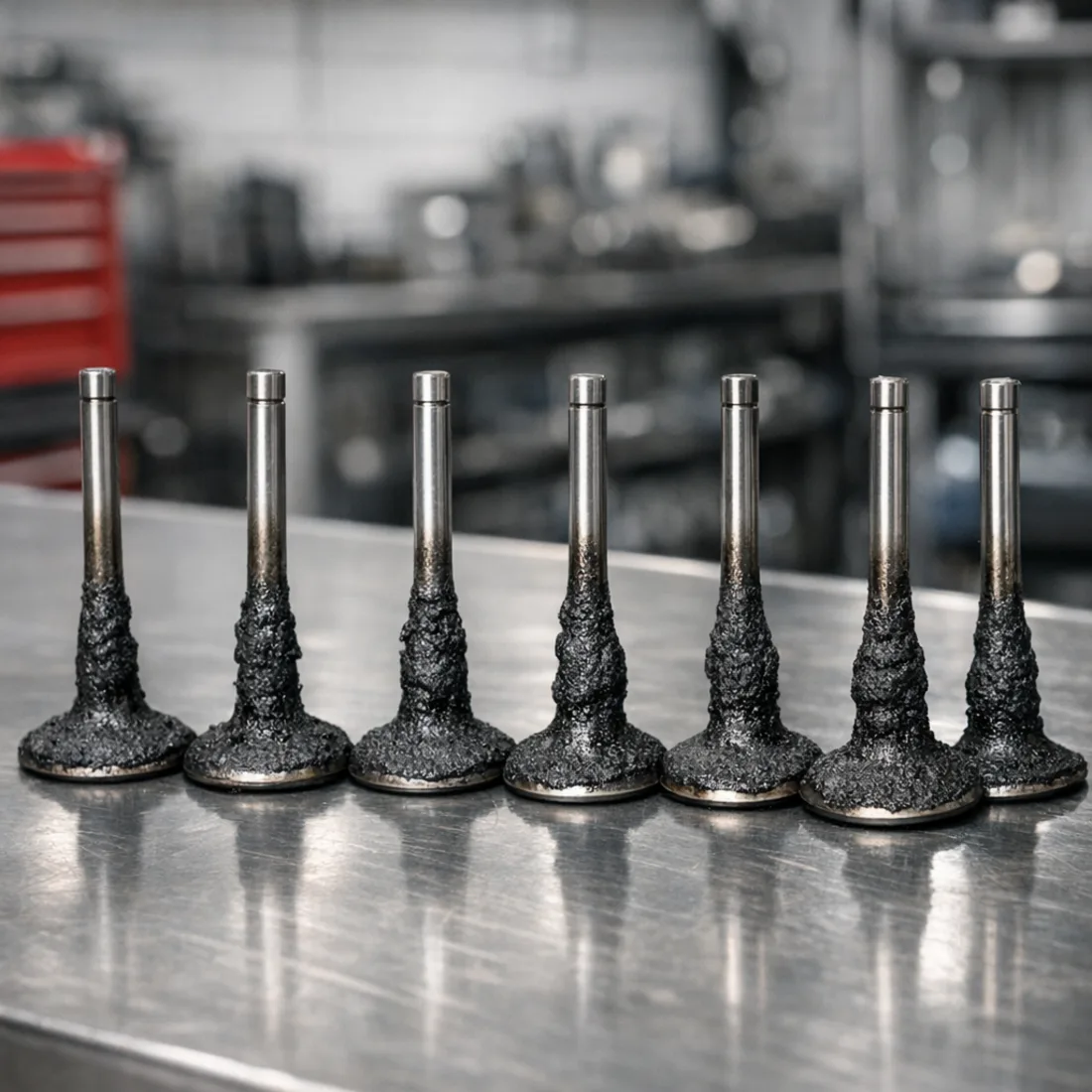
The direct injection carbon build up issue is the one that catches GTS owners by surprise. Unlike port injected engines, direct injection means fuel never washes the backs of the intake valves, so carbon deposits accumulate over time. The result is a car that feels slightly flat at the top of the rev range compared to how it drove when new. An intake decarbonising service brings it back sharply. On the S Diesel, EGR carbon was the main culprit. On the GTS, it is the valves themselves. Different engine, same family tendency toward carbon.
The PDK gearbox deserves specific mention. We see GTS examples where the transmission fluid has never been changed, which creates mechatronic issues that are expensive to fix but entirely preventable with a proper service. If you are buying one used, establish the PDK service history before anything else.
-
Carbon build up on the intake valves from direct injection, progressively robbing power and response
-
Coolant leaks around the water pump and hoses
-
High pressure fuel pump and injector wear on higher mileage examples
-
Turbo oil feed line condition worth inspecting past 80,000km
-
PDK transmission fluid degradation and mechatronic health issues when the gearbox service is overdue
Stage 1 takes the 2.9 from 380hp and 520Nm to 510hp and 680Nm. That is a transformation, not a tweak.
It moves this car into a performance bracket that costs significantly more from the factory, and it does it cleanly on the existing hardware.
Routine servicing on the GTS covers oil and filter with the correct Porsche approved specification, air filters, cabin filter, spark plugs, wipers, drive belt, brake pads and rotors, and sensor replacement as needed. We also handle cooling system refreshes, suspension and air suspension components, and full PDK transmission servicing including fluid and mechatronic inspection.
Tuning potential on the GTS is the headline story. A Stage 1 remap of the Bosch MG1 ECU takes the 2.9 from 380hp and 520Nm to 510hp and 680Nm, a gain of 130hp and 160Nm. That is a transformation, not a tweak. It moves this car into a performance bracket that costs significantly more from the factory, and it does it cleanly on the existing hardware.
How to Pick Between Them Used
If you are shopping the Macan range used and trying to decide between the S Diesel and the 2.9 GTS, the honest answer is that they suit different buyers. In terms of servicing cost, the GTS is more expensive to run because of spark plugs, higher grade oil and the PDK service interval, but it is the simpler engine in terms of emissions hardware. The S Diesel carries the DPF and AdBlue system complexity that the GTS does not.
You value torque, fuel economy and long distance comfort. Its 580Nm arrives low in the rev range and the diesel efficiency makes genuine sense on New Zealand roads. The sweet spot is a highway biased car with documented DPF regeneration history and no timing chain rattle on cold start. The risk with a used example is the condition of the DPF, EGR and timing chains. A car that has lived on short trips is likely to have carbon choked intake components and a DPF that has never properly regenerated. Get those inspected before you hand over money.
You want the fastest version full stop and are happy to pay for premium petrol and a more involved service schedule. The sweet spot is a car with clear PDK service history and no sign of coolant loss around the water pump. The intake valve carbon issue is universal to the direct injection V6 but it is manageable with the right servicing. PDK history is the non negotiable check.
- S Diesel: always check for timing chain rattle on a cold start before purchase
- S Diesel: ask honestly how the car has been driven, a motorway car and a city car are in very different shape inside
- GTS: establish the PDK service history before anything else
- GTS: inspect for coolant loss around the water pump and hoses
- Both generations: always check for PIWIS diagnostic history, not just WOF records
- Both generations: air suspension condition if fitted adds significant cost if neglected
Servicing Both Generations the Right Way
Macans of both generations need workshop level diagnostics to be serviced correctly. Generic scan tools read basic fault codes, but they cannot run guided fault finding across all control modules, execute service resets properly, or code replacement parts to the vehicle. We use Porsche PIWIS Tester 3 and 4 across both generations, which is the same tooling Porsche dealers use. That matters when you are dealing with a Bosch EDC17CP44 in the diesel or a Bosch MG1 in the GTS. Both are sophisticated ECUs that talk to a wide network of control units across the car.
Our scheduled servicing for both Macan generations follows Porsche specifications on fluid grades, filter specifications and torque settings. We fit brand new genuine and OEM quality parts only. On the diesel, that means the correct low SAPS oil grade that the DPF system requires. On the GTS, the correct Porsche approved engine oil and the right PDK fluid specification. Our service scope covers: oil and filter with correct specification fluid for each engine; air, fuel and cabin filter replacement; spark plugs (GTS) and glow plugs (S Diesel); drive belt and tensioner inspection and replacement; brake pads and rotors to Porsche specification; suspension and air suspension component inspection and repair; cooling system inspection and refresh; DPF and EGR cleaning and repair (S Diesel); AdBlue and NOx system diagnosis and repair (S Diesel); and PDK transmission service (GTS).
Factory PIWIS Diagnostics, Not a Generic Code Reader
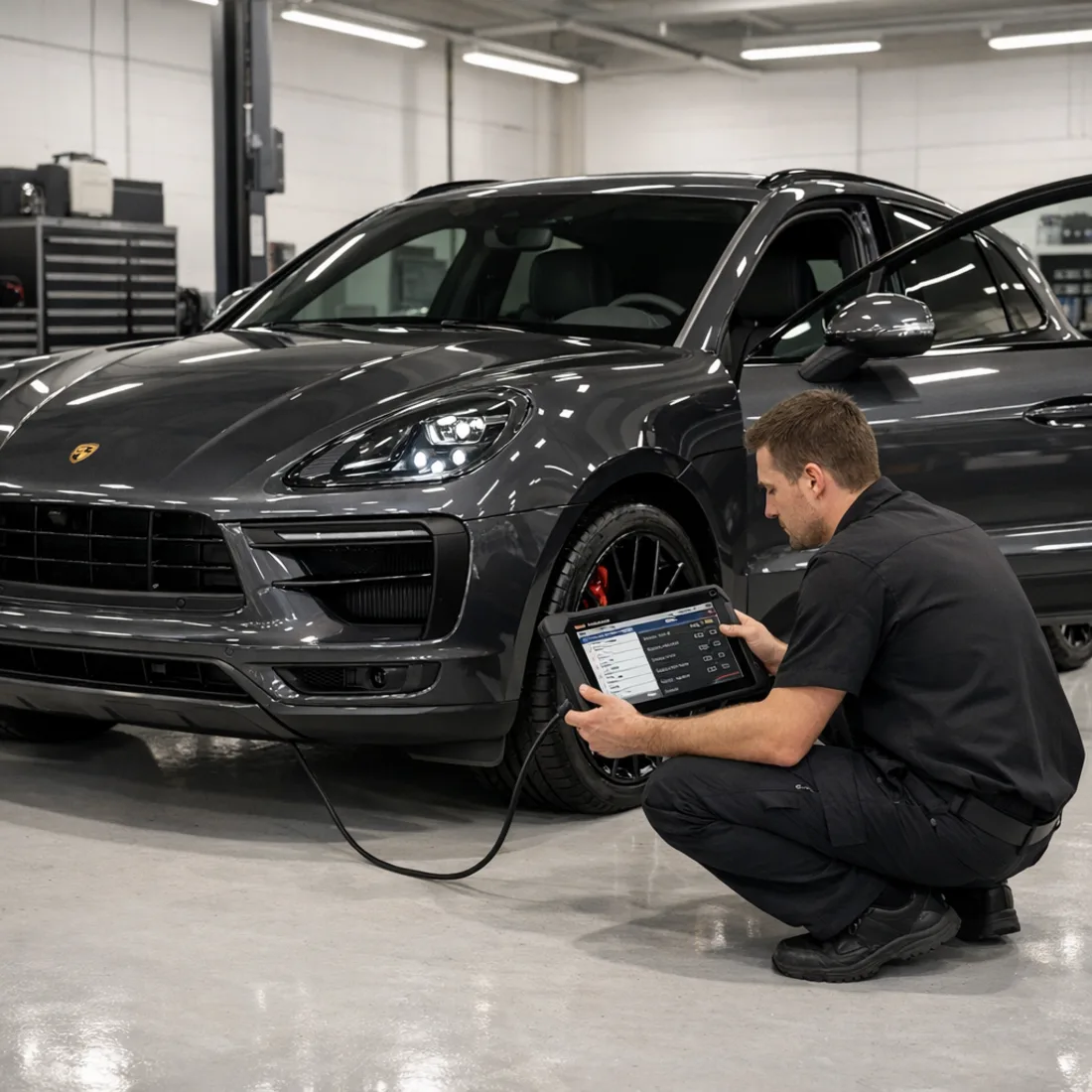
A generic OBD reader on a Macan can read basic powertrain fault codes, but that is about it. For the full picture across all control modules, for service resets, guided fault finding, and coding replacement parts, you need PIWIS. A generic reader on a Macan is like reading one chapter of a book and calling it done.
We use Porsche PIWIS Tester 3 and 4 for both generations. That means we can read the DPF soot loading level directly and tell you exactly where it sits, run full guided fault finding on the PDK mechatronic system, and code any replaced parts correctly to the vehicle. Every diagnosis on either Macan generation starts with a full PIWIS system scan, not a guess.
Tuning Across the Generations
Both Macan generations respond well to ECU tuning, but the scale of the gains is very different. Both engines are tuned on our in house setup with proper before and after verification, not a mail order file flashed remotely.
The S Diesel on the Bosch EDC17CP44 moves from 258hp and 580Nm to 310hp and 650Nm at Stage 1. That tightens the throttle response noticeably and makes the mid range pull considerably stronger. For a car already defined by its torque, adding 70Nm to that is a meaningful upgrade. The diesel tune also opens the door to launch control, a pop and bang crackle map, Start/Stop disable, Vmax removal, EGR OFF, DPF OFF, DTC removal, and FLAPS control adjustments among other options.
The GTS on the Bosch MG1 is a different story entirely. Stage 1 takes it from 380hp and 520Nm to 510hp and 680Nm. A gain of 130hp and 160Nm is not a refinement, it is a reinvention of what the car is. At those figures it moves into territory that costs a great deal more from a Porsche dealer. The ECU tuning options available on the GTS include DTC removal.
Visit our power gains page to see what is available for your specific variant.
Frequently Asked Questions
The questions we get most. Something else on your mind? Get in touch.