Porsche Panamera GTS: 970 TDI, 971 2.9T and 971 GTS 4.0T
The Panamera has always been a contradiction in the best possible way. It looks like it shouldn't work, then it goes around a corner and you immediately get it. From the diesel powered 970 that borrowed its engine from Audi's parts bin, through the twin turbo 2.9T V6 of the 971, to the flagship GTS with its 4.0 litre twin turbo V8, each generation got quicker, more complex, and more rewarding. That complexity, though, means factory level diagnostics and proper workshop knowledge are non negotiable when something goes wrong, which it will.



Porsche Panamera 3.0 TDI: The One That Started It All
The 970 Panamera diesel is a bit of a paradox on wheels. It looks like a sports car, rides like a luxury cruiser, and under that long bonnet sits an Audi derived V6 diesel that would feel right at home in a Q7. That shared DNA is both its party trick and its weak point. The same engine that delivers effortless motorway torque carries the well documented faults any Audi V6 TDI owner already knows about. The difference here is that those faults sit inside a far more complex chassis, with air suspension, a PDK gearbox, and a full suite of control units all talking to each other.
The engine itself displaces 2967cc with a bore and stroke of 83.0 x 91.4mm and a compression ratio of 16.8:1. Stock output is 240hp and 550Nm through a Bosch EDC17CP44 ECU. Those numbers feel relaxed until you're overtaking on a two lane highway, at which point the torque does all the talking.
We diagnose the 970 properly using the factory ODIS platform, not a generic code reader. ODIS lets us read all control units, run guided functions, and code replacement parts correctly. On EGR and DPF work, our approach is diagnosis, cleaning, and legitimate repair. We inspect the differential pressure sensor and the DPF's soot load before recommending any work, and we clean or replace components with genuine OEM parts.
Routine servicing on this car should include an oil and filter change with the correct low SAPS diesel grade, air filter, fuel filter, cabin filter, and drive belt. Glow plugs, brake pads and rotors with sensors, and suspension components are all common wear items on a car this heavy. The front timing chain and EGR servicing round out the bigger jobs.
-
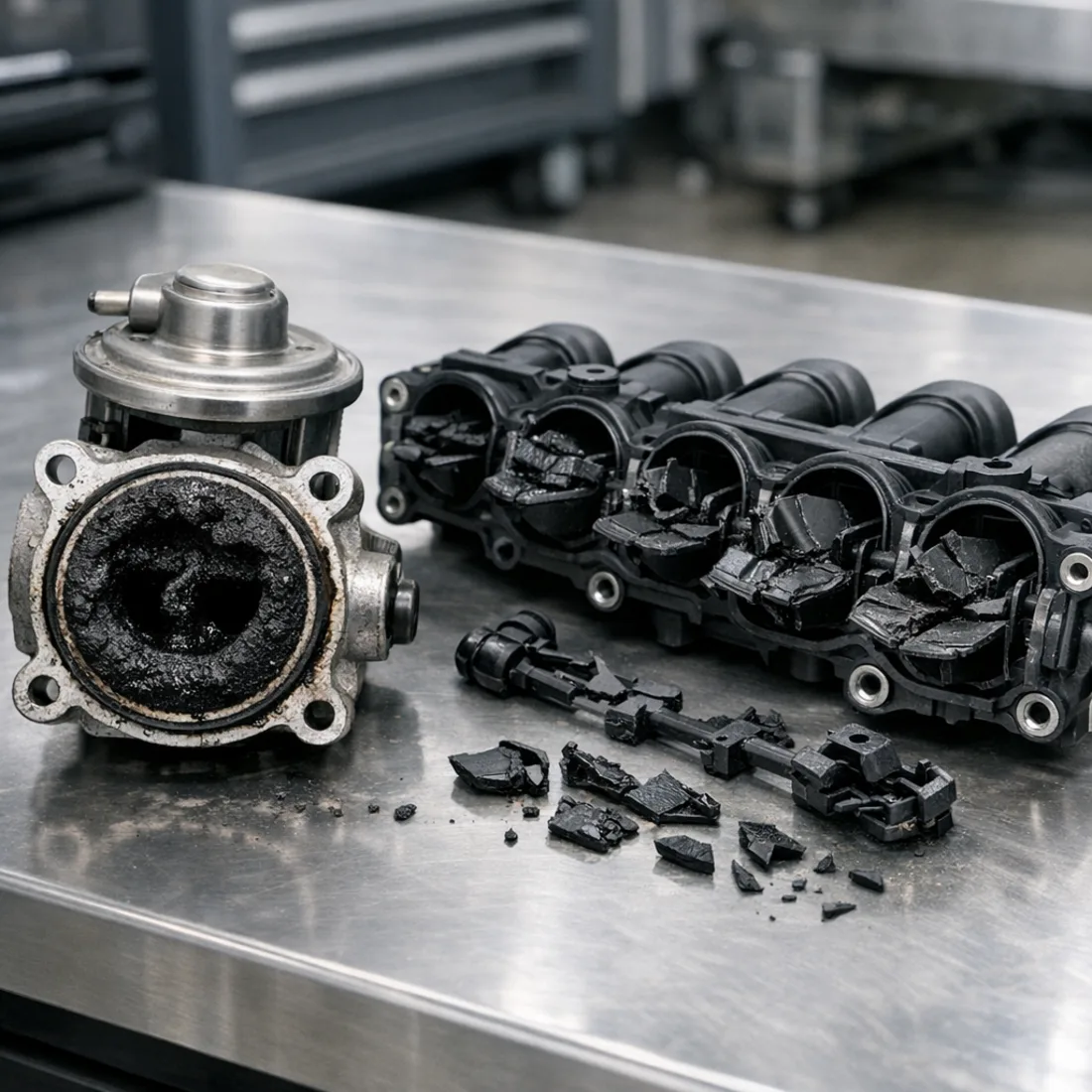
EGR valve clogging and carbon build up on the intake, especially on higher mileage cars
-
Swirl flap wear and failure, which can send debris into the engine if left unchecked
-
DPF and differential pressure sensor issues on cars used heavily for short trips
-
Front timing chain wear when service intervals have been stretched
-
Oil dilution from short trip use, which compounds timing chain and bearing wear
-
Air suspension leaks and faults, a common theme across the entire Panamera family
The same engine that delivers effortless motorway torque carries the well documented faults any Audi V6 TDI owner already knows about.
The difference is those faults sit inside a far more complex chassis with air suspension, a PDK gearbox, and a full suite of control units all talking to each other.
If you want more from the diesel, a Stage 1 remap on the EDC17CP44 ECU lifts outputs to 300hp and 630Nm. That's a gain of 60hp and 80Nm, and it transforms the way the car feels on the open road without touching hardware. The 970 platform also supports launch control activation, pop and bang map, stop/start disable, flap control, and Vmax adjustment.
Get your Panamera booked in with a proper specialist.
Porsche Panamera 2.9T V6: The 971 Gets It Right
The 971 generation was a substantial step forward. Sharper styling, a proper interior overhaul, and a range of new turbocharged engines replaced the older 970 units entirely. The 2.9 litre twin turbo V6 making around 330hp is the sweet spot in the 971 lineup. It's fast enough to embarrass plenty of so called sports cars, refined enough to do the school run without drama, and cheaper to run and insure than the V8 variants. If you're shopping for a 971 on a budget, this is the one to look at seriously.
The jump from the 970 diesel to the 971 2.9T is significant. The diesel's front timing chain anxiety is gone, replaced by a more modern turbocharged petrol architecture. But the 971 platform introduced its own set of watch points, and direct injection means carbon build up on the intake valves is now part of the story.
These cars share the PIWIS Tester platform with the rest of the 971 range, so our diagnostic process is the same regardless of which 971 variant rolls in. PIWIS III reads all control units, codes new parts, and runs guided fault finding that a generic scanner simply can't replicate.
Routine servicing covers oil and filter with the correct Porsche approved grade, air filters, cabin filter, spark plugs, wipers, drive belt, brake pads and rotors, and PDK and transfer case fluid services. Coolant pipe repairs and intake carbon cleaning are the bigger jobs we see most often. If performance is on the agenda, Stage 1 tuning is available and makes a genuine difference on this platform.
-
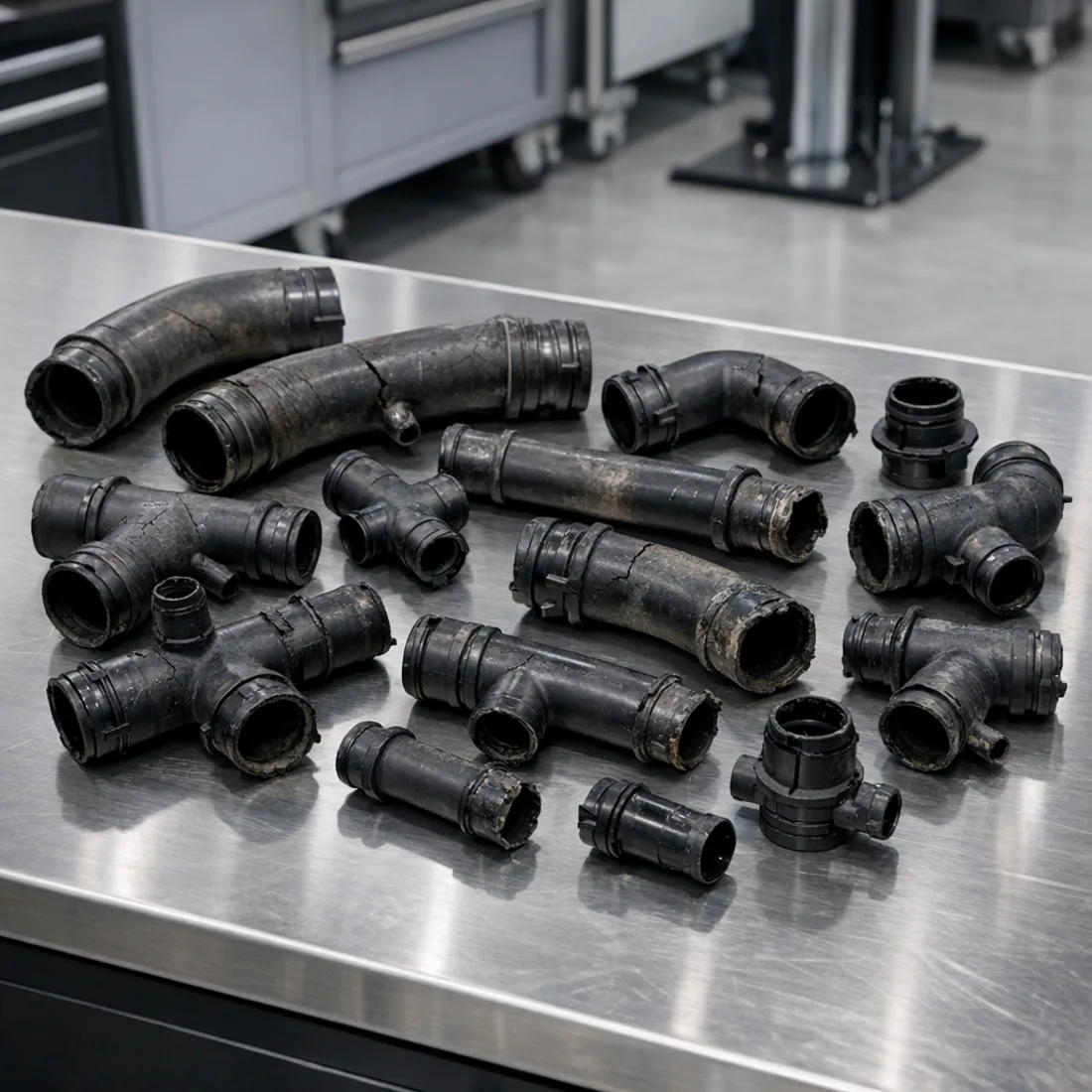
Coolant leaks from plastic pipes and the water pump, a known weak point on this engine family
-
Carbon build up on the intake valves from direct injection, requiring periodic cleaning
-
High pressure fuel pump and injector wear over higher mileage
-
Turbo oil feed line inspection, particularly on cars that have been driven hard from cold
-
PDK dual clutch transmission and transfer case wear when fluid intervals are skipped
-
Air suspension and electronic damper faults, which carry over from the 970 generation
It's fast enough to embarrass plenty of so called sports cars, refined enough to do the school run without drama.
Compared to the 970 diesel, the 2.9T is a more polished daily driver and a better choice if you're covering mixed mileage rather than constant long haul runs.
Compared to the 970 diesel, the 2.9T is a more polished daily driver and a better choice if you're covering mixed mileage rather than constant long haul runs. The diesel's torque advantage at low revs narrows quickly once the 2.9T's turbos build boost, and without a DPF to worry about it's a simpler car to keep healthy.
Porsche Panamera GTS 4.0T: Four Hundred and Sixty Horsepower With Four Doors
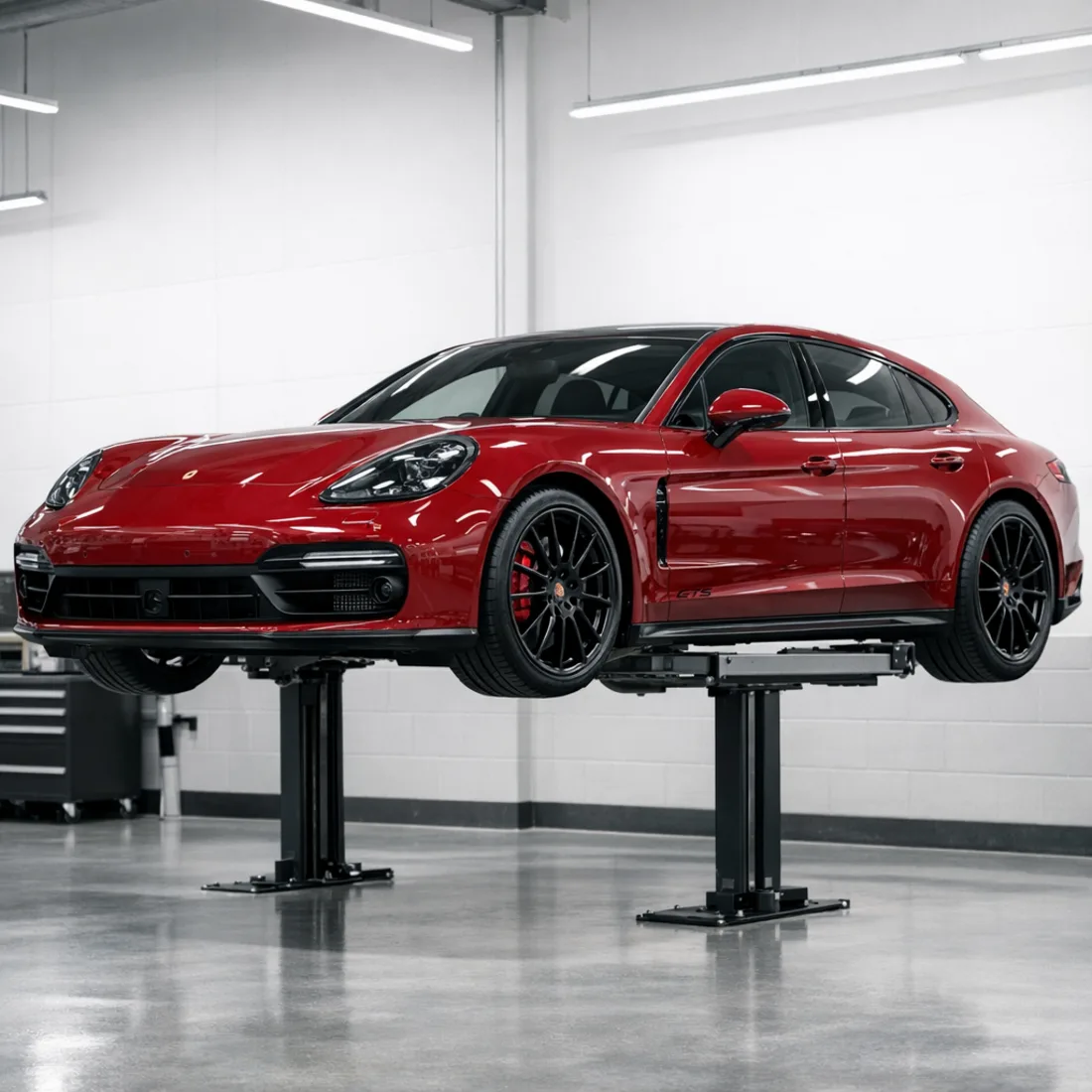
The 971 GTS is where the Panamera stops compromising. A twin turbo 4.0 litre V8 in the hot vee configuration, 460hp, 620Nm, and a PDK that fires off shifts faster than most drivers can think about asking for them. It does all of this in an air suspended, adaptive damped cabin that somehow still feels like a Porsche when you commit to a corner. The compression ratio sits at 10.1:1, bore and stroke is 86.0 x 86.0mm, capacity is 3996cc, and the ECU is a Bosch MG1CS008. This is the car that makes the V6 models feel like sensible choices.
The hot vee layout, where the turbos sit between the cylinder banks rather than outside them, is what makes the power delivery so immediate. It also means the turbos run hotter and the coolant routing is more complex, which feeds directly into the fault list.
The coolant pipe issue is worth calling out specifically. The original plastic pipes in the hot vee routing degrade over time, and when they fail they tend to do so with some drama. We fit brand new genuine or OEM replacement pipes, not alternatives. If you've bought a used GTS and the coolant pipes haven't been replaced, budget for it before it becomes a roadside event.
The carbon build up story is the same as on the 2.9T, just with twice as many cylinders to clean. We use walnut blasting to clear the intake valves, and it's a worthwhile service on any higher mileage direct injection engine. Combine it with the PDK fluid service and you're covering the two most common neglected items on used examples.
-
Coolant pipe degradation and leaks, the hot vee layout places significant thermal stress on plastic coolant components
-
High pressure fuel pump and injector concerns, similar to the 2.9T but more consequential given the V8's output
-
Carbon build up on the intake valves from direct injection, the V8 is no different to any other GDI engine in this respect
-
PDK transmission and mechatronic wear when fluid changes are neglected
-
Air suspension and PASM damper leaks and faults as the car ages
-
Stop/start system and 12V battery issues throwing electrical gremlins across multiple control units
If you've bought a used GTS and the coolant pipes haven't been replaced, budget for it before it becomes a roadside event.
The original plastic pipes in the hot vee routing degrade over time, and when they fail they tend to do so with some drama.
Buying a Used Panamera: Which Generation Makes Sense?
All three generations of Panamera are genuinely good cars when they're properly maintained. The question is which one suits your situation.
You want the cheapest entry point and can justify it on fuel costs alone. The Audi derived V6 diesel is a known quantity and parts availability is good. Before buying, get the DPF soot load read, ask about EGR history, and have the front timing chain inspected. If all of that checks out, it's a lot of car for the money.
You want the sweet spot for most buyers. It's more modern than the 970, the hot vee V6 is a strong engine when serviced correctly, and the interior is a genuine step forward. Check the coolant pipes, ask about PDK fluid history, and look for carbon cleaning records. A healthy 2.9T with a full service history is probably the most usable used Panamera you can find.
None of the others are quite enough. The V8 is spectacular, but it costs more to run, more to service, and significantly more to repair when something goes wrong. Buy one with documented coolant pipe replacement, known PDK fluid history, and ideally some record of intake cleaning. If you're buying blind, factor in a full inspection before committing.
- 970 TDI: best value entry, check EGR, DPF, timing chain, air suspension
- 971 2.9T: best all rounder used buy, check coolant pipes, PDK fluid, carbon build up
- 971 GTS 4.0T: the driver's choice, check coolant pipes, PDK fluid, PASM dampers, 12V battery health
Servicing Across the Panamera Family
All three Panamera generations have one thing in common: they need the right oil, the right parts, and the right service intervals. Porsche's approved oil grades are specific and non negotiable. The 970 diesel needs a low SAPS grade to protect the DPF. Both 971 variants need oils approved to Porsche's own specification. We fit brand new genuine or OEM parts only, full stop.
Our car servicing work on Panameras covers the full schedule: oil and filter, air filter, cabin filter, spark plugs on the petrol variants, glow plugs on the 970 diesel, drive belt, brake fluid, and coolant. We also quote PDK and transfer case fluid changes, which are commonly skipped at independent workshops because they're not in the standard service book interval for some markets. On a car with this much power going through the PDK, we'd rather change the fluid early than replace the transmission later.
Brake work on the Panamera deserves its own mention. The optional ceramic composite brakes on GTS variants are expensive to replace and need to be inspected correctly. Standard steel brakes across the range wear at a rate commensurate with the performance on offer, and the sensors are an integral part of the system. Our brake repairs service covers pad and rotor replacement, sensor replacement, and brake fluid servicing across all three generations.
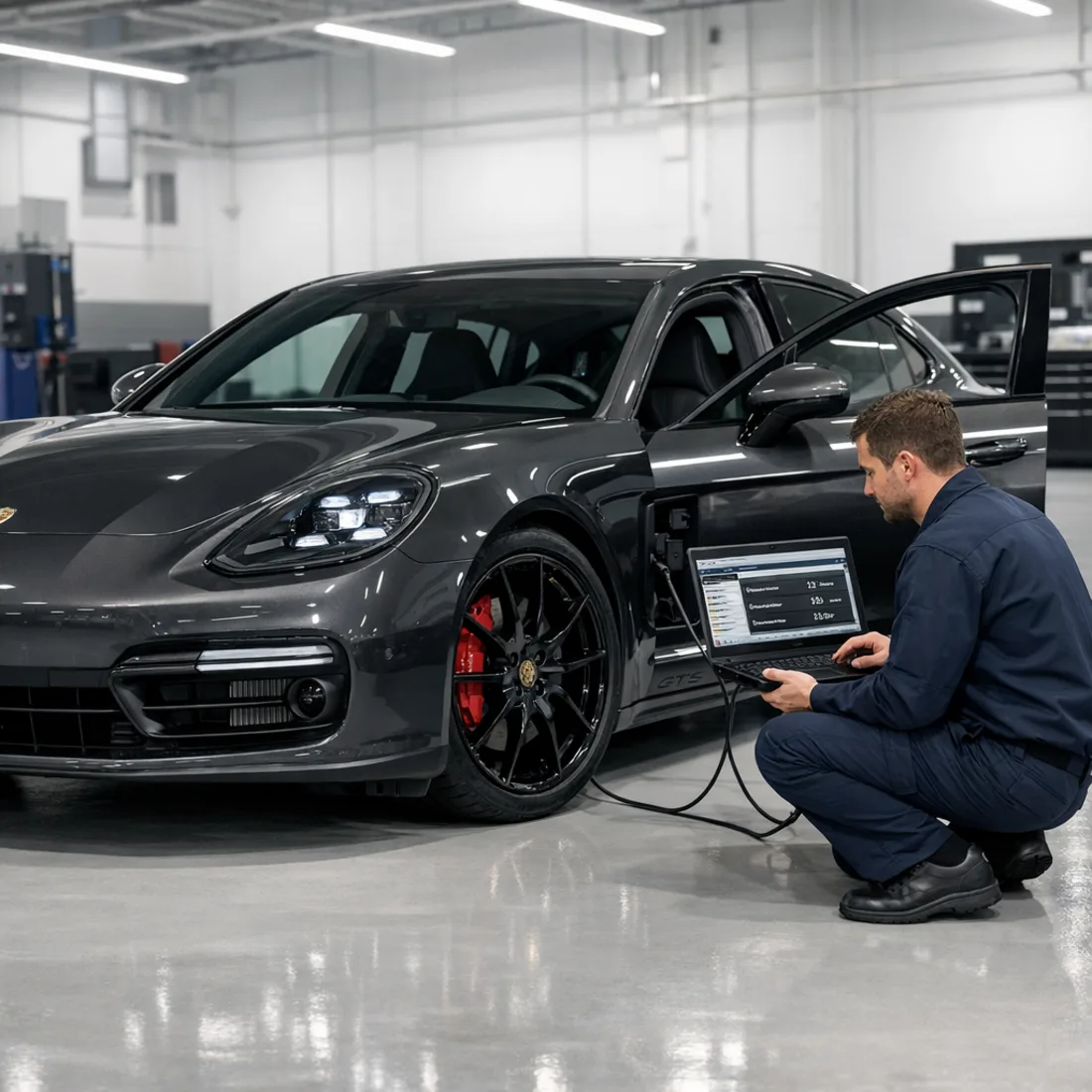
Diagnostics: PIWIS and ODIS, Not a Generic Scanner
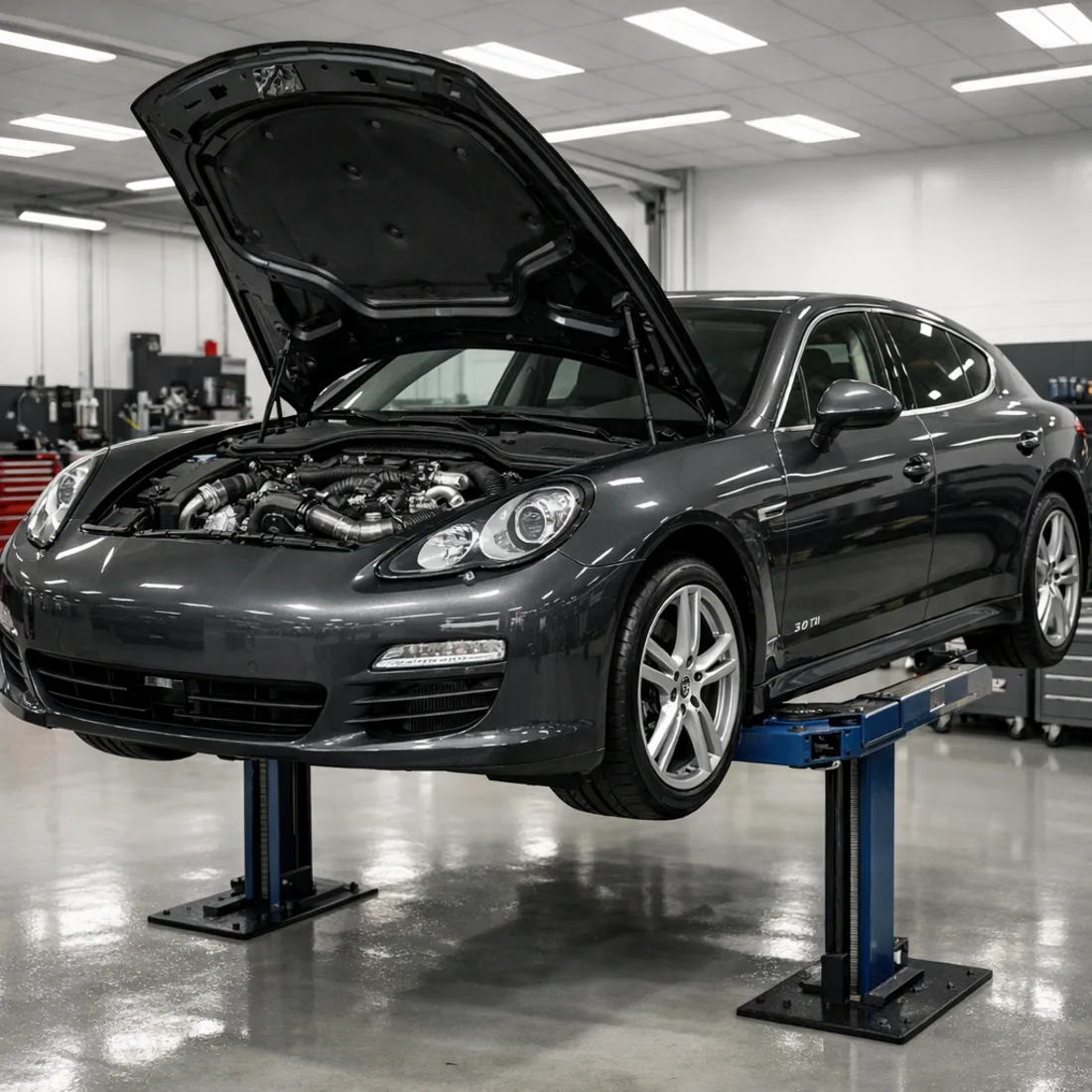
The Panamera is not a car you diagnose with a generic OBD reader. All three generations have multiple control units communicating across proprietary bus systems, and a fault in one module can trigger warnings in several others. Chasing those warnings without factory tooling wastes time and money.
We use ODIS for the 970 generation. ODIS is the factory platform for the VAG derived architecture of the early Panamera, and it's the only way to run guided fault finding, access all modules, and code replacement parts correctly. For both 971 variants, we use the Porsche PIWIS Tester, specifically PIWIS III, which covers the full 971 system architecture including the PDK mechatronics, air suspension modules, PASM damper control, and all chassis and powertrain units.
Our TCU and gearbox repairs work on Panameras always starts with a PIWIS read of the PDK control unit before anything is touched mechanically. Fault codes tell part of the story. Live data, adaptation values, and guided tests tell the rest. We've seen PDK faults that looked like mechanical failures turn out to be software adaptations that had drifted after a flat battery event. Without factory tooling you'd never know.
Tuning the Panamera: What's Possible Across the Range
All three Panamera generations respond well to ECU tuning, and the gains are meaningful enough to justify the investment if performance matters to you.
Stage 1 remap via the Bosch EDC17CP44 ECU. The platform also supports launch control activation, pop and bang map, stop/start disable, flap control, and Vmax adjustment.
Stage 1 tuning is available and makes a real difference to throttle response and mid range pull on this twin turbo V6 platform.
Stage 1 tuning on the Bosch MG1CS008 ECU transforms the car. DTC removal is also available for owners who want to clean up stored fault codes that don't relate to active faults.
Every tune we do is tailored to the individual car, not a generic file. We read the existing ECU calibration, assess the car's condition, and apply a map that suits the engine's actual state. A tired engine with worn injectors doesn't get the same treatment as a freshly serviced one. Contact us about a file service for your Panamera.
Frequently Asked Questions
The questions we get most. Something else on your mind? Get in touch.