Dodge RAM: 3.7 V6 to 6.7 Cummins Every Generation, Every Fault
The Dodge RAM arrived in New Zealand as a curiosity and stayed as a fixture. Across half a dozen engine variants spanning nearly two decades, these trucks have gone from budget entry level workhorses to serious high output machines, yet every generation shares the same DNA: big, American, overbuilt, and capable of very specific failures that a generic workshop will miss. We've had all of them on the hoist in Penrose, and what follows is the honest story of where each engine sits, what it gets wrong, and how to make the most of whichever one you're running.
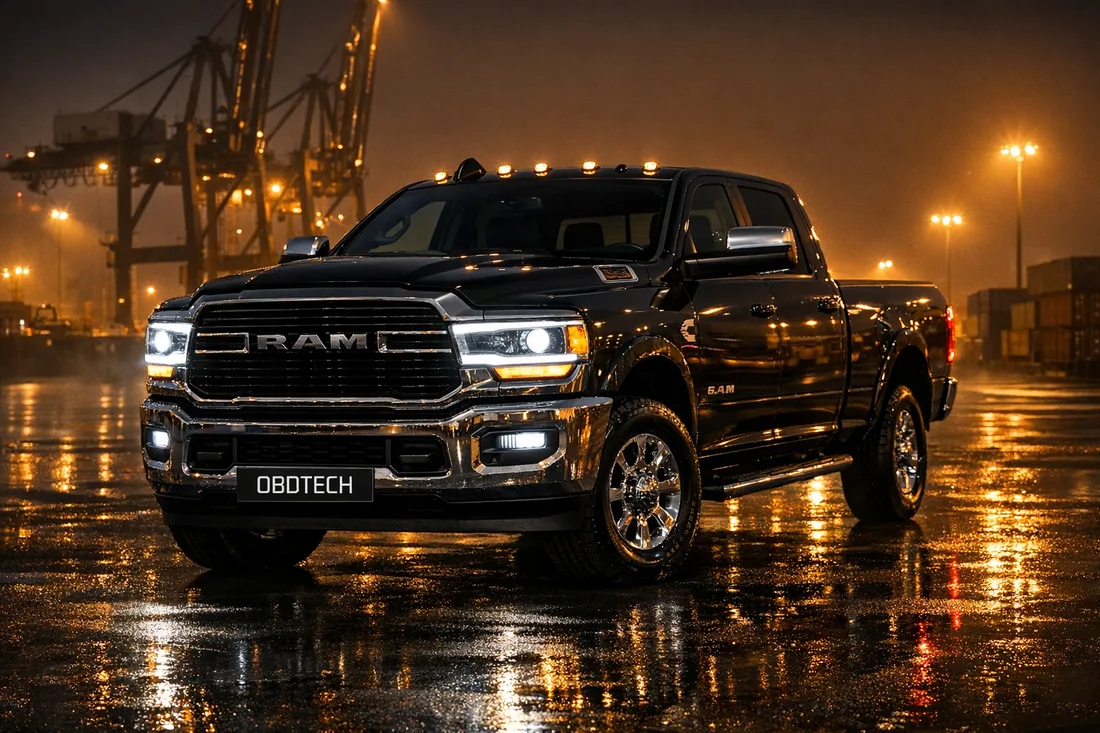
Dodge RAM 3.7 V6: Where the Story Starts
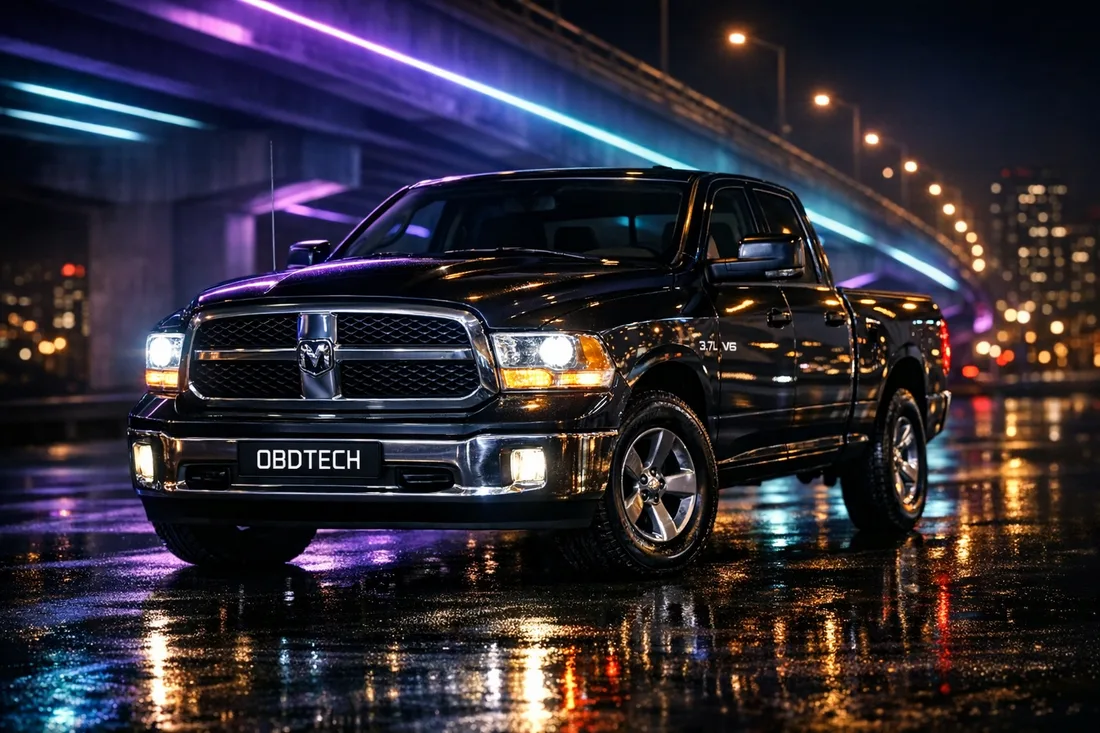
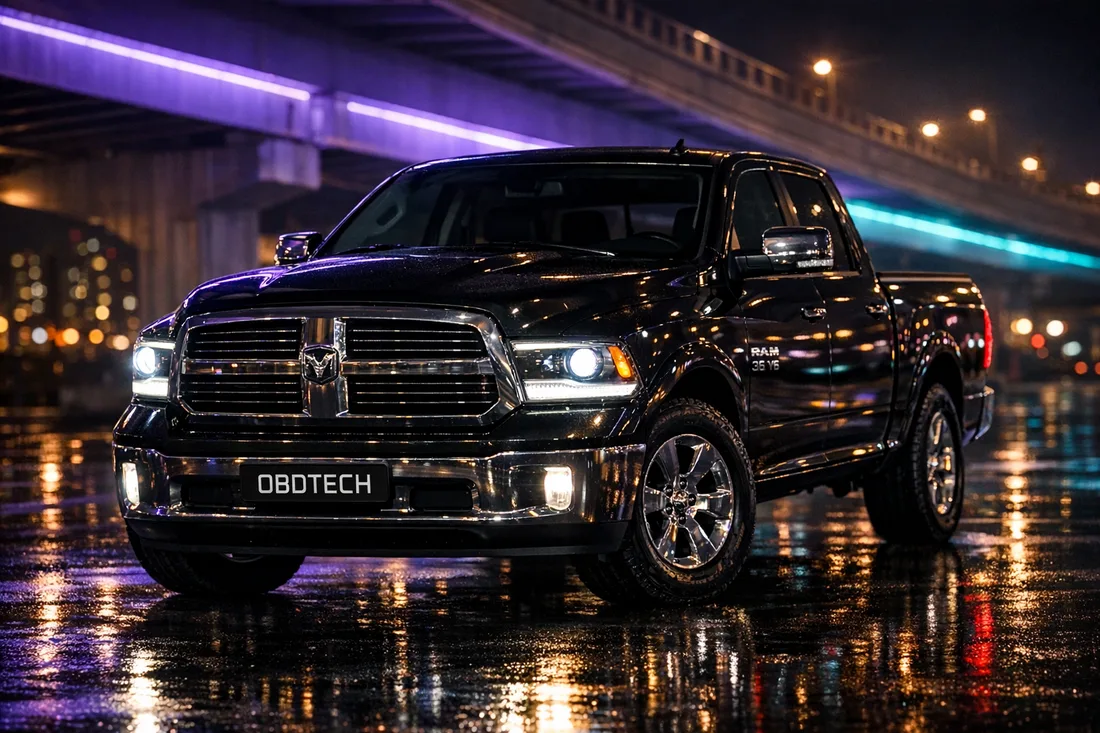
The 3.7 litre Powertech V6 is the oldest and most modest engine in the RAM lineup that we regularly see in New Zealand. It puts out 215 hp and 319 Nm of torque from 3701cc, with a 9.7:1 compression ratio and a bore and stroke of 93.0 x 91.0 mm. The ECU is a Motorola NGC4, and it predates the more sophisticated Siemens/Continental setups that came with later engines. On paper it looks like a stopgap, but plenty of these trucks are still working hard in New Zealand and they deserve proper attention rather than being dismissed as the cheap option.
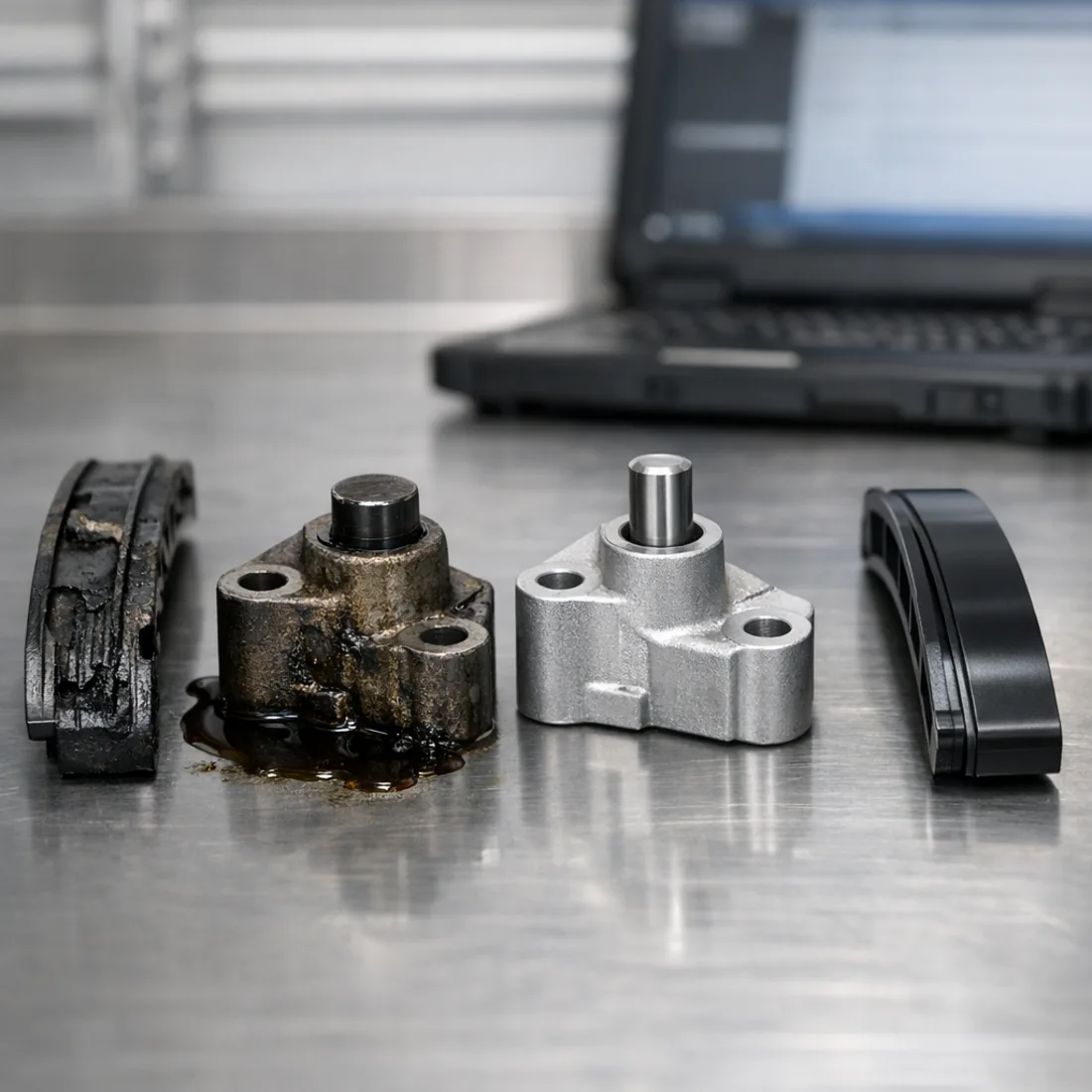
The Powertech V6's age is where its problems live. Timing chain tensioners and guides wear on higher mileage examples, and a rattle on cold start is the first sign they're letting go. Don't ignore it, because once the chain jumps, the repair bill climbs steeply. These engines are also prone to oil sludge if the service history is patchy, which is common on trucks this age. The cylinder head casting on early 3.7 units has a history of cracking if the engine has been run hot, so any truck with a questionable cooling history needs a careful look. Ignition coils, spark plugs and the crank and cam position sensors are the usual culprits behind misfires and rough running.
-
Timing chain tensioner and guide wear listen for cold start rattle
-
Oil sludge from neglected service intervals
-
Cylinder head cracking on early units if overheated
-
Coil packs, spark plugs, crank and cam position sensor faults causing misfires
Once the chain jumps, the repair bill climbs steeply.
Cold start rattle on a 3.7 Powertech is the first sign tensioners are letting go don't ignore it.
We diagnose these with the correct Chrysler platform using wiTECH rather than a generic code reader, which matters because the NGC4 ECU needs proper factory communication to read live data and module faults accurately. Routine service on the 3.7 covers oil and filter with the correct grade, air filter, cabin filter, fuel filter, spark plugs, drive belts, wipers, and brake pads and rotors. Stage 1 tuning is available, taking outputs to 235 hp and 340 Nm for a gain of 20 hp and 21 Nm.
If you're shopping between the 3.7 and the 3.6 Pentastar that replaced it, the Pentastar is the stronger choice on almost every metric, but a well maintained 3.7 with a clean service history is not a problem truck. The one to avoid is any example that's been neglected, because catching up on deferred maintenance on a sludged or timing chain rattling Powertech is an expensive exercise.
Get your RAM booked in with a proper specialist in Penrose.
Dodge RAM 3.6 Pentastar V6: The Modern Entry Point
The 3.6 Pentastar replaced the 3.7 Powertech and immediately made the entry level RAM a more capable proposition. Capacity is 3604cc, compression rises to 10.2:1, bore and stroke are 96.0 x 83.0 mm, and the factory output jumps to 305 hp and 365 Nm. The ECU is a Siemens/Continental GPEC2A, the same platform used in the 6.4 Hemi, which means proper factory level diagnostics are non negotiable. A generic scan tool simply doesn't communicate with this system properly.
The Pentastar V6 has a solid reputation overall, but it has its own set of known issues. Early versions had left bank cylinder head problems that showed up as a ticking noise and rough running. Listen carefully during any inspection of an earlier example. Rocker arm and lifter wear can cause a tick or misfire on higher mileage units, and the oil filter housing and cooler are known to weep oil, so check around that area during any service. The Pentastar uses a timing chain rather than a belt, which is good news for long term maintenance costs, but the chain and tensioner still need inspection on older trucks.
-
Left bank cylinder head issues on early Pentastars ticking and rough running
-
Rocker arm and lifter wear causing tick or misfire on higher mileage units
-
Oil filter housing and cooler seeping oil
-
Timing chain and tensioner wear on higher mileage examples
The Pentastar is more modern, better equipped for diagnostics, and produces meaningfully more power than the old 3.7.
Check for left bank head issues on early examples and inspect the oil filter housing area carefully.
Compared to the 5.7 Hemi above it in the range, the Pentastar is more economical to run and easier on fuel costs, but it doesn't carry the same torque for towing heavy. Routine service covers oil and filter at the correct spec, air filter, cabin filter, wipers, drive belt inspection, spark plugs at the right interval, and brake pads and rotors. Stage 1 tuning takes the Pentastar to 325 hp and 395 Nm, a gain of 20 hp and 30 Nm, which genuinely sharpens the driving character.
Dodge RAM 1500 5.7 Hemi V8: The Heart of the Lineup
This is the engine that defines what a Dodge RAM is supposed to feel like. The 5.7 Hemi V8 in the RAM 1500 displaces 5654cc, runs a 10.5:1 compression ratio with a 99.5 x 90.9 mm bore and stroke, and in its earlier RAM 1500 tune produces 345 hp and 540 Nm. ECUs vary across the production run, covering the Chrysler NCG3, NGC4, NGC5 and the Siemens/Continental GPEC2A on later examples. That ECU variation matters for diagnostics because each requires the correct configuration within wiTECH to communicate properly. A generic scan tool won't read them all accurately.
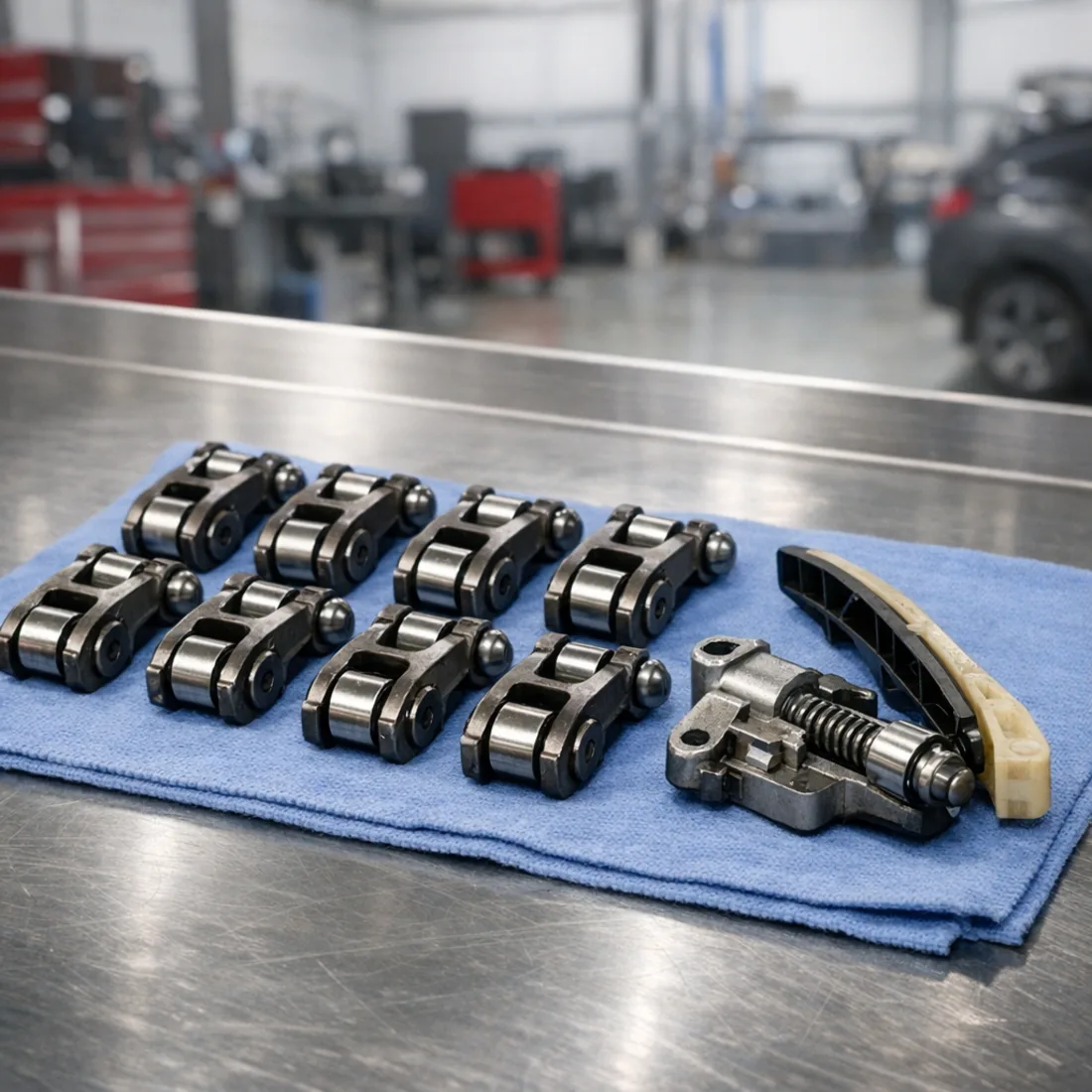
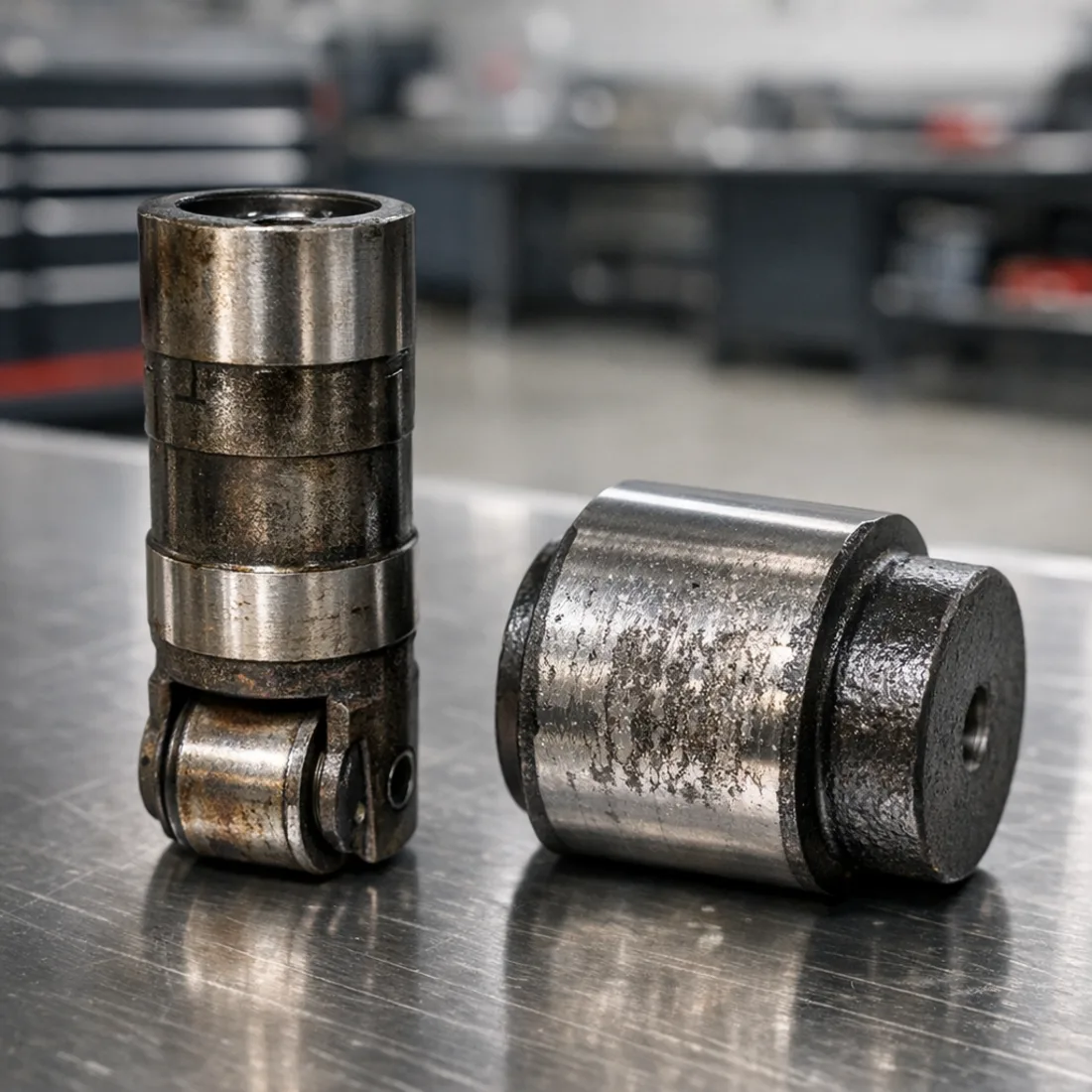
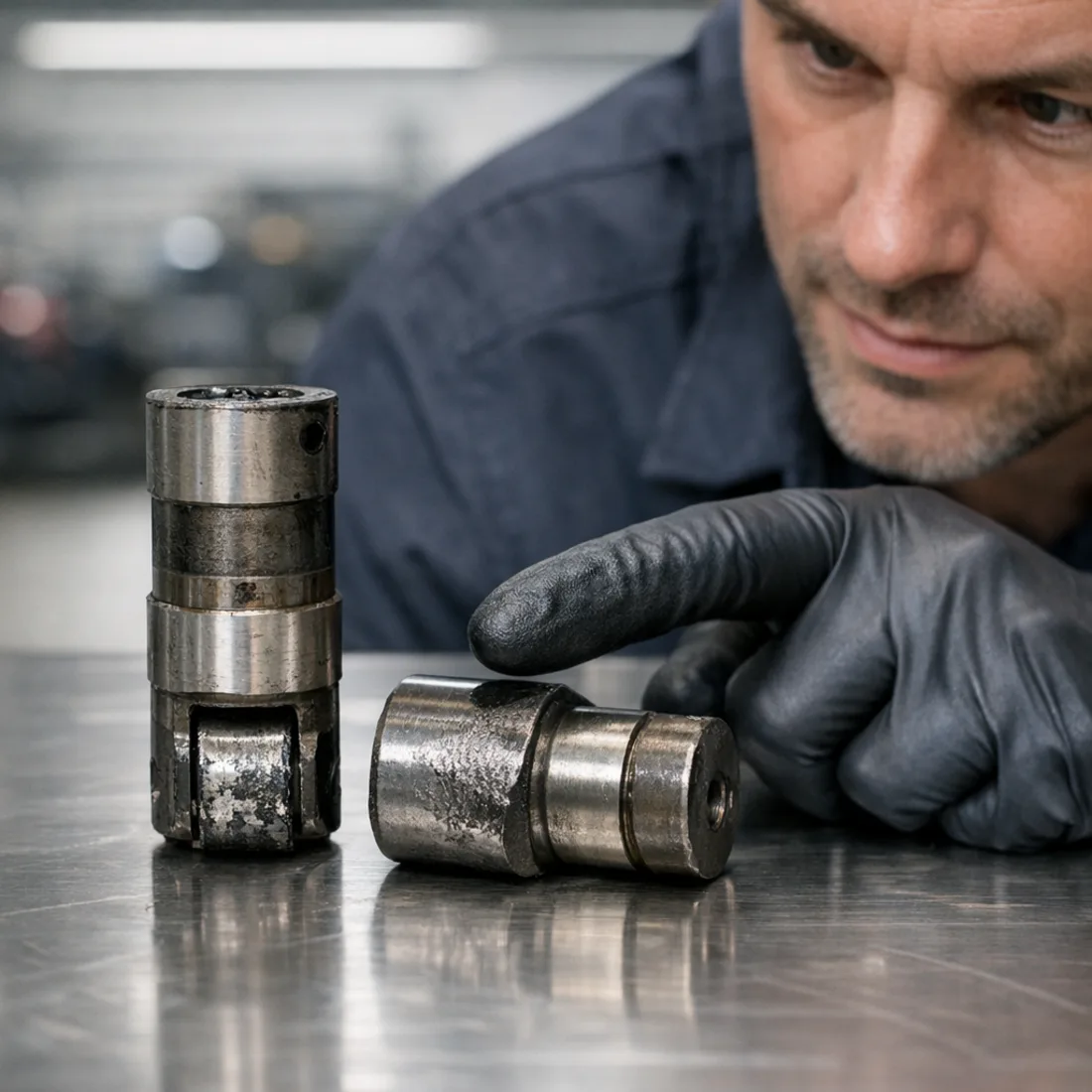
The 5.7 Hemi has a trait that every owner eventually encounters: the Multi Displacement System, or MDS. It's Chrysler's cylinder deactivation setup, designed to save fuel by dropping to four cylinders under light load. In theory it's clever. In practice, the MDS lifters and cam are a well documented weak point, and a ticking noise is often the first sign that a lifter or roller is failing. Exhaust manifold bolts shearing is another classic, causing a tapping or blowing noise that's most noticeable on a cold start. Oil consumption and spark plug wear show up on higher mileage trucks, and this engine uses sixteen plugs, two per cylinder, so a full plug change is a proper job that needs time allocated correctly.
The correct oil grade matters more on this engine than owners often realise. The MDS system is sensitive to oil viscosity, and running the wrong spec accelerates lifter wear. Always use the factory specified grade. Stage 1 tuning on the early 5.7 RAM 1500 takes outputs to 365 hp and 560 Nm, gains of 20 hp and 20 Nm.
-
MDS lifters and cam wear ticking noise is the first sign of lifter or roller failure
-
Exhaust manifold bolts shearing, causing tapping or blowing noise on cold start
-
Oil consumption on higher mileage examples
-
Spark plug fouling sixteen plugs per engine, a significant service job
The MDS system is sensitive to oil viscosity, and running the wrong spec accelerates lifter wear.
Always use the factory specified grade it matters more on this engine than owners often realise.
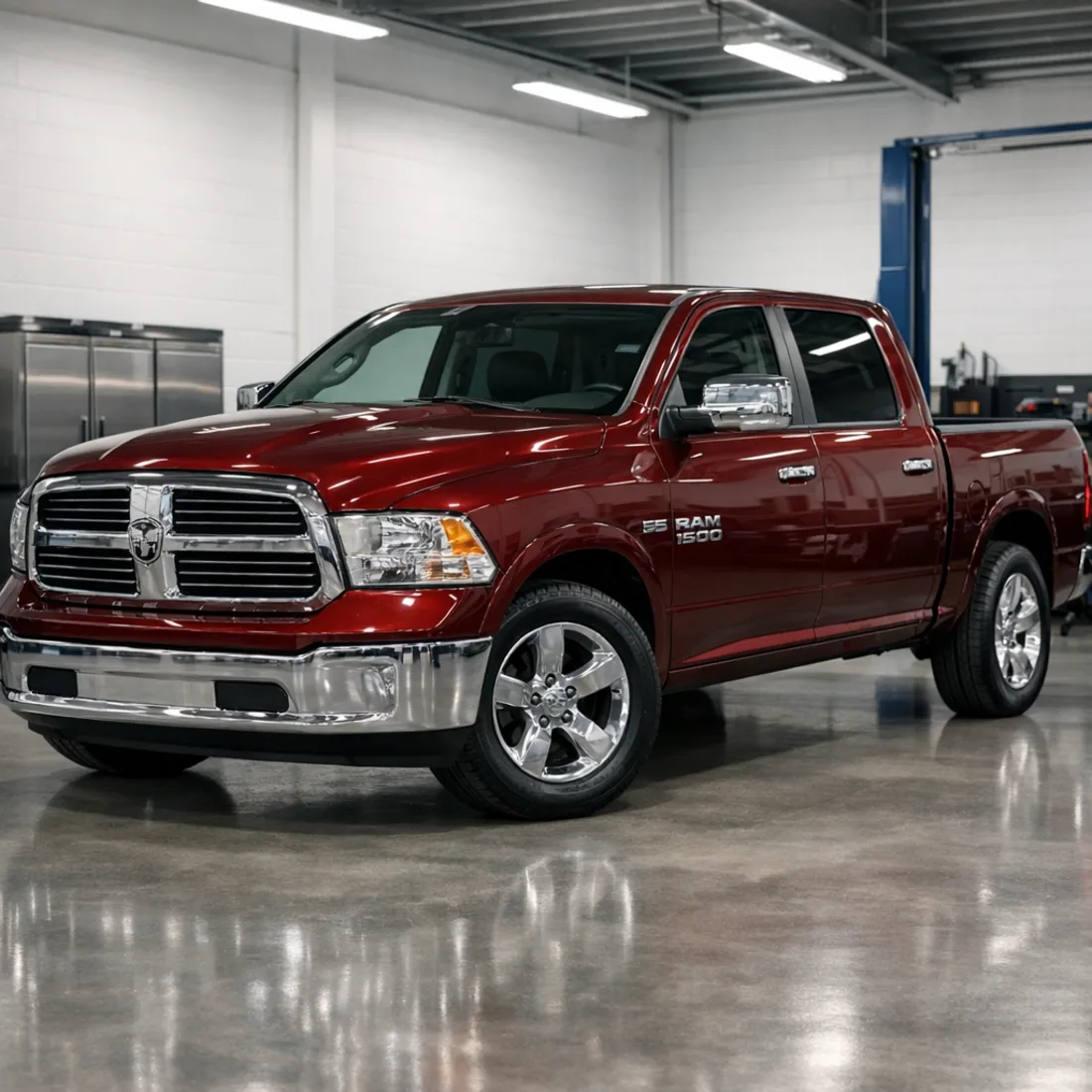
Dodge RAM 5.7 Hemi V8 HD: More Output, Same Known Faults
The heavier duty variant of the 5.7 Hemi steps output up to 396 hp and 552 Nm from the same 5654cc displacement and 10.5:1 compression ratio. The ECU options here are the Siemens/Continental CM2100 or GPEC2A. That extra output comes from factory calibration differences, and it's a meaningful step up in real world driving, particularly for towing. The Stage 1 tune we offer on this variant takes it to 424 hp and 586 Nm, a gain of 28 hp and 34 Nm, which is the strongest gain available across either 5.7 Hemi variant.
The fault profile is almost identical to the RAM 1500 version. MDS lifter and camshaft wear remains the headline concern, and the classic Hemi tick is just as likely to appear here. Exhaust manifold bolt failures are consistent across both 5.7 variants, shearing under the thermal cycling of a heavily loaded truck. Oil consumption, spark plug fouling and the sixteen plug service requirement carry over exactly. The difference is that the HD variant is often used harder, doing more towing and more kilometres under load, which tends to accelerate MDS wear and put more stress on cooling system components.
-
MDS lifter and camshaft wear classic Hemi tick is as likely here as in the RAM 1500
-
Exhaust manifold bolt failures, shearing under thermal cycling of a heavily loaded truck
-
Oil consumption and spark plug fouling on higher mileage examples
-
Sixteen plug service requirement needs proper time allocated
The one to walk away from is any 5.7 Hemi with a tick it can't explain and a vague service history.
Inspect the MDS history carefully on any example that's done serious towing kilometres.
If you're choosing between the two 5.7 Hemi variants on the used market, the HD version's higher output is appealing, but inspect the MDS history carefully on any example that's done serious towing kilometres. A well maintained example of either is a strong truck. The one to walk away from is any 5.7 Hemi with a tick it can't explain and a vague service history.
Dodge RAM 6.4 Hemi V8: The Big Block That Doesn't Apologise
The 6.4 Hemi is the RAM at its most committed. Six thousand four hundred and ten cc, a 10.9:1 compression ratio, bore and stroke of 103.9 x 94.6 mm, and a factory output of 410 hp and 582 Nm. The ECU is a Siemens/Continental GPEC2A. This is a proper big block petrol engine in a world that's largely moved on from them, and it carries that character with everything it does. It also carries the same MDS cylinder deactivation system as the 5.7 Hemi, and on a larger displacement engine running higher compression, the stakes for maintaining it correctly are even higher.
MDS lifter and camshaft wear is the primary fault to watch on the 6.4, and the ticking noise it produces is unmistakable once you've heard it. Beyond the MDS, exhaust manifold bolts and manifold cracking are a consistent issue on these engines the thermal mass of a 6.4 litre V8 is significant and the manifolds feel it. The oil cooler and cooler housing gaskets can seep, and coolant leaks around the water pump show up with age. Fuel and ignition condition matter on any engine this size because fouled plugs on a big block translate directly to wasted fuel and rough running.
-
MDS lifter and camshaft wear ticking noise or misfire
-
Exhaust manifold bolt cracking and manifold leaks
-
Oil cooler and cooler housing gasket seeping
-
Coolant leaks at the water pump
Compared to the 5.7 Hemi, the 6.4 is louder, thirstier, and makes more of everything that defines the Hemi character.
If you need the power, there's nothing else like it in the RAM petrol lineup.
Compared to the 5.7 Hemi, the 6.4 is louder, thirstier, and makes more of everything that defines the Hemi character. If you need the power, there's nothing else like it in the RAM petrol lineup. Stage 1 tuning takes it to 430 hp and 600 Nm, a gain of 20 hp and 18 Nm, which sharpens throttle response and mid range pull noticeably.
Dodge RAM 6.7 Cummins: The Diesel That Tows Everything
The 6.7 Cummins ISB is a completely different animal from every other engine in this lineup. It's a diesel, an inline six displacing 6685cc with a 17.3:1 compression ratio and a bore and stroke of 106.9 x 124.0 mm. Factory output is 350 hp and 890 Nm of torque from low in the rev range. That torque figure puts every petrol RAM engine in the shade for towing work. ECU options are the Siemens/Continental CM2100 or CM2350B. Stage 1 tuning takes it to 380 hp and 950 Nm, gains of 30 hp and 60 Nm, and on an engine optimised for towing, 60 extra Nm at low rpm makes a real difference.
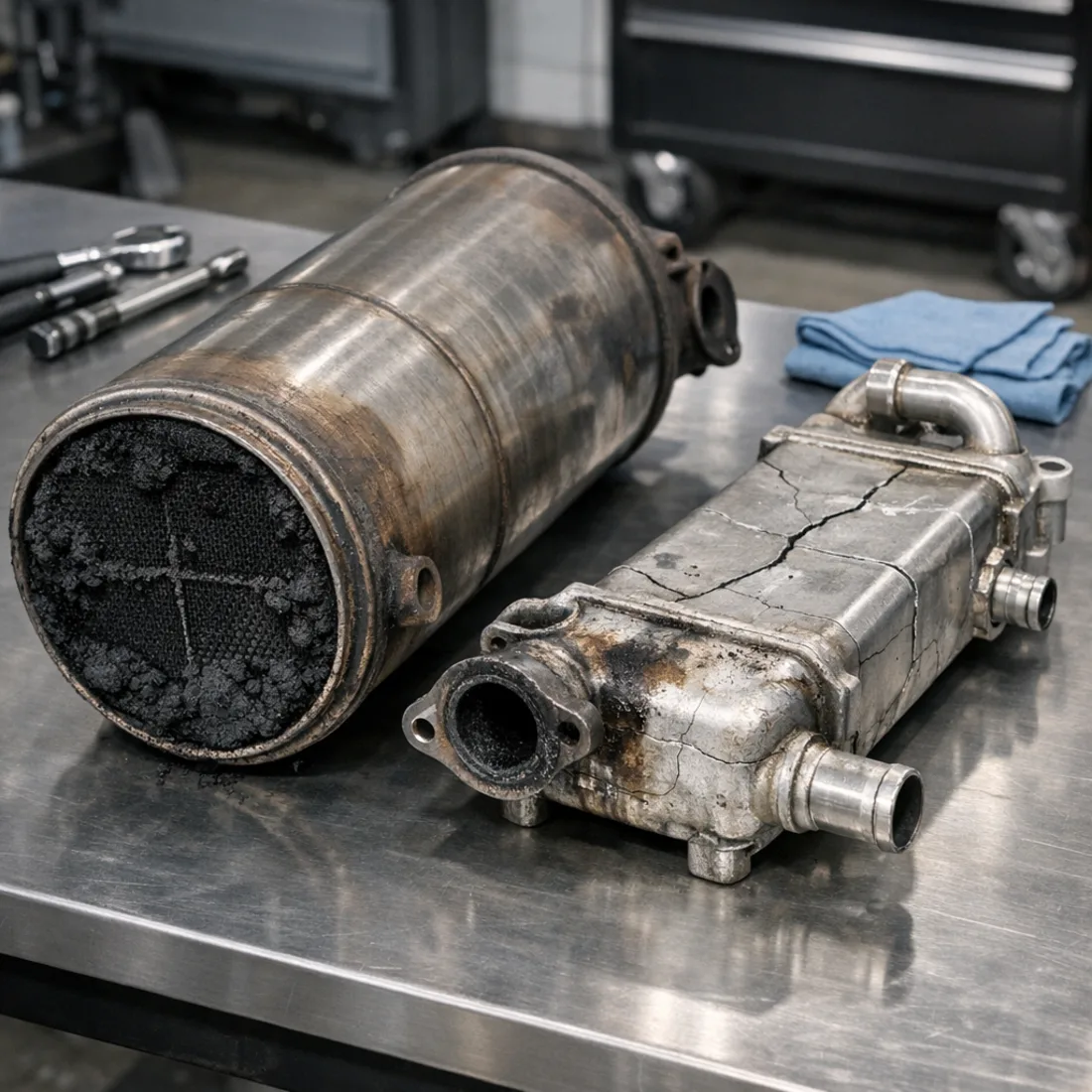
The 6.7 Cummins is a tough engine, but it carries its own specific set of problems, and most of them live in the emissions system. DPF clogging is the headline fault, particularly on trucks that do a lot of short urban runs, because the DPF never gets hot enough to self regenerate properly. EGR cooler faults and NOx sensor failures follow closely behind. The variable geometry turbo can stick or gum up with soot, which affects boost delivery and fuel economy before it throws a code. Exhaust manifold bolts and injection pump behaviour are also worth inspecting on any example that's done hard kilometres. Front end suspension components wear with age and heavy towing loads.
-
DPF clogging especially on trucks used for short urban runs
-
EGR cooler faults and NOx sensor failures
-
Variable geometry turbo sticking or gumming up with soot
-
Exhaust manifold bolts and injection pump behaviour on hard worked examples
-
Front end suspension wear under age and heavy towing loads
The Cummins rewards owners who do high mileage highway work. Short urban runs are genuinely hard on it.
The DPF never gets hot enough to self regenerate on short runs, and the soot builds until it can't clear itself.
The diesel's emissions system requires genuine diagnosis and repair, not guesswork. We handle DPF and EGR cleaning, AdBlue system faults, and the full range of aftertreatment related issues that show up on these trucks, and we use wiTECH with the correct Chrysler level configuration to read live diesel data and actuate the EGR and aftertreatment systems accurately. A generic tool simply can't do this properly on the CM2100 or CM2350B platforms.
If you're deciding between the 6.7 Cummins and one of the petrol Hemis, it comes down to what the truck does. For serious towing, the Cummins torque figure is in another league. For variety of use and lower maintenance complexity around the emissions system, a petrol Hemi is simpler to live with. A Cummins that's been looked after is a serious long term investment. One that's been neglected in urban use is a complicated fix.
Picking Between Them: Used Buying Advice Across the RAM Lineup
The RAM lineup in New Zealand covers a wide spread of price, capability and running costs, so knowing where each engine sits helps you make a sharper decision.
Budget is the primary consideration and you have a solid, documented service history in hand. A neglected example with timing chain noise or signs of sludge should be avoided unless you're budgeting for immediate mechanical work. It's not the engine to buy on optimism.
You want a petrol RAM without the fuel costs of a V8. It's more modern, better equipped for diagnostics, and produces meaningfully more power than the old 3.7. Check for left bank head issues on early examples and inspect the oil filter housing area carefully. A good Pentastar is a solid daily truck.
You want the full Hemi V8 experience with genuine towing capability. The RAM 1500 345 hp version is the more common find. The HD 396 hp variant is worth seeking out if you tow regularly. On either, the MDS history and any ticking noise are the pre purchase questions that matter most. Get it on a hoist and get wiTECH on it before committing.
You specifically want the biggest petrol option. It's thirstier and more expensive to run, but the outputs are genuinely impressive. Same MDS checks apply, and inspect the manifolds and water pump carefully.
The truck is genuinely going to work hard. Budget for emissions system maintenance and make sure the DPF condition and EGR history are clear before buying. A Cummins that's been looked after is a serious long term investment. One that's been neglected in urban use is a complicated fix.
- On any Hemi: listen for a ticking noise at idle and on cold start MDS lifter or manifold bolt fault
- On any Hemi: check MDS history and confirm correct oil grade has been used throughout
- On the 3.7 Powertech: listen for cold start chain rattle and check for sludge at the oil filler
- On the 3.6 Pentastar: inspect left bank cylinder head on early examples, check oil filter housing for weeping
- On the 6.7 Cummins: confirm DPF condition and EGR history before purchase
- On the 6.7 Cummins: check the variable geometry turbo for response and soot buildup
- All generations: get wiTECH factory diagnostics run before committing a generic scan tool misses faults on all these platforms
- All generations: inspect suspension and brake system condition these are heavy trucks and components take a real beating
Servicing the RAM Across All Generations
Every RAM generation needs proper servicing, and the common thread across all of them is that cutting corners on service intervals shows up faster than it does on a smaller, lighter vehicle. These trucks are heavy, they tow, and their engines work hard. The correct oil grade isn't a suggestion on any of them, and on MDS equipped engines it directly affects lifter longevity.
Across the petrol lineup, routine vehicle servicing includes oil and filter at the correct grade and interval, air filter, cabin filter, drive belt and tensioner inspection, spark plugs at the correct interval, wipers, and a full brake pad and rotor check. The sixteen plug requirement on both 5.7 and 6.4 Hemi engines means a plug service needs proper time allocated. It's not a quick job and it shouldn't be treated as one. Suspension components across all generations take a real beating on New Zealand roads under the weight of these trucks, and brake system maintenance on a heavy towing RAM is a safety item, not something to defer.
On the 6.7 Cummins, the service list extends to fuel filters and water separator, glow or grid heater checks, and the full aftertreatment system inspection covering DPF condition and EGR operation. The diesel has a longer list of service items to stay on top of, but the engine rewards that attention with strong longevity. We provide full vehicle servicing for all RAM generations at our Penrose workshop, using the correct oil grades, genuine OEM filters and parts, and factory specified procedures throughout.
How We Diagnose Every RAM Generation
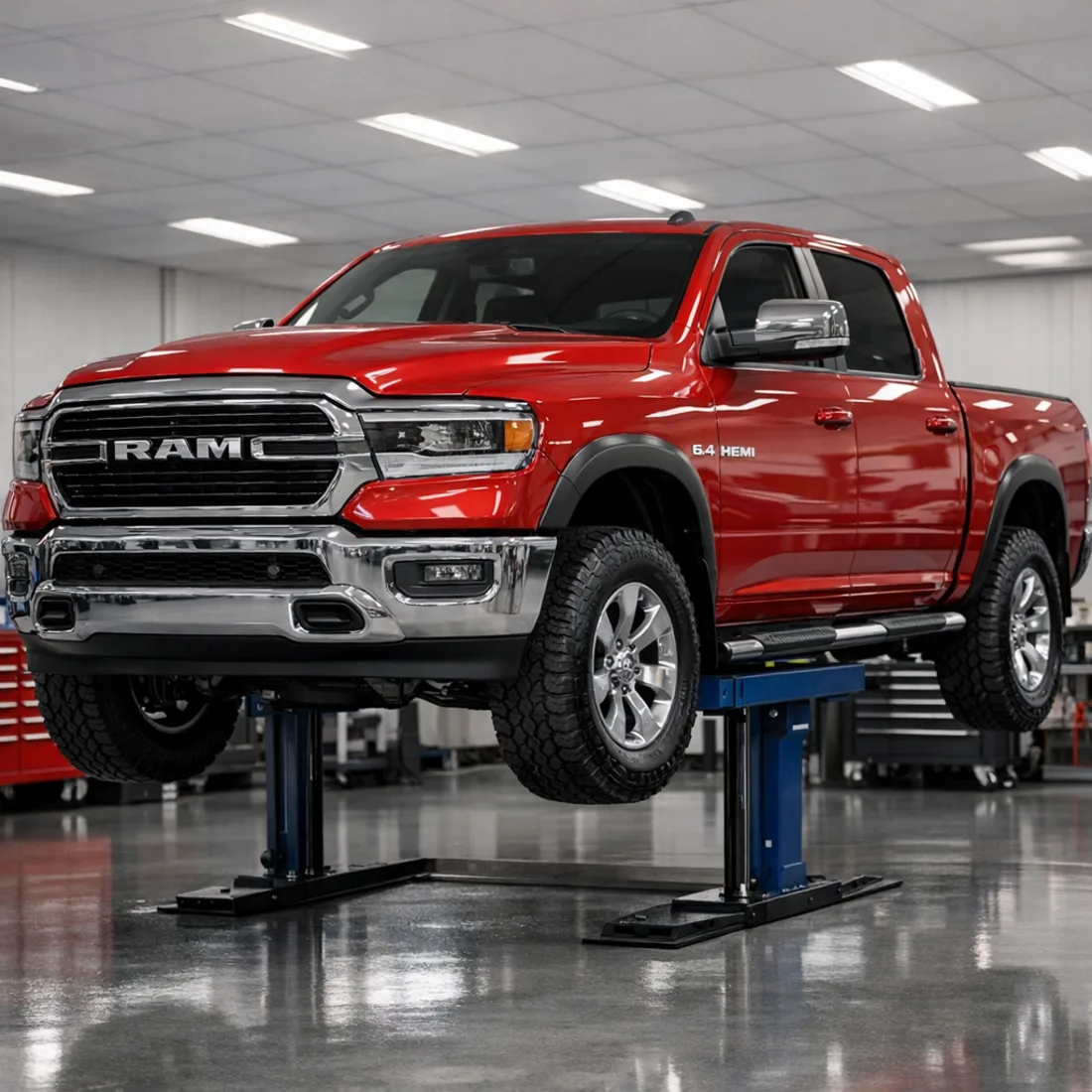
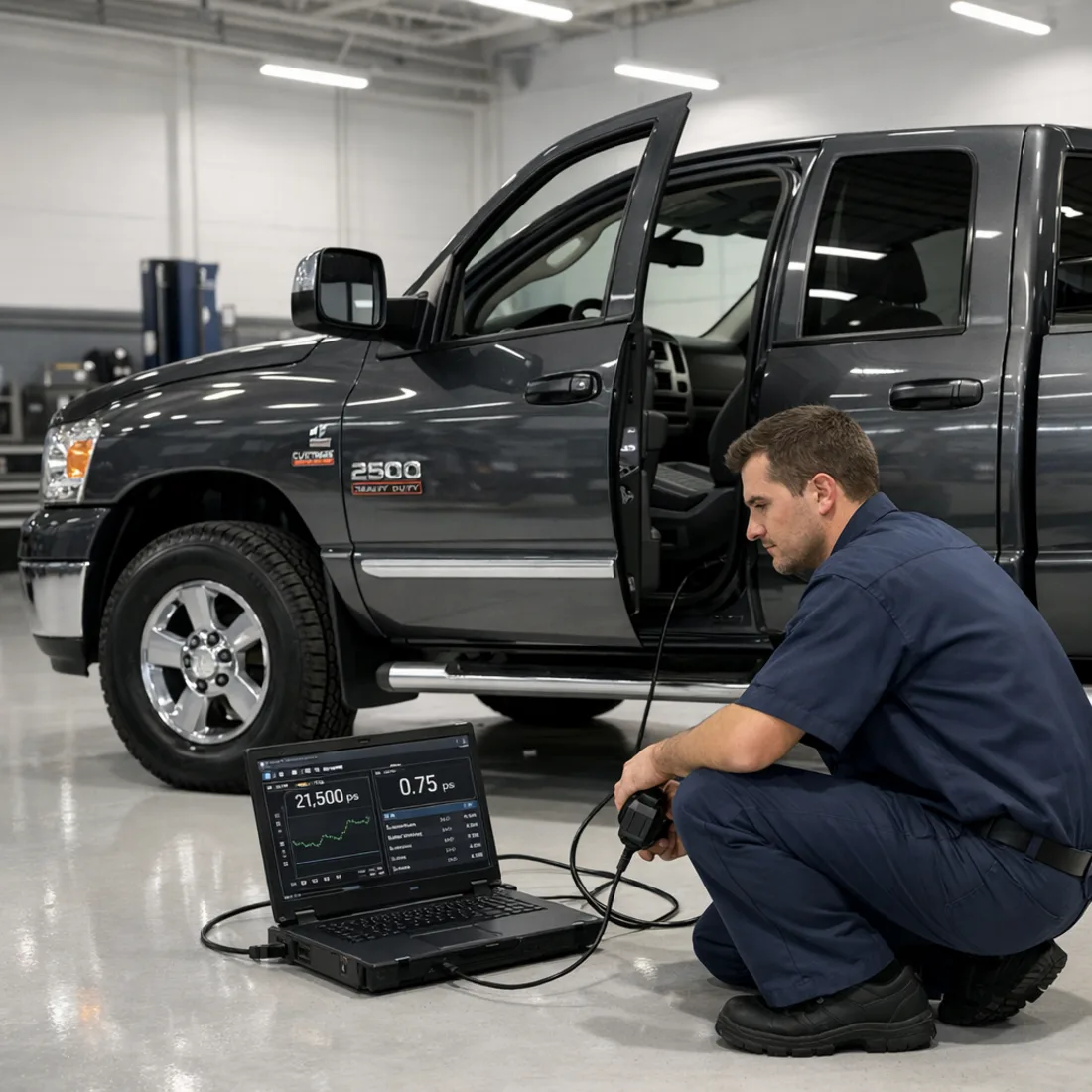
The single most important thing to understand about diagnosing any Dodge RAM is that generic scan tools don't cut it. The Chrysler/Dodge/RAM platform uses proprietary module communication across the PCM, TCM and body control modules, and reading live data, actuating components, or clearing faults properly requires the correct factory tooling.
We use wiTECH, the Chrysler dealer level diagnostic platform, across all RAM generations. On the older NGC4 and NGC5 ECUs in the earlier 5.7 Hemi and 3.7 Powertech trucks, it gives us accurate live data and fault codes that a generic reader would either miss or misinterpret. On the Siemens/Continental GPEC2A platform used in the 3.6 Pentastar and both Hemi variants, it allows full module communication including key programming and configuration. On the 6.7 Cummins with its CM2100 or CM2350B ECU, wiTECH lets us actuate the EGR, monitor the aftertreatment system in real time, and diagnose turbo behaviour accurately.
This matters in practice. A fault code on the GPEC2A platform can point to a specific injector, a specific MDS lifter circuit, or a sensor at a specific position. Without factory tooling, you're guessing. With it, you're diagnosing. The difference is what you pay for and what you actually fix. Our team also handles car programming and coding for ECU replacement, key programming and module configuration across all these platforms.
Tuning the RAM: What's Available Across the Range
Every engine in the RAM lineup has Stage 1 tuning available through our workshop, and across this range the gains are genuinely worth considering. The Cummins diesel sees the most useful real world gain for towing applications because the extra torque arrives exactly where you need it. On the petrol engines, Stage 1 tuning sharpens throttle response and mid range pull noticeably.
Stage 1 tuning on the Powertech V6 sharpens throttle response and adds a useful step in power delivery. Additional options available: DECAT, FLAPS, Vmax.
The Pentastar responds well to Stage 1 calibration, with a 30 Nm torque gain that genuinely sharpens the driving character. Additional options: DTC Removal, Pop and Bang Crackle map, START/STOP OFF, DECAT, FLAPS, Vmax.
Stage 1 on the RAM 1500 5.7 improves throttle mapping and mid range pull. Additional options: DECAT, FLAPS, Vmax.
The strongest gain available across either 5.7 Hemi variant. Particularly useful for towing applications. Additional options: DTC Removal, Pop and Bang Crackle map, DECAT, FLAPS, Vmax.
Stage 1 sharpens throttle response and mid range pull on the big block. Additional options: DTC Removal, Pop and Bang Crackle map, START/STOP OFF, DECAT, FLAPS, Vmax.
On an engine optimised for towing, 60 extra Nm at low rpm makes a real difference. Additional options: EGR OFF, DTC Removal, FLAPS, Vmax, Adblue.
All Stage 1 tuning is carried out within safe parameters for the hardware. On the petrol engines it's ECU calibration for better throttle mapping and power delivery. On the Cummins the torque gains are particularly useful for towing. All tuning is done with wiTECH compatible tools on the actual factory ECU. Learn more about our ECU file service or book your RAM in directly.
Frequently Asked Questions
The questions we get most. Something else on your mind? Get in touch.