Jeep Wrangler JL: All Four Engines, One Workshop
The JL Wrangler is the most sophisticated Wrangler ever built, and that cuts both ways. Four very different engines, a 48V mild hybrid system on one of them, modern European diesel emissions tech on two others, and all of it wrapped in a body that gets taken off road far more often than the manufacturers of those emissions systems probably intended. When things go wrong, and they do, you need a workshop that actually understands the whole family rather than just the most common variant. We service and repair all four JL engines at our workshop in Penrose, using the factory wiTECH diagnostic platform for every one of them.
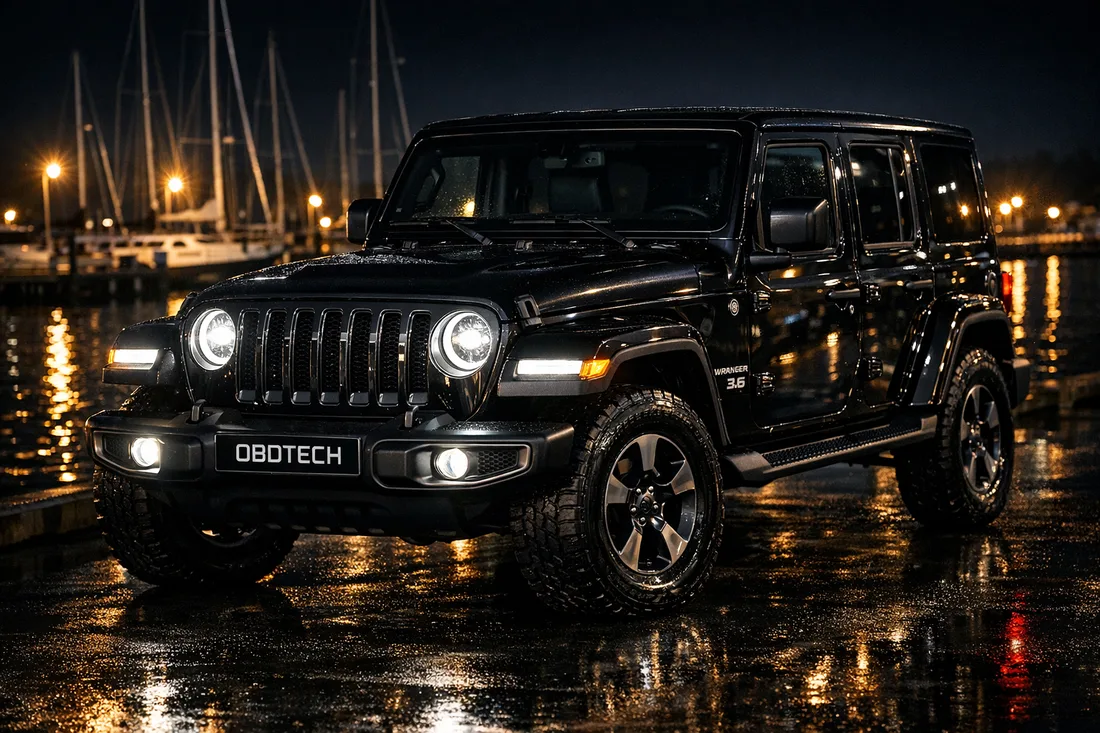
Jeep Wrangler 3.6 V6 Pentastar: The Straightforward One
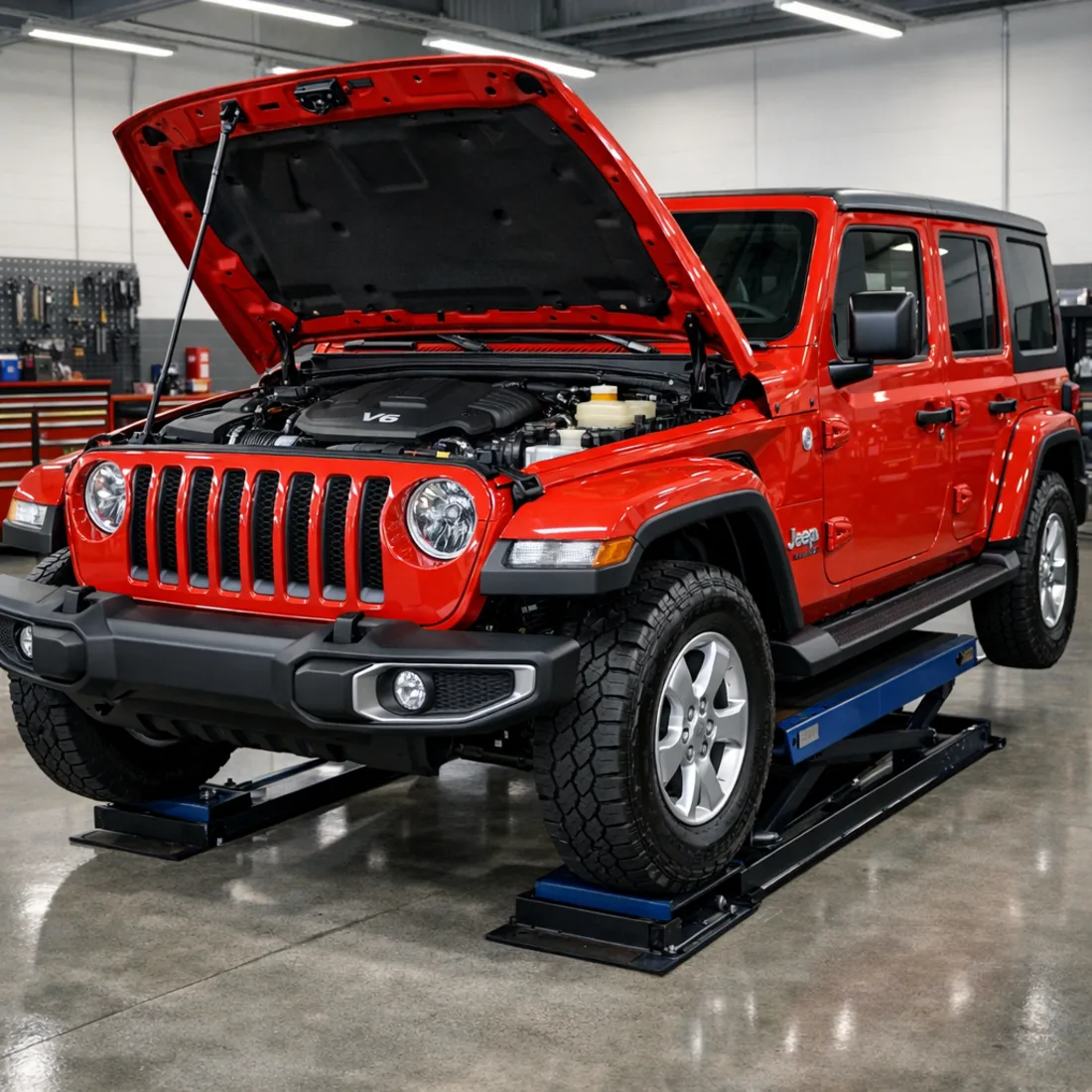
If you want a JL Wrangler without any hybrid complexity or diesel emissions drama, the 3.6 Pentastar V6 is the logical choice. At 3604cc with 285hp and 353Nm through a Siemens/Continental GPEC2 ECU, it is a naturally aspirated petrol that just gets on with it. No DPF, no AdBlue, no eTorque battery pack to think about. That simplicity is genuinely appealing, especially if the Wrangler is going to spend serious time in the mud where modern emissions systems struggle.
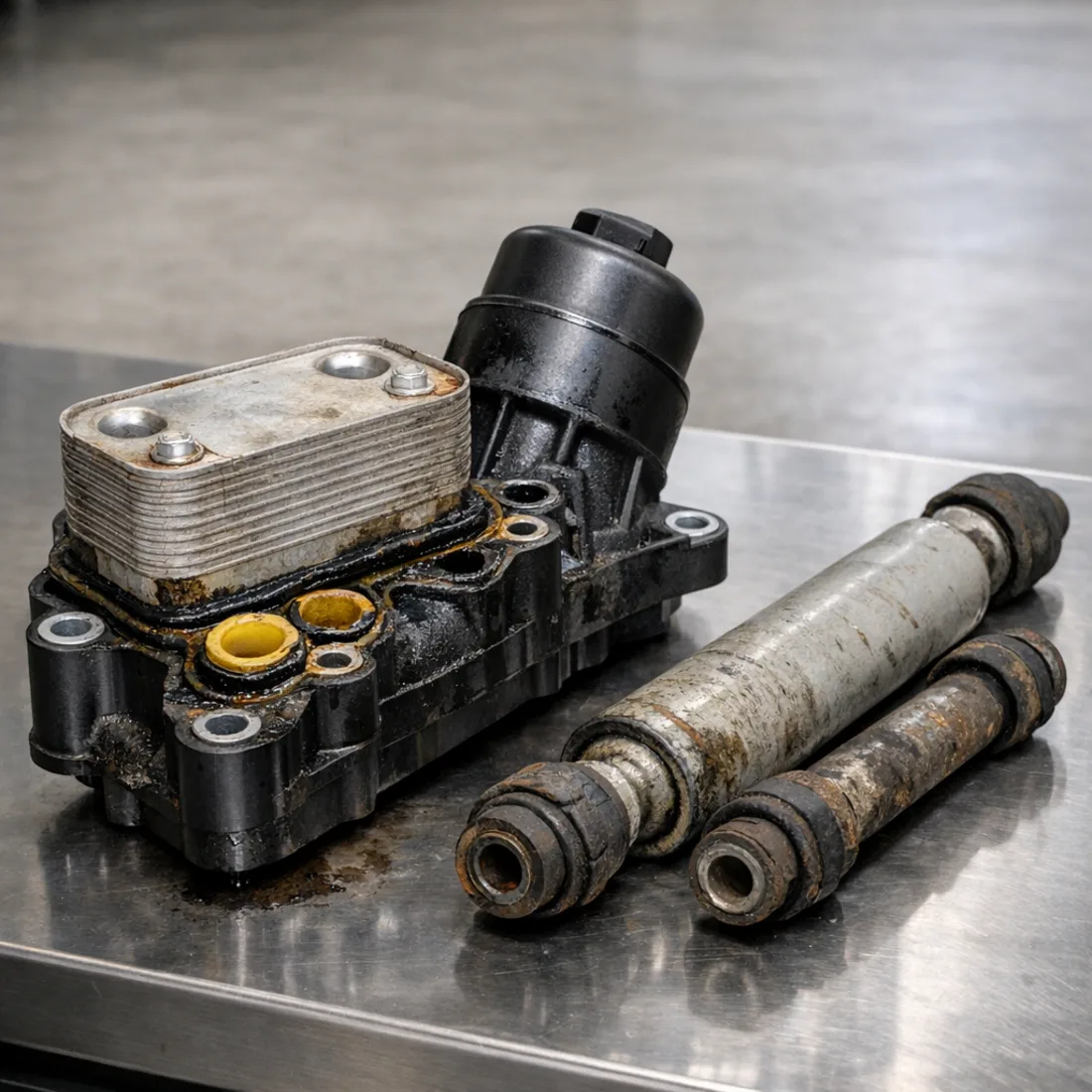
That said, simple does not mean problem free. Early Pentastar variants from previous Wrangler generations had a reputation for left bank cylinder head issues, and while the engine in the JL is a much improved version, the family history is worth knowing. What we actually see on these in the workshop is oil cooler and filter housing seepage, which is common enough that it is worth inspecting at every service rather than waiting for a puddle to appear. Higher mileage units can develop rocker or lifter noise, which needs attention before it becomes something more serious. The automatic transmission and transfer case benefit from proper fluid changes that often get skipped, and off road use accelerates that wear considerably.
The other thing specific to the Wrangler that shows up on all petrol variants, but especially the V6, is the death wobble area. The steering damper and associated front end components take a hammering on corrugated roads and trails, and if you feel any front end shimmy at speed it needs investigating properly rather than just replacing the damper and hoping for the best.
-
Oil cooler and filter housing seepage, inspect every service
-
Rocker or lifter noise on higher mileage engines
-
Transmission and transfer case fluid often overdue
-
Steering damper and front end wear from off road use
-
Diff fluid service frequently neglected on used examples
No DPF, no AdBlue, no eTorque battery pack to think about.
That simplicity is genuinely appealing, especially if the Wrangler is going to spend serious time in the mud.
Routine servicing on the V6 covers oil and filter with the correct grade, air filter, cabin filter, spark plugs, drive belt, wipers, and brake pads and rotors. We also do transfer case and diff fluid, cooling system service, and suspension and steering components.
Stage 1 tuning takes the V6 to 305hp and 375Nm, which sharpens throttle response noticeably without touching reliability. For owners who have lifted the Wrangler and fitted larger tyres, alignment and driveline checks after that work are not optional, they are essential.
Get your Wrangler booked in with a workshop that knows all four engines.
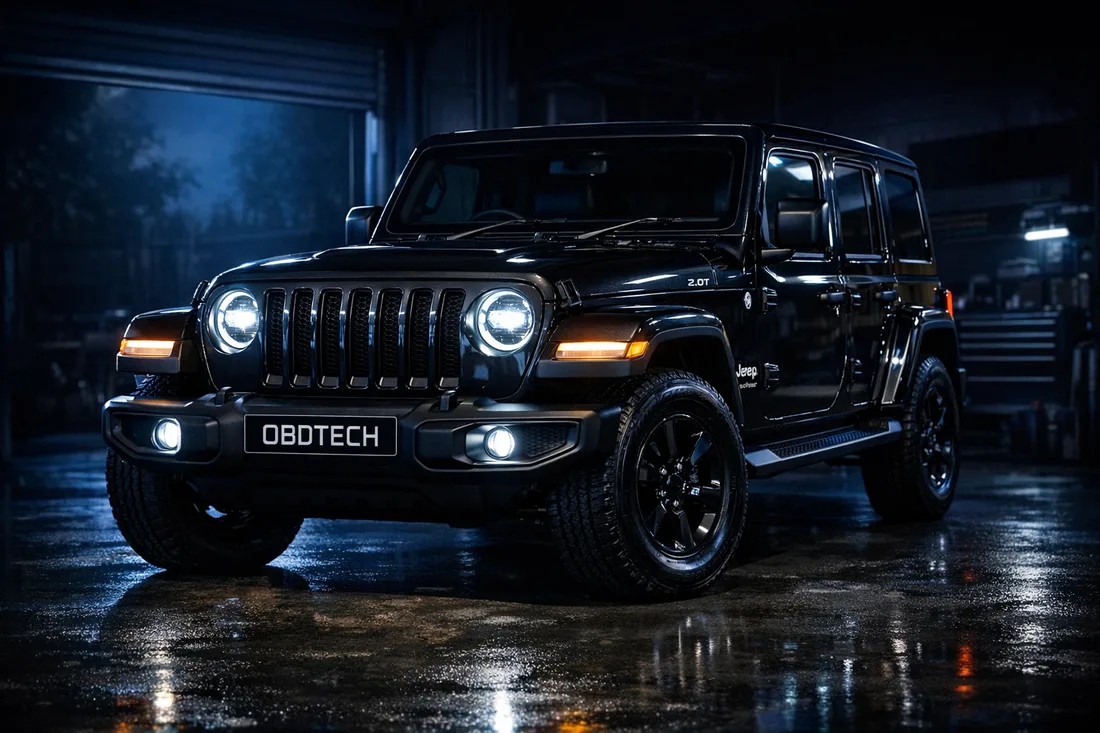
Jeep Wrangler 2.0T: The Modern Turbo Petrol With a Twist
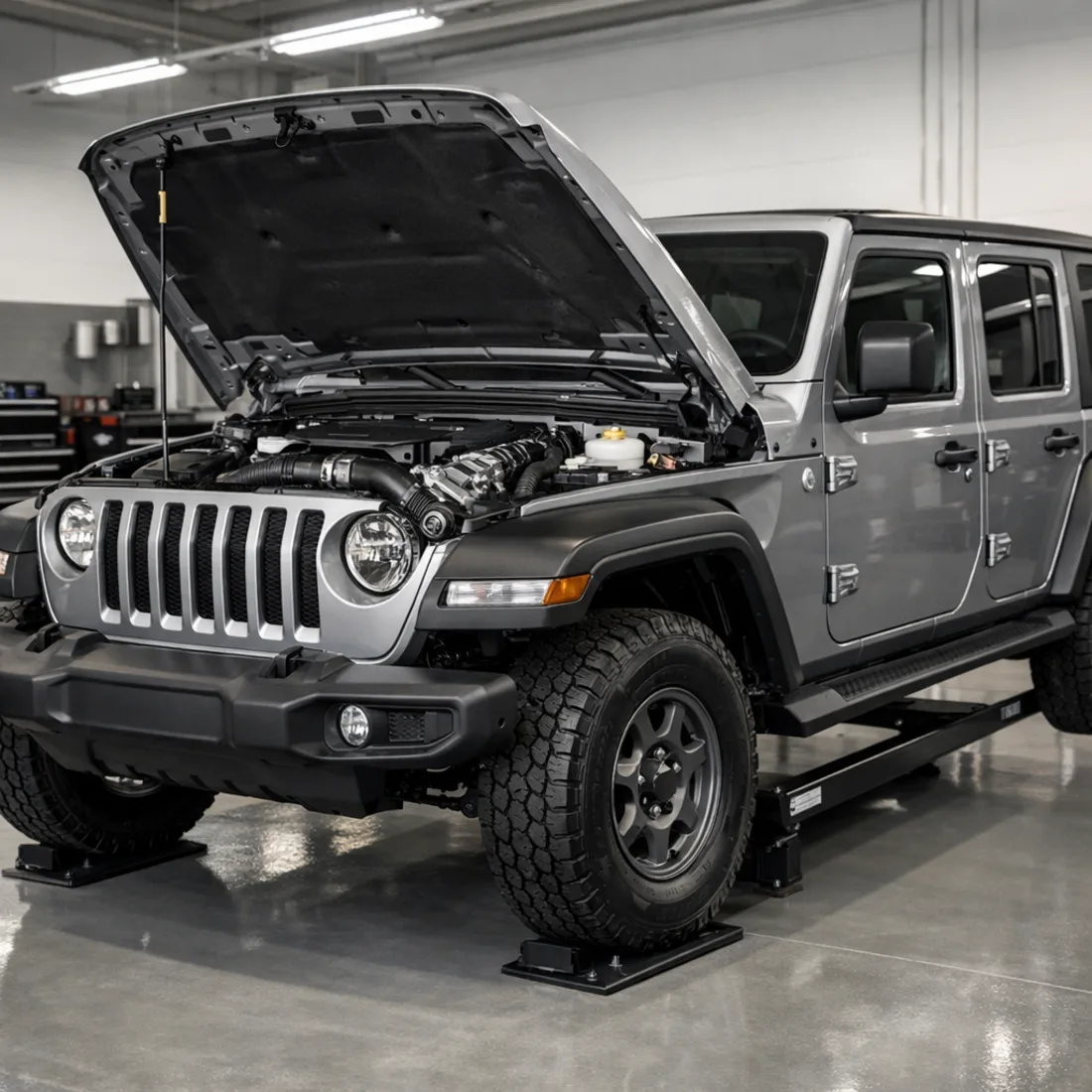
The 2.0T is where the JL range gets interesting. At 1995cc with 272hp and 400Nm, it matches or beats the V6 on torque figures while being considerably smaller. The reason it can do that is the 48V eTorque mild hybrid system, which adds a belt integrated starter generator and a small battery pack to fill in low rpm torque. On paper it is clever. In practice it is a system that needs proper diagnostic tooling to work with, because a generic scan tool will not talk to the hybrid modules at all.
The ECU is a Siemens/Continental GPEC4, and diagnosing anything beyond basic faults requires the factory wiTECH platform to read all modules, carry out resets and do proper coding. That matters because some of the faults on these are not immediately obvious. The eTorque belt starter itself and the 48V battery pack can develop issues as the vehicles age, and those faults will not show correctly on aftermarket tools. Oil consumption is worth monitoring on these engines, and the PCV system and turbo are worth checking on higher mileage examples. Cooling system niggles have been reported too.
Compared to the V6, the 2.0T adds complexity with the hybrid system but removes the V6's oil cooler seepage concern. The emissions system is simpler than either diesel variant because there is no DPF or AdBlue to contend with. But the off road lifestyle still applies, so transmission and transfer case fluid, suspension bushings and driveline components all need the same attention as any other JL.
-
48V eTorque belt starter and battery pack faults as they age
-
Oil consumption worth monitoring from early on
-
PCV and turbo concerns on higher mileage engines
-
Transmission, transfer case and diff fluid often due on used examples
-
Suspension and bushings wear harder with off road use
A generic scan tool will not talk to the hybrid modules at all.
Proper factory wiTECH access is the only way to correctly interrogate the eTorque system.
Stage 1 tuning on the 2.0T delivers 310hp and 450Nm, a gain of 38hp and 50Nm. That is a meaningful improvement, and the extra torque is very usable both on road and on the trail.
Oil with the correct specification, air filter, cabin filter, drive belt, and brake pads and rotors are all standard service items. As with the V6, any lift and tyre upgrade needs to be followed by alignment and driveline checks.
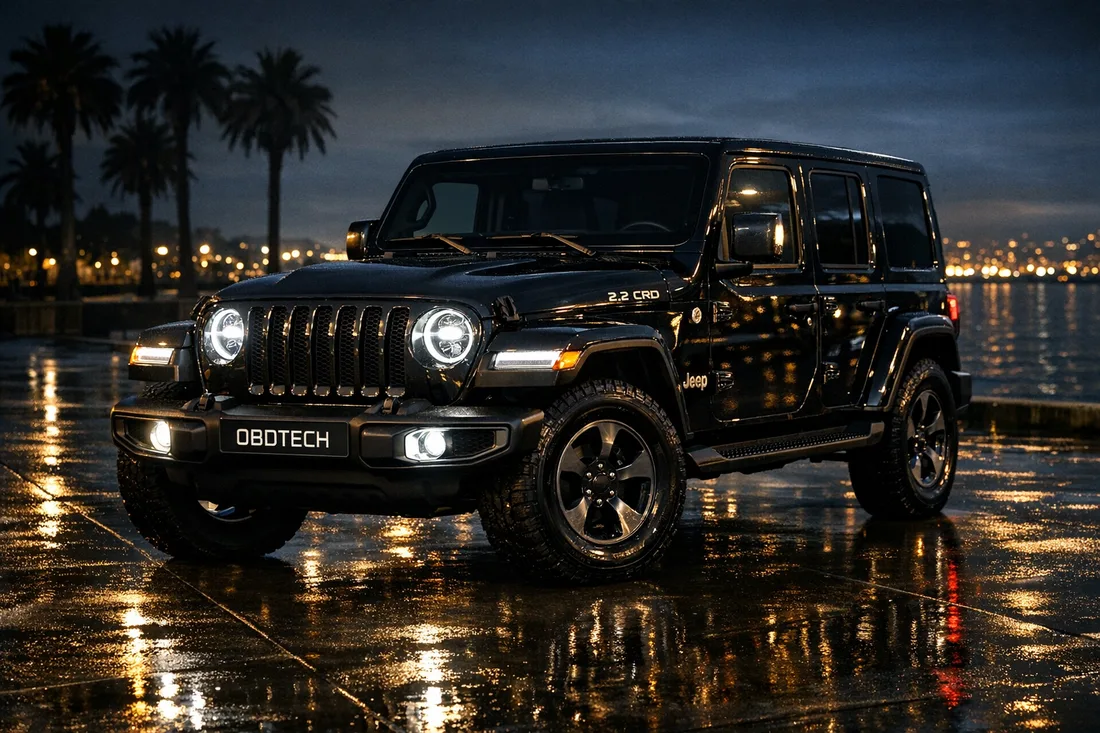
Jeep Wrangler 2.2 CRD: The Euro Diesel in an Off Roader
Here is where the JL story gets genuinely complicated. The 2.2 CRDi is a Multijet derived four cylinder diesel making 200hp and 450Nm, running a Bosch EDC17C69 ECU and a compression ratio of 15.5:1. It is a modern European diesel with a full suite of emissions equipment, crammed into a vehicle that people take to river crossings and beach tracks. Those two worlds do not naturally coexist.
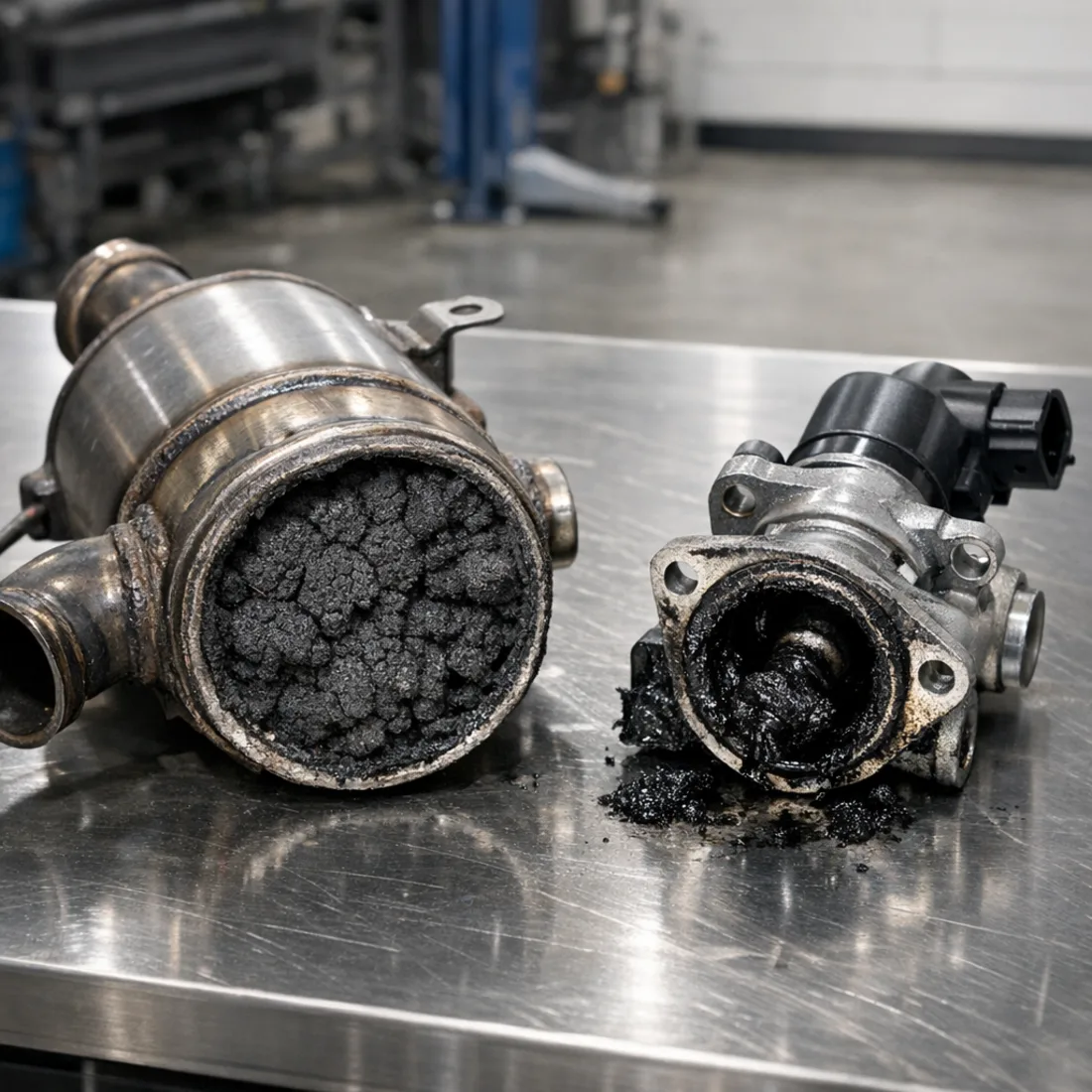
The DPF and EGR system are the main pressure points. The Wrangler's real world use case, low speed crawling, short trips around town, and stop start Auckland traffic, is almost the worst possible operating profile for a diesel particulate filter. Forced regens happen constantly, soot builds up, and the EGR valve clogs with carbon. We see this regularly. The AdBlue dosing system and SCR catalyst add another layer of potential faults on top of the DPF and EGR concerns. Turbo actuator and intake carbon affecting drivability are also on the list, and rough running that does not clear up with basic diagnosis usually points to injectors needing assessment.
Compared to the petrol variants, the 2.2 CRD demands more frequent attention to its emissions system. It is not that it is a bad engine, it is genuinely capable and the fuel economy on a long run is excellent. But it needs proper diagnosis when faults appear, not a generic code reader that can only read the engine module. The Bosch EDC17C69 ECU and the full emissions system need factory level access to diagnose correctly, which is why we use wiTECH for everything on this engine.
-
DPF loading and forced regens from short trip and low speed use
-
EGR valve carbon clogging affecting running quality
-
AdBlue dosing and SCR catalyst faults
-
Turbo actuator and intake carbon buildup
-
Injector wear on higher mileage examples
Low speed crawling and short trips around town is almost the worst possible operating profile for a diesel particulate filter.
Forced regens happen constantly, soot builds up, and the EGR valve clogs with carbon.
Servicing covers the correct low ash diesel grade oil and filter, fuel filter, air filter, cabin filter, glow plugs, drive belts and wipers, plus brake pads and rotors and timing chain condition checks.
Stage 1 tuning takes the 2.2 CRD to 230hp and 480Nm, a gain of 30hp and 30Nm, which makes a real difference to low end pull especially when the vehicle is loaded or towing.
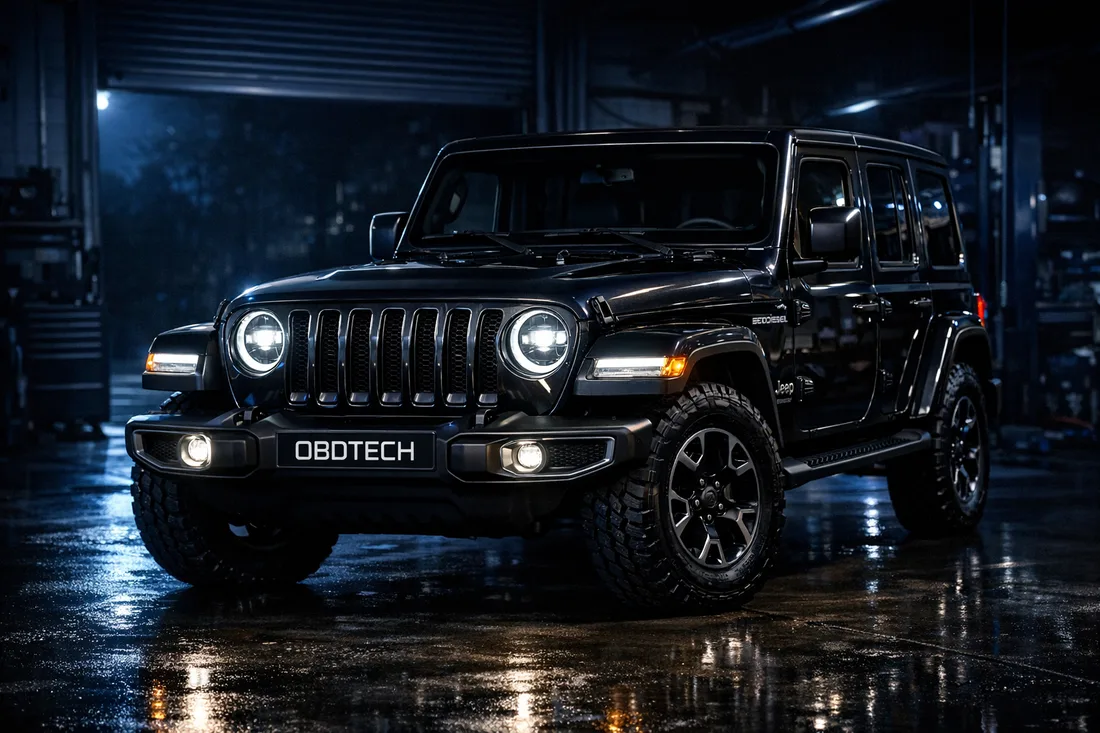
Jeep Wrangler 3.0 EcoDiesel: More Grunt, Same Emissions Tension
The 3.0 EcoDiesel V6 is the flagship diesel in the JL range, and it is a step up from the 2.2 CRD in almost every way that matters on a Wrangler. More cylinders, more torque, 260hp, and the kind of low down grunt that makes a difference when you are crawling through terrain or towing a trailer. It also has the same fundamental tension that afflicts the 2.2: it is a sophisticated turbo diesel with a full DPF, EGR, AdBlue and NOx sensor setup being asked to operate in conditions that those systems find genuinely difficult.
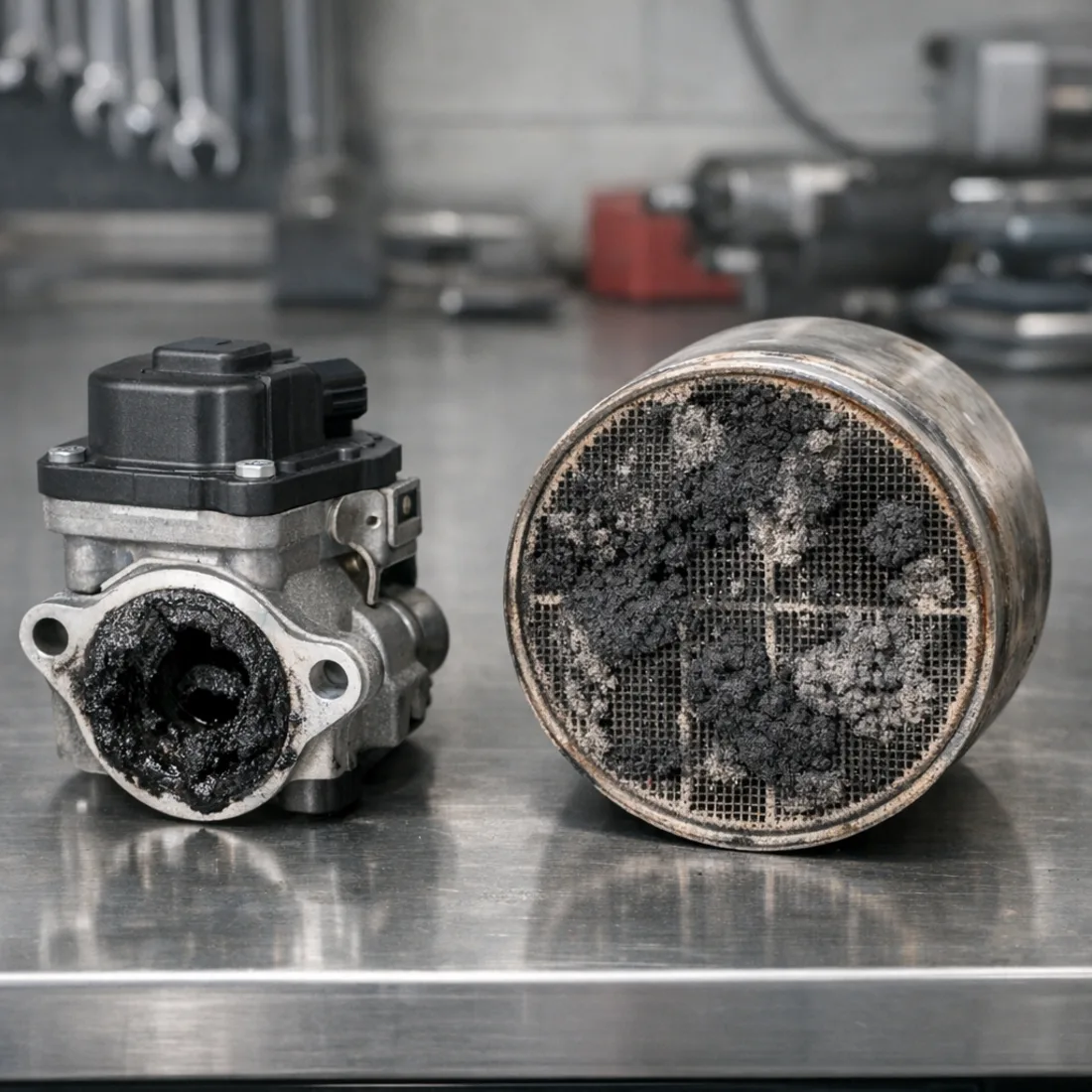
The EGR cooler and EGR valve are the first things to check on any EcoDiesel that comes through with running issues. Clogging and rough running go hand in hand on these. The DPF loads up with short trip use just as it does on the 2.2, and the AdBlue system with its NOx sensors adds faults over time, particularly on vehicles that have done a lot of low speed kilometres. Oil dilution has been reported on the EcoDiesel and is worth checking at every service, and turbo actuator issues show up on some examples. High pressure fuel pump and injector wear becomes relevant on higher mileage vehicles.
Compared to the 2.2 CRD, the EcoDiesel is a bigger, more complex engine with more to go wrong if it is not maintained properly. But it is also more capable and, for a Wrangler that is going to be used seriously, probably the better long term choice if you go diesel. The AdBlue and NOx system on the EcoDiesel is more involved than on the 2.2 and needs correct diagnosis when it plays up, not guesswork.
-
EGR cooler and EGR valve clogging causing rough running
-
DPF loading from short trip and low speed use
-
AdBlue and NOx sensor faults developing over time
-
Oil dilution worth checking at every service
-
Turbo actuator issues and high pressure fuel pump wear on older examples
The AdBlue and NOx system on the EcoDiesel is more involved than on the 2.2 and needs correct diagnosis when it plays up, not guesswork.
We diagnose all of this with the factory wiTECH platform so every module including the AdBlue system gets read correctly.
Full servicing on the EcoDiesel uses the correct low ash diesel grade oil and filter, air filter, fuel filter, cabin filter, glow plugs, drive belts and wipers. DPF and EGR cleaning or legitimate replacement, AdBlue and NOx sensor work, timing chain checks, brake pads and rotors, and suspension and steering components that take a beating off road are all covered.
Stage 1 tuning is available for owners who want more torque from the EcoDiesel.
How to Pick Between Them If You Are Buying Used
All four are the same JL platform, so the body and chassis experience is identical. What changes is what is under the bonnet and how that affects your ownership experience.
You want simplicity and do not need maximum torque. No DPF, no AdBlue, no hybrid system. The oil cooler seepage is annoying but manageable, and the engine itself is proven. Check the oil cooler housing and the front end steering components carefully on any used example.
You want modern performance and efficiency without going diesel. The eTorque system adds low rpm torque that makes a genuine difference, and Stage 1 tuning gives it real punch. The hybrid complexity means you need a workshop that can actually read all the modules, but day to day it is not difficult to live with. Check for oil consumption and ask about the eTorque battery system history.
You want the value diesel with strong torque for the money and decent fuel economy on a run. The catch is that DPF and EGR issues are almost inevitable if the vehicle has spent time doing short trips or low speed work. Budget for potential emissions system work and check the service history closely. A well maintained 2.2 CRD is a good vehicle. A neglected one can be expensive.
You want the best diesel for serious use and will maintain it properly. It has the most complex emissions system of the four and rewards proper maintenance while suffering badly without it. If you are buying one used, wiTECH diagnostics before purchase is not optional. Oil dilution history, EGR condition, DPF regeneration count and AdBlue system health all need checking. Get those right and it is an outstanding engine in a Wrangler.
- Check oil cooler and filter housing for seepage on the V6
- Ask about eTorque battery system history on the 2.0T
- Check DPF regeneration count and EGR condition on both diesels
- Confirm transfer case and differential fluid change history
- Inspect front end steering components and damper for death wobble indicators
- On the EcoDiesel, check oil dilution history and AdBlue system health
- Verify AdBlue and SCR system status on both diesel variants
- Check suspension and bushing condition on any example used off road
Servicing Across the Wrangler Family
All four JL variants share certain service fundamentals regardless of what is under the bonnet. Brake pads and rotors need regular inspection, particularly on vehicles used off road where the brakes work hard descending.
Transfer case and differential fluid is skipped far too often on used Wranglers. Off road use accelerates wear in both, and fluid condition tells you a lot about how the vehicle has been used. Suspension and steering components, particularly the front end damper and steering links, wear harder on a Wrangler than almost any other vehicle because of how they get used. Factor those checks into your budget.
On the diesel variants, EGR and DPF maintenance is part of the regular service picture, not an emergency repair. Regular cleaning and monitoring keeps costs manageable. Left until the warning lights are solid and the vehicle is in limp mode, the bill is substantially higher. The same applies to AdBlue systems on both diesel variants.
For a proper look at what a full service involves across the Wrangler range, we use genuine or OEM specification parts on every service, not aftermarket substitutes.
How We Diagnose the Wrangler Range
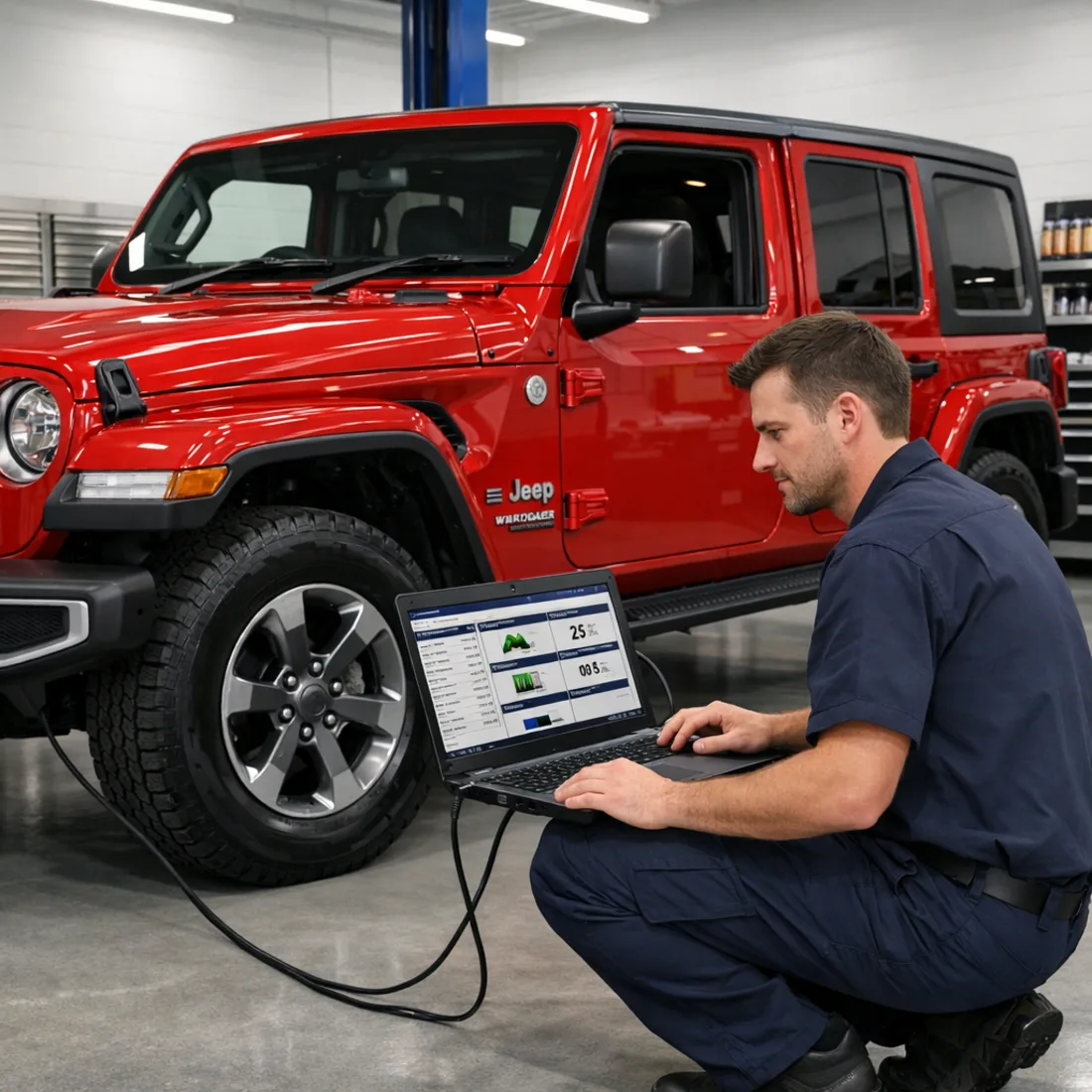
Every JL Wrangler variant, regardless of engine, gets diagnosed on the factory wiTECH platform. That is not a marketing point, it is a practical necessity. The Wrangler has a large number of modules across engine, transmission, transfer case, 4WD system, body electronics and, on the 2.0T, the 48V hybrid system. A generic scan tool reads the engine module and gives you fault codes. wiTECH reads everything, runs actuator tests, shows live data across all systems, and lets us carry out proper resets and coding after repairs.
On the diesel variants this matters enormously for DPF regeneration status, EGR actuator testing, AdBlue system monitoring and NOx sensor data. On the 2.0T it is the only way to properly interrogate the eTorque system. On the V6 it lets us read transfer case and 4WD module faults that would otherwise be invisible. Proper diagnostics saves money because it finds the actual fault rather than a symptom, and that means parts are replaced once rather than twice.
Our auto electrical and diagnostics team handles the full range of electrical and electronic faults across all four JL variants, from sensor faults to module communication issues and wiring problems caused by off road use.
Tuning the JL Wrangler
All four JL engines have Stage 1 tuning available, and each one responds differently. The 2.0T shows the biggest percentage gain and it is very noticeable in real world driving. The 2.2 CRD tune is excellent for towing because that extra low end torque is exactly where you want it. The V6 tune is more modest in figures but the throttle response improvement alone is worth it for daily driving. On any Wrangler that has had a lift and larger tyres fitted, tuning also helps compensate for the extra rolling resistance and weight.
The throttle response improvement is very noticeable in daily driving. The tune is safe within the limits of the hardware and works well on a Wrangler that has been lifted and fitted with larger tyres.
The biggest percentage gain of the four engines and very noticeable in real world driving. The extra torque is usable both on road and on the trail, and the eTorque system continues to function normally after the tune.
Excellent for towing because that extra low end torque is exactly where you want it. A proper tune can also reduce EGR and DPF loading compared to a stressed stock map trying to meet tight emissions targets in unsuitable conditions.
Stage 1 tuning is available for owners who want more torque from the EcoDiesel. As with the 2.2 CRD, a proper tune can reduce the load on emissions systems compared to a stressed factory map.
On the diesel variants in particular, a proper tune can actually reduce EGR and DPF loading compared to a stressed stock map trying to meet tight emissions targets in unsuitable conditions. Contact us to discuss a remote file service or a workshop appointment for your Wrangler.
Frequently Asked Questions
The questions we get most. Something else on your mind? Get in touch.