Jaguar XJ X350 and X351
The XJ nameplate has always meant something specific: a big, composed, aluminium luxury saloon with more engineering ambition than most rivals dare attempt. The X350 launched that aluminium era with either a twin turbo diesel or a supercharged V8, and the X351 pushed it further still with a completely reimagined body and two even more capable engine choices. Each generation improved on the last, but each one also brought its own set of well documented weak points. We see all four variants regularly on our hoist in Penrose, and this page tells you exactly what you are dealing with, regardless of which one is on your driveway.

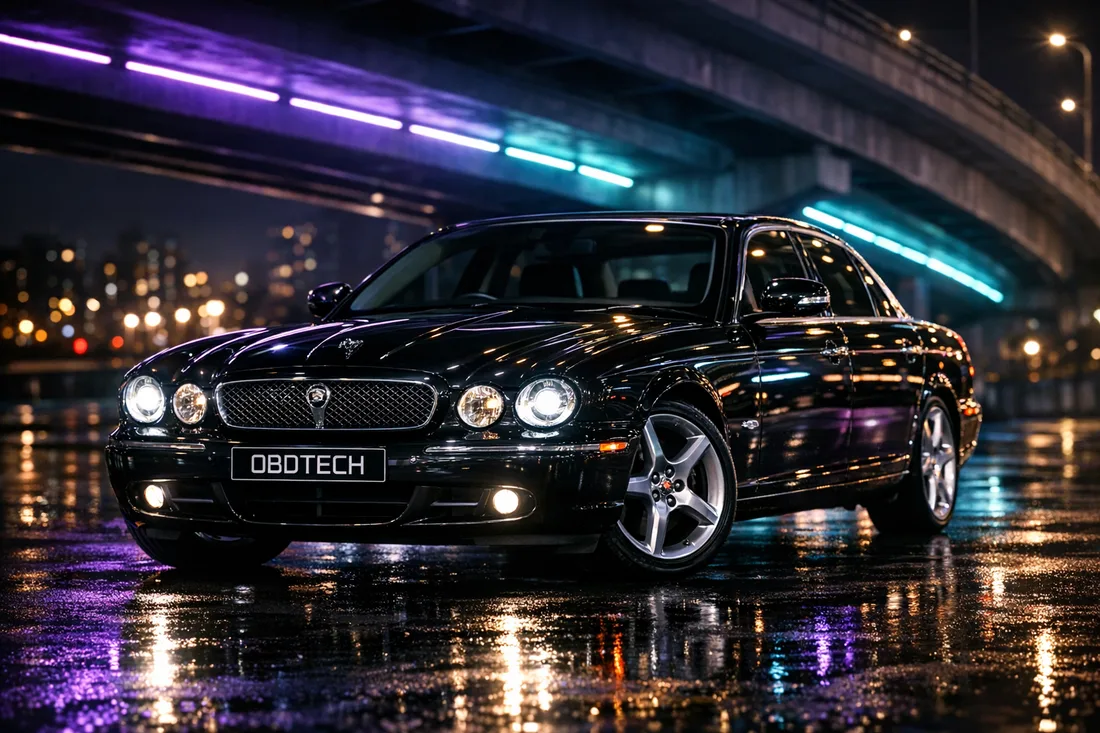


X350 2.7 TDV6: Where the Aluminium XJ Story Begins
The 2.7 TDV6 was Jaguar's answer to buyers who wanted the full X350 experience without the running costs of a supercharged V8. On paper it worked brilliantly. The AJD V6 diesel, a 2722cc twin turbo unit with a 17.3:1 compression ratio, produces 207hp and 435Nm, and the long wheelbase aluminium body rides on air suspension that genuinely floats over rough roads. In practice it is a sophisticated machine that rewards good servicing habits and punishes short trips and neglected oil changes faster than almost anything else in its class.
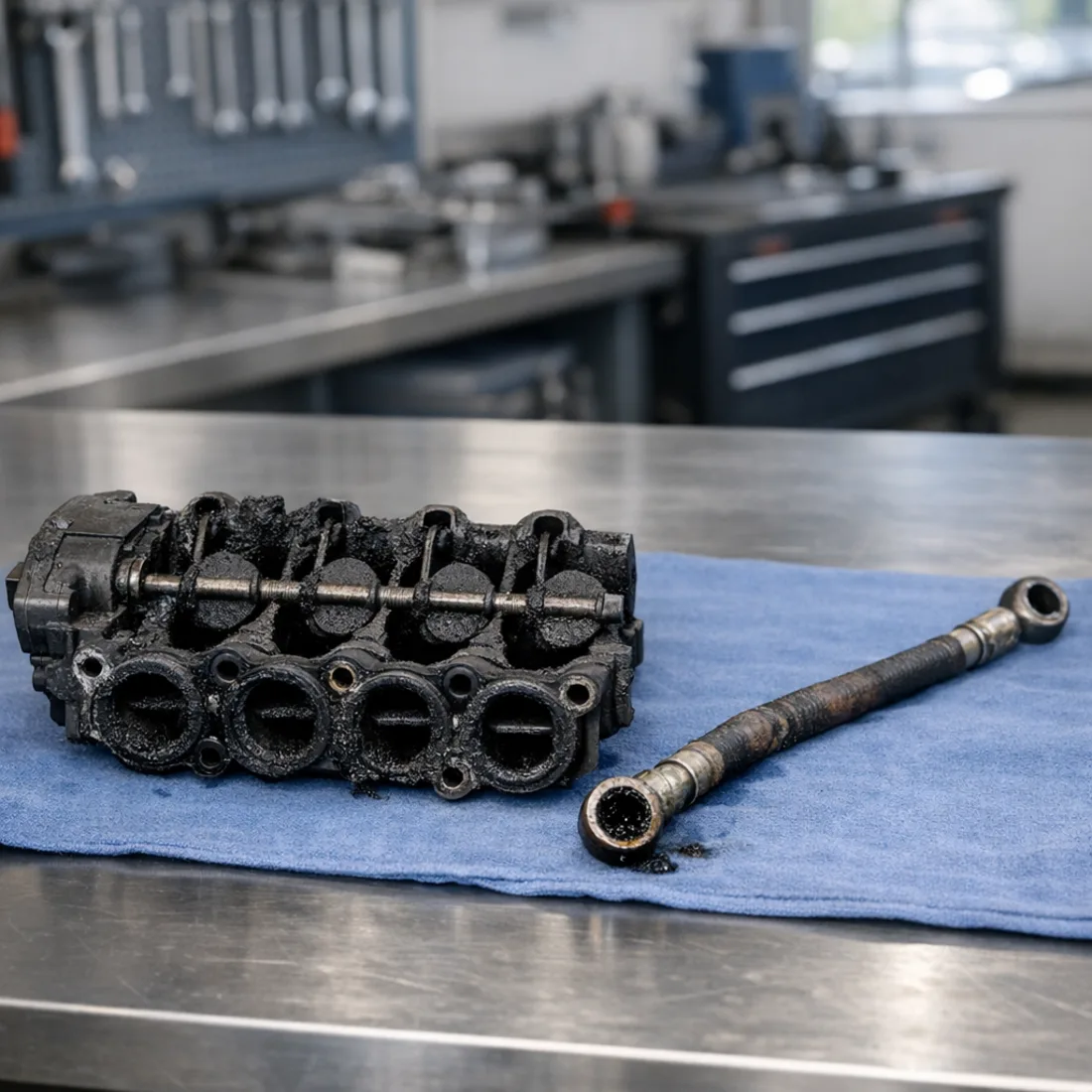
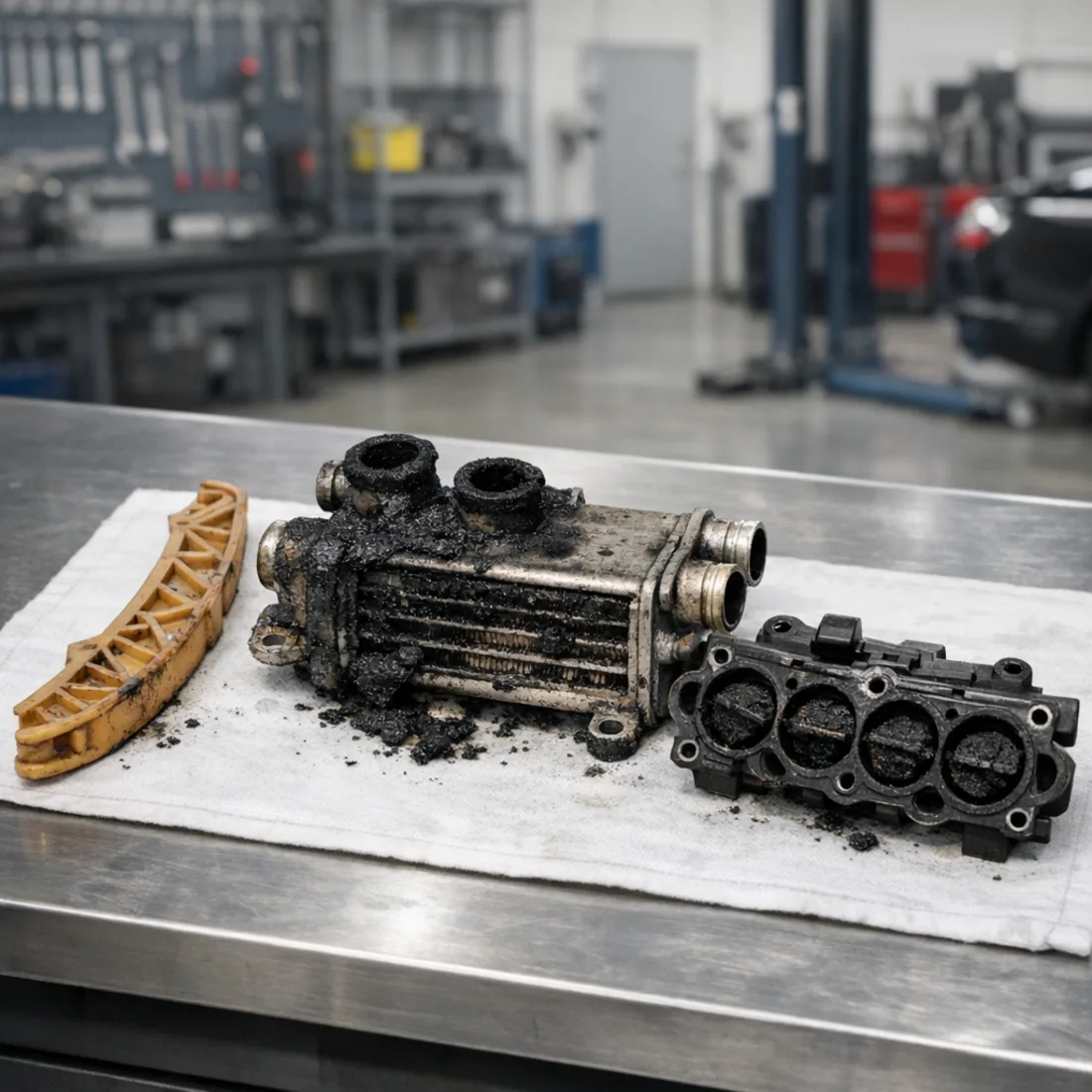
The engine's biggest known vulnerability is the twin turbo oil feed system. The feed pipes coke up internally when oil change intervals slip or when the wrong oil grade gets used, and restricted oil flow to the turbos is a fast track to expensive damage. It is not a design flaw so much as an oil discipline problem, but it shows up constantly on X350s with patchy service histories. The swirl flaps in the intake manifold are another regular casualty. The actuator mechanism wears, the flaps can fail in position, and you end up with running problems and fault codes that need proper factory diagnostics to untangle rather than a generic reader.
The air suspension point is worth its own mention because it affects every X350 regardless of engine. The compressor, valve block and individual air struts all degrade with age and mileage, and a car that sits lower on one corner or drops overnight is telling you something specific. We diagnose air suspension faults properly using the Jaguar SDD and Pathfinder platforms, which give us the real fault picture rather than a generic suspension warning.
-
Twin turbo oil feed pipe coking from extended intervals or incorrect oil grade
-
Intake swirl flap actuator wear causing running faults
-
Lower crankcase to block joint and front crank seal oil weeps
-
EGR clogging and DPF soot loading on short trip cars
-
Air suspension compressor and air strut age related failures
It rewards good servicing habits and punishes neglected oil changes faster than almost anything else in its class.
The AJD V6 is not a difficult engine, but it demands the correct oil grade and interval without exception.
Routine servicing on the TDV6 means the correct low ash diesel grade oil and filter, air filter, fuel filter, cabin filter, drive belts, glow plugs and wipers at the right intervals. Brake pads and rotors work hard on a car this heavy. Timing chain condition, EGR valve and cooler health, and DPF loading are all worth checking at higher mileage.
Stage 1 tuning on the AJD V6 brings output to 240hp and 520Nm, a gain of 33hp and 85Nm that makes a meaningful difference to how the car feels on the open road.
Get your XJ booked in with a proper Jaguar specialist.
X350 4.2 V8 Supercharged: 400 Horsepower in a Limousine's Clothing
If the TDV6 is the sensible choice, the supercharged X350 is the one people actually dream about. The AJ34 is a 4196cc V8 with a 9.1:1 compression ratio and an Eaton supercharger bolted to the top of it. Factory output is 400hp and 540Nm, which is a completely absurd amount of performance for a long wheelbase luxury saloon. It also means this car works harder than it looks, and the wear patterns reflect that.
The Eaton supercharger's intercooler circuit is the first thing to watch. It runs its own coolant loop with a dedicated electric pump, and that pump and the supercharger's nose bearing are known weak points. When the pump starts to fail, boost heat climbs and you lose power noticeably. A failing nose bearing announces itself with a whine that gets worse under load. Neither is catastrophic if caught early, but neither is cheap to ignore. Timing chain tensioners and guides are also a concern on the AJ34 at higher mileage. Listen on cold start for any rattle that clears quickly, and take it seriously if it does not clear. Oil leaks from the front cover and cam covers are common on aged examples.
The X350 platform's air suspension vulnerabilities are identical here to the TDV6. Same compressor, same struts, same age related degradation. If you are buying a used supercharged X350, press the suspension hard in the inspection and watch for any corner that sits lower than the rest, or listen for a compressor that runs continuously trying to maintain pressure.
-
Supercharger intercooler pump failure causing heat and power loss
-
Supercharger nose bearing wear announced by load dependent whine
-
Timing chain tensioner and guide wear at higher mileage
-
Front cover and cam cover oil leaks
-
Air suspension struts, compressor and valve block failures (same platform as TDV6)
Stage 1 tuning on the AJ34 supercharged V8 takes output to 470hp and 630Nm, gains of 70hp and 90Nm that transform the car from quick to properly rapid.
The supercharged X350 is the most dramatic of the four and the one with the greatest potential for surprises if the supercharger coolant system or timing chain has been ignored.
Routine servicing on this engine means the correct Jaguar grade oil and filter, air filter, cabin filter, spark plugs, drive belt, supercharger belt, wipers, and brake pads and rotors. The ZF automatic gearbox benefits from correct fluid servicing too.
Compared to the TDV6 in the same body, the supercharged V8 is more immediately exciting and more expensive to run in every direction: fuel, tyres and servicing. Both cars share the same air suspension concerns. The V8 adds supercharger system complexity that the diesel simply does not have. For someone who does big distances, the TDV6 is the pragmatic choice. For someone who wants the full experience of what the X350 was built to be, the V8 is the answer.
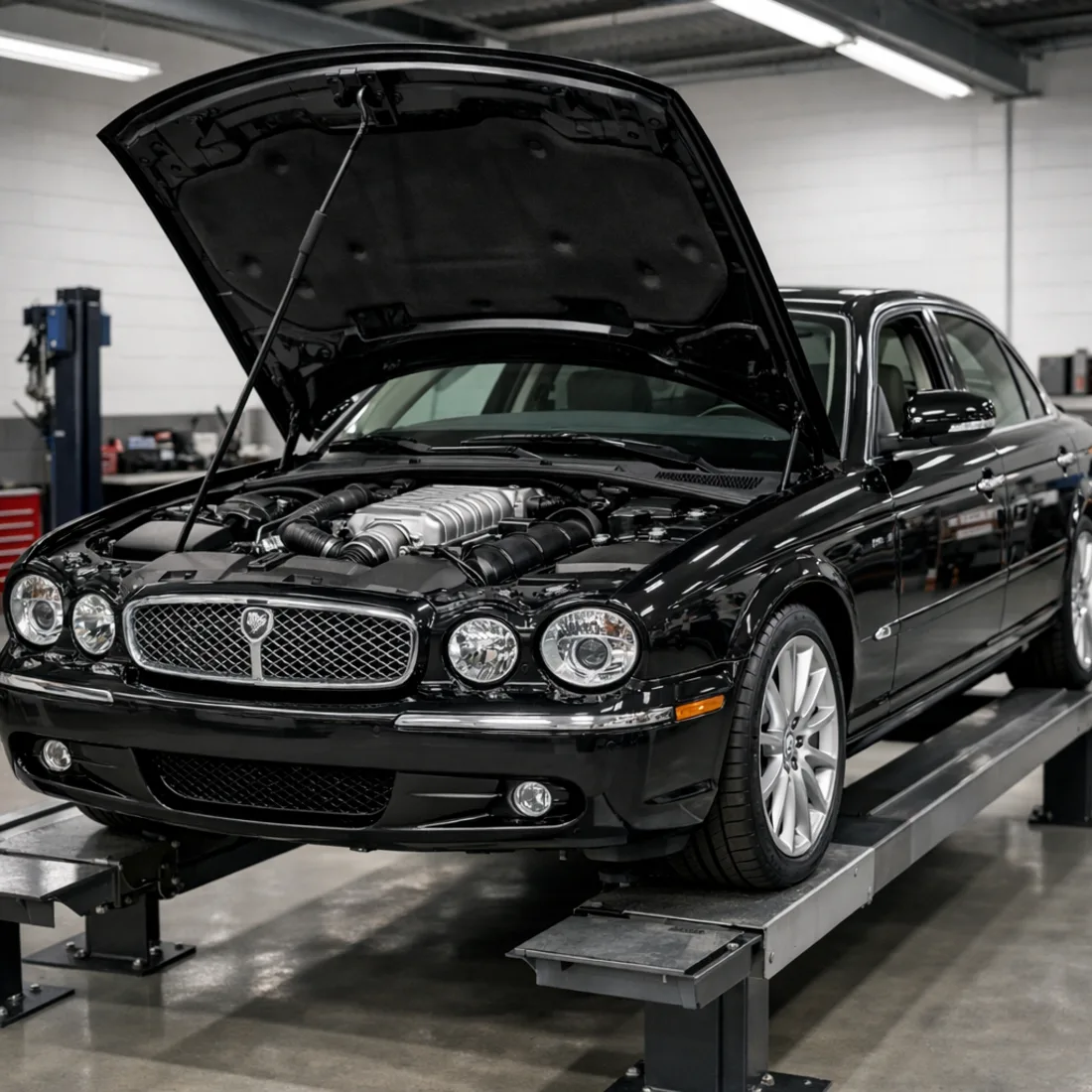
X351 5.0 V8: The Aluminium XJ Reinvented
The X351 arrived as a genuinely new car, not just a facelift. The body design stepped into a different era entirely, longer, lower and more dramatic than the X350 it replaced. Under the bonnet of the naturally aspirated flagship sits the 508PN, a 5000cc V8 with an 11.5:1 compression ratio producing 385hp and 515Nm. It is a characterful, rev willing engine that sounds wonderful when pushed and settles into a refined idle when you are not. It is also an engine that rewards proper maintenance and has a few specific things worth watching.
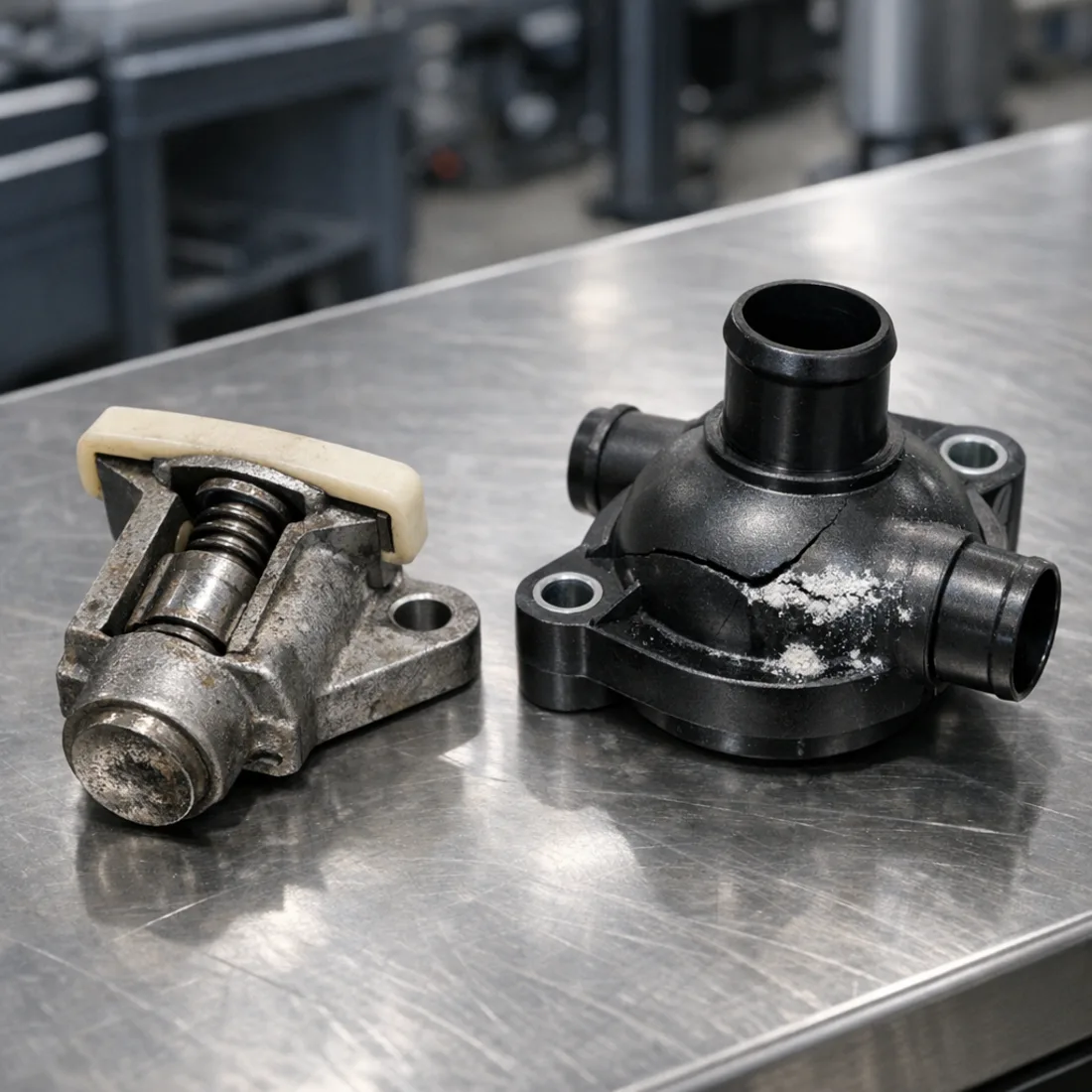
Timing chain tensioners and guides are the first conversation to have with any high mileage X351 5.0. Listen for a cold start rattle that settles within a few seconds. That is normal expansion noise. A rattle that persists is not. The plastic thermostat housing and coolant crossover pipes on this engine are another regular failure point. Plastic coolant components age, they crack, and on a car this sophisticated a small coolant leak can become a large problem quickly if it is not caught. Water pump failure is also documented on these engines, so coolant system health is worth taking seriously at service time. Carbon build up on the intake side is worth considering on direct injection variants at higher mileage.
The air suspension carries over as a concern from the X350 generation. The platform changed substantially, but the fundamental physics of air struts ageing and compressors wearing did not. Inspect any used X351 carefully for suspension height consistency across all four corners and listen for compressor run time.
-
Timing chain tensioner and guide wear at higher mileage, listen on cold start
-
Plastic thermostat housing and coolant crossover pipe cracking
-
Water pump failure
-
Air suspension struts and compressor wear over time
The X351's naturally aspirated V8 is simpler than the X350's supercharged unit because there is no Eaton system to maintain.
For most buyers who want a modern, usable flagship, the X351 5.0 is the stronger platform.
Routine servicing covers the correct low ash grade oil and filter, air filter, cabin filter, spark plugs, drive belt and tensioner, brake pads and rotors, and a coolant service that pays attention to the condition of those plastic components. Stage 1 tuning on the 508PN brings output to 405hp and 540Nm, gains of 20hp and 25Nm, which sharpens throttle response and gives the engine a more complete feel across its rev range.
Compared to the X350 V8, the X351 5.0 is a more refined, more modern car in every way. What it does not have is the outright drama of 400hp with a supercharger whine. For most buyers who want a modern, usable flagship, the X351 5.0 is the stronger platform.
X351 3.0D: The Modern Diesel Flagship Done Properly
The 3.0D is arguably the most capable all rounder in the XJ family. The AJV6D is a 2993cc twin turbo diesel with a 16.1:1 compression ratio producing 300hp and a remarkable 700Nm of torque. That torque figure puts it in a different conversation to anything the X350 diesel offered. The X351 body is a generation ahead too, so the combination of modern chassis, air suspension, and this much low end pull makes for a genuinely outstanding long distance machine. But it has a set of specific weak points that need addressing.
Timing chain wear is the most serious concern. The AJV6D's plastic timing chain guides can deteriorate over higher mileage, and a cold start rattle that you might dismiss as normal diesel clatter can actually be early chain movement. Take it to someone with proper diagnostic tools and they will tell you definitively which it is. The twin turbo system, EGR cooler and intake swirl flaps are all subject to carbon fouling, particularly on cars that spend most of their lives on short urban trips where the exhaust temperatures never get high enough to clean things out. Carbon related limp mode events are one of the more common reasons an X351 3.0D arrives in our workshop. High pressure fuel pump and injector faults are also documented on this engine family, along with crankcase breather and oil leak issues that need attention before they become bigger problems.
Routine servicing on the AJV6D means the correct low ash diesel grade oil and filter at the right interval, air filter, fuel filter, cabin filter, drive belts, glow plugs and wipers. Brake pads and rotors need attention on a car this heavy. AdBlue systems where fitted need monitoring. Bigger jobs we see regularly include timing chain service, EGR and DPF cleaning, turbo inspection, injector testing and air suspension work.
-
Timing chain and plastic guide wear on higher mileage examples
-
Twin turbo, EGR cooler and swirl flap carbon fouling leading to limp mode
-
DPF regeneration problems on predominantly short trip cars
-
High pressure fuel pump and injector faults
-
Crankcase breather wear and associated oil leaks
-
Air suspension struts and compressor ageing (same concern as every XJ generation)
780Nm from a twin turbo diesel in an aluminium luxury saloon is genuinely extraordinary to experience.
Stage 1 tuning on the AJV6D takes output to 330hp and 780Nm, gains of 30hp and 80Nm that make an already torquey car feel effortless on the motorway.
Stage 1 tuning on this engine takes output to 330hp and 780Nm, gains of 30hp and 80Nm that make an already torquey car feel effortless on the motorway.
Compared to the earlier X350 2.7 TDV6, the AJV6D is simply in another league for power and torque. The X351 3.0D is more complex, with more systems to maintain, but it also offers meaningfully better performance and a more modern platform. If you want a diesel XJ and the question is X350 or X351, the X351 3.0D wins on almost every measure except purchase price and the lower running costs that occasionally come with a simpler older car.
Buying Between Generations: Which XJ Makes Sense for You
All four of these cars share the same broad DNA: aluminium bodies, air suspension, and a level of engineering sophistication that demands proper specialist care rather than generic servicing. Beyond that they diverge quite a lot, and knowing the differences helps enormously when you are shopping used.
You want the most affordable entry point and the most economical daily driver. The caveat is that its oil discipline requirements are strict and its age means air suspension components are almost certainly due for attention. Buy one with a clean service history that shows the correct diesel grade used consistently, and have the air suspension inspected before purchase rather than after.
You want the experience and the drama. It is the most expensive to run, and the one with the greatest potential for surprises if the supercharger coolant system or timing chain has been ignored. It also responds most dramatically to Stage 1 tuning. If 400hp in a luxury saloon is your ambition, it delivers. Just go in with clear eyes about the running cost reality.
You want the most sorted naturally aspirated option. The X351 platform is genuinely more modern, the engine is less complex than a supercharged unit, and the coolant system faults it is prone to are the sort you can head off proactively with good servicing. For a refined, usable flagship that does not demand supercharger maintenance on top of everything else, this is often the sweet spot for petrol buyers.
You cover serious distances. The torque figure alone sets it apart from the X350 diesel, and the X351 platform around it is more capable in every way. It is also the most complex to maintain of the four. A well maintained X351 3.0D with a clean AdBlue and DPF history is excellent. One with a patchy history and 200,000 kilometres on the clock needs thorough investigation before any purchase decision.
- Inspect air suspension height consistency across all four corners and listen for a compressor running continuously
- Check full service history for correct oil grade and intervals, especially on diesel variants
- Listen for cold start timing chain rattle on all engines, particularly the X351 5.0 and X351 3.0D
- On the X350 supercharged V8, listen for a load dependent supercharger nose bearing whine
- Check DPF and AdBlue history on both diesel variants
- Inspect coolant system plastic components on the X351 5.0 for cracks or weeping
- Request a factory level diagnostic scan before purchase, not a generic reader result
- Check ZF automatic gearbox shift quality for hesitancy or hunting between ratios
Servicing the XJ Family: What Stays the Same, What Changes
Across all four generations there are a handful of servicing principles that do not change. Oil and filter at correct intervals with the right specification for the engine is non negotiable on every one of these cars. The TDV6 and AJV6D diesels are particularly sensitive to oil quality and grade. Air suspension inspection should be part of every service on every XJ. Brake pads and rotors work hard on cars this heavy and need regular attention. Our car servicing covers all of this across both generations.
What changes between them is the list of engine specific items. The two diesel variants both need fuel filters, glow plugs and DPF attention in their respective service schedules. The two petrol V8s both need spark plugs and have their own drive and ancillary belt requirements. The supercharged X350 adds a supercharger belt and intercooler circuit to that list. The X351 5.0 adds attention to the coolant system plastic components. The X351 3.0D adds timing chain and EGR system monitoring at higher mileage.
Brake repairs on any of the XJs benefit from the same specialist attention we give the rest of the car. Our team handles brake repairs with genuine OEM parts, which matters on a car where the unsprung weight and braking demands are above average for a saloon.
All four cars use ZF automatic gearboxes, and correct gearbox fluid servicing at the right interval extends the life of the transmission considerably. A gearbox that shifts hesitantly or hunts between ratios on any of these XJs is telling you something that proper diagnostics will read accurately.
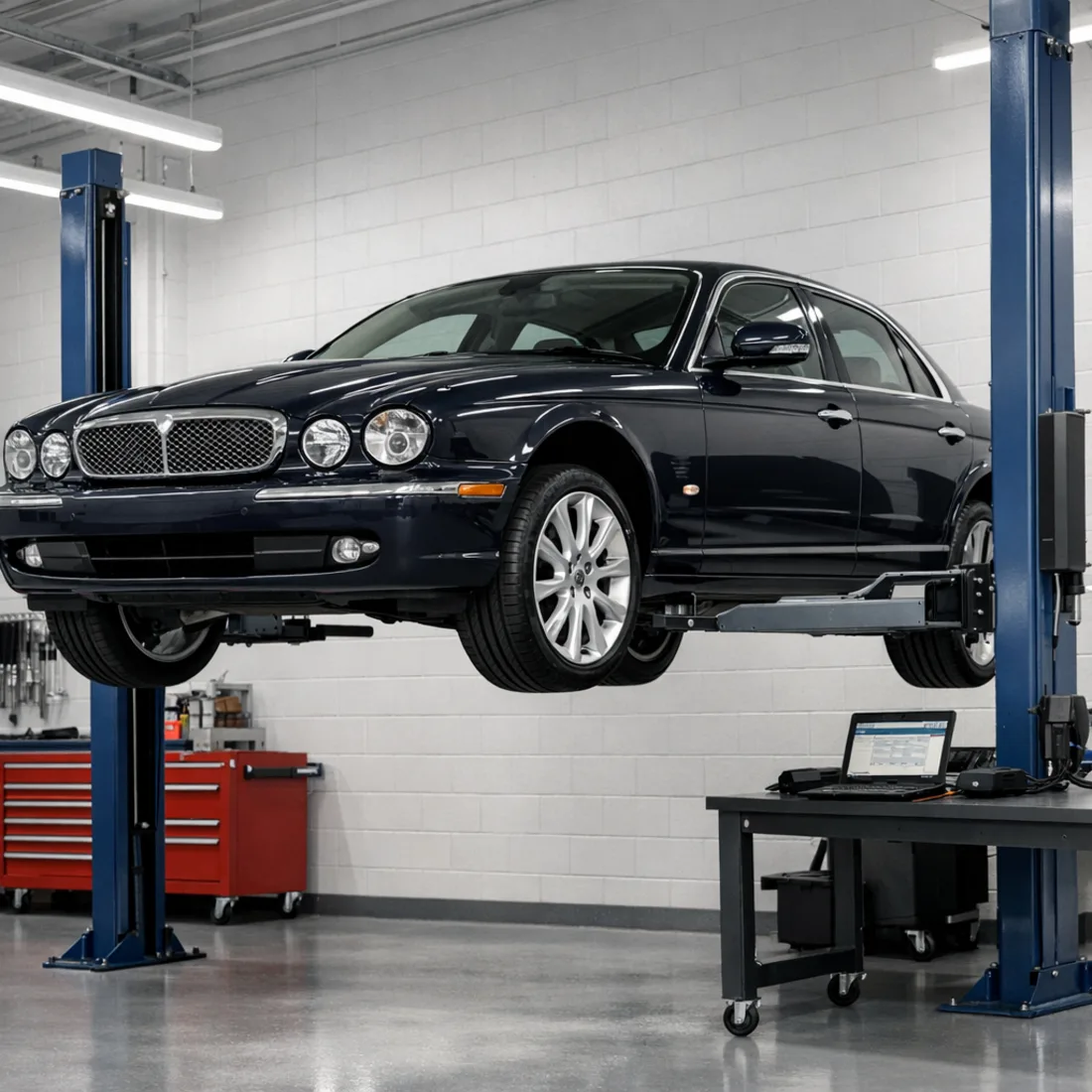
Diagnostics: Why Factory Tooling Matters on Every XJ
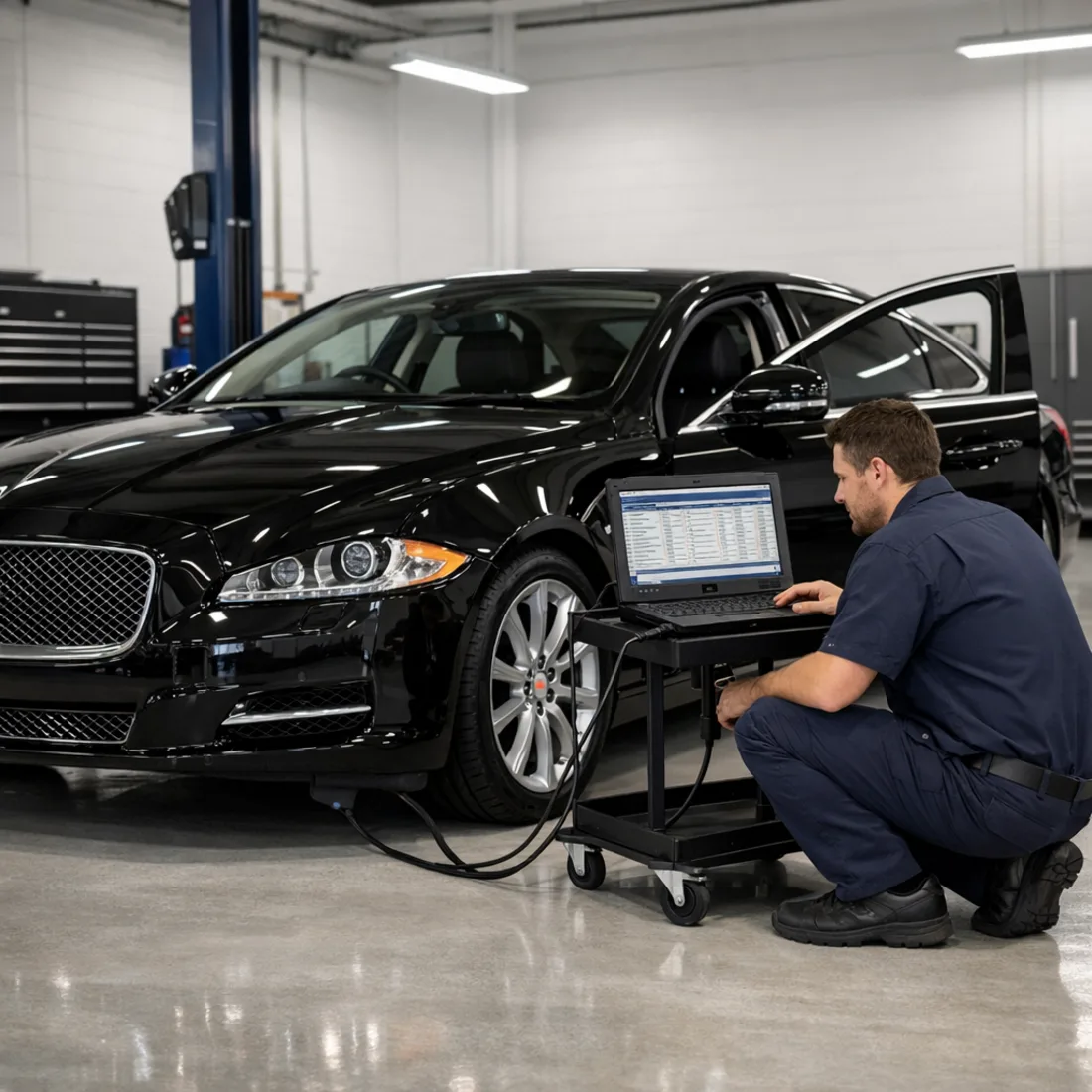
Generic scan tools simply do not cut it on any of these cars. The XJ family uses multiple modules that communicate on proprietary networks, and reading fault codes properly, coding new parts to the car, and running module adaptations all require the Jaguar factory diagnostic platforms. We use Jaguar SDD and the newer Pathfinder platform with the correct interface, which is what gives us accurate fault data rather than guesswork.
This matters practically in several ways. An air suspension fault on an X350 has specific codes that tell you whether the problem is a strut, the compressor, or the valve block. A limp mode event on the X351 3.0D might be an EGR fault, a swirl flap issue, a turbo actuator, or a DPF fault, and reading which module is doing what tells us where to look first rather than starting parts replacement at random. When we fit new sensors, control modules or ECUs, the factory platform lets us code those parts properly so they actually work as intended.
Our auto electrical and diagnostics work on the XJ covers engine management faults, transmission issues, air suspension module faults, ABS and stability control, lighting and body electronics, and anything else the car throws up. We deal with the whole car, not just the easy codes.
Tuning the XJ Across Generations
All four XJ variants we cover have Stage 1 tuning available, and the gains vary quite a bit between them. The numbers tell the story well. All tuning work is done with proper ECU calibration suited to the specific vehicle. We do not apply generic maps. Each tune is assessed against the car's condition, because a tune on an engine with worn timing chain tensioners or blocked EGR is not a sensible starting point.
The X350 2.7 TDV6 gains 33hp and 85Nm on Stage 1, taking it to 240hp and 520Nm. For a diesel in a luxury saloon, that additional torque fundamentally changes how the car feels on a motorway on ramp.
The X350 4.2 V8 Supercharged is the biggest single jump, gaining 70hp and 90Nm to reach 470hp and 630Nm. That is a substantial recalibration of what the car can do and how quickly it does it.
The X351 5.0 V8 gains a more modest 20hp and 25Nm to reach 405hp and 540Nm, but the improvement is felt most in throttle response and the way the engine fills the rev range.
The X351 3.0D gains 30hp and 80Nm, taking it to 330hp and 780Nm. And 780Nm from a twin turbo diesel in an aluminium luxury saloon is genuinely extraordinary to experience.
All tuning work begins with an assessment of the car's condition. A tune on an engine with worn timing chain tensioners or blocked EGR is not a sensible starting point. Speak to our team or submit your vehicle details via our file service to get the process underway.
Frequently Asked Questions
The questions we get most. Something else on your mind? Get in touch.