BMW 1 Series 116i to M140i · E87 & F20 Generations
From the naturally aspirated E87 116i that started it all to the B58-powered M140i that closed the F20 chapter in spectacular fashion, the BMW 1 Series spent nearly two decades evolving into one of the most technically interesting compact car lines on the road. Each generation brought a different engine family, a different set of quirks, and a different reward for careful ownership. These are rear wheel drive compacts with genuine performance ambitions, and the ones that have been looked after properly are still brilliant. The ones that haven't are getting expensive to ignore.
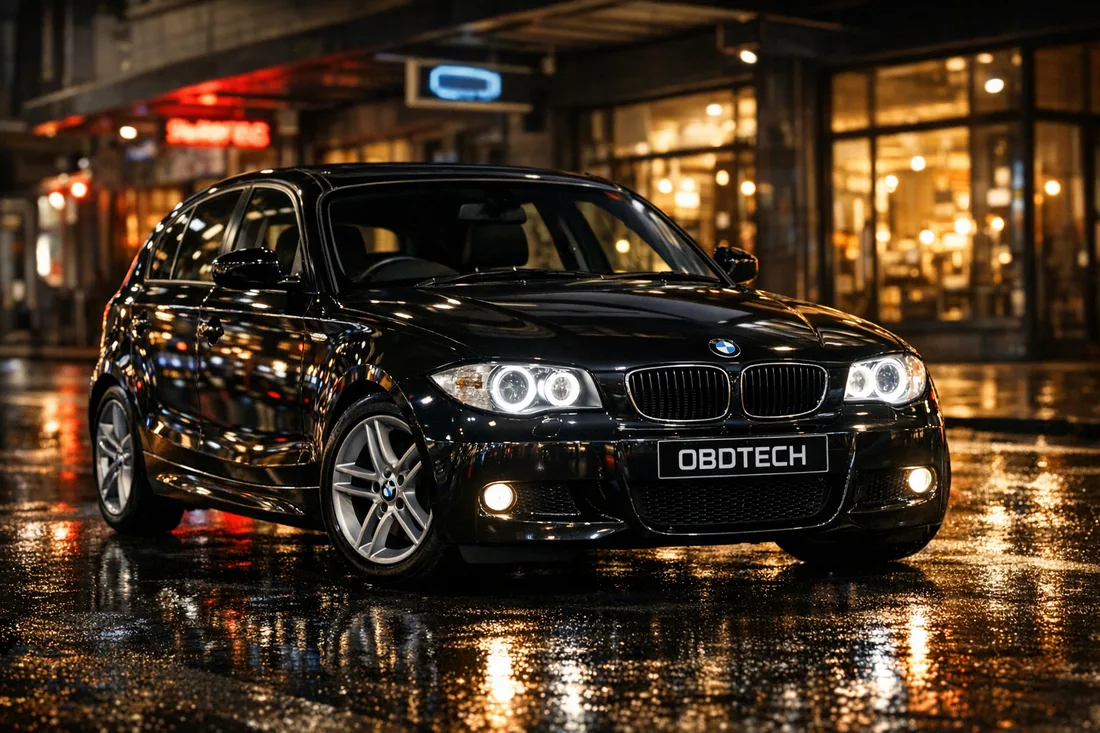
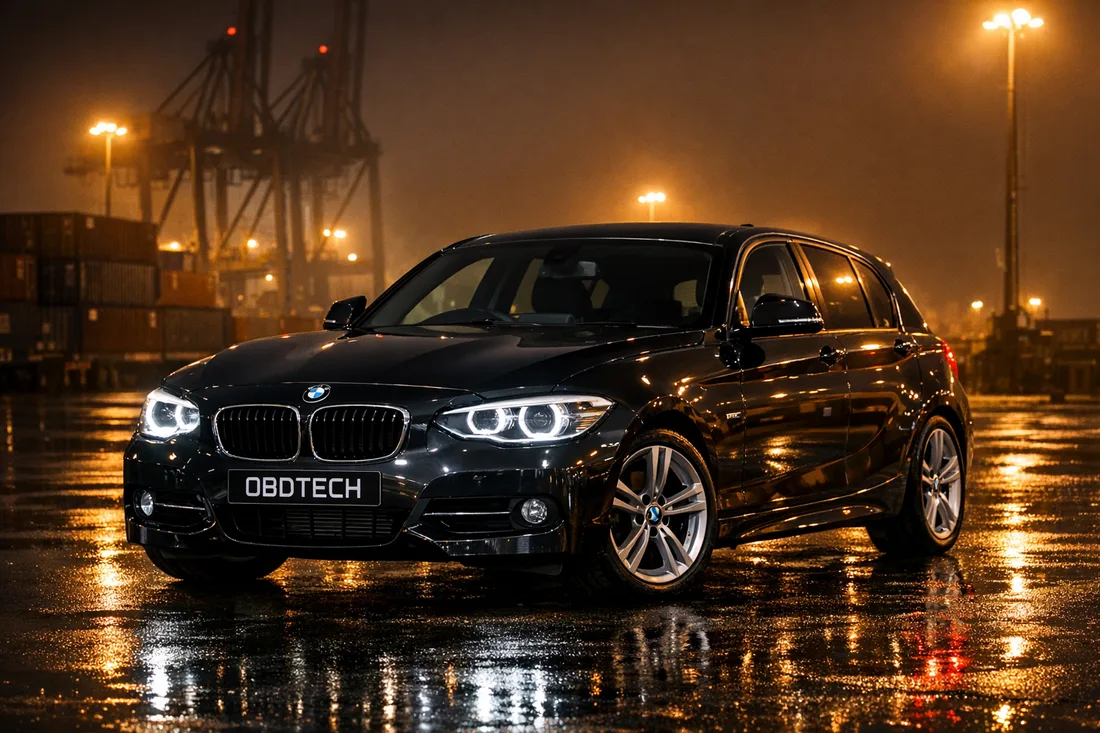
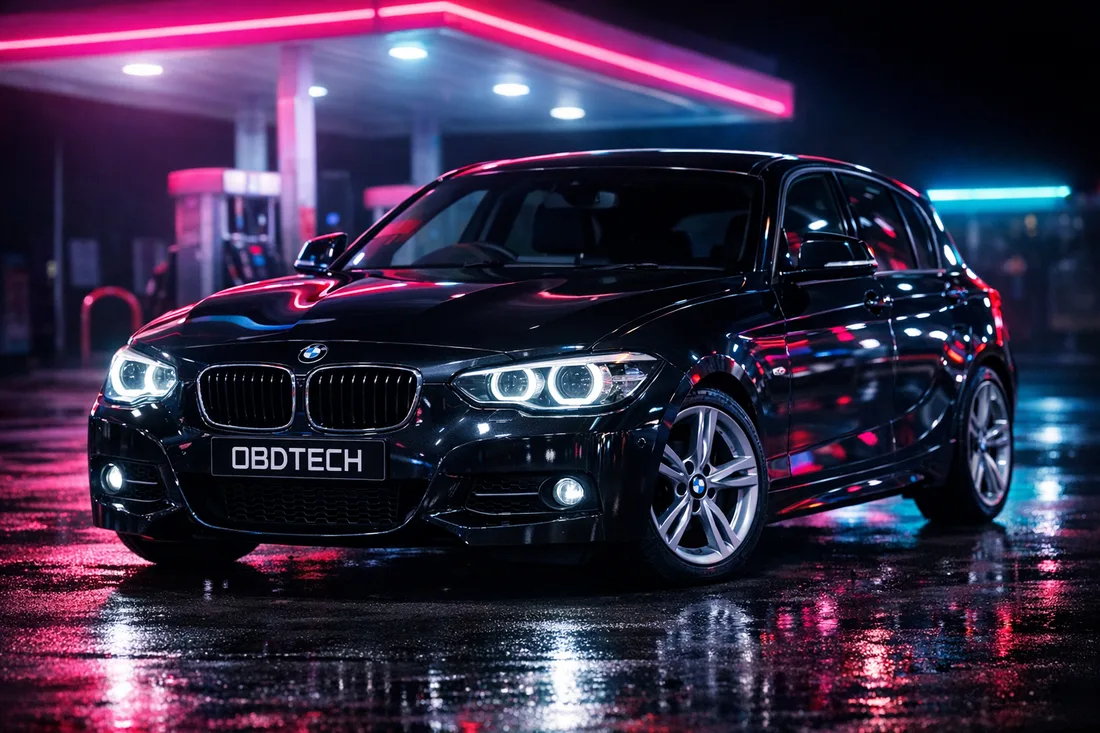
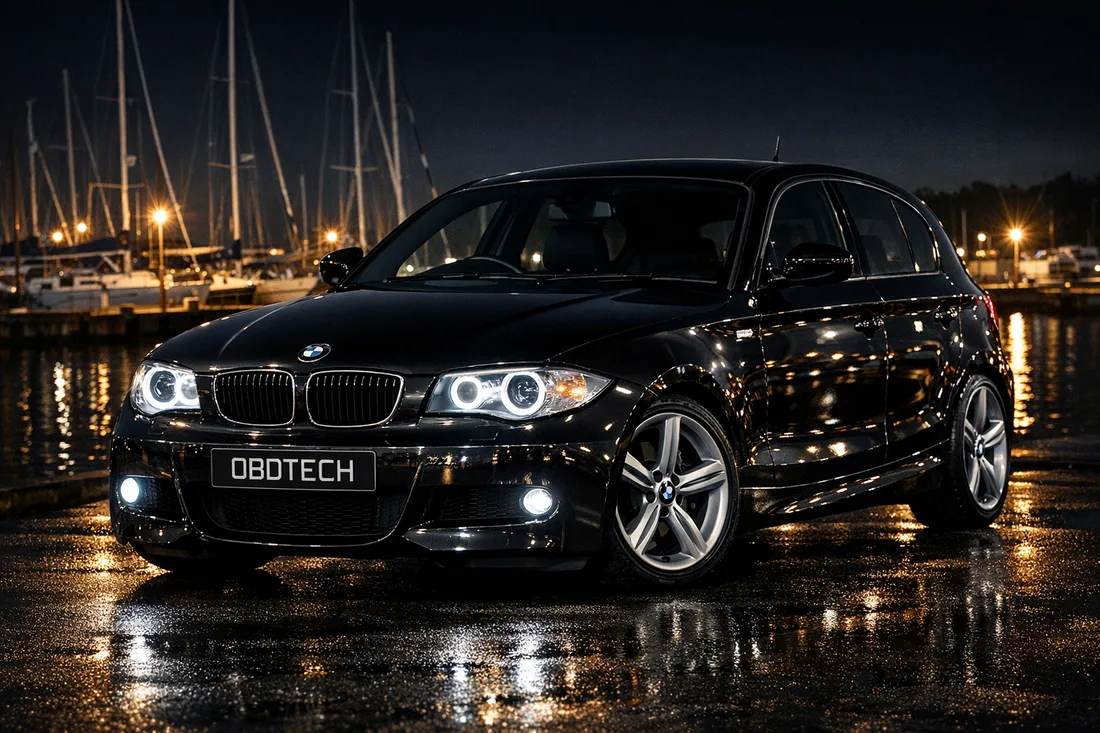
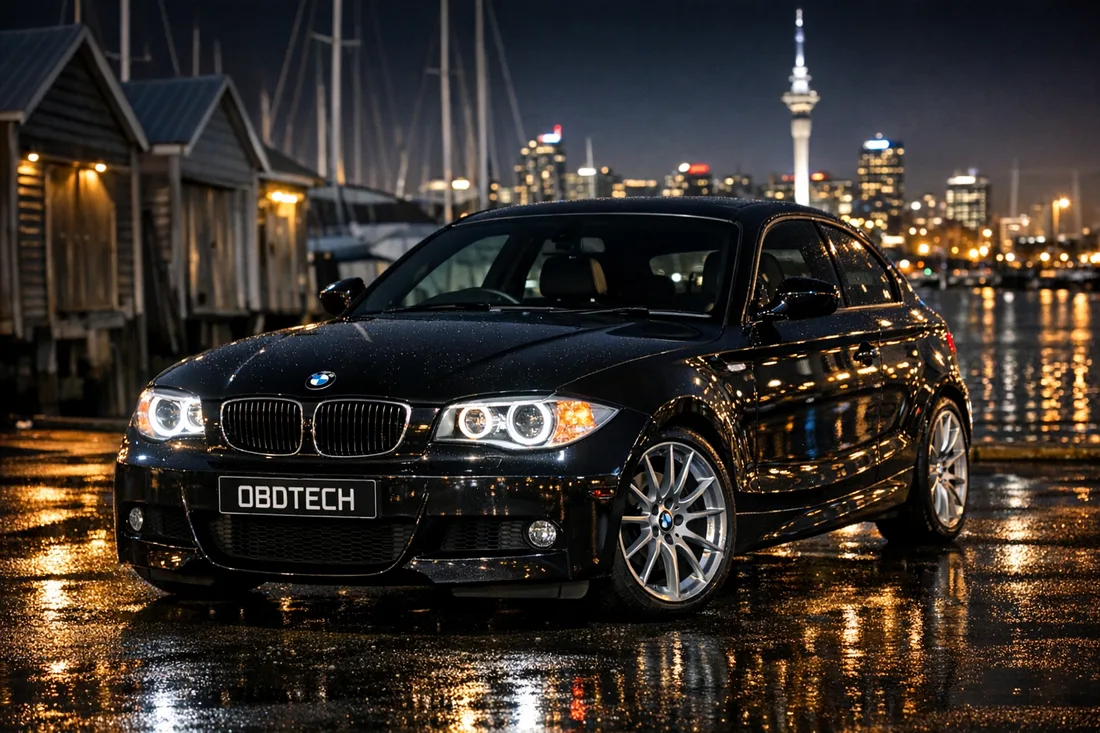

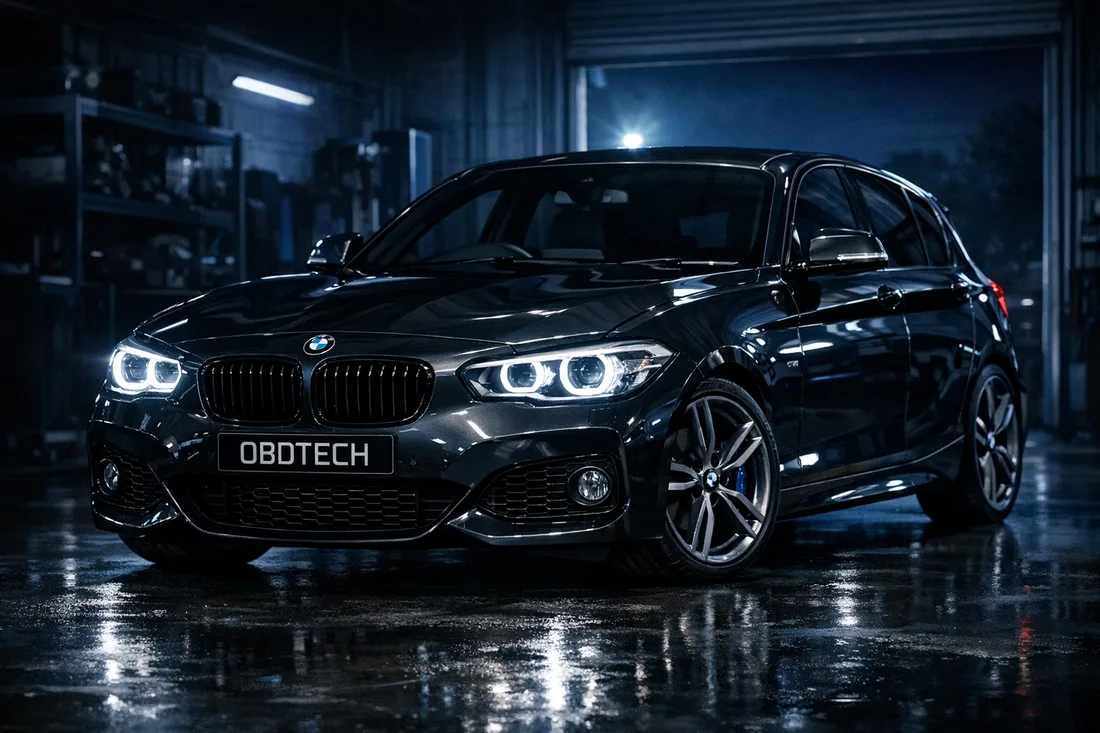
BMW 116i (E87): Where the 1 Series Story Began
The E87 116i arrived in New Zealand as BMW's entry level compact hatchback, and for a lot of buyers it was their first taste of rear wheel drive in a car this size. Under the bonnet sat the N45B16, a naturally aspirated 1.6 litre four cylinder producing 122 hp and 160 Nm. No turbo, no drama at low revs, just a clean, revvy engine in a well sorted chassis. These cars were genuinely fun when new, and a surprising number of them are still doing daily duty around Auckland.
The catch is that the E87 is old now. Deferred maintenance that was easy to overlook five years ago is becoming serious money today.
The N45B16 is a naturally aspirated engine without the turbo complexity of every generation that followed, which makes it simpler in some ways but it still needs the right attention. The ECU options across the E87 run include Bosch MEV17.4.6, Siemens/Continental MSD80 and MSD81 depending on build date and market. That mix matters when you are coding replacement parts, which is exactly why generic scan tools fall short on these cars. We use factory BMW ISTA diagnostics with a genuine ICOM interface on every E87 that comes in.
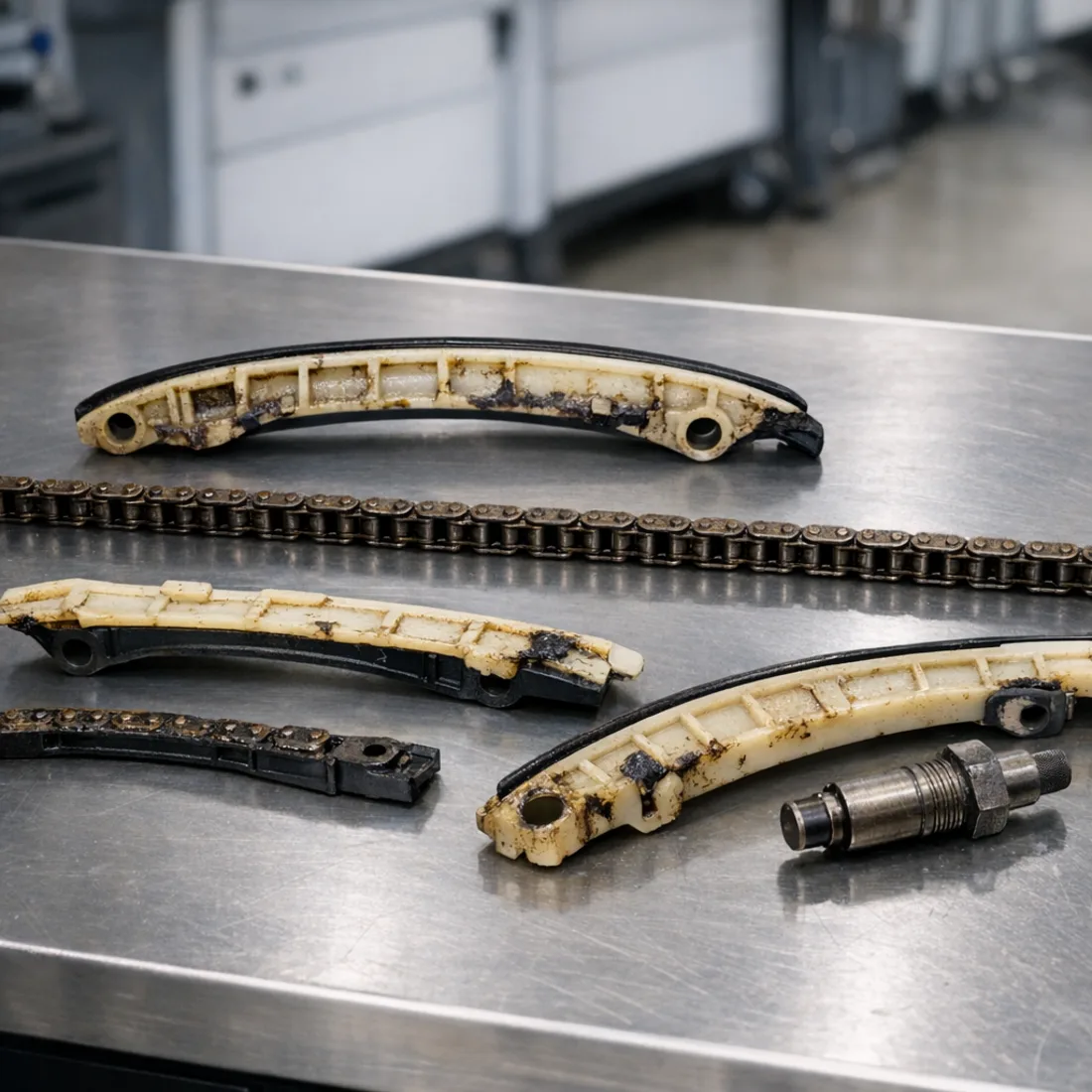
Routine servicing on the N45B16 means the correct BMW Longlife 5W-30 grade oil, not whatever is on special at the auto shop, plus air filter, cabin filter, drive belts, correct spark plugs and ignition coils, and brake pads and rotors. If the timing chain has not been done and the car has got the kilometres on it, that conversation needs to happen before something lets go.
The E87 116i is the foundation of the whole 1 Series story. Get one that has been looked after and you have got a genuinely rewarding driver's car. Get one that has not and it will teach you expensive lessons quickly.
-
Timing chain and guide rail wear, especially on cars with neglected oil changes. Cold start rattle is the warning sign.
-
Coil pack and spark plug failures causing misfires, rough idle, and a flashing engine light.
-
VANOS and Valvetronic system faults causing hesitant throttle response and poor running quality.
-
Valve cover gasket and oil filter housing gasket leaks. Both are typical for this engine age.
-
Front suspension arms and bushes wearing out, which shows up as vague steering and tyre wear.
A well maintained E87 116i is still a genuinely enjoyable rear wheel drive compact for not a lot of money.
A neglected one is a project.
We also offer a modest Stage 1 tune on the N45B16 that takes it from 122 hp and 160 Nm to 135 hp and 185 Nm, which sharpens the throttle response nicely without asking the engine to do anything unreasonable.
Get your BMW 1 Series booked in with a proper specialist.
BMW 116i (F20): Three Cylinders, More Tech, Different Problems
When BMW updated the 1 Series into the F20 body and then refreshed it with the LCI, the entry level 116i made a significant jump. Out went the naturally aspirated four cylinder and in came the B38A15M0, a 1499 cc three cylinder turbocharged petrol. On paper that sounds like a step backwards. In practice it is a clever, torque rich engine that pulls well from low revs and delivers better real world economy than the old N45. The stock figures are 109 hp and 180 Nm, less peak power than the E87 it replaced but with a broader, more usable torque spread.
The B38 architecture is shared with the MINI and later BMW small car platforms, and it is a genuinely modern piece of engineering. The Bosch MEVD17.2.3 ECU controls it with a high level of sophistication. But that three cylinder layout and the direct injection setup bring their own set of specific weak points.
Compared to the E87 116i, the F20 is considerably more complex to work on correctly. The MEVD17.2.3 ECU controls start/stop, boost management and a raft of driver assistance functions, and replacement parts need to be coded to the car properly. That is not a job for a generic scan tool. We run factory BMW ISTA with an ICOM NEXT interface on every F20, which means we read actual live data, not just fault codes, and we code every replaced part correctly first time.
-
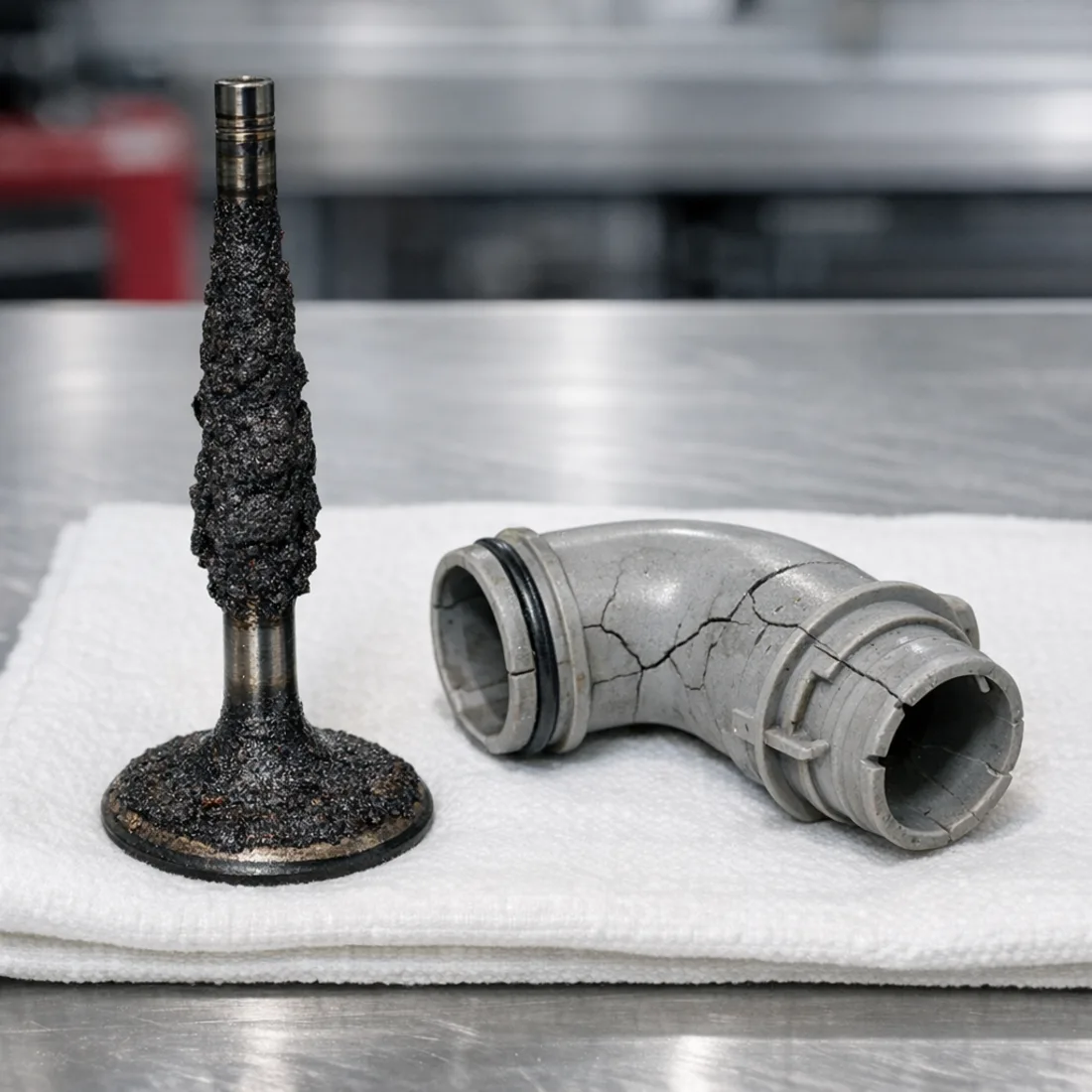
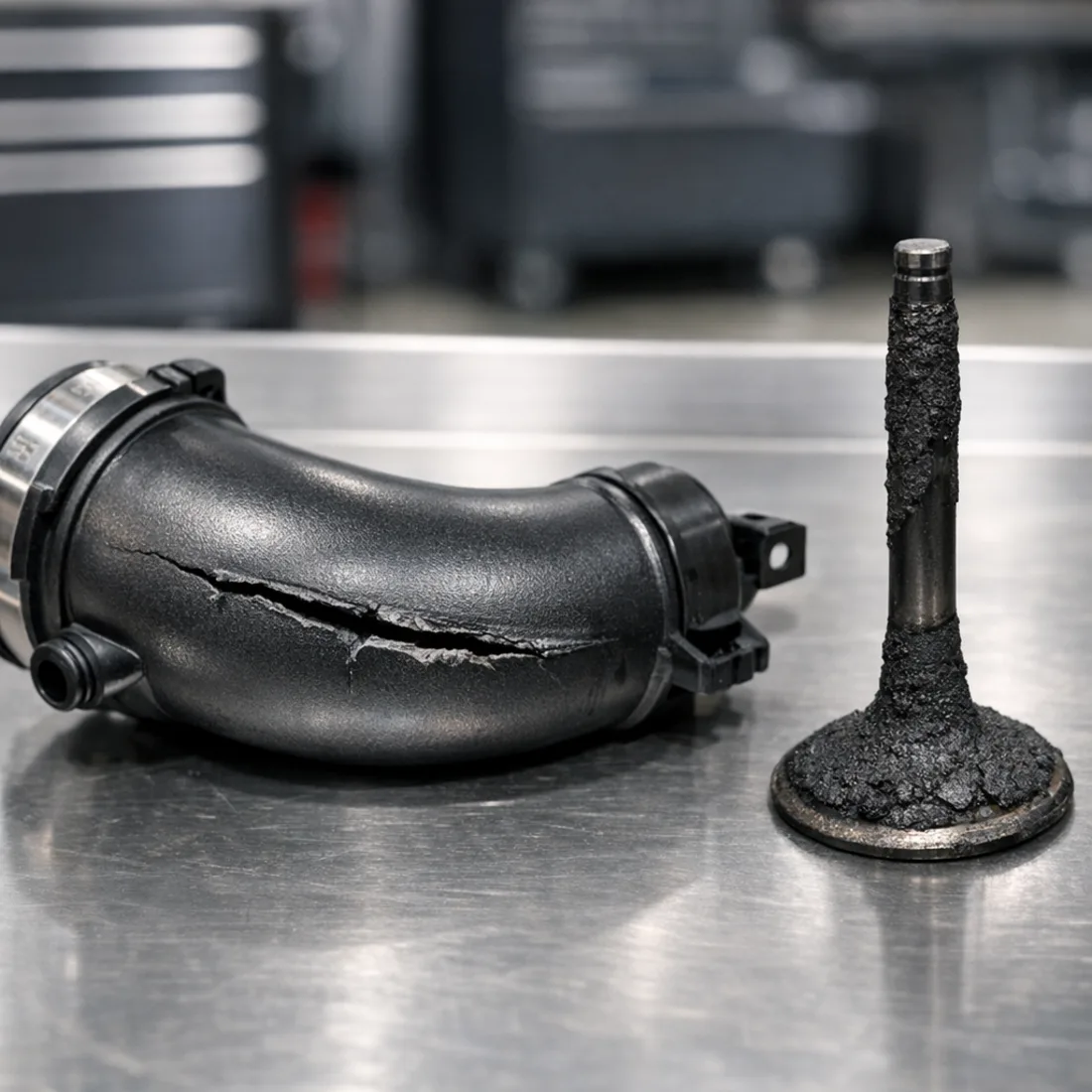
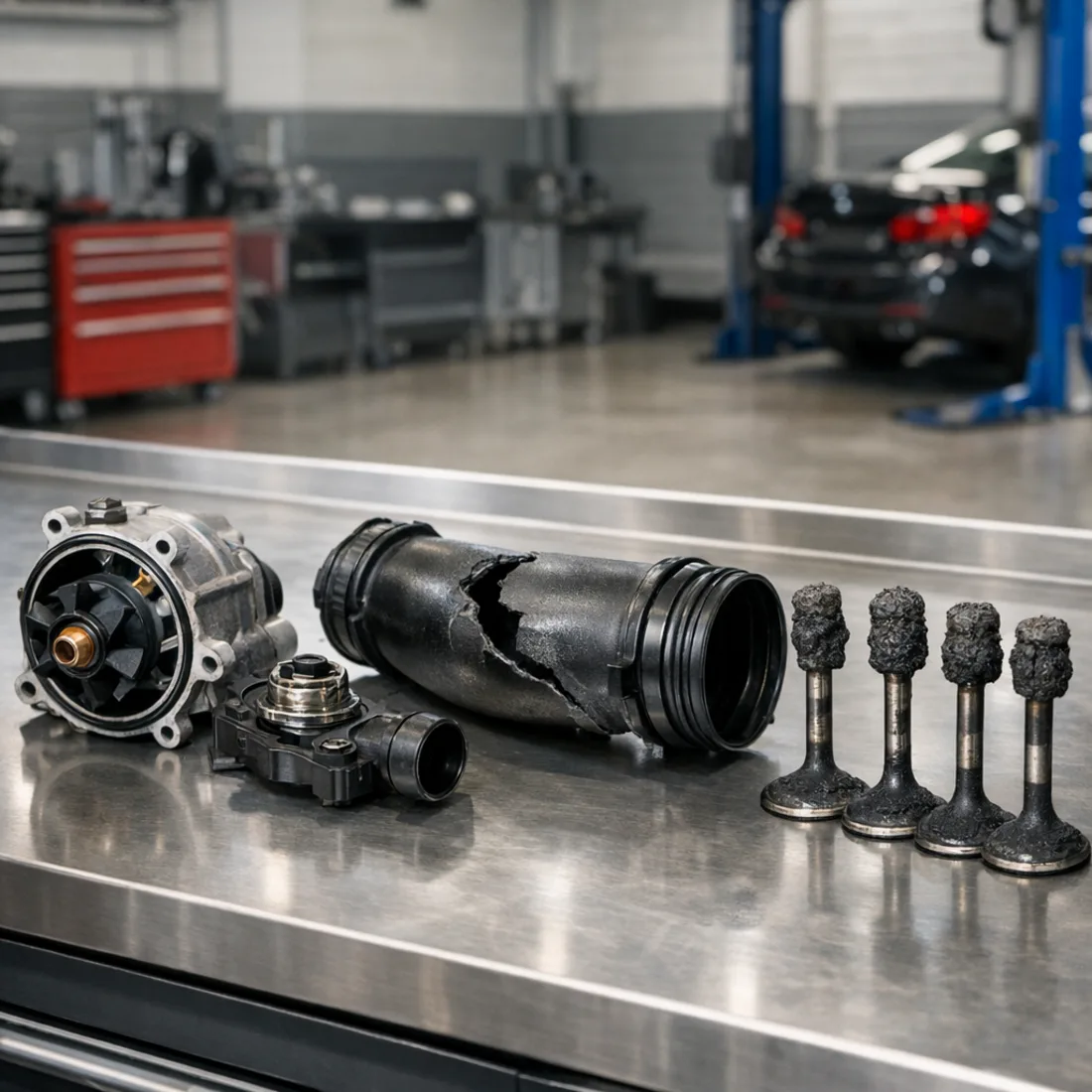
Carbon build up on the intake valves from direct injection. Without port injection washing the valves, carbon accumulates and affects idle quality and throttle response over time.
-
Boost pipe and small turbo issues. The turbocharger on the B38 is compact and the charge pipes can crack or come loose, causing boost loss and hesitation.
-
Timing chain wear on early or neglected examples.
-
Valve cover and oil filter housing gasket leaks. This is a theme across the whole 1 Series family regardless of generation.
-
Coil pack and spark plug wear causing rough running, especially when the three cylinder firing character gets more pronounced at idle.
A 61 hp and 110 Nm gain from a simple ECU calibration genuinely transforms how the car feels in everyday driving.
The B38A15M0 responds well to tuning.
The B38A15M0 also responds well to ECU tuning. We offer a Stage 1 tune that takes the 116i F20 from 109 hp and 180 Nm to 170 hp and 290 Nm. Additional options include DTC removal, pop and bang map, start/stop disable and Vmax adjustment.
BMW 120i (F20): The Sweet Spot in the F20 Petrol Range
If the F20 116i is the entry point, the 120i is where the F20 platform really starts to sing. The B48B20B is a 1998 cc four cylinder turbocharged petrol with an 11.0:1 compression ratio, 184 hp and 290 Nm from the factory. It shares the same 82.0 x 94.6 mm bore and stroke as the B38 in the 116i, but the extra cylinder and displacement make a real difference to how the car pulls through the rev range and feels on a mixed Auckland commute that opens up on the motorway.
The B48 is generally a solid engine. It is newer tech than the old N series motors and BMW learned from many of those lessons. But it is not without its issues, particularly as mileage builds.
The ECU setup on the 120i F20 is a Bosch MG1CS003 or Bosch MED17 paired with the ZF 8HP automatic gearbox controller where fitted. Both need factory level coding for correct operation, which is exactly what we deliver with BMW ISTA running through a genuine ICOM NEXT interface. If your 120i is throwing vague faults or a workshop could not tell you what module was actually at fault, bring it to us.
-
VANOS solenoid faults and timing chain wear at higher mileage. Less urgent than the old N45 but still worth monitoring.
-
Oil filter housing gasket and valve cover leaks. As with every generation in this family, these turn up eventually.
-
Plastic thermostat housing and coolant pipe failures causing slow coolant weeps that get worse over time.
-
Charge pipe and PCV system faults causing boost loss, rough idle or hesitation under load.
-
Carbon build up on intake valves from direct injection, less aggressive than the older N series engines but present on higher mileage cars.
The B48B20B has the best Stage 1 tuning headroom of all the petrol four cylinders in the F20 range.
260 hp and 420 Nm puts it firmly in hot hatch territory.
We take the B48B20B from 184 hp and 290 Nm to 260 hp and 420 Nm, a 76 hp and 130 Nm gain that puts it firmly in hot hatch territory. Combined with the balanced F20 chassis, that is a very quick everyday car. Additional options include DTC removal, pop and bang map, start/stop disable and Vmax adjustment. See the full picture on our power gains page.
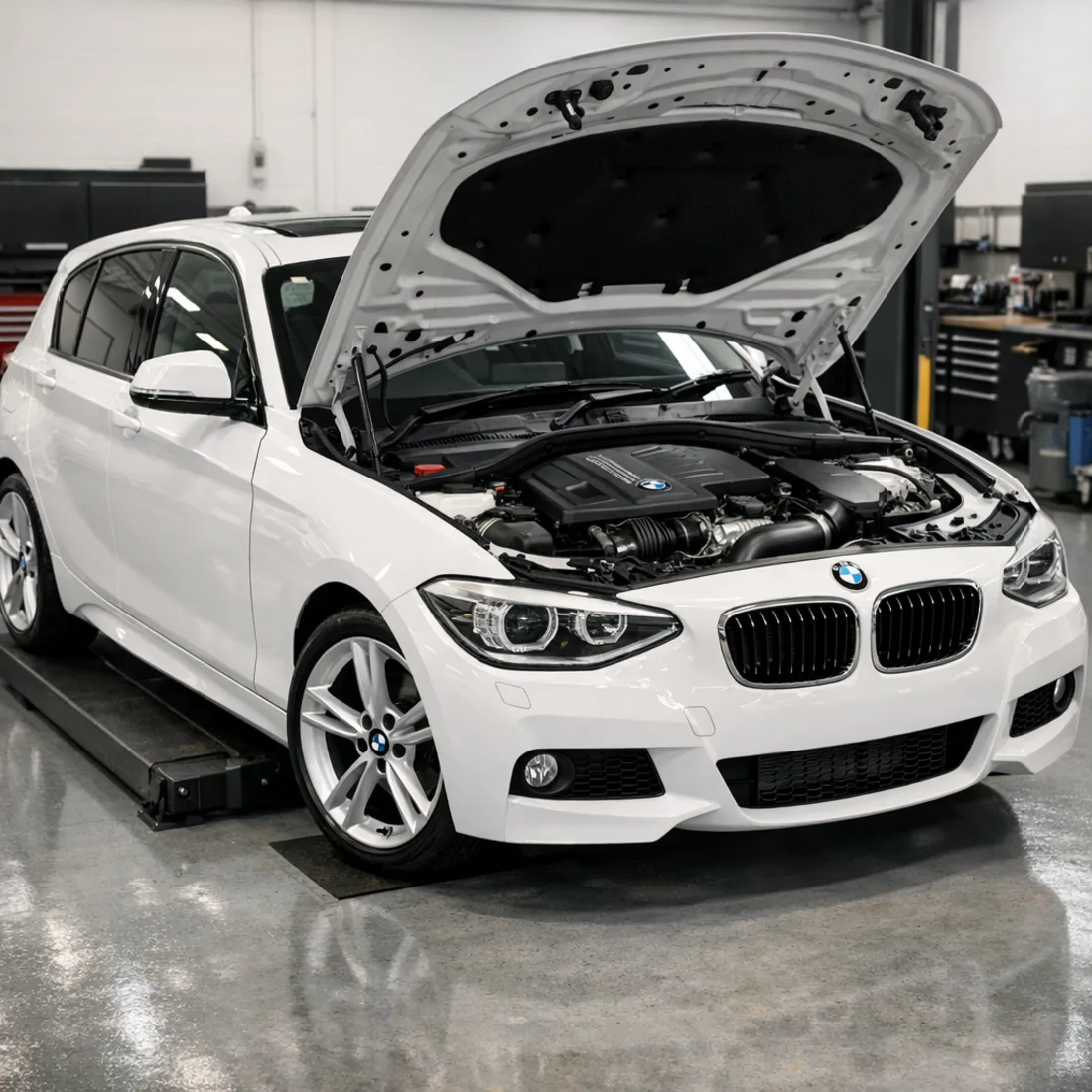
BMW 123d (E87): The Diesel That Did Not Belong in a Hatchback, in the Best Possible Way
The 123d is the outlier in this family, and that is exactly what makes it interesting. While every other variant here runs petrol, the E87 123d dropped the M47TU2D20 twin turbo 2.0 litre diesel into the 1 Series shell and produced 204 hp and 400 Nm. In a car this size and weight, that torque figure is transformative. It is also the most complex engine in the E87 range by some margin, and it is the one that punishes a lack of knowledge the hardest.
The M47TU2D20 uses a sequential twin turbo setup where a smaller turbo handles low end boost before the larger unit takes over. That sequence is clever but the smaller turbo is a known weak point over time and mileage. Beyond that, the diesels in this era have a predictable set of problems.
The 123d runs a Bosch EDC17CP02 ECU, which is a diesel specific platform and not something you want a generic tool prodding around in. We use factory BMW ISTA with a genuine ICOM or ICOM NEXT interface, so fault reading, DPF and EGR diagnostics, and any replacement part coding is done correctly. For DPF and EGR concerns we diagnose and clean or replace as required. Where forced regeneration is needed we run it on factory software, not guesswork.
Glow plugs are part of routine servicing on this engine, along with the correct BMW LL-04 grade oil, fuel filter, air filter, cabin filter and drive belts. Brake pads and rotors, suspension, clutch and gearbox work all come under what we cover on the 123d.
Compared to the petrol 116i E87, the 123d is a completely different proposition. Same body, similar chassis, but the engine and its requirements are worlds apart. Do not let anyone service it with a petrol mindset.
-
Swirl flap failure. The intake manifold swirl flaps on the M47 family are notorious. When they fail the debris can enter the engine. This needs to be checked and dealt with properly.
-
EGR valve clogging from short trip and city running, causing rough idle, hesitation and fault codes.
-
DPF blockage when the car is used predominantly in stop start traffic without sufficient regeneration runs.
-
Timing chain and tensioner wear. The M47 chain is at the rear of the block, making it a serious and expensive job when it fails.
-
Injector and high pressure fuel pump wear causing rough running, hard starting and smoke.
Stage 1 tuning takes the 123d from 204 hp and 400 Nm to 245 hp and 450 Nm, which is a genuinely quick diesel hot hatch.
Additional options include EGR off, DPF off, swirl flap solutions and Vmax adjustment.
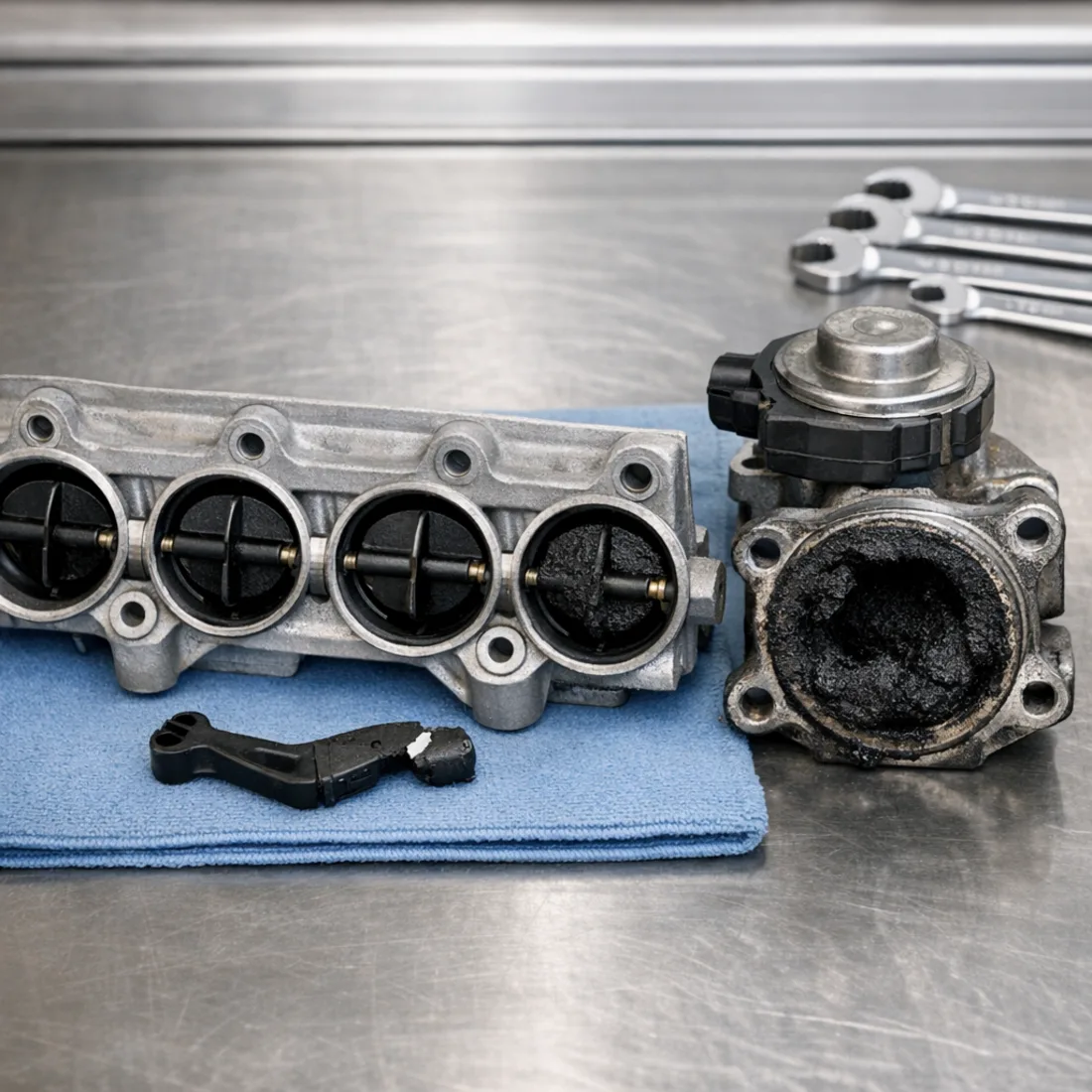
BMW 135i N54 (E87): The Twin Turbo Six That Started the Performance Chapter
Here is where the 1 Series story takes a sharp turn upward. The E87 135i with the N54B30 is a completely different car from anything else in the E87 family. A 2979 cc twin turbo inline six, 84.0 mm bore, 89.6 mm stroke, 10.2:1 compression, and 306 hp with 400 Nm of torque. Same body as the 116i, but an entirely different mechanical reality. It is one of the most rewarding performance cars BMW built in this era, and it found its way into the New Zealand fleet in meaningful numbers.
The N54B30 is a strong engine but it has a set of well documented weak points that every owner should know about.
The ECU on the N54 E87 is Bosch MEVD17.2, Siemens/Continental MSD80 or MSD81 depending on build. The N54 also uses direct injection, so carbon build up on the intake valves is a real concern at higher mileage. Walnut blasting is the correct fix. We have done plenty of them.
We diagnose these with factory BMW ISTA using a genuine ICOM or ICOM NEXT interface, which means we can see the real live data from both turbos, both banks of injectors and the HPFP, not just a fault code list. Routine servicing includes the correct BMW Longlife 5W-30 oil, air and cabin filters, drive belt, and six fresh spark plugs and coils because the N54 is genuinely sensitive to worn ignition components under boost.
-
High pressure fuel pump (HPFP) failure. Symptoms are long cranking, hesitation under load, misfires and limp mode. It is a when, not an if, on higher mileage cars.
-
Turbo wastegate rattle. The actuators wear and the rattle at cold idle is the first sign. Ignore it and it develops into boost control issues.
-
Injector leaks, especially the earlier index versions. Rough running and fuel smell are the giveaways.
-
Valve cover gasket and oil filter housing gasket leaks. The N54 is particularly prone given its age and operating temperatures.
-
Charge pipe cracking and boost leaks. More common on tuned cars but the standard charge pipes are not immune either.
-
Water pump and thermostat failures. The electric water pump on the N54 is a known failure item and it often goes without a lot of warning.
Stage 1 tuning on the N54B30 is one of the best value performance upgrades we offer.
From 306 hp and 400 Nm to 362 hp and 510 Nm, a 56 hp and 110 Nm gain.
BMW 135i (F20): The N55 Refines What the N54 Started
When the 1 Series moved to the F20 body, the 135i made the jump with it and swapped the N54's twin turbo setup for the N55B30, a single twin scroll turbo straight six with the same 2979 cc displacement, same bore and stroke, but refined internals and a cleaner forced induction architecture. Stock output went up to 326 hp and 450 Nm. BMW's intention was a simpler, more refined system, and in many ways the N55 delivered. But simpler does not mean trouble free.
The N55 addressed some of the N54's worst habits. The HPFP drama is largely gone, and the injector issues are much less common. But the F20 135i brought its own set of things to watch.
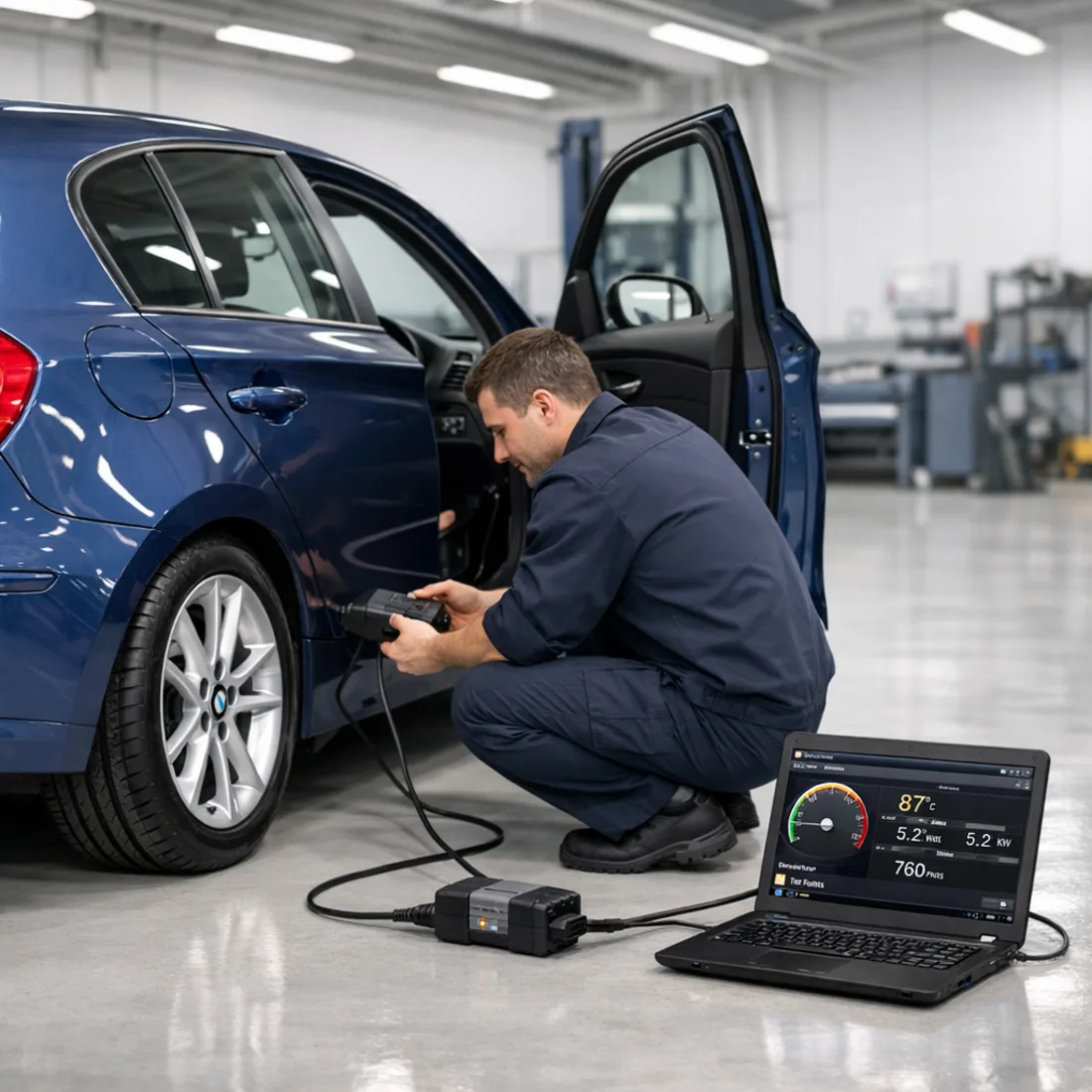
The F20 135i runs Bosch MEVD17.2 or MEVD17.2.6 depending on build date. Parts coding and module adaptations need factory software, which is exactly what we use. ISTA running through an ICOM or ICOM NEXT gives us live data from the entire drivetrain, not just the fault code register.
Compared to the N54 E87 135i, the N55 F20 is a more refined daily drive but gives up a little of that raw character. Routine servicing covers BMW LL-01 grade oil, air and cabin filters, spark plugs and ignition coils, brake pads and rotors, drive belts and the cooling system including a proactive water pump replacement.
-
Valve cover gasket and oil filter housing gasket leaks. The same story as the N54, and really as every BMW petrol in this line up.
-
Electric water pump and thermostat failures. These can trigger overheating warnings and sometimes fail without much notice.
-
Charge pipe and boost hose cracking under load. Particularly common on tuned cars but the standard pipes are not immune.
-
Carbon build up on intake valves. Direct injection, no port wash, so carbon accumulates. Walnut blasting remains the correct solution.
-
VANOS solenoid faults and turbo wastegate rattle as mileage builds.
Stage 1 takes the N55 from 326 hp and 450 Nm to 395 hp and 530 Nm.
A 69 hp and 80 Nm gain that makes the F20 135i genuinely fast in any company.
BMW M140i (F20): The B58 Closes the F20 Chapter Properly
The M140i is the car the entire F20 performance range was building towards. BMW fitted the B58B30M0 into the F20 shell and gave it 340 hp and 500 Nm from its 2979 cc single turbo straight six, an 11.0:1 compression ratio and Bosch MG1CS003 ECU management. On the outside it looks like a slightly aggressive hatchback. In traffic it behaves like one. Push it and it is a different story entirely.
The B58 is generally regarded as BMW's most robust modern six cylinder. It learned from the N54 and N55 before it, and the fundamental architecture is stronger. But do not mistake robust for maintenance free.
The MG1CS003 ECU is a sophisticated modern BMW platform and it needs factory tooling to work with correctly. We run ISTA through an ICOM NEXT interface on every M140i that comes in, which means proper fault reading, correct adaptations after any repair, and coding that actually sticks.
Routine servicing covers the correct BMW Longlife spec grade oil, air filter, cabin filter, wipers, spark plugs and coil packs, and brake pads and rotors given how these cars actually get used. Proactive water pump and thermostat replacement before they fail is money well spent. We also cover walnut blasting the intake valves, drive belt, clutch on manual cars and suspension refresh.
The M140i sits at the top of this entire family tree. If the E87 116i started the story with 122 hp and simple naturally aspirated engineering, the M140i ends it with 340 factory horsepower and enough torque to make most sports cars nervous. Both reward attentive ownership. Both punish neglect. That has been the consistent theme across every generation on this page.
-
Electric water pump and thermostat failures are the most common serious fault on B58 cars. They can fail with limited warning and this engine cannot be overheated.
-
Coolant system leaks from cooling pipes and joints, particularly on cars that have covered serious mileage or been driven hard.
-
VANOS solenoid and charge pipe concerns on hard driven examples.
-
High pressure fuel pump and injector wear showing up with age and mileage.
-
Carbon build up on intake valves from direct injection. Present on higher mileage B58s and worth walnut blasting when it affects idle or throttle response.
-
Timing chain and guides should be checked on high mileage cars. No cambelt on the B58, but the chain is not immortal.
Stage 1 tuning on the B58 is spectacular.
From 340 hp and 500 Nm to 400 hp and 600 Nm. The B58 was designed with headroom and it shows.
Additional options include DTC removal, pop and bang map, start/stop disable and Vmax adjustment. See what is possible on our power gains page.
How to Pick Between Them: Buying Advice Across the Generations
If you are shopping for a used 1 Series and trying to decide which generation makes the most sense, here is the honest version.
You want the most mechanically straightforward car in the entire family. Naturally aspirated, no turbo complexity, and the basics are well understood. The catch is age. Any E87 you buy today needs a proper inspection. Timing chain condition and VANOS health are the non negotiables. A well maintained example is still a genuinely enjoyable rear wheel drive compact, but a neglected one is a project.
You want the F20 entry point and are comfortable with a bit more complexity. The B38A15M0 is newer, more efficient, and the tuning potential is impressive, but the three cylinder character is not for everyone and the direct injection carbon build up needs monitoring.
You want the sweet spot for most buyers looking for a used F20 petrol. Newer architecture, properly strong performance, excellent tuning headroom, and a more refined driving experience than either 116i variant. Pay the premium for a good example over a rough 116i.
You specifically want a diesel hatchback with real performance. It is genuinely quick and the torque is addictive, but the M47TU2D20 is complex, the sequential turbo setup has more failure modes than any petrol in this range, and the timing chain being at the rear of the block makes that job expensive. Budget accordingly and inspect carefully.
You want the affordable performance benchmark in this family. Low to mid power tuning on the N54 is extremely well understood and the gains are real. Know the known faults, budget for an HPFP and ignition service, and it is a remarkable car for the money. Just do not buy one that has clearly been hammered without service history.
You want the E87 135i performance in a newer, more refined package. Fewer drama prone fault modes than the N54, still excellent to tune, and the F20 chassis has better technology throughout. A very strong all round choice.
You want the best the F20 range ever produced and are prepared to pay for it and service it properly. The B58 is the strongest engine in this whole family. An M140i with full history is a genuinely special car. One with gaps in its service record and an untouched water pump is an expensive gamble.
- Check timing chain condition on every E87, especially the N45B16 and M47TU2D20.
- Listen for cold start rattle before buying any E87 variant.
- Verify service history and oil grade used on all generations.
- Inspect for oil leaks at the valve cover and oil filter housing gasket.
- On the N54, ask about HPFP replacement history and injector condition.
- On the M47TU2D20 123d, check swirl flap status and DPF health.
- On B38, B48, N54, N55 and B58, ask about intake valve cleaning history.
- On F20 six cylinder variants, check water pump and thermostat replacement history.
- Request a factory ISTA diagnostic report before purchasing any higher mileage example.
Servicing Across the Whole 1 Series Family
Regardless of which generation you own, a few servicing principles run consistently across the entire 1 Series family.
Oil grade matters. The BMW Longlife specifications exist for a reason, and fitting the wrong grade oil in any of these engines causes real damage over time. Every engine in this family has a specific requirement.
Timing chain condition is a recurring theme. Whether it is the N45B16 in the E87 or the B58 in the M140i, chain driven timing needs to be monitored and the chain replaced when it is due, not after it lets go.
Cooling system health is critical on the F20 generation cars, especially the six cylinder variants. The electric water pump and thermostat are service items. Proactive replacement is significantly cheaper than an overheating event.
Direct injection engines need intake valve inspection. The B38, B48, N54, N55 and B58 all run direct injection and all accumulate carbon on the intake valves without port wash. This affects idle, throttle response and long term efficiency.
Brake maintenance keeps pace with performance. The 135i and M140i in particular see their brakes used hard. Fresh pads and rotors at the right intervals matter.
Our car servicing covers every generation in this family, from a basic oil and filter on an E87 116i to a full cooling system refresh on an M140i. We use genuine and OEM specification parts throughout, not substitutes.

How We Diagnose Every Generation: Factory Tooling, Not Guesswork
Every generation in this family, from the E87 N45B16 through to the F20 B58, uses BMW's own proprietary diagnostic architecture. Generic OBD readers can pull fault codes, but they cannot read BMW specific live data channels, they cannot perform guided fault finding within the BMW engineering framework, and they absolutely cannot code replacement parts correctly. Fit a new DME, a new water pump controller or a new injector on any of these cars and it needs to be adapted to the vehicle correctly or it will not behave properly.
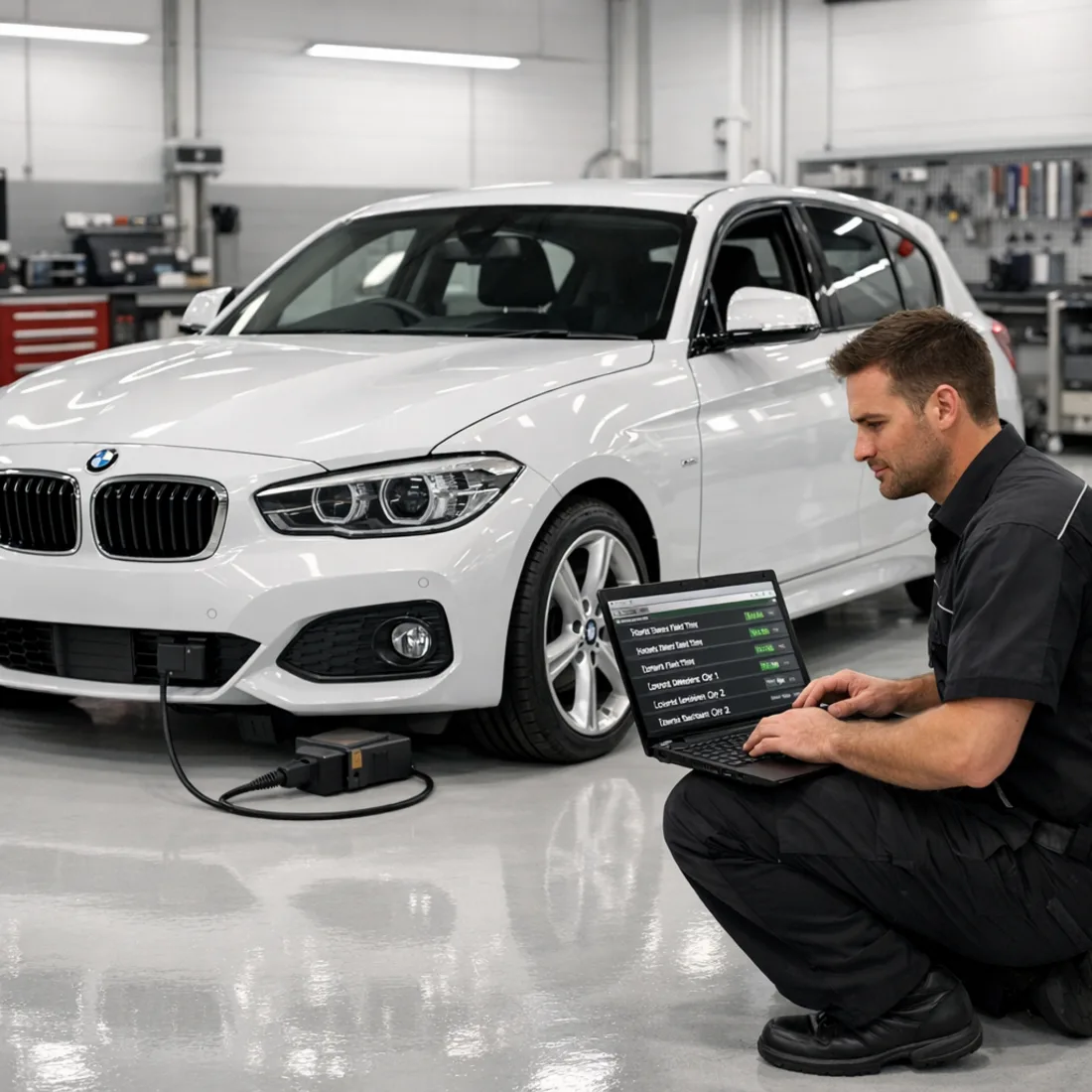
We use factory BMW ISTA and Rheingold running through a genuine ICOM or ICOM NEXT interface on every BMW that comes through our workshop. That is the same tooling BMW's own dealers use.
Full access to the real fault memory, including stored and intermittent faults that generic tools miss. Live data monitoring across all modules simultaneously, so we can see what is actually happening when the fault occurs, not just what code it left behind. Guided diagnostics using BMW's own troubleshooting trees for complex issues like VANOS faults, DPF regeneration problems on the 123d, or boost system issues on the turbocharged petrol variants. Correct coding and adaptation of replacement parts, so every repaired system functions as BMW intended.
Our auto electrical and diagnostic services cover everything from a simple fault code investigation to full module coding and programming. If another workshop could not tell you what was actually wrong, bring it to us.
Tuning Options Across the 1 Series Range
Every turbocharged engine in this family responds to ECU tuning, and between them they cover a remarkable spread of power levels. Every tune we offer is a proper calibration specific to the engine's ECU, not an off the shelf map pushed onto whatever car turns up. We write and fit tunes that work with the car's hardware and servicing state, not against it. There is no point adding power to an engine with worn spark plugs, a cracked charge pipe or a neglected cooling system. We will tell you if the car needs attention before tuning is the right next step.
Naturally aspirated tune that sharpens throttle response without asking the engine to do anything unreasonable. Additional options include DTC removal, pop and bang map, DECAT, FLAPS and Vmax adjustment.
A 61 hp and 110 Nm gain from a 1.5 litre three cylinder that genuinely transforms everyday driving. Additional options include DTC removal, pop and bang map, start/stop disable, DECAT, FLAPS and Vmax adjustment.
The best power per litre gain in the petrol four cylinder range. 260 hp and 420 Nm puts it firmly in hot hatch territory. Additional options include DTC removal, pop and bang map, start/stop disable, DECAT and Vmax adjustment.
A genuinely quick diesel hot hatch result from a Stage 1 tune. Additional options include EGR off, DPF off, DTC removal, pop and bang map, start/stop disable, swirl flap solutions and Vmax adjustment.
One of the best value performance upgrades we offer. This engine was built with tuning headroom in mind and it takes the calibration well. Additional options include DTC removal, pop and bang map, start/stop disable, DECAT, FLAPS and Vmax adjustment.
Excellent tuning headroom on the N55. A 69 hp and 80 Nm gain that makes the F20 135i genuinely fast in any company. Additional options include DTC removal, pop and bang map, start/stop disable, DECAT, FLAPS and Vmax adjustment.
The B58 was designed with headroom and it shows. A 60 hp and 100 Nm gain on an already strong factory calibration. Additional options include DTC removal, pop and bang map, start/stop disable, DECAT, FLAPS and Vmax adjustment.
Additional options vary by model but include DTC removal, pop and bang crackle maps, start/stop disable, Vmax adjustment and various system maps. Explore the full range of what is possible on our power gains tuning page.
Frequently Asked Questions
The questions we get most. Something else on your mind? Get in touch.