BMW M4, M3 & M2 Across Generations: G82, F82, E90, G87 and F87
From the naturally aspirated S65 V8 in the E90 M3 right through to the twin turbo S58 in the current G82 M4 and G87 M2, these cars share a bloodline built around driver reward and engineering precision. The engines have changed, the outputs have climbed, and the electronics have multiplied, but the core truth hasn't moved: every one of these cars punishes neglect and rewards proper care. We've had all of them on the hoist in Penrose, and the story they tell across generations is worth knowing whether you're chasing a used buy or just trying to keep your current car sharp.
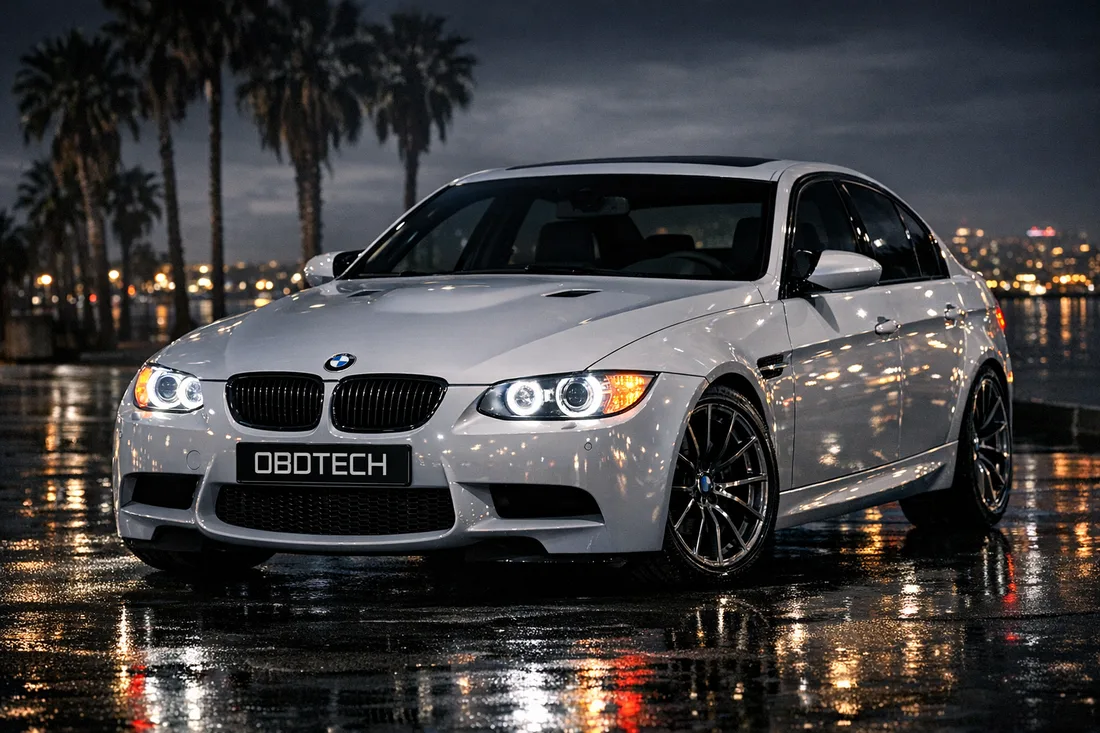
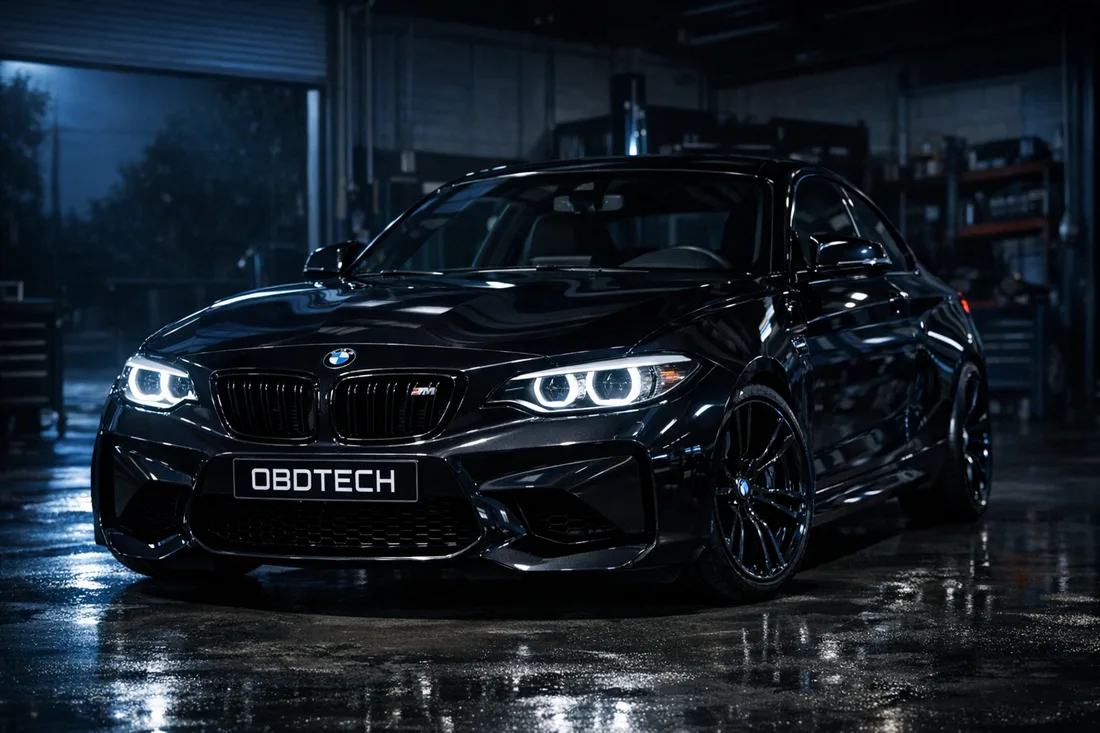
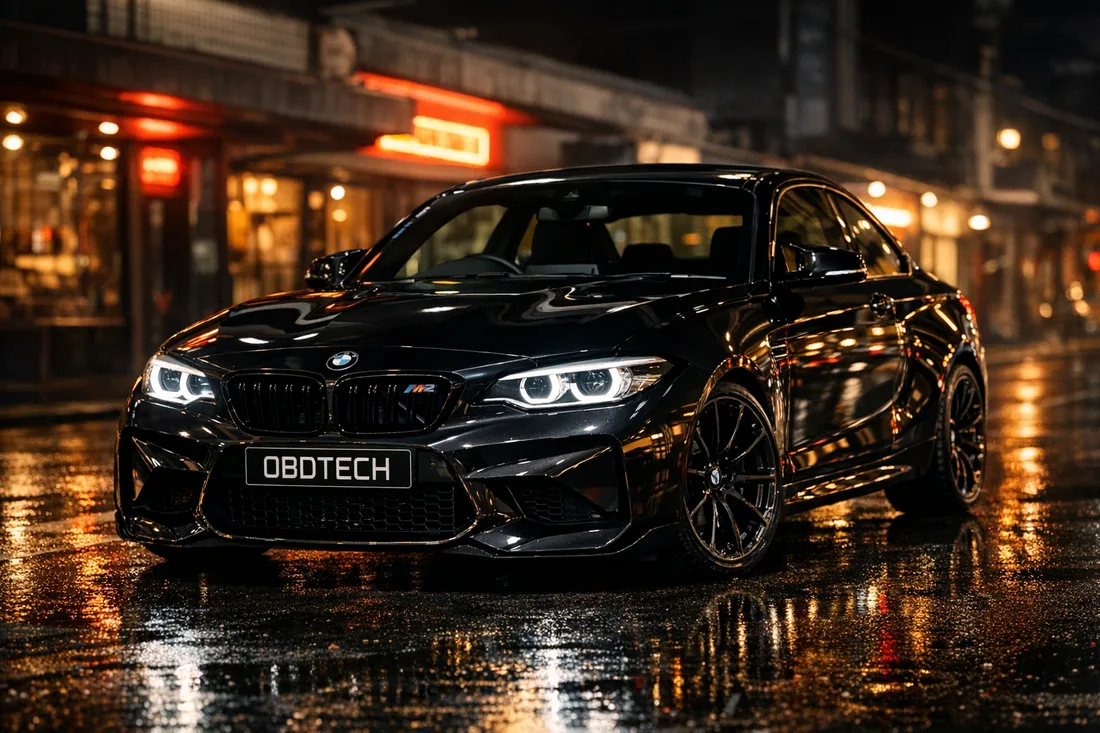
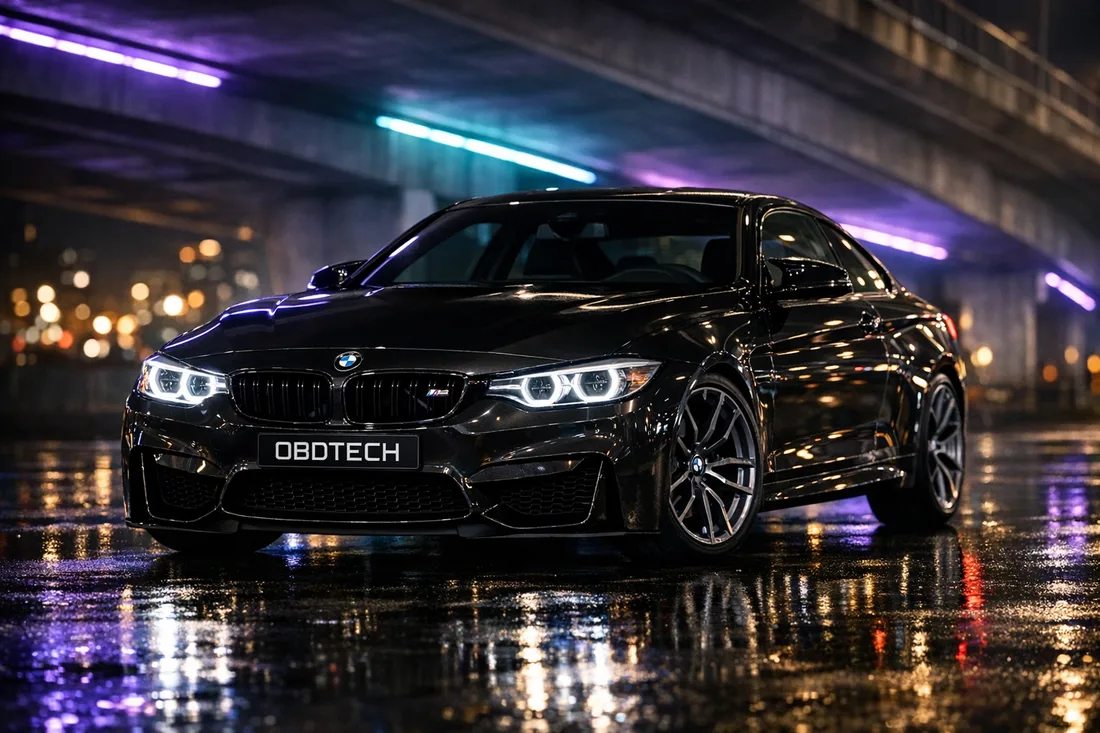
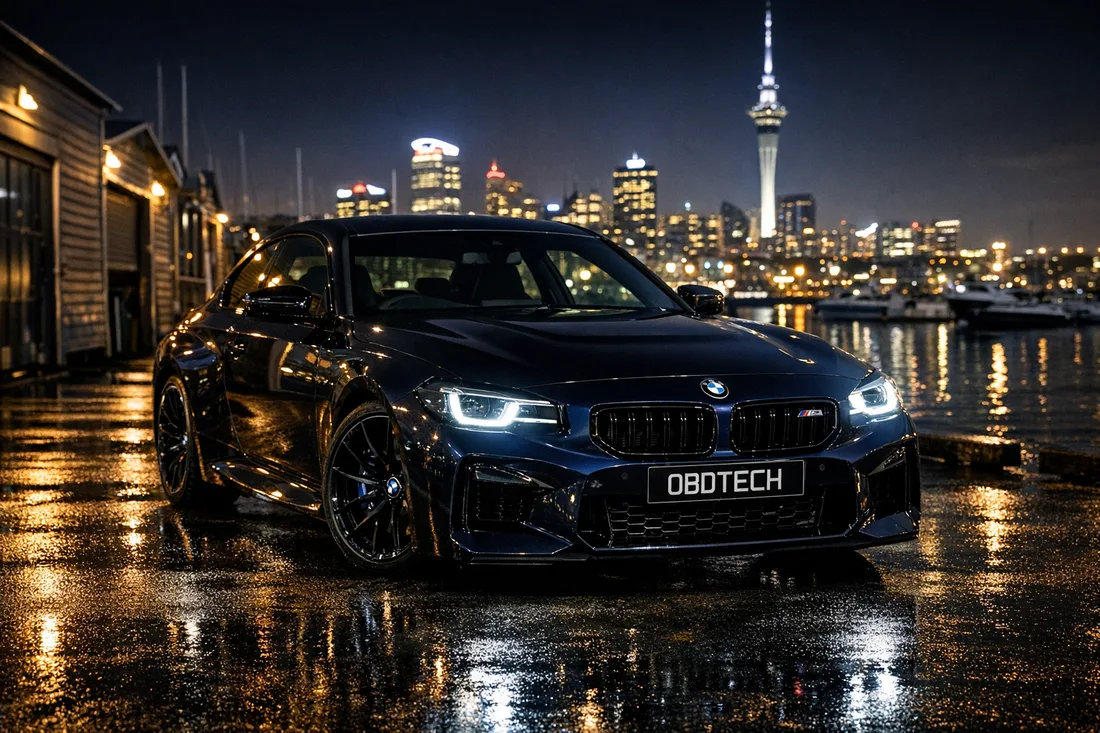
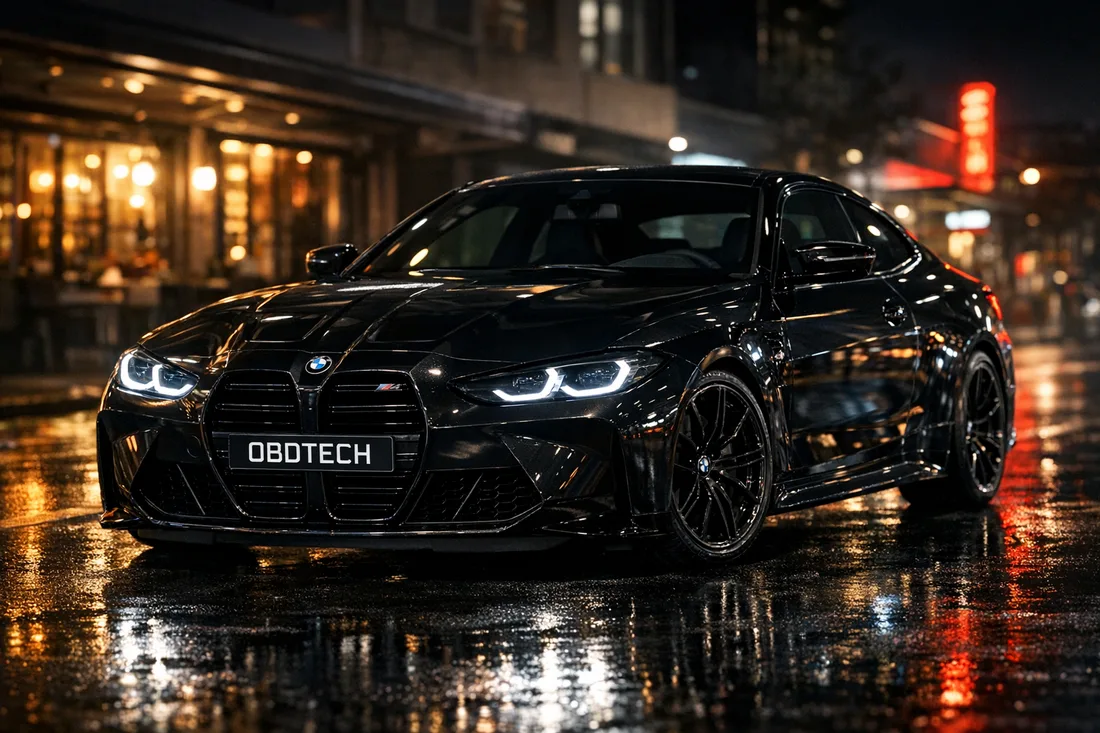
BMW M3 E90: The Naturally Aspirated High Water Mark
The E90-generation M3 is the one that still gets talked about in hushed tones, and for good reason. That S65B40A is a 4.0 litre naturally aspirated V8 revving past 8,000 rpm, producing 420 hp and 400 Nm with a 12.0:1 compression ratio and bore and stroke dimensions of 92.0 mm by 75.2 mm. Every dimension is tuned for free revving response rather than lazy low end grunt. It's dramatic, mechanical, and genuinely unique in the M lineup. But theatre comes with consequences, and this engine has a few that every owner needs to understand.
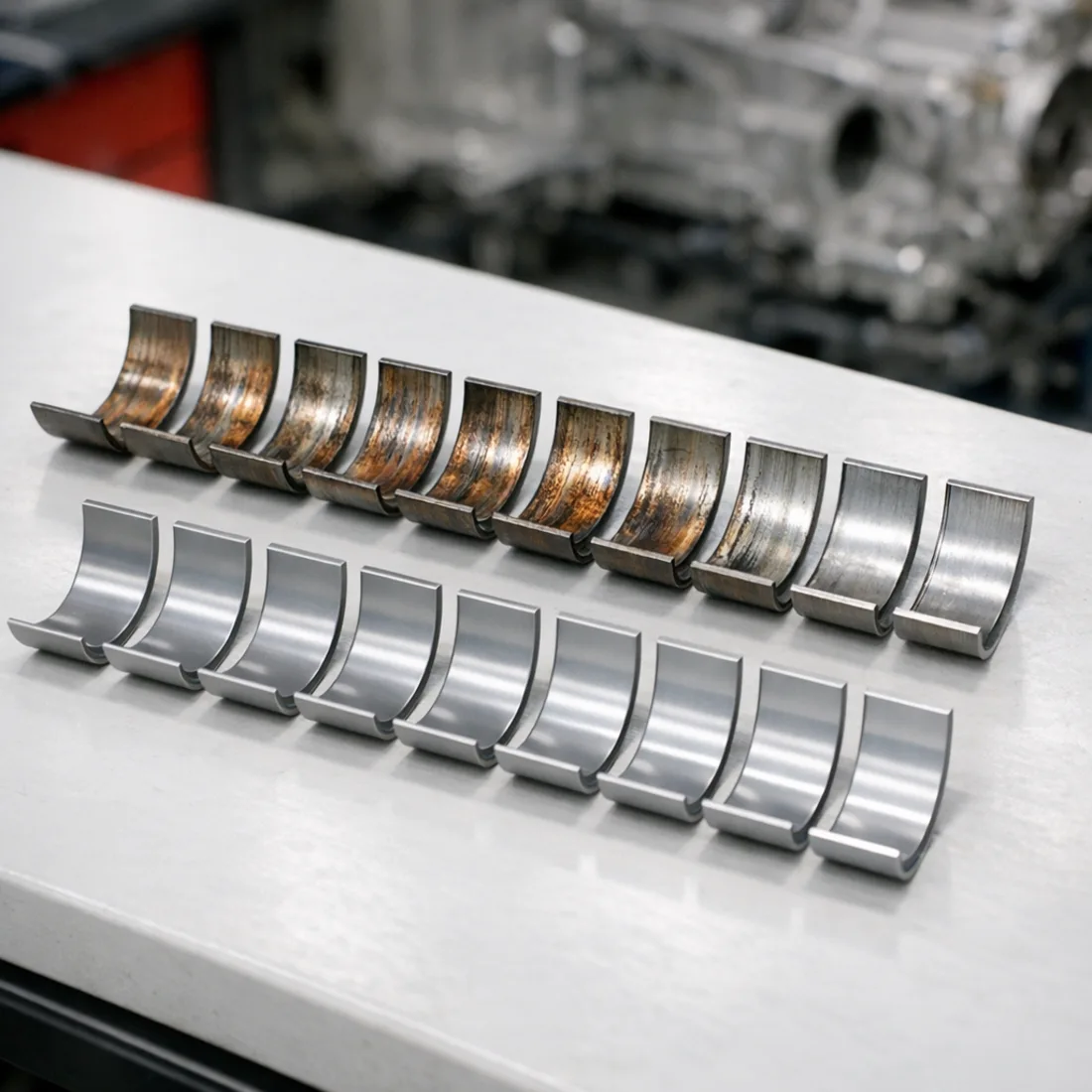
The most talked about issue is rod bearing wear. The S65 can wear its rod bearings prematurely, particularly when oil change intervals are stretched or the car sits at idle for extended periods after hard use. The bearings show copper exposure before they fail completely, and by that point the damage is already spreading. The fix is a bearing refresh with fresh OEM shells, and it's genuinely worth scheduling before the noise starts rather than after. We also see the throttle actuators causing grief, throwing the car into limp mode without much warning. Each cylinder bank has its own throttle body system, and when the actuators wear or fail, the MSS60 ECU reads the discrepancy immediately. VANOS solenoids and the high pressure oil pump are also on the watch list for higher mileage cars.
-
Rod bearing wear, especially on cars with stretched oil intervals or heavy track use
-
Throttle actuator failure causing limp mode
-
VANOS solenoid wear affecting cam timing response
-
High pressure oil pump deterioration on higher mileage engines
-
Drive belts, cooling system components and suspension bushings as the car ages
The S65 does not tolerate degraded oil well, and an oil change is your cheapest insurance against the rod bearing scenario.
We fit only genuine or OEM spec filters and the correct M grade oil.
Compared to everything that came after it, the E90 M3 is actually simpler to diagnose, but it still demands factory level tools. We run BMW ISTA and Rheingold through a genuine ICOM NEXT interface on these, which gives us proper module access, live data and the ability to code parts correctly. A generic scan tool will miss half of what's happening with the MSS60.
Stage 1 tuning on the S65 is modest by nature, naturally aspirated means you're working with what the engine can breathe, but gains of around 20 hp and 30 Nm are achievable with a clean remap, and additional options include DTC removal, pop and bang mapping, and Vmax adjustment. One practical point for owners: this car wants fresh, high quality oil on a shorter cycle than the service light suggests.
Get your BMW M car booked in with a proper specialist.
BMW M2 F87 (N55): The Compact Turbo Six That Started the M2 Name
When BMW launched the F87 M2 with the N55B30T0, they gave a compact rear drive coupe 370 hp and 500 Nm from a 2,979 cc single turbo straight six with a 10.2:1 compression ratio and bore and stroke of 84.0 mm by 89.6 mm. Coming off the back of the naturally aspirated E90 M3, this was a very different proposition: a smaller displacement, forced induction, and a character built more around instant torque than high rpm drama. It's a brilliant car to drive, and the N55 is a strong, well proven engine, but it has its own set of weak points to know about.
The electric wastegate actuator is probably the first thing to flag. It's prone to rattling or failing outright, and when it goes, boost control becomes erratic. Oil filter housing gasket leaks and valve cover leaks are extremely common on the N55 as the seals age, and you'll often smell or see oil pooling before any fault code appears. Charge pipes and boost hoses cracking under load is another one we see regularly, particularly on cars that've been driven hard. The VANOS solenoids and eccentric shaft sensor can throw codes and affect power delivery, and the water pump and thermostat are worth inspecting on any car over five or six years old. Carbon build up on the intake valves is a direct injection issue here just as it was on the E90, and walnut blasting is the proper fix.
-
Electric wastegate actuator rattle or failure
-
Oil filter housing gasket and valve cover leaks
-
Charge pipe and boost hose cracking
-
VANOS solenoid and eccentric shaft sensor faults
-
Water pump and thermostat age related failures
-
Carbon build up on intake valves
The N55's turbo bearings depend on clean, correctly graded oil, and BMW LL-04 spec is not negotiable.
Short oil intervals protect everything downstream.
We diagnose the F87 M2 using BMW ISTA and Rheingold with a genuine ICOM NEXT interface. The N55 has two ECU variants, Bosch MED17.2.6 and Bosch MEVD17.2.G depending on specification, and proper identification matters for coding and programming.
A Stage 1 tune on the N55 brings the car to around 410 hp and 580 Nm, a solid 40 hp and 80 Nm gain on the stock turbo with no hardware changes required. Other available options include DTC removal, pop and bang mapping, start/stop deletion, Vmax adjustment and decat mapping.
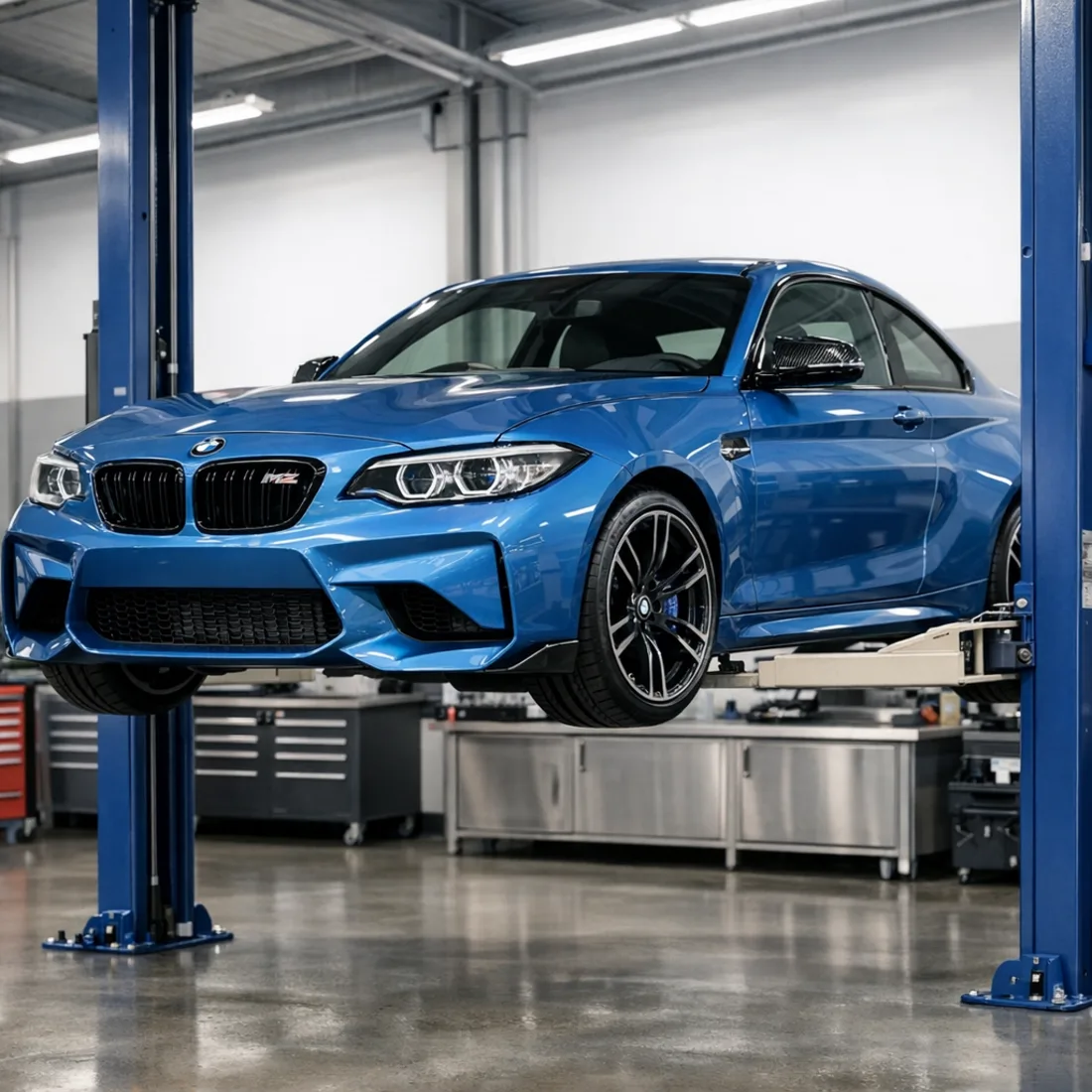
BMW M2 Competition F87: The S55-Engined Upgrade That Changed the Conversation
BMW didn't sit still with the F87. The M2 Competition arrived with what is effectively an S55-derived version of the N55B30T0, same 2,979 cc capacity and 10.2:1 compression ratio, same 84.0 mm bore and 89.6 mm stroke, but now producing 450 hp and 550 Nm. That's a substantial 80 hp step over the standard F87 M2, and the character of the car shifted noticeably with it. The Bosch MEVD17.2.G ECU is common to this generation, and the engine brings with it most of the same fault patterns as the standard N55 car but amplified somewhat by the higher output and the way Competition owners tend to use them.
Carbon build up on the intake valves is just as relevant here as it was on the standard F87, a direct consequence of the direct injection setup. Charge pipe cracking is arguably more likely given the higher boost pressures and the way these cars get driven. Oil consumption, VANOS solenoid wear, and oil filter housing gasket leaks all carry over directly. The crank hub is a discussion worth having before significant power modifications on any of these S55-family motors. And cooling system health matters more than ever at 450 hp; the system is working harder and the consequences of a failing pump or thermostat are more severe.
The practical difference between owning a standard F87 M2 and the Competition comes down to expectations: the Competition is closer to M4 territory in terms of how hard it works its drivetrain and cooling system, so the maintenance discipline needs to match.
-
Carbon build up on intake valves from direct injection
-
Charge pipe cracking under boost, more likely at higher outputs
-
Oil consumption, VANOS solenoid wear and oil filter housing gasket leaks
-
Crank hub worth discussing before significant power modifications
-
Cooling system pump and thermostat under increased stress at 450 hp
On the tuning side, Stage 1 on the Competition takes the car to around 500 hp and 680 Nm, a 50 hp and 130 Nm gain that transforms the already rapid street feel.
DTC removal, pop and bang mapping, start/stop deletion, Vmax adjustment and decat mapping are all available options.
We use ISTA and Rheingold through an ICOM or ICOM NEXT interface for diagnosis and coding, which means we can properly identify the car's calibration before touching anything.
The Competition is closer to M4 territory in terms of how hard it works its drivetrain and cooling system. Our car servicing for this model matches that reality with correct grade oil, short intervals and a full inspection of the items known to cause problems.
BMW M4 F82: The S55 Twin Turbo That Replaced the V8 and Made New Problems
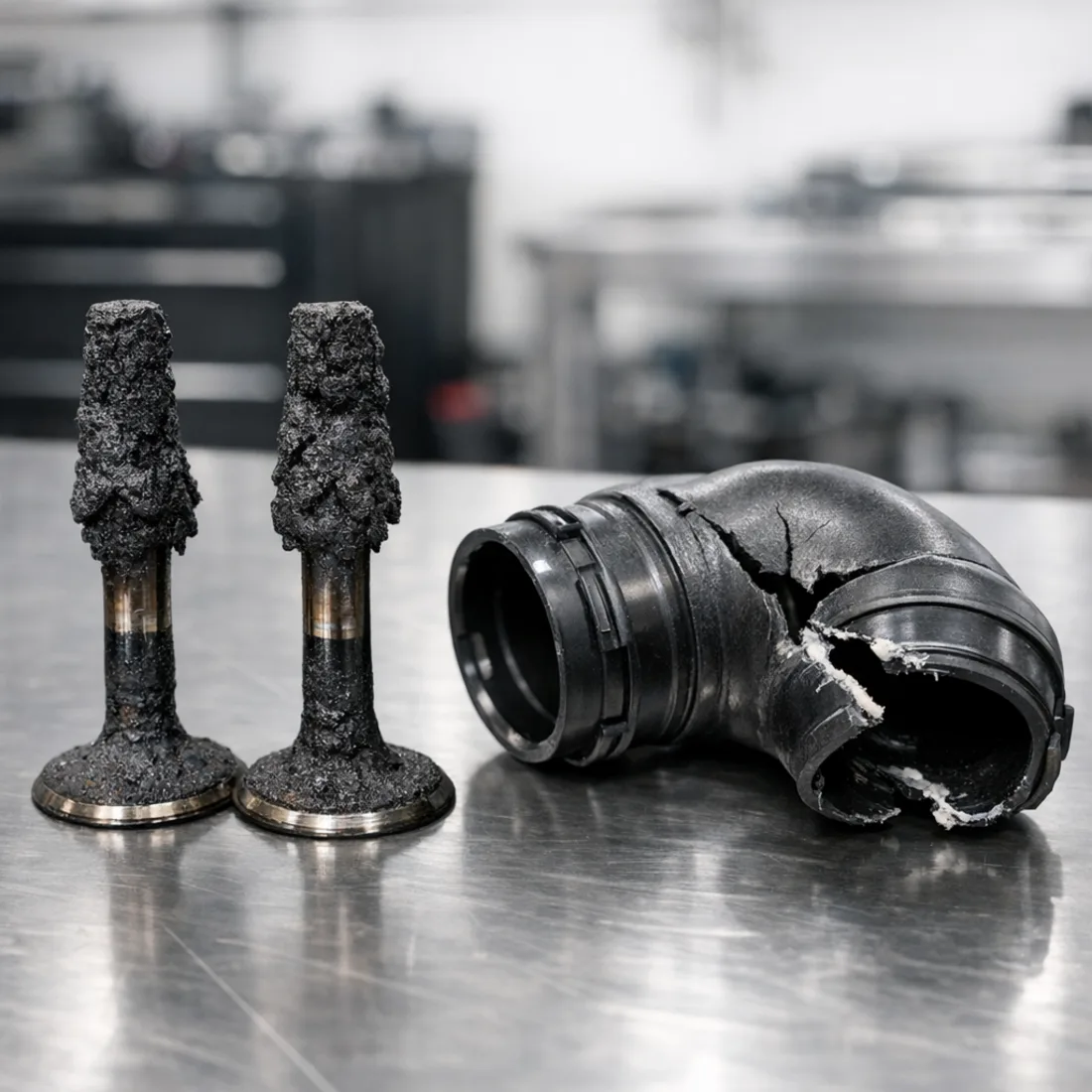
The F82 M4 arrived as the spiritual successor to the E90 M3, which was always going to be a difficult transition. Replacing a naturally aspirated V8 with a twin turbo 3.0 litre S55 straight six producing 431 hp and 550 Nm made sense on paper, and on the road the F82 is genuinely fast. But the S55 brought a new set of concerns that the S65 never had, and some of them became well known within a few years of the car launching. If you're shopping the F82 used, knowing what to look for is essential.
The charge pipe is probably the most talked about F82 fault. The factory plastic pipe can split under boost, and it often does so without warning at the worst possible moment. Many owners and workshops replace it with an aluminium unit as a matter of course. The crank hub is more significant: on the S55, the hub can slip and throw the timing out, which is catastrophic if it goes unnoticed. It's worth checking on any higher mileage F82, and absolutely worth discussing before a tuned car is pushed harder. Carbon build up on the intake valves is a direct injection reality here just as it was on the N55, and walnut blasting periodically keeps the intake clean. Oil consumption and rod bearing wear are also things experienced F82 owners keep an eye on.
-
Charge pipe splitting under boost, plastic factory unit is the weak link
-
Crank hub slipping on higher mileage or tuned cars
-
Carbon build up on intake valves from direct injection
-
Oil consumption and rod bearing condition on harder used cars
-
DCT service on dual clutch equipped cars, or clutch wear on manual gearbox versions
Any F82 with a cracked charge pipe that went unnoticed for a while has potentially run lean under boost, which is worth investigating.
A Stage 1-tuned F82 that's had the charge pipe upgraded and the crank hub checked is actually a very compelling package.
We run ISTA and Rheingold through an ICOM or ICOM NEXT interface on these. The F82 uses Bosch MEVD17.2.G for the engine ECU and a Getrag DKG controller where the dual clutch gearbox is fitted, and both need proper factory level access rather than a generic scan tool.
Stage 1 tuning takes the S55 to around 500 hp and 680 Nm, a 69 hp and 130 Nm gain that's genuinely transformative on a car that already has strong mid range torque. Compared to the G82 that replaced it, the F82 is the rawer, more analogue feel, particularly with the manual gearbox option.
BMW M4 G82: The S58 Generation, More Power and Better Engineering
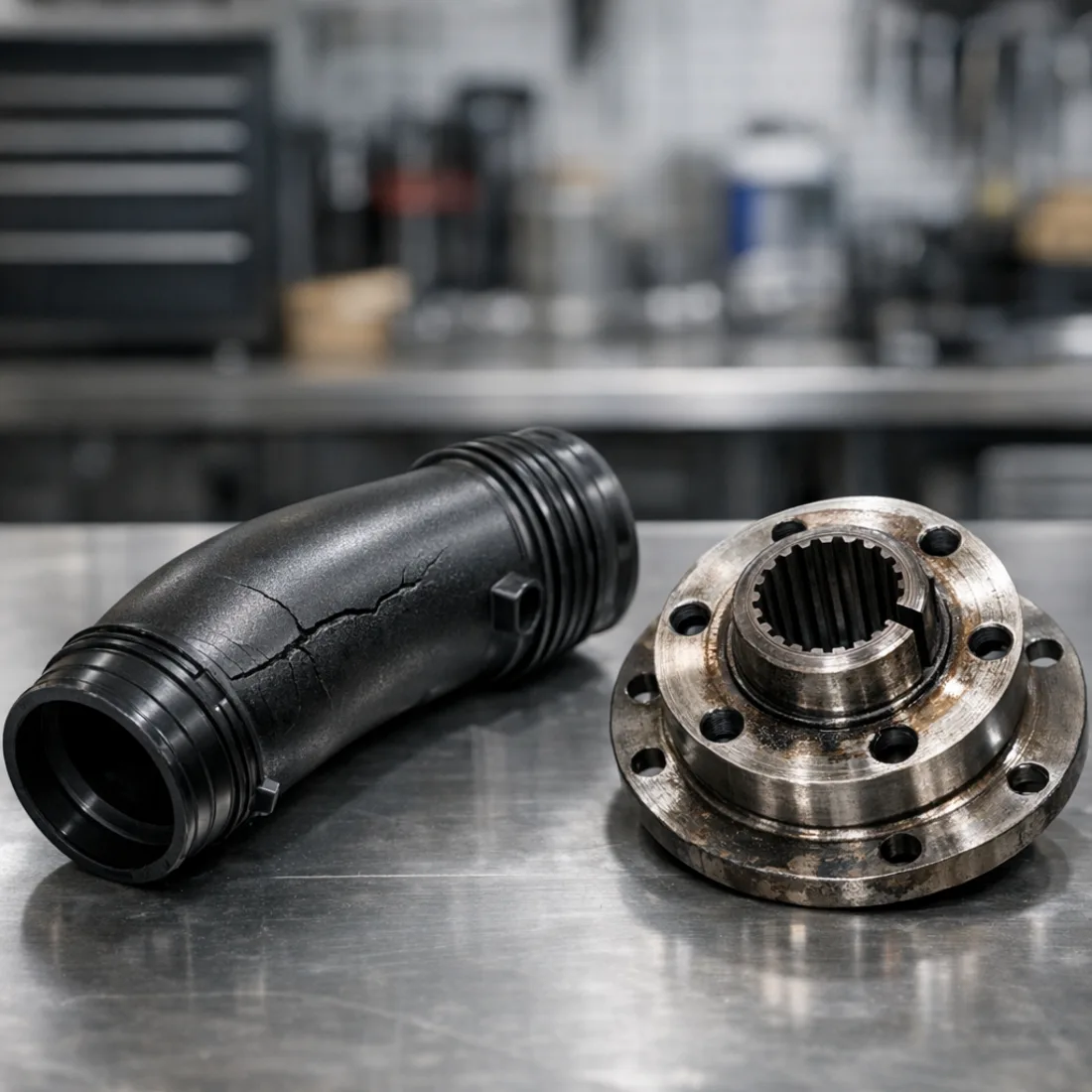
The G82 M4 is what happens when BMW takes the lessons of the F82 and builds something properly engineered around the high output twin turbo formula. The S58 3.0 litre twin turbo straight six produces 480 hp and 550 Nm in standard Competition trim, managed by a Bosch MG1CS049 ECU. The combined direct and port injection setup addresses the carbon build up issue that plagued the S55 and N55 generations, so walnut blasting is significantly less of a concern here. The charge pipe situation is also improved. But the S58 is not without its own demands.
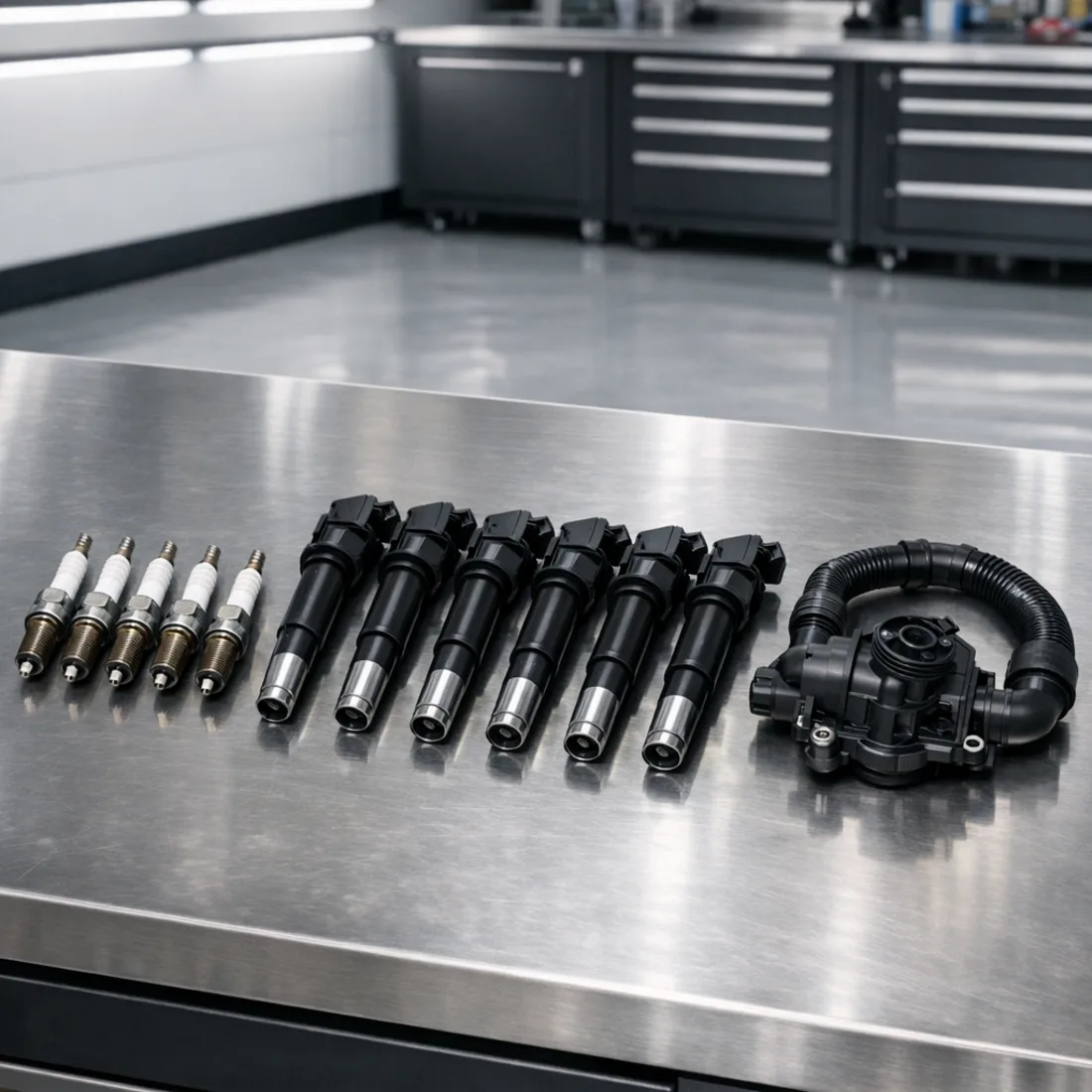
Heat management is the recurring theme with the S58. This engine works hard, and under sustained track use or in warm weather, the cooling and charge cooling systems are under real pressure. Oil quality and interval discipline matter more here than on any previous generation: the S58 turbos and bearings are asking a lot of the oil, and degraded lubricant shows up quickly. The high pressure fuel system and boost control are worth checking on any car that comes in running rough or down on power. Spark plugs and coil packs still wear under boost and need replacing on schedule, even though the carbon situation is improved compared to the S55. Crankcase ventilation behaviour is also worth monitoring on higher mileage cars.
Compared to the F82, the G82 is more refined, more electronically complex, and considerably more powerful at Stage 1. The S58 is genuinely a better engine than the S55 in almost every measurable way. What you give up is some of the rawness that made the F82 so engaging. For most owners that's a very easy trade.
-
Heat management under sustained track use, cooling and charge cooling under real pressure
-
Oil quality and interval discipline critical for S58 turbo bearings
-
High pressure fuel system and boost control worth checking on cars running rough or down on power
-
Spark plugs and coil packs wearing under boost, need replacing on schedule
-
Crankcase ventilation behaviour worth monitoring on higher mileage cars
Stage 1 tuning on the S58 is where this generation really separates itself: 640 hp and 800 Nm is achievable, a gain of 160 hp and 250 Nm over the factory output.
That's not a modest increment, that's a fundamentally different car.
We diagnose G82 M4s on ISTA and Rheingold through a genuine ICOM NEXT interface, giving us full access to the MG1CS049 and all supporting modules. This matters for coding, actuator tests and live data, none of which are possible with a generic scanner.
The M xDrive four wheel drive system on xDrive variants and the ZF eight speed gearbox both need to be serviced correctly to handle that kind of output reliably.
BMW M2 G87: The S58 in a Smaller Package, and Everything That Means
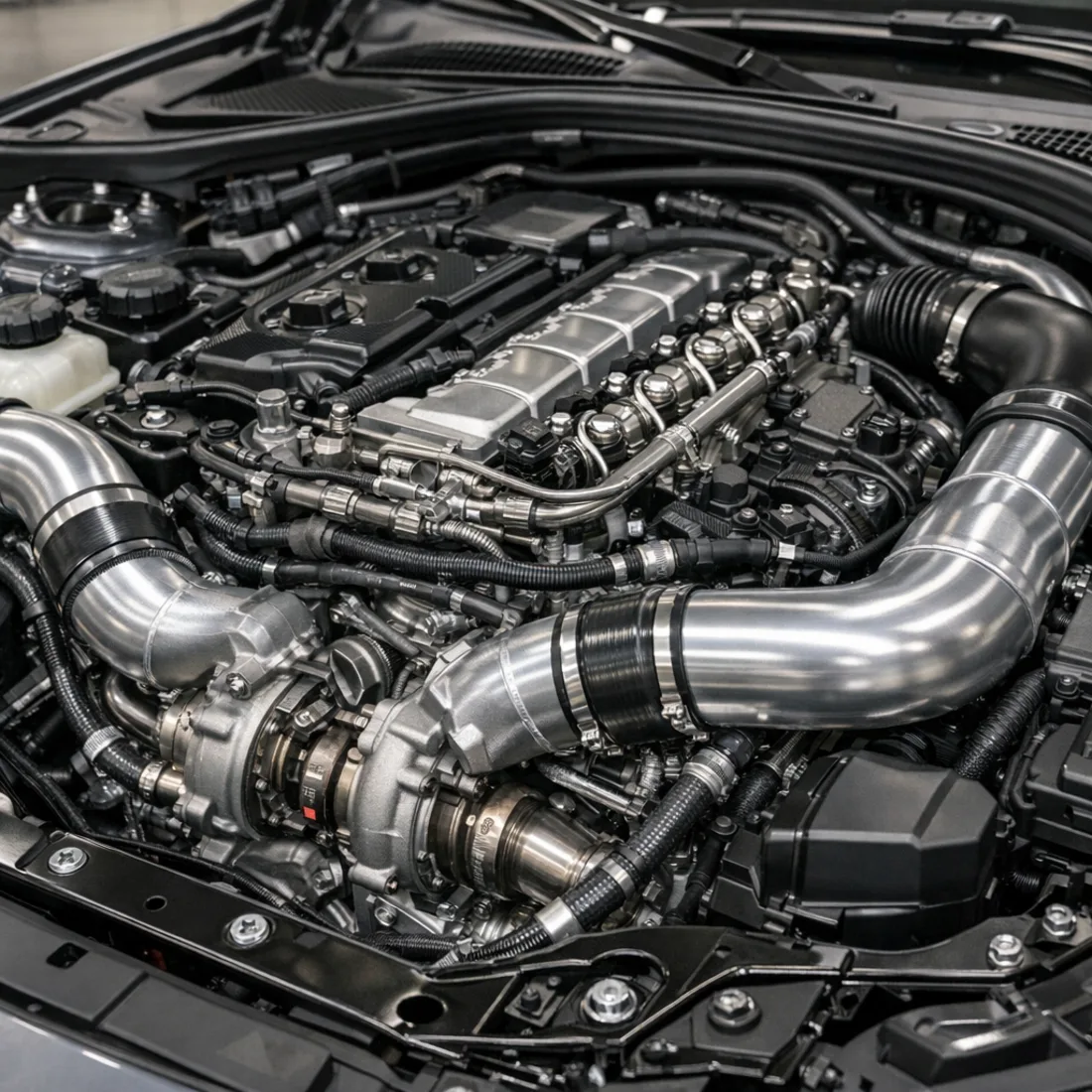
The G87 M2 takes the same S58 twin turbo straight six that powers the G82 M4 and puts it in a more compact, lighter body. The result is 460 hp and 550 Nm, managed by Bosch MG1CS024 and MG1CS049 ECUs alongside a ZF 8HP controller where the automatic gearbox is fitted. If you're wondering why the G87 outputs slightly less than the G82 M4 Competition, it's calibration and cooling management rather than any hardware limitation. The engine is essentially identical, which has significant implications for both the fault profile and the tuning potential.
Heat management under hard use is the primary concern with the G87. The S58 in this lighter, more focused body sees track use more frequently than many M4s, and the cooling system has to work accordingly. Oil consumption on some cars, high pressure fuel system integrity, and charge pipe condition are all worth checking, particularly on cars that have seen spirited driving. The S58's strength is that it doesn't have the charge pipe weakness of the S55 or the carbon build up of the N55, so the fault profile is cleaner, but the stakes of neglecting heat and oil management are higher given the outputs involved. Cooling system condition, oil quality, and spark plug intervals are the three priorities.
Between the G87 M2 and the G82 M4, the engine is the same story. The choice comes down to body style, driving character, and whether you want xDrive or are happy with rear drive. For tuning potential and driving engagement, the G87 in the right hands is arguably the pick of the current generation.
-
Heat management under hard track use, cooling system under constant pressure
-
Oil consumption on some cars, high quality oil critical for turbo and bearing protection
-
High pressure fuel system integrity worth checking on driven cars
-
Charge pipe condition worth inspecting on cars with spirited use
-
Spark plug intervals must be maintained given the power output
Stage 1 tuning on the G87 S58 takes the car to 640 hp and 800 Nm, a gain of 180 hp and 250 Nm, putting the G87 M2 squarely into supercar performance territory.
We use ISTA and Rheingold with a genuine ICOM NEXT interface for all diagnosis, coding and programming on the G87.
The car's electronics are as complex as any modern BMW M product, and proper factory level coding and programming access is the only way to work on it correctly.
Stage 1 tuning on the G87 S58 takes the car to 640 hp and 800 Nm, a gain of 180 hp and 250 Nm. That's actually a larger absolute gain than the G82 M4 Stage 1 because the starting point is slightly lower.
Shopping Used: How to Pick Between Generations
Every generation in this lineup has real strengths and real vulnerabilities. Here's the honest picture for someone standing in a car yard or scrolling Trade Me trying to work out which one makes sense.
You want the emotional choice and the naturally aspirated V8 experience. The S65 rod bearing situation is not a scare story; it's a real risk on any car with a stretched service history. If the car has documented short oil intervals and a bearing refresh in its history, it can be a wonderful long term ownership proposition. Without that history, budget for a bearing inspection before anything else.
You want the sweet spot for a used buy on a realistic budget. The faults are well understood, the parts are accessible, and Stage 1 tuning offers a meaningful gain without stressing the mechanicals. Look for oil leaks around the filter housing and valve cover, ask about charge pipe history, and check that the wastegate actuator isn't rattling. A clean N55 F87 with documented servicing is genuinely excellent value.
You want the N55 story with more outputs and more attitude. Apply the same inspection checklist as the standard F87, but be more rigorous about cooling system condition and crank hub discussion if the car has been tuned or tracked. The jump from standard F87 to Competition is real in terms of how hard the drivetrain has likely been worked.
You want the S55 twin turbo in M4 form. The charge pipe and crank hub issues mean a pre purchase inspection should specifically address both items. Any F82 with a cracked charge pipe that went unnoticed for a while has potentially run lean under boost. A Stage 1-tuned F82 that's had the charge pipe upgraded and the crank hub checked is actually a very compelling package.
The budget stretches to the newest and most expensive options. The S58 is a genuinely better engine than the S55. The combination of improved engineering and dramatic Stage 1 potential makes either a compelling ownership proposition. Just don't assume that newer means maintenance free; the S58 rewards the same disciplined servicing as everything else in this lineup.
- E90 M3: check for rod bearing history and documented short oil intervals before anything else
- E90 M3: ask about throttle actuator history and any limp mode events
- F87 M2: inspect for oil leaks at the filter housing and valve cover
- F87 M2: confirm charge pipe has not cracked and wastegate actuator is not rattling
- F87 M2 Competition: be more thorough about cooling system and crank hub condition
- F82 M4: specifically check charge pipe condition and crank hub on any higher mileage or tuned example
- F82 M4: inspect for carbon build up and request DCT or clutch service history
- G82 M4 / G87 M2: confirm oil interval discipline has been followed, short intervals are non negotiable on the S58
- All cars: verify service history with correct grade oil and genuine or OEM spec filters
- All turbocharged cars: inspect cooling system condition before purchase
Servicing Across the Family
Every car in this lineup benefits from the same fundamental discipline: correct grade oil, shorter than BMW suggested intervals, and a workshop that knows what it's looking at. The service interval lights on these cars are calibrated for average use. None of these cars see average use. We treat every M spec BMW as a short interval service car regardless of what the dash is saying.
Our car servicing for these models covers oil and filter with the correct grade for each engine, air filter, cabin filter, spark plugs on schedule, drive belts, wipers, and a full inspection of the items known to cause problems on each generation. Brake pads and rotors on all of these wear faster than on a standard road car, and our brake repairs service covers M spec sized rotors and performance pad compounds to match how the cars are driven. Suspension bushings and geometry matter more on a car that's been tracked or driven hard, and we handle alignment and suspension refresh across all generations.
For the DCT equipped F82 M4, the dual clutch transmission needs its own service schedule separate from the engine. The ZF eight speed in the G82 M4 and G87 M2 is a robust unit but not a lifetime fill gearbox regardless of what the manual implies. Clutch condition on manual variants, particularly the F87 and F82, is worth checking whenever the car comes in for anything else.
How We Diagnose These Cars
Every generation in this lineup has its own ECU architecture, and generic scan tools simply don't cover the depth of data these systems generate. We run BMW ISTA and Rheingold through a genuine ICOM NEXT interface as standard across all M spec BMWs. That gives us proper module access, live data streams, actuator testing, and the ability to code and program components correctly. It's the same platform BMW dealer technicians use, which matters when you're dealing with throttle actuator adaptations on the S65, VANOS calibration on the N55, or boost control logic on the S58.
For the F82 M4 with its Getrag DKG controller, we access both the engine ECU and gearbox controller as separate modules and cross reference their data. For the G87 M2 with its dual ECU setup, both the MG1CS024 and MG1CS049 are read together. Our car programming and coding capability means that when a part is replaced, the replacement is properly integrated rather than just physically fitted. On a modern M car, those two things are not the same.
Tuning Across the Generations
The tuning story across this lineup is essentially a story of how forced induction unlocks headroom that naturally aspirated engines can't offer. Every tune we do is road mapped, not a generic off the shelf file, and we retain all factory safety parameters in the calibration.
The S65 responds to tuning, but the gains are modest by nature; naturally aspirated means you're working with what the engine can breathe. Around 20 hp and 30 Nm are achievable with a clean remap. The real value is in DTC removal, pop and bang calibration, and Vmax adjustment. It's a refinement rather than a transformation.
The standard F87 picks up around 40 hp and 80 Nm at Stage 1, a solid gain on the stock turbo with no hardware changes required. Other available options include DTC removal, pop and bang mapping, start/stop deletion, Vmax adjustment and decat mapping.
The Competition gains 50 hp and 130 Nm to reach 500 hp and 680 Nm, a meaningful real world improvement on a car that already has strong character. DTC removal, pop and bang mapping, start/stop deletion, Vmax adjustment and decat mapping are all available alongside the base remap.
The S55 F82 M4 gains 69 hp and 130 Nm to reach 500 hp and 680 Nm at Stage 1, which transforms the already fast factory car into something genuinely quick by any standard.
The S58 was built with significant headroom, and Stage 1 accesses that headroom cleanly and reliably. The M xDrive and ZF eight speed both need to be serviced correctly to handle that kind of output reliably.
The G87 M2 achieves the largest absolute gain in the lineup at Stage 1, 180 hp and 250 Nm, putting the car squarely into supercar performance territory. That's because the starting point is slightly lower than the G82 M4, while the S58 hardware is identical.
A properly mapped Stage 1 tune on a well maintained car is safe and doesn't compromise reliability when done correctly. A tune applied to a car with worn bearings, a tired charge pipe, or marginal cooling is a different matter entirely, which is why we inspect before we tune. Submit your car's details through our file service to get started.
Frequently Asked Questions
The questions we get most. Something else on your mind? Get in touch.