BMW X1 Across the Generations: E84 and F48 Servicing, Repairs and Diagnostics in Penrose, Auckland
The BMW X1 has been one of the most popular compact SUVs on New Zealand roads since the E84 arrived in the early 2010s. Two generations, four main variants, and a clear evolution from rear wheel drive biased platform to a more modern front wheel drive architecture. Each generation brought genuine improvements, but each also brought its own set of quirks. If you own any version of the X1, this page is the honest picture of what to watch, what to fix, and how the generations compare.




BMW X1 E84 20d: The One with the Notorious Timing Chain
The E84 20d is the diesel that most New Zealand X1 owners know. Under the bonnet sits the N47D20C, a 1995cc four cylinder diesel running at 163hp and 380Nm from the factory. It's a genuinely capable engine when it's healthy. The problem is that "when it's healthy" does a lot of work in that sentence.
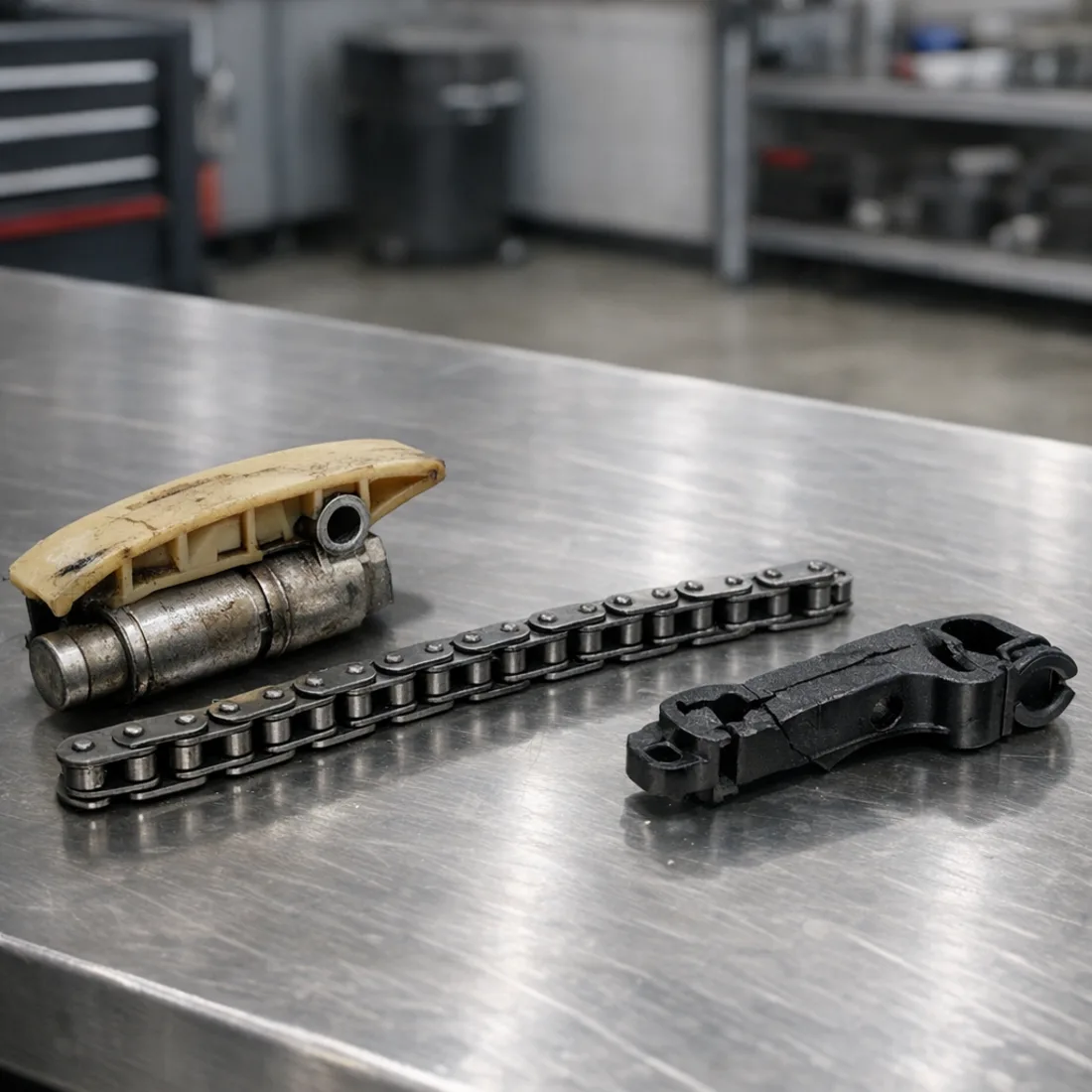
The N47 family has one of the worst known timing chain arrangements in the modern BMW catalogue. The chain sits at the rear of the engine, against the bulkhead. That means replacing it is a labour heavy job that involves dropping the subframe or pulling the engine, depending on the approach. It is not a scare tactic. It's just the reality of the design. The chain and its guides wear over time, and the first sign is a rattle on cold start coming from the back of the block. If you hear that, stop driving and get it looked at. Chains that let go cause major engine damage.
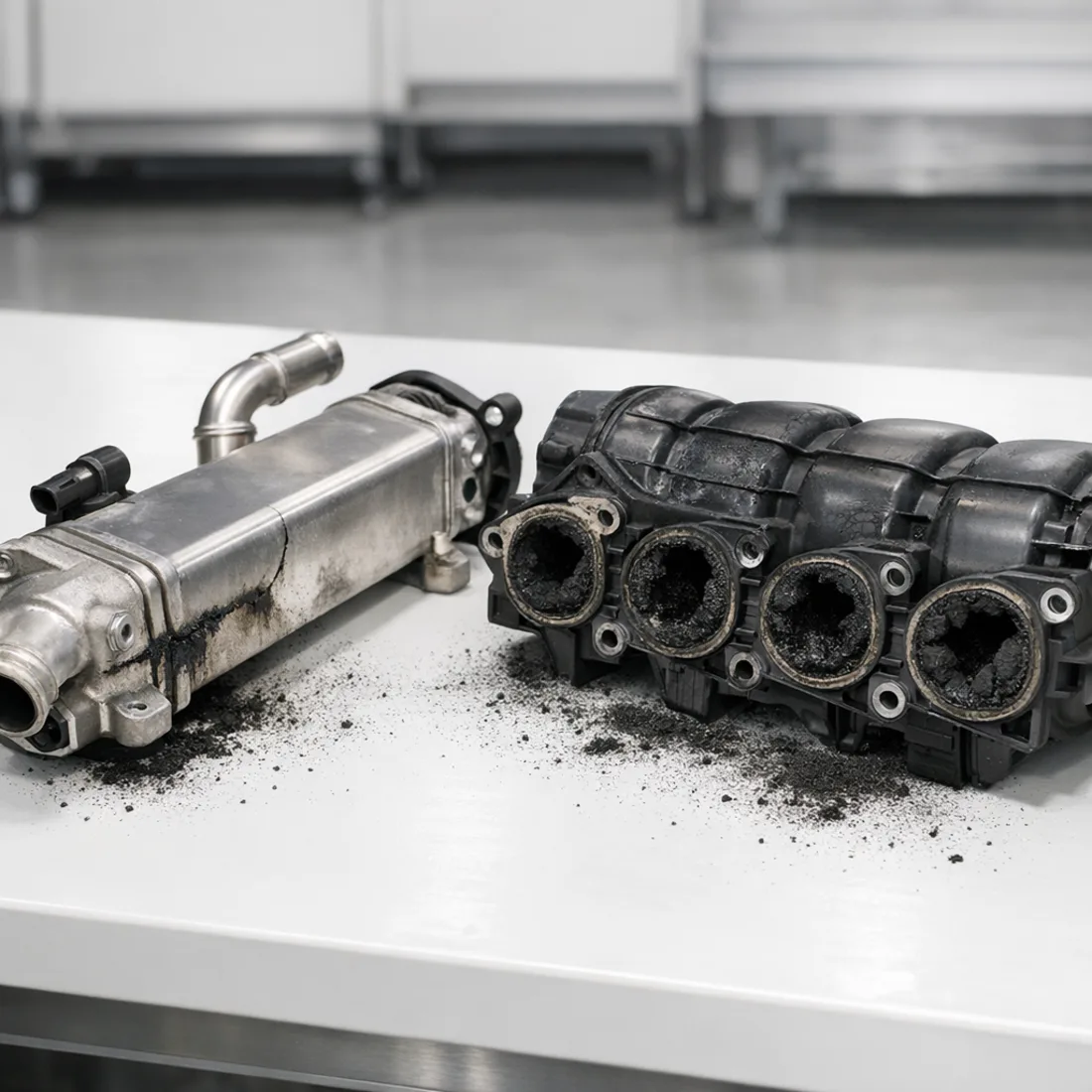
Beyond the chain, the EGR valve and cooler carbon up over time, which is standard diesel territory. The intake swirl flaps are another weak point, and a stuck or failed flap will throw fault codes and affect running. DPF clogging is also common on any E84 20d used mainly for short urban trips, because the regen cycles need a decent run to complete properly.
The ECU on this car is a Bosch EDC17 platform running an 1800 bar common rail system. We tune these with a Stage 1 remap that lifts output to 220hp and 440Nm, a gain of 57hp and 60Nm. That's a meaningful step up in real world response, particularly on the motorway where the stock tune feels restrained.
-
Timing chain and guide wear (rear of engine, rattle on cold start)
-
EGR valve and EGR cooler carbon build up
-
Intake swirl flap failure or sticking
-
DPF clogging on short trip cars
-
Suspension arms and bush wear
-
Glow plug failure on high mileage examples
The chain sits at the rear of the engine, against the bulkhead.
If you hear a cold start rattle from the back of the block, stop driving and get it looked at.
Routine service on the E84 20d means the correct low SAPS diesel oil and filter, air filter, fuel filter, cabin filter, drive belts and wipers. We also cover brake pads and rotors, wheel speed sensors and other electrical sensors. For the bigger jobs: timing chain replacement, DPF and EGR cleaning or replacement, glow plugs, clutch work, and suspension components. All parts we fit are brand new genuine or OEM spec.
Get your X1 booked in with a proper specialist in Penrose.
BMW X1 E84 2.0i: Same Body, Different Problem Set
The petrol E84 sits alongside the diesel in the same body but tells a different mechanical story. The N20B20A is a 1995cc turbocharged four cylinder petrol making 184hp and 270Nm. It's a more refined daily driver than the 20d in stop start traffic, and it's genuinely quick with the turbo in its power band. But it brought its own set of known issues that any used buyer should understand.
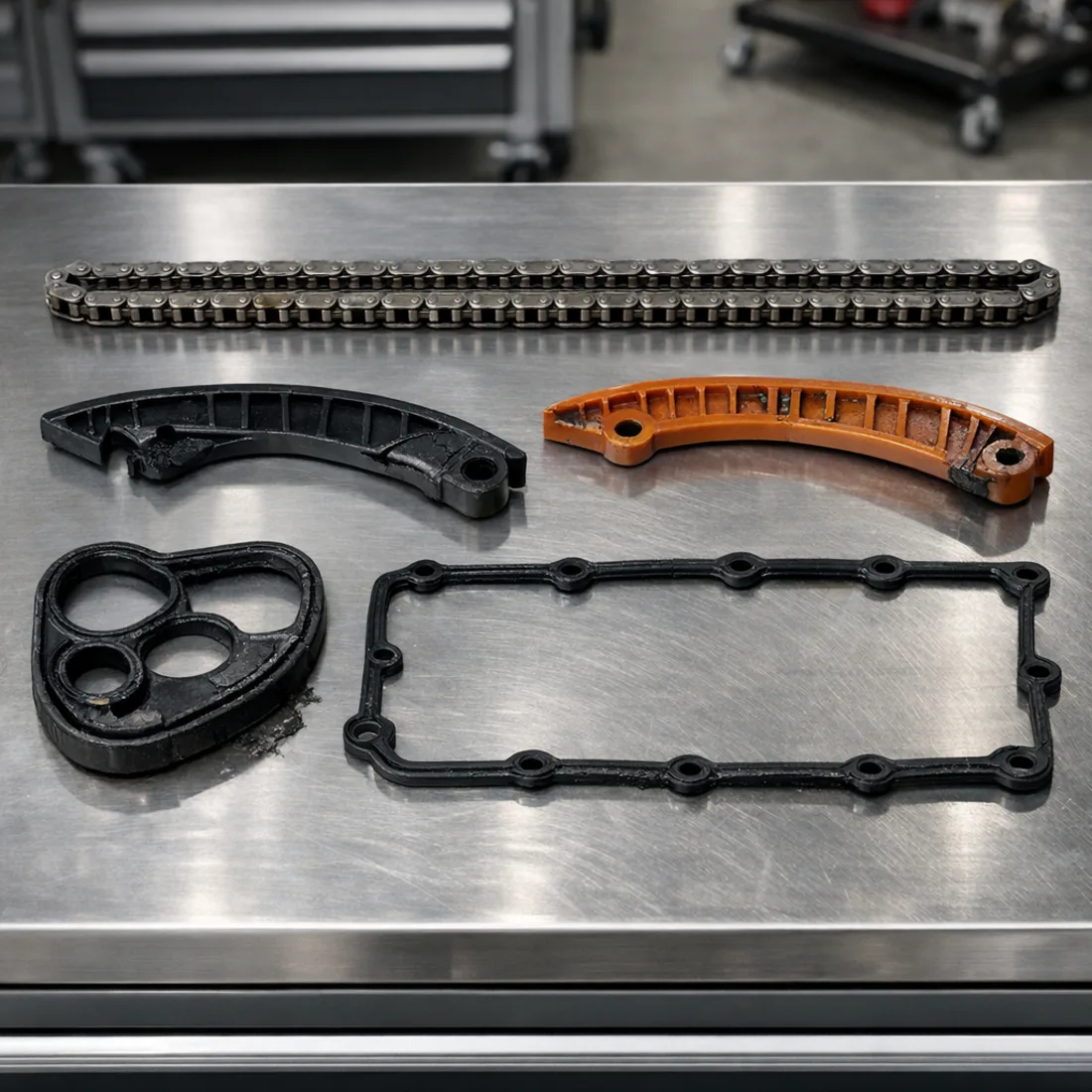
Earlier N20 engines have a timing chain issue that mirrors the N47 diesel in concept but differs in severity. The chain and tensioner guides on the earlier builds can wear and cause that familiar cold start rattle. It's less catastrophic than the N47 in most cases but still a real repair if it's left. Listen for the rattle and check the service history for evidence of chain work. If there's no record and the mileage is up there, budget for it.
Direct injection on the N20 means intake valve carbon build up is a known service item. Unlike port injection engines, the injectors spray fuel directly into the cylinder rather than over the valves, so oil vapour from the PCV system bakes onto the back of the valves over time. The fix is walnut blasting, a proper workshop procedure that removes the deposits and restores flow. We've done plenty of these on the E84 2.0i.
Oil leaks are common from two specific spots: the valve cover gasket and the oil filter housing gasket. Neither is catastrophic on its own, but left long enough either one will make a mess and start affecting oil levels. Coolant leaks, water pump and thermostat failures also appear on higher mileage examples.
The ECU is a Bosch MEVD17 platform. Stage 1 tuning on this car delivers 260hp and 420Nm, a gain of 76hp and 150Nm over stock. That's a significant transformation for a car that already feels punchy.
-
Timing chain and guide wear on earlier N20 builds (cold start rattle)
-
Intake valve carbon build up from direct injection (walnut blast required)
-
Valve cover gasket and oil filter housing gasket leaks
-
Water pump and thermostat failure
-
Coolant leaks from hoses and housing connections
-
Ignition coil failures on higher mileage cars
The fix is walnut blasting, a proper workshop procedure that removes the deposits and restores flow.
It's a legitimate service item on high mileage N20 engines, not an upsell.
Routine service on the E84 2.0i includes oil and filter with the correct BMW approved grade, air filter, cabin filter, spark plugs, ignition coils, drive belt, brake pads and rotors. The bigger jobs worth quoting are timing chain and guides, water pump, thermostat, intake carbon cleaning, and any oil leak rectification. We handle all of those in house.
BMW X1 F48 xDrive20d: A Bigger, Better X1 with a Better Diesel
The F48 generation launched as a noticeably bigger car than the E84. More interior space, a proper all wheel drive xDrive system on the 20d variant, and BMW's newer B47 diesel under the bonnet. The B47C20B is the same 1995cc displacement as the N47 it replaced, with the same bore and stroke figures, but it's a fundamentally better engine in terms of refinement and reliability. That said, it's not without its own known issues.
Timing chain wear is still worth monitoring on the B47, though the design improvement over the N47 is real. The chain is no longer buried at the back of the engine, which makes any future work far less painful. If you hear a rattle on cold start on an F48 xDrive20d, it still warrants attention, but the prognosis isn't as immediately alarming as it would be on the older N47.
EGR cooler faults and intake carbon build up are the more typical ongoing complaints on the B47. The EGR system recirculates exhaust gas back through the intake, and over time the cooler bakes up with deposits. This causes elevated intake temperatures, rough running, and fault codes. DPF clogging remains a factor on F48 xDrive20d cars used mainly around town. Swirl flap issues and occasional turbo actuator faults also show up on these cars.
Stock output is 190hp and 400Nm. Stage 1 tuning takes it to 220hp and 440Nm. That's a more modest percentage gain than you get on the E84 20d, but it's a meaningful torque improvement that makes the daily drive feel more effortless. The ECU platform is Bosch EDC17 or MD1 depending on build date, and we calibrate accordingly.
Compared to the E84 20d it replaced, the F48 xDrive20d is the better car to live with. The chassis is more refined, the diesel is improved, and the xDrive system is more sophisticated. If you're coming from the E84, the step up is immediately noticeable.
-
EGR cooler fouling and intake carbon build up
-
DPF clogging on short trip cars
-
Swirl flap faults and turbo actuator issues
-
Timing chain wear on higher mileage examples
-
AdBlue and NOx system faults where fitted
-
Suspension arm and bush wear
The B47 moved the timing chain to the front of the engine, which addresses the N47's biggest structural weakness.
As an everyday diesel it's a genuine step forward from the N47.
Routine work we sell on this vehicle includes oil and filter with the correct BMW approved long life grade, air filter, fuel filter, cabin filter, wipers and drive belts. Being a diesel it needs glow plug checks, plus attention to brake pads and rotors, suspension arms and bushes, and sensors around the DPF and EGR. We also handle DPF cleaning, EGR work, AdBlue system faults where fitted, clutch or transmission service, and Stage 1 tuning for more torque.
BMW X1 F48 sDrive16d: The Three Cylinder That Shouldn't Be Dismissed
Three cylinders in a compact SUV sounds like a compromise on paper. In reality, the B37 diesel in the sDrive16d is a more capable unit than most people expect. At 1496cc it's significantly smaller than the 2.0 litre diesel, but it makes 116hp and 270Nm, and the torque arrives low in the rev range where it counts in everyday driving. Fuel economy is the headline reason to choose this variant, and it delivers.
The off beat idle note is just the character of a three cylinder. It's normal, and you get used to it quickly. What's not normal is when the warning lights appear, the DPF regen cycles start stretching out, or the throttle response softens off boost. Those are the fault patterns that bring sDrive16d cars into our workshop.
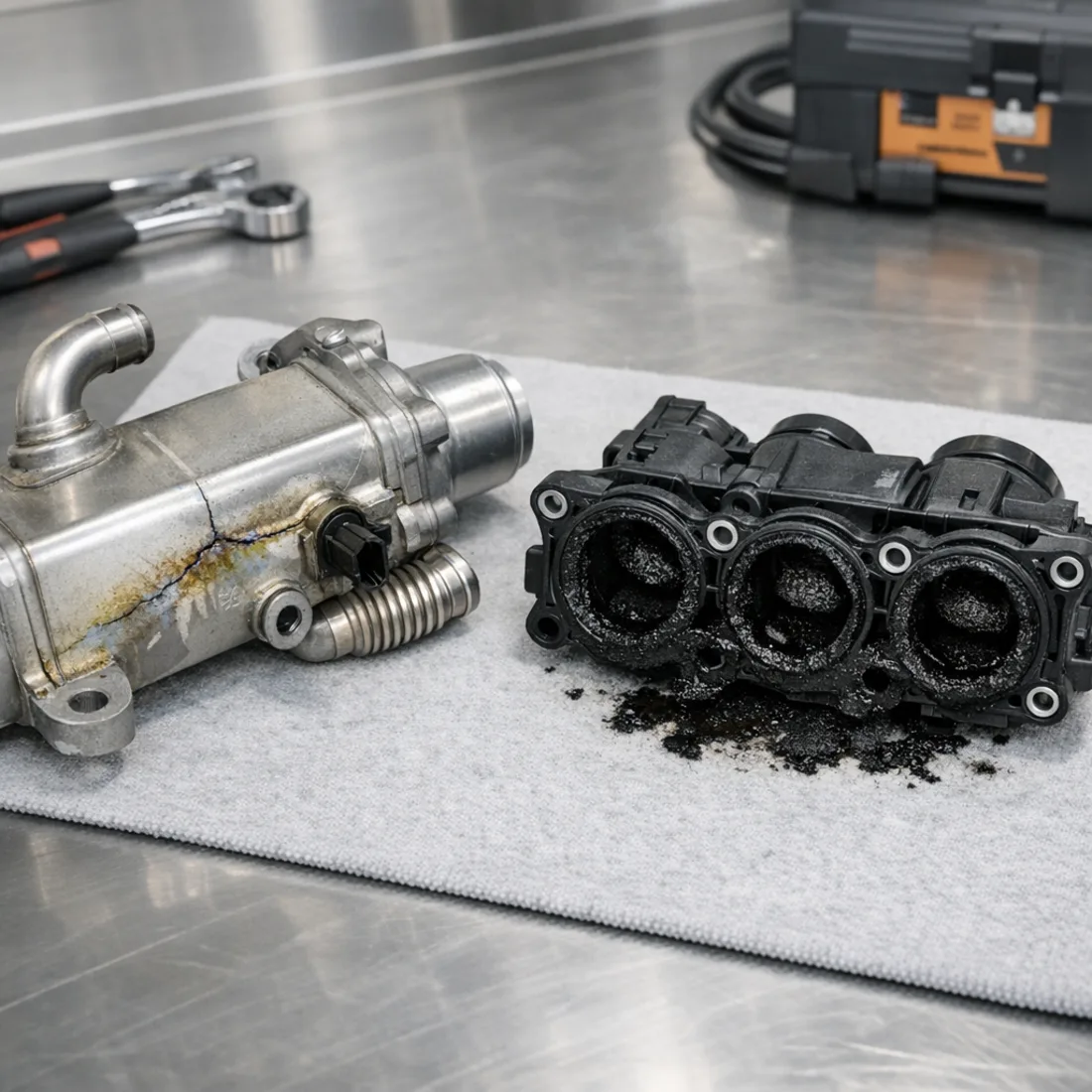
The B37 shares its fundamental architecture and bore/stroke dimensions with the B47 four cylinder, so many of the same fault patterns apply. EGR cooler fouling, intake swirl flap carbon build up, and DPF clogging from short trip use are the regulars. On later Euro 6 examples, AdBlue and NOx sensor faults also appear, and the system needs proper diagnosis rather than guesswork. Timing chain wear is worth monitoring on higher mileage examples, consistent with the rest of the B series diesel family.
Stage 1 tuning on the B37 takes output from 116hp and 270Nm to 150hp and 330Nm. That's a gain of 34hp and 60Nm, which transforms the drivability of what can otherwise feel a little breathless on the open road. Compared to the xDrive20d, the sDrive16d is the more economical and lighter choice, but you give up all wheel drive and outright performance. For urban Auckland use, the sDrive16d is a very sensible pick.
The ECU is Bosch EDC17C50 or MD1 depending on build, and we use factory BMW ISTA with an ICOM or ICOM NEXT interface for all diagnostic work on this car. A generic scan tool misses too much of the module network on these F48s to be useful for anything beyond reading basic codes.
-
EGR cooler fouling and intake swirl flap carbon build up
-
DPF clogging on short trip cars
-
AdBlue and NOx sensor faults on Euro 6 examples
-
Timing chain wear on higher mileage examples
-
Suspension arms, bushes and sensor wear
The Stage 1 tune transforms the drivability of what can otherwise feel a little breathless on the open road.
A gain of 34hp and 60Nm from 116hp and 270Nm to 150hp and 330Nm.
Routine work includes oil and filter with the correct BMW low SAPS diesel grade, air filter, fuel filter, cabin filter, wipers and drive belts. Being diesel it runs glow plugs rather than spark plugs, and we cover brake pads and rotors, suspension arms and bushes, and sensor replacement. Bigger jobs worth quoting are timing chain work, clutch on the manual, DPF and EGR cleaning or replacement, AdBlue faults, plus a Stage 1 tune for better low end response.
Picking the Right X1: Which Generation and Variant Suits You?
If you're shopping for a used X1, understanding where each variant sits helps you spend your money wisely. Here's the honest comparison.
The budget entry point. Prices are lower, but verify the N47 timing chain history. If the chain is good or has been replaced, it's a capable daily driver, particularly with a Stage 1 tune to sharpen the power delivery. Get a pre purchase inspection that specifically checks chain condition and listens for cold start rattle.
You prefer petrol, do fewer long highway runs, and want a more refined idle. The N20 chain issue is real on earlier builds but less dramatic than the N47. Check for chain noise, look for oil leaks at the valve cover and oil filter housing, and ask about intake carbon cleaning history. The tuning headroom is impressive with 76hp on offer from a Stage 1 remap.
The sweet spot for most buyers. It's a newer, larger, and more refined car. The B47 diesel is a genuine improvement over the N47. xDrive all wheel drive is standard, which matters in a New Zealand winter. The fault patterns are more manageable, and the platform is better supported by modern diagnostic and tuning tools. Pay a bit more upfront and you'll spend less time worrying about it.
You're a city commuter who wants the lowest running costs possible. No all wheel drive, a modest power output, but excellent fuel economy and a surprisingly relaxed driving experience for Auckland traffic. Just make sure any AdBlue system faults have been properly resolved on the Euro 6 cars, not masked.
- Listen for cold start rattle from the rear of the engine on any E84 20d (N47 timing chain)
- Check service history for timing chain work on both E84 variants before buying
- Look for oil leaks at the valve cover and oil filter housing on the E84 2.0i petrol
- Ask about intake carbon cleaning history on the N20 direct injection petrol
- Check DPF soot loading and regen history on all diesel variants
- Verify AdBlue system fault history on Euro 6 F48 sDrive16d examples
- Inspect suspension arms, bushes and wheel bearings on high mileage examples
- Confirm coolant condition and water pump integrity on the E84 2.0i
Servicing the X1 Family: What's Common Across All Generations
Despite the generational jump from E84 to F48 and the mix of petrol and diesel variants, there's a lot of common ground in how we service and maintain these cars. All of them benefit from proper scheduled vehicle servicing using the correct oil grade for the specific engine. The diesels need a low SAPS spec oil and the correct diesel rated filter. The petrol N20 needs a BMW approved petrol grade. Getting this wrong shortens chain life and affects DPF performance on the diesels.
Across the whole X1 family, regular service items include engine oil and filter (correct grade per engine, not a generic substitute), air filter, fuel filter on diesels, and cabin filter, drive belt and tensioner inspection and replacement, brake pads and rotors front and rear, spark plugs and ignition coils on the E84 2.0i petrol, glow plugs on all diesel variants, suspension arms, bushes and wheel bearing inspection, and coolant condition and cooling system integrity check. For brake servicing across the E84 and F48, the hardware varies between variants and build years, so we always confirm correct fitment before ordering. All parts we fit are brand new genuine or OEM specification.
How We Diagnose the X1: Factory Tools, Not Guesswork
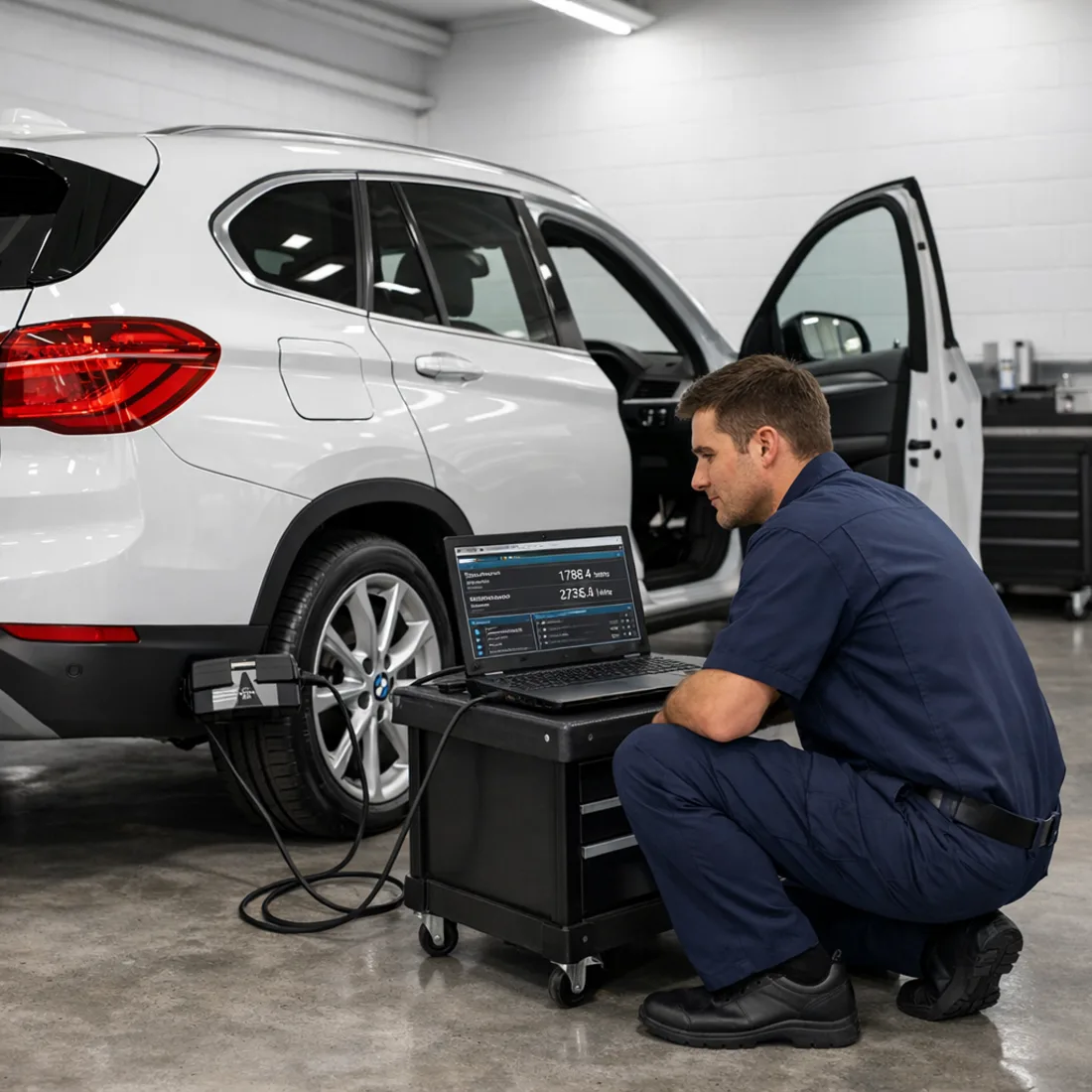
Every X1 that comes into our workshop, whether it's an E84 or an F48, gets diagnosed using the BMW ISTA and Rheingold factory diagnostic platform connected via a genuine ICOM or ICOM NEXT interface. This is the same tooling BMW dealerships use.
Generic scan tools read basic OBD fault codes but miss the deeper module network on these cars. The X1 runs multiple control modules beyond just the engine ECU, including the transmission, chassis systems, and body electronics. ISTA reads all of them, shows live data streams, and accesses service functions like DPF forced regeneration, adaptation resets, and coding procedures. When we say we diagnose it properly, that's what we mean.
For coding and programming work, such as retrofitting options, resetting adaptations after repairs, or programming replacement control modules, the factory platform is the only tool that handles this reliably on the E84 and F48 X1. Our team covers this as part of BMW car programming and coding work across both generations.
Tuning Options Across the X1 Range
All four X1 variants covered on this page have Stage 1 tuning available from our workshop. The E84 2.0i petrol shows the most dramatic percentage gains, and the transformation in real world response is significant. The F48 xDrive20d gains are more modest in percentage terms but very worthwhile in torque, which is where you feel it most in an all wheel drive SUV. The sDrive16d tune addresses what many owners find to be a slightly breathless feel on open roads. All tuning is calibrated to the specific ECU variant of your car. We don't use off the shelf generic files.
A meaningful step up in real world response, particularly on the motorway where the stock tune feels restrained. The Bosch EDC17 platform running an 1800 bar common rail system is well suited to Stage 1 calibration. Related work available includes EGR OFF, DPF OFF, DTC Removal, Pop and Bang Crackle map, START/STOP OFF, FLAPS, Vmax and AdBlue.
A significant transformation for a car that already feels punchy. The Bosch MEVD17 platform responds very well to calibration and the gains are the largest of any X1 variant on this page. Related work available includes DTC Removal, Pop and Bang Crackle map, START/STOP OFF, DECAT, FLAPS and Vmax.
A more modest percentage gain than the E84 20d, but it's a meaningful torque improvement that makes the daily drive feel more effortless. The ECU platform is Bosch EDC17 or MD1 depending on build date, and we calibrate accordingly. Related work available includes EGR OFF, DPF OFF, DTC Removal and START/STOP OFF.
Transforms the drivability of what can otherwise feel a little breathless on the open road. The gain in low end torque is particularly noticeable in everyday Auckland driving. ECU is Bosch EDC17C50 or MD1 depending on build. Related work available includes EGR OFF, DPF OFF, DTC Removal and START/STOP OFF.
All tuning files are written specifically to your car's ECU variant. If you want to explore what's possible before booking, take a look at our ECU file service options.
Frequently Asked Questions
The questions we get most. Something else on your mind? Get in touch.