BMW 320d, 335d and 335i E90: Service, Diagnostics and Tuning in Penrose
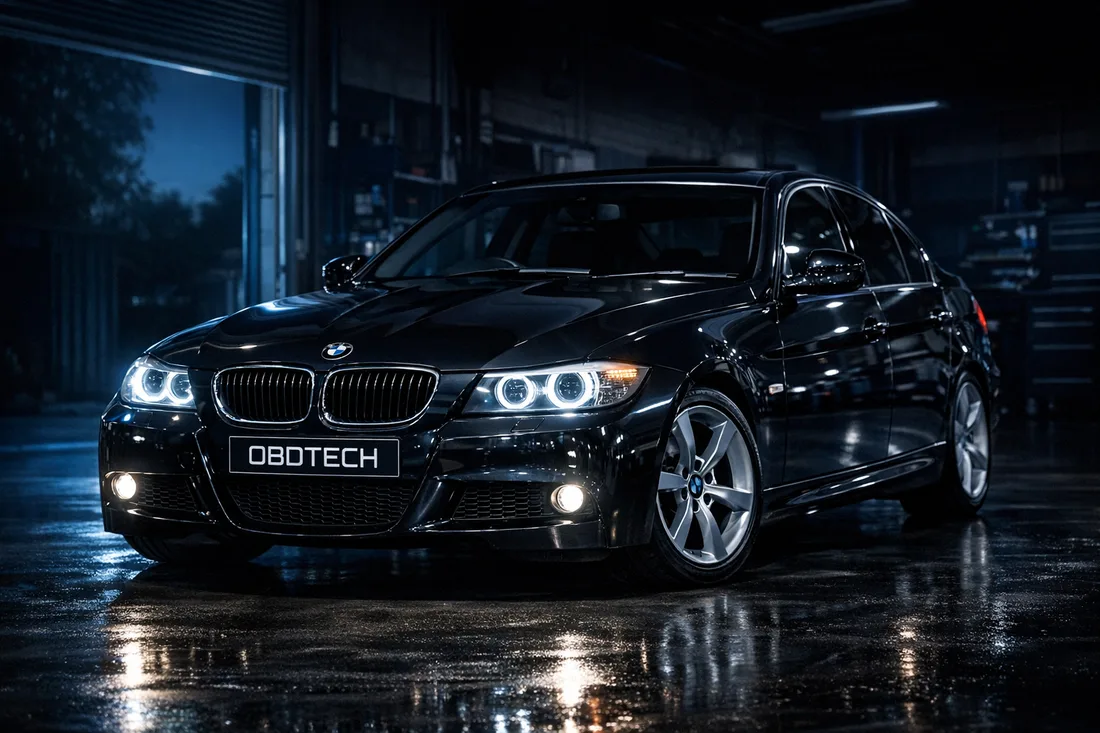
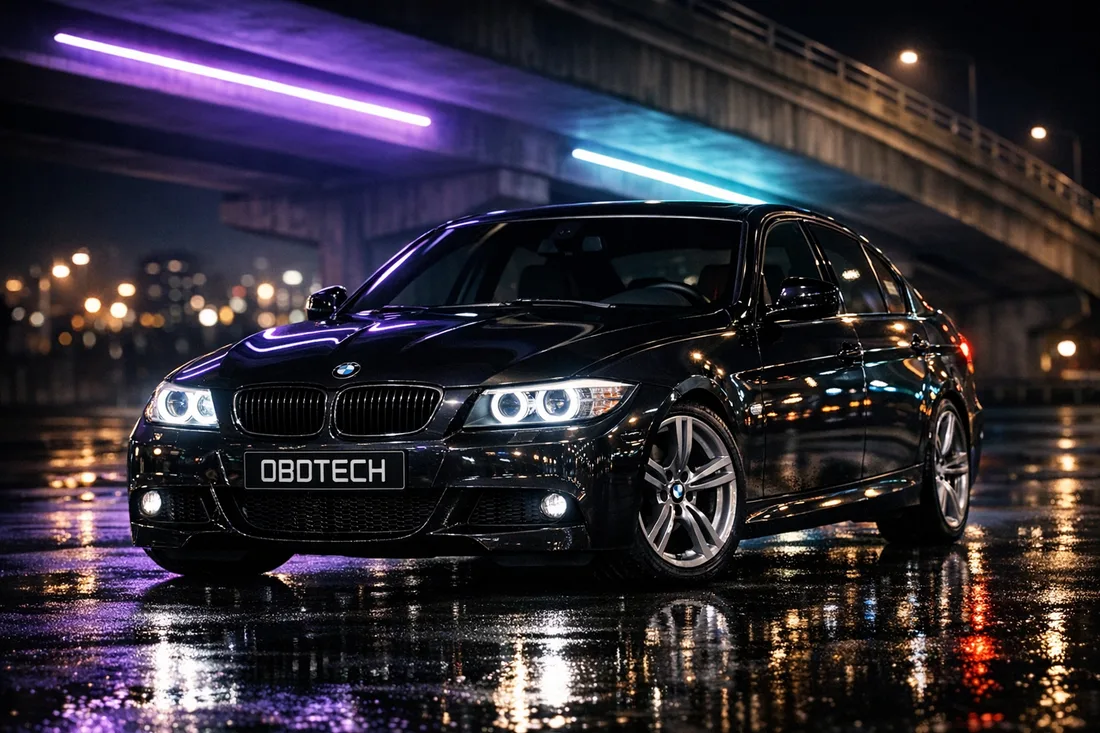
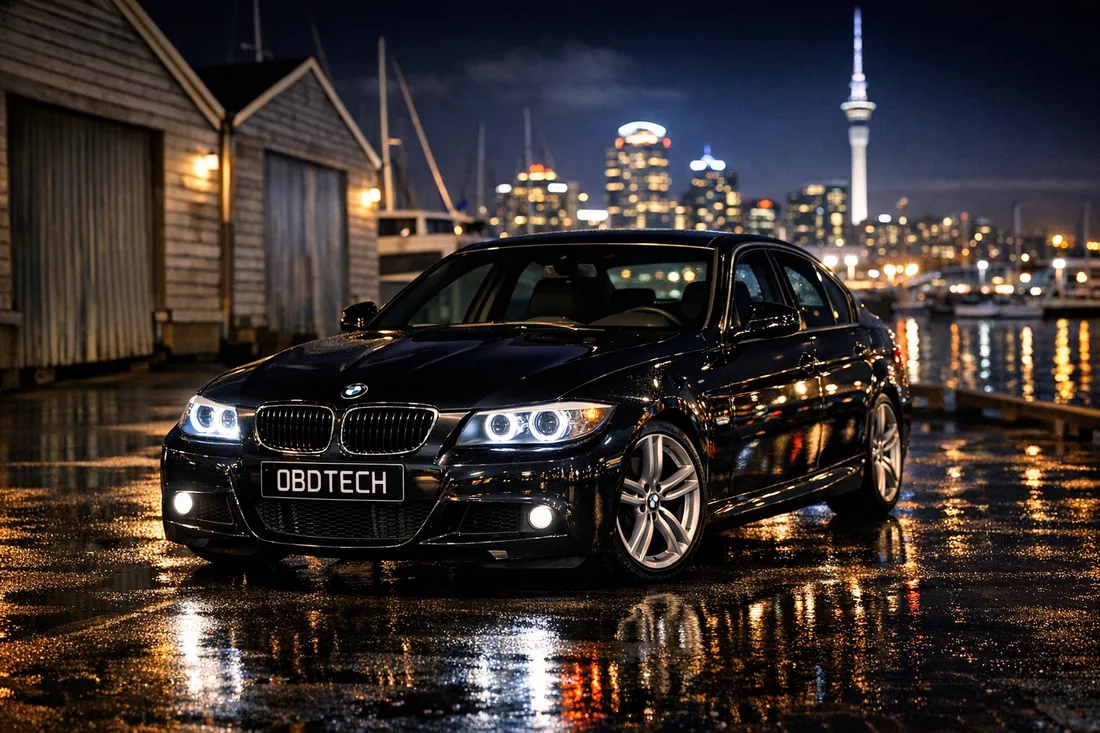
The E90 3 Series is one of the most rewarding chassis BMW ever built, and it came with three very different powertrains that each tell their own story. From the frugal and willing 320d four cylinder diesel, through the freight train torque of the twin turbo 335d, to the petrol twin scroll 335i that makes a loophole of everyday motoring, these cars reward owners who understand them and quietly punish those who don't. We've had all three on the hoist more times than we can count, and the patterns are consistent enough to give you the real picture across the whole family.
The Everyday Diesel That Bites When Ignored
The 320d is the volume seller of the E90 range and, on paper, the sensible choice. The M47TUD20 two litre four cylinder pushes out 150 hp and 330 Nm at the flywheel, sips diesel on the motorway, and handles Auckland traffic without drama. The ECU is a Bosch EDC16C31 or EDC16C35 depending on build date, and it's a well mapped, capable unit. But this engine has some very specific habits that crop up predictably as kilometres climb, and knowing them before you buy, or before your service is due, can save you real money.
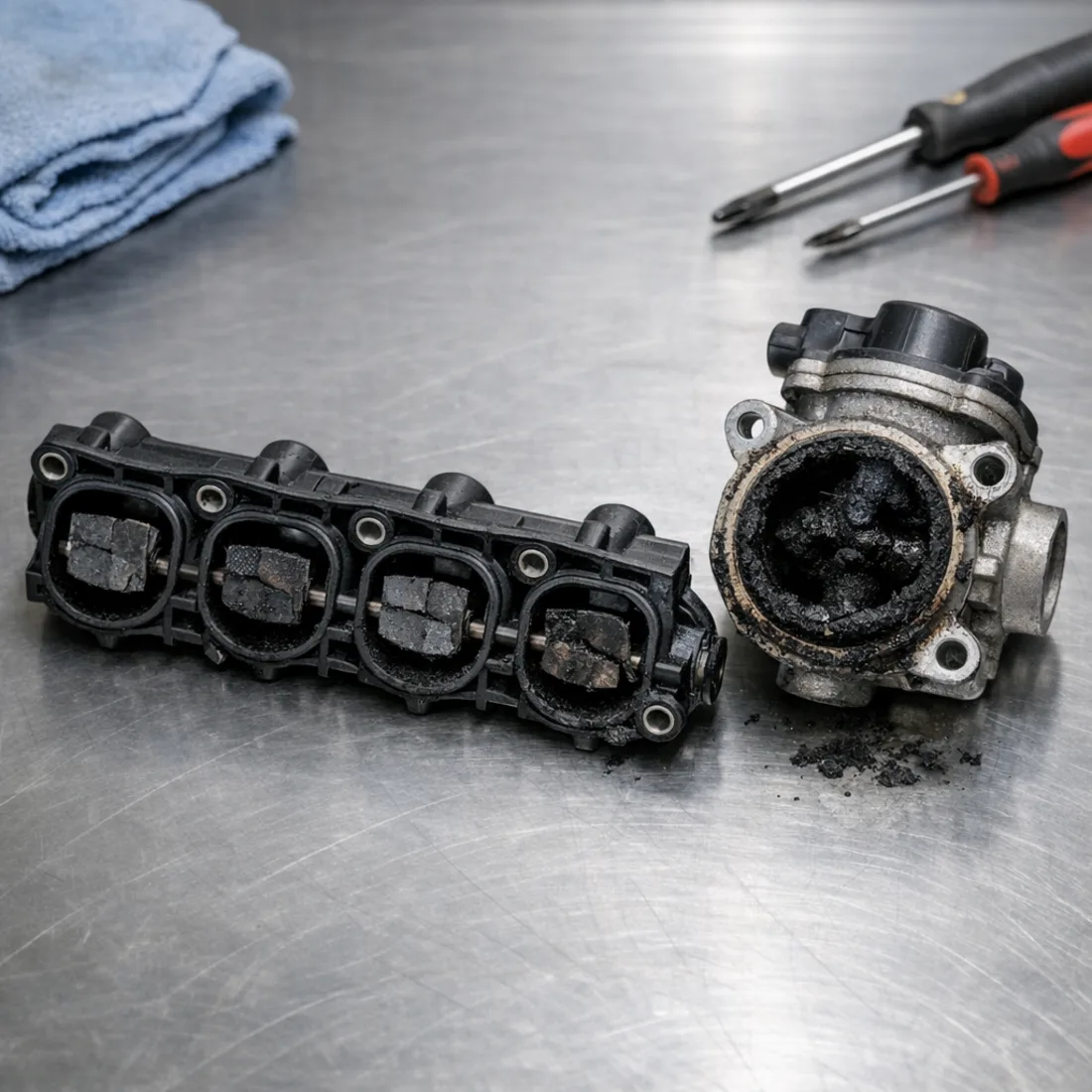
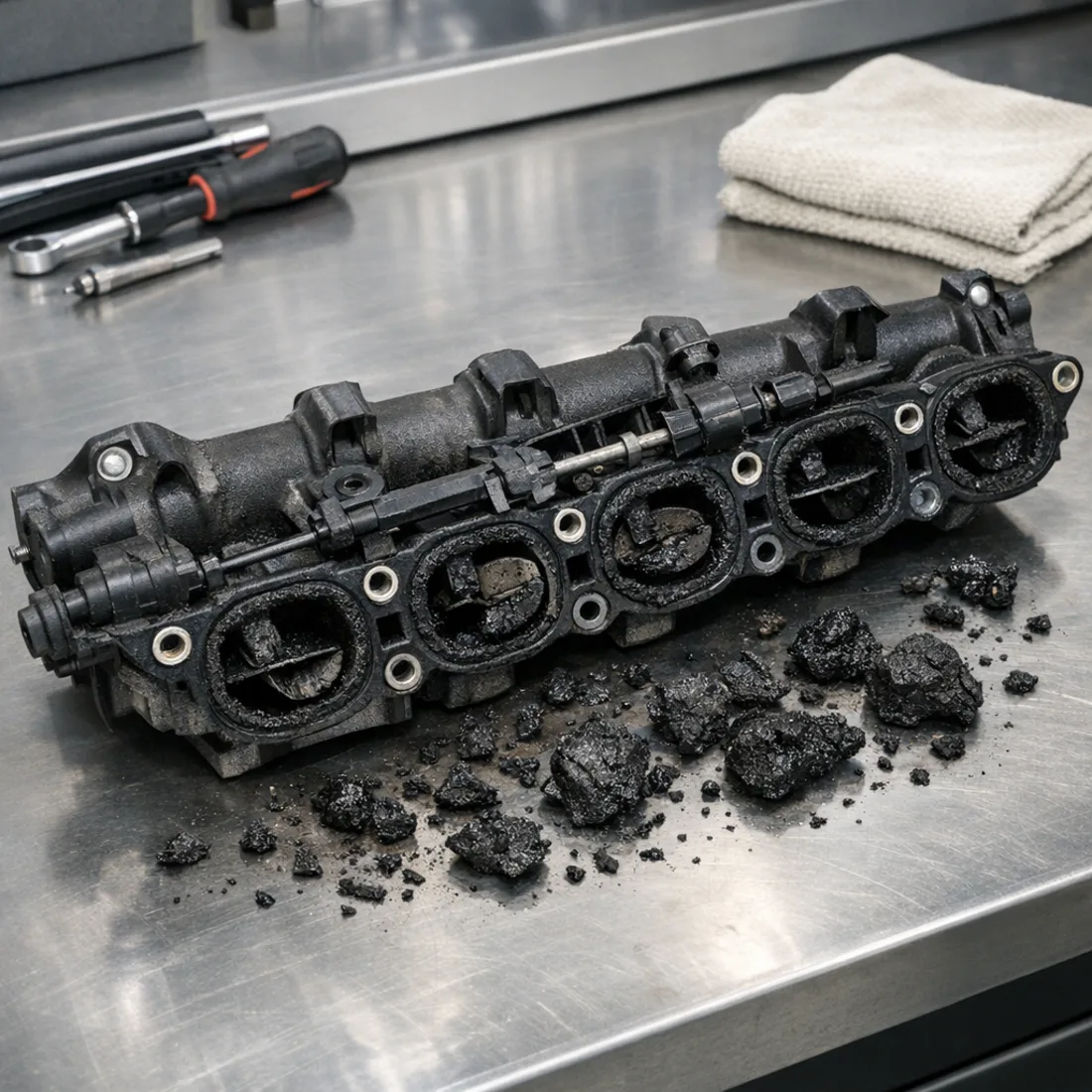
The single biggest issue we see on the 320d is swirl flap failure. The intake manifold on this engine runs plastic swirl flaps to improve combustion at low loads, and when those flaps wear or the actuator seizes, they can break and get ingested into the engine. That's not a small repair. We inspect and address the swirl flap system every time one of these comes in with any kind of rough running complaint, because catching it early is the whole game. The EGR valve and cooler are the other consistent culprit: soot buildup causes rough idle, hesitation and warning lights, and cars used mostly for short suburban trips get hit hardest because the DPF never gets a proper regeneration cycle either.
Timing on the M47TUD20 is chain driven from the flywheel end, which is good news for longevity, but the tensioner and guides do wear on higher mileage cars. A rattle on cold start that clears once oil pressure builds is the warning sign. Glow plugs and turbo boost issues also come up on older examples, and none of these faults are expensive if you catch them at the right time.
-
Swirl flap wear and actuator seizure, risk of ingestion damage
-
EGR valve and cooler clogging, rough idle and warning lights
-
DPF blockage on cars used for short trips
-
Timing chain tensioner and guide wear, cold start rattle
-
Glow plug failure, especially in winter
-
Turbo boost problems on higher mileage examples
Catching the swirl flap system early is the whole game on the 320d.
When those flaps wear or the actuator seizes, they can break and get ingested into the engine. That's not a small repair.
Routine service on the 320d means the correct grade oil and filter, air filter, fuel filter, cabin filter, wipers and drive belts on schedule. Brake pads and rotors, EGR and DPF cleaning, swirl flap inspection, and suspension checks round out what a proper service interval looks like on this car. If you're coming from any kind of generic service history, it's worth treating the next visit as a reset.
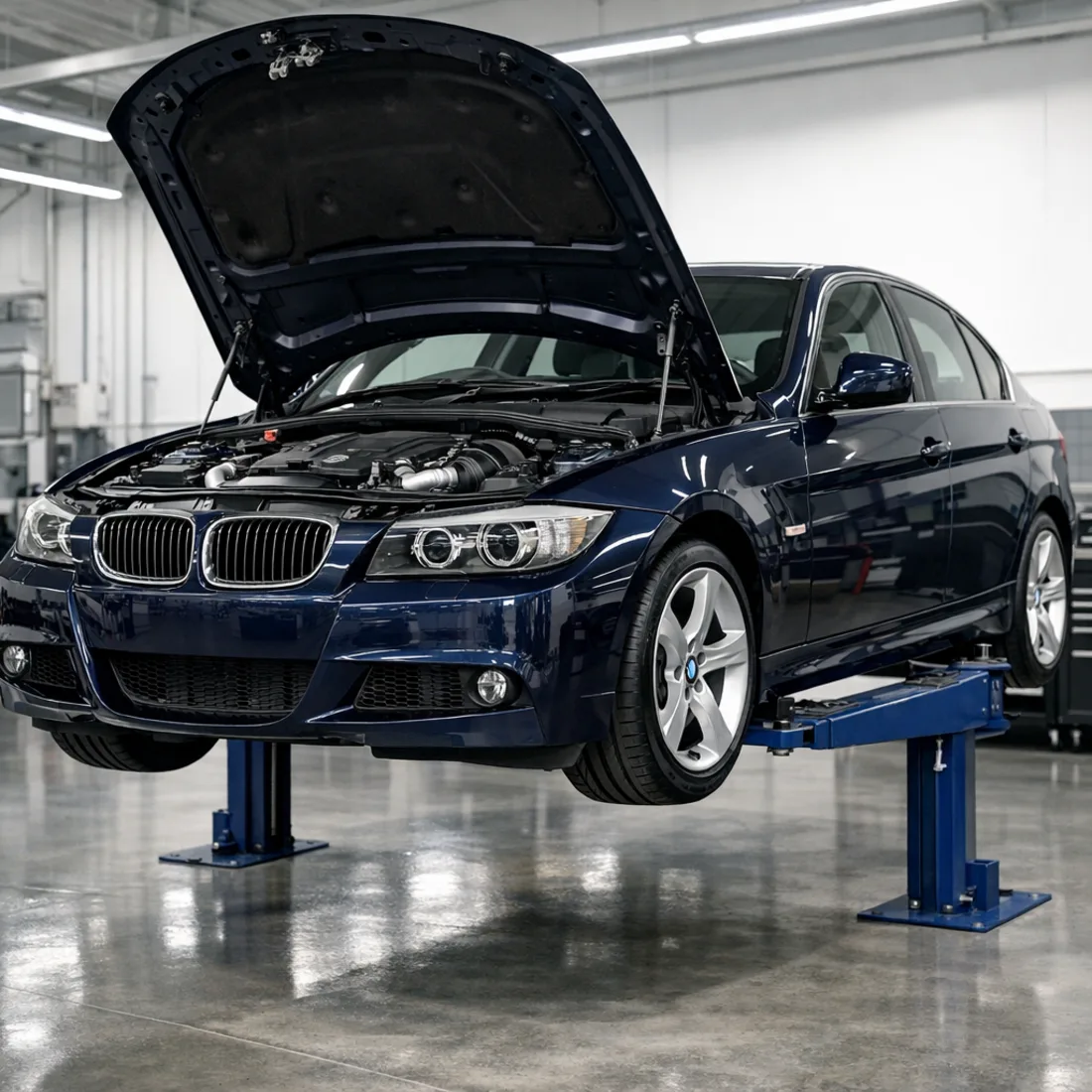
Get your E90 booked in with a workshop that uses proper BMW tooling.
When BMW Built a Diesel That Drives Like a Muscle Car
If the 320d is the sensible diesel, the 335d is the one that makes no sense at all in the best possible way. The 306D5 is a 3.0-litre straight six twin turbo diesel with 286 hp and 580 Nm. It uses a sequential turbo arrangement, with a smaller unit for low end response handing off to a larger one at higher revs, and the result is a car that genuinely surprises people who don't know what they're looking at. That drivetrain complexity is also where most of the ownership challenges live.
The swirl flap problem the 320d has? The 335d has it too, and with more cylinders and more airflow, the consequences of a flap failure are correspondingly serious. The vacuum controlled actuators for the sequential turbo system are another point of failure: they can stick or fail, causing inconsistent boost delivery and sluggish performance that the driver might chalk up to age. We inspect the entire intake and turbo actuation setup as a matter of course on any 335d that comes in for a diagnosis.
Carbon buildup in the intake ports and on the EGR is heavy on these engines, particularly if the car has been used a lot around town. A cracked EGR cooler is something to watch for specifically on the 335d, because it leads to coolant loss that can be subtle at first and expensive later. The DPF follows the same pattern as the smaller diesel: short trips equal blocked filters equal warning lights.
-
Swirl flap failure and intake carbon buildup
-
Sequential turbo vacuum actuator sticking or failing
-
EGR cooler cracking and coolant loss
-
DPF blockage, particularly on low mileage suburban use
-
Glow plugs and drive belt condition on higher mileage cars
-
Timing chain condition worth checking during any major service
A hundred Newton metres of additional torque on a car that already pulls like a train is a significant thing to experience.
The sequential turbo setup responds extremely well to a proper calibration, and the result is a car that no longer needs to apologise for being a diesel.
The 335d is a step up in complexity from the 320d, and its ECU, either a Bosch EDC16CP35 or EDC17CP09, needs factory level tooling to read properly. Routine servicing mirrors the smaller diesel in most respects: correct BMW approved diesel grade oil, air filter, fuel filter, cabin filter, glow plugs and belts on interval. Clutch or auto gearbox service is worth adding to the list on any car with serious kilometres, and the suspension on E90s of this age generally benefits from a bush and arm inspection.
The Petrol Six That Does Everything
The 335i is a different proposition entirely. Forget the diesel comparisons: the N55B30A is a 3.0-litre twin scroll turbocharged petrol inline six making 306 hp and 400 Nm, and it replaced BMW's earlier twin turbo N54 with a cleaner, more refined setup. The ECU is either a Bosch MEVD17.2 or a Siemens/Continental MSD81, and the engine is direct injected, which changes the servicing picture in ways that matter.
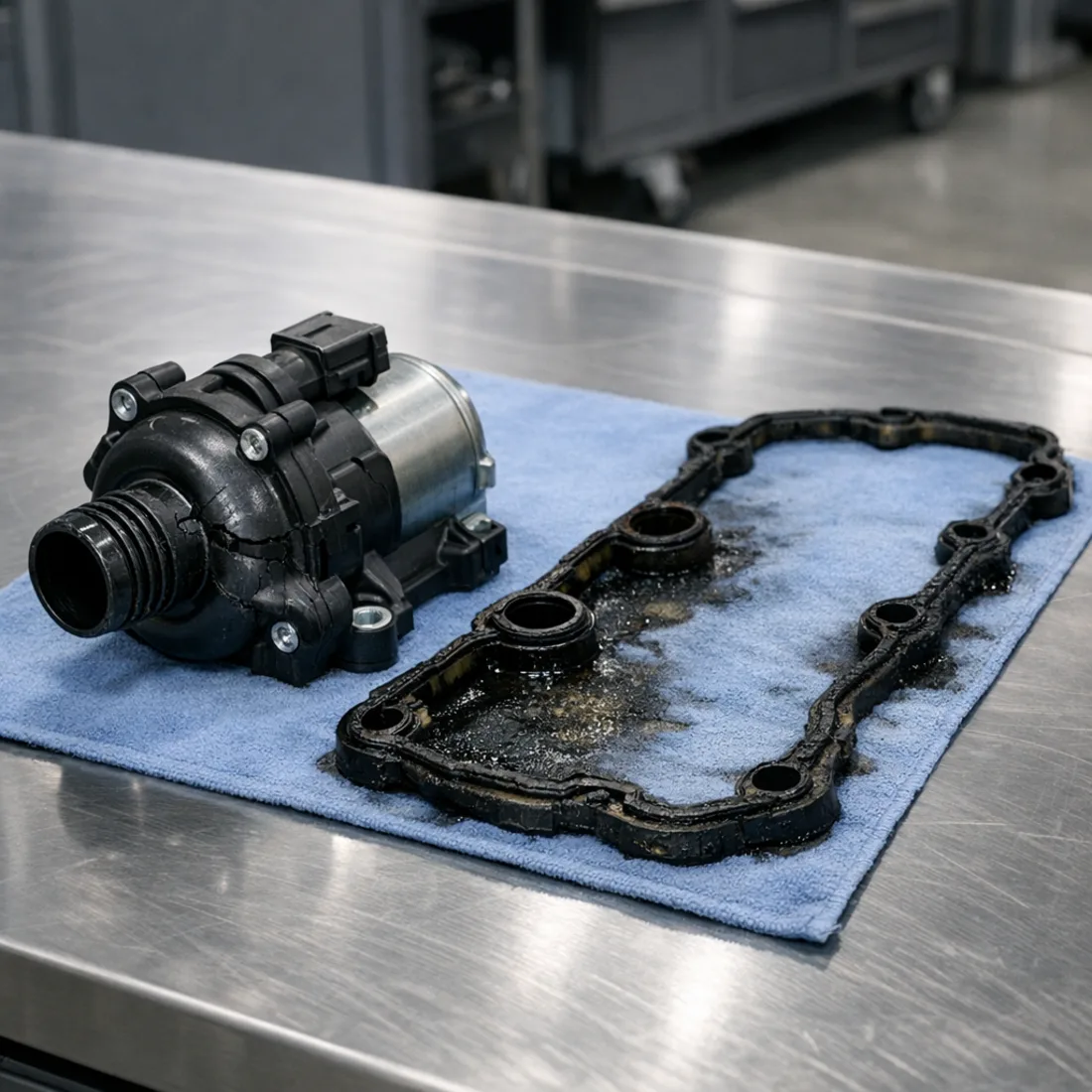
The N55 is a fundamentally strong engine, but there are recurring faults that show up on any car with real kilometres. The electric water pump is the most common one: it's a plastic impeller unit that fails without warning and can cause rapid overheating. The thermostat tends to go around similar mileage. Neither part is expensive on its own, but an overheated N55 gets expensive fast, so staying ahead of the cooling system is non negotiable. We replace both with genuine OEM parts when we do this job.
VANOS solenoid faults, oil filter housing gasket leaks and valve cover gasket weeping are all common on higher mileage N55s, and they often show up together. Carbon buildup on the intake valves is the one that catches direct injection petrol owners off guard: because there's no fuel washing the valves on each cycle, soot accumulates until airflow is genuinely restricted. Walnut blasting is the proper fix, and it makes a real difference to how the engine pulls. Charge pipe cracking under boost and timing chain rattle are the other two things to check on any car above a hundred thousand kilometres.
-
Electric water pump and thermostat failure
-
VANOS solenoid faults causing rough idle or hesitation
-
Oil filter housing gasket and valve cover gasket leaks
-
Intake valve carbon buildup from direct injection
-
Charge pipe cracking under boost pressure
-
Timing chain and wastegate rattle on higher mileage examples
An overheated N55 gets expensive fast, so staying ahead of the cooling system is non negotiable.
We replace the water pump and thermostat as a pair with genuine OEM parts when we do this job.
Service on the N55 means BMW LL-01 grade oil, air filter, cabin filter, and fresh spark plugs and ignition coils on the correct interval. This engine is sensitive to plug condition: worn plugs show up as misfires and reduced power before any warning light appears. Bigger service work worth budgeting for on a used purchase includes a cooling system overhaul, walnut blast of the intake valves, VANOS and gasket repairs, brake pads and rotors, and a suspension refresh if the car's been on Auckland roads for the better part of a decade.
Picking Between Them: Which E90 Makes Sense Used?
All three of these cars are good, and all three reward the same basic thing: a buyer who knows what they're looking at and a workshop that uses proper tooling. But they suit different owners and different use cases, and the price gap on the used market is significant enough to think carefully about.
You want the easiest daily. Lower purchase price, lower running costs, parts that are cheaper when they fail, and a four cylinder that's still genuinely enjoyable on the right road. Stage 1 tuning can lift it to 200 hp and 400 Nm if you want more performance from the platform. The sweet spot is a car with a full service history, no DPF warning history, and evidence that the EGR has been cleaned or addressed.
You want diesel performance and you're prepared for the added complexity. The twin turbo straight six is genuinely spectacular, the torque figure of 580 Nm makes it feel bigger than it is, and Stage 1 brings that to 680 Nm. Buy one with dodgy history and you could be looking at EGR cooler replacement, intake cleaning, turbo actuator work and DPF service all at once. A pre purchase inspection on a 335d is not optional.
You want a petrol six and genuine tuning headroom. It's the most refined of the three to drive daily, the N55 responds brilliantly to a Stage 1 tune, and the manual gearbox versions are increasingly hard to find in good condition. The cooling system and valve carbon are the two things to budget for on any used purchase. If those are sorted, you have a car that's hard to beat at the price.
- Check for DPF warning history on both diesel variants before buying
- Inspect the swirl flap system on the 320d and 335d, ideally on the hoist
- Look for EGR cooler weeping or coolant loss on the 335d specifically
- Check for electric water pump and thermostat history on the 335i N55
- Listen for timing chain rattle on cold start across all three engines
- Verify correct oil grade history, BMW LL-01 for the N55 and BMW approved diesel grades for the M47 and M57
- On the 335d, confirm turbo actuator operation at all RPM ranges
- On the 335i, ask about walnut blasting interval and valve carbon condition
- Budget for a suspension refresh on any E90 that has spent years on Auckland roads
- Request a full factory level ISTA diagnostic read across all modules before purchase
What Changes Across the E90 Range
All three cars share the same basic service rhythm: oil and filter, air filter, cabin filter, wipers, and brake inspection at every service, with fuel filter, spark plugs (335i only), glow plugs (320d and 335d), drive belts and brake pads and rotors added at manufacturer intervals. The differences are in the details.
The diesel pair both need DPF health checks built into the service, because a blocked filter that's forced into a parked regeneration cycle repeatedly is on its way to failure. EGR cleaning is a diesel specific job that should happen before the car starts logging fault codes, not after. The 335d adds the turbo actuator inspection to that list.
The 335i petrol needs spark plugs and coils on schedule, which the diesels don't. It also needs walnut blasting of the intake valves, a job that can be done every 60,000 to 80,000 kilometres depending on driving style, and a cooling system inspection that includes the electric water pump and thermostat. None of these are expensive when they're planned. All of them get expensive when they're ignored.
Our car servicing covers all three variants, and we carry the correct oil specifications for each engine. BMW LL-01 for the N55, BMW approved diesel grades for the M47 and M57. Getting this wrong on an engine with a long life service interval causes real damage over time.
Brakes across the E90 range are a regular job. The front and rear setup is straightforward, but BMW's electronic parking brake on some variants needs coding when rear pads are replaced. Our team handles that as part of the job. More detail on what that looks like is on our brake repairs page.
Why Factory Tooling Is Not Optional on These Cars
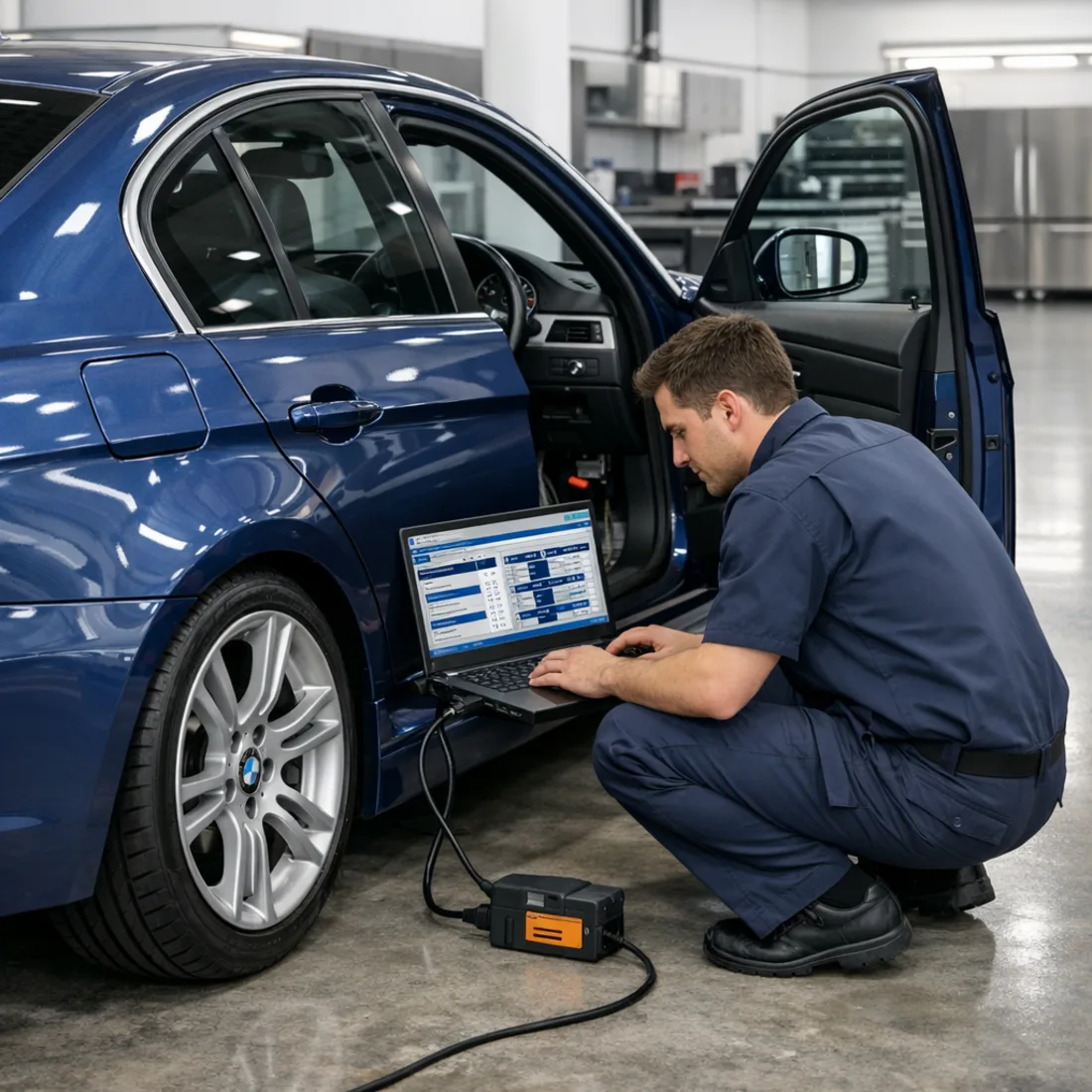
Every E90 3 Series, regardless of variant, runs a BMW specific architecture that a generic scan tool reads at maybe forty percent of its capability. You'll see generic fault codes, miss manufacturer specific ones, and have no access to live data streams, adaptations or coding functions. That's fine if you want to know the engine is on fire. It's not fine if you want to actually fix the car.
We use BMW ISTA/Rheingold with a genuine ICOM NEXT interface on all three variants. That means we read every module on the car, see the exact fault codes BMW intended you to see, access live sensor data to separate a real fault from an adaptation drift, and perform coding and reset functions that require the factory platform. For the 320d, that's essential for EGR and DPF work. For the 335d, you can't accurately diagnose the sequential turbo system without it. For the 335i, VANOS adaptation and cooling system diagnostics both need proper factory level access.
This also matters for any work that touches the gearbox. The auto transmission on the 335d and 335i responds to fluid and filter service, but getting the adaptations right after the service requires proper tooling. Our TCU and gearbox repairs page covers how we approach that.
What Each E90 Engine Can Do
All three E90 variants have genuine tuning headroom, and Stage 1 on any of them is a calibration that runs on the factory ECU with no hardware changes required. The gains are real and the reliability track record on these platforms is solid when the base engine is healthy. Any tune we do starts with a health check. A car with a failing water pump, worn spark plugs or a partially blocked DPF doesn't get tuned until those are sorted. The calibration is only as good as the engine underneath it.
That's a fifty horsepower and seventy Newton metre gain on a four cylinder diesel, which transforms the car's character without touching the drivetrain. If you've been thinking the 320d feels a bit soft for an E90, this is the answer. Related options include EGR OFF, DPF OFF, DTC Removal, FLAPS and Vmax.
A hundred Newton metres of additional torque on a car that already pulls like a train is a significant thing to experience. The sequential turbo setup responds extremely well to a proper calibration, and the result is a car that no longer needs to apologise for being a diesel. Related options include EGR OFF, DPF OFF, DTC Removal, FLAPS and Vmax.
The N55 is one of the cleaner petrol platforms to tune: the Bosch MEVD17.2 ECU is well understood, the turbo has headroom, and the gains in throttle response and mid range pull are immediately obvious. Pop and bang mapping is available for the 335i if that's your preference, and removing the speed limiter is available across all three variants.
All Stage 1 work is carried out on the factory ECU with no hardware modifications required. Send us your ECU file or book the car in and we'll walk you through the process via our file service or in workshop tuning.
Frequently Asked Questions
The questions we get most. Something else on your mind? Get in touch.