BMW M850i, M5 and M6: Five Generations of High Performance V8 and V10
From the naturally aspirated S85 V10 in the E63 M6 to the twin turbo N63 V8 in the current M850i, BMW's flagship performance grand tourers and super saloons share a common thread: they reward careful ownership and punish neglect in expensive ways. Each generation cleaned up some of the last one's headaches and introduced a few of its own. This page covers all five, tells you what each one does in the real world, and helps you make sense of whichever one you're driving, considering, or trying to keep on the road.
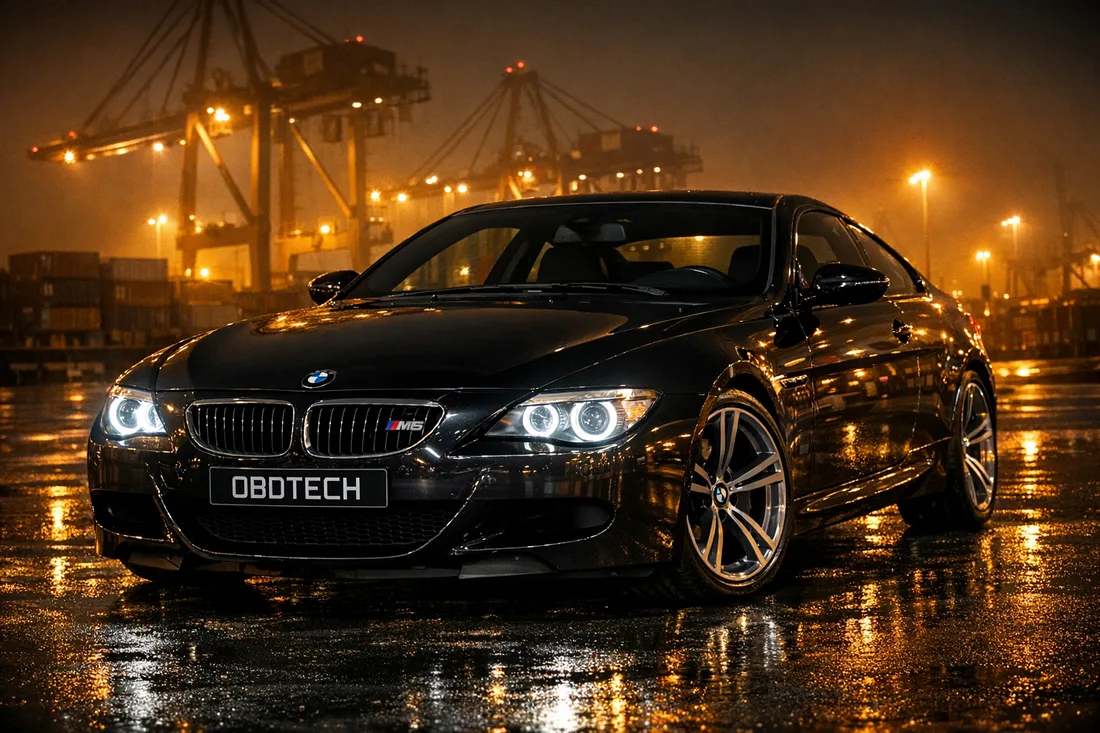
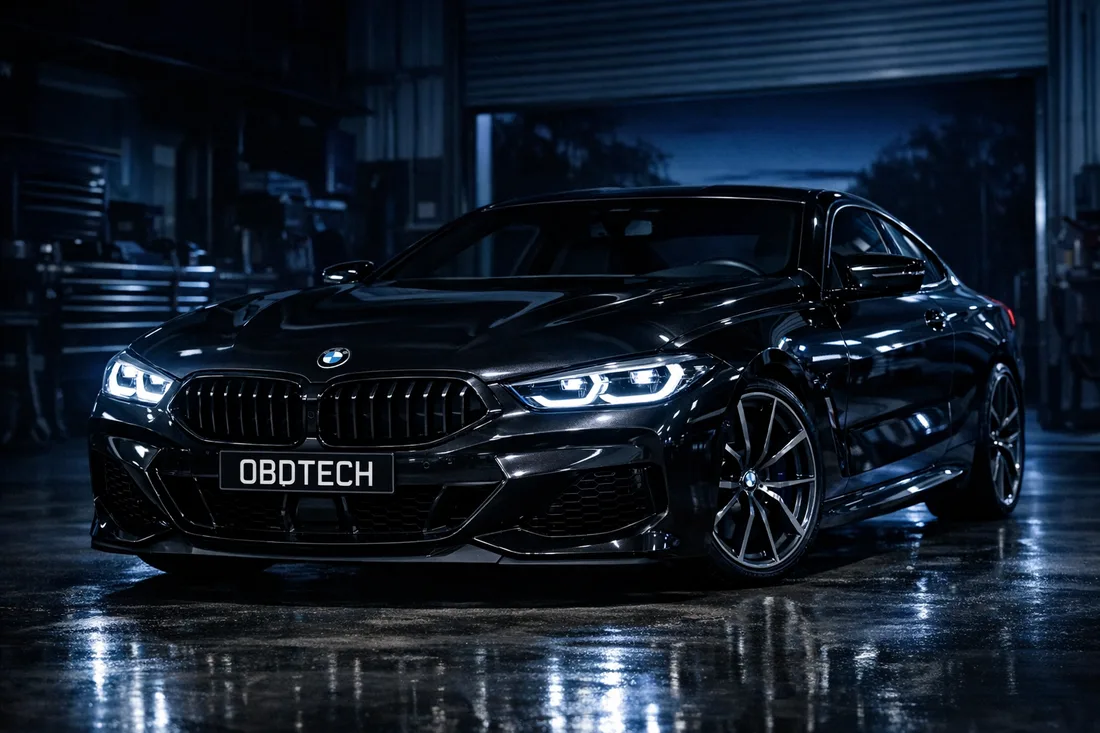
BMW M6 E63: The V10 Original
Before BMW had turbos in any of these cars, there was the S85B50A. Ten cylinders, 4999cc, a 12.0:1 compression ratio, 507hp and 537Nm, and a character that only really opens up past 6,000rpm. The E63 M6 is the outlier in this family: atmospheric, razor sharp to rev, and engineered with a Formula One adjacent mentality that made it spectacular and simultaneously unforgiving. Everything that came after used forced induction to make more torque lower down. The E63 chose to spin its way there instead.
These cars are carrying real mileage now, and the faults you find are the predictable ones from high revving, hard driven engines that weren't always serviced by people who understood them.
-
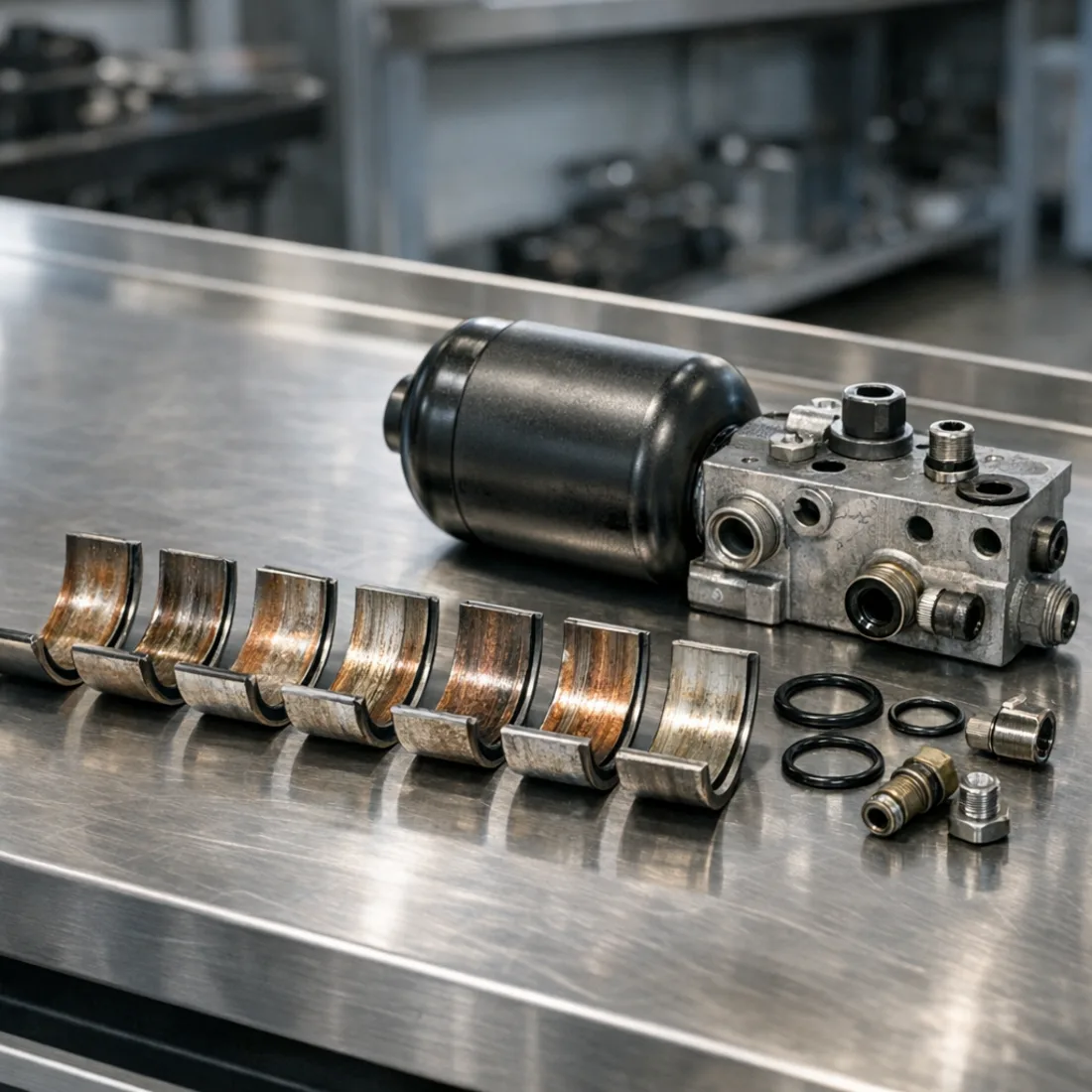
Rod bearing wear: the single biggest concern on the S85. Preventive replacement is a well established job, and we check bearing condition on anything with significant mileage before it becomes a catastrophic failure.
-
SMG III gearbox: clutch wear, hydraulic pump failures and accumulator problems are common. The SMG is a sequential manual, not a traditional auto, and it needs someone who actually knows it.
-
VANOS solenoids and throttle actuators: these fail on higher mileage examples and can cause rough running, misfires or hesitation across the rev range.
-
Electric water pump: a known failure point. When it goes, the engine overheats quickly. A failing pump should be replaced with a genuine unit before it causes bigger damage.
-
Oil consumption and misfires: ten cylinders means ten coils and ten plugs. Coil and plug condition is worth checking at every service.
The E63 chose to spin its way there instead.
An atmospheric V10 with a 12.0:1 compression ratio that only really opens up past 6,000rpm.
Diagnostics on the E63 requires BMW ISTA and Rheingold through a genuine ICOM or ICOM NEXT interface. A generic scan tool won't get into the module network properly, and adaptations won't be set correctly. We use the factory platform as standard.
The E63 also responds to Stage 1 tuning. Starting from 507hp and 537Nm, we can bring it to 530hp and 560Nm. Not a dramatic swing in numbers, but the sharper throttle mapping and refined torque delivery make a real difference to how the car feels. For an engine that already revs like a race unit, getting the calibration right matters.
Get your BMW booked in with a proper specialist.
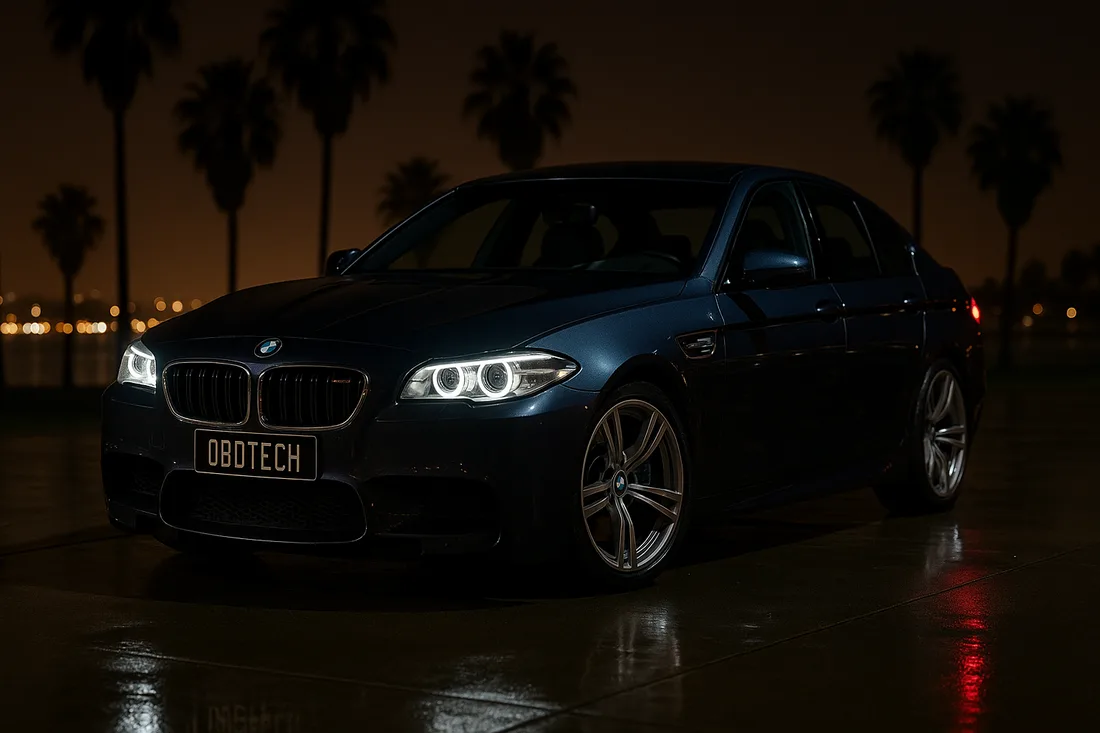
BMW M5 F10: When the V8 Twin Turbo Arrived
The F10 M5 marked a defining shift. Out went the atmospheric V10, in came the S63B44B: a 4395cc twin turbo V8 making 560hp and 680Nm. On paper it was an obvious upgrade. Turbos meant more torque across a broader rev range, and 560hp in a saloon body that could carry a family was genuinely astonishing. But the S63 introduced a new set of headaches that the V10 never had, and some of them are expensive if you're not watching.
The hot vee turbo layout places the turbos inside the V of the engine, which keeps the car's centre of gravity low and packaging tight, but it runs the engine at very high underhood temperatures. Oil breaks down faster. Heat soak stress on seals, gaskets and turbo plumbing is relentless. This is not the engine to stretch service intervals on.
-
Oil consumption and rod bearing wear: the S63B44B carries the same rod bearing concerns as the S85, just in V8 form. Oil level checks between services are not optional.
-
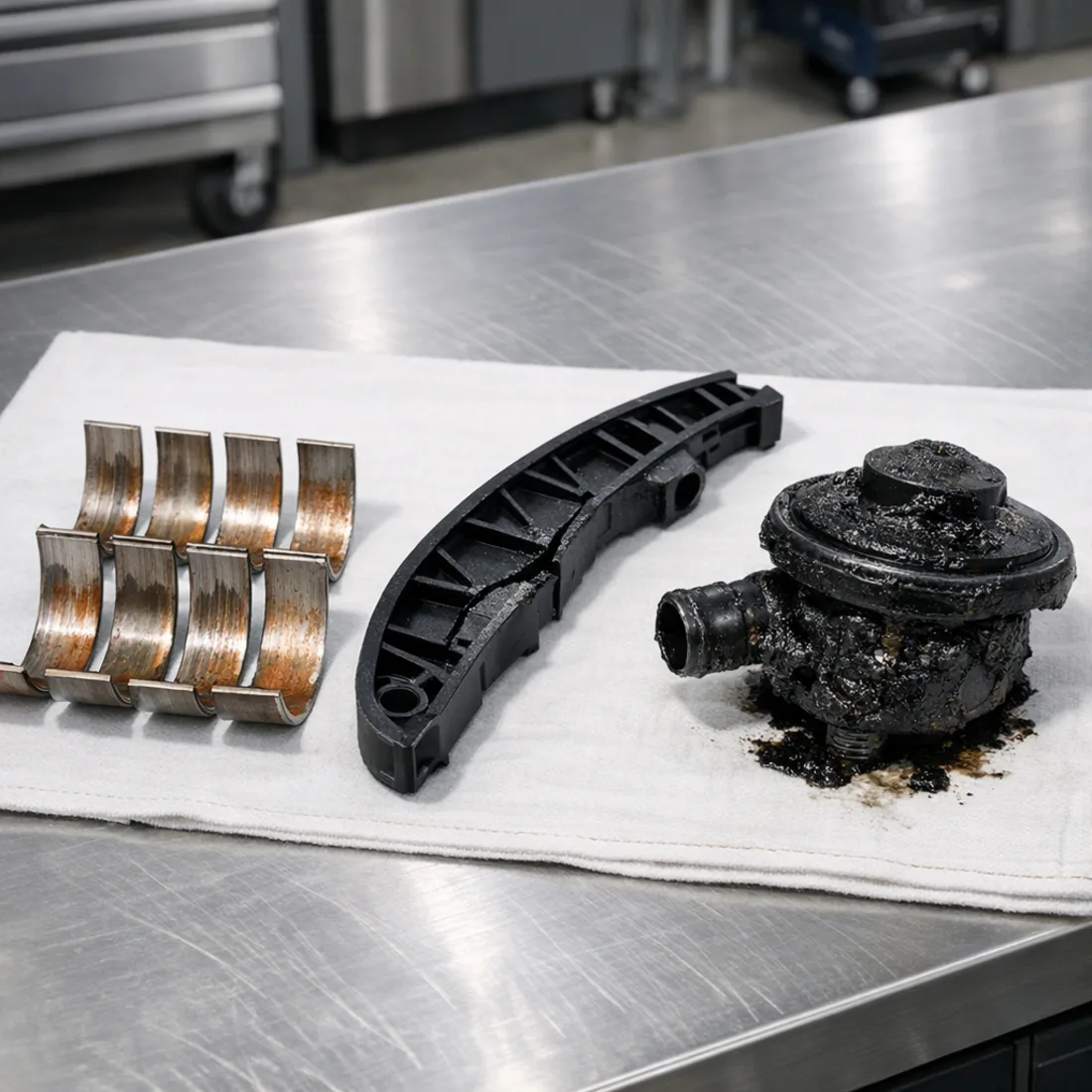
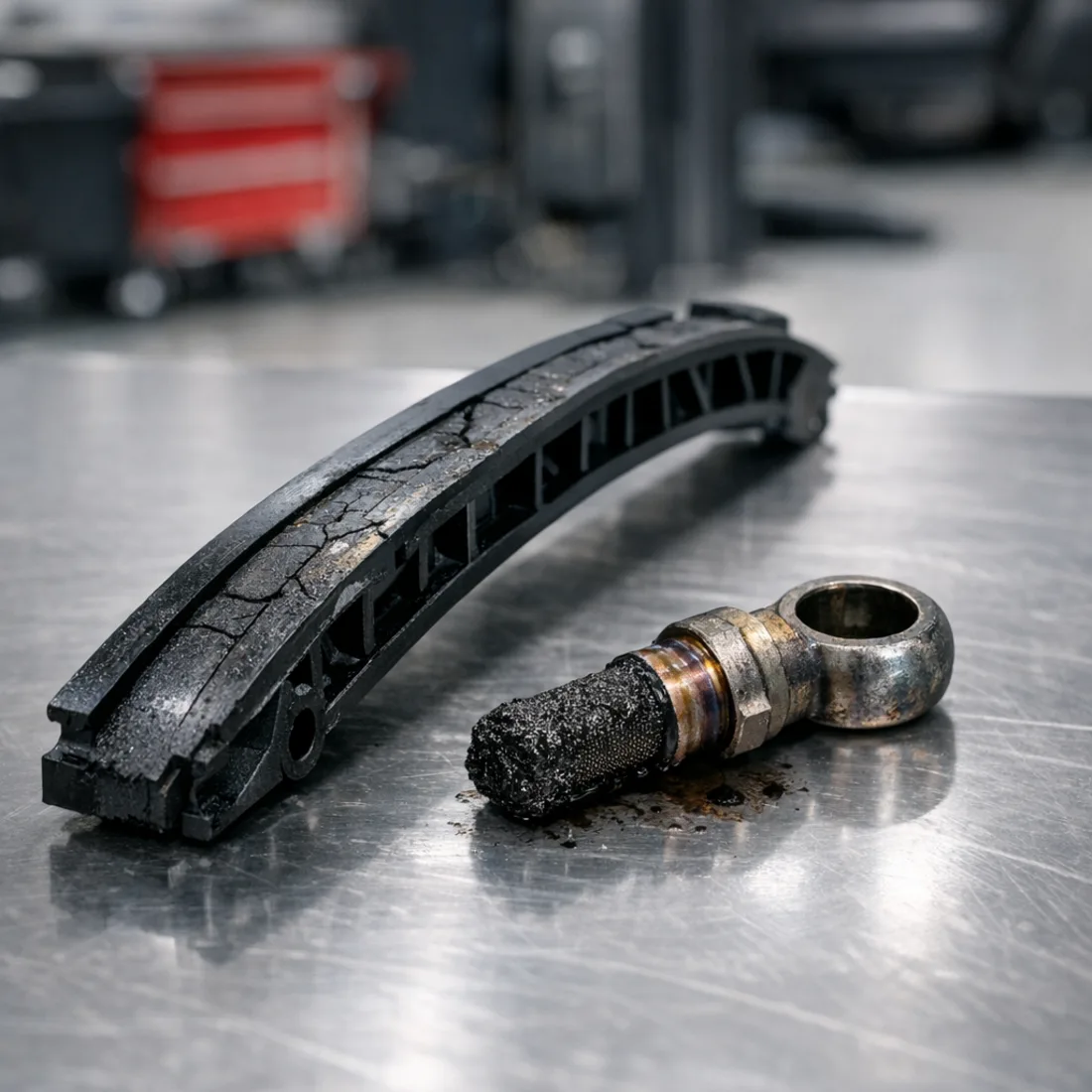
Timing chain guides and VANOS: wear on higher mileage cars. Rattle on cold start is the tell tale sign.
-
Crankcase ventilation valves: these fail and can cause oil consumption, smoke or rough running.
-
Coolant pump and injector failures: not rare on these cars, and worth checking if you're buying used.
-
Turbo oil lines and heat soak seals: the hot vee layout is hard on everything near the turbos.
This is not the engine to stretch service intervals on.
The hot vee layout runs at very high underhood temperatures. Oil breaks down faster. Heat soak stress on seals, gaskets and turbo plumbing is relentless.
Compared to the E63, the F10 is easier to live with day to day, torque arrives without having to rev to 7,000rpm, and the DCT gearbox suits urban driving far better than the SMG. But the trade off is that the S63's thermal environment demands more vigilance, not less. If you serviced your E63 well, you still need to service the F10 just as carefully.
Stage 1 tuning on the S63B44B brings output from 560hp and 680Nm to 680hp and 850Nm, the same target figures as the F12/F13 M6, which uses a very similar engine. For owners who want to explore what the platform can do, the gains are substantial. We also offer DTC removal, Pop and Bang mapping, Start/Stop disable, and Vmax adjustments on this generation.
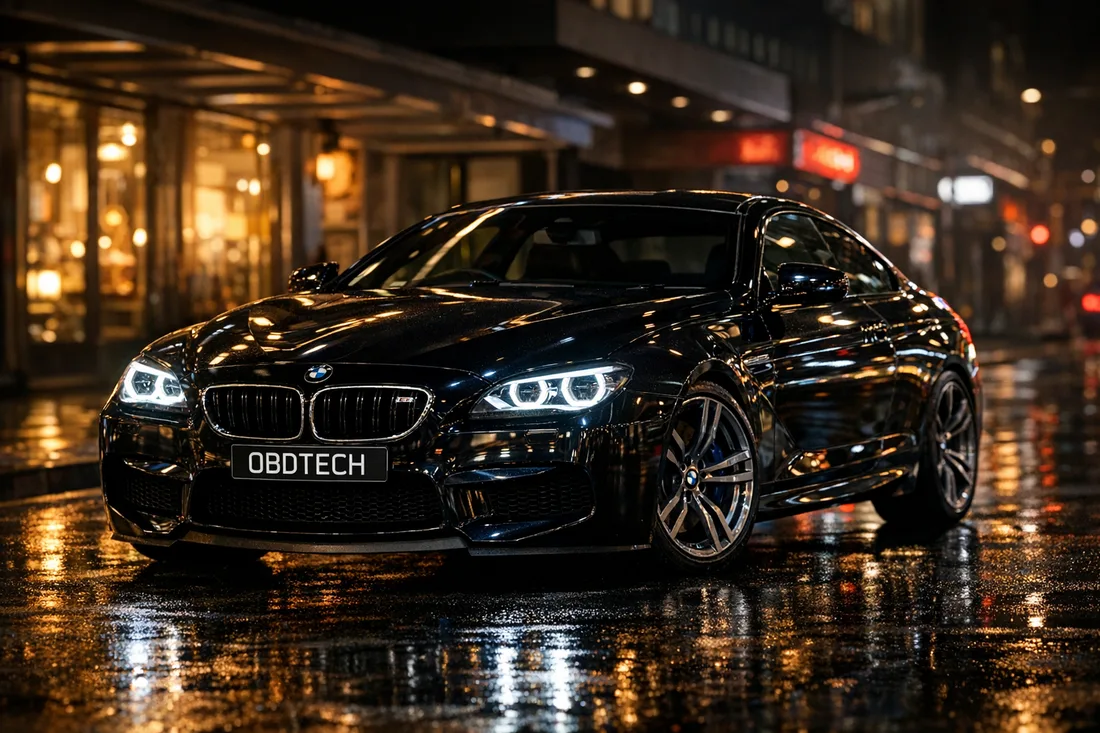
BMW M6 F12 and F13: The S63 in a Grand Tourer
The F12 convertible and F13 coupe M6 sit alongside the F10 M5 chronologically, and share the S63 V8 architecture, but the M6 brings a distinct character. It's a grand tourer first, a sports car second. The longer wheelbase, heavier body and more opulent interior mean the M6 asks slightly different things of its drivetrain, and it carries its own version of the S63's known issues alongside some M6-specific additions.
The M6 pushes the S63 to 560hp and 680Nm from the factory, the same figures as the F10 M5's output. The ECU suite here includes Bosch MED17, MEVD17.2.8 and the Siemens/Continental MSD85, depending on the build. The M DCT twin clutch gearbox fitted to many of these cars is a different unit from the F10's DCT and needs its own specific fluid service and attention.
-
Timing chain and guide wear: a known issue on the S63 family. Don't ignore cold start rattle.
-
High pressure fuel pump and injector faults: these show as hard starts, rough idle or misfires.
-
Turbo oil feed and coolant leaks: the hot vee layout means the same thermal stress as on the F10, with the same consequences if oil changes slip.
-
Carbon build up on intake valves: direct injection means no fuel washing the valves. Walnut blasting is the fix, and it genuinely restores throttle response on affected cars.
-
M DCT mechatronic and clutch wear: the twin clutch gearbox needs correct fluid and regular service. Neglect leads to harsh shifts, slipping or expensive mechatronic repairs.
The M6 is a grand tourer first, a sports car second.
The longer wheelbase, heavier body and more opulent interior mean the M6 asks slightly different things of its drivetrain.
If you've owned an F10 M5 and you're considering an F12 or F13, the engine faults are familiar. The M DCT service requirements are different enough to be worth understanding before you buy. And the M6's body structure means some repairs are more involved, particularly on the convertible where rigidity is managed by additional bracing.
Stage 1 tuning takes the F12/F13 from 560hp and 680Nm to 680hp and 850Nm. Those are the same gain figures as the F10 M5, which tells you how closely related the underlying platforms are. We also handle coding and adaptations through ISTA and Rheingold on the genuine ICOM interface.
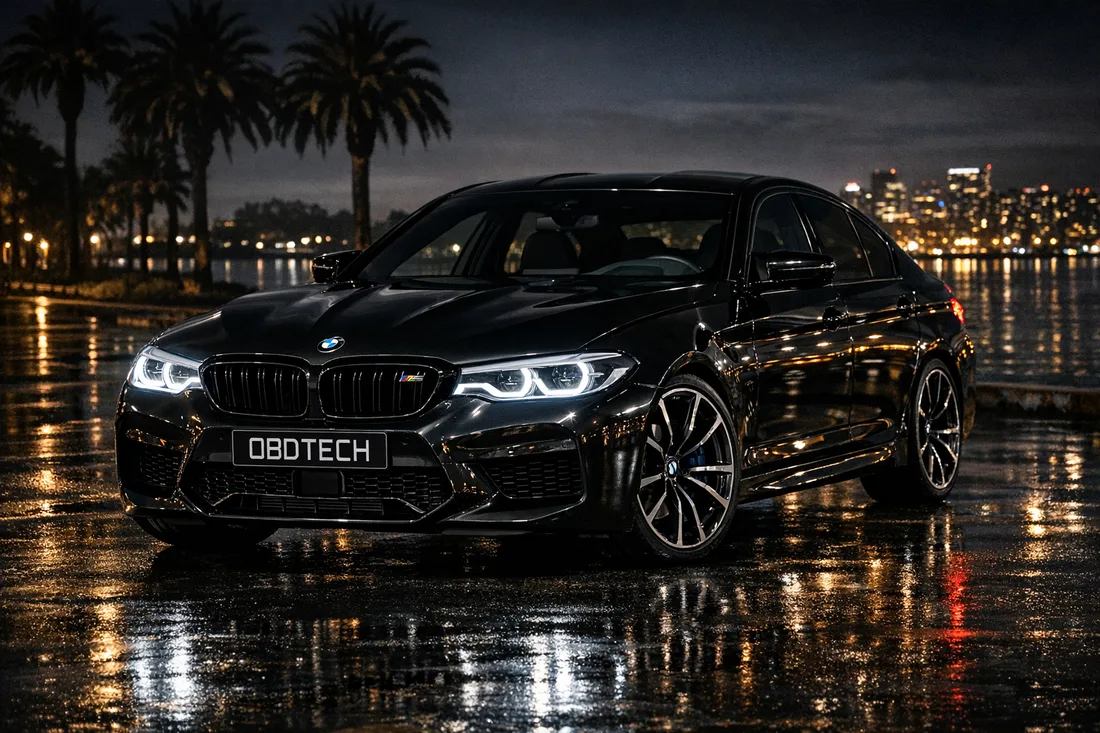
BMW M5 F90: The S63 Refined, With xDrive
The F90 brought the M5 fully into the all wheel drive era. M xDrive manages torque across all four wheels, and the S63B44T4 is a further developed version of the S63 family. It makes 462hp and 650Nm from the factory, down from the F10's 560hp, which surprised a few people when it was released. The reason is partly emissions regulations and partly a more conservative standard tune that leaves obvious headroom for the factory Competition model and for aftermarket calibration. The core engine architecture is recognisably the same 4395cc, 89.0mm bore, 88.3mm stroke twin turbo V8 as the F10's S63B44B.
The ECU on the F90 is a Bosch MEVD17.2.H or MG1CS201 depending on build. The ICOM NEXT interface is needed for proper factory level diagnostics through ISTA and Rheingold.
-
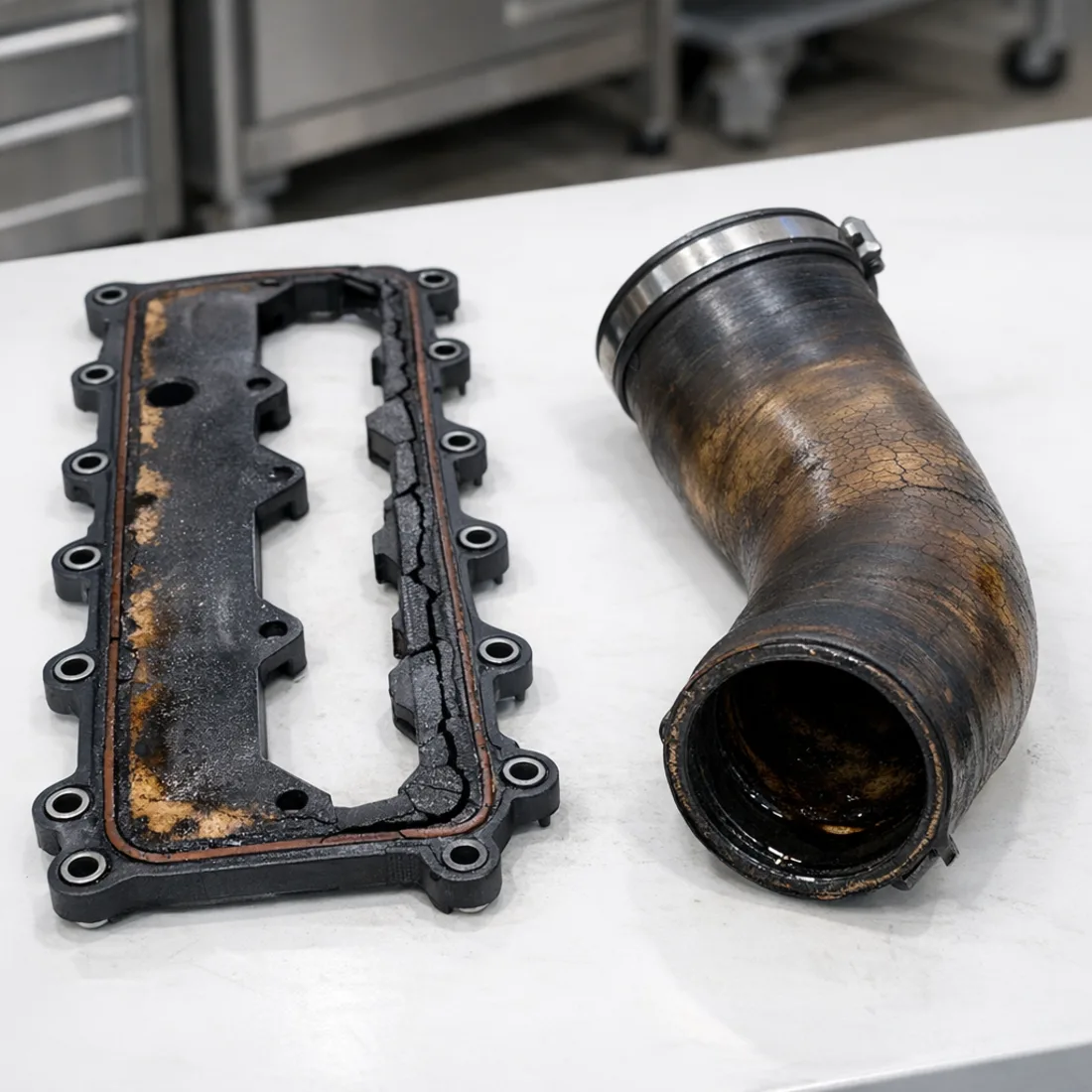
Valley gasket and coolant leaks: this is the headline fault on the F90. Oil and coolant weeping from the valley area between the cylinder banks shows up early on some cars and needs proper attention before it progresses.
-
Charge pipe faults: the turbocharged intake plumbing on the F90 can develop leaks or failures under boost pressure, causing loss of performance and fault codes.
-
Oil consumption: the hot vee layout persists, and so does the need for regular oil level checks. Don't wait for the warning light.
-
High pressure fuel system: injector wear and fuel pump issues can appear under sustained hard use.
-
Carbon build up on intake valves: same issue as the F10 and M6, same direct injection cause.
-
M xDrive transfer case: needs correct fluid service. It's an additional component that earlier M cars didn't have.
The valley gasket and charge pipe faults are the things to check.
A pre purchase inspection on any F90 should specifically look at the valley area for oil or coolant contamination.
Compared to the F10 and F12/F13, the F90 is a more complete and more polished car, but it introduced the xDrive system as a new maintenance item and the valley/charge pipe faults as a fresh concern. BMW addressed some of the earlier timing chain and bearing issues from the original S63 in the T4 update, which is a genuine improvement, but the fundamental hot vee thermal environment hasn't changed.
Stage 1 tuning on the F90 S63B44T4 brings output from 462hp and 650Nm to 495hp and 710Nm. The gains are more modest than the F10 or F12/F13, reflecting the ECU's more conservative starting point and the additional constraints from the newer engine management. We also offer DTC removal and Vmax adjustment on this generation.
BMW M850i xDrive G15: The N63 in the Grand Tourer
The M850i is a different creature from the M5 and M6 that came before it. It's not a pure M car in the competition sense, it's a grand tourer with M Division input and proper M credentials. The engine is the N63B44T3, a 4395cc twin turbo V8 with the same bore and stroke as the S63 family, 89.0mm by 88.3mm, but a different state of tune and a higher compression ratio of 10.5:1. Stock output is 530hp and 750Nm, and it sits in the hot vee configuration that defines this whole engine family.
The ECU setup on the G15 is Bosch MG1CS201 and MG1CS001 depending on build variant. Diagnostics need ISTA and Rheingold through an ICOM NEXT interface. The G15's electrical architecture is significantly more complex than older generations, with more modules, more coding dependencies and a battery management system that requires registration of any new battery.
-
Oil consumption and valve stem seal wear: blue smoke on cold start is the tell. The N63 hot vee layout keeps temperatures high and the oil pays the price. Strict oil change intervals are non negotiable.
-
Carbon build up on intake valves: direct injection, no fuel washing, carbon accumulates over time and costs power and responsiveness.
-
Timing chain and guide condition: worth checking on higher mileage examples. Same family trait as the S63 generations.
-
Turbo oil feed lines and coolant leaks: heat soak stress on the plumbing around the turbos is a recurring theme across all generations of this engine layout.
-
Battery management and electrical sensitivity: the G15's electronics are sophisticated. Battery registration after replacement is mandatory, not optional, and coding changes need the factory platform.
The M850i shows the largest absolute gains of any car on this page.
From 530hp and 750Nm stock, Stage 1 tuning brings it to 660hp and 900Nm, a gain of 130hp and 150Nm.
Compared to the F10, F12/F13 and F90, the M850i is the most refined and the most electrically complex of the group. It fixes nothing dramatically, but it carries the N63 rather than the S63, which is a slightly different engine with its own development history. If you're familiar with the S63's quirks from an earlier car, the N63's issues will feel familiar, though the G15's onboard systems add a layer of complexity that earlier generations simply didn't have.
Stage 1 tuning on the N63B44T3 is where the M850i genuinely excites. From 530hp and 750Nm, we can bring it to 660hp and 900Nm, a gain of 130hp and 150Nm. That's the largest gain of any car on this page, and it transforms the grand tourer into something properly rapid. We also offer DTC removal, Pop and Bang mapping, Start/Stop disable, and Vmax on this generation.
Buying Used: How to Pick Between the Generations
If you're shopping the used market and trying to choose between these cars, here's the honest version of how they stack up against each other.
You want the sentimental choice and something genuinely special to drive. The V10 is atmospheric, razor sharp to rev, and offers a driving experience nothing else on this list replicates. Only buy one if you're prepared to spend on it properly. Rod bearings and SMG hydraulics are expensive when they go wrong.
You want the most practical daily car of the twin turbo V8 family. It shares the same engine and hits the same Stage 1 tuning numbers as the F12/F13. Prioritise service history and check for evidence of valley gasket work, timing chain attention and rod bearing awareness.
You want something more indulgent than the F10. Same engine family, same Stage 1 targets. Understand the M DCT service requirements before you buy, and factor in that some repairs are more involved on the convertible body.
You want the modern choice: all wheel drive, more usable torque, a polished interior and better everyday manners. Check the valley area specifically for oil or coolant contamination and inspect the charge pipes. A pre purchase inspection on any F90 should cover both.
You want long distance comfort with serious performance. The tuning headroom is the largest of any car here, 130hp and 150Nm at Stage 1. Budget for the electrical complexity if anything needs diagnosis or coding, because the G15 rewards working with the right equipment.
- Service history with oil changes at proper intervals is worth a meaningful premium on any of these cars
- On E63: look for documented preventive rod bearing replacement and SMG hydraulic pump condition
- On F10 and F12/F13: check for evidence of valley gasket work, timing chain attention and rod bearing awareness
- On F12/F13: confirm the M DCT has been serviced with correct fluid at proper intervals
- On F90: inspect the valley area for oil or coolant contamination and check charge pipe condition
- On G15: confirm battery has been registered through the factory platform after any replacement
- On all generations: ask about carbon build up on intake valves and when it was last addressed
- Sweet spot for value is a well maintained F10 M5 or F12/F13 M6 with documented history
Servicing Across the Family
Every car on this page uses high grade petrol engine oil, and the correct grade matters. Running cheaper or incorrect oil in a hot vee twin turbo V8 accelerates exactly the wear the engines are already prone to. We use BMW LL approved or factory specified grades and won't substitute. These are not cars for a five litre drum of whatever's on the shelf.
Routine service items across all generations include oil and filter with the correct BMW specified grade, air filters and cabin filters, spark plugs and coil packs with ten of each on the E63 V10 and eight on the V8 cars, brake pads and rotors on these heavy fast cars, drive belts, wipers and fresh brake fluid, gearbox fluid whether that's the SMG hydraulic system, M DCT, the 8-speed auto on the F90 or the M xDrive transfer case, and cooling system inspection and refresh which is critical on all hot vee engines.
Battery replacement on the G15 M850i and F90 M5 requires registration through the factory platform. Fitting a battery without coding it in is a common mistake that causes electrical gremlins. We handle this as part of every battery job on these cars.
Diagnostics: Why Factory Tools Matter on These Cars
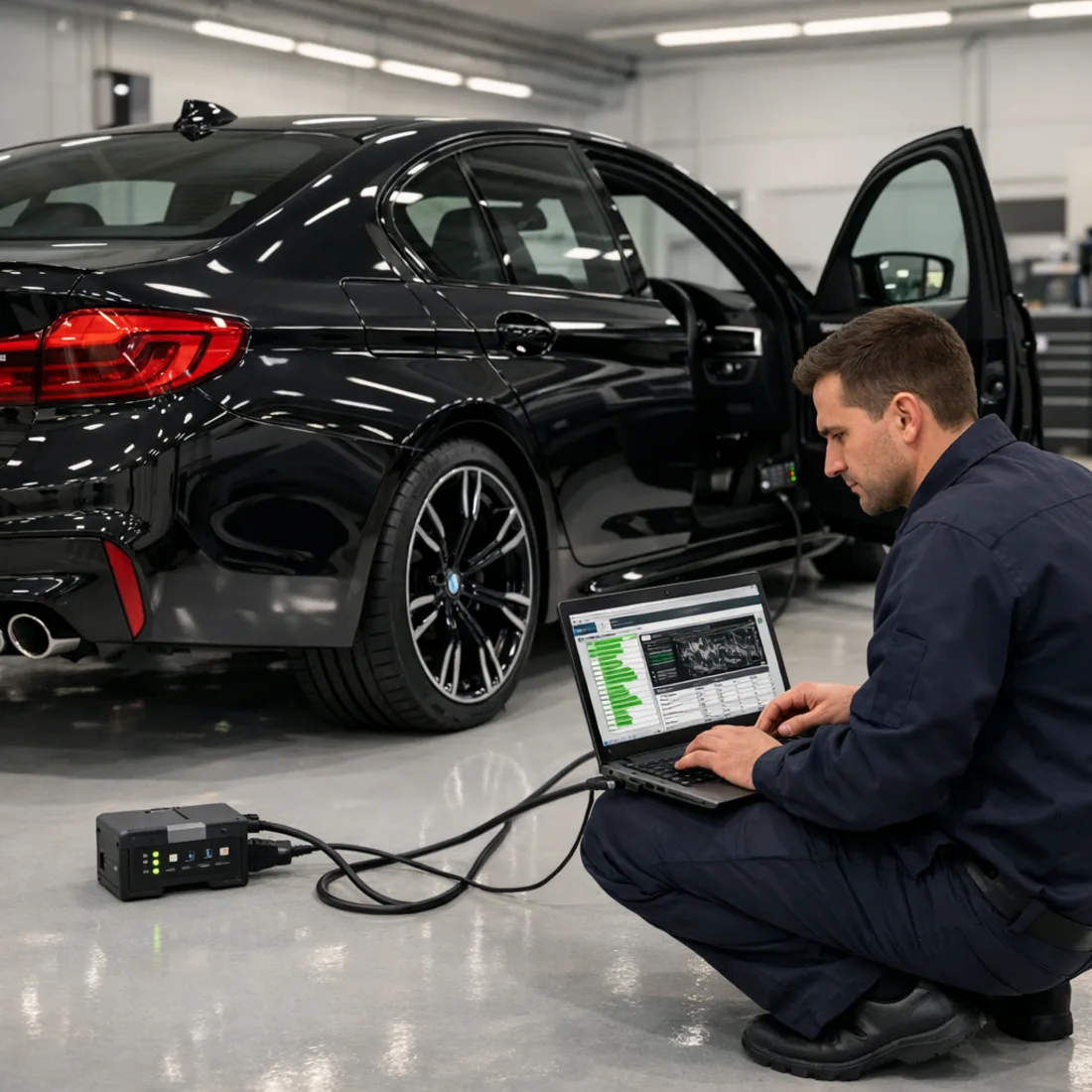
Every generation on this page has a complex multi module network that a generic OBD II scan tool simply can't reach properly. The ECU is one module among many. The DME talks to the DSC, the gearbox control unit, the chassis modules, the adaptive suspension controllers and more. Reading one module in isolation misses the picture.
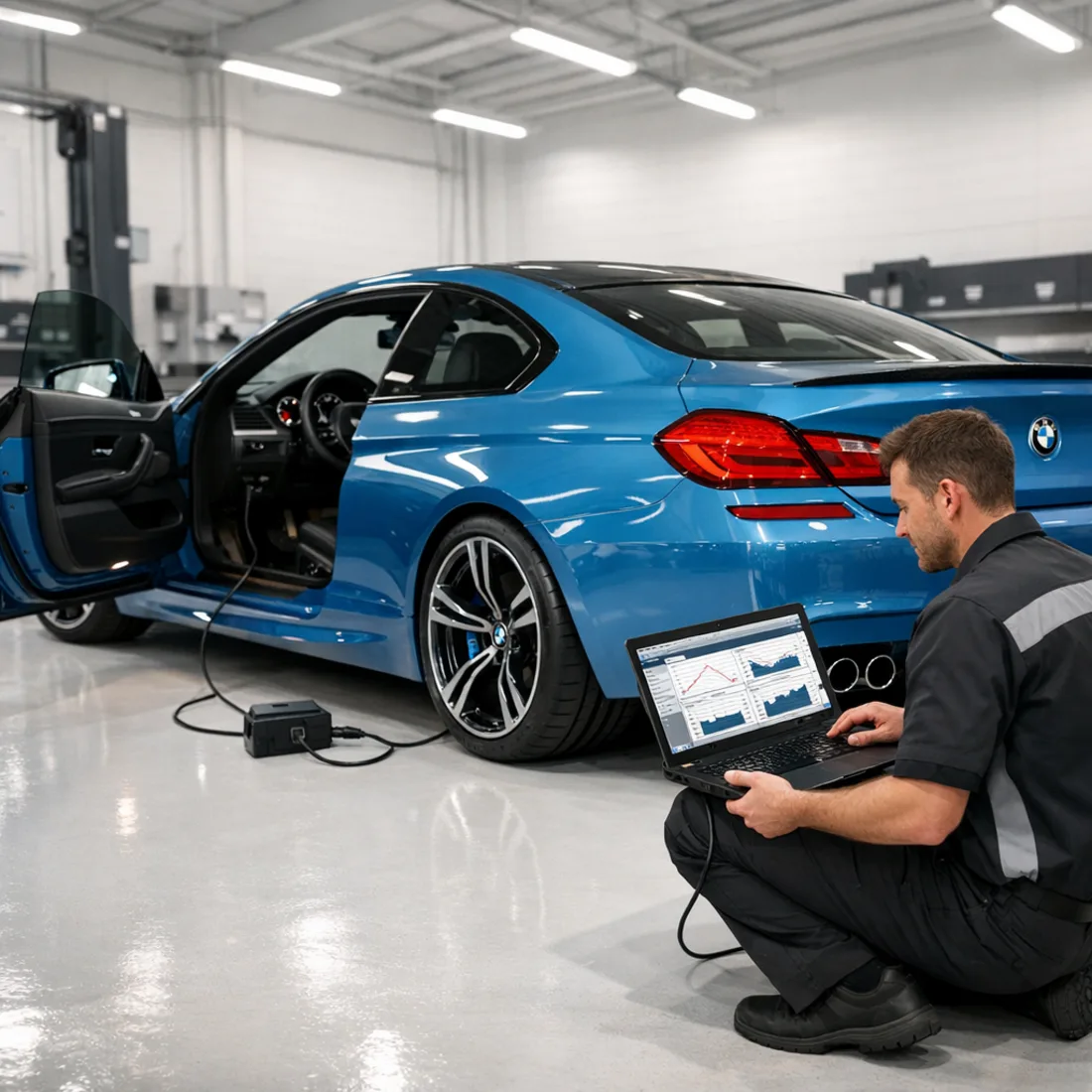
We use BMW ISTA and Rheingold software running through a genuine ICOM or ICOM NEXT interface on every car on this page. That gives us full access to live data across all modules, proper fault code reading with BMW's own fault descriptions, and the ability to run adaptations, calibrations and coding correctly after any repair. It's how BMW dealer technicians work, and it's how we work.
The Siemens/Continental MSS65 on the E63, the MSD85 on some F12/F13 builds, the Bosch MED17 and MEVD17 variants on the F10 and F12/F13, the MEVD17.2.H and MG1CS201 on the F90, and the MG1CS201 and MG1CS001 on the G15 all require the factory platform to read and code correctly. Guessing from a generic tool leads to misdiagnosis and wasted money.
Tuning: What Each Generation Can Do
Every car on this page has tuning available. The M850i shows the largest absolute gains of any car here, which reflects both the engine's headroom and the relatively conservative factory tune on the N63B44T3. The F10 and F12/F13 hit the same Stage 1 targets, which makes sense given how closely related their engines are. The F90 shows more modest gains, partly because its starting point reflects tighter factory calibration on the T4 engine management. The E63's gains are the smallest, but Stage 1 on a naturally aspirated V10 is a different proposition from turbo cars. The factory compression ratio of 12.0:1 leaves less calibration headroom than the turbo engines.
Stage 1 on a naturally aspirated V10 is a different proposition from turbo cars. What it delivers is sharper throttle mapping and a cleaner top end pull rather than dramatic torque increases. Available options: DTC Removal, Pop and Bang Crackle map, DECAT, FLAPS, Vmax.
The S63B44B responds strongly to Stage 1 calibration. For owners who want to explore what the platform can do, the gains are substantial. Available options: DTC Removal, Pop and Bang Crackle map, START/STOP OFF, DECAT, FLAPS, Vmax.
The same gain figures as the F10 M5 tell you how closely related the underlying platforms are. We handle coding and adaptations through ISTA and Rheingold on the genuine ICOM interface. Available options: DTC Removal, DECAT, Vmax.
The more modest gains reflect the ECU's more conservative starting point and the additional constraints from the newer engine management on the T4. Available options: DTC Removal, DECAT, Vmax.
The largest absolute gains of any car on this page. The M850i's tuning headroom transforms the grand tourer into something properly rapid. Available options: DTC Removal, Pop and Bang Crackle map, START/STOP OFF, DECAT, Vmax.
All tuning is done as a file service on the correct ECU for each generation, using the factory interface. We don't use piggyback systems on cars like these.
Frequently Asked Questions
The questions we get most. Something else on your mind? Get in touch.