BMW 640d N57 Diesel and 650i N63 V8
The F12 and F13 6 Series are grand tourers in the truest sense. Whether you went for the N57 twin scroll diesel in the 640d or the N63 twin turbo V8 in the 650i, you ended up with a car that covers ground in remarkable comfort and pace. Both are brilliant machines, and both have specific habits that surface in the New Zealand fleet once the kilometres stack up. This page covers the full F12/F13 family, so whichever variant you own, you will find the real story here.
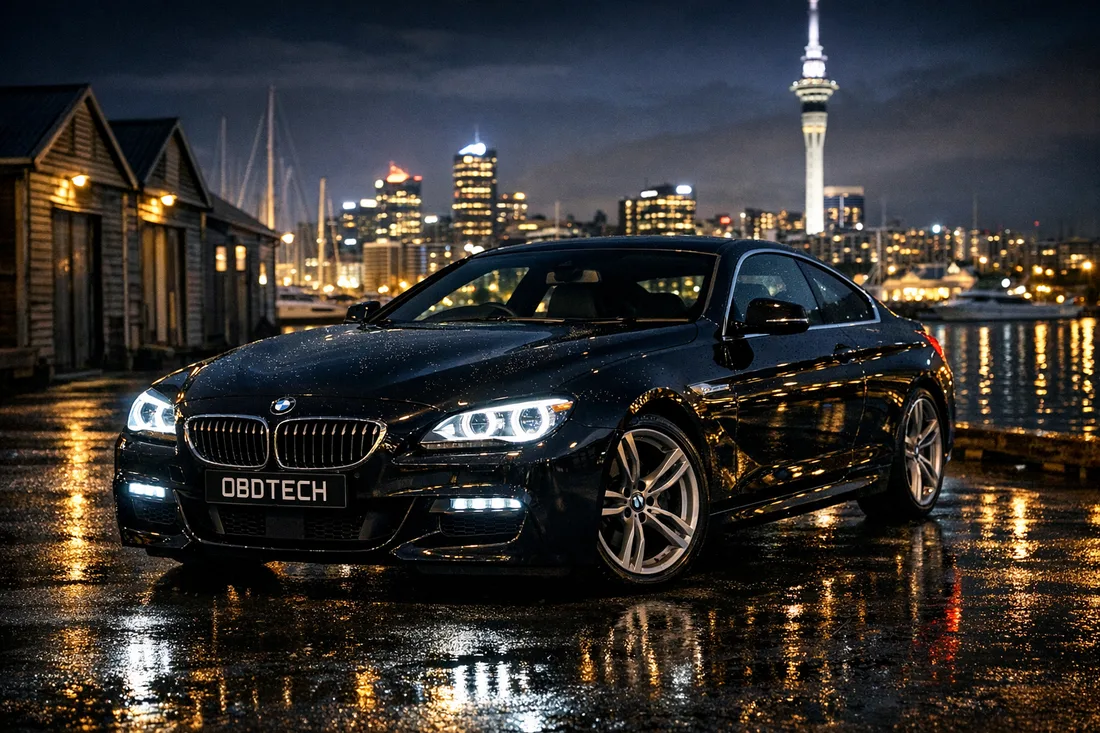

BMW 640d: The N57 Diesel Grand Tourer
There is something quietly absurd about a grand tourer that will pull from low revs in near silence, waft you from Auckland to Hamilton without breaking a sweat, then remind you on the way home that 313 horsepower and 630 Newton metres is not, in fact, a frugal commuter. The N57 straight six diesel is one of the finest engines BMW has produced. It is smooth, torquey, and genuinely capable. But it has its habits, and after a few years and a good slug of kilometres, those habits start showing up in predictable places.
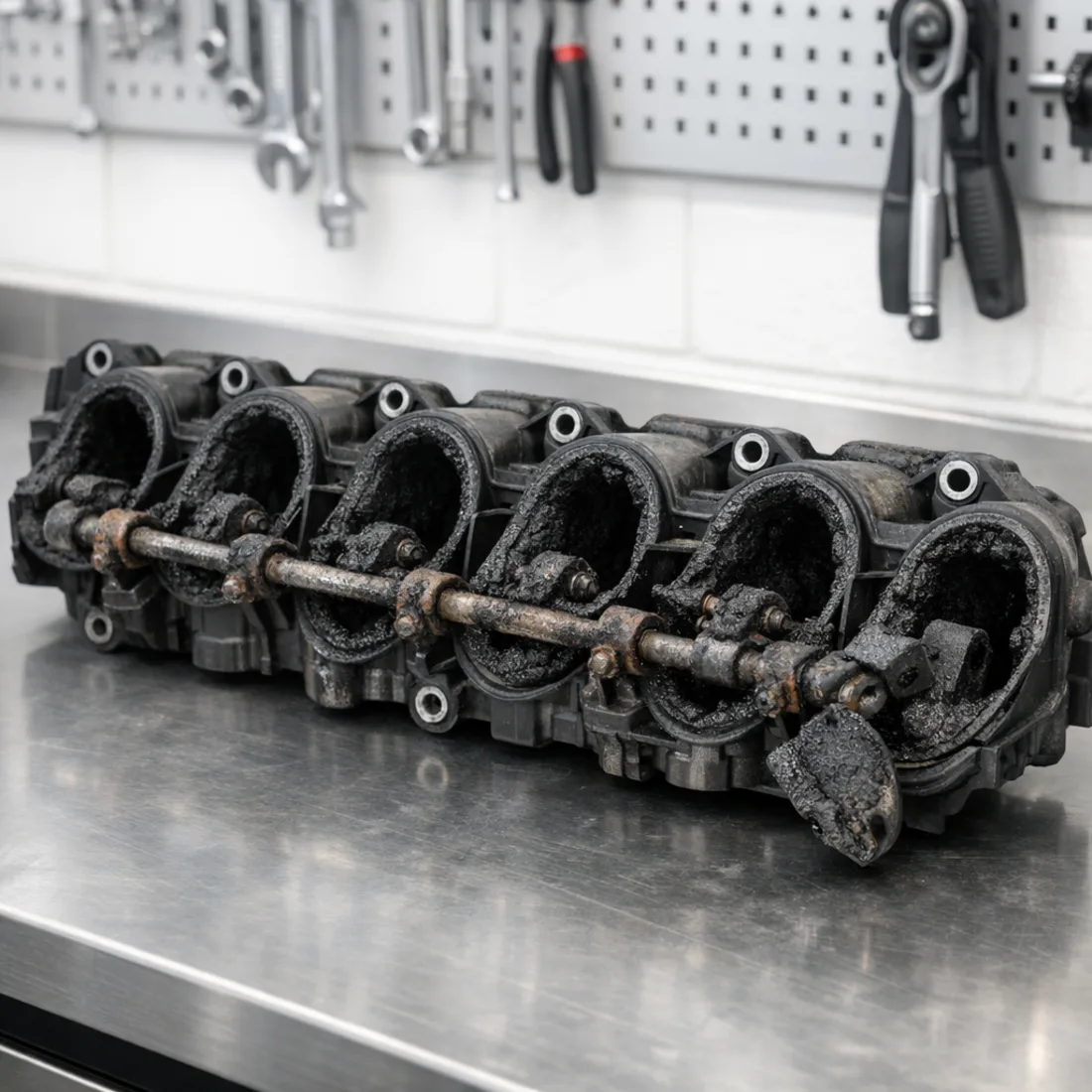
The swirl flap situation is worth a special mention. When a flap or its linkage fails, pieces can be ingested into the engine. Catching wear early, either through a scope inspection or by reading the correct live data, saves you from a far more expensive repair down the track. This is exactly where having the right diagnostic platform matters.
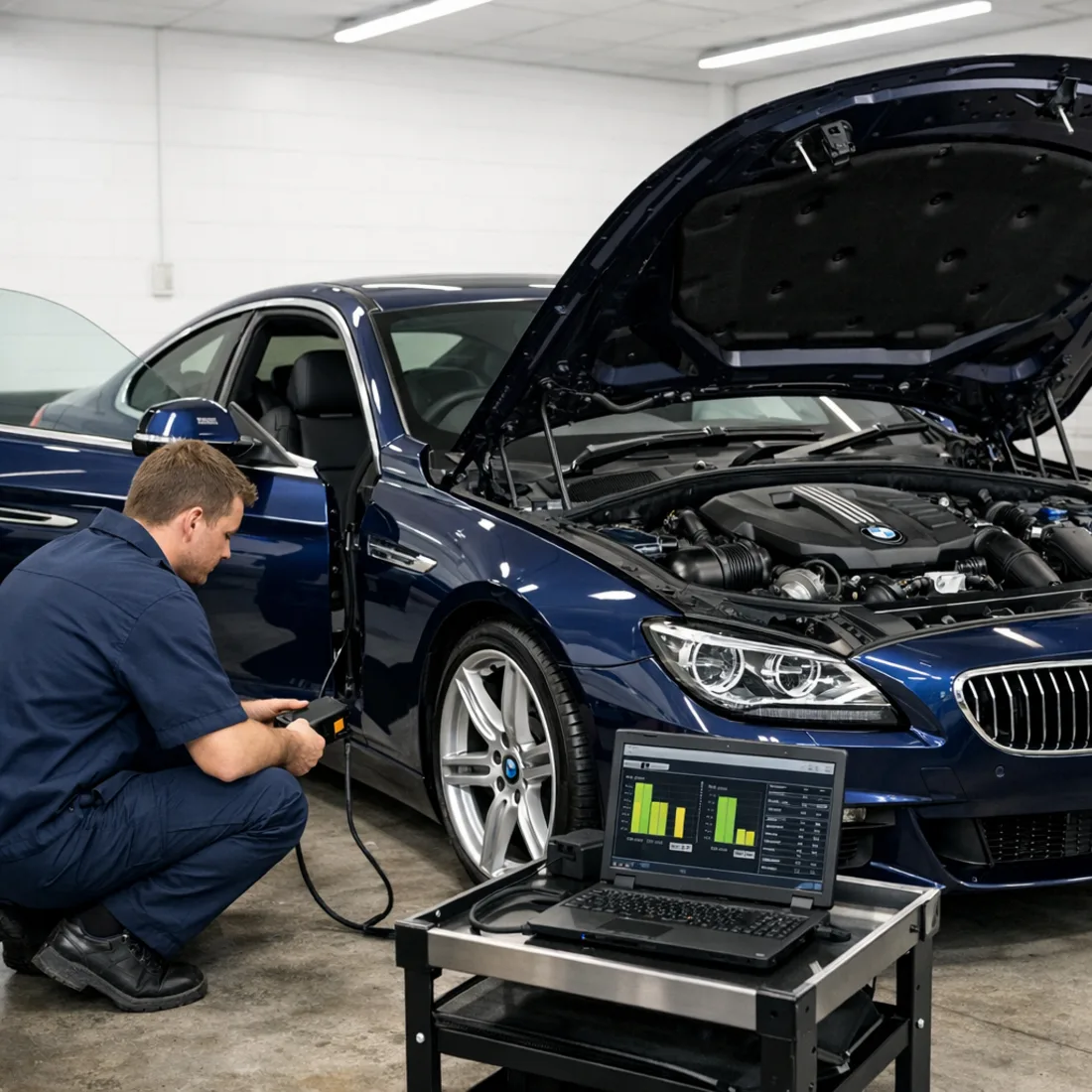
We run BMW ISTA Rheingold through a genuine ICOM NEXT interface on these cars. That is the factory diagnostic platform, not a generic OBD reader. It reads the real N57 data correctly, allows proper fault code interpretation, and lets us carry out coding and module programming where needed. A generic scan tool simply does not give you the full picture on these systems.
On the emissions side, the DPF and EGR on the 640d need legitimate attention rather than being ignored. If the car has mostly done short trips, a forced regeneration cycle and a proper inspection of the EGR cooler condition should be on the list. We handle DPF and EGR system cleaning and repair as a proper diagnosis first process, not a workaround.
Routine servicing on the 640d covers more ground than just an oil change. A proper service schedule includes engine oil and filter with the correct BMW approved diesel grade, air filter, fuel filter and cabin filter replacement, drive belts and wipers, glow plug inspection and replacement as needed, brake pads, rotors and sensor replacement, timing chain condition assessment, DPF and EGR cleaning or replacement where required, AdBlue system service where fitted, and suspension checks and repairs.
The 640d also responds very well to a Stage 1 tune once it is in good mechanical health. We can take the stock 313 horsepower and 630 Newton metres up to 365 horsepower and 730 Newton metres, a gain of 52 horsepower and 100 Newton metres from the ECU alone. That is a meaningful change in a grand tourer that already had excellent torque, and it transforms the motorway overtaking ability without touching the hardware.
-
Swirl flap wear and linkage failure, often accompanied by intake manifold carbon build up at higher mileages
-
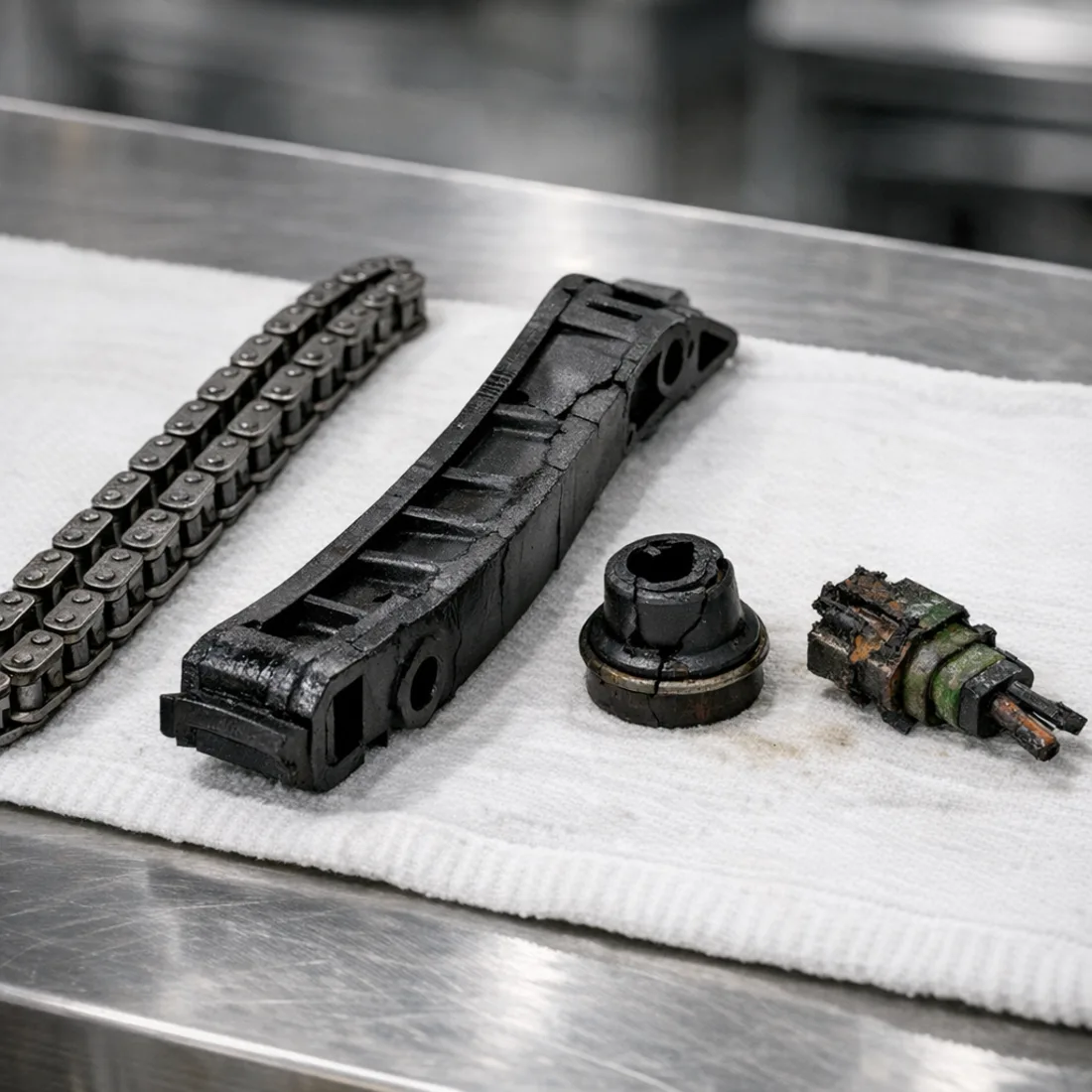
Timing chain and guide wear, which needs to be assessed before it becomes a much bigger job
-
EGR cooler issues and DPF blockage, particularly on cars used mostly for short city runs
-
Glow plug failure with age, causing hard cold starts
-
Turbo actuator faults and boost inconsistencies on higher mileage examples
The N57 straight six diesel is one of the finest engines BMW has produced.
It is smooth, torquey, and genuinely capable. But it has its habits, and those habits start showing up in predictable places.
Get your F12/F13 booked in with a proper specialist.
BMW 650i: The N63 V8 and Its Well Known Habits
If the 640d is the composed, torquey long distance runner, the 650i is the car for when you want all eight cylinders doing exactly what they were born to do. Twin turbos, 407 horsepower, 600 Newton metres, and a sound that the diesel simply cannot match. It is a serious machine. It also has an engine, the N63 twin turbo V8, that BMW itself covered under a Customer Care campaign. That tells you something about the known weak points, and it means any 650i you are looking at deserves a thorough inspection before purchase and a disciplined service history going forward.
Where the 640d's issues are mostly manageable diesel wear items, the 650i's N63 adds a layer of complexity specific to its hot vee architecture. The turbos sit in the valley between the cylinder banks, and that area runs hot. Heat is the enemy of the wiring, seals and injectors in that region.
The timing chain situation on the N63 is not something to defer. Guide wear allows the chain to jump or skip under load, and the consequences are serious. If a 650i you own or are buying has not had the chain and guides inspected or replaced at appropriate mileage, that needs to go to the top of the list.
Valve stem seal leaks are another item that can creep up gradually. A small amount of smoke on a cold start that clears quickly can turn into a more persistent consumption issue if left alone. The correct approach is a proper diagnosis before committing to the repair, which is exactly what our ISTA based process delivers. We use BMW ISTA Rheingold through a genuine ICOM or ICOM NEXT interface on the 650i, the same factory platform that gives us proper live data from the V8, allows full coding and module programming, and reads fault codes the way BMW intended them to be read.
Compare this to the 640d and you can see the difference in character. The diesel's issues are mostly predictable wear items on a fundamentally tough unit. The N63 petrol has a higher ceiling and a higher floor when it comes to potential repairs. Valve stem seals and timing chains are not cheap jobs. That said, a well maintained 650i with a solid service history and a documented chain inspection is a genuinely rewarding car to own.
A full service on the 650i covers both banks and goes deeper than a standard oil change: engine oil and filter with the correct BMW LL-01 grade, air filters for both cylinder banks, cabin filter, fuel filter and wipers, spark plugs and ignition coils checked per bank, drive belts and coolant and thermostat service, brake pads and rotors on the M Sport setup, valve stem seal inspection and replacement where needed, timing chain and guide assessment, injector health check, and air suspension or shock inspection where fitted.
The N63 also responds very well to a Stage 1 tune, but only once the engine is confirmed healthy. Pushing more boost through an engine with a marginal chain or tired seals is not the right order of operations. Sort the mechanicals first, then we can take the stock 407 horsepower and 600 Newton metres to 470 horsepower and 700 Newton metres, a gain of 63 horsepower and 100 Newton metres from the ECU calibration alone. That is a substantial step up, and on a grand tourer of this size and weight, it is very much felt.
-
Timing chain and guide wear, one of the most serious and well documented N63 issues
-
Oil consumption beyond normal tolerances, which needs monitoring between services
-
Leaking valve stem seals causing visible blue smoke on cold start up
-
Turbo oil leaks and vacuum pump leaks from heat exposure in the valley area
-
Wiring degradation and battery drain faults caused by the high heat environment between the banks
-
Injector faults resulting from the same heat exposure in the valley area
The N63 has a higher ceiling and a higher floor when it comes to potential repairs.
A well maintained 650i with a solid service history and a documented chain inspection is a genuinely rewarding car to own.
Buying Used: How to Choose Between the 640d and 650i
Both cars are grand tourers with the same platform, the same ZF 8-speed automatic gearbox, and the same fundamental character. The engine choice is the defining decision, and it carries real implications for what you will spend over time. For either car, the sweet spot in the used market is a car with full service history, ideally with documentation of timing chain work, and low enough mileage that the bigger wear items have not yet become urgent. A pre purchase inspection through our ISTA diagnostic platform will surface the real condition of both the engine and the ZF gearbox before you hand over money. The ZF 8HP gearbox is shared across both variants and is generally tough, but it benefits from fluid and filter servicing that many owners skip. If the transmission has never been serviced, budget for that early. Our [[link:tcu gearbox repairs|gearbox repair and servicing]] work covers the ZF unit properly, including fluid, filter and TCU diagnostics.
The 640d is the more forgiving ownership proposition for most buyers. The N57 diesel is a strong unit, its issues are mostly predictable, and the repair costs are generally more manageable. It suits New Zealand motorway conditions well, delivers genuinely impressive real world economy for its size, and responds very well to a tune. If you mostly do highway kilometres and want a car that is easier on fuel and lighter on potential repair bills, the diesel is the pick.
The 650i is for buyers who want the V8 experience and are prepared to stay on top of it. The N63 is a more demanding engine. You need to know the service history, you need to know whether the timing chain and guides have been inspected or replaced, and you need to check for oil consumption and valve stem seal condition before you buy. A 650i with a documented, disciplined history is a joy. One that has been serviced sporadically or had oil levels neglected is a much riskier proposition.
- Full service history, ideally with documentation of timing chain inspection or replacement
- Check for oil consumption and evidence of valve stem seal wear on the 650i
- Confirm DPF and EGR condition on the 640d, especially if used for short city trips
- ZF 8HP gearbox fluid service history, or budget for it at purchase
- Pre purchase ISTA diagnostic inspection to read real engine and gearbox data
- Swirl flap and intake manifold condition on higher mileage 640d examples
- Air suspension or shock condition where fitted
Servicing the F12/F13 Family in Auckland
Both variants share a servicing philosophy: use the right fluids, use the right parts, and do not skip the inspections that tell you where the car actually is mechanically. We fit brand new genuine and OEM spec parts on every job, no exceptions. The correct oil specification matters on both the N57 and the N63. Running a cheaper or incorrect grade to save a few dollars at a service is a false economy on engines with tight tolerances and known sensitivity to oil quality.
Our car servicing for the F12/F13 range covers the full scope: fluids and filters, brake system work, timing components, cooling system, suspension, and everything in between. We do not just clear the service light and send you on your way. We check what needs checking and tell you what we find.
Brake servicing on both the 640d and 650i deserves specific attention. These are heavy, fast cars, and the braking loads are significant. Worn pads on a car this heavy cause rotor damage quickly, and the M Sport brake specification on many examples uses larger, more expensive components. Staying ahead of brake wear is straightforward and much cheaper than replacing scored rotors. Our team handles brake repairs and replacements across the full F12/F13 range with the correct parts and proper bed in procedure.
Diagnostics: Why the Right Tool Matters on These Cars
Both the 640d and the 650i have electronic architectures that a generic OBD reader simply cannot handle properly. The Bosch EDC17 ECU family on the 640d and the Siemens MSD85 on the 650i both require the factory diagnostic environment to read live data correctly, interpret fault codes in context, and carry out coding or programming functions.
We use BMW ISTA Rheingold through a genuine ICOM NEXT interface for both variants. This is the same system BMW dealer workshops use. It means we can read the real fault data, not a simplified generic interpretation, run guided test plans, and carry out software updates or module coding where required. When a 650i throws a cryptic warning about the valley harness or an injector on bank two, we are reading the actual system data, not guessing.
For the 640d, this matters particularly when diagnosing swirl flap position, DPF differential pressure data, turbo actuator response, and EGR flow rates. All of those readings live in the factory data stream and need ISTA to be read properly. A workshop without that capability will give you a best guess diagnosis. We give you the actual picture.
Tuning the 640d and 650i: Real Numbers, Right Conditions
Both F12/F13 variants have meaningful tuning potential from the ECU alone, and Stage 1 calibrations for each represent genuine, well validated gains rather than marketing figures. We write our own calibrations rather than applying generic map files, and every tune goes through a proper process with data logging to confirm the result is clean across the full load and temperature range. The ZF 8HP gearbox on both cars also benefits from TCU calibration work where appropriate, which can improve shift response and torque management to better match the engine output.
A Stage 1 tune takes the N57 from 313 horsepower and 630 Newton metres to 365 horsepower and 730 Newton metres. In a grand tourer that already had strong mid range pull, the increase in real world overtaking performance and motorway flexibility is very noticeable. The N57 handles the additional load well when the engine is in good condition, meaning swirl flaps, turbo, DPF and timing chain are all sorted first.
Stage 1 takes the N63 from 407 horsepower and 600 Newton metres to 470 horsepower and 700 Newton metres. The V8 twin turbo setup has headroom for this without hardware changes, but the emphasis on engine health first is even more important here. Valve stem seals, timing chain condition and oil consumption all need to be confirmed within acceptable limits before tuning. Pushing more through a worn engine is not something we do.
Every calibration is validated through data logging across the full load and temperature range. If you are ready to explore what your F12/F13 is capable of, submit your ECU file or book through our file service to get started.
Frequently Asked Questions
The questions we get most. Something else on your mind? Get in touch.