Ford Ranger and Raptor: Every Generation Serviced, Diagnosed and Tuned
The Ranger has earned its place as New Zealand's favourite workhorse ute, and across four distinct powertrains, from the dependable T6 2.2 TDCi through to the twin turbo Raptor, the fundamentals stay the same: diesel precision, serious towing, and a platform that gets used hard. Each generation fixed some of what came before it, introduced a few new quirks of its own, and demands a workshop that actually knows the difference. This is that workshop.
Ford Ranger 2.2 TDCi (T6): The One That Started It All
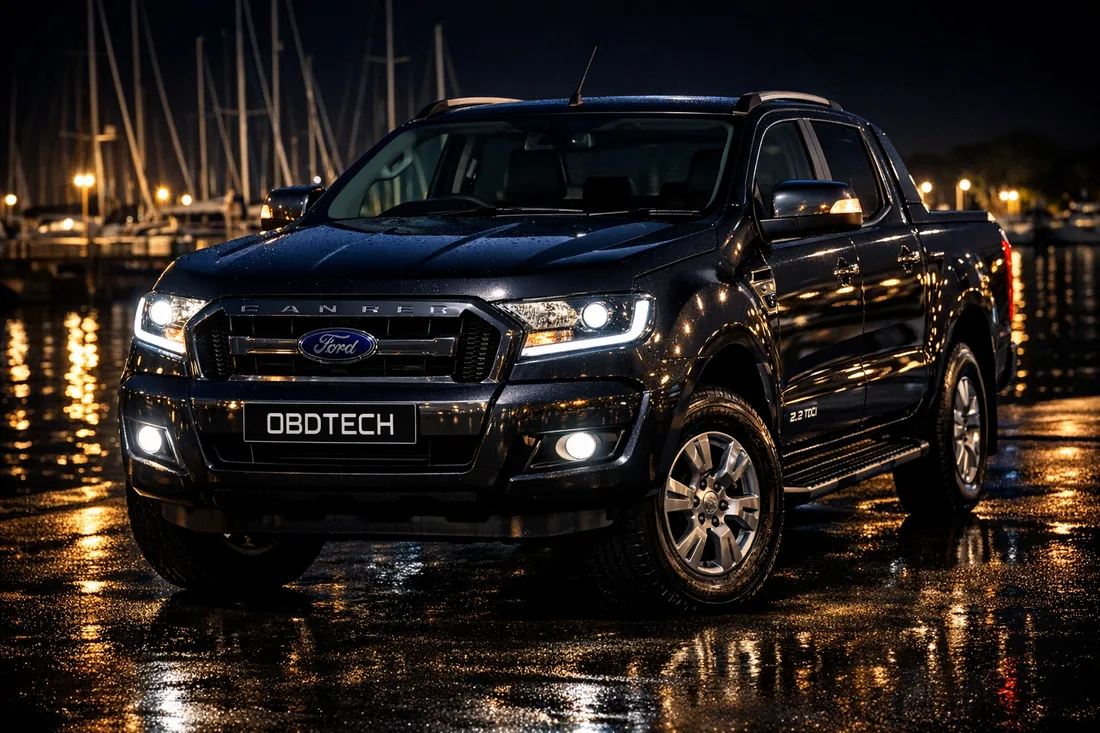
The T6 platform Ranger with the 2.2 TDCi Duratorq is where the modern Ranger story begins for most New Zealand owners. Engine code QJ2R, 2198cc, 150hp and 375Nm from the factory, running a Siemens/Continental SID208 or SID209 ECU depending on the build. It does school runs, hauls timber, tows trailers, and asks for very little in return. That reputation for toughness has also meant a lot of these trucks have been run past their service intervals, which is where the trouble starts.
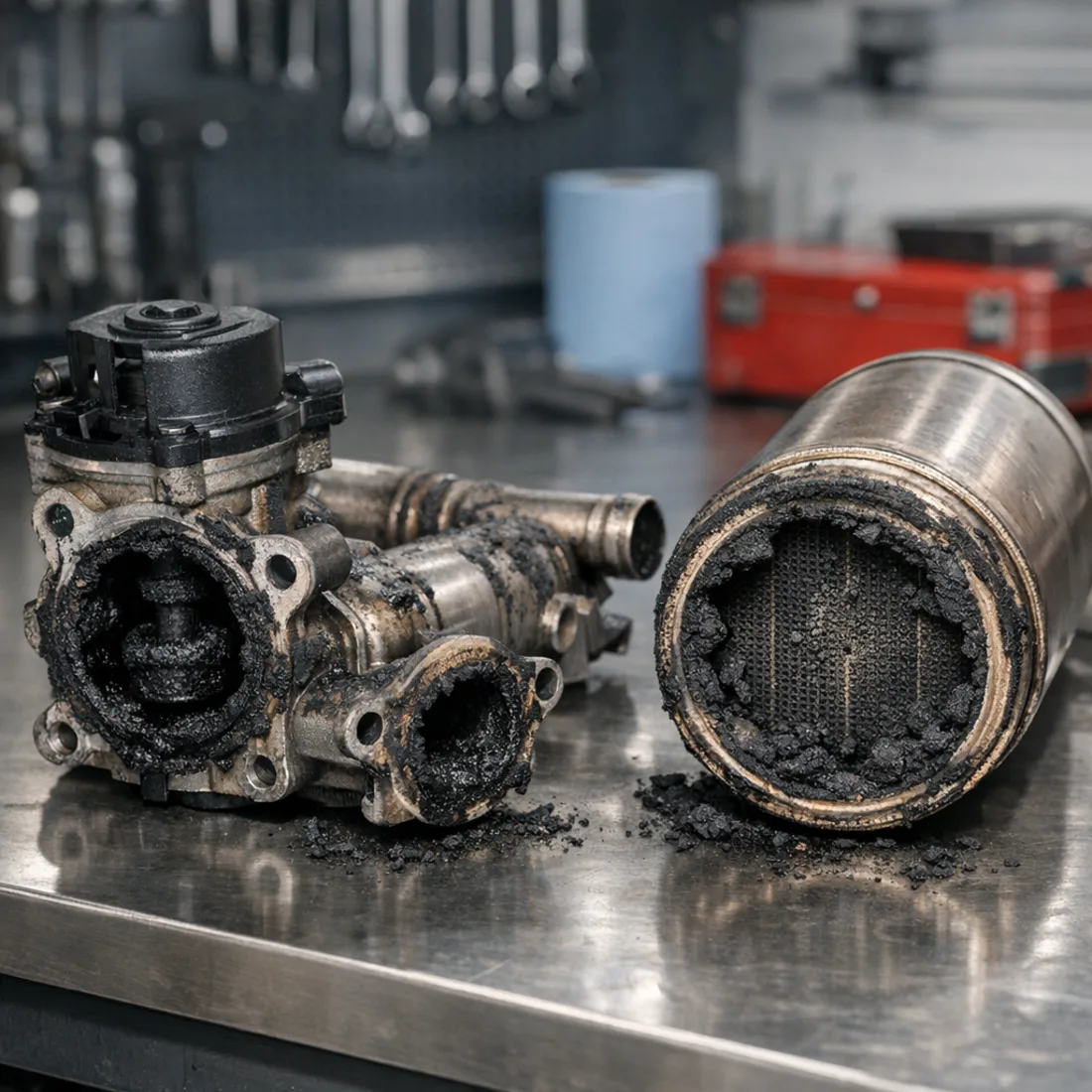
The 2.2 TDCi has a few genuinely predictable failure points. EGR valve and EGR cooler carbon build up is the most common thing we pull these in for. Heavy carbon deposits cause rough idle, power loss and limp mode, and a generic scanner will point at a fault code without telling you why it's there. Proper diagnosis with Ford IDS through a genuine VCM interface reads live EGR flow data and lets us confirm whether a clean will fix it or whether the valve needs replacing outright.
The DPF situation on these trucks is almost always a driving pattern problem. Short trips mean the engine never gets hot enough to complete a regen cycle, and the filter slowly fills up. We clean DPFs properly and diagnose the root cause rather than just clearing the code. If the truck genuinely can't do longer runs, that's a conversation worth having at the time of booking.
Injector seal leaks are another one that gets missed at lube shops. You'll see sooting around the injector bodies and a slight rough idle, and if it's left it gets worse. We fit brand new genuine parts every time, no exceptions.
-
EGR valve and cooler carbon build up causing rough running and limp mode
-
DPF blockage on trucks that only do short low speed trips
-
Injector seal leaks, visible as sooting around the injector body
-
Turbo actuator faults reducing boost and power
-
Glow plug failures causing hard cold starts
-
Timing belt replacement at the correct interval
A well serviced higher mileage 2.2 will outlast a neglected lower mileage one.
Service history matters more than age on the T6 platform.
On the tuning side, this generation responds well. A Stage 1 tune on the 2.2 TDCi takes factory output from 150hp and 375Nm up to 180hp and 450Nm, gains of 30hp and 75Nm respectively. That translates directly to better towing response and more usable mid range torque without pushing the drivetrain beyond its engineering limits. Find out more about what's possible on our power gains and tuning options page.
Get your Ranger or Raptor booked in with a proper specialist.
Ford Ranger 3.2 TDCi PX MkII: More Muscle, Same Platform Habits
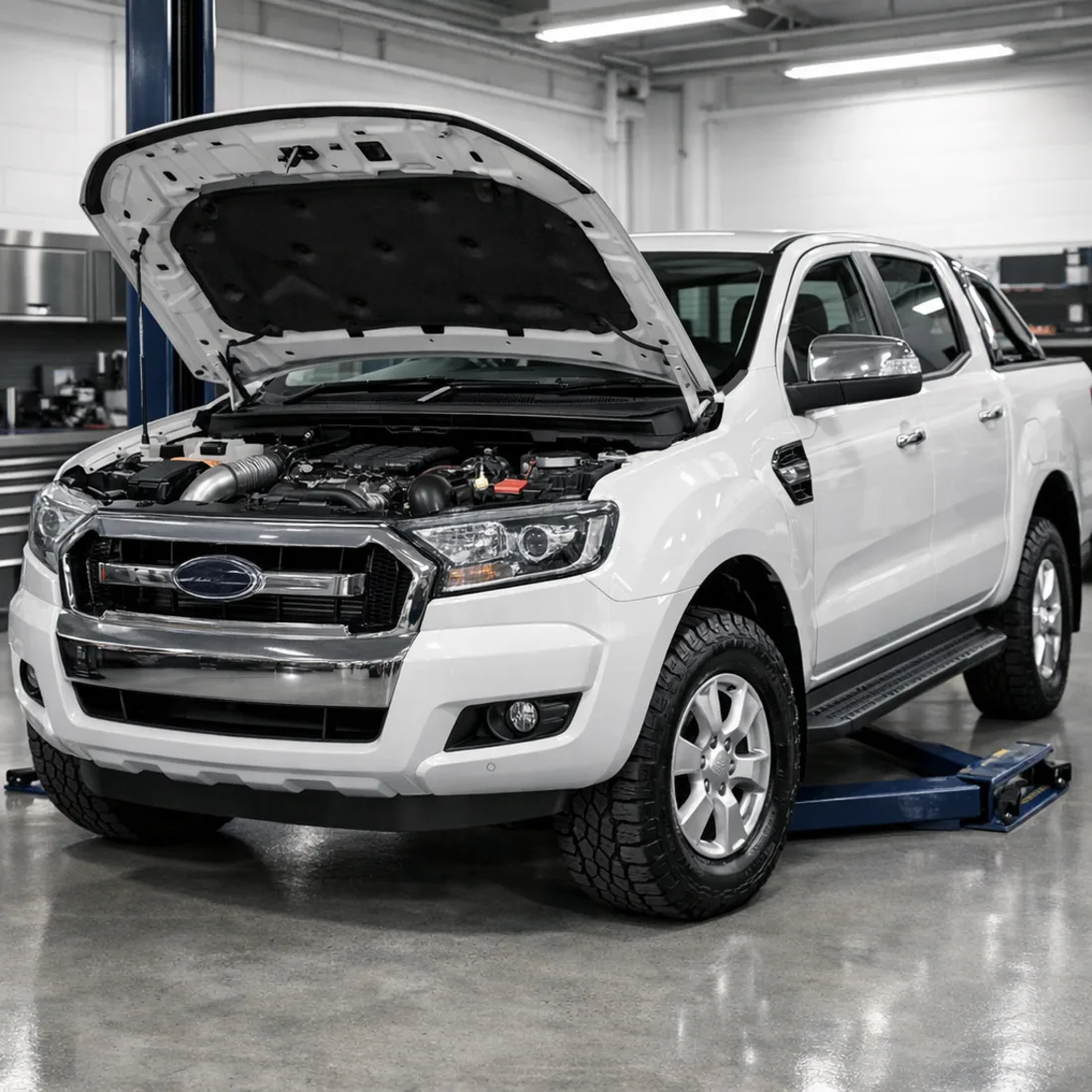
Ford's answer to owners wanting more towing grunt was the 3.2 TDCi five cylinder. Same T6 platform architecture, bigger engine: 3199cc, 200hp and 470Nm stock, with a 16.0:1 compression ratio and bore and stroke of 89.0 x 100.7mm. ECU options include the Siemens/Continental SID208, SID209, SID309 and SID603 depending on build date and market. If you're shopping between the two four cylinder TDCi and this one, the 3.2 wins on towing capacity and on road presence, but it carries some of the same platform habits from the 2.2, and adds a couple of its own.
EGR and DPF clogging carries straight over from the 2.2. The five cylinder runs hotter and moves more exhaust volume, but the short trip problem is identical: not enough heat, regen doesn't complete, filter fills up. The bigger concern specific to the 3.2 is the oil pump and turbo. Push service intervals on this engine and the turbo starts to suffer first. We've also seen coolant intrusion issues on some 3.2 engines, so a proper inspection looking for contamination is worth doing on any used example you're considering.
Diagnosis is done with Ford IDS and FDRS through a genuine VCM interface, same as across the whole family. The live data on turbo boost and fuel rail pressure tells a much more complete story than fault codes alone, and the guided routines in IDS let us test actuators properly rather than guessing.
-
Oil pump and turbo wear from stretched service intervals
-
Coolant intrusion, worth inspecting on any used example
-
EGR and DPF clogging, same short trip pattern as the 2.2
-
Injector wear causing hard cold starts and rough running with age
-
Glow plug failures, especially on higher mileage trucks
-
Timing chain condition check at higher mileages
A well maintained 3.2 is still one of the best used ute buys in New Zealand.
Five cylinder character, serious torque, and a huge parts ecosystem built over years of popularity.
The Stage 1 tune on the 3.2 TDCi is genuinely impressive. Factory 200hp and 470Nm climbs to 230hp and 550Nm, adding 30hp and 80Nm. For a truck that's already doing serious towing work, that's a meaningful upgrade in real world drivability. The SID208 through SID603 ECU family is one we know well. See our tuning page for more on what's available.
Ford Ranger 2.0 EcoBlue: A New Engine, A New Weak Point
When Ford replaced the TDCi family with the 2.0 EcoBlue in 2019, they moved to a genuinely more refined, more fuel efficient four cylinder diesel. Single turbo, 130hp in base tune, and significantly smoother than either TDCi it replaced. But the EcoBlue brought something the TDCi never had: a wet timing belt setup. That single design choice is the thing every 2.0 EcoBlue owner needs to understand.
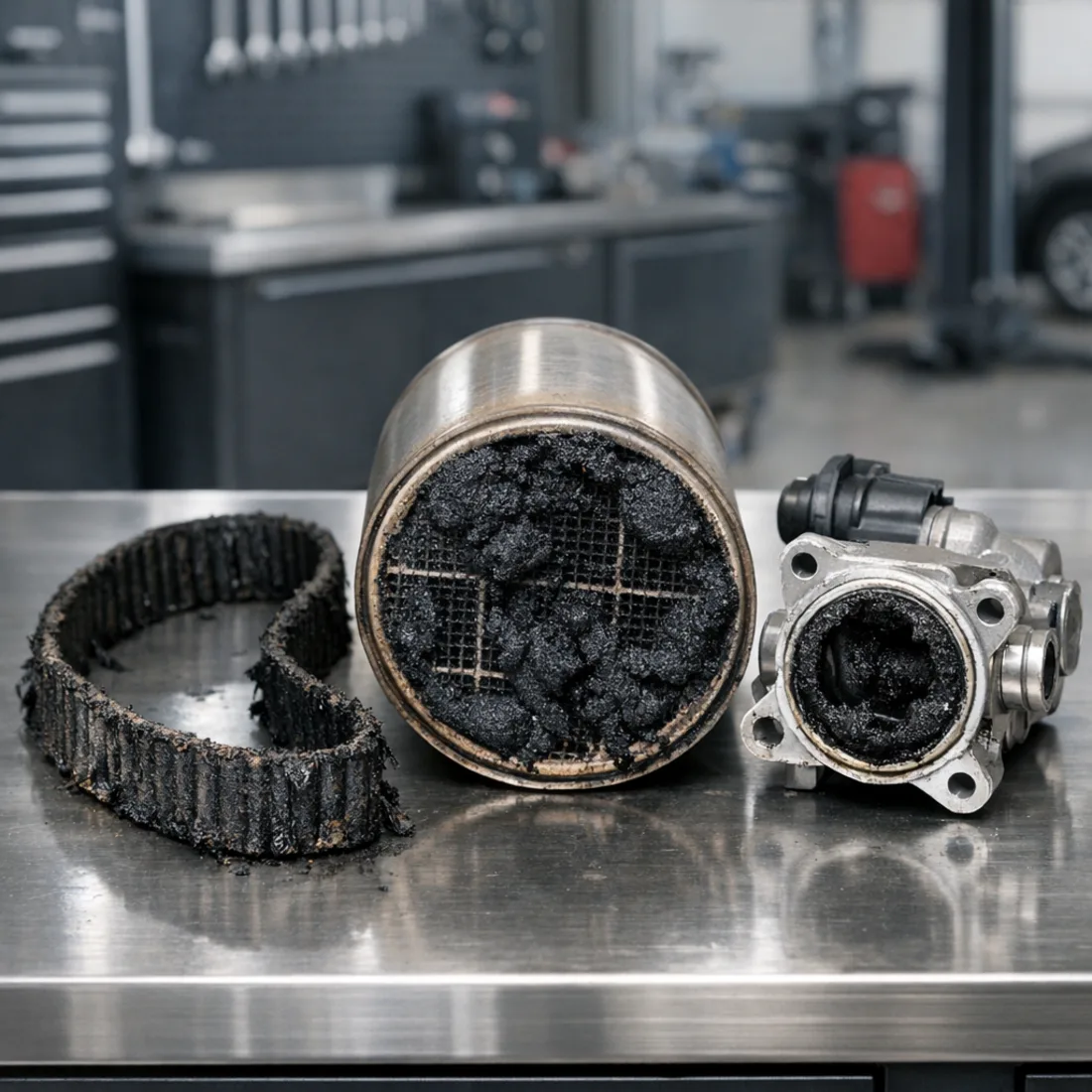
The belt in oil design means the timing belt runs submerged in engine oil rather than dry. It's a packaging and efficiency decision that works fine when maintained correctly. The problem is that when the belt degrades, it sheds material into the oil, which can block the oil pickup and starve the engine of lubrication fast. We've seen the downstream consequences of neglected wet belt services, and they're expensive. Interval and belt condition matter far more than they did on the old TDCi timing chain.
EGR and DPF clogging is still present, same driving pattern dependency as the older generations. Short trips, blocked filter, EGR fault codes. The EcoBlue also shows turbo actuator and boost control issues that can put the truck into limp mode, and glow plug and injector faults appear with age and poor fuel quality. None of these are unique to this engine, but they need factory level diagnosis to sort properly.
Ford IDS and FDRS with a genuine VCM interface is how we work on these. A generic scan tool will read fault codes, but it won't run actuator tests, force a DPF regen, or read live fuel and boost data the way the factory system does. That difference matters when you're trying to find out whether a turbo actuator is actually faulty or whether it's a boost leak elsewhere in the system.
-
Wet timing belt wear, shedding material that can block the oil pickup
-
EGR and DPF clogging from short low load trips
-
Turbo actuator and boost control faults causing limp mode
-
Glow plug and injector faults with age and poor fuel quality
The belt in oil design sheds material as it wears, and that material can block the oil pickup.
If you don't have a documented belt service history on your EcoBlue, treat it as overdue.
Stage 1 tuning is available on the 2.0 EcoBlue for owners wanting more torque and throttle response without leaving the safe operating parameters of the engine. Our power gains page covers what's achievable on this platform.
Ford Ranger Raptor 2.0 EcoBlue Bi Turbo: The Performance Variant's Particular Demands
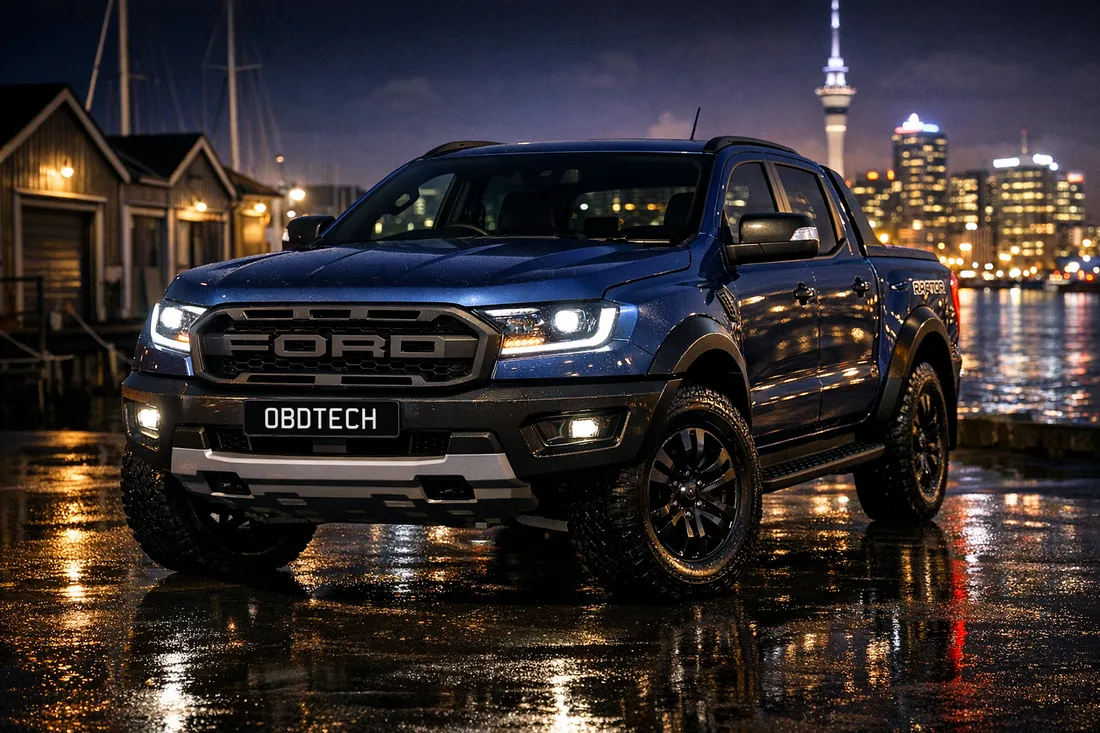
The Raptor takes everything the standard 2.0 EcoBlue does and turns it up. Same basic engine architecture, but now with a bi turbo setup making around 214hp, paired with a 10-speed automatic gearbox and a suspension system built for the kind of terrain most utes never see. It's a different product from the workhorse Rangers that came before it. Owners split their time between hard off road use and normal daily driving, and that split life is exactly what catches people out.
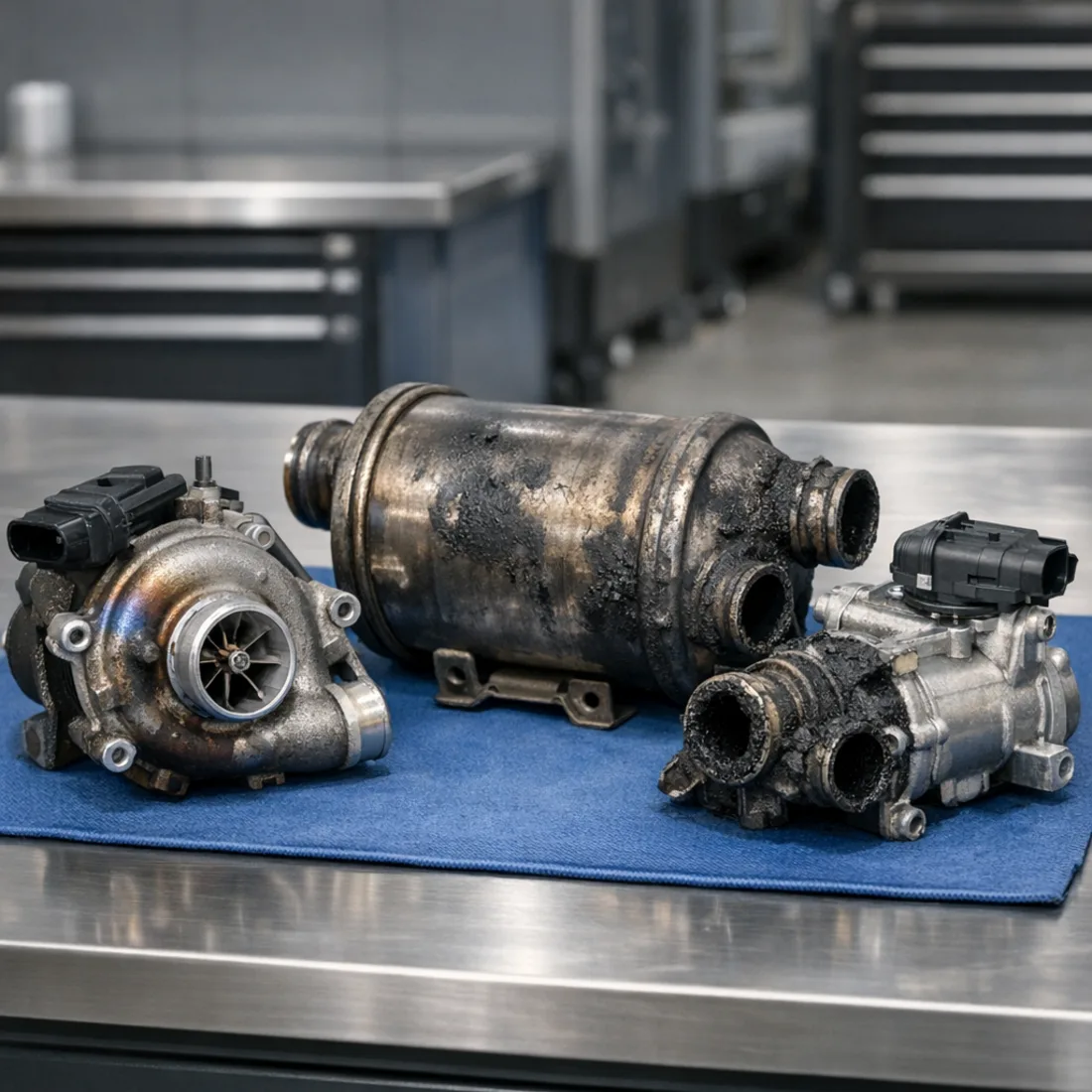
The bi turbo setup introduces the smaller high pressure turbo as a specific weak point. That secondary turbo runs harder and hotter than a conventional single unit, and it's more sensitive to oil quality and service intervals. Carbon and soot loading around the EGR and intake is also more pronounced on the Raptor because the engine is pushed harder more often, and high load off road use followed by short cool down trips is a recipe for carbon accumulation.
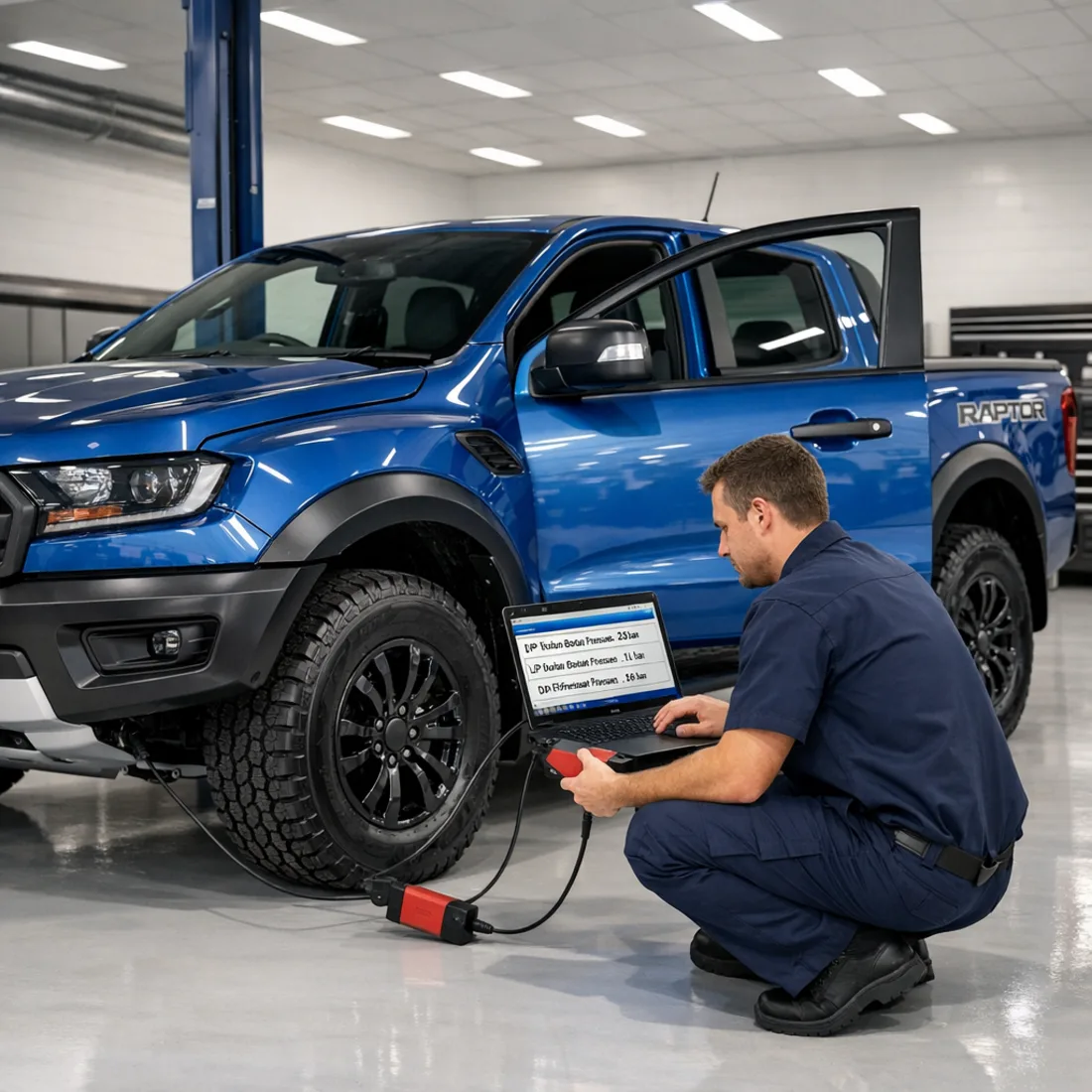
Diagnosis on the Raptor is done with Ford IDS and FDRS using a genuine VCM interface. The bi turbo setup has live boost and fuel data channels that you simply can't access with a generic tool, and getting the turbo system diagnosis right the first time saves a lot of back and forth. The Raptor also responds to Stage 1 tuning for owners who want to extract more from the bi turbo system within safe parameters.
-
High pressure turbo wear, the Raptor's most specific failure point
-
EGR and intake carbon build up from hard use and short cool down trips
-
DPF regeneration failures on trucks doing short urban runs between off road sessions
-
10-speed automatic sensitivity to fluid condition and service intervals
-
Wet timing belt wear, same as the standard 2.0 EcoBlue
Just don't treat it like a standard Ranger and skip the maintenance.
The Raptor costs more to buy and more to maintain, but if you use it the way it was designed, it's genuinely impressive.
The 10-speed automatic is smooth when it's happy and annoying when it isn't. Fluid condition is the main variable, and the Raptor's harder use cycle means the gearbox sees more heat than a standard Ranger doing highway runs. Correct fluid spec and proper service intervals keep it shifting cleanly. If you're already noticing hesitation or rough shifts, a gearbox service and TCU inspection is the right place to start.
How to Choose Between Them: The Used Buyer's Guide
If you're shopping used across this family, here's the honest breakdown. Service history matters more than age, and the right pre purchase inspection will tell you more than any listing photo.
You want the most affordable entry point with the simplest mechanical package. A well serviced higher mileage 2.2 will outlast a neglected lower mileage one. Check EGR and DPF history before buying.
Towing is the priority. More torque than the 2.2, a five cylinder character that's genuinely enjoyable, and a huge parts ecosystem. Confirm the oil service history is complete and get the turbo health checked on anything over 100,000km.
You want the modern choice: more refined, better fuel economy, and sound technology. The wet timing belt is non negotiable. Find out when it was last done, and if there's no record, budget for it immediately.
You're going to use it the way it was designed. It costs more to buy and more to maintain, the bi turbo needs genuine care, and the 10-speed gearbox is unforgiving of deferred service.
- Check EGR and DPF service history on all TDCi models
- Confirm wet timing belt replacement record on any 2.0 EcoBlue
- Inspect for coolant intrusion on any used 3.2 TDCi
- Check turbo health on any 3.2 TDCi over 100,000km
- Verify correct oil specification has been used throughout service history
- Check 10-speed gearbox fluid condition and service record on the Raptor
- Book a pre purchase inspection before committing to any used example
Servicing Across the Ranger and Raptor Family
All four generations share the same fundamental service logic, even though the hardware under the bonnet has changed significantly. Every Ranger and Raptor needs the correct oil specification for its engine, not a generic diesel grade, and the older TDCi units and the newer EcoBlue family have different requirements. Using the wrong spec degrades injector lubrication and, on the EcoBlue, can accelerate wet belt wear.
Across the whole family, a complete car service covers oil and filter with the correct diesel grade, air filter, fuel filter, cabin filter, wipers and drive belts. Glow plugs are worth checking at each service rather than waiting for a cold start complaint. Brake pads and rotors wear faster on these trucks than most owners expect, partly because the weight of a loaded ute is significant. Our brake repair and inspection service covers everything from pad wear through to disc thickness and brake fluid condition.
Suspension takes a harder life on these trucks than almost any other vehicle on New Zealand roads. Ball joints, control arm bushes and shock absorbers all need periodic inspection, especially on the Raptor where off road use is part of the brief. We check the full suspension and steering system as part of every service on these trucks, not as an add on.
How We Diagnose Every Generation Properly
Every generation in this family, the 2.2 TDCi, the 3.2 TDCi, the 2.0 EcoBlue and the Raptor Bi Turbo, gets diagnosed with Ford IDS and FDRS using a genuine VCM interface. That's not a marketing point, it's a practical one. Generic scan tools read fault codes. Factory tools read live data streams, run guided diagnostic routines, perform actuator tests and reset service items correctly.
On the TDCi engines, that means we can see live EGR flow, read fuel rail pressure, watch turbo boost in real time and confirm whether a fault is genuine or a secondary code caused by something upstream. On the EcoBlue single and bi turbo, the factory toolset accesses the additional data channels for the wet belt system and the multi turbo boost management that generic tools simply don't see.
For the Raptor's 10-speed automatic, FDRS lets us access full TCU data, run shift calibration routines and diagnose torque converter behaviour accurately. Getting the diagnosis right the first time costs less than replacing parts that weren't the problem.
Stage 1 Tuning Across the Ranger Family
Each generation in the Ranger family responds to Stage 1 tuning with meaningful gains in torque and towing response without pushing the drivetrain beyond its engineering limits.
A Stage 1 tune on the 2.2 TDCi takes factory output from 150hp and 375Nm up to 180hp and 450Nm. That translates directly to better towing response and more usable mid range torque. The SID208 and SID209 ECU family is one we know well.
The Stage 1 tune on the 3.2 TDCi is genuinely impressive. Factory 200hp and 470Nm climbs to 230hp and 550Nm. For a truck that's already doing serious towing work, that's a meaningful upgrade in real world drivability. The SID208 through SID603 ECU family is one we know well.
Stage 1 tuning is available on the 2.0 EcoBlue for owners wanting more torque and throttle response without leaving the safe operating parameters of the engine.
The Raptor responds to Stage 1 tuning for owners who want to extract more from the bi turbo system within safe parameters. The twin turbo setup rewards a well calibrated tune with noticeable gains in responsiveness.
Related work available across the family includes EGR OFF, DPF OFF, DTC Removal, FLAPS, Vmax and AdBlue solutions. See our ECU file service for remote tuning options.
Frequently Asked Questions
The questions we get most. Something else on your mind? Get in touch.