One Family, Three Very Different Animals
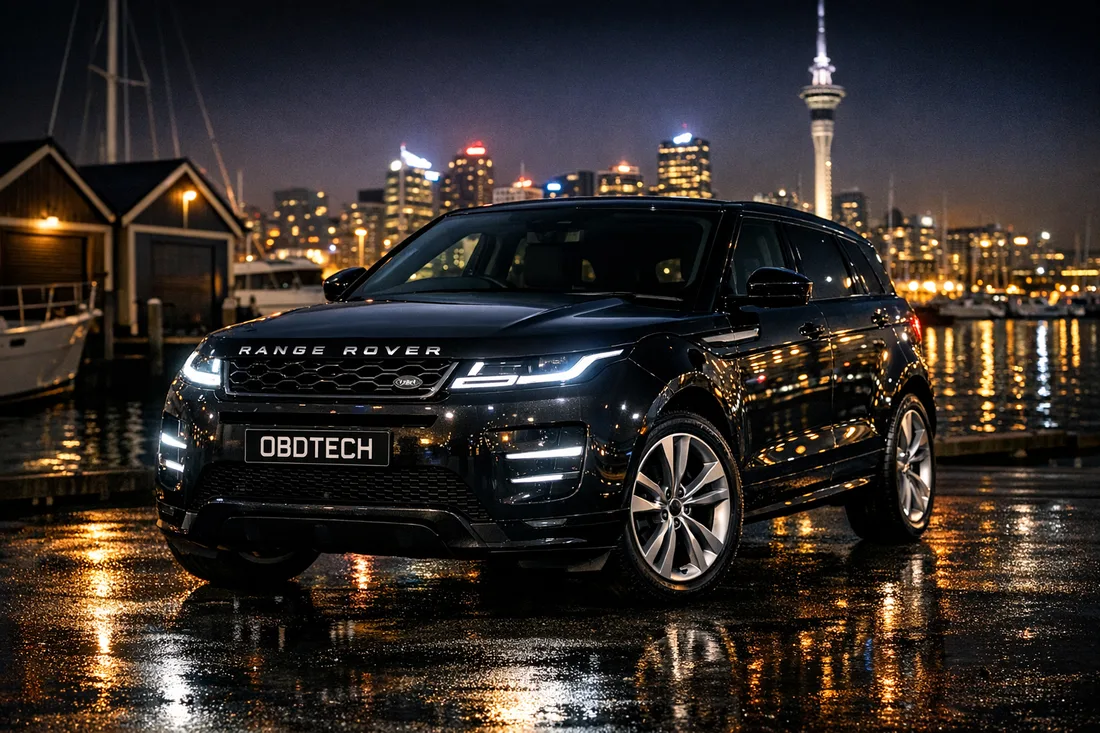
The L551 Evoque is one of the sharpest looking compact SUVs on New Zealand roads, and underneath those sculpted panels sits a range of Land Rover's own Ingenium engines, both petrol and diesel, each with its own personality and its own particular weak spots. The P250 turbo petrol brings 250 horsepower and a direct injection character all of its own. The D165 and D150 diesels share the same 2.0 litre diesel block but tune and specification differ enough that they need to be treated as separate machines. All three reward careful ownership and punish neglect, so knowing which one you have, and what to watch for, is half the battle.


Evoque P250 2.0T: The Enthusiast's Choice, With a Few Catches
The P250 is the pick of the range for anyone who wants a bit of character with their commute. Two litres, four cylinders, a turbocharger doing serious work, and 250 horsepower on tap. Land Rover's Ingenium petrol is a genuinely modern engine, but modern tightly engineered units have specific failure modes, and this one is no exception.
Timing chain wear is the one that keeps coming up on higher mileage P250s. Listen for a rattle on cold start, especially first thing in the morning. If you hear it, don't ignore it hoping it will go away. It won't, and the longer you leave it the more expensive the repair becomes. Related to this, watch for oil leaks around the timing cover and at the rear crank seal area. These engines can also seep coolant in ways that don't immediately announce themselves with a temperature warning, so keep an eye on the reservoir level between services.
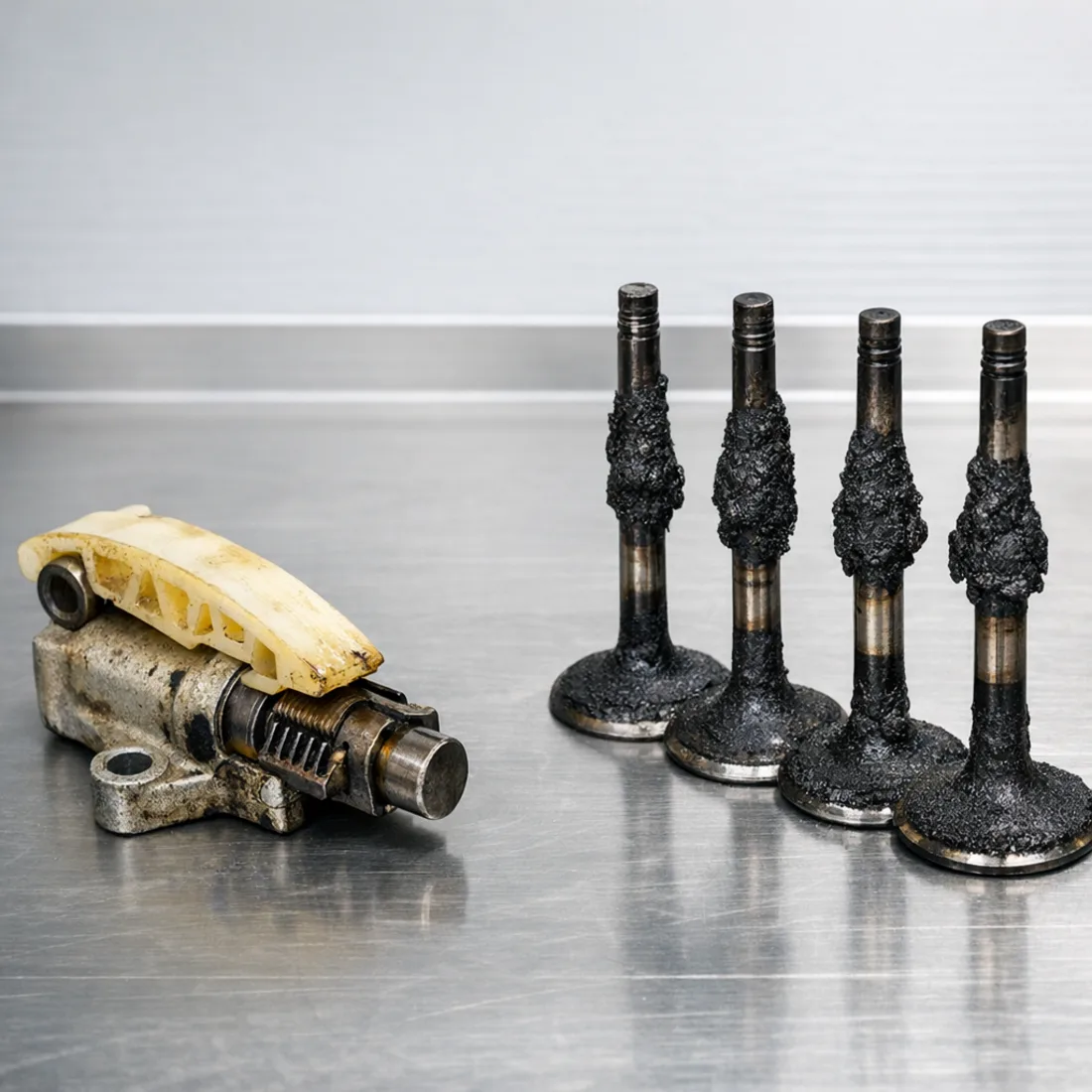
The carbon build up issue is something almost every direct injection petrol engine deals with, and the P250 is no different. Because fuel is injected directly into the cylinder rather than over the intake valves, there is nothing to wash away the oily deposits that accumulate over time. The result is rough running, hesitation and a gradual loss of power. An intake decarbon clean sorts it and is well worth doing at higher mileages.
On the electrical side, Evoques generally have more going on in the module network than most people realise. Infotainment niggles, module communication faults and the occasional ghost warning light are all part of life with this car. A generic scan tool just isn't going to cut it here. We diagnose P250s using the factory Land Rover platform with SDD and Pathfinder, the same tooling the Land Rover network uses, which means we can read every module, run guided routines and clear faults properly rather than just resetting warning lights and hoping for the best.
-
Timing chain rattle and stretch on higher mileage examples
-
Carbon build up on intake valves from direct injection operation
-
Coolant loss and oil leaks at the timing cover and rear crank area
-
Turbo and PCV system faults
-
Electrical and infotainment module gremlins
A generic scan tool just isn't going to cut it here.
We diagnose P250s using the factory Land Rover platform with SDD and Pathfinder, the same tooling the Land Rover network uses.
Stage 1 tuning is available on the P250 if you want to extract a bit more from the 2.0 turbo. The Ingenium petrol responds well and it's a straightforward way to sharpen throttle response alongside a remap.
Get your Evoque booked in with a proper Land Rover specialist.
Evoque D165 2.0D: More Power Than the D150, Same Core Concerns
The D165 sits above the D150 in the diesel range, squeezing 165 horsepower from the same Ingenium 2.0 diesel block. It's the diesel most buyers who wanted a bit more pull opted for, and on paper it makes sense. In practice, the higher output comes with the same fundamental engine architecture, which means the same core fault patterns apply, just with slightly different tuning pressures involved.
Timing chain rattle on cold start is just as relevant here as it is on the D150. The Ingenium diesel's chain and tensioner setup is a known concern across the family, and the D165 hasn't escaped that. If you're buying one used, a cold start listen before purchasing is non negotiable.
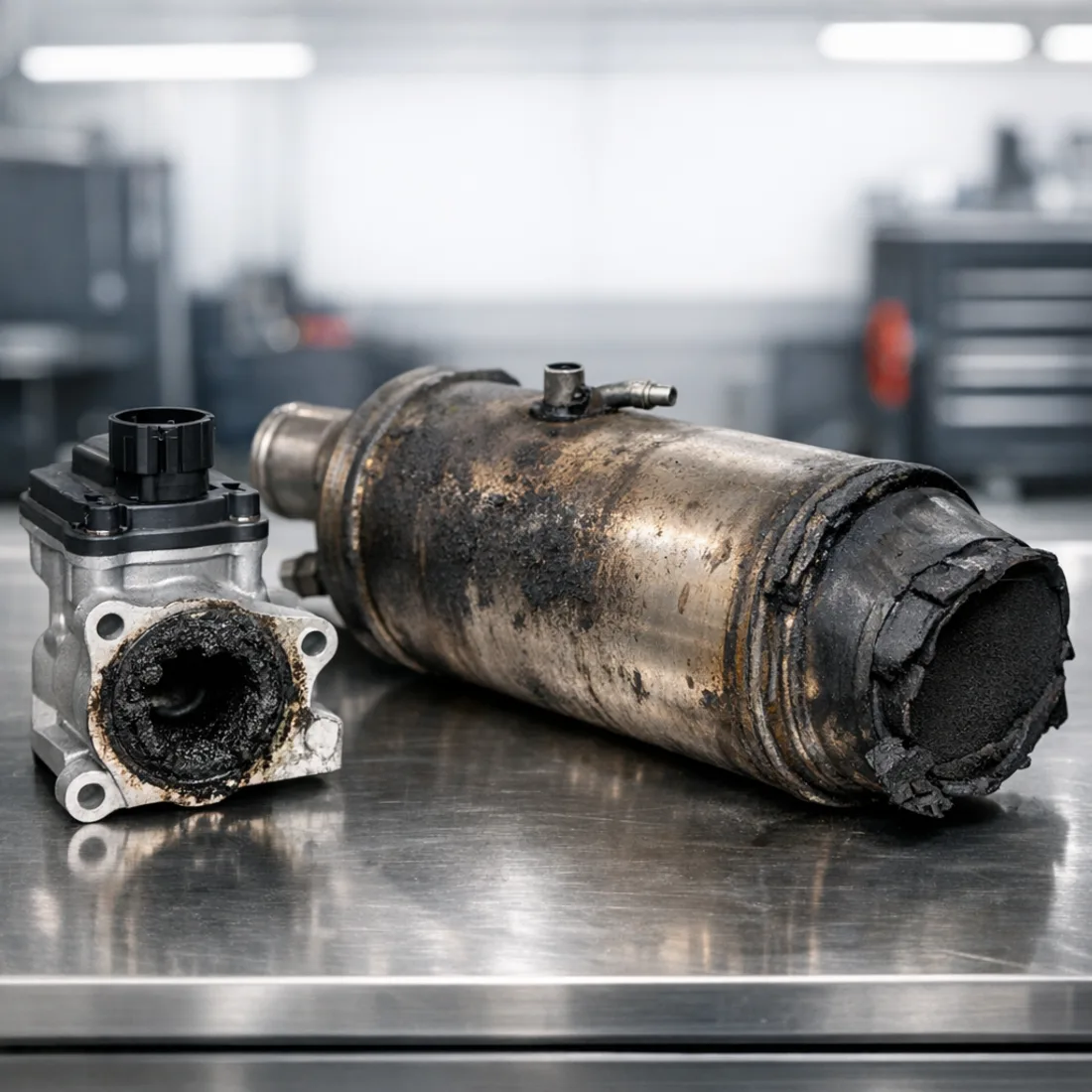
The D165's emissions system is a full suite: EGR, DPF and SCR with AdBlue dosing. That means more components that can cause grief, particularly on cars that do a lot of short urban trips where the DPF never gets a proper regeneration cycle. Interrupted regens lead to oil dilution, and oil dilution is quietly destructive to the engine internals over time. If your D165 has been doing school runs and supermarket trips more than motorway kilometres, it's worth having the DPF status checked.
AdBlue and NOx sensor faults on D165s tend to arrive with warning lights that owners sometimes dismiss as minor. They're not. Left unchecked, an AdBlue fault will eventually put the car into a limited start cycle. We sort these properly with genuine parts and correct counter resets using SDD and Pathfinder, not guesswork.
Compared to the P250, the D165 is the better motorway car and the more economical choice for genuine long distance driving. Compared to the D150, it's the stronger performer. Where it loses is complexity: the full emissions suite means more things that can go wrong, and more expense when they do. That's not a reason to avoid it, it's a reason to stay on top of the servicing.
-
Timing chain wear and tensioner faults on cold start
-
DPF regeneration failures and blocked filters from short trip use
-
EGR valve clogging reducing performance and economy
-
AdBlue system and NOx sensor faults
-
Turbo actuator faults and oil dilution from interrupted regens
A cold start listen before purchasing is non negotiable.
The Ingenium diesel's chain and tensioner setup is a known concern across the family, and the D165 hasn't escaped that.
Evoque D150 2.0D: The Entry Diesel, With a Solid Foundation
The D150 is where most buyers started with the diesel Evoque. One hundred and fifty horsepower and 380 Nm of torque from a 2.0 litre 204DTD diesel, managed by a Bosch EDC17CP55 ECU. It's not a fire breather, but it's a composed, capable engine that suits the Evoque's character well, particularly in urban traffic where torque matters more than peak power.
The bad news is that an Evoque doing Auckland urban work is living exactly the duty cycle that's hardest on the 204DTD. Short trips mean cold running, DPFs that never fully regenerate, EGR systems clogging with soot, and oil that gradually gets diluted by unburned fuel. None of this is catastrophic on its own, but let it accumulate and you end up with a bill that could have been avoided with more regular attention.
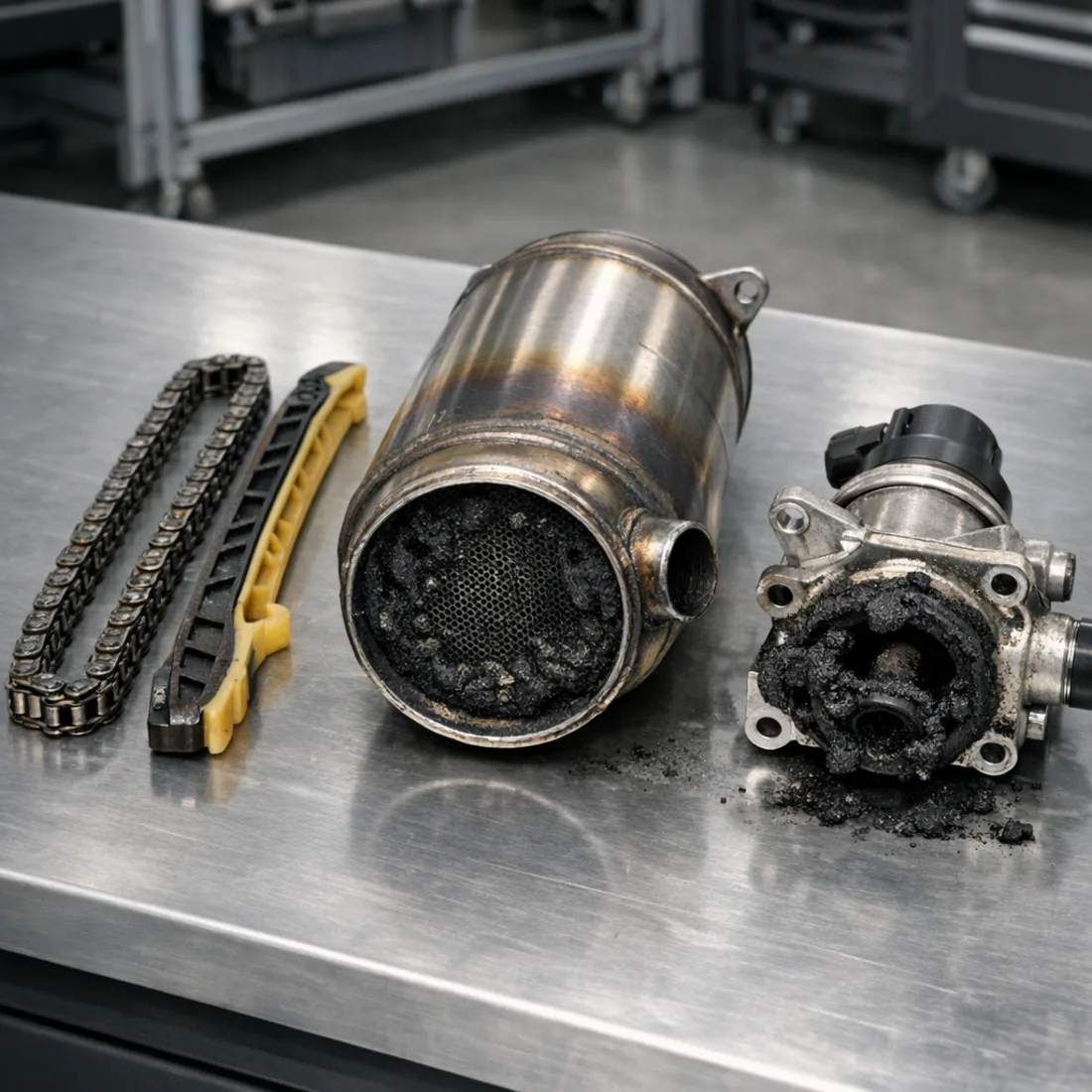
Timing chain wear is present here too, just as it is on the D165 and P250. The 204DTD's chain is well documented as a component to watch, and we see plenty of D150s come in where the chain has been left to stretch well past the point where it should have been replaced. A chain replacement is not a cheap job, but it's dramatically cheaper than the damage an unaddressed chain failure causes.
Relative to the D165, the D150 is the simpler, cheaper car to run when it's healthy. The same core faults apply, but slightly less power means slightly less stress on the emissions components. It's the better choice if you're budget conscious and the performance gap doesn't bother you.
-
204DTD timing chain wear and tensioner replacement
-
DPF and EGR cleaning or replacement from urban short trip fouling
-
AdBlue dosing faults and NOx sensor replacement
-
Injector issues and turbo actuator faults
-
Oil dilution from interrupted DPF regeneration cycles
A chain replacement is not a cheap job, but it's dramatically cheaper than the damage an unaddressed chain failure causes.
The 204DTD's chain is well documented as a component to watch, and we see plenty of D150s come in where the chain has been left well past the point where it should have been replaced.
The D150 also has the most clearly defined tuning potential of the three. A Stage 1 remap on the 204DTD via the Bosch EDC17CP55 ECU takes output from 150 hp and 380 Nm to 190 hp and 460 Nm. That's a 40 horsepower and 80 Nm gain that transforms the car's motorway character. If you're doing genuine driving rather than just urban crawling, the remap is well worth considering alongside a service visit. Check out our power gains and tuning options for more detail on what's achievable.
Shopping Used: Which Evoque Should You Buy?
Across all three: check for oil dilution (take a sniff of the dipstick, and look for a milky or unusually low viscosity appearance), listen for chain rattle on a cold start, and make sure the Terrain Response and all the electronic driver aids are functioning before you drive away. These cars have deep module networks and a pre purchase diagnostic scan is money well spent.
You're a petrol fan who does varied driving, a mix of city and motorway, and want a car with a more direct feel. Watch for timing chain evidence, carbon fouling history and any signs of coolant seepage. Ask whether the intake valves have ever been cleaned. A well maintained P250 is genuinely enjoyable. A neglected one with a worn chain is an expensive rescue project.
You do real distance driving and want the extra punch over the D150. The full SCR emissions suite means more components in the chain, so it rewards buyers who can verify the DPF and AdBlue system are in good health before purchase. If the car has lived a short trip life, budget for an emissions system inspection on day one.
You want the sweet spot for pure value. The 150 hp output is enough for most real world use, the 380 Nm torque figure makes it feel stronger than the numbers suggest, and the Stage 1 tuning potential means you can close a lot of the gap to the D165 for far less than the price difference on the used market. If the 204DTD chain hasn't been replaced and the car has covered decent mileage, factor that job into your offer.
- Listen for timing chain rattle on a cold start before purchasing any variant
- Check for oil dilution: sniff the dipstick and look for milky or low viscosity appearance
- Verify DPF and AdBlue system health on both diesel variants
- Ask about intake valve cleaning history on the P250
- Confirm Terrain Response and all electronic driver aids are functioning
- Consider a pre purchase diagnostic scan across all modules
Servicing Across the Evoque Family
All three variants share the same basic service rhythm, but the fluid specs and specific service items differ enough to matter. The diesels need a low SAPS oil grade to protect the DPF, and using the wrong oil is one of the faster ways to accelerate DPF fouling. The P250 needs a low ash long life petrol grade. None of these are interchangeable, and we only use the correct specification for each variant.
For both diesels, the fuel filter is often overlooked. It's not a high visibility item but it's on the service schedule for good reason. Combined with air filter, cabin filter, drive belt, glow plugs and brake fluid, a proper diesel service on the D150 or D165 is more involved than people often expect. We cover all of it as part of our car servicing at our Penrose workshop.
The P250 adds spark plugs to the consumables list and doesn't need a fuel filter service in the same way, but the intake decarbon clean is something we'd recommend working into the schedule for any P250 over 60,000 km. On all three models we also handle brake pad and rotor replacement, coolant service, suspension components and sensors as required. For anything brake related, our brake repair service covers the full job with genuine parts.
One thing worth flagging: the DPF on both diesels needs genuine regeneration cycles to stay healthy. If your Evoque is flagging DPF warnings or going into limp mode, don't just reset the light and carry on. Bring it in for a proper regen and a check of the DPF pressure differential, not a light reset with a generic tool.
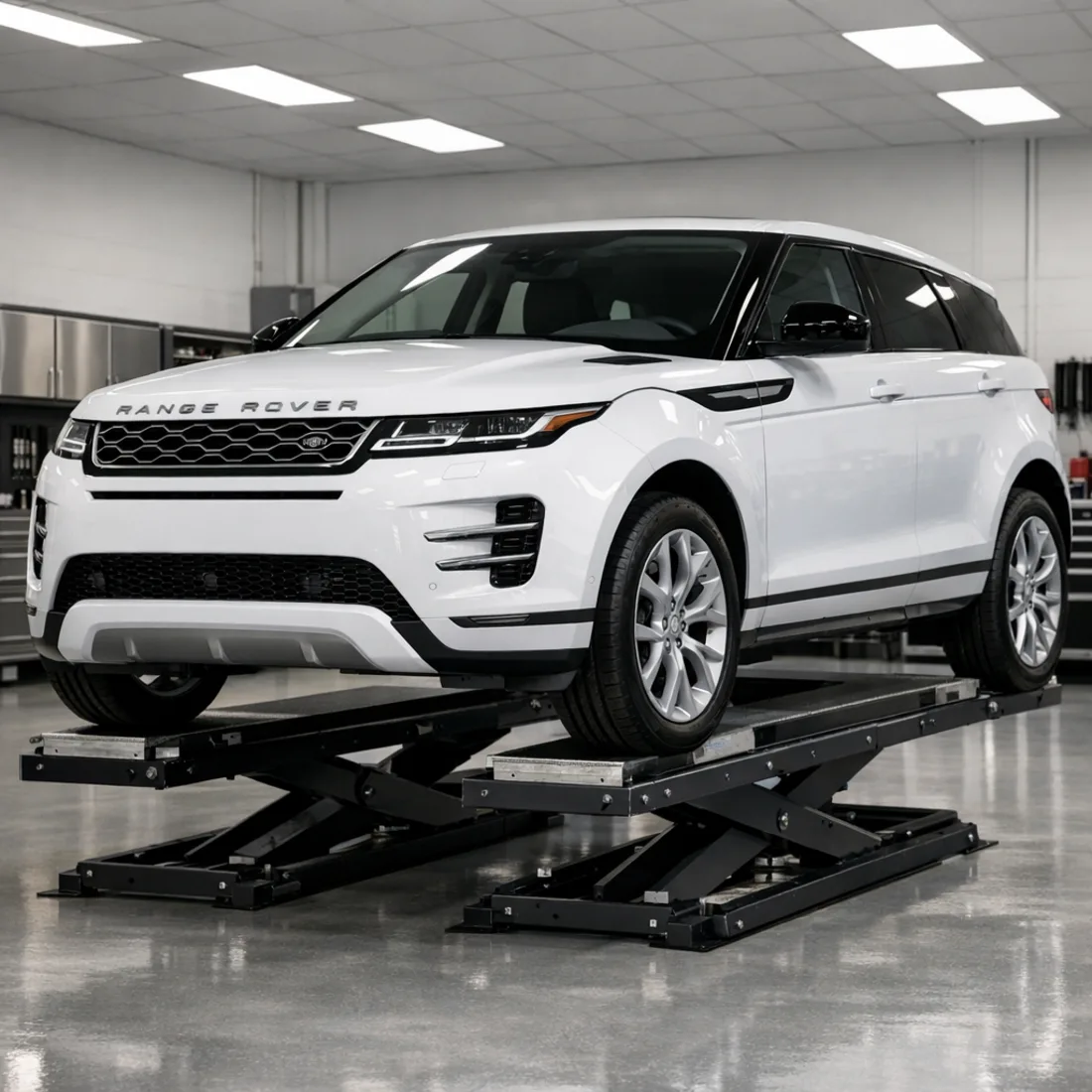
How We Diagnose the Evoque Family
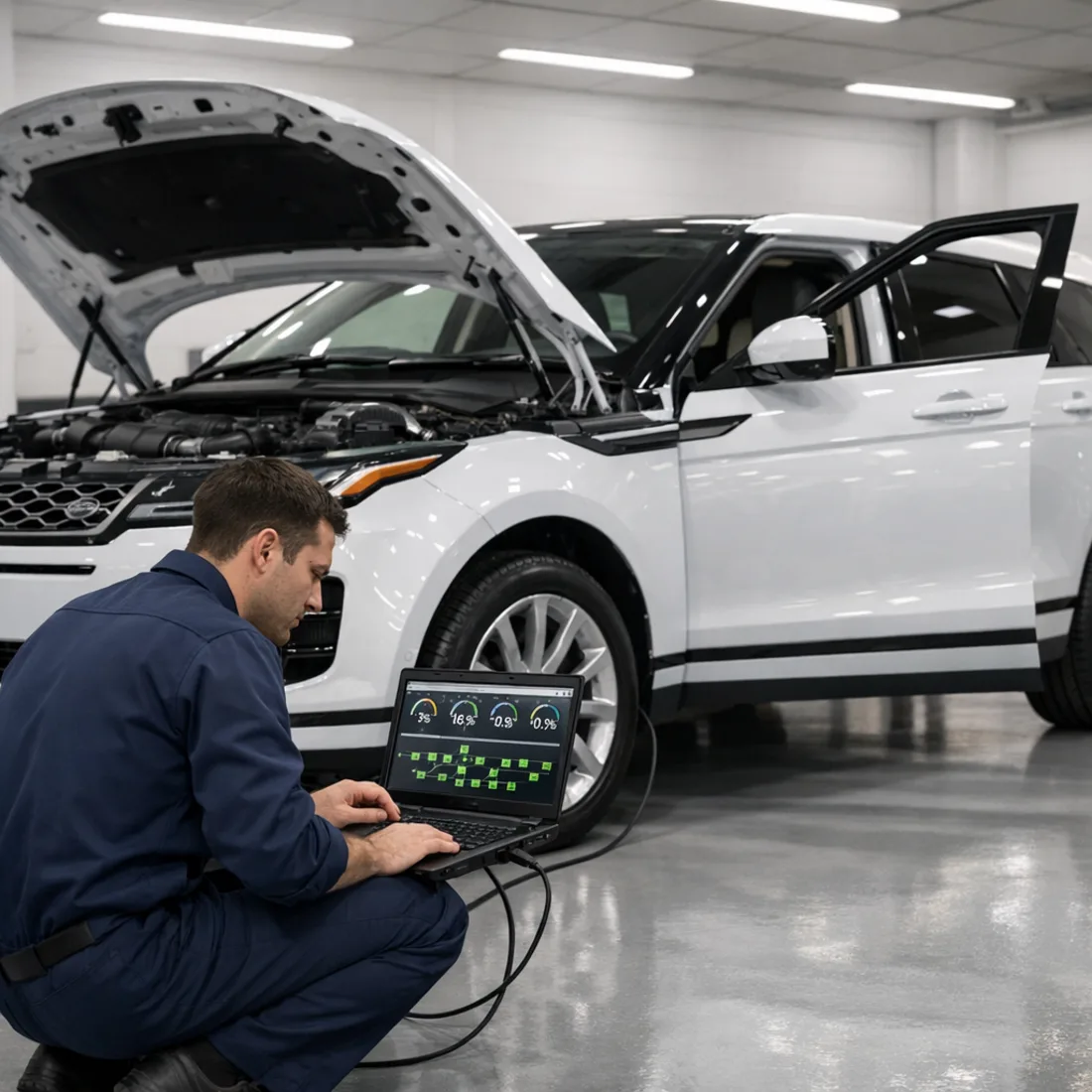
The Evoque is one of those vehicles where a generic scan tool gives you about twenty percent of the picture. The module network is deep: body control, transfer case, terrain response, active driveline, audio and infotainment, ADAS systems, and more. A reader that only pulls engine fault codes is going to miss most of the story.
We use the factory Land Rover diagnostic platform, SDD and Pathfinder, with a genuine JLR interface. That means we can read every module on the car, run guided diagnostic routines, perform active tests (like commanding DPF regens or testing turbo actuator movement), and reset service counters and AdBlue counters correctly. When a workshop resets an AdBlue counter incorrectly it can cause cascading faults that are more expensive to unwind than the original problem, so this matters.
For coding and programming work, whether that's a replacement module that needs configuring to the car, key programming or software updates, we handle all of that through the same factory tooling across all three Evoque variants.
On the P250 specifically, the petrol side diagnostics include fuel trim analysis, injector balance reporting and ignition system checks that go well beyond what a fault code on its own tells you. On the diesels, we can read DPF soot load, ash load and pressure differential data directly from the ECU, which is the correct way to assess whether a DPF needs cleaning, forced regen or replacement.
Tuning the Evoque: What's on the Table
Not every Evoque owner wants more power, but for those who do, there are real gains available across the range without compromising reliability when the work is done properly.
The D150 has the clearest tuning story. The 204DTD on the Bosch EDC17CP55 ECU responds well to a Stage 1 remap, moving from 150 hp and 380 Nm to 190 hp and 460 Nm. That extra 40 horsepower and 80 Nm of torque makes a noticeable difference in real driving conditions, particularly at motorway speeds and when overtaking. The car feels significantly more capable without touching any hardware.
The D165 also has Stage 1 tuning potential where suitable, and we assess each car individually before confirming what's achievable. Higher output engines often have less headroom built in, but a properly calibrated remap still improves throttle response and driveability even if the peak gains are smaller.
The P250 petrol benefits from tuning as well. The Ingenium turbo petrol's ECU responds to remapping with improved throttle response and better power delivery across the rev range, working well alongside a decarbon clean if the car has accumulated intake deposits.
All tuning work is carried out with genuine calibration files appropriate to the vehicle's specification and condition. We don't tune cars that have underlying mechanical faults, and if we find a timing chain or emissions issue during the pre tune check, that gets addressed first. A remap on a compromised engine isn't doing anyone any favours. See our file service for more on how we handle calibration work.
Frequently Asked Questions
The questions we get most. Something else on your mind? Get in touch.