Range Rover L322: 4.4i V8 and 4.2 Supercharged
The L322 Range Rover is one of the most capable and composed luxury SUVs ever sold in New Zealand, but it arrived with a level of complexity that punishes neglect and defeats generic scan tools. Across the two petrol V8 variants, the naturally aspirated 4.4i and the supercharged 4.2, the platform shared the same sophisticated electrical architecture, the same air suspension DNA, and the same expectation that whoever services it actually understands it. Here is the full story of both, the faults, the fixes, and where each sits if you are shopping or already own one.
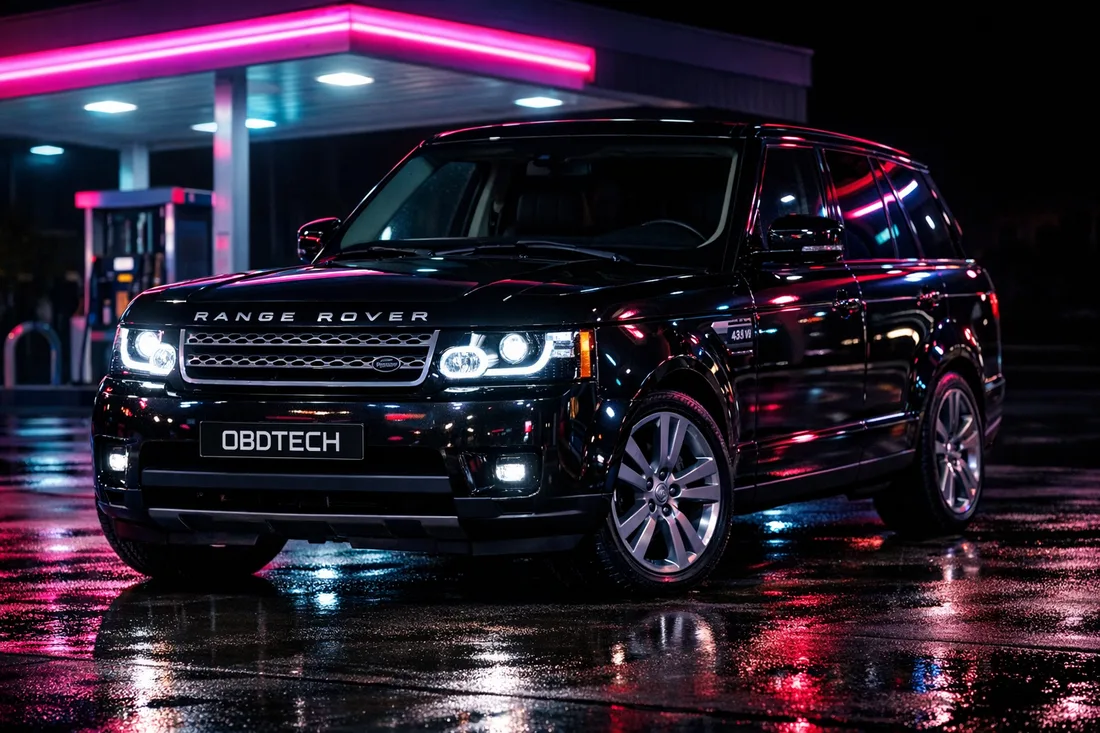
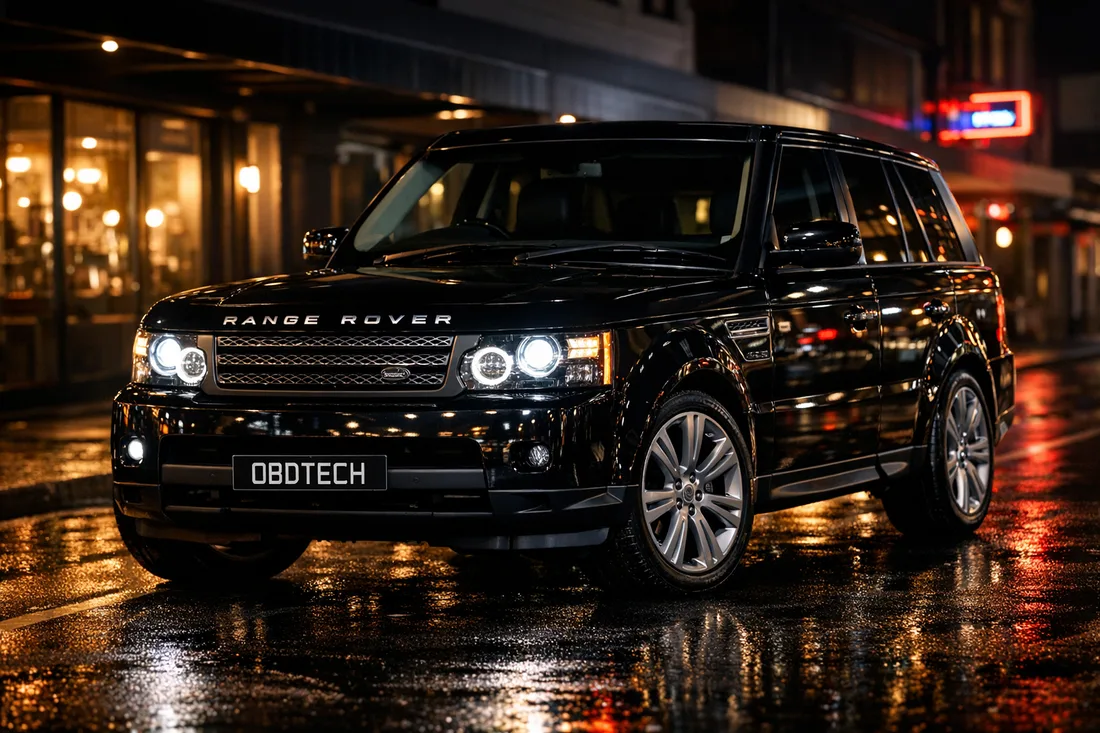
Range Rover 4.4i V8: The One That Set the Standard
The 4.4i naturally aspirated V8 was the everyday performance choice in the L322 lineup. With 299hp and 425Nm from a 4394cc engine, running a 10.8:1 compression ratio and an 88.0 x 90.3mm bore and stroke, it had enough grunt to make the weight feel manageable while keeping things relatively simple compared to what came next. It pulled families, towed boats, and covered serious motorway kilometres without drama, provided someone was looking after it properly.
That last part matters, because the 4.4i is getting on in age now and what we see coming through the workshop reflects it. A lot of these have been through multiple owners, and the service history gets patchy.
The air suspension issue is something we deal with constantly on L322s. The compressor runs harder as the springs start to weep, and if it is left it burns the compressor out entirely. Getting ahead of it with a proper inspection saves real money. The coolant leaks are similar: what starts as a small weep from a plastic pipe fitting can escalate into an overheating event if it is ignored.
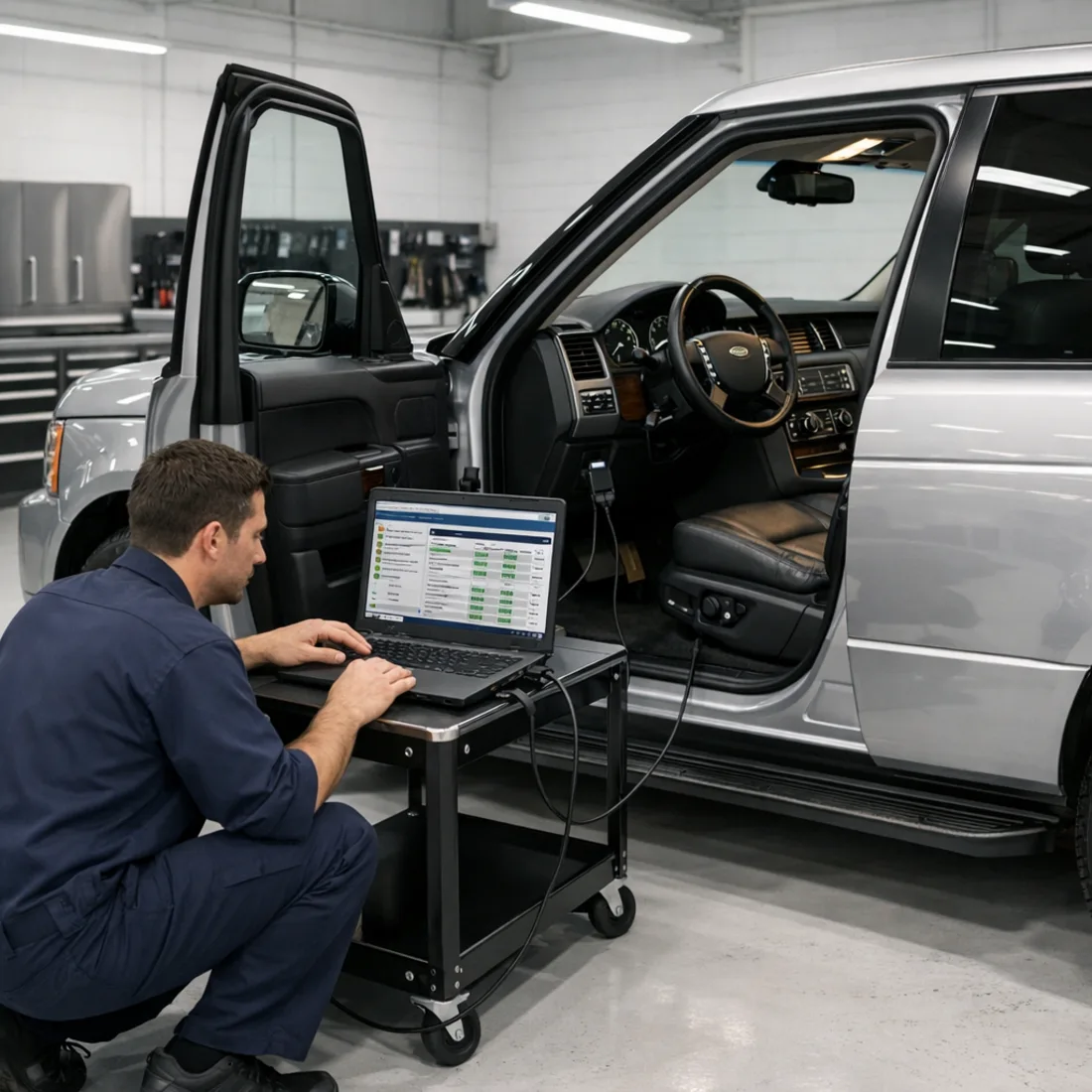
On the electrical side, the 4.4i uses a Denso ECU (MB279700-9xxx series) and a multi module architecture that shares a lot with the rest of the L322 range. Generic code readers pull maybe a third of what is actually happening in there. We use the factory Land Rover SDD and Pathfinder platform with a genuine interface, which means we can read every module, clear faults correctly, and code replacement parts without guessing.
-
Timing chain and tensioner wear, especially on engines that have not had regular oil changes with the correct grade
-
Secondary air injection faults throwing warning lights and causing failed emissions checks
-
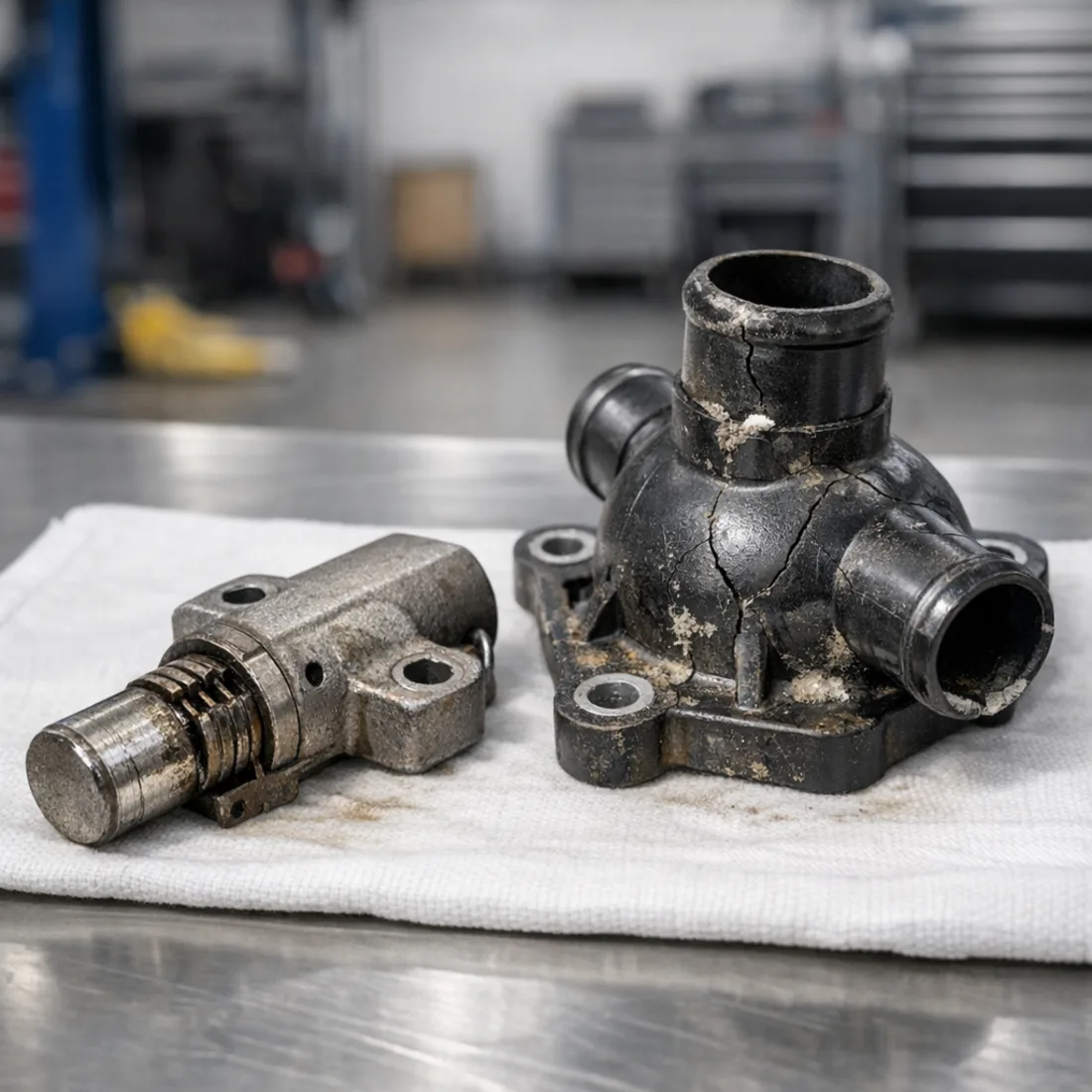
Coolant leaks from plastic coolant pipes and the thermostat housing, which are known to crack over time
-
Air suspension compressor failure and leaking air springs, causing a sagging or uneven ride height
-
Electrical gremlins driven by a tired battery or poor earth connections across the many control modules
Generic code readers pull maybe a third of what is actually happening in there.
Factory SDD and Pathfinder access with a genuine interface is the only way to read every module correctly.
Routine servicing on the 4.4i should cover engine oil and filter in the correct grade, air filter, cabin filter, spark plugs, drive belts, and a proper brake service. Given the vehicle's weight, brake wear is real and corners cut here have consequences. We only fit new genuine or OEM spec parts, so there are no surprises down the track.
For owners who want a bit more from what is still a strong engine, we offer a Stage 1 tune that takes the 4.4i from 299hp and 425Nm to 318hp and 448Nm, a gain of 19hp and 23Nm that sharpens the throttle response and fills in the mid range. Not a dramatic transformation, but it makes the car feel noticeably more alert.
Get your L322 booked in with a specialist who has the right tools for it.
Range Rover 4.2 V8 Supercharged: More of Everything, Including the Faults
Land Rover took the same 88.0 x 90.3mm bore and stroke dimensions as the 4.4i, dropped the capacity slightly to 4196cc, lowered compression to 9.1:1 to suit forced induction, bolted on an Eaton supercharger, and produced something genuinely spectacular. The 4.2 Supercharged, engine code 428PS, produces 396hp and 560Nm of torque. That is nearly a hundred more horsepower and over 130Nm more twist than the naturally aspirated car, in a vehicle that weighs well over two tonnes. The result is a luxury SUV that genuinely embarrasses sports cars off the line.
The catch is that all that performance amplifies the consequences of deferred maintenance and adds its own specific failure modes on top of the ones the 4.4i already had.
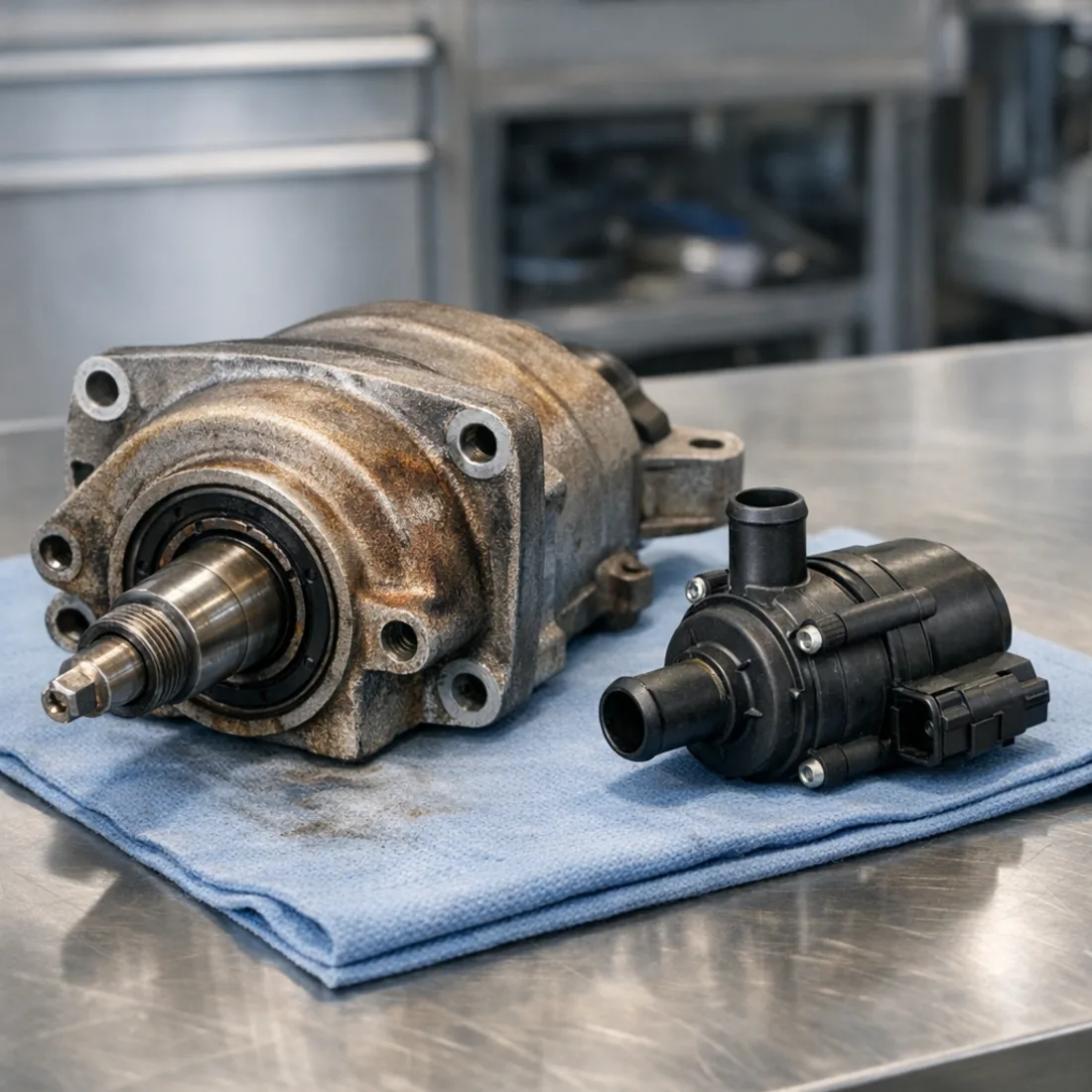
The supercharger nose bearing is worth calling out specifically because owners often ignore the early whine thinking it is just the blower doing its thing. It is not. A failed bearing can destroy the supercharger itself, and a replacement is not cheap. Catching it early and replacing the bearing is a fraction of the cost of a supercharger rebuild or replacement.
The intercooler pump is another one that catches people out. It is an electric pump that circulates coolant through the charge cooler, and when it fails the intake charge temperature climbs, power drops, and the engine management system starts pulling timing. The car feels flat and the owner often assumes something more serious is wrong. Diagnosis with factory tooling usually points straight to it.
-
Eaton supercharger nose bearing wear, which starts as a whine and gets worse fast if not addressed
-
Intercooler coolant pump failure, which kills boost efficiency and can cause overheating under hard use
-
Timing chain tensioner and secondary chain wear on high mileage engines, audible as a rattle on cold start
-
Air suspension compressor and front air spring leaks, with the heavier performance trim making the sag more pronounced
-
Coolant leaks from plastic pipe fittings and hose connections throughout the system
-
Electrical faults and module communication errors, particularly when the battery is weak
A luxury SUV that genuinely embarrasses sports cars off the line.
All that performance amplifies the consequences of deferred maintenance and adds its own specific failure modes.
Like the 4.4i, the supercharged car uses a Denso ECU in the MB279700 family, and the same multi module electrical architecture applies. Factory SDD and Pathfinder access is not optional on these, it is the only way to diagnose correctly. Routine servicing covers all the same items as the 4.4i plus supercharger condition checks, intercooler system inspection, and a closer look at the cooling system given the additional heat load.
The Stage 1 tune for the supercharged 4.2 is significantly more rewarding than on the naturally aspirated car. We can take it from 396hp and 560Nm to 450hp and 650Nm, a gain of 54hp and 90Nm. That is a meaningful step up that transforms the driveability, particularly in the mid range where the torque delivery becomes noticeably more linear and the throttle response sharpens considerably.
Buying Used: Which L322 V8 Makes More Sense?
If you are shopping the used market, both variants have real merit and real risks, and understanding the difference between them matters before you commit. In both cases, have a proper pre purchase inspection done with factory diagnostic tools before you buy. A generic scan tool will not tell you what you need to know about the suspension modules, the air system control, or the engine management in any real depth. Our team can do that inspection and give you a straight answer on what you are looking at.
The 4.4i V8 is the easier ownership proposition. It does not have the supercharger specific failure points, the intercooler system, or the additional complexity that goes with forced induction. A well maintained 4.4i with documented service history is a genuinely solid buy. The timing chain, air suspension, and cooling system faults are manageable if they have been dealt with. If you are choosing between the two purely on budget and want the least risk, the sweet spot is a 4.4i with a clean service history.
The 4.2 Supercharged is a harder proposition to assess but a more rewarding car when it is right. The performance gap over the 4.4i is real and noticeable every time you drive it. The additional fault risks, the nose bearing, the intercooler pump, the greater heat load on everything, mean the pre purchase inspection has to be thorough. A supercharged L322 that has been properly looked after is brilliant. If you want the full L322 experience and are prepared to maintain it properly, the supercharged car is worth the premium, provided the pre purchase inspection comes back clean.
- Have a pre purchase inspection done with factory Land Rover SDD and Pathfinder tooling, not a generic scan tool
- Check service history for correct oil grade and interval compliance, critical for timing chain health
- Assess air suspension compressor output and inspect all four air springs for slow weeping
- On the supercharged car, listen for supercharger nose bearing whine and confirm intercooler pump operation
- Inspect all plastic coolant pipes and thermostat housing for weeping or cracking
- Check battery condition and earth integrity across all control modules
- Verify brake pad and rotor condition given the vehicle weight and braking loads
Servicing Both L322 Variants: What the Schedule Actually Needs
The L322 platform demands more from a service than a standard oil change and a sticker on the windscreen. These are complex vehicles and the service scope should reflect that. Our car servicing work on the L322 covers the full picture regardless of which V8 you have.
Engine oil and filter selection matters on both variants. The correct grade is not negotiable given the timing chain tensioner sensitivity on these engines. Air filter, cabin filter, spark plugs, and drive belts are all interval items that genuinely affect how the car runs and should not be deferred. The air suspension system needs to be assessed at every service, not just when the car is sagging. An air spring that is weeping slowly will eventually fail and take the compressor with it.
Brake work on both variants deserves proper attention. At over two tonnes, the braking loads are significant and we see rotors and pads worn well beyond sensible limits on cars that have been serviced elsewhere without a proper check. Our brake repairs cover everything from a routine pad and rotor swap to caliper rebuilds and sensor replacement. We fit new genuine or OEM parts only, no shortcuts.
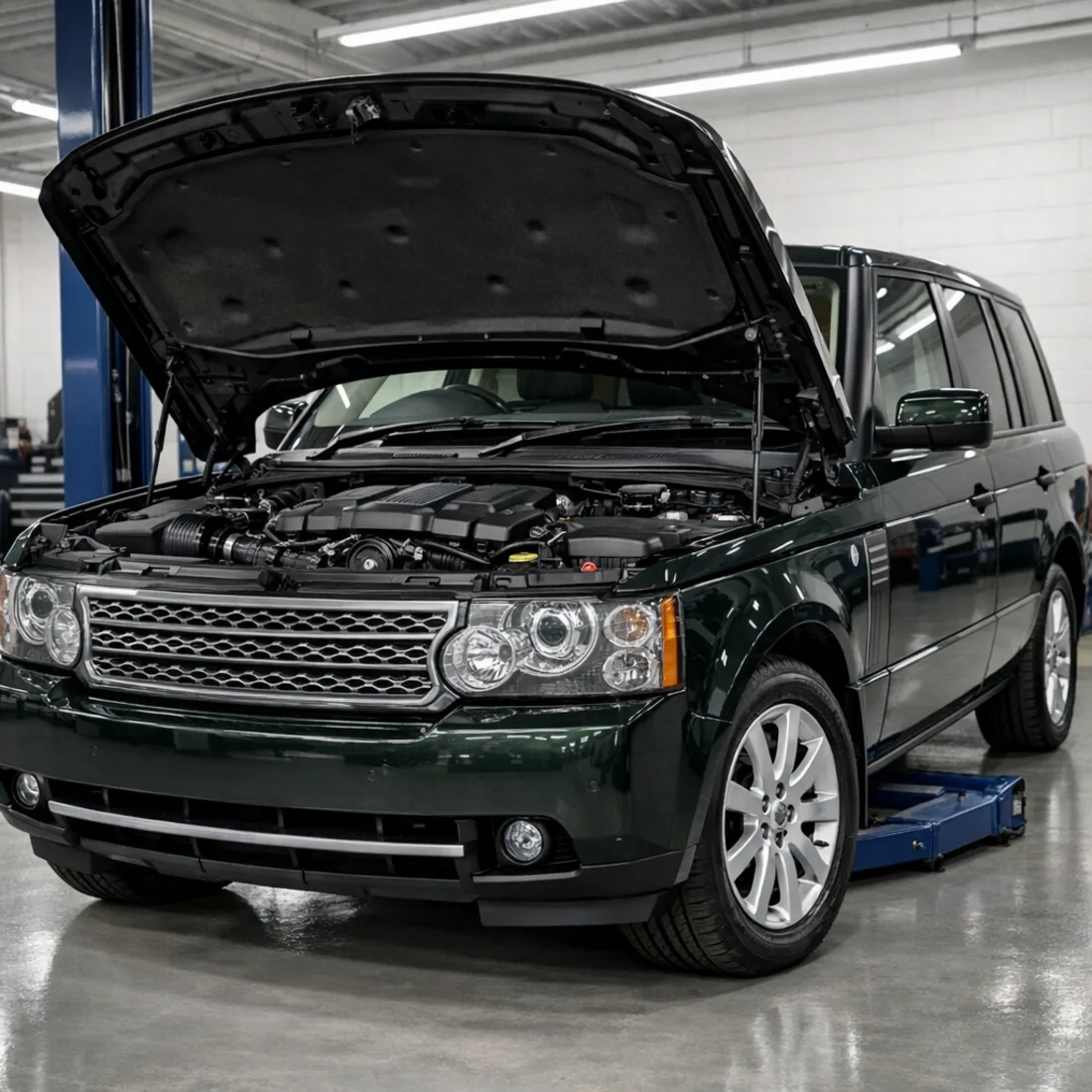
How We Diagnose the L322: Factory Tools, Not Guesswork
Both the 4.4i and the 4.2 Supercharged use the same multi module electrical architecture, and it is an architecture that simply does not reveal itself fully to a generic scan tool. The ECUs across the range are Denso units, the engine management, the suspension control module, the transfer case, the body control systems, they all need to be queried in the right language and the right sequence to get accurate data.
We use the factory Land Rover SDD and Pathfinder diagnostic platform with a genuine interface. That means we can read every module across the car, not just the powertrain. Fault codes get read and cleared correctly rather than masked. Replacement parts get coded to the vehicle properly. Suspension recalibrations are done to the correct procedure rather than left to self learn. And when something unusual shows up, we are reading the actual data rather than an approximation of it.
This matters particularly on the supercharged car where the interaction between the engine management, the supercharger system, and the cooling controls means a misdiagnosis in one area often sends someone chasing a problem in another. It also matters on the air suspension, where fault codes need to be interpreted in the context of live pressure and height sensor data to understand what is actually failing versus what is flagging as a consequence.
For anything involving module coding, key programming, or component replacement that requires vehicle configuration, our car programming and coding work handles it properly with the factory tools.
Stage 1 Tuning for the L322 V8
Both L322 V8 variants respond to a Stage 1 calibration, though the results are very different in character. The naturally aspirated 4.4i gains sharpness and mid range fill, while the supercharged 4.2 delivers a genuine transformation in driveability. In both cases, engine condition is confirmed before any calibration is applied.
For owners who want a bit more from what is still a strong engine, a Stage 1 tune takes the 4.4i from 299hp and 425Nm to 318hp and 448Nm, a gain of 19hp and 23Nm that sharpens the throttle response and fills in the mid range. Not a dramatic transformation, but it makes the car feel noticeably more alert.
The Stage 1 tune for the supercharged 4.2 is significantly more rewarding than on the naturally aspirated car. We can take it from 396hp and 560Nm to 450hp and 650Nm, a gain of 54hp and 90Nm. That is a meaningful step up that transforms the driveability, particularly in the mid range where the torque delivery becomes noticeably more linear and the throttle response sharpens considerably. We check compression, supercharger condition, intercooler pump operation, and cooling system integrity before touching the calibration.
All tuning work is carried out using a file service approach with the correct tooling for the Denso ECU platform. DTC removal is available on both variants, with DECAT, FLAPS, and Vmax options also available on the supercharged 4.2.
Frequently Asked Questions
The questions we get most. Something else on your mind? Get in touch.