Range Rover Sport L461: P530 V8, D350 Diesel and SVR Across the Generations
The L461 Range Rover Sport is one of the most technically ambitious vehicles ever sold in New Zealand. Whether you're running the twin turbo P530 petrol V8, the Ingenium D350 diesel with its mild hybrid assist, or the older supercharged SVR that started the performance conversation, these are machines that reward proper workshop attention and punish shortcuts quickly. Here's the full story across all three, straight from the people who see them every week.

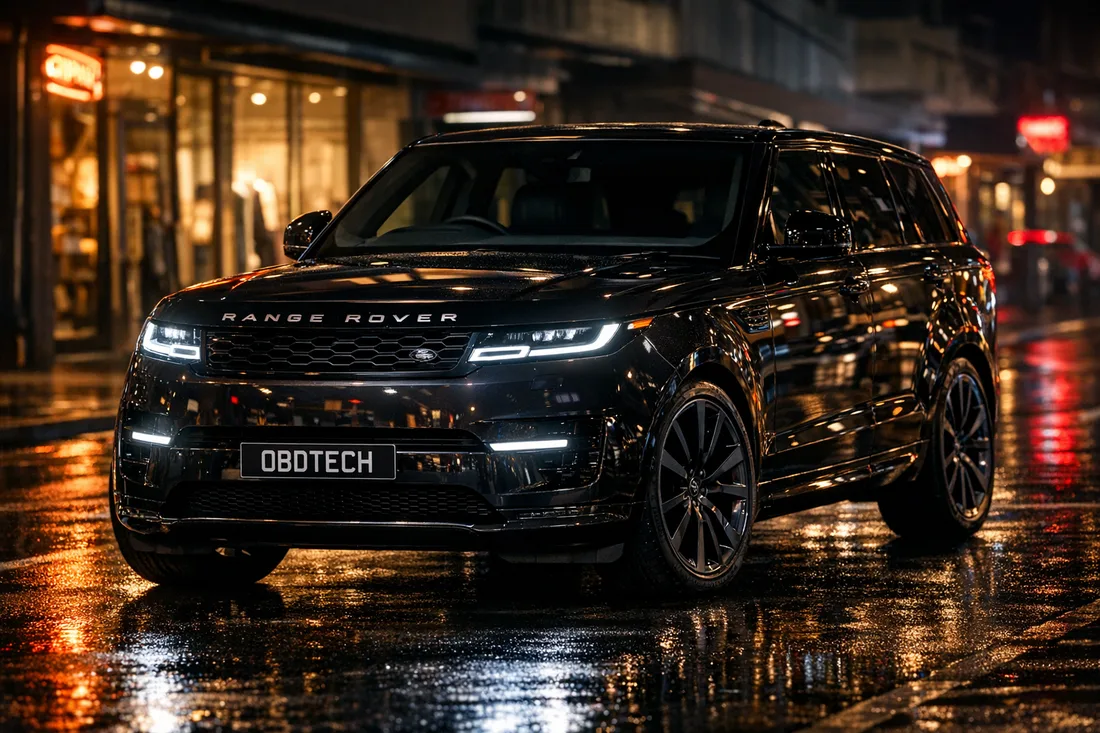
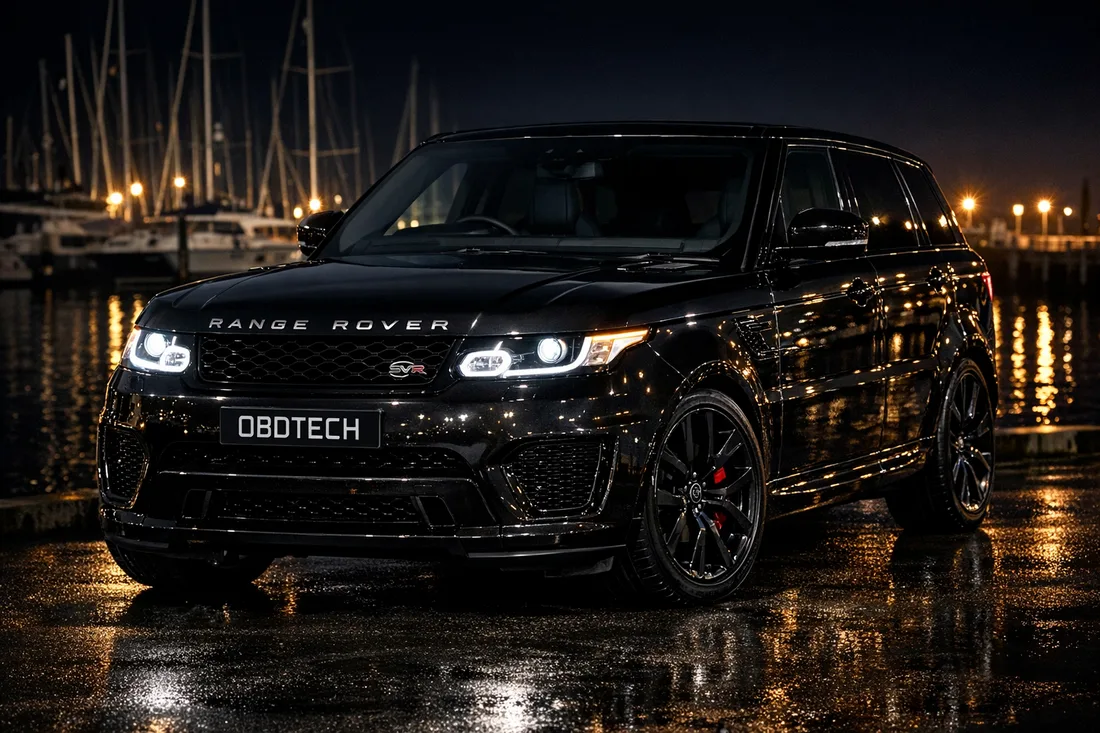
Range Rover Sport P530 4.4 V8: Five Hundred and Thirty Horsepower That Needs Minding
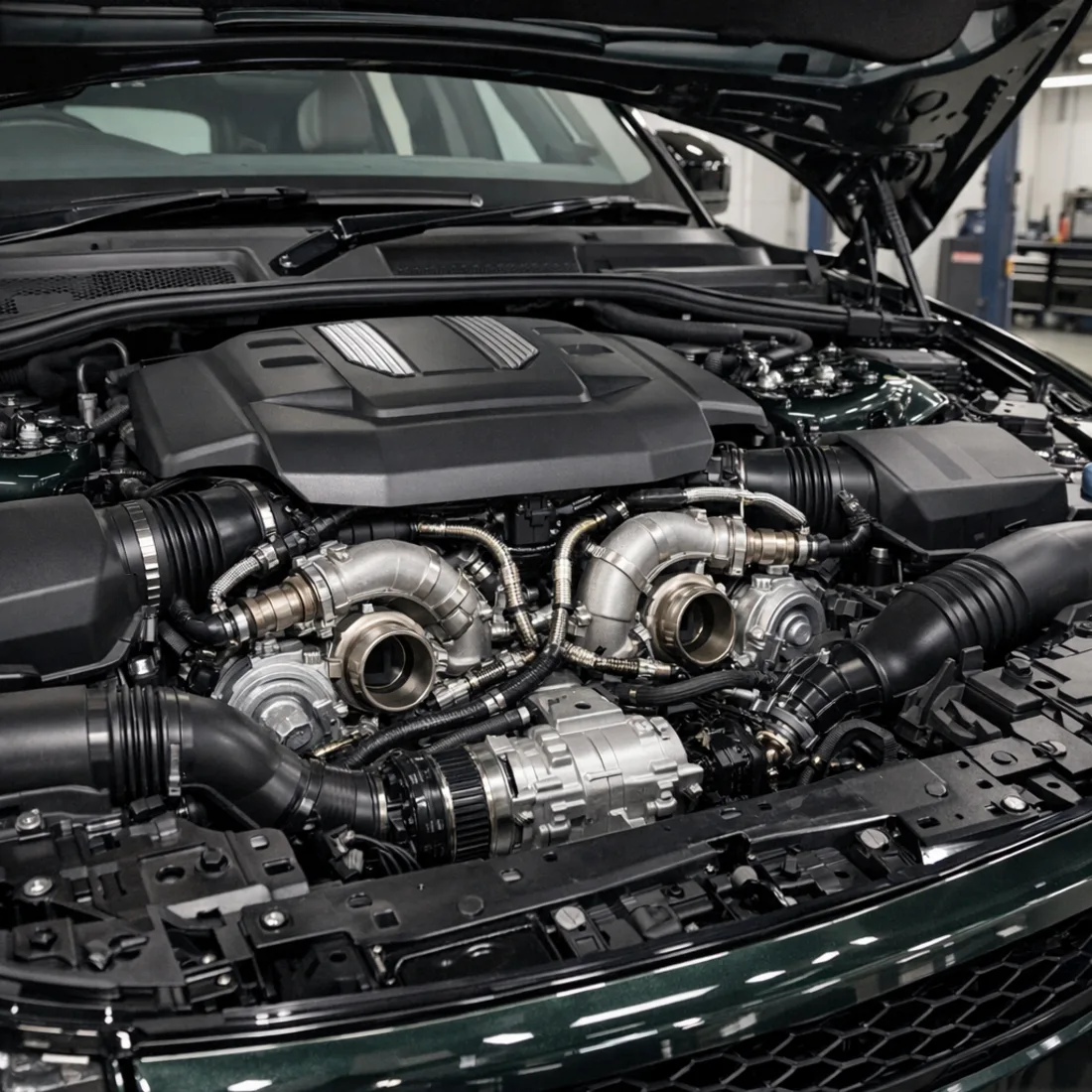
The P530 is the headline act of the current L461 range. Twin turbos, a 4.4 litre V8 sourced from BMW's N63 family, 530 horsepower, and a chassis that manages to feel composed even when you're hustling something the size of a small house through corners. It's genuinely impressive. It's also genuinely complex, and complexity has a price when the maintenance gets lazy.
The N63 family engine has well documented tendencies that Land Rover inherits here. Turbo oil feed and coolant lines are a known watch point, especially once the kilometres start building. Timing chain and guide wear shows up over higher mileage, particularly when oil service intervals get stretched. Oil consumption is another one: keep the correct low SAPS grade topped up and serviced on time, and the engine is happy. Let it run long or use the wrong spec oil, and you'll start seeing wear that's expensive to address.
-
Turbo oil feed lines and coolant hoses to the turbos
-
Timing chain and guide condition at higher mileage
-
Oil consumption linked to service interval stretching
-
48V mild hybrid system faults and belt starter generator
-
Air suspension compressor and valve block
-
Coolant system integrity across the engine and turbo circuit
Let it run long or use the wrong spec oil, and you'll start seeing wear that's expensive to address.
The correct low SAPS grade, changed on time, is the single most important thing you can do for this engine.
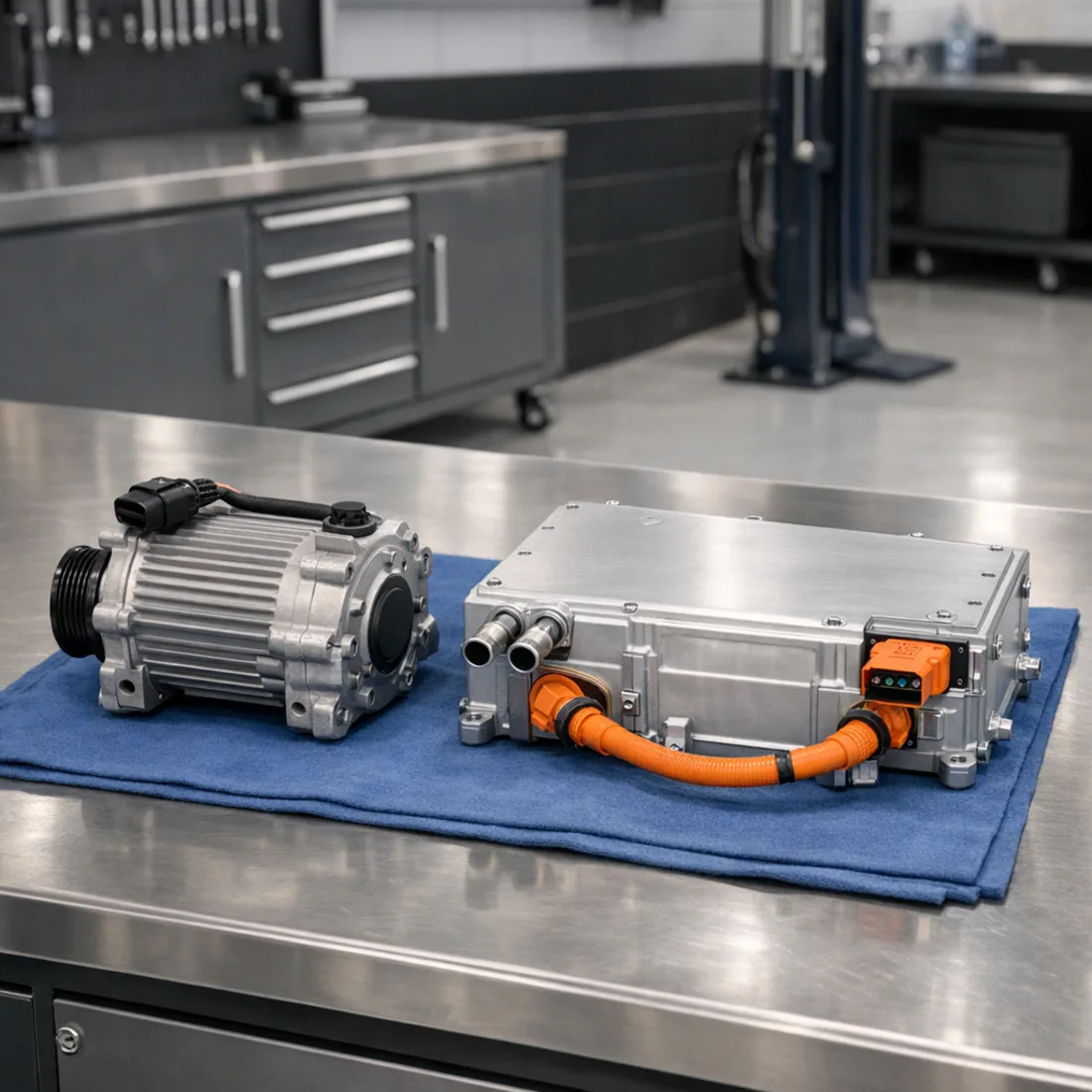
Then there's the 48V mild hybrid system. This is shared with the D350 and it's one of the defining features of the current generation. When it works, it's seamless. When it doesn't, the faults can cascade across modules in ways that a generic scan tool simply won't untangle. We use the factory Land Rover platforms, SDD and Pathfinder with a genuine JLR interface, for exactly this reason. Online module coding and calibrations require it, and there's no shortcut.
Routine servicing on the P530 is more involved than most owners expect. The correct low SAPS grade oil matters for both the engine and the mild hybrid system. Spark plugs, air and cabin filters, drive belts, fuel filter and wipers all have their intervals. Brake pads and rotors on this heavy chassis wear faster than on a lighter car, so those need checking regularly. For owners who want more from the twin turbo V8, Stage 1 tuning is available and unlocks a meaningful torque gain over the factory map.
Get your Range Rover Sport booked in with a proper specialist.
Range Rover Sport D350 3.0 Diesel: Ingenium Straight Six With a Lot Going On
If the P530 is about outright performance, the D350 is the version that makes the most sense for most New Zealand owners. Three hundred and fifty horsepower from a 3.0 litre Ingenium inline six diesel, mild hybrid assistance doing quiet work in the background, and the kind of pulling torque that makes driving a two and a half tonne SUV feel effortless. It's a strong engine. But strong doesn't mean trouble free, and the D350 has its own list of things to stay on top of.
The Ingenium diesel uses a chain and wet belt oil pump drive arrangement for its timing system. That combination is sensitive to oil quality and service frequency in a way that older diesels simply weren't. Use the correct low SAPS spec oil, change it on time, and the timing system stays in good shape. Let it go long or use a cheaper oil, and the wet belt side of the drive can start to deteriorate faster than the intervals suggest it should. We've seen this play out, and the repairs aren't cheap.
-
Timing chain and wet belt oil pump drive condition
-
48V mild hybrid system and belt starter generator faults
-
EGR valve and DPF health, especially on urban cycle vehicles
-
AdBlue system and NOx sensor faults
-
Air suspension compressor and struts under load
-
Fuel filter and injector health on higher mileage examples
The Ingenium diesel's wet belt oil pump drive arrangement is sensitive to oil condition.
Use the correct low SAPS spec oil, change it on time, and the timing system stays in good shape.
The diesel specific systems deserve a mention of their own. The EGR, DPF and AdBlue setup on the D350 is well engineered but unforgiving if the car does a lot of short urban trips where the DPF can't complete a full regeneration cycle. We diagnose and clean DPF and EGR systems properly, and we handle AdBlue top ups and fault diagnosis through the full JLR factory diagnostic chain. If the NOx sensor or AdBlue injector throws a code, it needs the right tools to read and clear correctly.
The 48V mild hybrid architecture on the D350 is essentially the same system as the P530. Same watch points, same requirement for factory level diagnostics. If you've come from an older Range Rover Sport diesel, the jump in electronic complexity here is significant. The upside is that when everything's working and serviced correctly, this is one of the most capable and refined diesel SUVs on New Zealand roads. Stage 1 tuning is available for those who want more from the Ingenium six.
Range Rover Sport SVR 5.0 V8 Supercharged: The One That Started the Performance Conversation
Before the twin turbo V8 of the P530, there was this: 565 horsepower and 700 Newton metres from a 5.0 litre supercharged V8. The SVR hit 100 km/h faster than most sports cars while carrying the heft and ground clearance of a proper Range Rover. It's the car that made people realise a luxury off roader could be genuinely, absurdly quick. If you own one, you already know what it feels like. You also need to know what it needs.
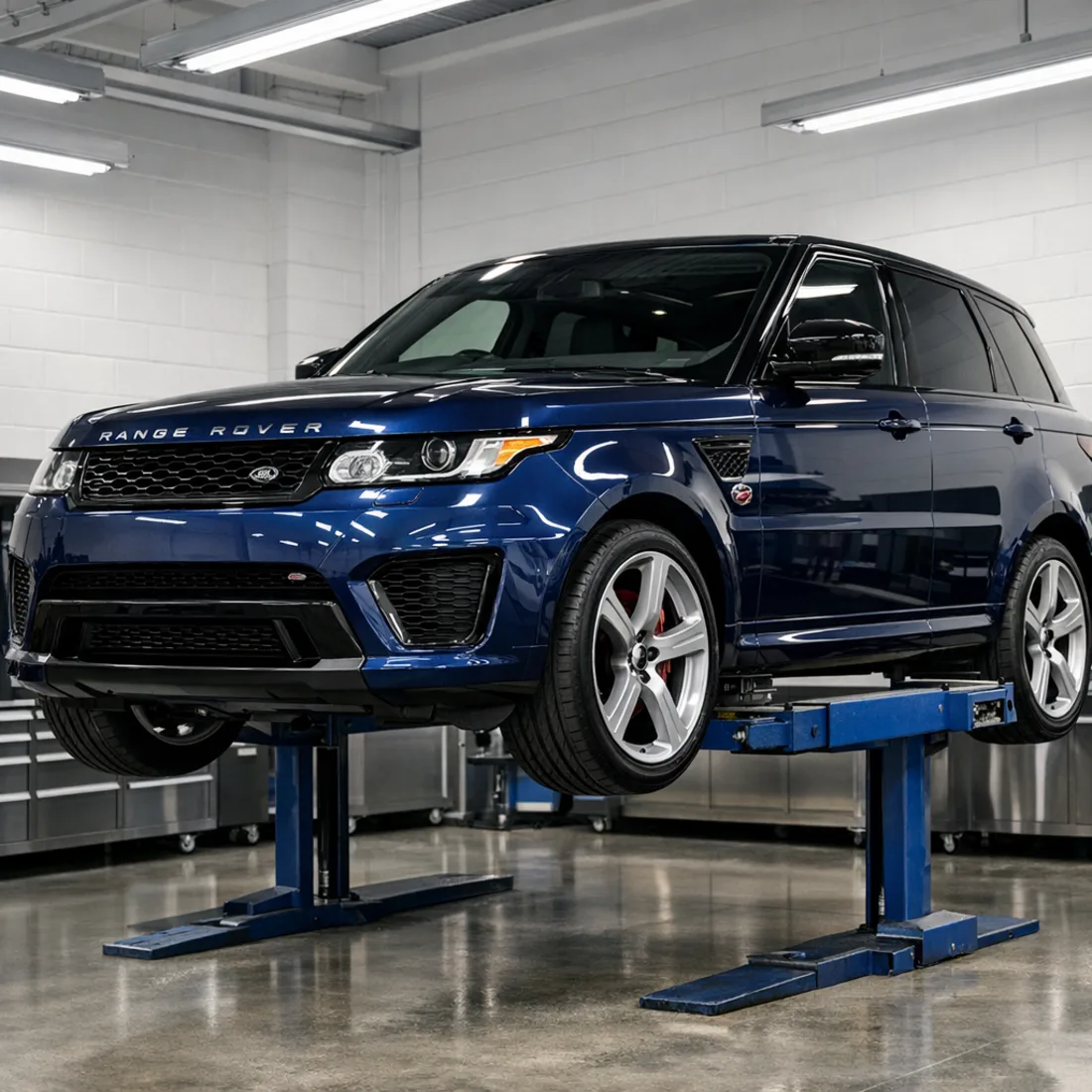
The timing chains on the supercharged V8 are probably the most talked about watch point on these engines, and for good reason. The chains, tensioners and guides can stretch and rattle on cold start, and the plastic chain guides are a confirmed wear item across higher mileage. Catching this early is straightforward. Ignoring it is not a route to a cheap outcome. The supercharger nose cone bearing is another recurring fault, and the water pump has a history of failure on this engine family that every SVR owner should be aware of.
-
Timing chain, tensioner and plastic guide wear
-
Supercharger front nose cone bearing failure
-
Water pump failure
-
Coolant leaks from the crossover pipe under the intercooler
-
Air suspension compressors and struts
-
Brake pad and rotor wear on the heavy SVR chassis
Catching the timing chain early is straightforward. Ignoring it is not a route to a cheap outcome.
Cold start rattle is typically the first symptom, and it deserves immediate investigation.
The coolant crossover pipe failure under the intercooler is well documented and worth inspecting on any SVR with significant kilometres. It's not a catastrophic failure when caught proactively, but it becomes expensive fast if coolant loss goes unnoticed. Cooling system integrity is worth a proper check at every service on this car.
Compared to the current L461 generation, the SVR doesn't carry the 48V mild hybrid complexity, which some owners actually appreciate as a simpler system to live with. What it does have is more mechanical drama in the best and worst senses. The brakes on this chassis are doing serious work, and the air suspension components take a beating at the performance envelope the SVR invites you to use. We diagnose the SVR with the factory SDD and Pathfinder platforms, so all modules read correctly and any coding is done right. A Stage 1 tune on the 5.0 V8 takes output from 565 hp and 700 Nm to 590 hp and 720 Nm, managed through the Bosch MED17 ECU family. Start/stop disable is also available if that's on your list.
Buying Used: Which One Makes Sense for You?
If you're shopping the used market, the choice between these three is genuinely about what you want from the car and how much complexity you're comfortable owning.
You want the raw choice. It's older, simpler from a hybrid electronics standpoint, and brutally fast. The timing chain and cooling system issues are known quantities, so a pre purchase inspection that specifically targets those items will tell you what you're buying. A clean SVR with the chain and cooling work documented is a strong used buy. One with no service history and an unknown chain condition is a gamble.
You want the everyday choice for most owners. The Ingenium diesel is efficient, strong and well suited to New Zealand's roads. The sweet spot in the used D350 market is a car with a clear service history using the correct oil spec, because that's the only thing that separates a healthy timing system from an expensive one. Check the DPF and AdBlue history if the car has been used mainly in the city.
You want the current generation's performance credentials without the supercharger's mechanical wear points. The N63-family V8 is a more refined and modern engine than the supercharged 5.0. The 48V mild hybrid complexity is real, but it's the same system the D350 carries, so there's no extra surprise there. Service history with correct oil spec matters just as much as on the diesel.
- Request a pre purchase inspection using factory level diagnostics across all three variants
- Check for stored fault codes that won't show on a generic reader
- On the SVR, inspect timing chain and cooling system history specifically
- On the D350, confirm correct low SAPS oil spec has been used at every service
- On any D350 used mainly in the city, check DPF and AdBlue service history
- On the P530, confirm oil spec and service interval compliance
- Module calibration status tells you a lot about what's been worked on and by whom
- Inspect air suspension compressor and strut condition on all three variants
Servicing Across the Range Rover Sport Family
All three of these vehicles share one fundamental servicing requirement: the right oil. Not just any synthetic, not whatever's on special at the parts store. The correct spec for each engine, used at the right interval. On the P530 and SVR that means a high quality grade suited to the performance V8. On the D350 it means a low SAPS diesel spec that protects both the engine and the DPF chemistry. Getting this wrong is the single most common root cause of expensive repairs we trace back through service history.
Beyond oil, all three share the air suspension architecture that defines the Range Rover Sport ride. The compressor and valve block are working hard every time the car moves, and on a heavy performance chassis they wear at a meaningful rate. We see compressor failures, leaking struts and valve block faults across all three variants. Our mechanical repairs service covers the full air suspension system, from diagnosis through to fitting genuine replacement components.
Brakes are another cross generation theme. Big wheels, heavy chassis, real performance: the brake components on all three variants earn their wear. Our brake service covers pads and rotors sized correctly for each variant, fitted with genuine OEM parts so the pedal feel and heat management are what Land Rover intended. Routine service items across the family include engine oil and filter to the correct spec, air and cabin filters, spark plugs (P530 and SVR) or glow plugs (D350), fuel filter, drive belts, wipers, brake pads and rotors, and air suspension compressor and strut condition checks.
How We Diagnose the Range Rover Sport: Factory Tools, Not Guesswork
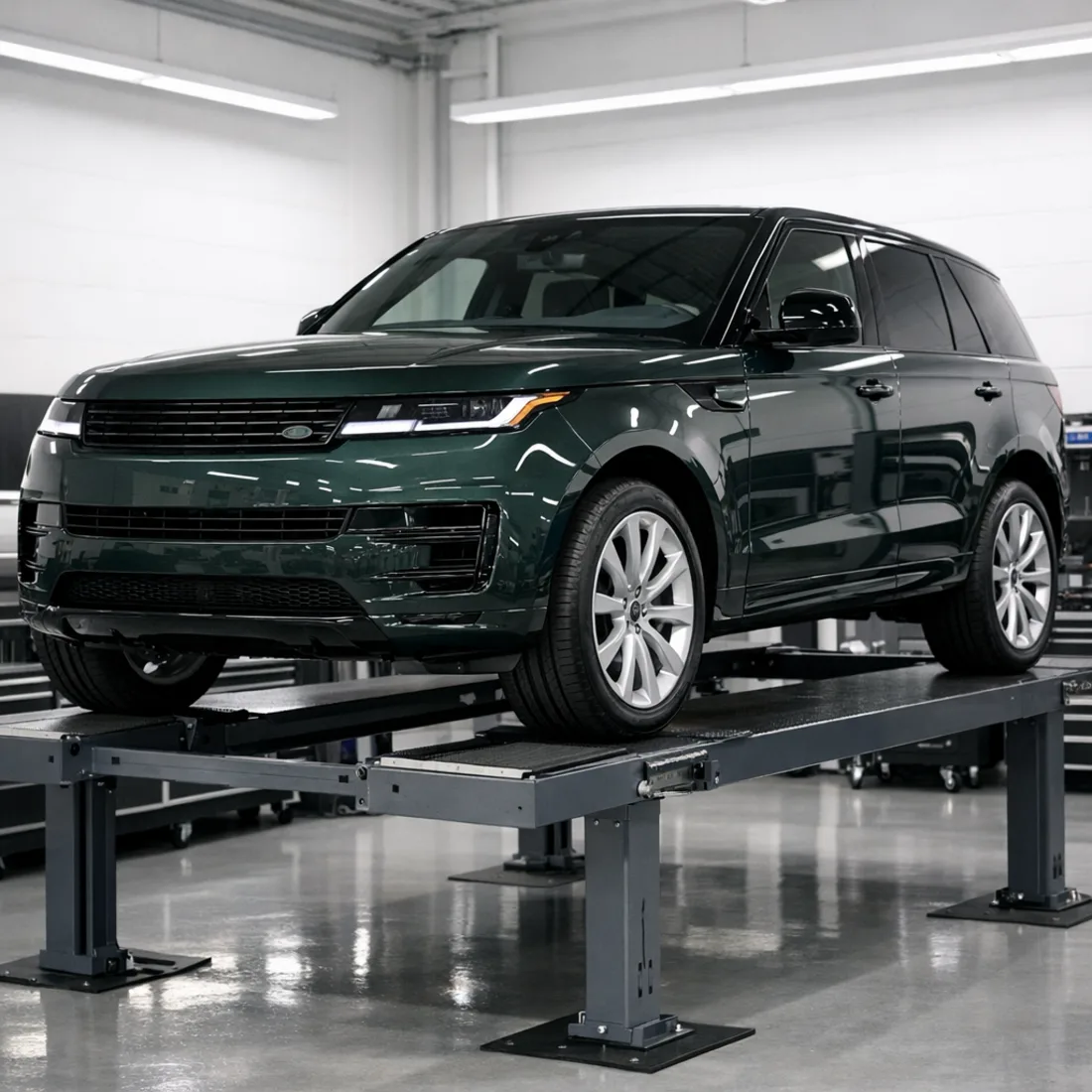
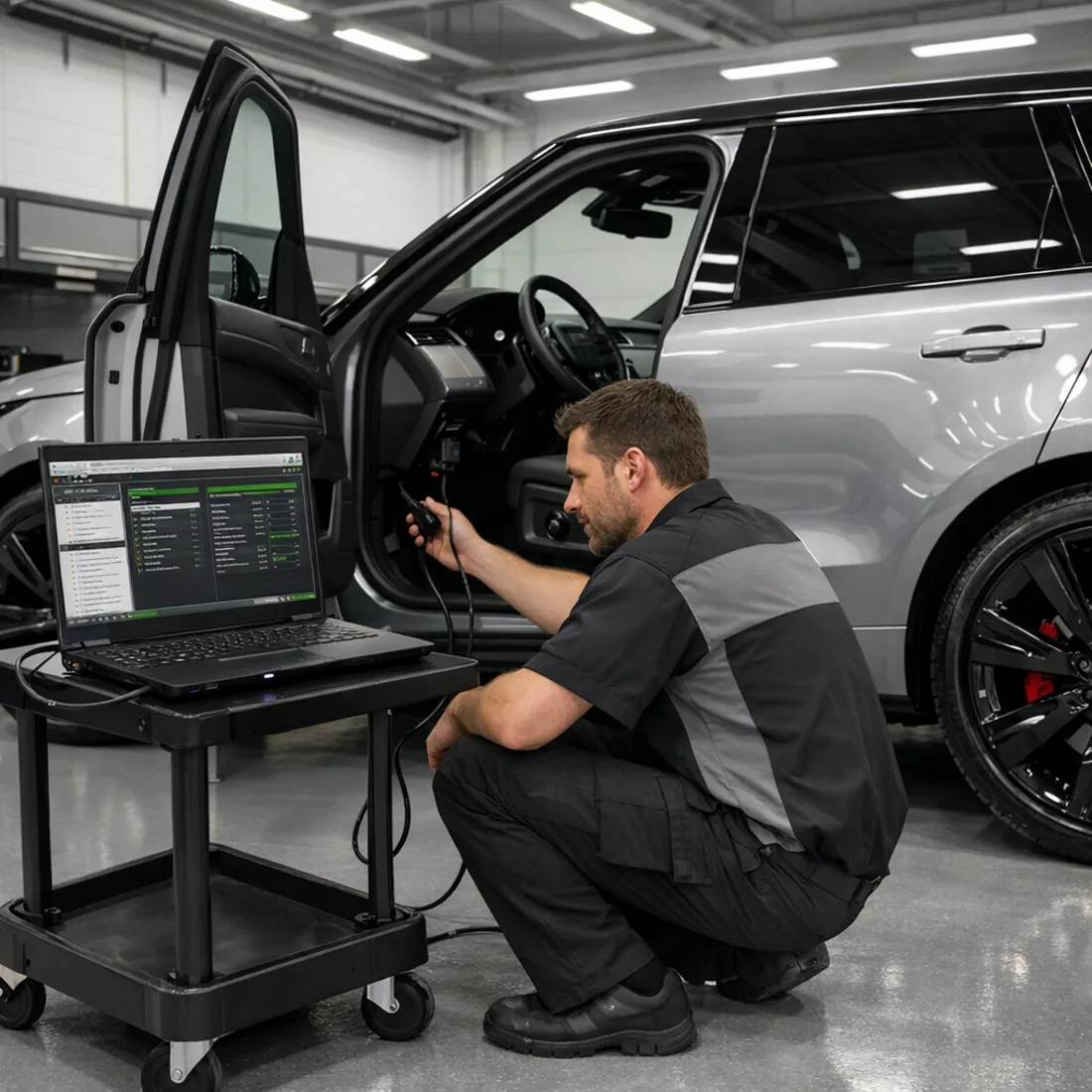
All three variants, SVR, D350 and P530, share a diagnostic requirement that's non negotiable: you need the factory platform. We use Land Rover's SDD and Pathfinder systems with a genuine JLR interface. That's not a marketing point, it's a practical one. These cars have module architectures where faults in one system can surface as symptoms in a completely different one, and a generic OBD reader will give you a code without any of the context needed to actually fix the car.
Online module coding and calibration are the clearest examples. If you replace an air suspension module, a gateway ECU or a body control module on any of these vehicles, the replacement needs to be coded to the car. That requires the factory platform and a live internet connection to JLR's servers. Without it, the module won't work correctly, and in some cases the car won't start. Our programming and coding service handles this properly for all L461 variants.
The 48V mild hybrid system on the P530 and D350 adds another layer. Belt starter generator faults, 48V battery state of health, and the integration between the mild hybrid and the main ECU all need proper factory diagnostics to read correctly. A generic tool will see a fault code. It won't give you the live data needed to determine whether the belt starter generator, the 48V battery or the control module is the actual root cause.
Tuning the Range Rover Sport: What's Actually Available
All three variants have tuning potential, and all three are best approached with realistic expectations. These are heavy, complex vehicles. The gains need to be reliable across a wide operating range, not just on a dyno on a cool morning.
The SVR is the most documented tuning platform of the three. The Bosch MED17 ECU family is well understood, and Stage 1 moves output from 565 hp and 700 Nm to 590 hp and 720 Nm. Those gains are calibrated across the full rev range and load map, not just peak numbers. The more noticeable real world improvement is in throttle response and torque delivery across the mid range. Start/stop disable and DTC removal are also available on this ECU.
The P530 twin turbo V8 responds well to Stage 1 remapping, with the twin turbo setup offering meaningful torque gains over the factory conservative map. On all variants, we'll have a straight conversation about what tuning actually delivers and whether it makes sense for how you use the car. Tuning a vehicle that hasn't had its service fundamentals addressed first is not something we'll encourage. Get the car in good health, then talk about what's next.
The D350 Ingenium diesel has Stage 1 potential which, when combined with the torque already on offer from the factory, makes the car noticeably more flexible in the mid range where most New Zealand driving actually happens. As with all three variants, the car should be in good mechanical health before tuning is considered.
Our full tuning process runs from initial discussion through to road verification. Get the car in good health, then explore what's available with our tuning service.
Frequently Asked Questions
The questions we get most. Something else on your mind? Get in touch.