Audi A1 Across the Generations:
8X 1.4 TFSI COD and GB 40 TFSI
The A1 has always punched above its weight. From the first generation 8X with its clever cylinder on demand 1.4 TFSI to the second generation GB's properly serious 200hp 2.0 turbo, Audi kept raising the bar with each iteration. Both generations share a commitment to technology led engineering, which means they reward careful servicing and genuinely suffer when they don't get it.

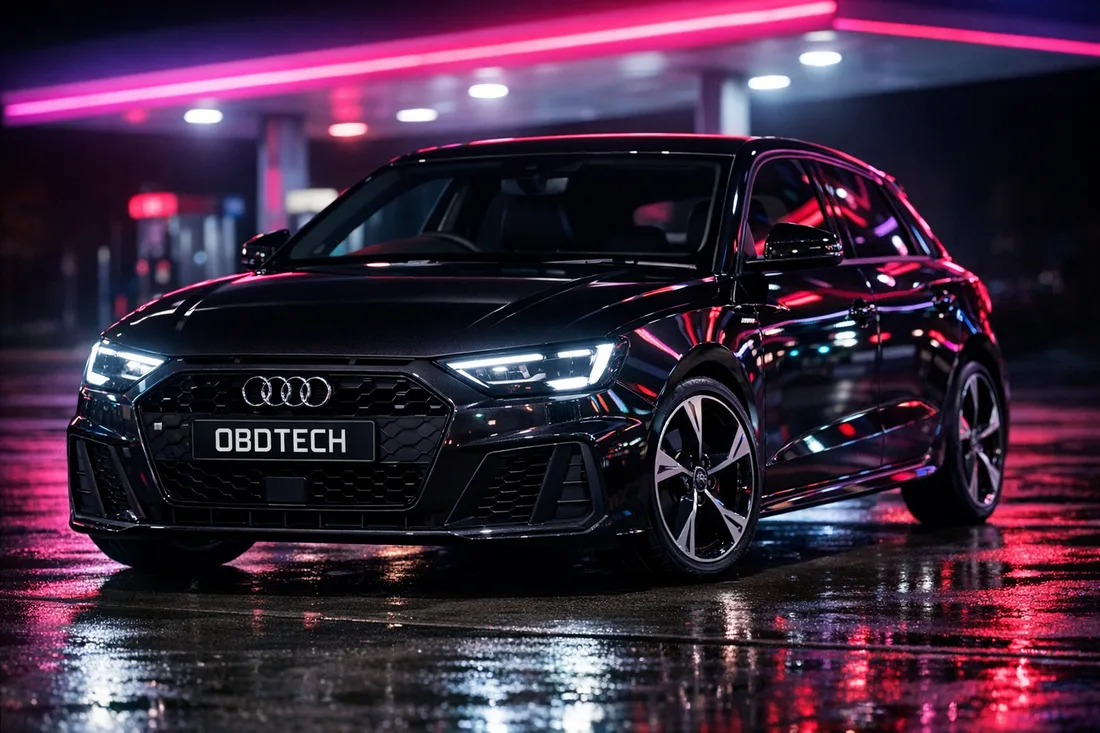
Audi A1 8X: The 1.4 TFSI COD 150hp
The 8X arrived as a genuinely compact premium hatch with something to say. The 1.4 TFSI in 150hp COD trim sits at the top of the first generation engine range, and it's a surprisingly capable unit. COD stands for Cylinder on Demand, and it's exactly as clever as it sounds. Under light loads the engine quietly deactivates two cylinders to cut fuel consumption, then brings them back online when you ask for more. In everyday driving you'd barely notice it happening. When the system works properly, the combination of 150hp, 250Nm and genuinely decent economy is a hard package to argue with.
When it doesn't work properly, it announces itself with a rough idle, warning lights, and an uncomfortable conversation at a workshop that isn't familiar with the system. The COD actuators can develop faults, and a generic scan tool won't give you the full picture. We work on these on the factory VAG diagnostic platform ODIS, which means live data, proper guided fault finding and accurate service resets rather than educated guesses.
COD cylinder deactivation actuator faults, showing up as rough idle or a check engine light
PCV valve failure in the cam cover, causing rough running and oil consumption
Carbon build up on intake valves, a known trait of direct injection EA211 units
Coil pack and spark plug misfires as the car ages, particularly if plugs haven't been replaced on schedule
Water pump and thermostat housing weeping coolant, often spotted first as a slow temperature fluctuation
Cambelt condition issues, because this engine is belt driven and the interval matters
That cambelt point deserves its own paragraph. Unlike the second generation car, the 8X 1.4 TFSI runs a belt, not a chain. Miss the cambelt and water pump service and you're not just risking a breakdown, you're risking a bent engine.
We replace the full kit with genuine parts and do it to the correct interval, not the optimistic one some owners talk themselves into.
Routine servicing on the 8X covers oil and filter with the correct VW 504 00 grade, air filter, cabin filter, spark plugs, drive belts, wipers and brakes. The 8X is a light car so brake wear is manageable, but pads and rotors still need checking on schedule.
The engine code here is COD, the ECU is Bosch MED17, and stock outputs are 150hp and 250Nm. We also offer a Stage 1 tune that takes it to 170hp and 300Nm, a meaningful improvement on a car this size without touching any hardware.
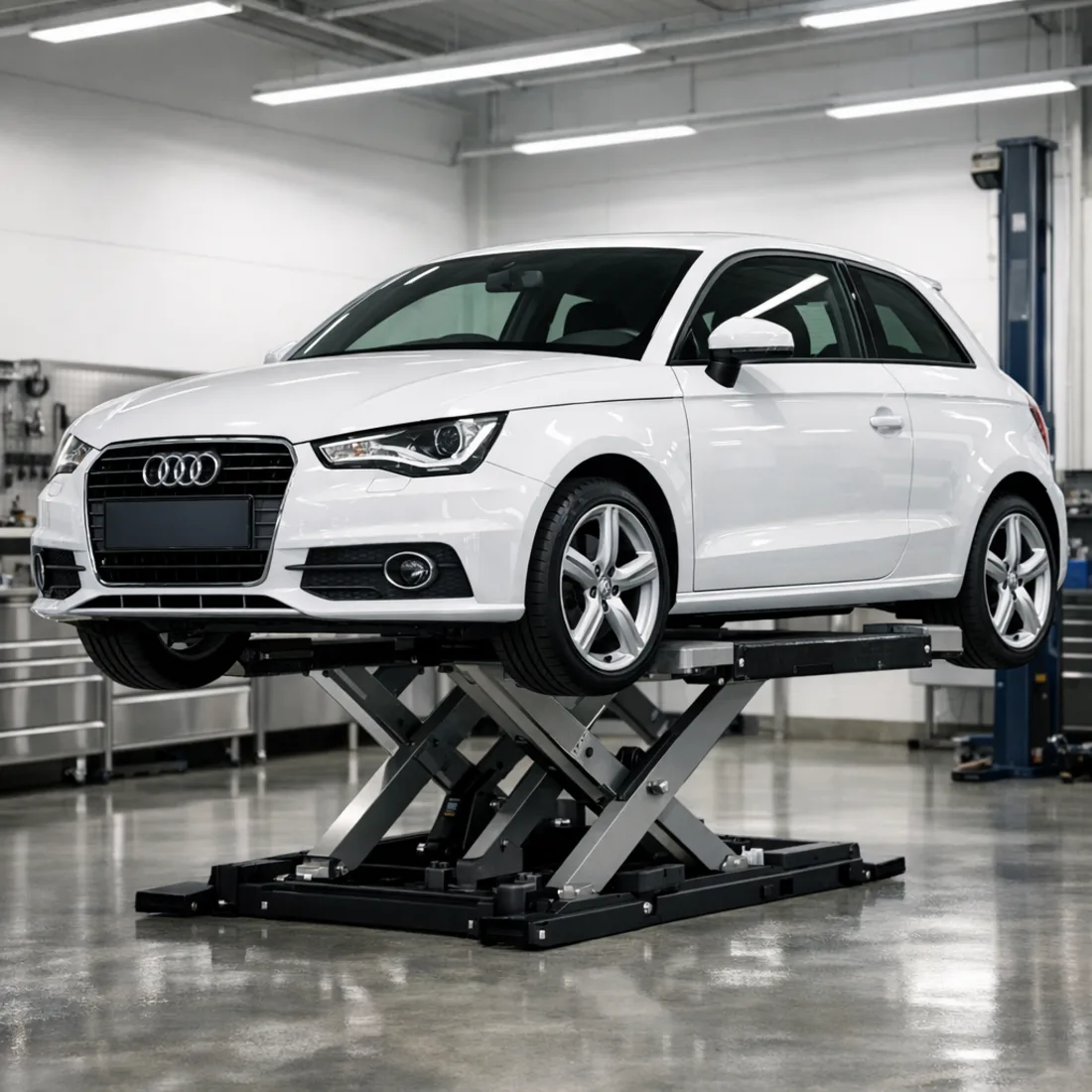
Audi A1 GB: The 40 TFSI 2.0T 200hp
The second generation GB A1 is a meaningfully different car to the 8X. Wider, more planted, and in 40 TFSI form it carries the EA888 2.0 litre turbo that also powers the Polo GTI and Cupra Ibiza. Two hundred horsepower and 320Nm in a car this compact is genuinely quick, and the step up from the 8X is immediately obvious on the road. Audi also moved to a chain driven setup for the GB, which eliminates the cambelt anxiety but introduces its own things to keep an eye on.
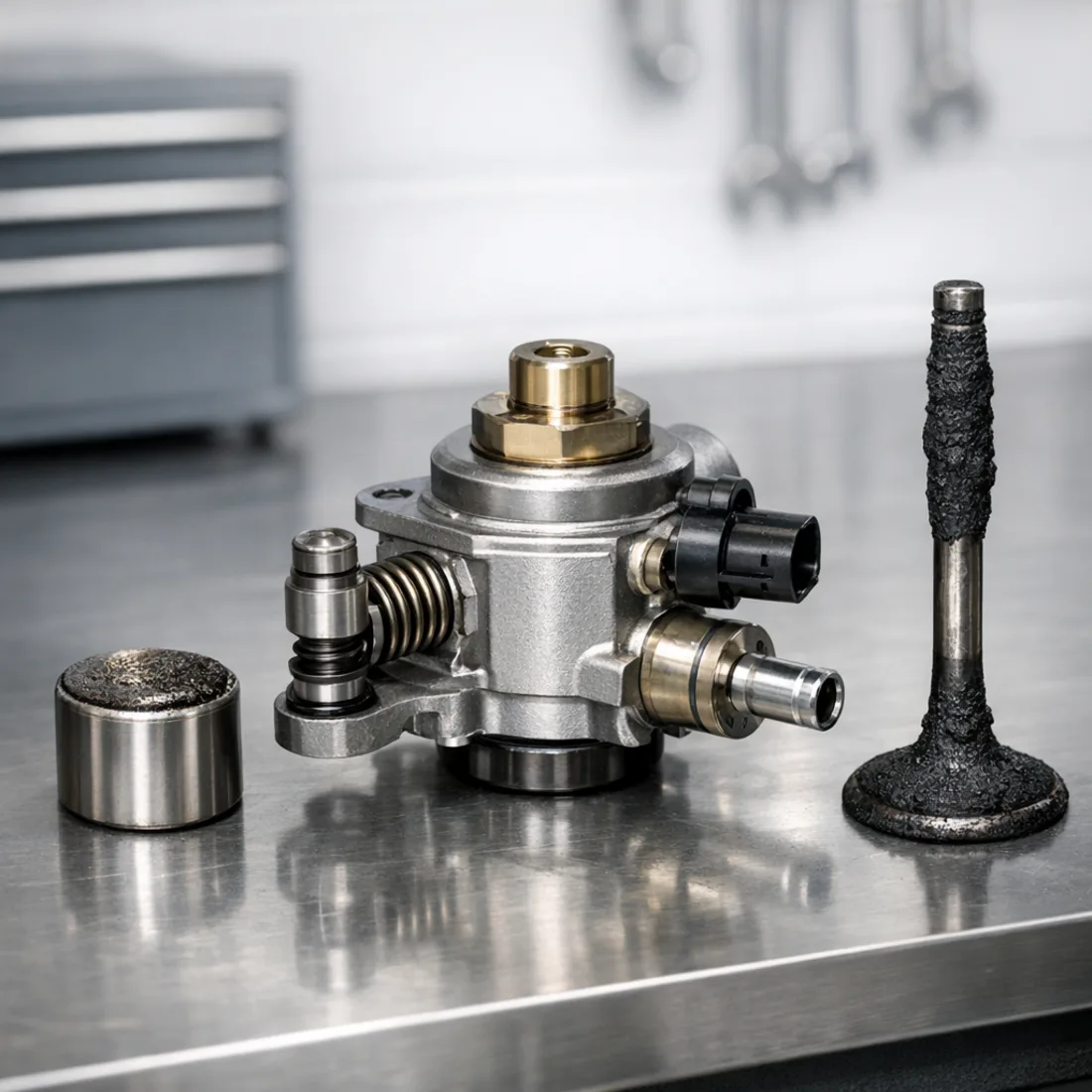
The EA888 is a well known engine across the VAG world, and its known traits follow it into the A1. Carbon build up on the intake valves is the big one on direct injection units. Without port injection washing the valves, carbon accumulates over time and eventually starts affecting airflow, idle quality and power delivery. We clean these properly rather than just clearing codes.
Carbon build up on the intake valves, a direct injection characteristic of the EA888
PCV system issues leading to oil consumption and rough running
Cam follower wear, often oil consumption related and worth inspecting at service time
Water pump and thermostat housing weeping coolant
High pressure fuel pump issues on higher mileage cars
Coil pack failures, particularly under sustained hard use
Timing chain and tensioner checks needed as mileage climbs
Compared to the 8X, the GB introduced more ECU complexity and tighter software integration across the car's systems. That makes proper diagnostics even more important.
We run ODIS, the factory VAG platform, on every GB that comes through the door. Coding, service resets, guided fault finding and live data all work correctly that way. A generic reader on a modern GB simply won't cut it.
Routine service on the GB covers oil and filter with the correct VW 508 00 or specified grade, air filter, cabin filter, spark plugs, drive belts and wipers. The timing chain and tensioner get checked, not assumed to be fine. Being a 200hp car, the brakes are worked harder than on a typical small hatch, so pads and rotors, plus front suspension arms and bushes, are real service items on this generation.
The ECU is either Bosch MG1CS001 or Bosch MG1CS111. Stock figures are 200hp and 320Nm. Our Stage 1 tune on these takes that to 245hp and 430Nm, a 45hp and 110Nm gain that transforms the character of an already quick car. Related software work includes DTC removal, pop and bang map, and start/stop deactivation.
Get your A1 booked in with a proper VAG specialist.
Buying Between Generations: Which A1 Makes Sense Used?
Both generations are strong used buys when they've been properly looked after, but they suit different buyers.
The 8X suits someone who wants a smaller, lighter car with lower running costs and is happy to live with the COD system's occasional quirks. The sweet spot in the 8X range, if you're looking for the 150hp COD, is a mid spec car with a full service history and evidence the cambelt has been done. That cambelt is the one thing that separates a good 8X from a ticking time bomb. If you can't confirm it's been done, factor it into your offer and get it done before you put any real kilometres on it.
The GB 40 TFSI suits someone who wants noticeably more performance and a more modern package. It's a bigger commitment in purchase price, but the chain driven engine removes the cambelt worry. The trade off is that EA888 carbon build up and cam follower wear need attention as mileage climbs. A GB with a strong service history and no signs of oil consumption is a very good buy.
- Ask for proof of cambelt replacement on any 8X before committing
- Check for oil consumption signs on both generations, but especially the GB EA888
- Verify COD system function on any 8X COD with a proper scan, not just a drive
- Look for coolant weeping from the water pump and thermostat area on both
- On the GB, ask about carbon cleaning history if the car has covered significant kilometres
Servicing Both Generations
Despite using different engines, different ECUs and different drivetrain configurations, both A1 generations share the same fundamental servicing philosophy. They're VAG products built to specific oil grades, specific spark plug specifications and specific software driven service intervals. Using the wrong oil or ignoring the software reset doesn't just risk the warranty, it genuinely affects how the engine manages itself.
Our car servicing on both A1 generations covers the full range: correct grade oil and filter, air filter, cabin filter, spark plugs on schedule, drive belts, wipers and a proper brake inspection. On the 8X we add the cambelt and water pump as a scheduled item. On the GB we check the timing chain and tensioner condition as part of the service rather than waiting for a noise to appear.
We fit genuine or OEM quality parts only. The A1 is too precisely engineered to compromise on a cheap coil pack or an off spec oil filter. We've seen what that does further down the line, and it's always more expensive than doing it right the first time.
Both generations also benefit from proper brake service. The brake repairs we carry out cover pad and rotor replacement with quality parts, caliper inspection, and brake fluid replacement on schedule. On the GB especially, the extra performance puts more demand on the braking system than most small car owners expect.
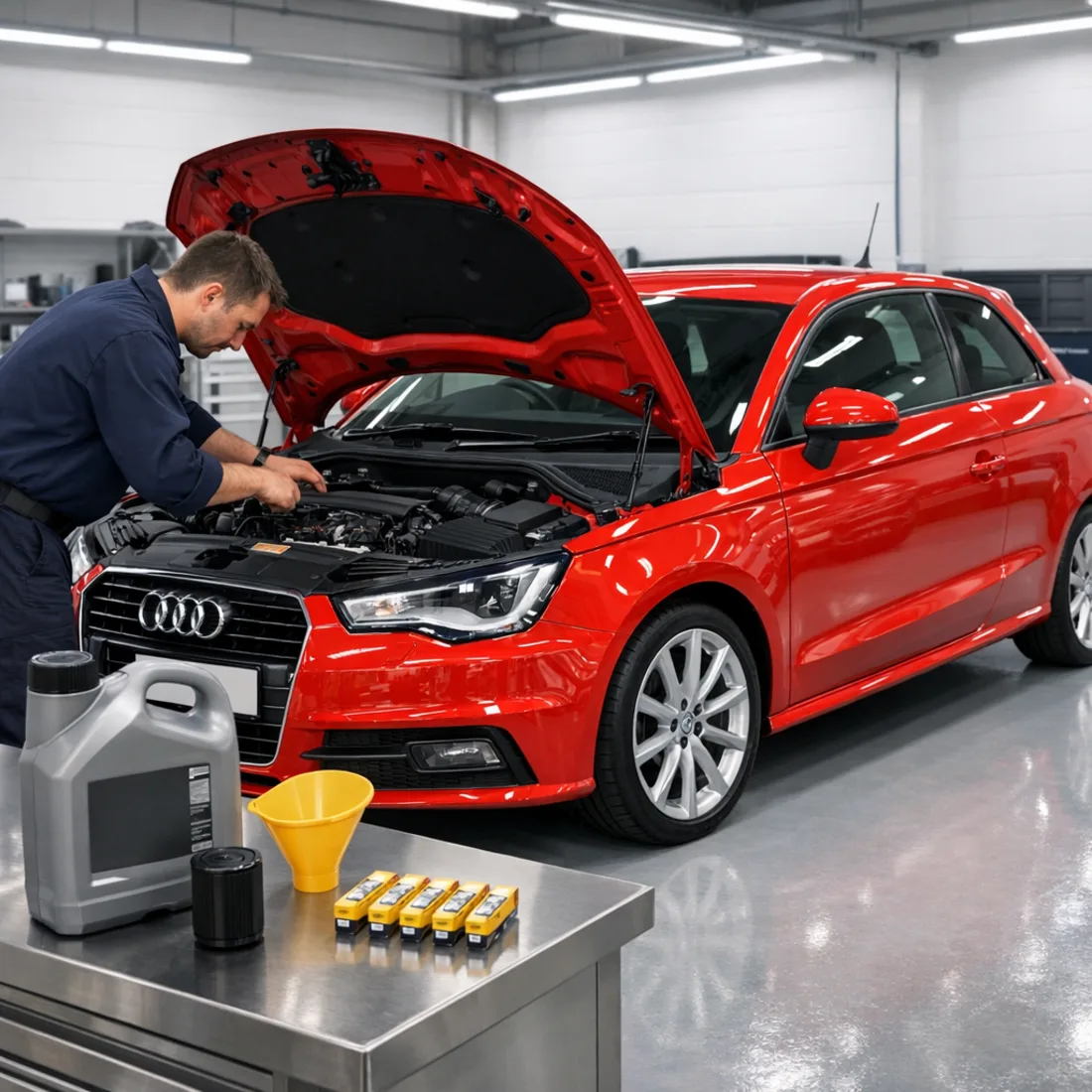
Diagnostics: How We Actually Read These Cars
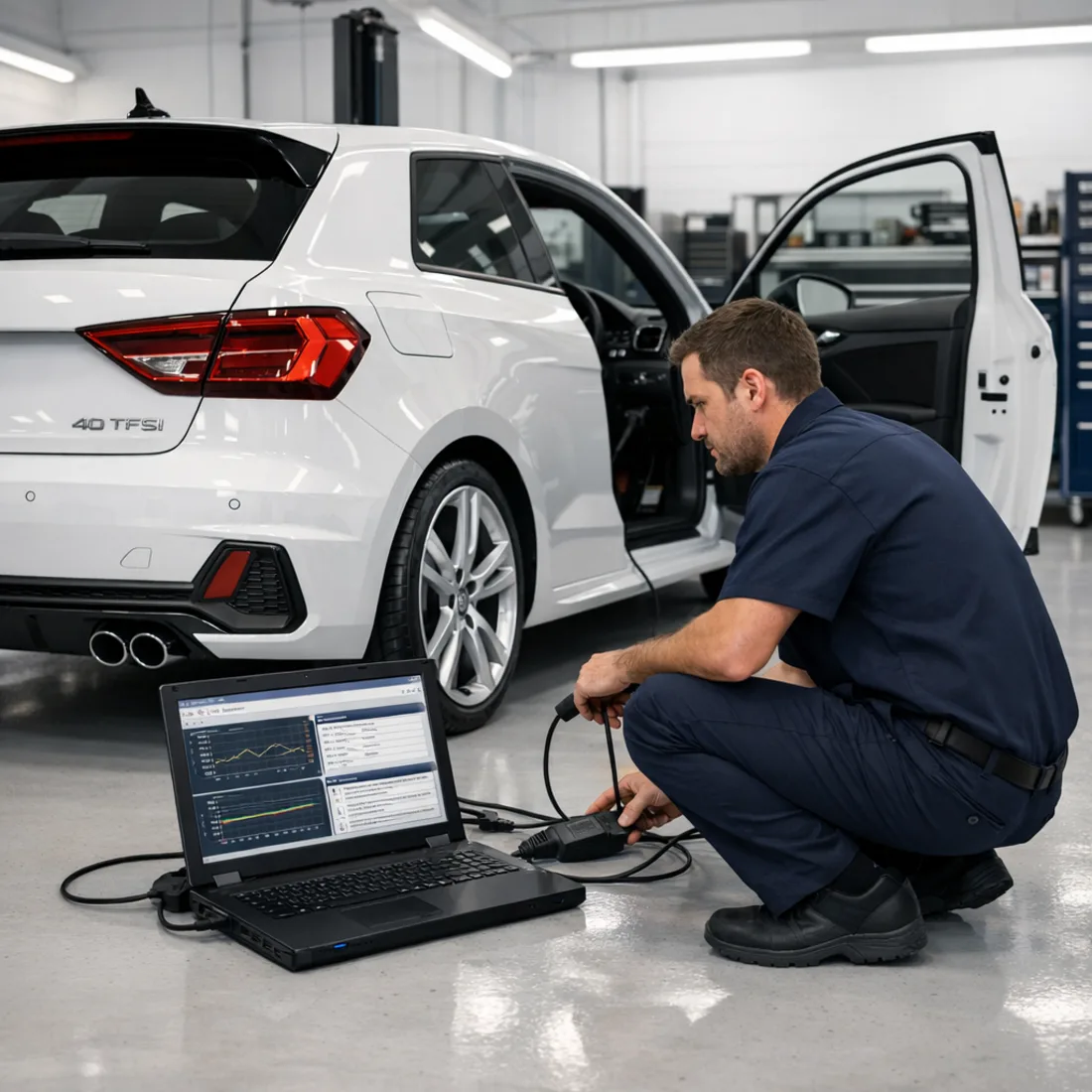
Both generations of A1 are VAG platform cars with deep software integration. That matters more than most people realise when something goes wrong. A generic OBD2 reader will pick up basic fault codes, but it won't access the sub systems, it won't run guided fault finding routines, and it definitely won't do the coding and service resets that these cars need after work is carried out.
We use ODIS, the factory VAG diagnostic platform, on every A1 that comes through the workshop. On the 8X that means properly reading the COD system, the MED17 ECU and all associated modules rather than just the powertrain codes. On the GB it means accessing the MG1CS001 or MG1CS111 ECU with the depth that module requires, running live data on fuel trim, cam timing and boost, and carrying out proper guided tests when a fault isn't immediately obvious from the code alone.
Our auto electrical diagnostics capability also covers both A1 generations for electrical faults beyond the powertrain. Lighting faults, comfort system issues, instrument cluster errors and anything that lives in the body electronics modules all get diagnosed with the same factory tooling.
The practical difference this makes: we fix the actual fault, not the symptom. An 8X with a COD actuator code that's been cleared repeatedly hasn't been fixed. An 8X where the actuator has been tested under guided conditions, the root cause confirmed and the correct part fitted, that's fixed.
Tuning the A1: Stage 1 on Both Generations
Both A1 generations respond well to a Stage 1 software tune, and neither requires any hardware changes to take advantage of it. The gains are meaningful on both engines, though the character of what you get is quite different.
On the 8X, the tune sharpens up the throttle response and gives the engine a more confident mid range pull. It's a more noticeable improvement than the raw numbers suggest because the 8X is a light car and the torque increase is felt across the whole rev range.
On the GB, the gains are substantial. 430Nm in a car this size is a real transformation, and the car feels genuinely quick rather than just nippy.
Related software work on both generations includes DTC removal and pop and bang mapping. The GB also supports start/stop deactivation if you find the factory system intrusive. All tuning work is done via the ECU without any mechanical modifications, using calibrated files developed for these specific engine management systems.
Frequently Asked Questions
The questions we get most about the Audi A1 8X and GB. Something else on your mind? Get in touch.
How often does the cambelt need doing on the 8X 1.4 TFSI?
Does the GB 40 TFSI have a cambelt or a chain?
My 8X A1 has a rough idle and a warning light. Could it be the COD system?
My GB 40 TFSI is using oil between services. What's causing it?
Can the A1 be tuned without affecting reliability?
Do I need a specialist for A1 servicing or will any mechanic do?
Come and See Us in Penrose
Our workshop is at Unit 26, 930 Great South Road, Penrose, Auckland 1061. We work on both A1 generations every week, from routine servicing through to fault diagnosis, suspension work, brake repairs and ECU tuning. OBDTech uses factory VAG tooling and fits genuine or OEM quality parts only. Book online or get in touch if you want to talk through what your A1 needs.