Audi A3 30 TDI (8V) and 40 TDI (8Y)
The Audi A3 diesel story is one of steady refinement. The 8V 30 TDI brought a frugal, composed 1.6 diesel to a generation of New Zealand drivers who wanted premium without the fuel bills. The 8Y 40 TDI took the same compact formula, doubled down on power and sophistication, and raised the stakes on what can go wrong when something does. Both generations share the EA288 diesel DNA, both reward proper maintenance, and both will quietly punish you if you skip it.


Audi A3 30 TDI (8V): The Frugal One With Some Catching Up To Do
Picture a compact, refined diesel that sips fuel on the motorway but quietly accumulates problems every time it spends another week doing school runs and inner city errands. That is the 8V A3 30 TDI in a nutshell. The 30 TDI badge sits over Audi's 1.6 litre diesel from the EA288 family, producing 116 hp and 250 Nm. It is a generally durable engine, but durable does not mean maintenance free, and this generation has a handful of known weak points that reward catching early.
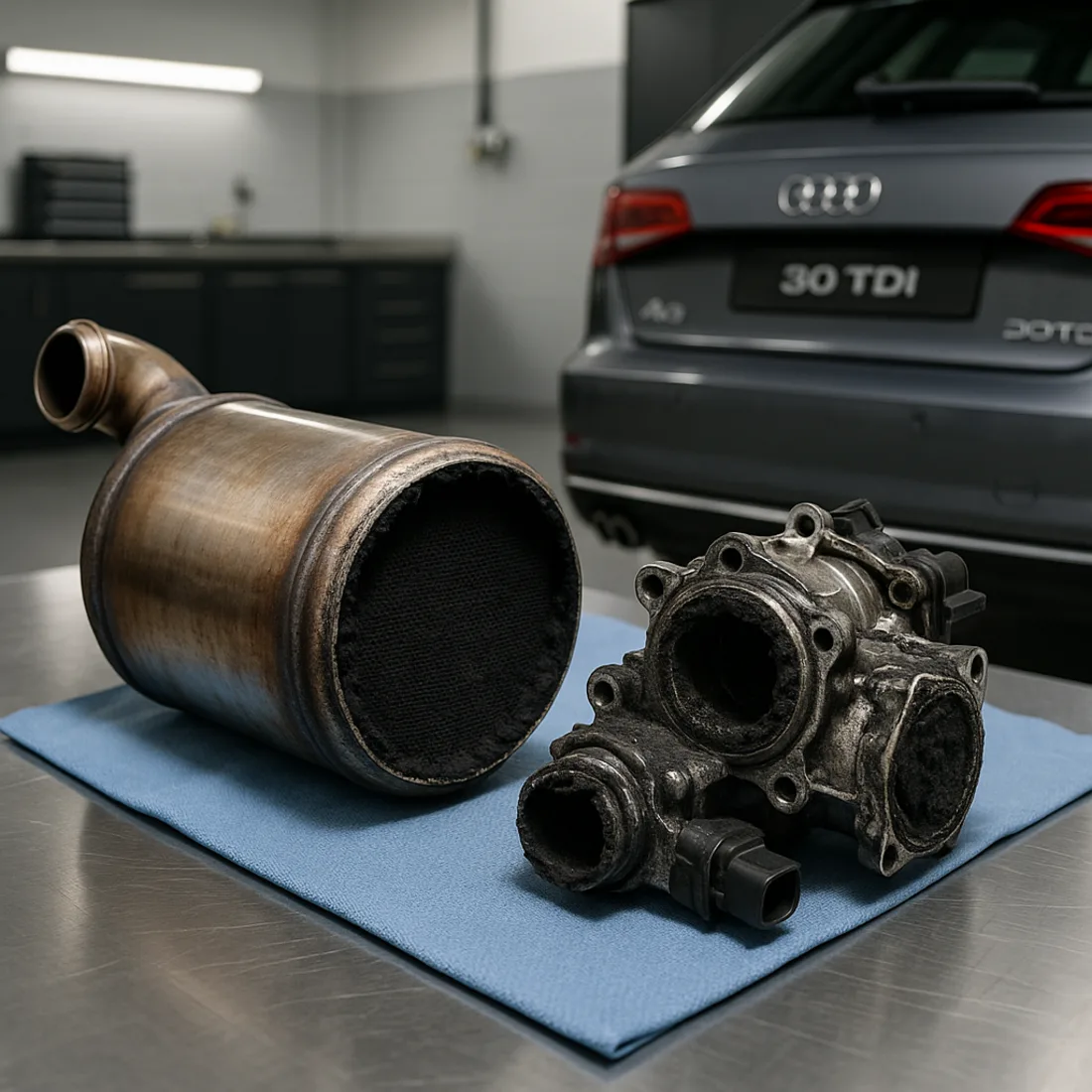
The single biggest thing that kills these cars in urban use is the DPF and EGR system. Short trips mean the diesel particulate filter never gets hot enough to complete a full regeneration cycle. Over time the filter loads up with soot, the EGR valve gunks up with carbon deposits, and you end up with reduced power, a smoke complaint or a string of warning lights. The AdBlue and SCR system on later 8V units adds another layer: NOx sensor faults and dosing issues are not uncommon, and they can eventually put the car into a restricted mode if left unaddressed.
That cambelt point deserves extra emphasis. Unlike some of its VAG siblings, the 1.6 TDI in the 8V uses a timing belt, not a chain. If the belt goes, the engine is done. We see cars come in with this service well overdue, and it is always cheaper to do it on schedule than to deal with the aftermath.
-
DPF clogging from short trip urban driving
-
EGR valve and intake carbon build up
-
AdBlue and NOx sensor faults on later cars
-
Cambelt and water pump interval critical: this is a belt engine, not a chain, so missing the service can mean serious engine damage
-
Glow plug failures, especially on higher mileage cars
-
Turbo actuator faults causing limp mode
If the belt goes, the engine is done.
We see cars come in with this service well overdue, and it is always cheaper to do it on schedule than to deal with the aftermath.
Routine servicing on the 8V covers oil and filter with the correct low SAPS diesel grade, air filter, fuel filter, cabin filter, wipers and drive belts. Glow plugs, brake pads and rotors, and various sensors are all regular service items. For bigger jobs, the cambelt and water pump service is non negotiable, and clutch or DSG work, suspension refresh, and DPF and EGR attention are all things we see regularly on these cars.
The ECU on the 8V 30 TDI is a Delphi DCM6.2V. Stock figures are 116 hp and 250 Nm, and our Stage 1 tune takes that to 140 hp and 310 Nm, gains of 24 hp and 60 Nm. For a car this size, that extra torque makes a real difference in real world driving.
Get your A3 TDI booked in with a proper specialist.
Audi A3 40 TDI (8Y): More of Everything, Including the Complexity
The 8Y A3 is the sort of car that makes you forget you are driving a diesel. Quiet, composed, and genuinely quick, the 40 TDI with its EA288 evo 2.0 TDI engine puts out 200 hp and 400 Nm. It feels more like a refined sports saloon than a fuel sipper. But even the best engineered German cars need proper attention, and when something goes wrong on a car this sophisticated, a generic scan tool and a shrug simply will not cut it.
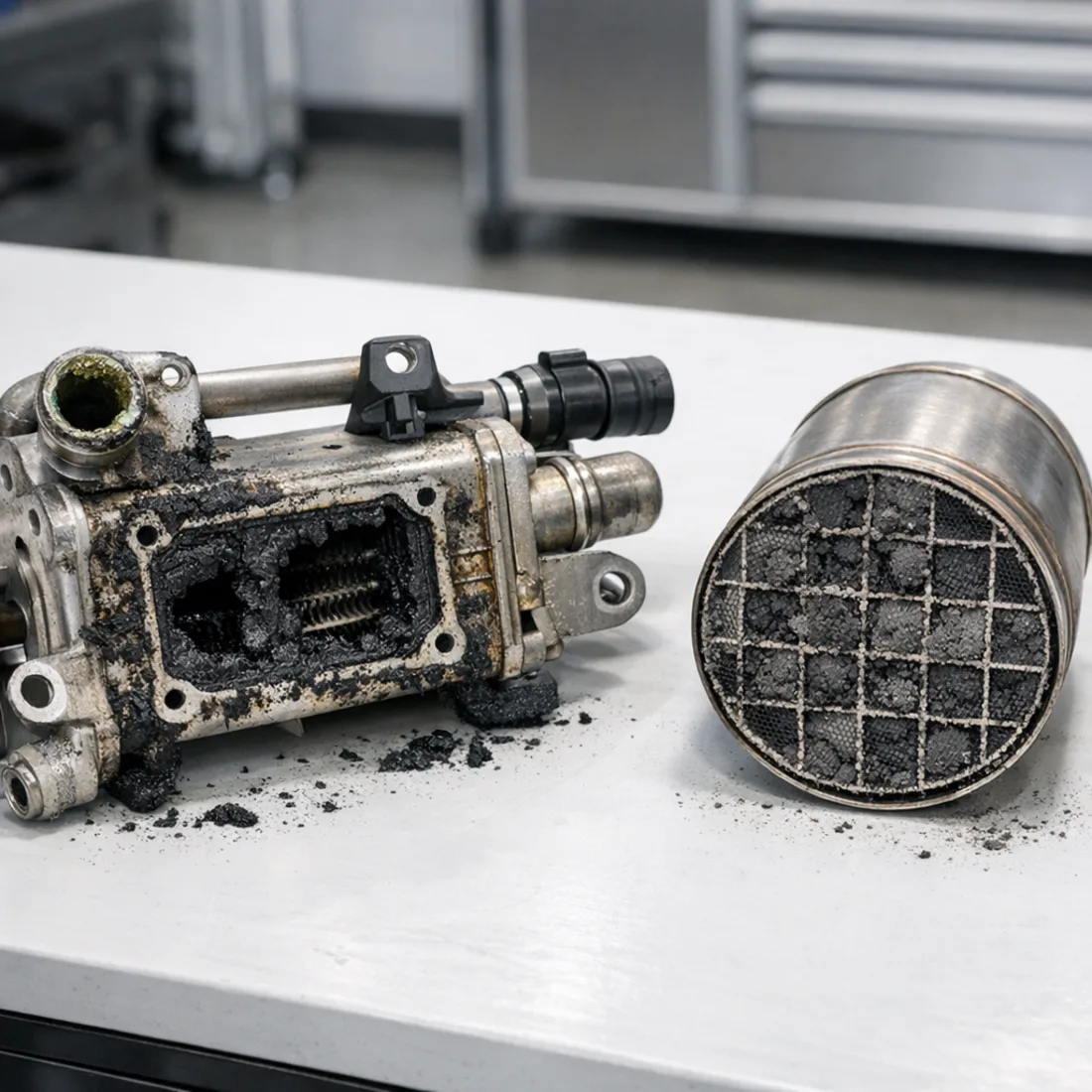
The 8Y shares the EA288 diesel family with its 8V predecessor, so some fault patterns are familiar. EGR cooler and valve issues still show up, and DPF regeneration problems are still very much a thing on cars used mainly for short urban trips. What changes is the scale: the 2.0 TDI's more complex fuel and emissions systems mean more things that can flag up, and the AdBlue SCR setup is more involved than on the older car. AdBlue and NOx faults can trigger dashboard warnings and, if left alone, eventually put the car into an operating restriction.
One area where the 8Y improves on the 8V is refinement and outright performance, but that quattro all wheel drive system and the additional driveline complexity mean there is more to inspect and more to go wrong over time. DSG gearbox servicing is also something to stay on top of: the fluid and mechatronic unit do not last forever, and neglect here is expensive.
-
EGR cooler and valve fouling
-
DPF loading on short trip driving
-
AdBlue and SCR system faults causing warnings and power restrictions
-
Injector wear on higher mileage examples
-
Timing chain or belt condition worth checking at service intervals
-
Turbo actuator faults
On a car that already feels brisk, this is a proper transformation.
Stage 1 tuning takes the 8Y to 245 hp and 480 Nm, gains of 45 hp and 80 Nm through the quattro system.
Routine servicing on the 8Y covers oil and filter with the correct long life diesel grade, air filter, fuel filter, cabin filter, wipers and drive belts. Glow plugs, brake pads and rotors, suspension components and sensors are all regular service items. Cambelt or chain service, clutch or DSG work, and DPF, EGR and AdBlue repairs are all jobs we handle properly.
The Temic DQ381 is the gearbox ECU on this car, and it needs correct coding when any transmission work is done. Stage 1 tuning on the 8Y 40 TDI takes the 200 hp and 400 Nm stock figures to 245 hp and 480 Nm, gains of 45 hp and 80 Nm.
Picking Between Them: Which A3 TDI Makes More Sense Used?
If you are shopping used and trying to decide between the 8V 30 TDI and the 8Y 40 TDI, here is the honest version. Either way, the first thing to do with a used A3 TDI is a proper [[link:mechanical repairs|mechanical inspection]] with ODIS connected. Stored fault codes, DPF health data and gearbox oil condition all tell you far more than a test drive alone.
You want the simpler, cheaper to run car. The 1.6 TDI is a small, light engine with modest outputs, and parts are widely available. Its Achilles heel is the timing belt, which must be done on schedule, and the DPF and EGR system if the car has lived a short trip urban life. If the belt history is documented and the DPF is clean, it is a solid, economical choice for drivers who just want a reliable, affordable daily diesel.
You want a more capable machine in every direction. It costs more to own properly: the emissions systems are more complex, the quattro driveline adds to service scope, and tuning potential is significantly higher. For drivers who want real performance alongside diesel economy, the 8Y is the pick. The key is buying one with a proper service history and getting it inspected before purchase.
- Confirm cambelt service history on the 8V: if undocumented, budget for it immediately
- Check DPF soot load data with ODIS, not just a test drive
- Inspect AdBlue and NOx sensor status on both generations
- Review DSG fluid and gearbox service history, especially on multi owner cars
- On the 8Y, confirm timing chain or belt service status at purchase
- Check for EGR valve and cooler fouling, especially on cars used mainly for urban trips
- Verify injector condition on higher mileage 8Y examples
Servicing Both Generations: What Actually Matters
Both the 8V and 8Y A3 TDI are variable interval service cars from the factory, but real world conditions in New Zealand mean you should not blindly follow the maximum intervals. Short trips, motorway commuting, towing, and the quality of fuel available here all affect how quickly oil degrades and how fast emissions components load up. We recommend getting the oil changed more frequently than the maximum interval if the car is used heavily in urban traffic.
Oil specification matters a lot: low SAPS grades are mandatory on both engines to protect the DPF catalytic substrate. Using the wrong oil shortens DPF life significantly. Fuel filter replacement is often skipped by owners who follow the extended intervals, but a restricted fuel filter causes injector stress on both the 1.6 and 2.0 TDI. Glow plugs on both engines are worth inspecting at higher mileage: a failed plug on a cold Auckland winter morning is annoying, but a plug that seizes and snaps during removal is a far bigger problem.
Audi's electronic parking brake on the 8Y requires specific procedures when changing rear pads and rotors. You cannot just wind the pistons back by hand the way you would on an older car. Our team does this with the correct tooling, so the EPB motor and caliper are not damaged in the process. Our brake repair service covers both generations properly.

Diagnostics: Why Factory Tooling Changes Everything on These Cars
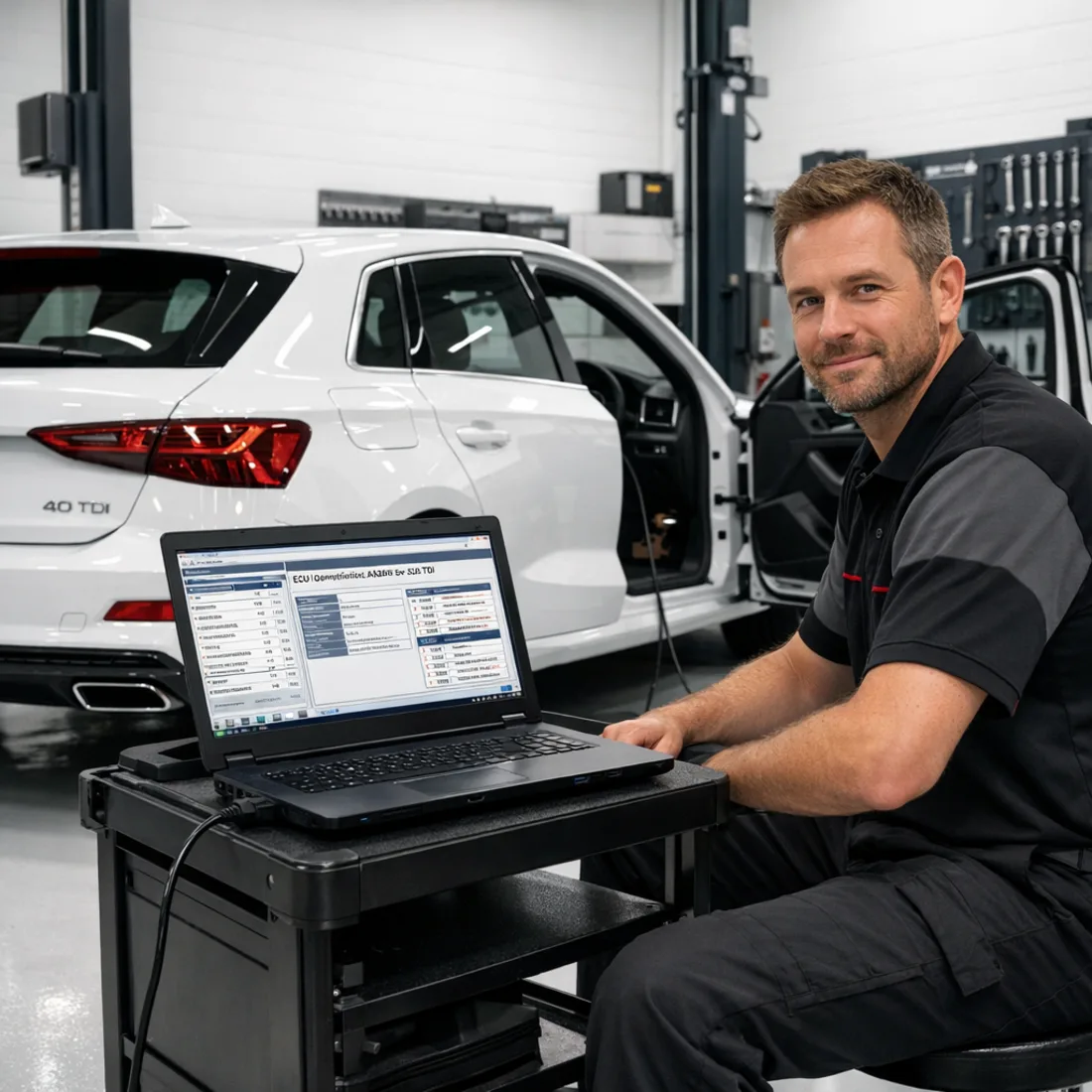
Both the 8V and 8Y A3 TDI are VAG group platforms, and both are diagnosed with ODIS, the official VW Group diagnostic platform. This is not a nice to have. Generic scan tools can read basic fault codes on these cars, but they cannot run the guided test plans, actuator tests and service functions that ODIS provides. Coding a replacement part incorrectly on an 8Y can leave a system in a fault state even after a new component is fitted.
On the 8V, ODIS lets us read live data from the DPF pressure sensor, check soot load figures, and run a forced regeneration where appropriate. On the 8Y, the same tools go deeper into the more complex emissions system, AdBlue dosing circuit and quattro driveline. When we replace a part that needs coding, whether that is a new injector, a sensor, or an ECU, we code it correctly on the first visit.
If your A3 has thrown a warning light and a quick scan somewhere else came back with a vague fault code and no clear answer, bring it to us. We read the full fault environment, not just the top level code, and we check live data to confirm what is actually happening before recommending any parts.
Tuning: What Both Generations Can Do
Both the 8V 30 TDI and the 8Y 40 TDI respond well to Stage 1 tuning, and the gains on each are meaningful in real world driving rather than just on paper. Both tunes are done on the factory ECU with a proper calibration, not an off the shelf generic map. We do not flash these cars and send them out without checking the full picture first.
On the 8V, the Delphi DCM6.2V ECU is tuned from 116 hp and 250 Nm to 140 hp and 310 Nm. Those 60 extra Nm arrive lower in the rev range, which is exactly where a small diesel does its best work. The car feels noticeably more confident on the open road and less strained in traffic.
On the 8Y, starting from 200 hp and 400 Nm, Stage 1 tuning takes the car to 245 hp and 480 Nm, gains of 45 hp and 80 Nm. On a car that already feels brisk, this is a proper transformation. The extra torque through the quattro system means real traction and genuine overtaking confidence.
Tuning works best on a car that is mechanically sound. A DPF that is already struggling, or injectors that are on the way out, will not thank you for more fuel and boost. We always recommend sorting any underlying issues before tuning, not after. Both tunes are available as a file service or booked in at our Penrose workshop.
Frequently Asked Questions
The questions we get most. Something else on your mind? Get in touch.