Audi RS6 4.0 TFSI: Service, Repairs and Diagnostics NZ
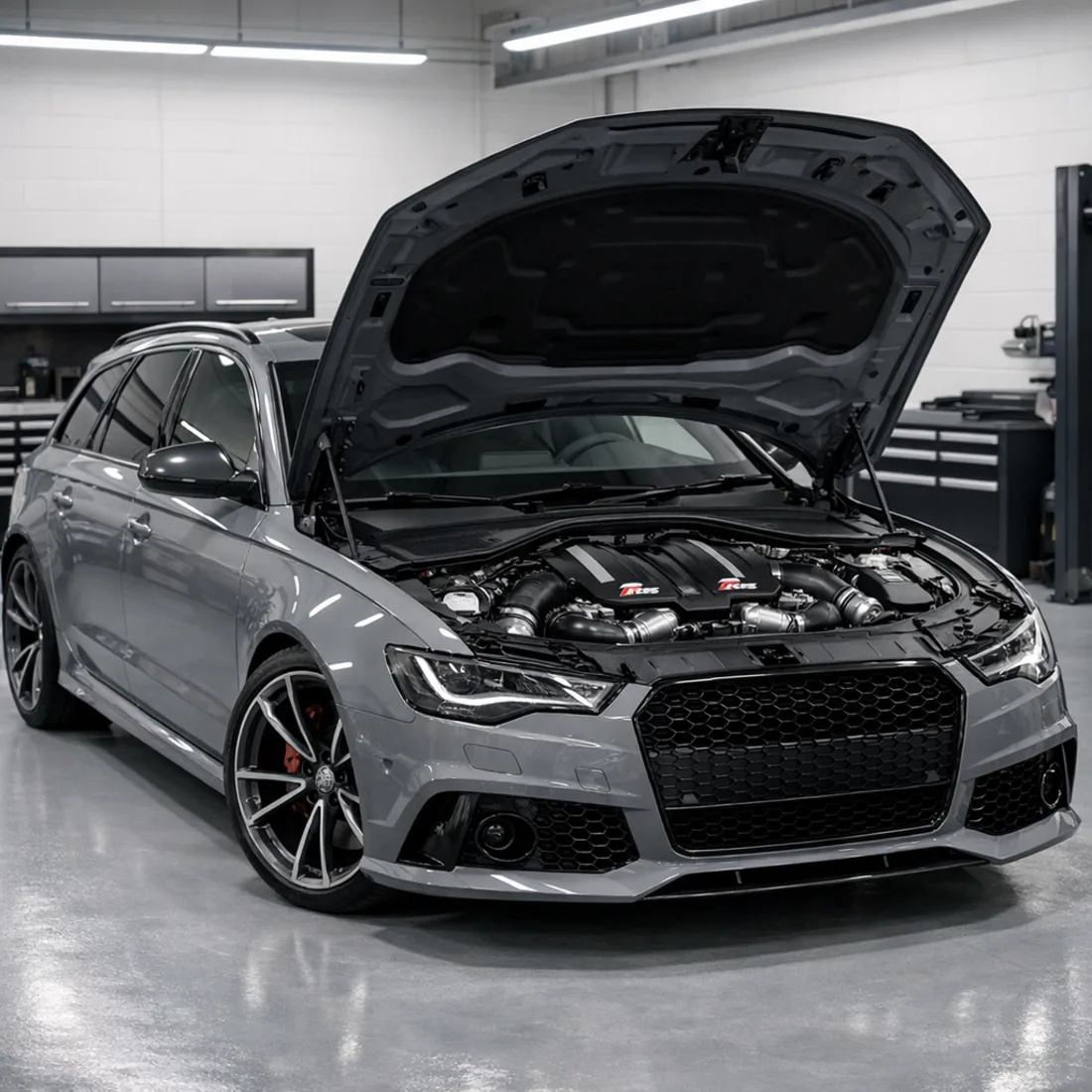
Five hundred and sixty horsepower in a practical wagon body sounds like a contradiction, but that is exactly what the C7 RS6 delivers. Quattro all wheel drive, air suspension, and a twin turbo 4.0 litre V8 under the bonnet producing 700 Nm of torque. It pulls like a freight train from almost any speed, yet it will carry the school bags and the surfboards without complaint. The engineering is genuinely impressive. But like any machine running this hard, it has its pressure points, and they do show up over time and kilometres. Knowing what to watch for is the difference between a minor service visit and an expensive surprise.

The Engine Behind the Badge
The CRDB engine code tells the story. This is a 3993 cc twin turbo V8 with a 10.1:1 compression ratio, bore and stroke of 84.5 by 89.0 mm, and direct injection managed by a Bosch MED17.1.1 ECU. It is a sophisticated, tightly engineered unit. From the factory it produces 560 hp and 700 Nm, which is already a serious number, but the architecture has more in it than Audi chose to release on the showroom floor.
The cylinder deactivation system, which shuts down four cylinders under light load to improve fuel economy, adds another layer of complexity to an already busy valve train. It works well when everything is fresh, but it is one more system that benefits from clean oil, correct servicing intervals, and genuine parts every time the car goes up on the hoist.
-
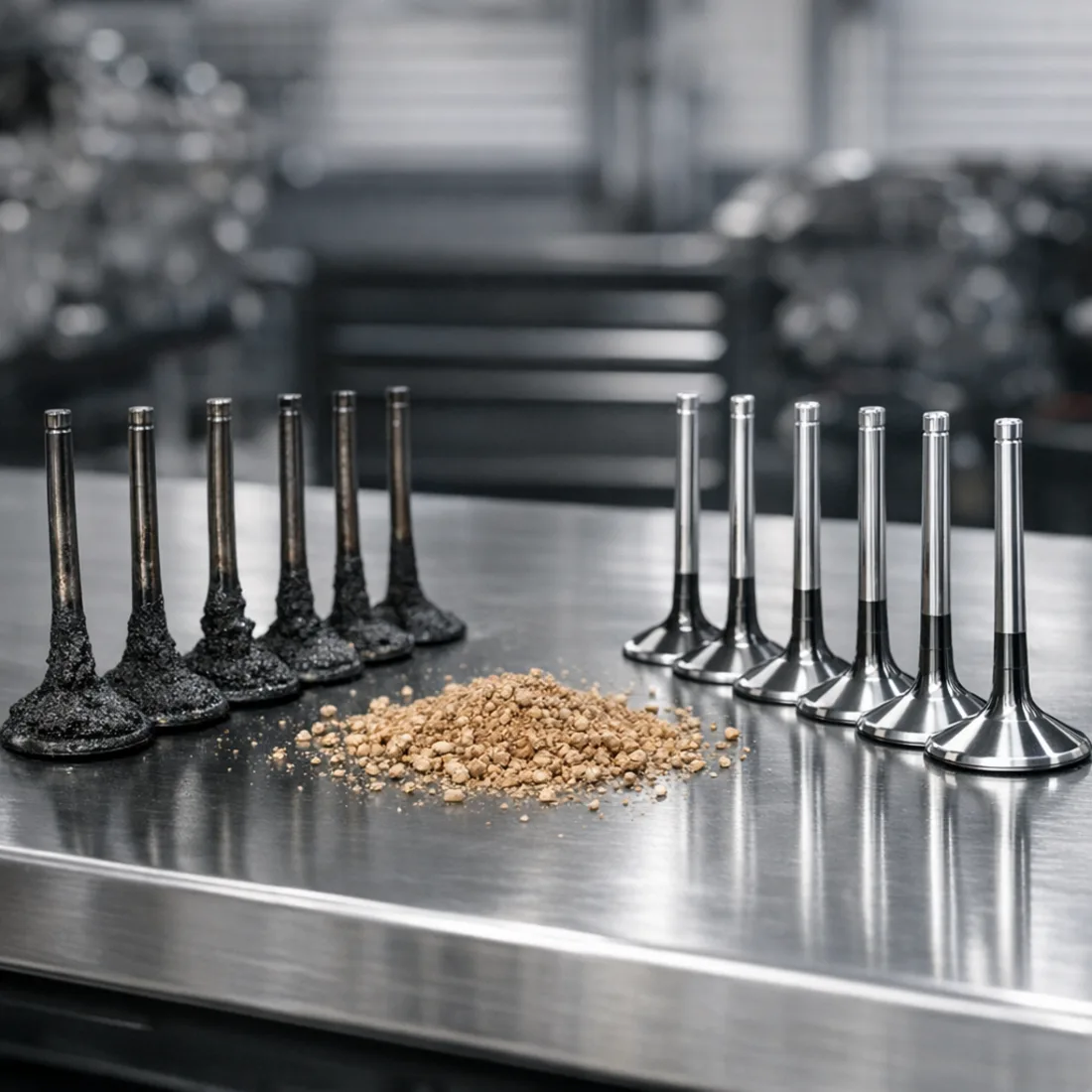
Carbon build up on the intake valves from direct injection, typically affecting performance from around 80,000 to 100,000 km, causing rough idle, hesitation on initial acceleration, and a slight loss of power.
-
Timing chain tensioner wear presenting first as a rattle on cold start that settles after a minute or so of running, and progressing to a rattle on a warm engine with risk of timing related damage if ignored.
-
PCV breather system deterioration on higher mileage examples, causing excess crankcase pressure, oil pushed into the intake, blue tinged smoke at startup, elevated oil consumption, and a rough idle that clears once the engine warms.
-
Coolant leaks from the valley between the cylinder banks, often presenting as unexplained coolant loss with no obvious external source, due to aged seals and hoses in the V8 valley area.
-
Coil pack failures typically appearing as a P030X series misfire code with the cylinder number pointing directly to the offending coil.
-
Air suspension faults including air strut failures and compressor wear, presenting as a slow corner sagging overnight or a compressor running continuously, especially on cars used for frequent short journeys.
-
S tronic dual clutch and torque converter units benefit from a proper [[link:tcu gearbox repairs|gearbox service]] at appropriate intervals, particularly given the torque loads this engine puts through the drivetrain.
A fault that looks like a simple sensor code on a basic reader can mask a deeper mechanical cause.
Reading the full adaptation channels and checking live data against factory parameters is how you find the actual root cause, not just the symptom code.
The Bosch MED17.1.1 ECU in the CRDB engine communicates at a depth that a generic scan tool simply cannot reach. We use ODIS, the factory Audi diagnostic platform, which means we read the full fault memory, access live data streams from the fuel trims, boost sensors, oil pressure and temperature circuits, and check coding and adaptation values as Audi intended. When a coil pack is misfiring, ODIS points to the exact cylinder. When the PCV is causing a lean condition, the fuel trim live data tells the story. When the timing chain tensioners are wearing, the cam timing deviation values show it before the rattle becomes a drama.
This matters because a fault that looks like a simple sensor code on a basic reader can mask a deeper mechanical cause. Reading the full adaptation channels and checking live data against factory parameters is how you find the actual root cause, not just the symptom code. For anything beyond standard diagnostics, including immobiliser and key related issues, our auto electrical team handles the full scope of electrical and electronic work on these cars.
Get your RS6 booked in with a proper specialist.
Servicing the RS6 Properly
The CRDB engine specifies a full synthetic oil meeting or exceeding the VW 504 00 standard. Using the correct spec is not optional on a high compression twin turbo V8 with cylinder deactivation. The wrong oil in this engine contributes to carbon build up and can affect the hydraulic tensioner function. We use the right grade every time, paired with a genuine quality oil filter, air filter, cabin filter, and fuel filter on schedule.
Spark plugs on the CRDB are a service item that should not be stretched beyond their interval. Eight plugs across a V8 with direct injection means any plug that goes off the boil puts extra load on the ignition coils and can trigger misfire codes that then need diagnosing separately. We replace them on schedule with plugs to factory specification, which keeps the ignition system doing its job cleanly. Drive belts, brake fluid, and coolant condition all come under review at each full service visit as well.
A car that accelerates like this one also needs to stop like it. The RS6 C7 runs substantial brake hardware, and pads and rotors wear on a different timeline to a standard family car when the performance is being used. Glazed or worn rotors create longer stopping distances and a pulsing pedal under braking. We stock and fit quality replacement pads and rotors, and if your RS6 is showing any brake pedal vibration or increased stopping distances, our brake repair team will sort it properly.
How We Actually Diagnose These Cars
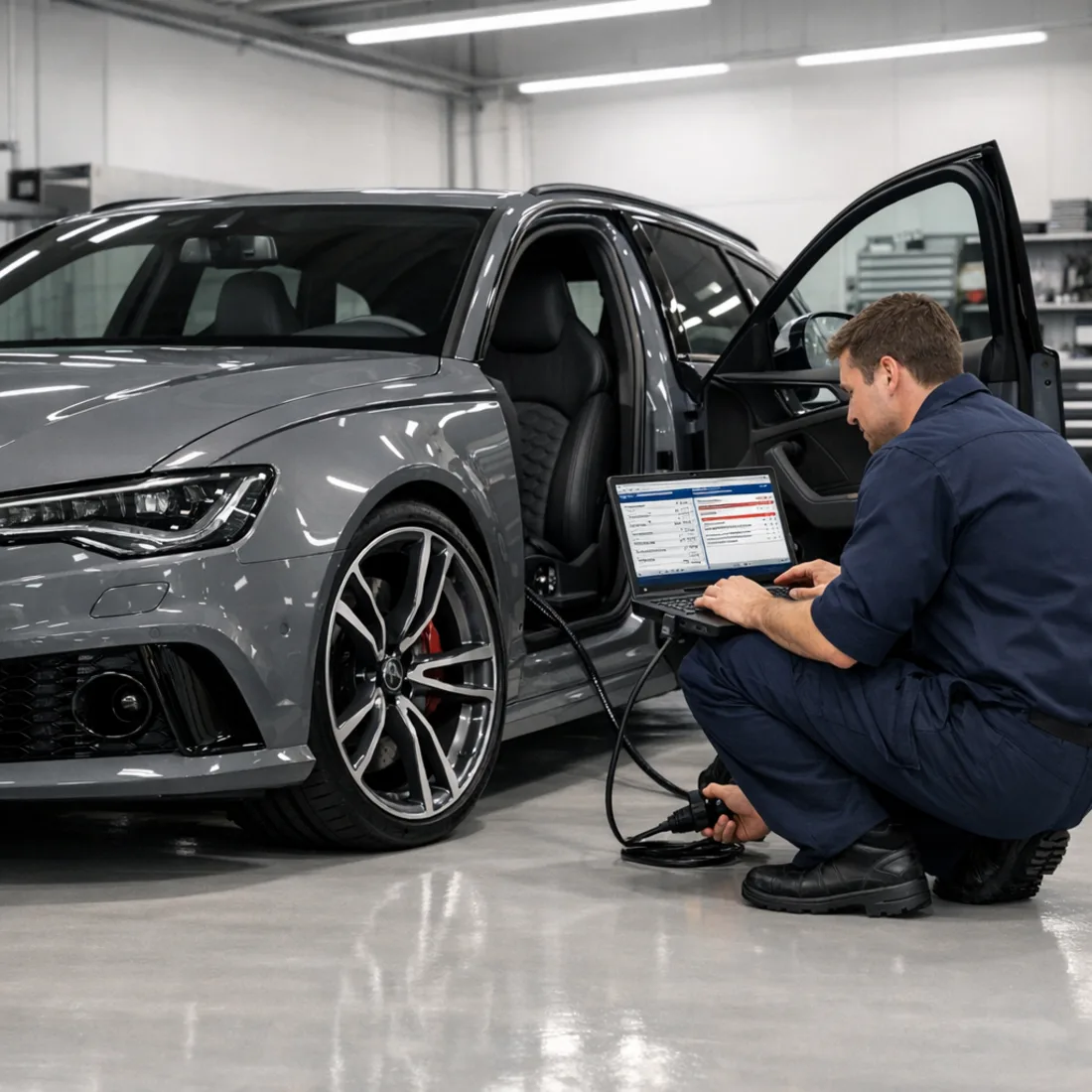
The Bosch MED17.1.1 ECU in the CRDB engine communicates at a depth that a generic scan tool simply cannot reach. We use ODIS, the factory Audi diagnostic platform, which means we read the full fault memory, access live data streams from the fuel trims, boost sensors, oil pressure and temperature circuits, and check coding and adaptation values as Audi intended.
When a coil pack is misfiring, ODIS points to the exact cylinder. When the PCV is causing a lean condition, the fuel trim live data tells the story. When the timing chain tensioners are wearing, the cam timing deviation values show it before the rattle becomes a drama. For anything beyond standard diagnostics, including immobiliser and key related issues, our auto electrical team handles the full scope of electrical and electronic work on these cars.
Stage 1 Tuning: What the CRDB Actually Has in Reserve
The factory 560 hp figure is conservative relative to what this engine can do on its standard hardware. A Stage 1 tune via the Bosch MED17.1.1 ECU brings output to 650 hp and 850 Nm, a gain of 90 hp and 150 Nm without any hardware changes. The torque delivery becomes noticeably broader across the mid range, and the top end pulls harder. For daily use in New Zealand conditions it transforms the driving experience without touching the reliability of the mechanicals, provided the engine is in good health before the tune goes in.
Stage 1 tune via the Bosch MED17.1.1 ECU on standard hardware. Additional file options available: DTC removal, pop and bang crackle map, Start Stop deactivation, FLAPS valve control tuning, and Vmax speed limiter removal. Each of these is applied through the ECU file and can be combined with the Stage 1 power map.
Every tuning option for the RS6 C7 is applied through the ECU file with no hardware changes required for Stage 1. If you want to explore the full range of what is possible with this car, the details are on our power gains page.
Frequently Asked Questions
The questions we get most. Something else on your mind? Get in touch.