Mercedes Benz ML 350 CDI and GL 350 BlueTEC
Two bodies, one brilliant and occasionally frustrating engine. The W166 ML 350 CDI and the X166 GL 350 BlueTEC both run the OM642 3.0 litre V6 diesel, and both carry the same set of well documented weak spots alongside genuine long distance capability. Understanding where each model sits in the family, what it shares with its sibling, and what its own quirks are will save you real money whether you already own one or are deciding which to buy.
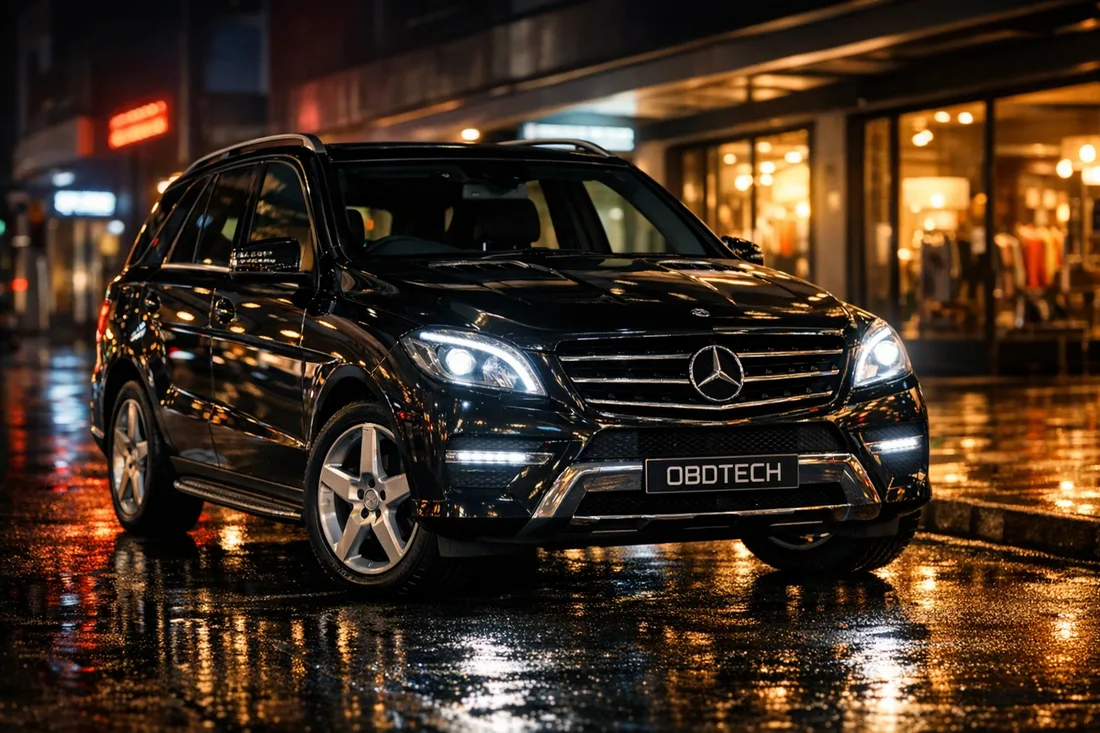

ML 350 CDI: The One That Started the Platform
The W166 ML 350 CDI arrived with a clear brief: school run comfortable, Northland back road capable, and quiet enough that you almost forget the V6 is a diesel. The OM642 3.0 litre delivers on all three counts from the factory. By the time most of these cars hit 150,000 kilometres in New Zealand, though, a handful of well documented weak spots start making themselves known.
The compression ratio on this application sits at 15.5:1, bore and stroke are 83.0 x 92.0 mm, and the ECU is either a Bosch EDC17CP46 or EDC17CP57 depending on build date. Factory output is 258 hp and 620 Nm, and the gearbox is Mercedes' 7G Tronic automatic.
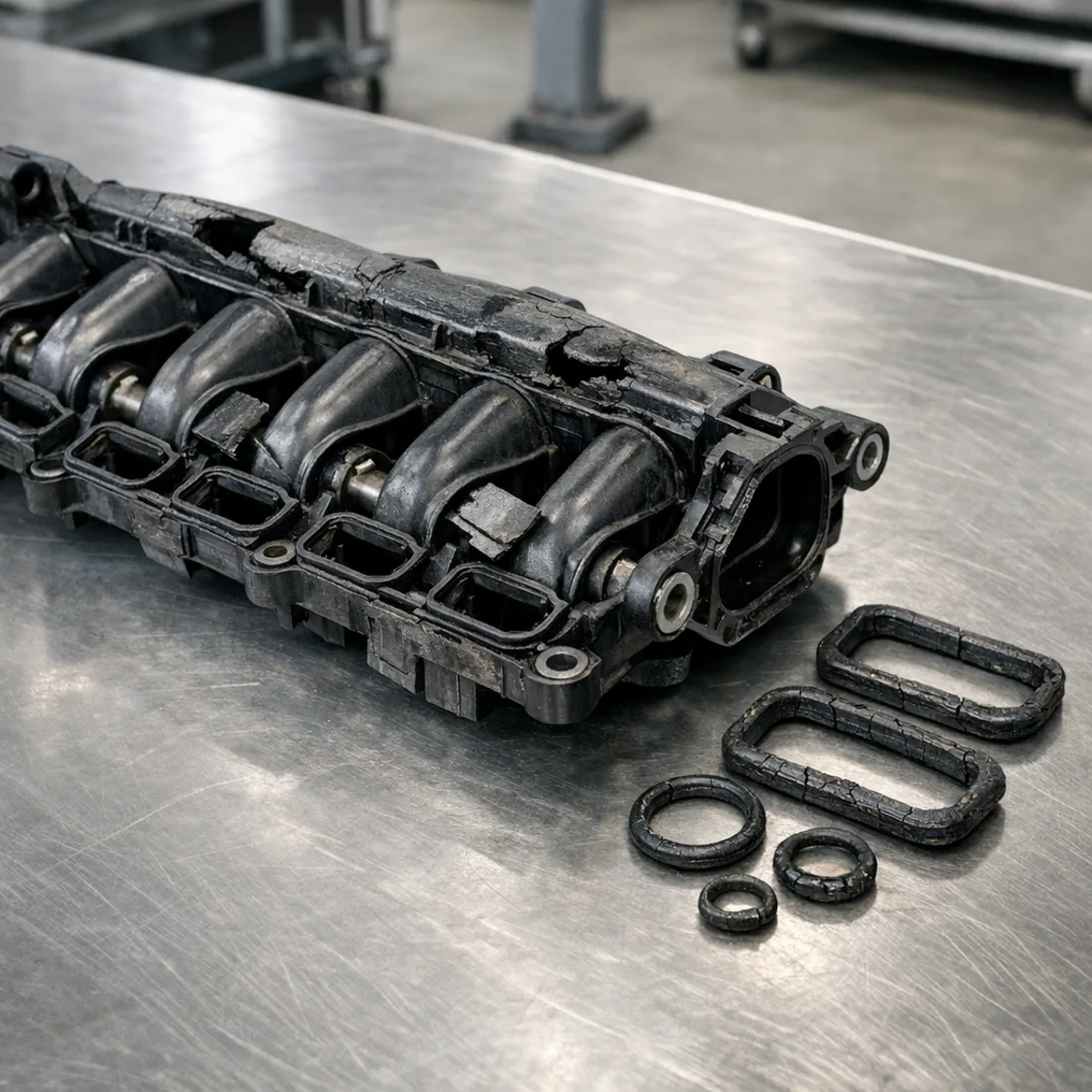
The swirl flap issue is the one we diagnose most often on W166s. The plastic actuator degrades, the flaps clog with soot, and the car either idles roughly or throws a check engine light. Fixing it properly means removing the intake, inspecting the flaps and actuator, and replacing what needs replacing with new OEM parts, not just clearing the code and hoping for the best.
The oil cooler seal job is more involved than it sounds. The seals sit deep in the valley between the two banks, so there is significant disassembly required to get there. When people ignore an oil drip and keep driving, the oil eventually finds its way onto other components, and the repair bill grows accordingly. Catch it early.
-
Plastic intake manifold swirl flaps and actuator failure, causing rough running and power loss
-
Oil cooler seals leaking in the valley between the cylinder banks, letting oil track down onto the engine
-
Turbo actuator faults and sluggish response under load
-
EGR clogging on higher mileage cars
-
DPF regeneration failures leading to limp mode
-
NOx sensor faults on AdBlue equipped variants
A generic scan tool simply cannot do that job properly.
On the transmission side, the 7G Tronic responds well to a fluid and filter service if it has been neglected. Adaptation resets through genuine Mercedes diagnostic software make a real difference to shift quality after service.
Routine servicing on the W166 covers oil and filter using the correct low SAPS diesel grade, air filter, fuel filter, cabin filter, drive belts, glow plugs, wipers, and brake pads and rotors. This is a heavy SUV with serious stopping requirements, so brake condition matters more than it does on a light hatchback.
We also handle timing chain and tensioner work, air suspension component replacement, and DPF and EGR servicing on this platform.
Get your ML or GL booked in with a genuine XENTRY specialist.
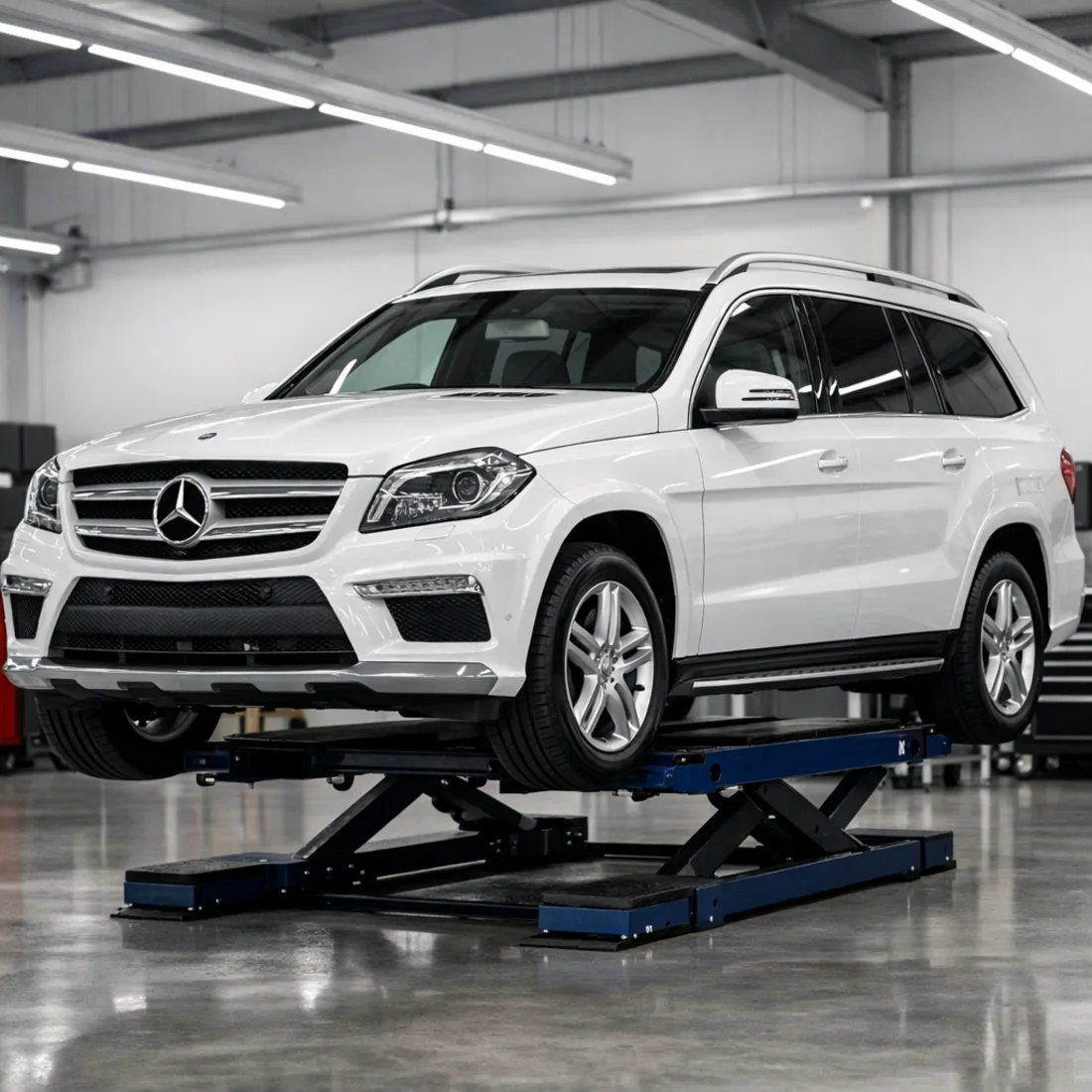
GL 350 BlueTEC: Same Engine, Bigger Stage
The X166 GL 350 BlueTEC takes the W166 platform and scales it up: seven seats, a longer body, air suspension across all four corners, and the same OM642 under the bonnet. It is genuinely impressive in day to day use. It is also a vehicle where deferred maintenance gets expensive faster than almost anything else in its class.
The engine specification is very close to the ML. Same bore and stroke, same ECU options (Bosch EDC17CP46 or EDC17CP57), same 258 hp and 620 Nm factory output. The compression ratio on this application is 17.7:1. The extra weight of the GL body means the drivetrain and suspension work harder, so wear items can reach replacement intervals sooner than they do on the lighter ML.
The oil cooler seal fault on the GL has a slightly nastier consequence than on the ML because of where the oil drips. On the X166 it tends to track down onto the starter motor. Starters and oil are not friends. If you see oil weeping from the top of the V on a GL, get it looked at before it takes out components further down the chain.
The AdBlue and BlueTEC emissions system on the GL needs more attention than owners often expect. Vehicles that do mostly short urban trips struggle to complete DPF regeneration cycles, and once the filter loads up and the system triggers limp mode, the diagnostic and repair process is significantly more involved than a simple filter clean. Regular motorway driving helps, but if the car is already showing regeneration faults, proper diagnosis comes first.
-
Oil cooler seal leaks at the top of the V, with oil dripping onto the starter motor
-
Intake manifold swirl flaps and actuator clogged with soot
-
EGR and turbo actuator faults
-
DPF regeneration failures and limp mode events on vehicles without regular motorway use
-
AdBlue and BlueTEC emissions system faults requiring proper diagnosis, not guesswork
-
Air suspension component wear and fault codes
It is a vehicle where deferred maintenance gets expensive faster than almost anything else in its class.
The air suspension on the X166 is a four corner system and worth inspecting at every service. Compressors, air struts and valve blocks all have finite lives, and the parts are not cheap.
Routine servicing on the GL covers the same items as the ML: correct grade diesel oil, filters across the board, glow plugs, drive belts, brake pads and rotors, and timing chain work.
The air suspension on the X166 is a four corner system and worth inspecting at every service. Knowing the condition before something fails beats an emergency fix.
Picking Between Them: Used Buying Guide
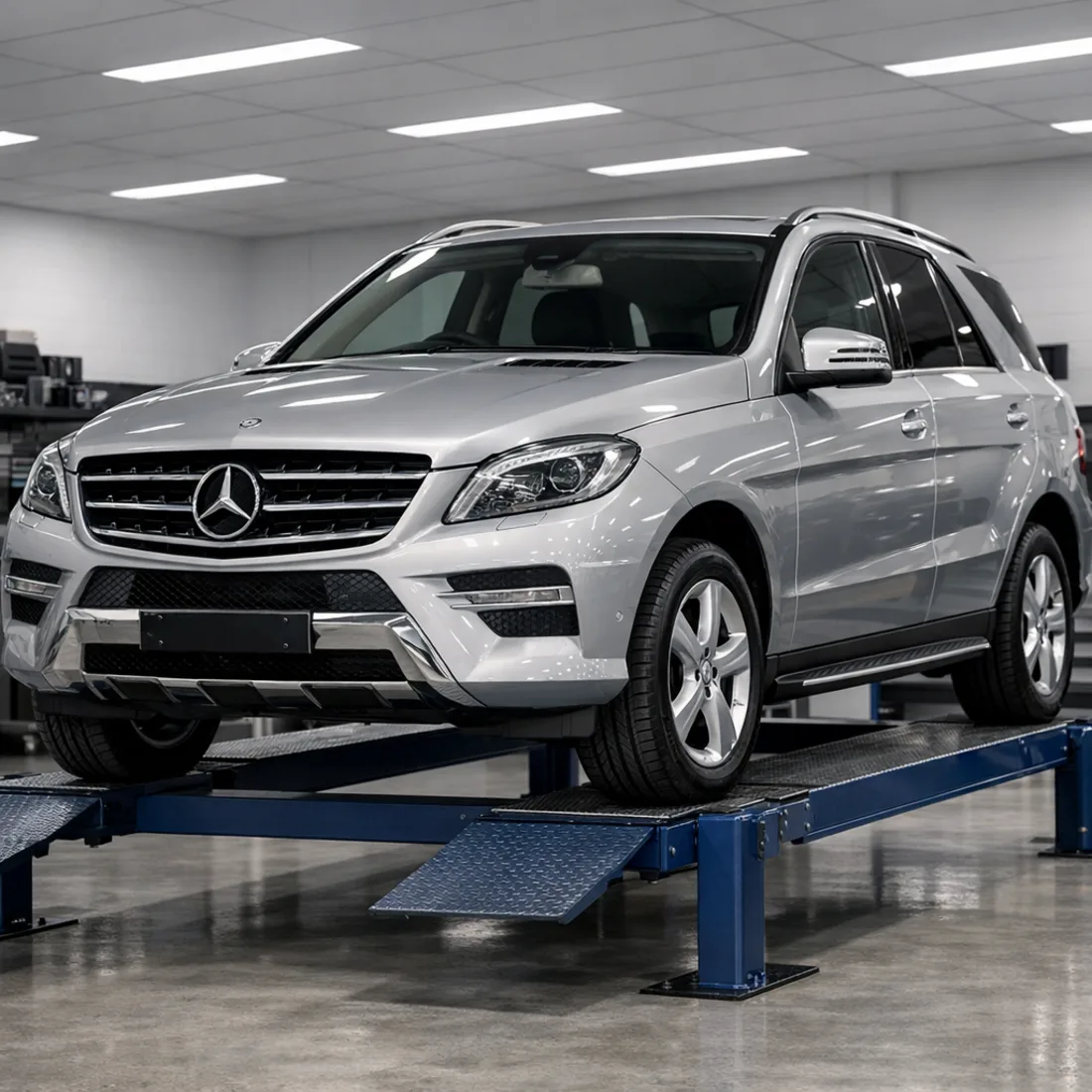
If you are shopping the used market right now and trying to decide between a W166 ML and an X166 GL, here is the honest breakdown. The sweet spot in the used market for both models tends to be well maintained examples with verifiable service records, not necessarily low mileage. A 180,000 km car with documented oil changes in correct grade oil and known repairs is a safer buy than a 100,000 km car with a patchy history and an unknown DPF story.
The ML is the more practical choice for most buyers. It is lighter, slightly simpler, and parts and labour are a touch less expensive when things go wrong. Both share the OM642 engine, so the fault pattern is identical.
The GL makes sense if you genuinely need seven seats regularly, or if the air suspension and extra presence matter to you. Just go in knowing the running costs are higher.
- Budget for swirl flap and oil cooler seal work if neither has been done recently on either model.
- Check the DPF condition on any candidate. A car that has spent its life on short Auckland suburban runs without regular motorway use is more likely to have a loaded or damaged DPF.
- If the AdBlue system is fitted, ask for the NOx sensor history. Replacing a NOx sensor is straightforward but costs money if it has been ignored.
- Ask for a 7G Tronic service history. A transmission that has had regular fluid changes shifts cleanly and lasts. One that has not can be unpredictable.
- A 180,000 km car with documented oil changes in correct grade oil and known repairs is a safer buy than a 100,000 km car with a patchy history and an unknown DPF story.
Servicing Both Generations
The service requirements across the W166 ML and X166 GL are very similar because the drivetrain is essentially shared. Oil grade is not optional. The OM642 requires a low SAPS diesel oil to protect the DPF. Using a generic oil, even a quality one, shortens DPF life and can cause the filter to load prematurely. We use the correct specification fluid every time, no shortcuts.
Glow plugs on these V6 diesels are worth replacing as a set when they start failing. Removing one cylinder's glow plug and leaving others at similar mileage means coming back for the same job again shortly after. Do them together.
Brake service on both the ML and GL deserves proper attention. These are heavy vehicles with performance oriented brake systems. Our brake repairs service covers everything from a standard pad and rotor change through to sensor replacement and brake fluid flush.
Transmission service on the 7G Tronic benefits from a fluid and filter change followed by an adaptation reset through the diagnostic system. This is not something a generic scan tool can do. The correct fluid, the correct procedure, and the correct reset process all matter for long term shift quality. For a full picture of what is covered at each service, our car servicing page breaks down what each type of service includes and how we approach scheduled maintenance on vehicles like these.
How We Diagnose the ML and GL
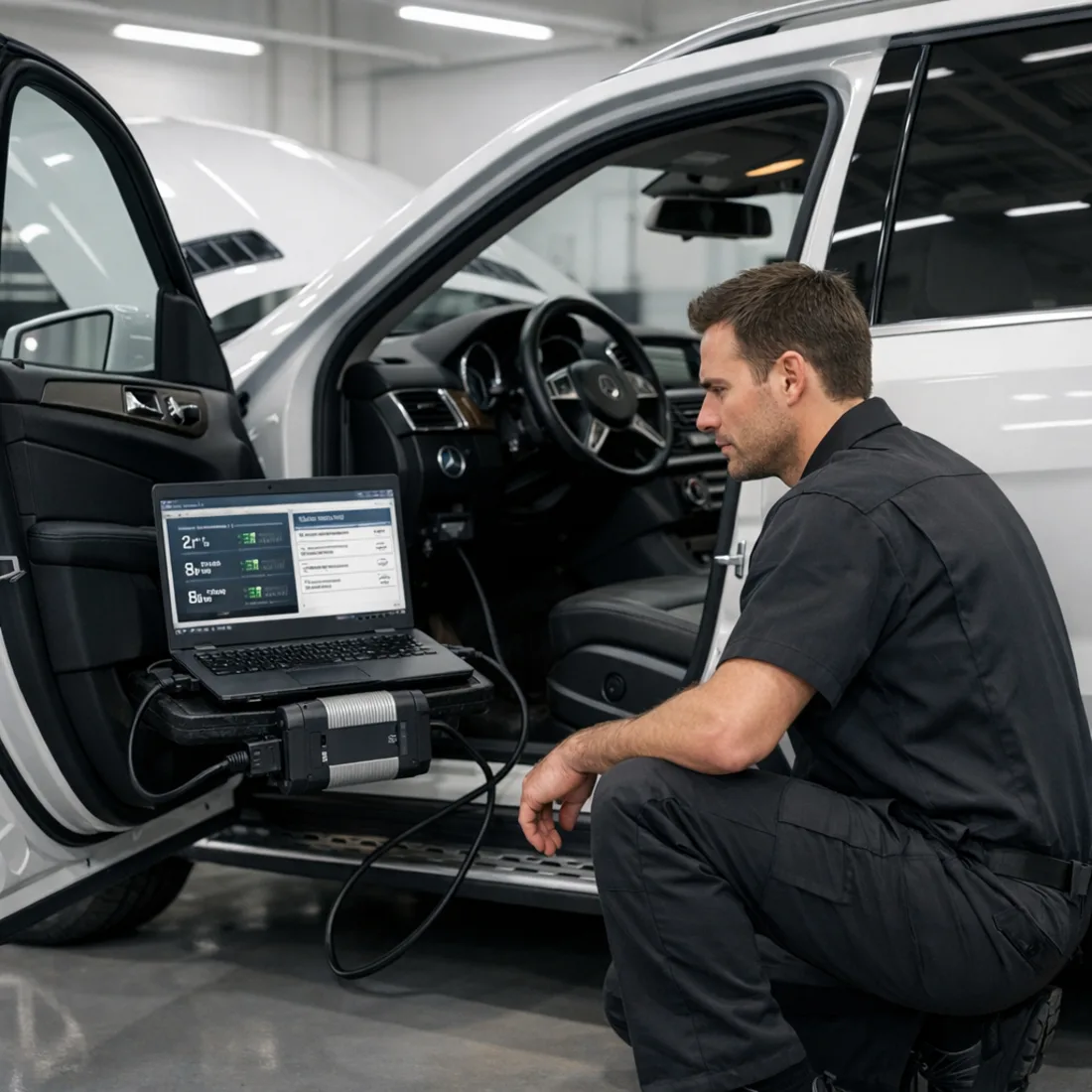
Diagnosing the W166 and X166 properly requires the Mercedes XENTRY and DAS platform with a genuine C4 or C6 interface. We use exactly that. It is not a luxury choice, it is a necessity.
A generic Bluetooth OBD reader or an aftermarket scan tool can pull basic fault codes from the engine module, but it cannot read the full module set, cannot run guided tests, cannot reset service adaptations, and cannot code replacement parts. On these vehicles, where faults often involve multiple modules communicating, reading only the engine codes gives you an incomplete picture. You can end up replacing parts that are not the root cause.
With XENTRY, we can read live data from the OM642, the transmission, the air suspension control module, the AdBlue system, the DPF and the chassis modules simultaneously. We can run the turbo actuator through its range, check EGR position sensors in real time, and verify DPF differential pressure across the filter. That is how you find faults properly, not by guessing and replacing parts.
After repairs, correct coding is essential. If a fuel injector is replaced on the OM642, the injector trim codes must be programmed into the ECU. If a battery is replaced, the system needs to be informed. If a NOx sensor is swapped, the adaptation has to be reset. Our car programming and coding service covers all of this as part of the repair process, not as an optional extra.
Stage 1 Tuning: What the OM642 Can Do
Both the W166 ML and the X166 GL respond well to an ECU remap. Factory output on both is 258 hp and 620 Nm. Our Stage 1 tune brings both to 290 hp and 690 Nm, gains of 32 hp and 70 Nm. On a heavy SUV that already tows well from the factory, that extra torque makes a genuine difference to overtaking confidence and towing ability under load.
The ECU is the Bosch EDC17CP46 or EDC17CP57, and the tune is written specifically for each vehicle's actual configuration rather than applied as a generic map. The result is cleaner power delivery across the rev range, not just a peak number that looks good on paper.
The same Bosch EDC17CP46 or EDC17CP57 ECU is used, and the tune is tailored to the GL's specific configuration. Additional tuning options available on the OM642 platform include Start/Stop deactivation, Vmax adjustment, and intake flap control maps.
EGR and DPF related calibration work is also available where the hardware has been properly diagnosed and serviced first. We do not promote removal of emissions equipment, but we can clean, repair and recalibrate these systems correctly. Talk to our team about a tuning session for your ML or GL.
Frequently Asked Questions
The questions we get most. Something else on your mind? Get in touch.