Mercedes Benz W222 S63 AMG and S350 CDI BlueTec
The W222 S Class is the car other manufacturers use as a measuring stick, and for good reason. Whether yours has the thundering M177.980 twin turbo V8 of the S63 AMG or the refined OM642 V6 diesel in the S350 CDI BlueTec, both versions carry the same fundamental promise: effortless, long distance luxury backed by serious engineering. The difference is in what breaks, how it breaks, and what it takes to keep each one at its best. We work on both versions regularly, and this page tells you everything you need to know about each one and how they compare.
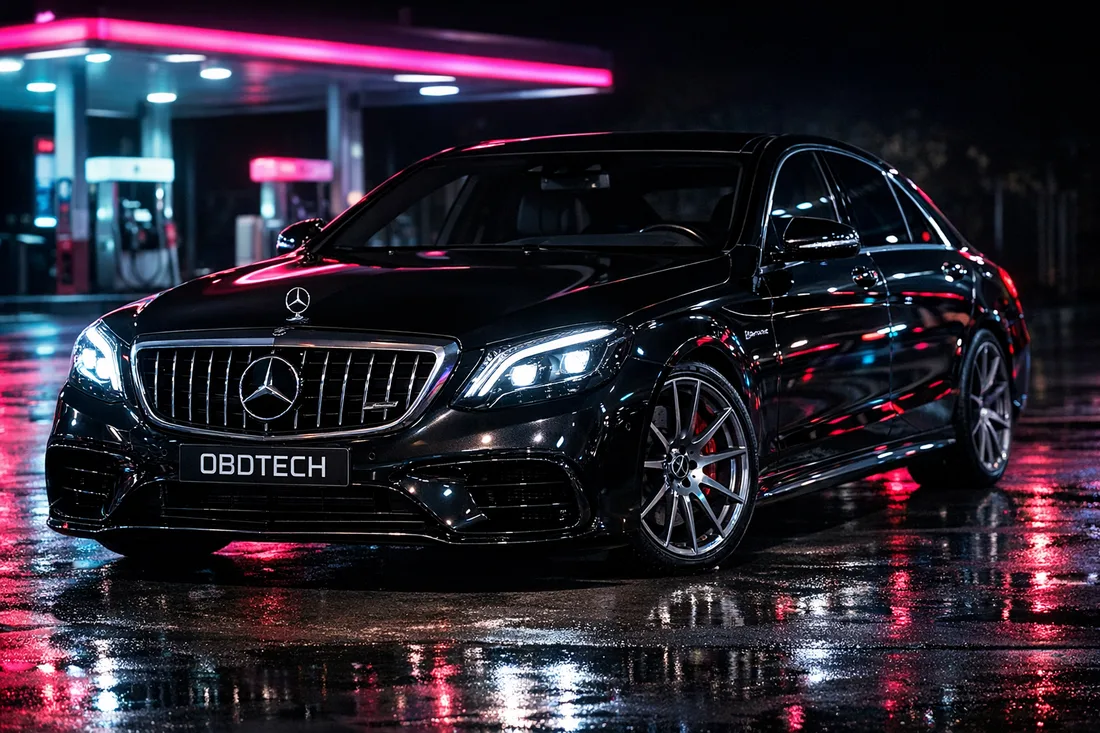
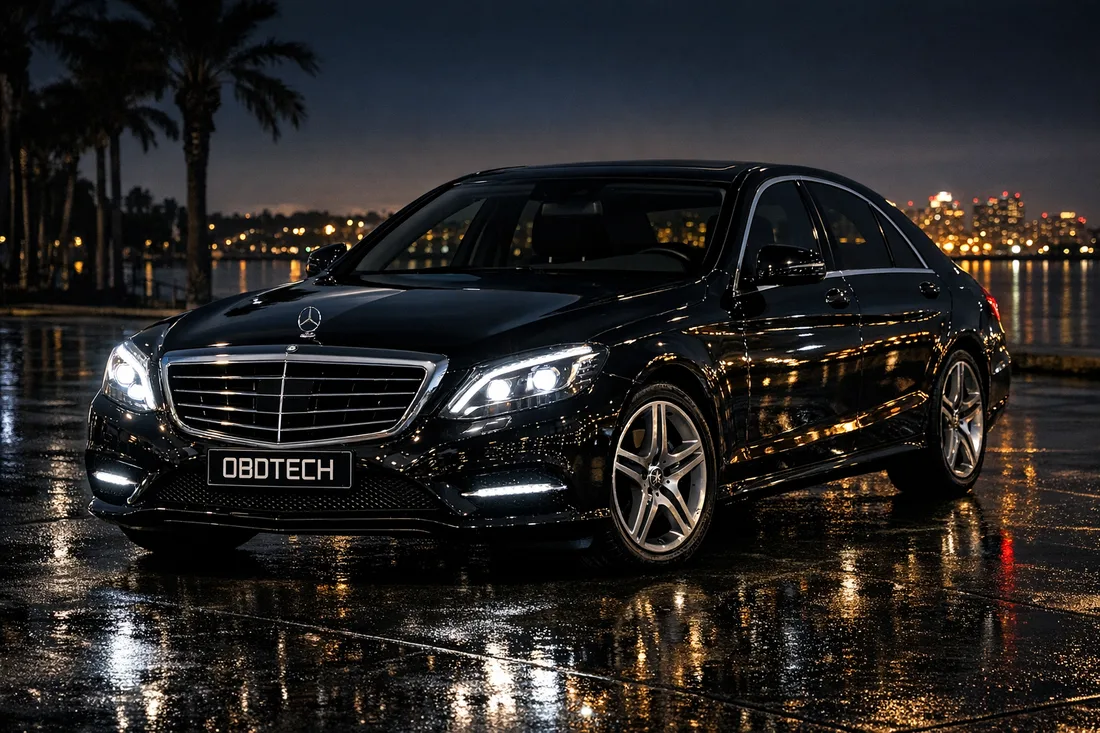
Mercedes Benz S63 AMG: 612 hp of Hot Vee V8
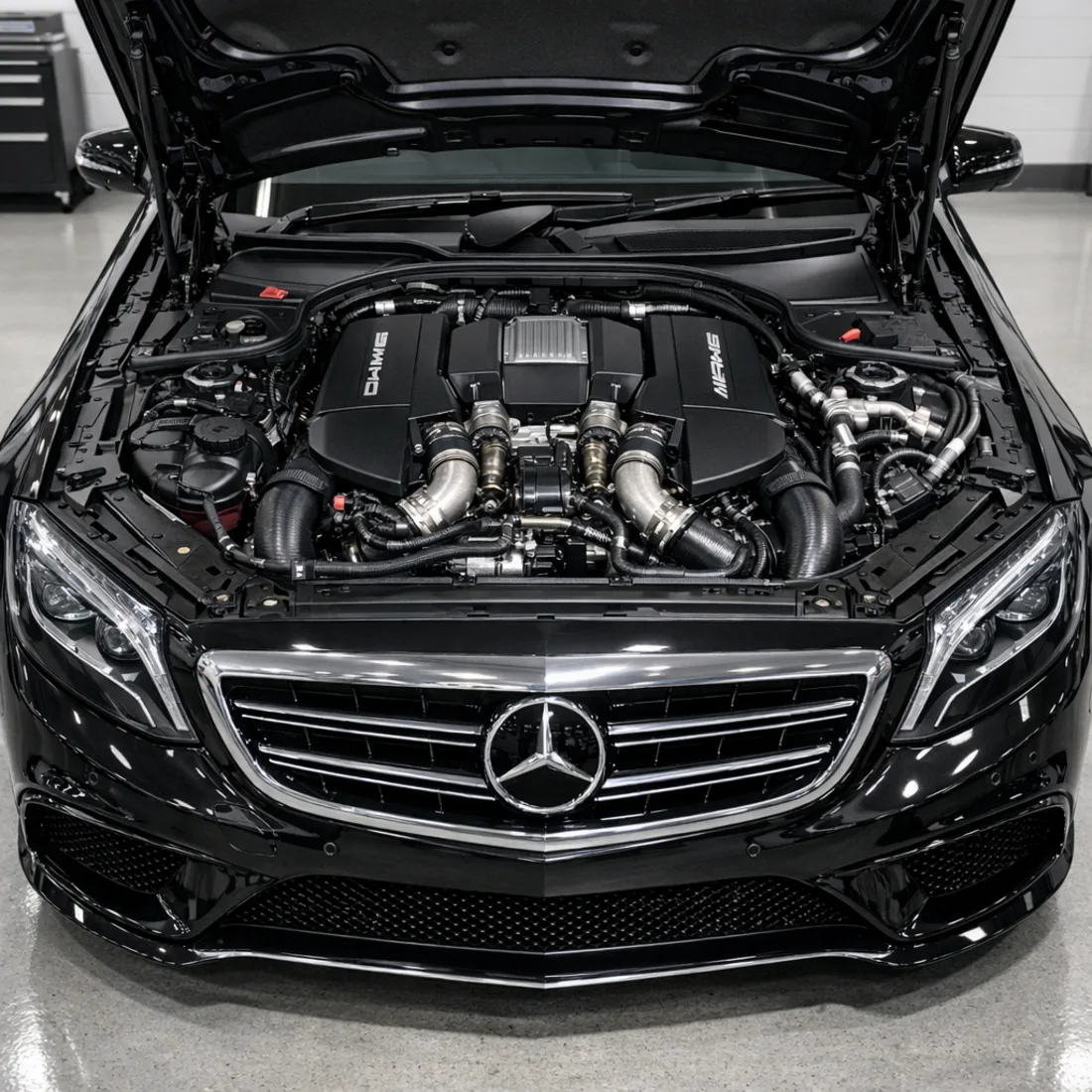
Imagine a car that hustles two tonnes of hand stitched German luxury from zero to a hundred in roughly three and a half seconds, then wafts you to a dinner reservation in near silence. That is exactly what the W222 S63 AMG does. The M177.980 is a 4.0-litre twin turbo V8 with a hot vee layout, meaning the turbos sit inside the V of the engine rather than hanging off the outside. It produces 612 hp and 900 Nm from the factory, which is an absurd number for an engine that also meets modern emissions standards. Bore and stroke measure 83.0 x 92.0 mm with a compression ratio of 8.6:1, and the engine management is handled by a Bosch MED17.7.5 ECU.
The hot vee layout is part of what makes this engine so compact and responsive, but it also concentrates a lot of heat in the centre of the engine. That has consequences over time, and they show up in the workshop with predictable regularity.
-
Timing chain and tensioner wear on higher mileage cars. The hot vee layout makes this harder to access than on a conventional engine, so do not ignore early rattle on a cold start.
-
Oil cooler and seal weeping in the valley area. Oil sitting around the centre of the engine is often traced back here first.
-
Turbo coolant and oil leaks from the hot vee area. Both turbos live in a punishing environment, and their feed and return lines are worth inspecting at every service.
-
AirMatic air suspension strut failure and compressor faults. These cars ride on air, and the struts age whether the car is used hard or pampered.
-
9G Tronic transmission and 4Matic transfer case needing correct fluid service. Running degraded fluid in either unit leads to shift quality issues that escalate quickly.
The hot vee layout concentrates a lot of heat in the centre of the engine. That has consequences over time.
They show up in the workshop with predictable regularity.
We diagnose the S63 AMG using the factory Mercedes XENTRY and DAS platform through a genuine C4 or C6 multiplexer, not a generic scan tool. That matters because the AMG specific modules, including the AMG drive unit and the AirMatic control, do not communicate properly with aftermarket interfaces. You get the full picture, not a partial read.
Routine service items on the petrol V8 include engine oil and filter to the correct MB approval specification, air filters, cabin filters, spark plugs, wipers, coolant, and brake pads and rotors. The AMG brake package is substantial and the correct parts matter here. Our brake repair service covers the full AMG specification with genuine and OEM grade components only.
Get your W222 S Class booked in with a proper specialist.
Mercedes Benz S350 CDI BlueTec: Diesel Luxury Done Right, Mostly
The S350 CDI BlueTec pairs the W222 body with Mercedes' OM642, a 3.0-litre V6 diesel that has been used across a wide range of Mercedes models for well over a decade. In S350 form it produces 258 hp and 620 Nm, managed by either a Bosch EDC17CP46 or EDC17CP57 ECU depending on the build date. Bore and stroke are identical to the S63 AMG at 83.0 x 92.0 mm, though the compression ratio is a diesel appropriate 15.5:1. The BlueTec part of the name refers to the AdBlue urea injection system that handles NOx aftertreatment.
The OM642 is a capable engine with a well documented service history across the Mercedes range, which is both good and bad news. Good because we know exactly what breaks. Bad because several of those weak points are genuinely problematic if they go unattended.
-
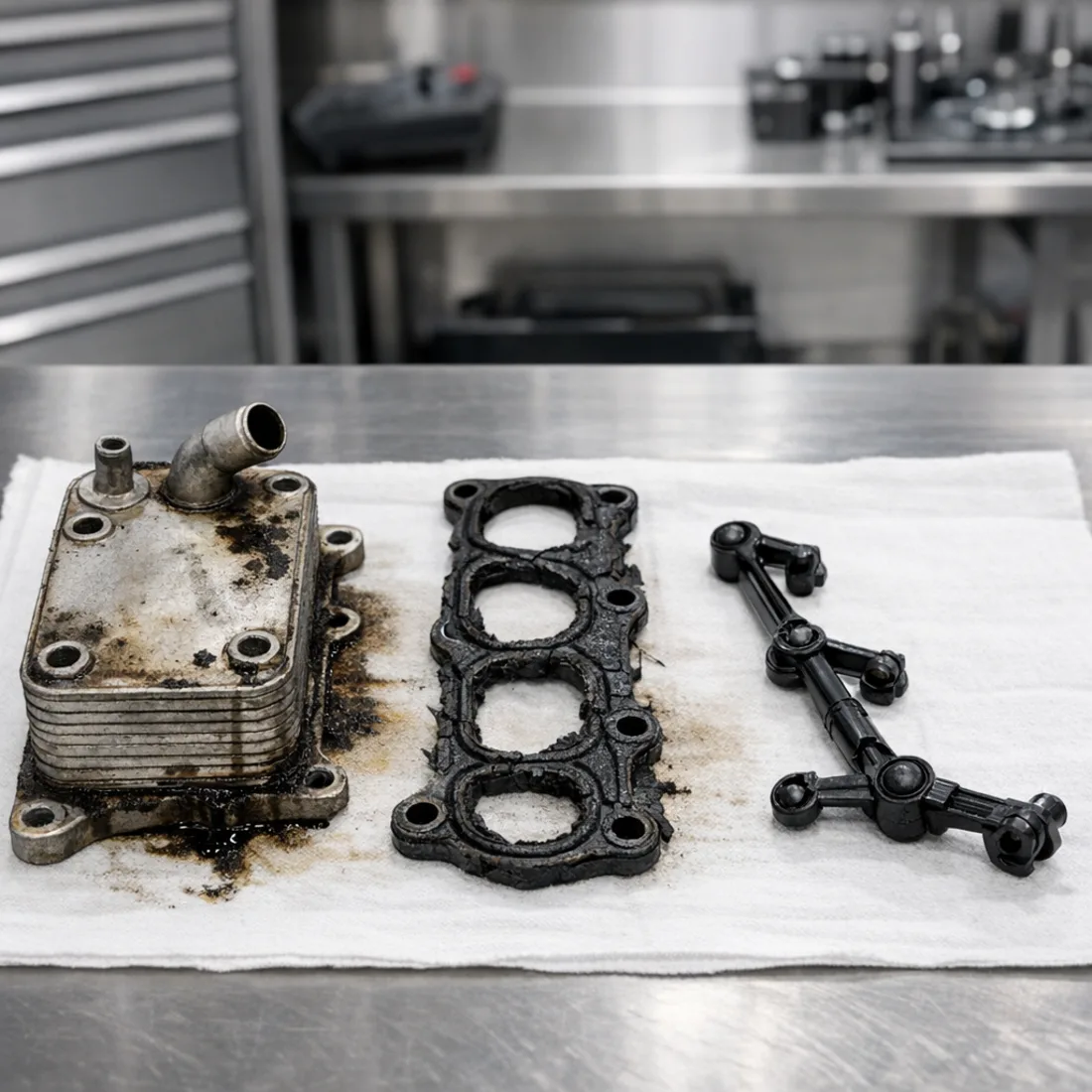
Oil cooler and its gasket sitting in the valley. This is the most consistent oil leak source on the OM642 family and the S350 CDI is no different. Find it early and it is a reasonable job. Leave it and oil migrates to other areas.
-
Intake swirl flaps and their linkage. The plastic linkage arms crack over time, and a failed swirl flap can drop into the engine. It is a known failure mode and worth inspecting proactively.
-
EGR cooler cracking and EGR valve sticking. The EGR system on the OM642 runs hard and the cooler is vulnerable to thermal fatigue.
-
Turbo actuator faults causing reduced power or limp mode.
-
DPF blockage on cars used predominantly on short runs or in traffic.
-
AdBlue dosing system faults on higher mileage cars, including the dosing pump, injector and NOx sensor.
The OM642 is a capable engine with a well documented service history, which is both good and bad news.
Good because we know exactly what breaks. Bad because several of those weak points are genuinely problematic if they go unattended.
As with the S63, we use genuine Mercedes XENTRY and DAS with a C4 or C6 multiplexer to diagnose the S350 CDI properly. The AdBlue and emissions systems in particular need factory level access to read fault codes and run actuation tests correctly. Dealer level diagnostics are not optional on these cars; they are the only way to get an accurate picture.
Routine service on the diesel includes oil and filter to the correct low ash approved grade, air filter, fuel filter, cabin filter, drive belts, and wipers. The S350 CDI runs glow plugs rather than spark plugs, and these are worth checking on higher mileage cars, particularly if cold starting is rough. Brake pads, rotors, AirMatic suspension and timing chain inspection all apply here too.
How to Choose Between Them When Buying Used
Both versions of the W222 show up regularly in the New Zealand used market, and the choice between them is more nuanced than petrol versus diesel.
You want straight line performance and are prepared to run premium 98-octane fuel. The S63 AMG is a genuinely exceptional car. Budget for spark plug changes, check the service history carefully for timing chain and turbo work, and have the AirMatic system inspected before purchase.
You mainly cover motorway kilometres and want the diesel's torque and fuel economy. The S350 CDI is a strong choice, but only if the DPF and AdBlue service history is clean. A diesel S Class that has spent its life on short suburban runs is a potential money pit.
- On both cars, insist on a pre purchase inspection using factory XENTRY diagnostics. A generic scan tool will not reveal faults in the AMG modules or the AdBlue dosing system.
- Service history with the correct Mercedes approved oil specifications is non negotiable on both. The OM642 is particularly unforgiving of the wrong oil grade.
- The AirMatic suspension applies to both. Strut age and compressor condition are critical checks regardless of which variant you are buying.
What Correct Maintenance Actually Looks Like
The W222 S Class in both forms has long service intervals on paper, but that does not mean long interval neglect is consequence free. The OM642 in particular will show oil cooler and swirl flap issues faster if service intervals are stretched. The M177.980 needs the correct MB approved oil spec to manage the hot vee thermal environment properly.
Our car servicing for both W222 variants covers: engine oil and filter to the correct Mercedes Benz approval specification for each engine; air filter, cabin filter, fuel filter (diesel), and drive belts; spark plugs (S63 AMG petrol) or glow plug check (S350 CDI diesel); coolant condition and concentration check; brake pads and rotors to full AMG or standard specification as applicable; transmission fluid service for the 9G Tronic and transfer case; AirMatic suspension condition check including compressor and strut health; and a full XENTRY diagnostic scan to catch stored and pending faults before they escalate. We fit genuine or OEM grade new parts only. Nothing second hand goes on a customer's car.
How We Diagnose the W222 S Class Family
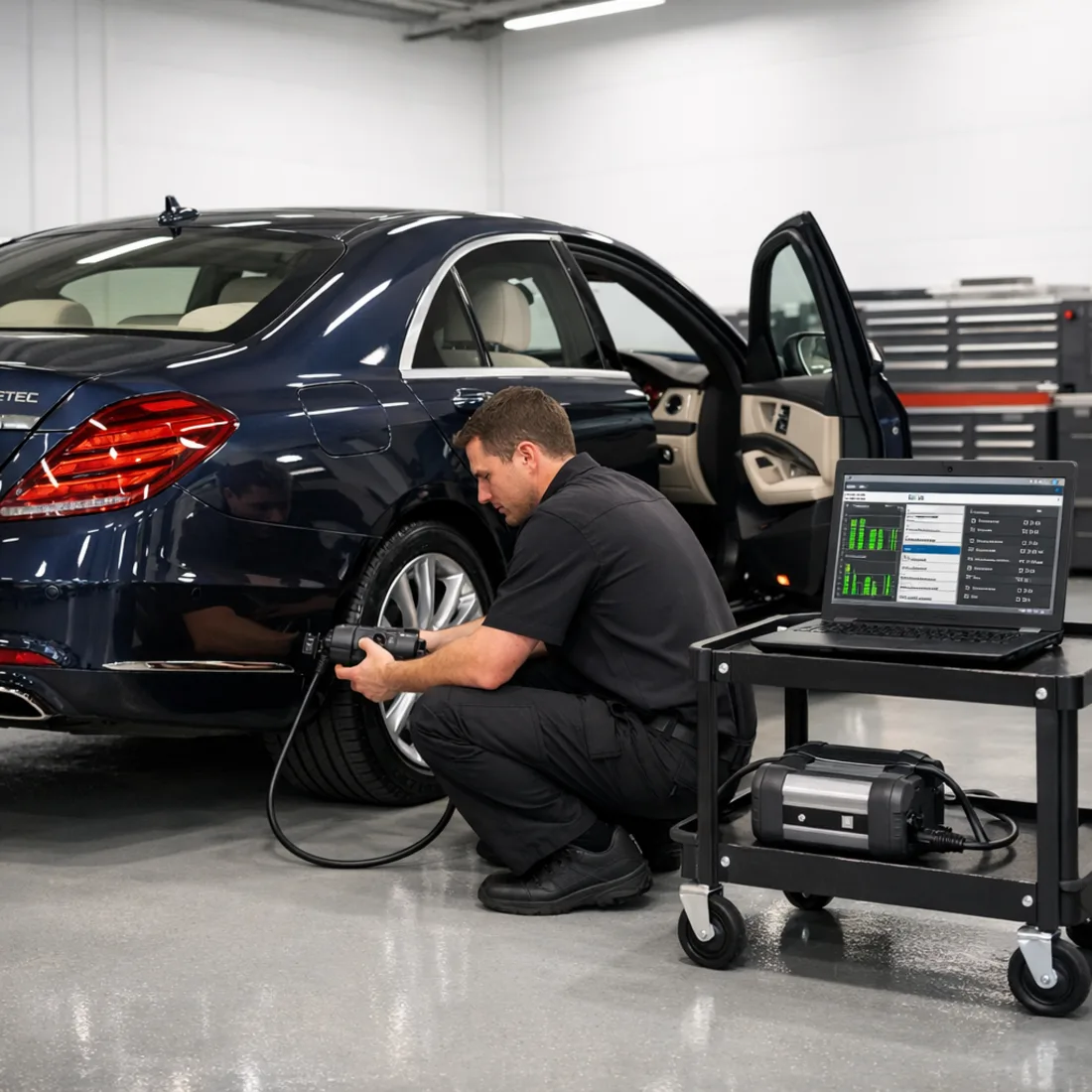
Both the S63 AMG and the S350 CDI BlueTec require factory Mercedes XENTRY and DAS software running through a genuine C4 or C6 multiplexer interface to be diagnosed properly. This is not a preference, it is a practical necessity. The AMG specific modules on the S63, including the AMG drive unit, the 4Matic transfer case controller and the suspension control unit, simply do not communicate fully with generic scan tools. On the S350 CDI, the AdBlue dosing system, the DPF pressure differential sensor and the EGR control loop all need factory access to run actuation tests and regen cycles correctly.
When we diagnose a W222, we read every module, not just the engine and gearbox. Air suspension faults, body electronics, COMAND system issues and key programming all sit within the same XENTRY environment. Our auto electrical service covers the full W222 electrical architecture, from sensor faults through to module coding and replacement.
Tuning the W222 S Class: Both Ends of the Spectrum
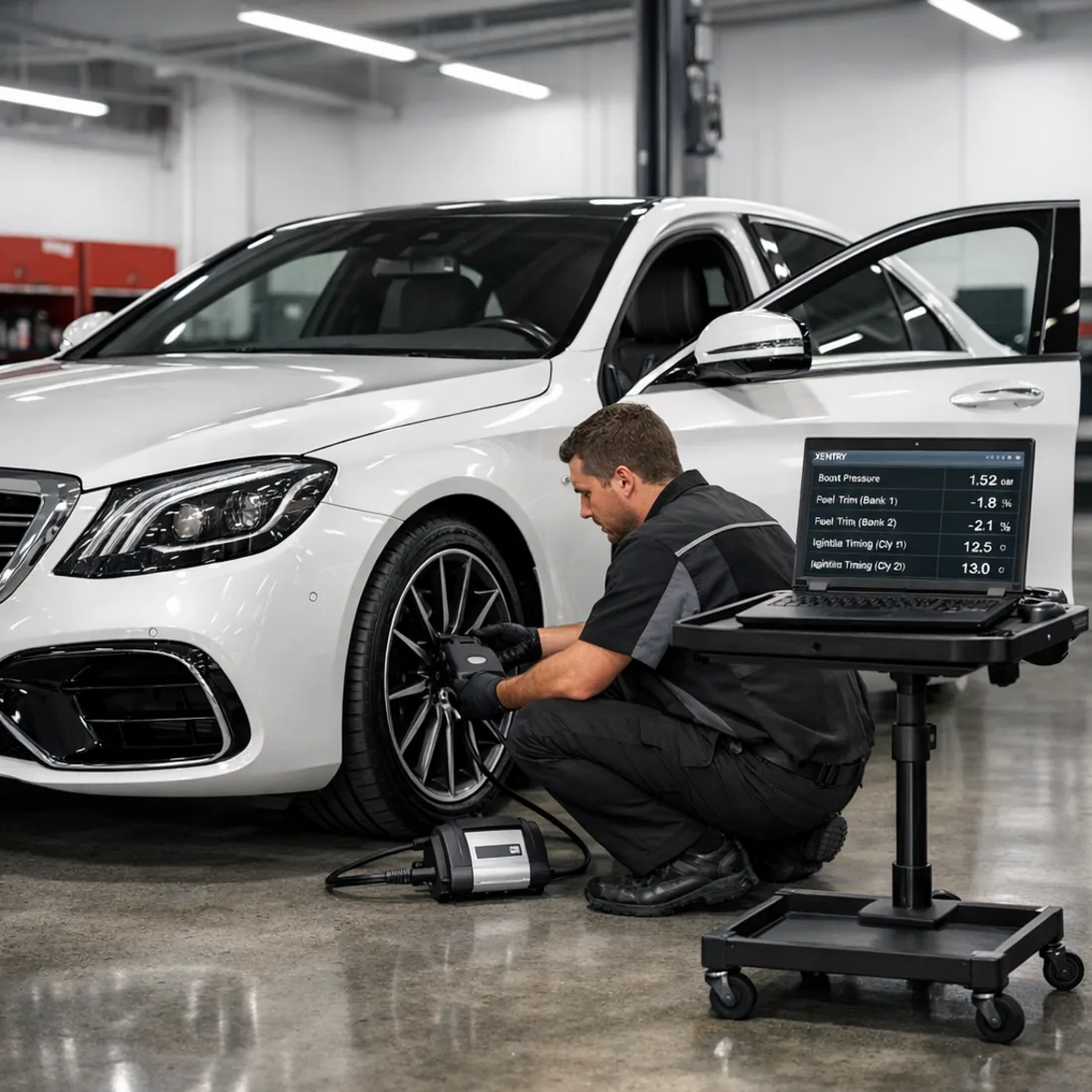
It might seem odd that a 612 hp luxury saloon and a 258 hp diesel executive car share a tuning page, but both platforms are genuinely tuneable and both respond to calibration work in ways that make a real difference to daily driving. Both tunes use a read, calibrate and write process on the factory ECU. Every tune starts with a thorough diagnostic check and a mechanical assessment, because adding power to an engine with a failing turbo actuator or blocked DPF is counterproductive.
The Bosch MED17.7.5 ECU responds well to calibration work. Our Stage 1 tune lifts output from the factory 612 hp and 900 Nm to 690 hp and 950 Nm, turning an already rapid car into something genuinely antisocial in the best possible way. Related options available on this platform include DTC removal, a pop and bang crackle map, start/stop disable, and Vmax limiter adjustment.
The Bosch EDC17 platform in the S350 CDI responds well to remapping. The extra 70 Nm of torque in the diesel's mid range transforms the already strong low end pull and makes a real difference to overtaking and motorway cruising. Additional options on this platform include EGR off, DPF off, DTC removal, start/stop disable, swirl flap disable, Vmax adjustment, and AdBlue system work.
Common additional options across both platforms include start/stop system disable, Vmax limiter adjustment for track use, DTC removal after hardware modifications have been properly completed, and a pop and bang crackle map on both the V8 and the diesel. All tuning work is carried out via our performance tuning service with a full diagnostic check before any calibration begins.
Frequently Asked Questions
The questions we get most. Something else on your mind? Get in touch.