W212 E Class: Every Variant, Every Fault, One Workshop
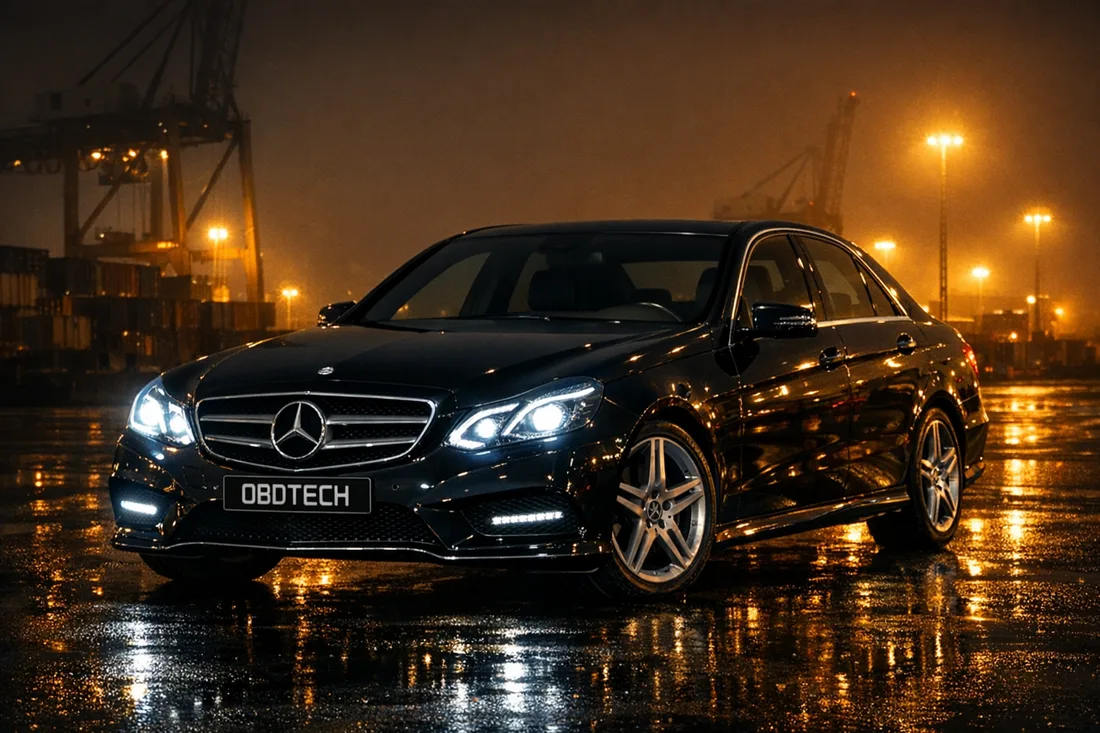
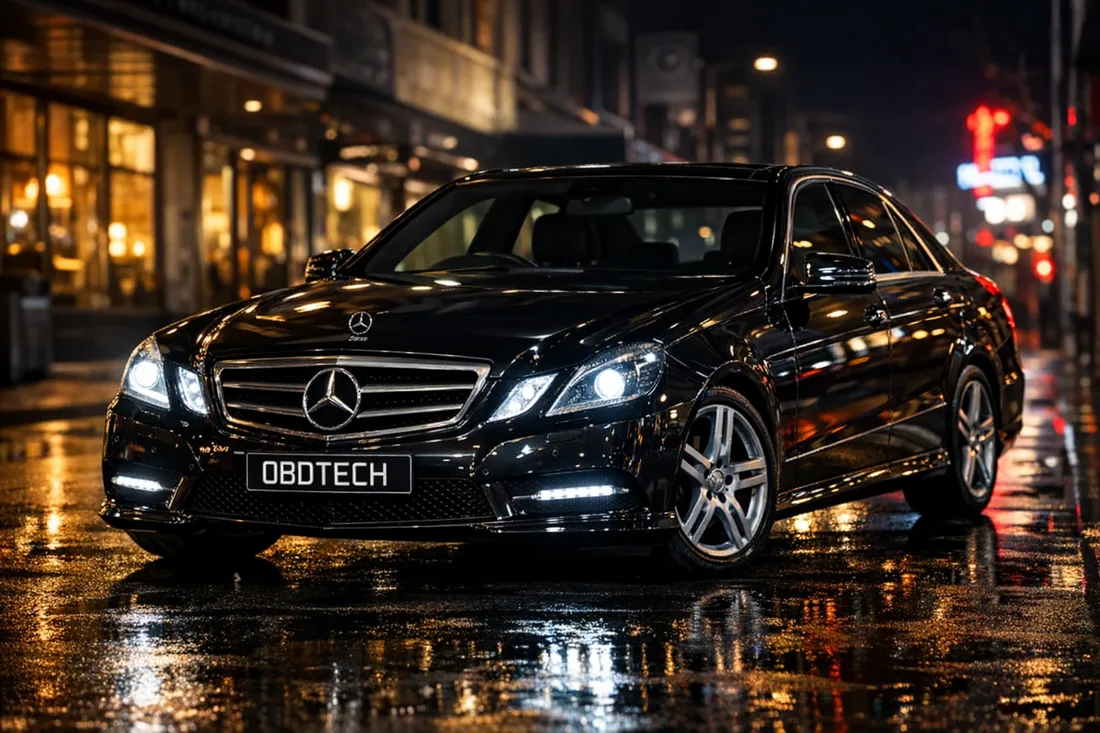
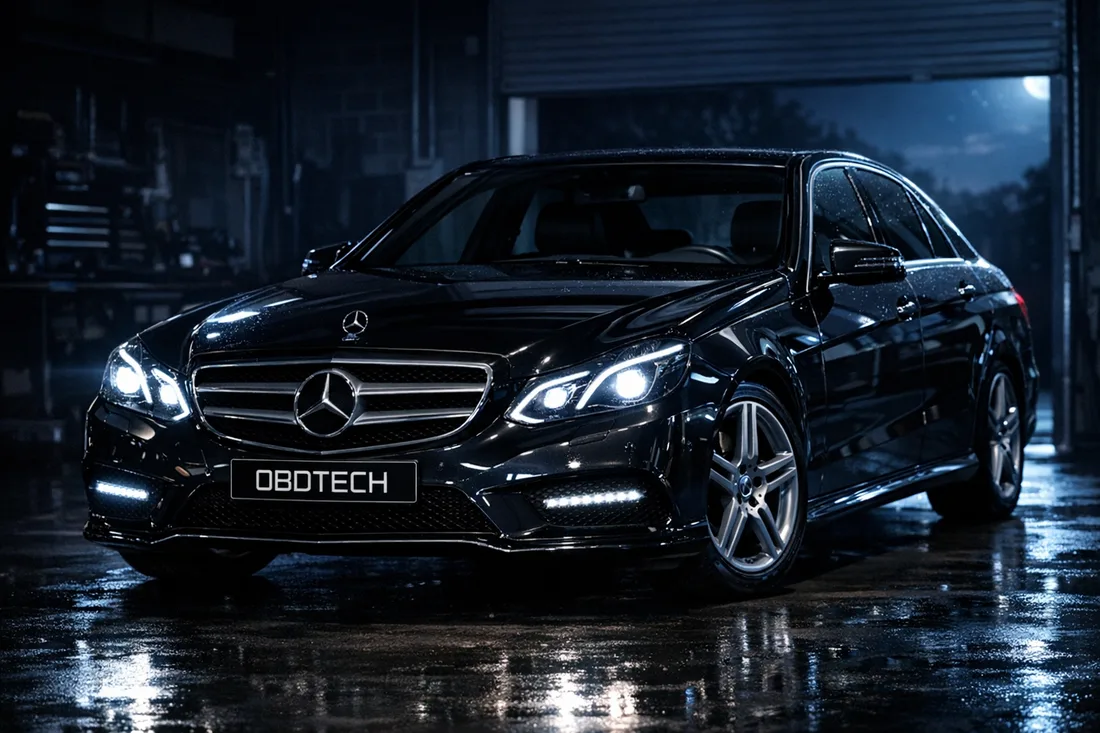
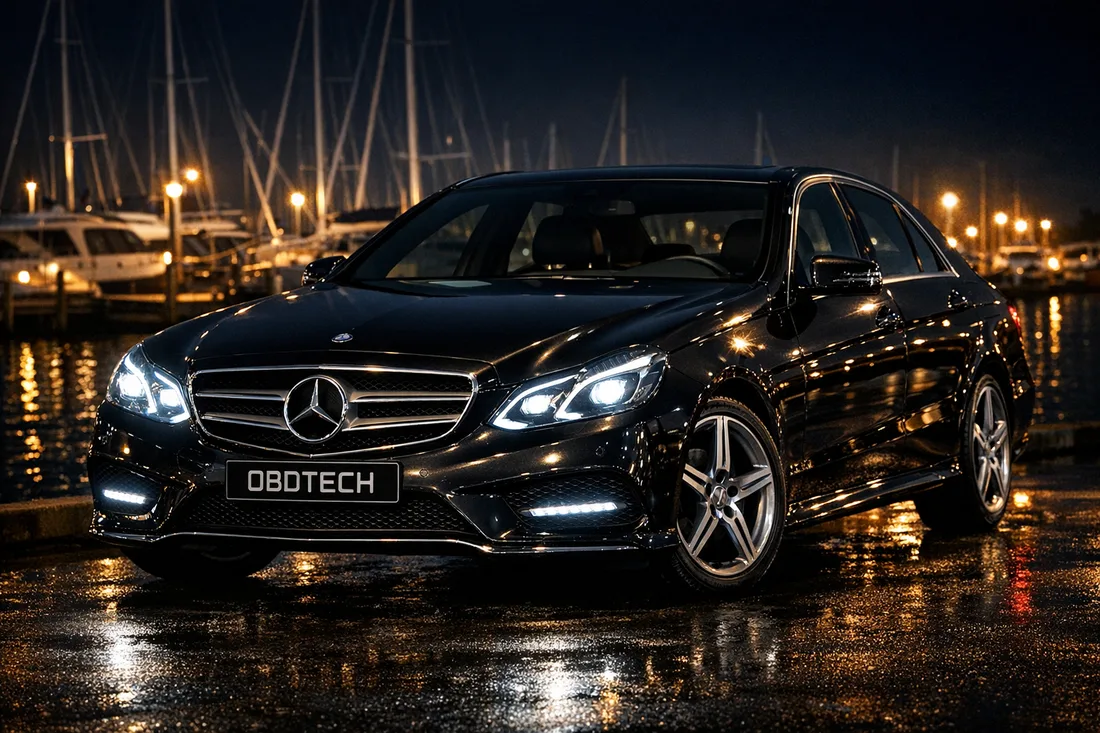
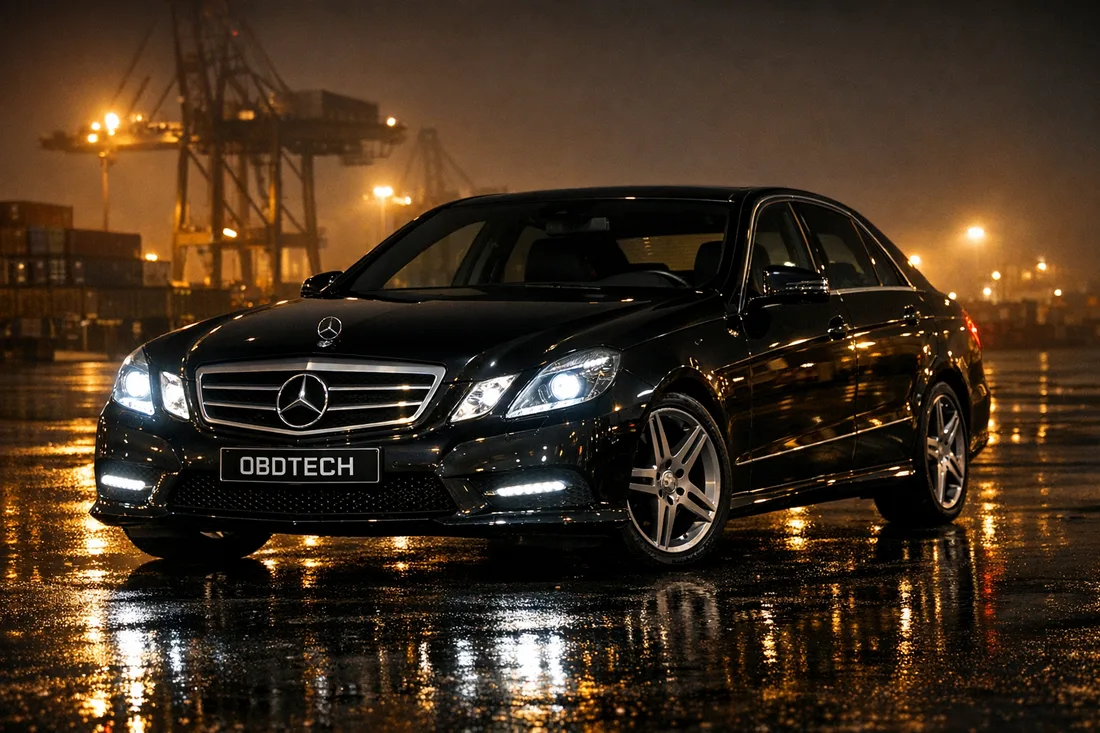
The W212 E Class ran from 2009 through to 2016 and covered more ground than almost any other executive saloon of its era. A frugal 2.1-litre diesel at one end, a 525 hp twin turbo V8 AMG at the other, and four other engines filling the space between them. That breadth is what makes the W212 such a fascinating ownership story: the platform is largely shared, the electronics are the same family, but each engine brings its own specific failure modes. Whether you're nursing an E 200 CDI past 200,000 km or trying to extract more from an E 63 AMG, the W212 rewards owners who understand what's actually happening under the bonnet.
The Entry Level Diesel That Punches Its Weight
The E 200 CDI is the car most people overlook when scanning a used listing, and that's exactly why it can be either a bargain or a money pit depending on its service history. Under the bonnet sits the OM651 2.1-litre four cylinder diesel, running 2143 cc with a 16.2:1 compression ratio and producing 136 hp and 360 Nm. Those torque figures from a modest four pot made it genuinely effortless on motorway runs, and the OM651 ended up in a huge number of Mercedes models across this era, which means parts availability is good and the failure patterns are very well documented.
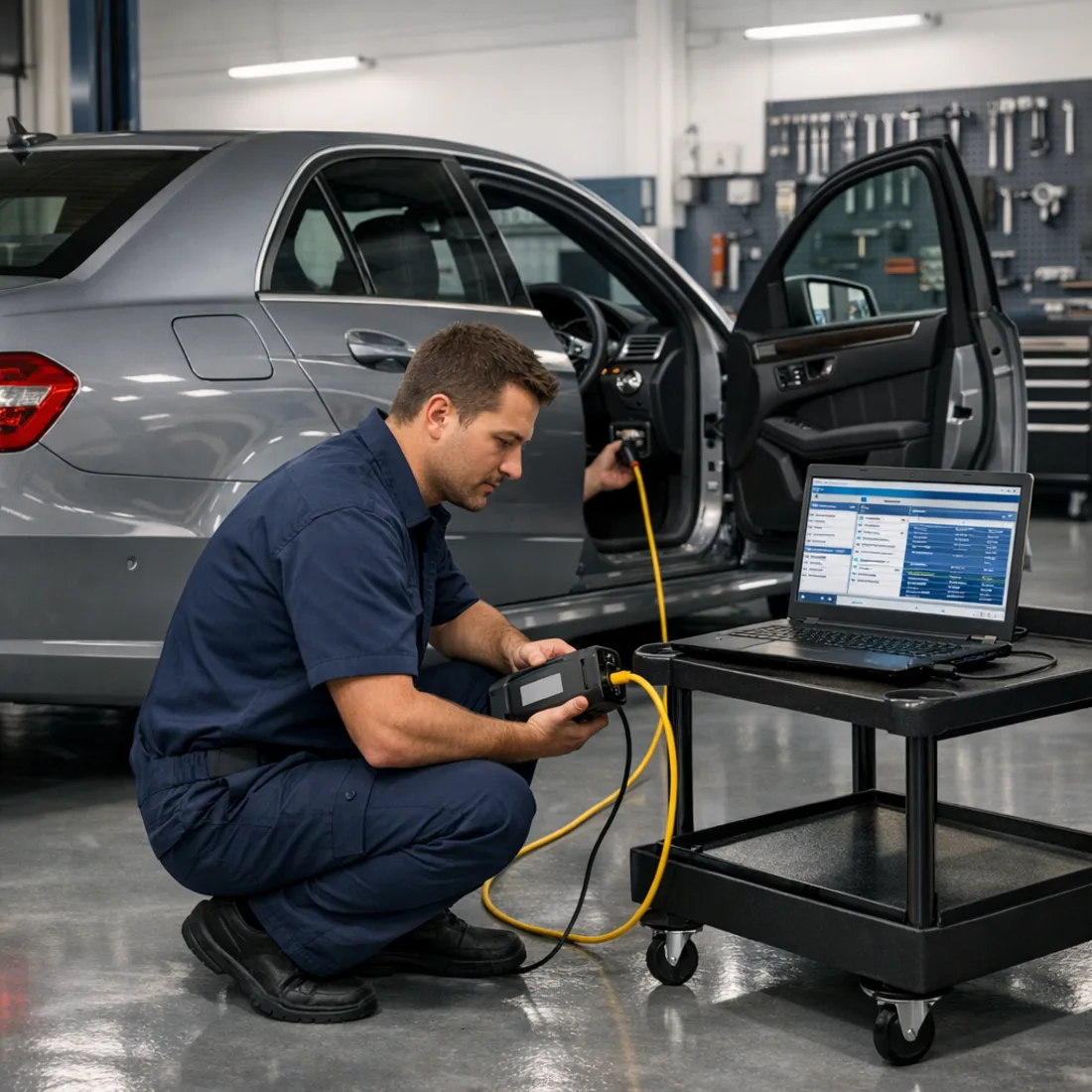
The ECU on this engine is Delphi based, using CRD2.x, CRD3, DCM3.10 or DCM3.5 depending on the build date, which is a meaningful difference from the Bosch managed units in the petrol variants. Diagnosis needs the right tooling, and on these Delphi controlled engines a generic Bluetooth dongle is going to leave you guessing. We use the factory Mercedes XENTRY and DAS platform with a genuine C4 or C6 interface, which reads every control unit correctly and allows proper adaptations and coding.
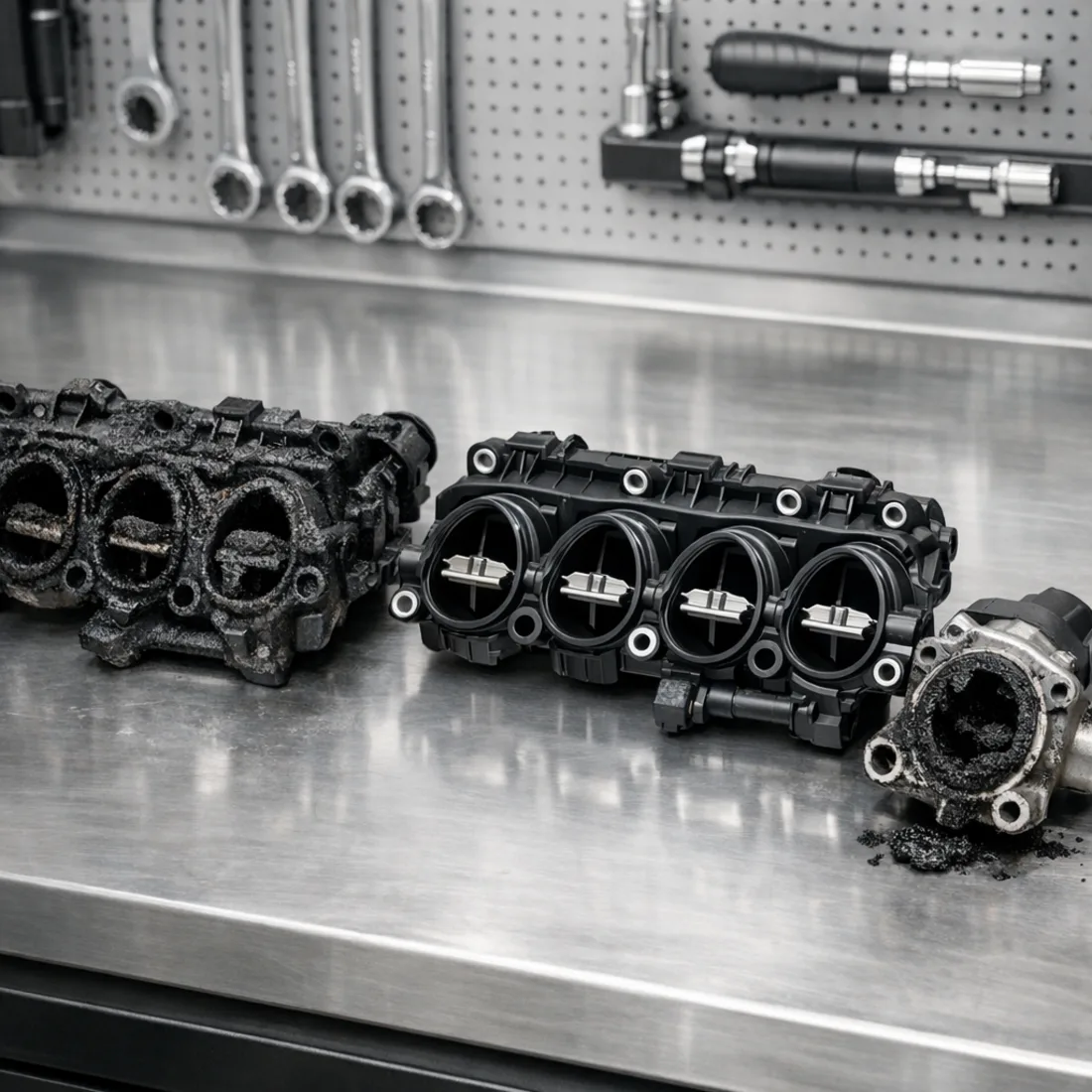
The swirl flap and EGR problems here are the same family of issues you'll see repeated on the M642 V6 diesels in the E 300 and E 350 CDI. Mercedes used similar intake architecture across the diesel range during this period, so the carbon fouling story follows the whole W212 diesel lineup. The difference on the OM651 is that the timing chain concern is a bit more pressing, especially on cars that haven't had regular oil changes with the correct low SAPS diesel grade.
-
Injector wear causing rough running or hard cold starts
-
Timing chain and tensioner wear, particularly on earlier build dates
-
Swirl flap failure in the intake manifold, often with carbon buildup
-
EGR system carbon fouling leading to limp mode and fault codes
-
DPF blockage from short trip city use
A Stage 1 tune takes the OM651 from 136 hp and 360 Nm to 200 hp and 460 Nm.
That's a substantial transformation for a car that already drives well on the standard map.
A Stage 1 tune on the OM651 takes output from 136 hp and 360 Nm to 200 hp and 460 Nm, a gain of 64 hp and 100 Nm. That's a substantial transformation for a car that already drives well on the standard map, and it makes the E 200 CDI feel like a different proposition entirely on the open road.
Get your W212 E Class booked in with a proper Mercedes specialist.
The Four Cylinder Petrol With a Hidden Weakness
On paper the E 250 CGI is the practical choice for someone who wants an executive saloon without the running costs of a V6 or V8. The M271 DE18 EVO is a 1796 cc turbocharged four cylinder petrol producing 204 hp and 310 Nm, with a 9.3:1 compression ratio and a bore and stroke of 82.0 x 85.0 mm. It's compact, reasonably efficient, and in a W212 body it feels genuinely punchy. The ECU is either a Bosch MED17.7.2 or a Siemens/Continental SIM271DE20 depending on build, which is worth knowing before anyone attempts to work on the engine management.
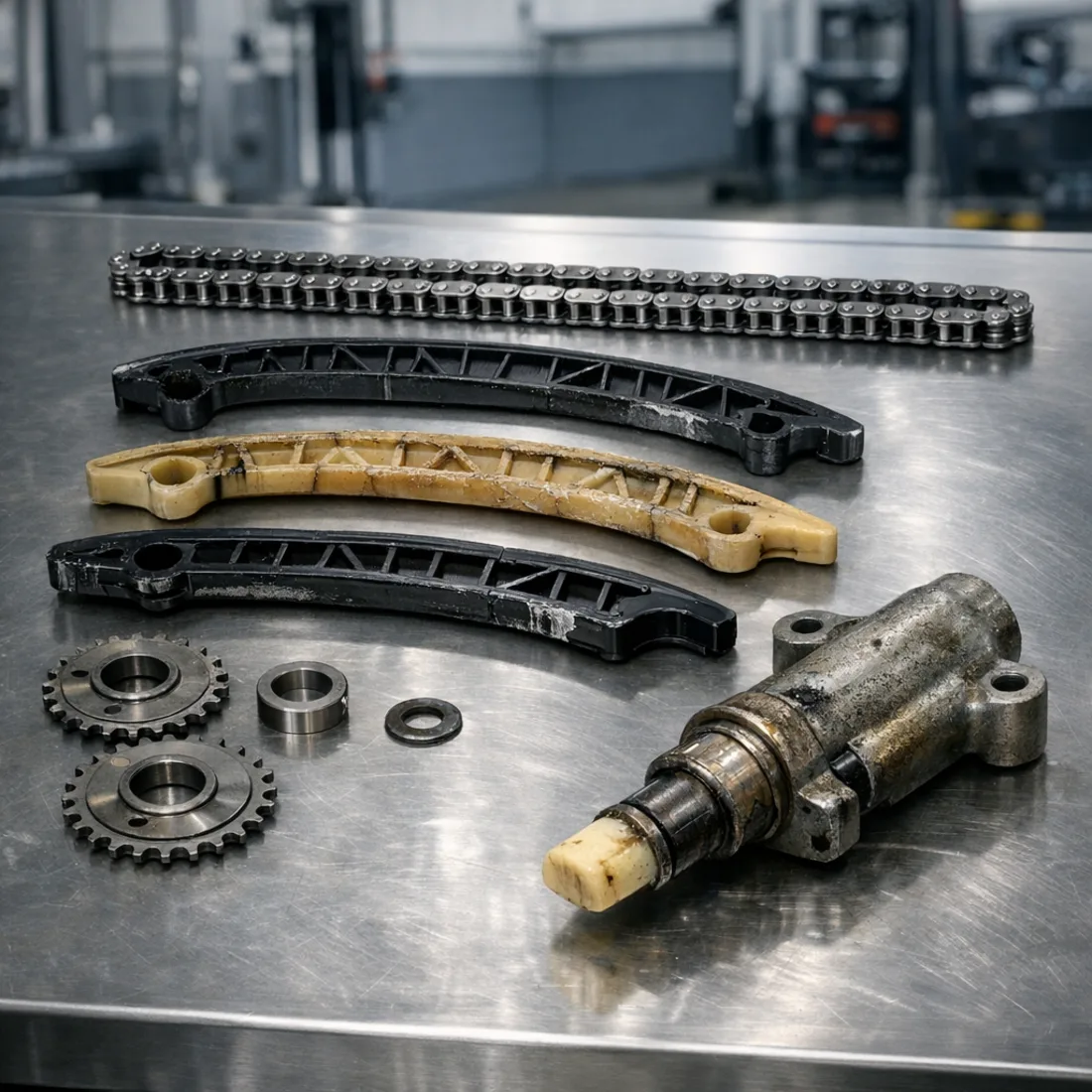
Where the E 200 CDI's main concern is injector wear and swirl flaps, the M271 EVO has a completely different and arguably more urgent issue: the timing chain and tensioner. Chain wear and rattle on cold start is the signature fault of this engine, and it's not a problem you want to ignore. A worn chain on a high revving turbocharged petrol will eventually jump timing, and the consequences are expensive. If you're buying one used, listen carefully on a cold start. Any tick or rattle from the top end of the engine needs to be investigated before you hand over money.
The camshaft adjuster faults are particularly sneaky because they often show as rough running or warning lights rather than obvious noise. That's another reason correct diagnostics matter here. A code read on XENTRY that properly interrogates the ME17 or SIM271 ECU will identify whether you're dealing with a sensor issue, an adjuster fault, or something mechanical in the valvetrain.
-
Timing chain and tensioner wear, audible as cold start rattle
-
Camshaft adjuster (magnet) faults and intake camshaft sprocket issues
-
Oil consumption and leaks around the cam cover and balance shaft area
-
Occasional injector and ignition coil faults
Any tick or rattle from the top end on a cold start needs to be investigated before you hand over money.
A worn chain on a high revving turbocharged petrol will eventually jump timing, and the consequences are expensive.
Stage 1 tuning moves the M271 EVO from 204 hp and 310 Nm to 220 hp and 380 Nm. The torque gain of 70 Nm is the more meaningful number day to day, filling out the mid range that a small displacement turbo can sometimes feel thin in.
The V6 Diesel Mid Spec That Looks After Itself, Mostly
Step up from the four cylinder OM651 to the V6 M642, and the character of the car changes considerably. The E 300 CDI BlueTec uses the M642.850, a 2987 cc V6 diesel with a 15.5:1 compression ratio and a bore and stroke of 83.0 x 92.0 mm. Output is 231 hp and 540 Nm, a meaningful jump over the E 200 CDI, and the engine sits noticeably more smoothly in the bay. The ECU is Bosch based on this variant, with EDC17C57, EDC17CP01, EDC17CP10 or EDC17CP46 depending on the specific build.
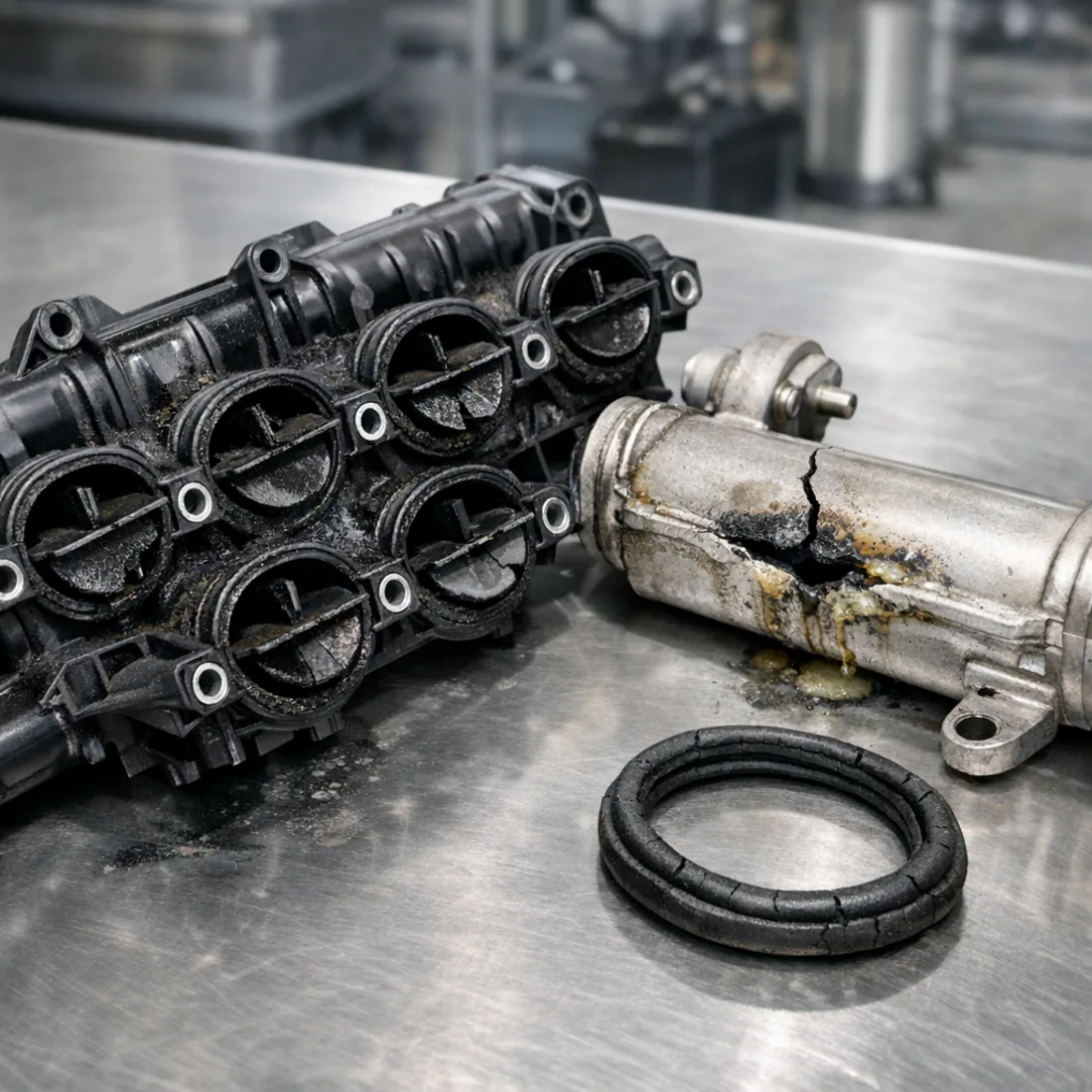
The M642 is a genuinely capable diesel engine, but it has two characteristic weak points that show up reliably once the kilometres stack up. First, the plastic swirl flap intake runners and their actuator linkage. When these fail they can break apart and send debris into the engine, which is an expensive day. Second, the oil cooler seals sitting in the valley between the cylinder banks. These seals weep oil over time, and because of where they sit the oil ends up dripping directly onto the alternator below. It's a common repair on all M642-powered cars and something worth inspecting on any used purchase.
The BlueTec AdBlue system adds another layer of maintenance that some owners don't fully understand when buying used. If the AdBlue system faults go unaddressed, the engine management will eventually derate the car. We handle AdBlue system diagnosis and repair properly, using XENTRY to read the SCR and NOx system faults at the same depth a dealer would.
-
Plastic swirl flap runners and actuator linkage failure
-
Oil cooler seal leaks dripping onto the alternator
-
Injector wear showing as rough running or smoke
-
Turbo actuator and EGR system faults at higher mileage
-
DPF blockage from predominantly short trip use
-
AdBlue system faults on the BlueTec emissions system
Stage 1 tuning on the M642.850 takes output from 231 hp and 540 Nm to 270 hp and 600 Nm.
That 60 Nm torque gain makes a real difference in gear, and the E 300 CDI is a much more complete motorway car once the ECU is properly calibrated.
A Stage 1 tune on the M642.850 takes output from 231 hp and 540 Nm to 270 hp and 600 Nm. That 60 Nm torque gain makes a real difference in gear, and the E 300 CDI is a much more complete motorway car once the ECU is properly calibrated.
More Power, Same DNA, Same Weak Points
The E 350 CDI BlueTEC is the M642 at its most capable in a standard W212 body. Engine code M642.852, same 2987 cc displacement and 15.5:1 compression ratio as the E 300 CDI, but tuned to produce 252 hp and 620 Nm. The ECU is Bosch EDC17CP46 or EDC17CP57. If you look at those specs alongside the E 300 CDI, the architecture is nearly identical. The difference is calibration, injector programming and boost management. That's actually good news if you're comparing the two for a used purchase, because the fault list is largely the same and the service approach is the same too.
Everything we said about the M642.850 in the E 300 CDI applies here: swirl flap failure, oil cooler seal leaks dripping onto the alternator, injector wear, EGR and turbo actuator concerns at higher mileage, and AdBlue system faults. The E 350 CDI does carry more load on its turbo and fuel system given the higher output, so injector and turbo actuator wear can arrive slightly earlier if the car has been pushed hard without appropriate servicing intervals.
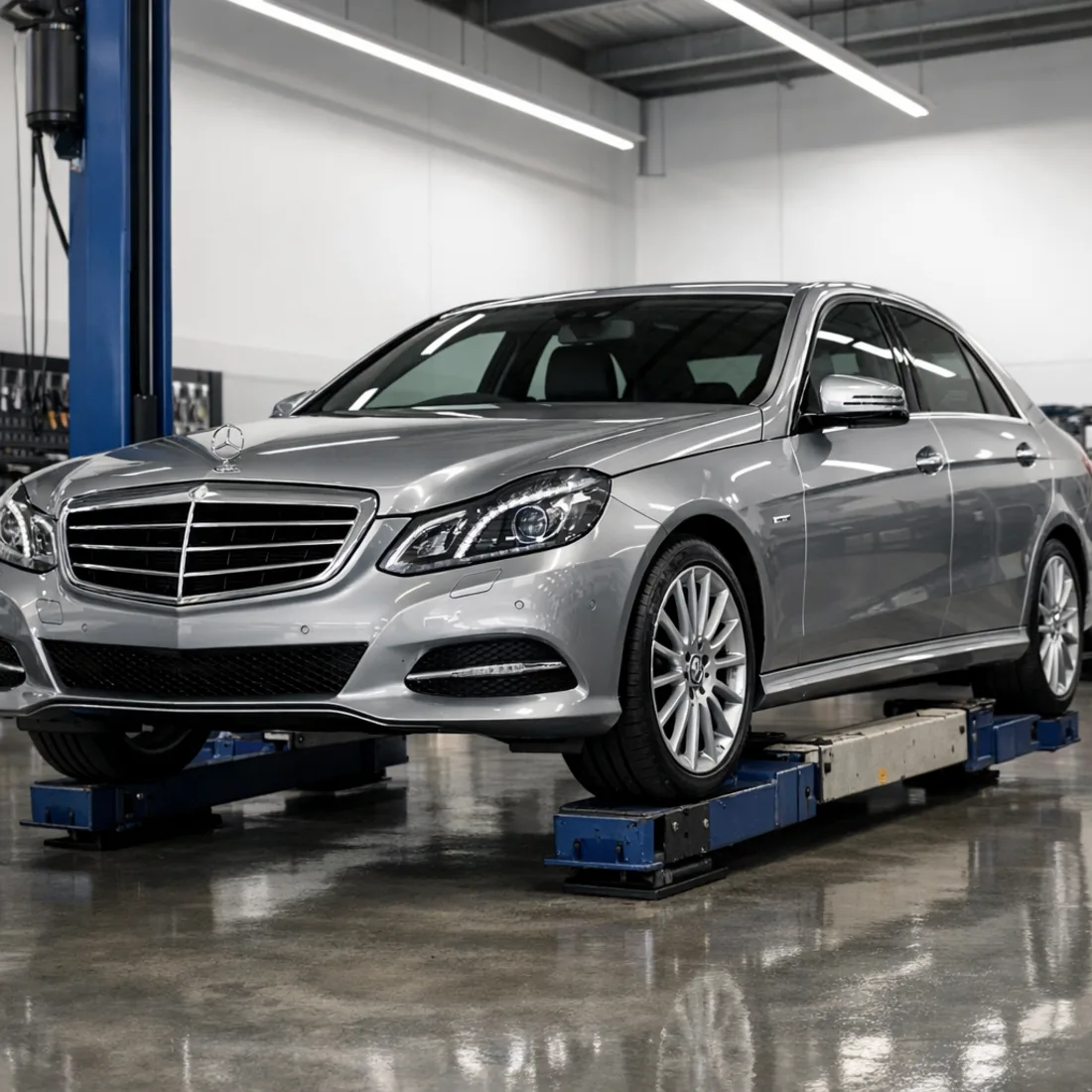
On cars fitted with Airmatic suspension, that's another system to check. Airmatic faults on W212s are common and XENTRY is the only way to read the suspension control unit properly and run the height calibration correctly after component replacement.
-
Swirl flap failure and intake manifold runner wear
-
Oil cooler seal leaks causing oil onto the transmission bellhousing
-
EGR cooler and turbo actuator issues triggering limp mode
-
DPF and BlueTEC AdBlue system faults when neglected
-
Injector wear at higher mileage under greater load
The 80 Nm torque gain is genuinely usable across a wide rev range.
This is one of those engines where a proper calibration brings out what was clearly left in reserve from the factory.
Stage 1 tuning on the M642.852 moves numbers from 252 hp and 620 Nm to 290 hp and 700 Nm. The 80 Nm torque gain is genuinely usable across a wide rev range, and this is one of those engines where a proper calibration brings out what was clearly left in reserve from the factory.
The V6 Petrol That Rewards Clean Fuel and Regular Service
The E 350 CGI brings the M276.957 V6 direct injection petrol engine into the picture. At 3498 cc with a 12.0:1 compression ratio and a bore and stroke of 92.9 x 86.0 mm, this is a notably different character from either the four cylinder M271 EVO below it or the bi turbo V8 AMG above it. Output is 306 hp and 365 Nm. The ECU is a Bosch MED17.7.1 or MED17.7.3, shared with some other Bosch managed petrol Mercedes of the same era.
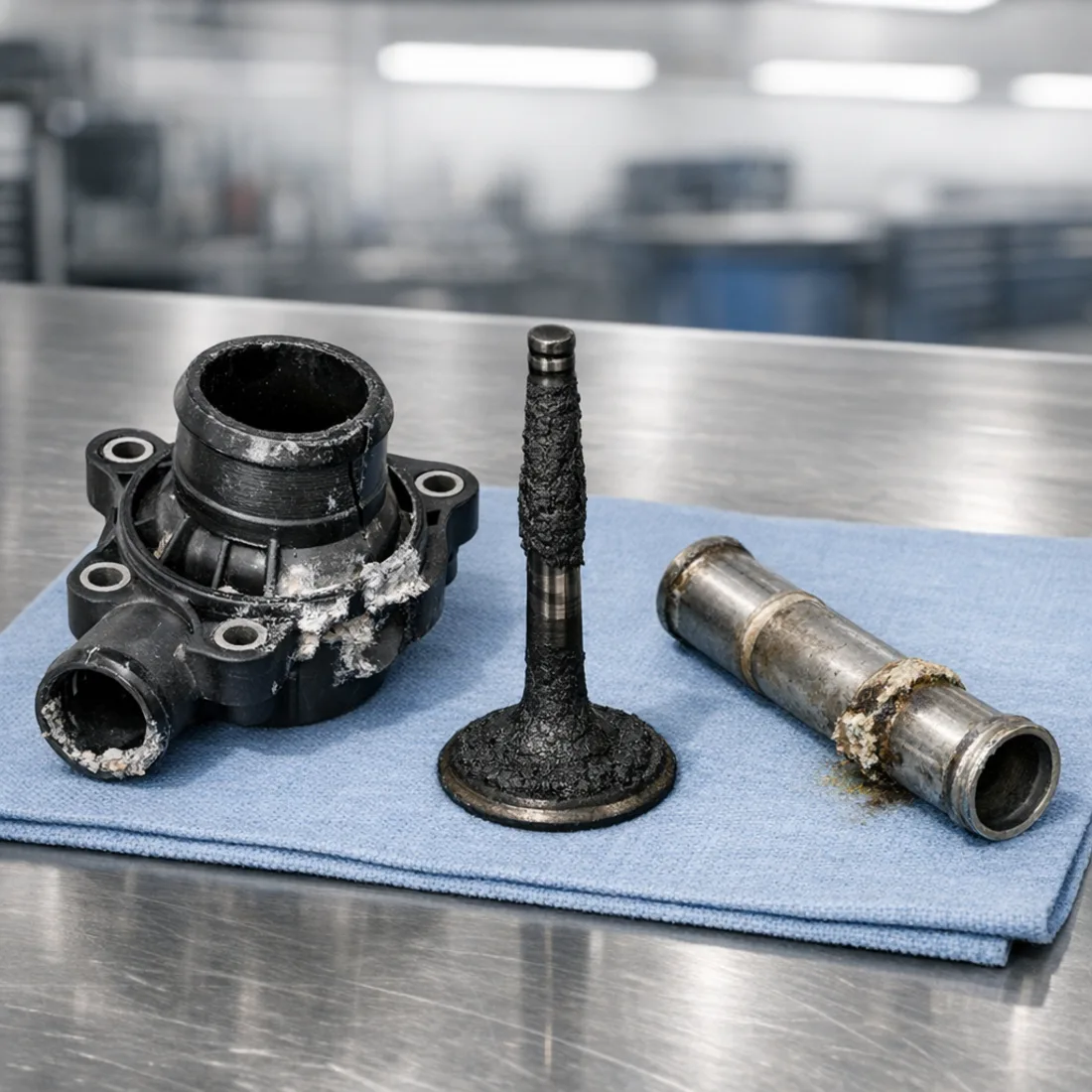
The M276 is a smooth, refined unit when it's healthy. The faults that develop are different from the four cylinder M271 EVO: timing chain rattle can still appear, but it's the camshaft adjuster wear that tends to show up first. A cold start rattle that clears quickly once oil pressure builds is the tell. Separately, the plastic thermostat housing and coolant transfer pipes on the M276 are notorious for weeping coolant as they age, and finding a dry engine bay on a high mileage E 350 CGI is actually the exception rather than the rule.
The carbon buildup on intake valves is a consequence of direct injection rather than port injection. Without fuel washing the backs of the valves, carbon accumulates over time and eventually affects how the engine breathes. It's manageable with the right service approach and correct interval adherence, but it's something to be aware of when buying at higher mileage.
-
Camshaft adjuster wear causing cold start rattle and variable valve timing codes
-
Plastic thermostat housing and coolant transfer pipe leaks
-
Carbon buildup on intake valves from direct injection at higher mileage
-
Ignition coil and spark plug wear under normal use
Finding a dry engine bay on a high mileage E 350 CGI is the exception rather than the rule.
The plastic thermostat housing and coolant transfer pipes are notorious for weeping coolant as they age.
Stage 1 tuning on the M276.957 provides a modest gain, 310 hp and 389 Nm against the stock 306 hp and 365 Nm. The 24 Nm torque improvement sharpens the mid range response more than the headline power figures suggest.
525 hp, Serious Reward, Serious Consequences If You Don't Maintain It
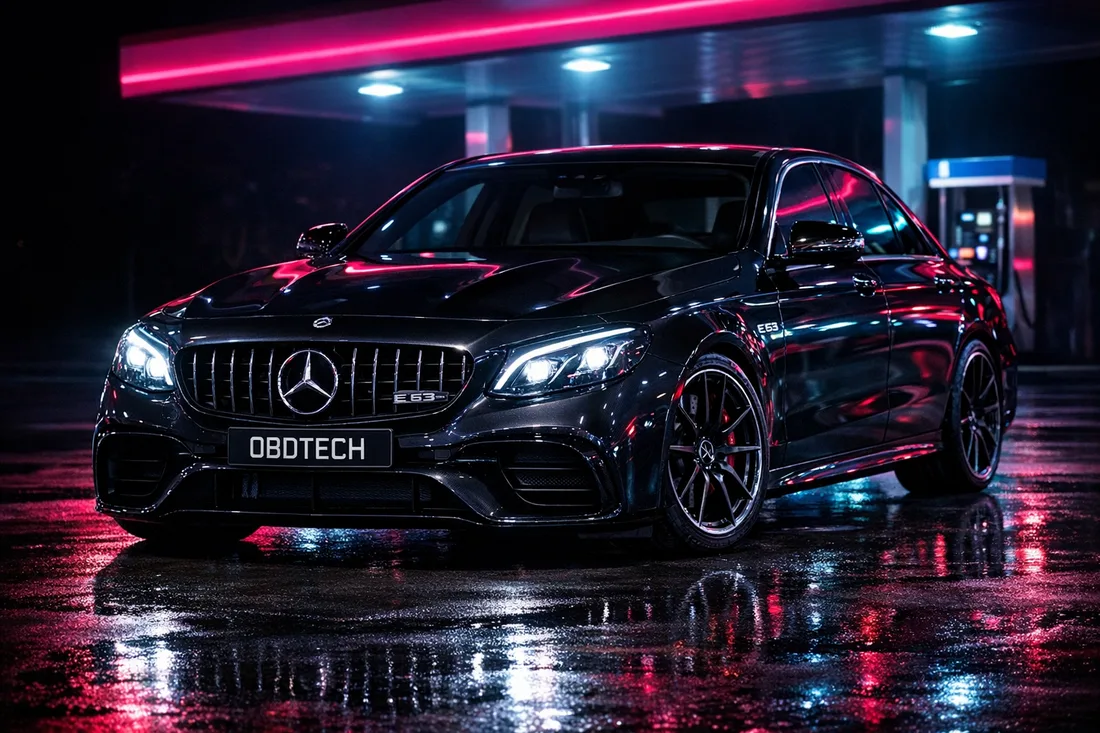
The E 63 AMG is a completely different proposition from the rest of the W212 range. The M157 is a 5461 cc bi turbo V8 with a 10.0:1 compression ratio and a bore and stroke of 98.0 x 90.5 mm. Stock output is 525 hp and 700 Nm. Those numbers put it in a different universe from the E 200 CDI at the other end of the range, but the platform underneath, the W212 body, the electronics architecture, the XENTRY diagnostic system, is all shared. The ECU is a Bosch ME9.7 or MED17.7.1.
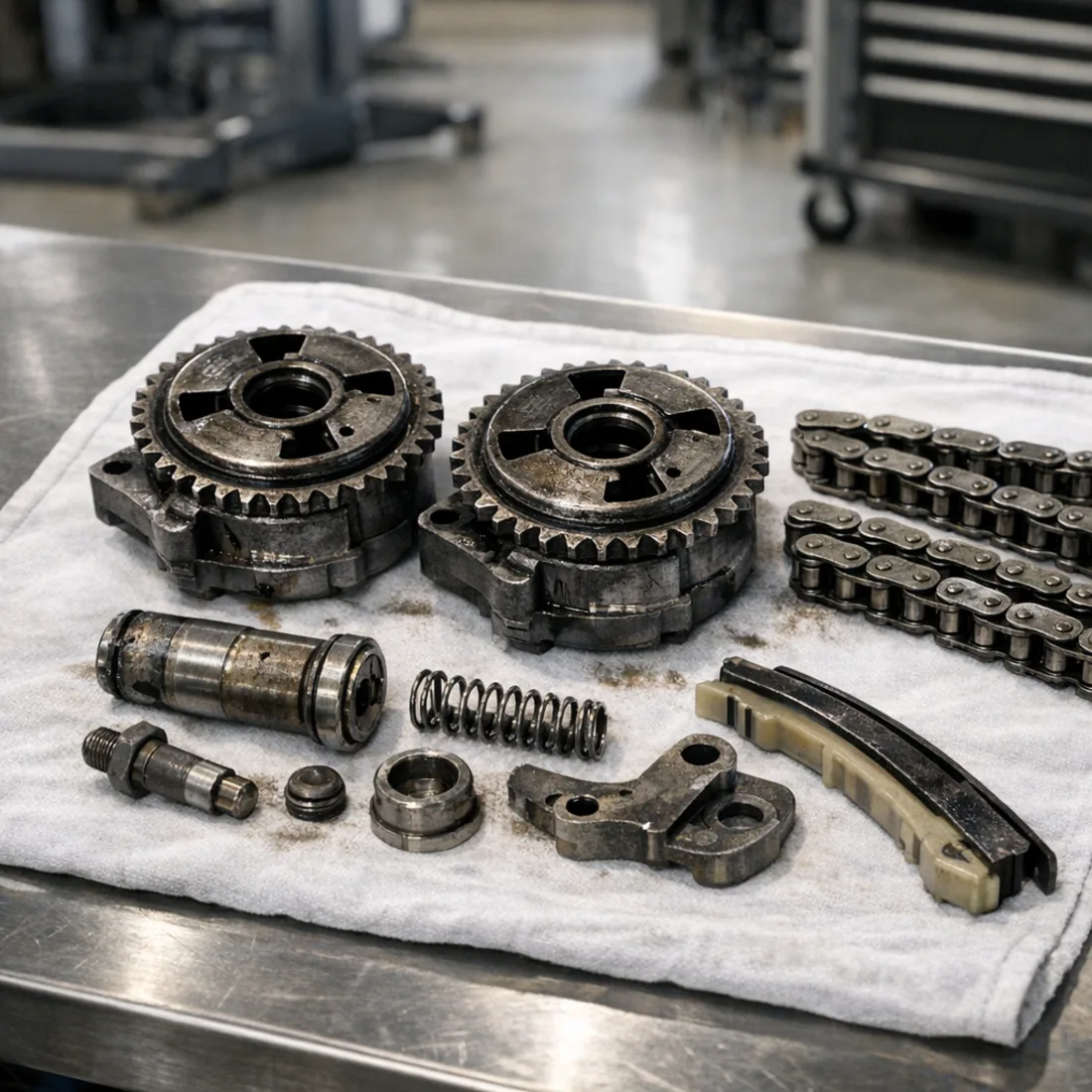
The M157 is a strong engine but it has known weak points that become expensive very quickly if they're not caught early. The camshaft adjusters and timing chain hardware wear and produce a cold start rattle that owners sometimes dismiss as normal. It isn't normal. Valve cover gaskets and turbo oil feed and return lines both develop leaks with age and heat cycling, and at this output level the coil packs and spark plugs work hard under boost and need regular replacement rather than extended intervals.
The MCT gearbox is worth a specific mention. The 7-speed MCT in the E 63 AMG is not the conventional torque converter automatic you'll find in most of the W212 range. It's a multi clutch transmission designed for performance driving, and the clutch pack has a finite service life that depends heavily on how the car was driven and whether the transmission fluid has been changed on schedule. A fluid service and adaptation reset via XENTRY is standard practice on these transmissions when they come in with response or engagement concerns.
-
Camshaft adjuster and timing chain wear, audible on cold start
-
Valve cover oil leaks and turbo oil feed and return line seepage
-
Coil pack and spark plug wear from sustained high boost operation
-
Engine mount deterioration at higher mileage
-
7-speed MCT transmission clutch pack wear on higher mileage examples
Stage 1 tuning on the M157 takes output from 525 hp and 700 Nm to 620 hp and 900 Nm.
That's an additional 95 hp and 200 Nm from software alone. The M157 was clearly mapped conservatively from the factory.
Stage 1 tuning on the M157 takes output from 525 hp and 700 Nm to 620 hp and 900 Nm. That's an additional 95 hp and 200 Nm from software alone, which is one of the more dramatic gains available anywhere in the W212 range. The M157 was clearly mapped conservatively from the factory.
Which W212 Is the Sweet Spot?
There's no bad W212 if the service history is solid, but there are smarter choices depending on what you want the car to do. Here's the honest rundown.
You want the most affordable entry point with well understood faults and big tune potential. The OM651 is widely used with good parts availability. Get the timing chain inspected before purchase and budget for it if it hasn't been done. The Stage 1 tune potential of 64 hp and 100 Nm makes it a genuinely interesting buy if the mechanicals are sound.
You want a petrol executive saloon without V6 running costs. The M271 EVO is a fine engine but the timing chain and camshaft adjuster issues are real. A pre purchase check with a cold start inspection is essential. If the chain is fresh, it's a rewarding car.
You want a strong motorway diesel. The fault list is so similar between the two that the choice comes down to budget and which service history you can verify. Both need the same swirl flap and oil cooler seal inspections before you commit. Either is a genuinely strong motorway car once properly sorted.
You want a V6 petrol without the diesel complexity. The M276 is refined and smooth. Check the thermostat housing for seepage and ask about carbon cleaning history at higher mileage.
The potential reward of an extraordinary executive car justifies serious due diligence. Full service history, evidence of AMG grade oil use, a fresh spark plug and coil service, and a transmission fluid check are all non negotiable before purchase. Buy a well maintained one and it's one of the more extraordinary executive cars on New Zealand roads.
- Cold start inspection for timing chain or camshaft adjuster rattle on M271 EVO, M276 and M157 engines
- Check for injector wear and hard starting on OM651 diesel models
- Inspect swirl flap runners and actuator linkage on all M642 V6 diesel variants
- Check oil cooler seals in the valley of M642 engines for drips onto the alternator
- Verify AdBlue and DPF system health on BlueTec diesel variants
- Confirm correct low SAPS oil has been used throughout service history on diesel models
- Check thermostat housing and coolant transfer pipes on M276 for seepage
- Inspect Airmatic suspension control unit via XENTRY on equipped cars
- Confirm MCT transmission fluid and adaptation history on E 63 AMG
- Verify coil pack and spark plug service history on E 63 AMG
W212 Servicing: The Right Oil Is Not Optional
Despite the variety of engines, W212 servicing follows a consistent philosophy regardless of which variant you own. The right oil is not optional on any of these cars. The diesels need low SAPS oil to protect the DPF. The petrols need the grade specified for their particular engine management calibration. Using the wrong grade is one of the most common causes of avoidable wear we see on W212s of all types.
Beyond oil and filter, a full W212 service covers: air filter, cabin filter, fuel filter on diesel models; spark plugs on all petrol models and glow plugs on all diesel models; drive belts and tensioner inspection; brake pads and rotors matched to the variant, with AMG specific sizing on the E 63; coolant condition and cooling system inspection; and transmission fluid service where intervals indicate, including MCT fluid on the E 63 AMG. We fit new parts, not second hand items, because on a car this precise the quality of the component matters.
For anything beyond routine servicing, our mechanical repairs team handles the deeper work: timing chain renewals on the M271 EVO and OM651, camshaft adjuster replacement on the M276 and M157, thermostat housing and coolant pipe replacement on the M276, swirl flap and oil cooler seal work on the M642, and engine mount and gearbox work across the range.
Factory Tooling, Not Guesswork
Every W212 that comes through our workshop is diagnosed using the Mercedes factory XENTRY and DAS platform via a genuine C4 or C6 interface. This is the same system a Mercedes dealer uses, and it matters for several reasons that a generic scan tool simply cannot replicate.
First, XENTRY reads every control unit in the car, not just the engine ECU. On a W212 that means the transmission, suspension, Airmatic, steering, SBC braking where fitted, body electronics, and all the other modules talking on the CAN bus. A generic tool will typically read a handful of these at best. Second, the ECU variants across the W212 range are genuinely diverse: Delphi managed on the OM651, Bosch EDC17 on the M642, Bosch ME9.7 or MED17 on the petrols, and the Siemens/Continental SIM271 on some E 250 CGI builds. XENTRY handles all of these correctly and can perform adaptations, calibrations and coding that no third party tool can replicate.
For key programming, immobiliser work and any electronic coding your W212 needs, our programming and coding team handles it through the same factory platform. W212 key programming requires the correct security clearance and access level that only factory tooling provides.
W212 Tuning: What's Actually Available Across the Range
Every engine in the W212 range has Stage 1 tuning available from our workshop. The gains vary considerably depending on which engine you're starting with, and it's worth understanding what you're actually getting in each case. The headline number belongs to the E 63 AMG: 95 hp and 200 Nm from a Stage 1 tune on the M157 bi turbo V8. That's a dramatic gain from software alone, moving the car from 525 hp to 620 hp. At the other end of the scale, the M276 V6 petrol in the E 350 CGI sees a more modest improvement: 4 hp and 24 Nm. The torque response improvement in everyday driving is more noticeable than the peak figures suggest.
Genuinely transformative for a car that started as the entry level diesel. The OM651 responds very well to calibration, and the result makes the E 200 CDI feel like a different proposition entirely on the open road.
The torque gain of 70 Nm is the more meaningful number day to day, filling out the mid range that a small displacement turbo can sometimes feel thin in.
The E 300 CDI is a much more complete motorway car once the ECU is properly calibrated. That 60 Nm torque gain makes a real difference in gear.
The 80 Nm torque gain is genuinely usable across a wide rev range. This is one of those engines where a proper calibration brings out what was clearly left in reserve from the factory.
The 24 Nm torque improvement sharpens the mid range response more than the headline power figures suggest.
One of the more dramatic gains available anywhere in the W212 range. The M157 was clearly mapped conservatively from the factory, and Stage 1 software unlocks what was always there.
Across the diesels, related work includes EGR system diagnostics and repair, DPF diagnosis and cleaning, and AdBlue and NOx system work on the BlueTec variants. We diagnose, clean and legitimately repair these systems rather than bypassing them. Any tuning work we do is calibrated around a correctly functioning emissions system, not around circumventing one. Request a file service quote for your specific W212 variant and build date.
Frequently Asked Questions
The questions we get most. Something else on your mind? Get in touch.