W204 C Class: Every Variant, Every Fault, One Workshop
The W204 C Class ran from the late 2000s into the mid-2010s and managed to cover an extraordinary spread of territory, from a frugal 156 hp four cylinder entry car all the way to a 6.2 litre naturally aspirated V8 that became a genuine performance legend. What ties every one of them together is that they reward attentive ownership and punish neglect in ways that get expensive fast. Our Penrose workshop sees the full W204 family regularly, and this page tells the real story of every variant, what goes wrong, what we do about it, and how they compare when you are shopping or deciding what to fix first.
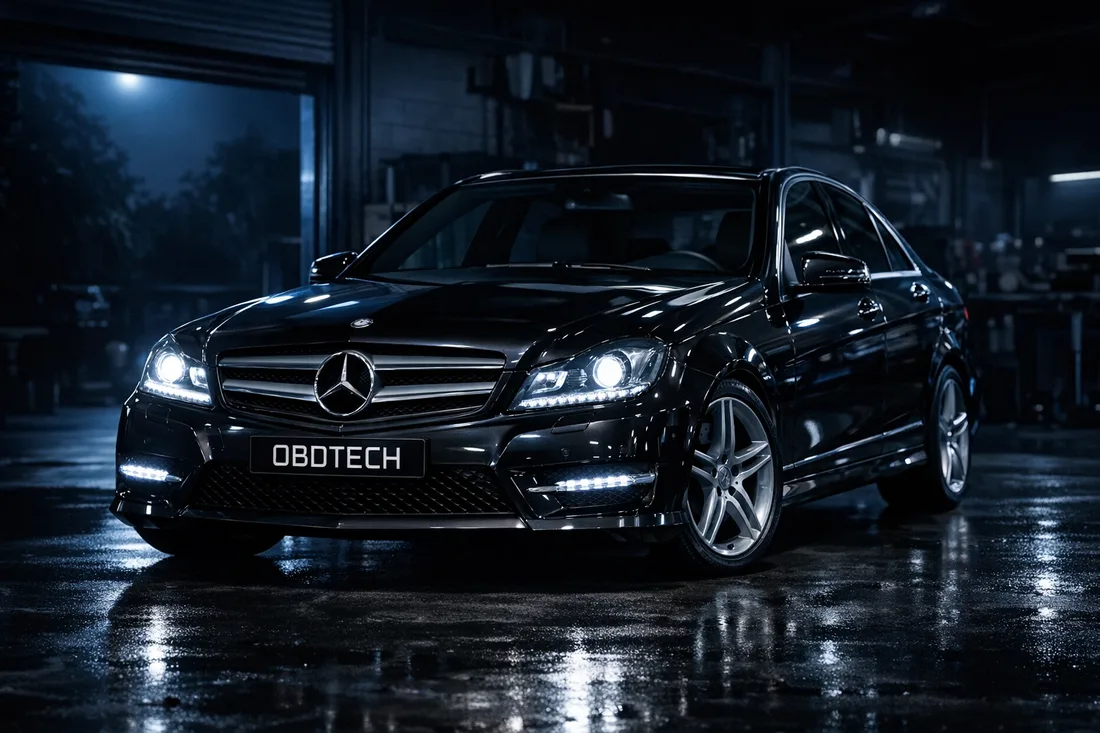
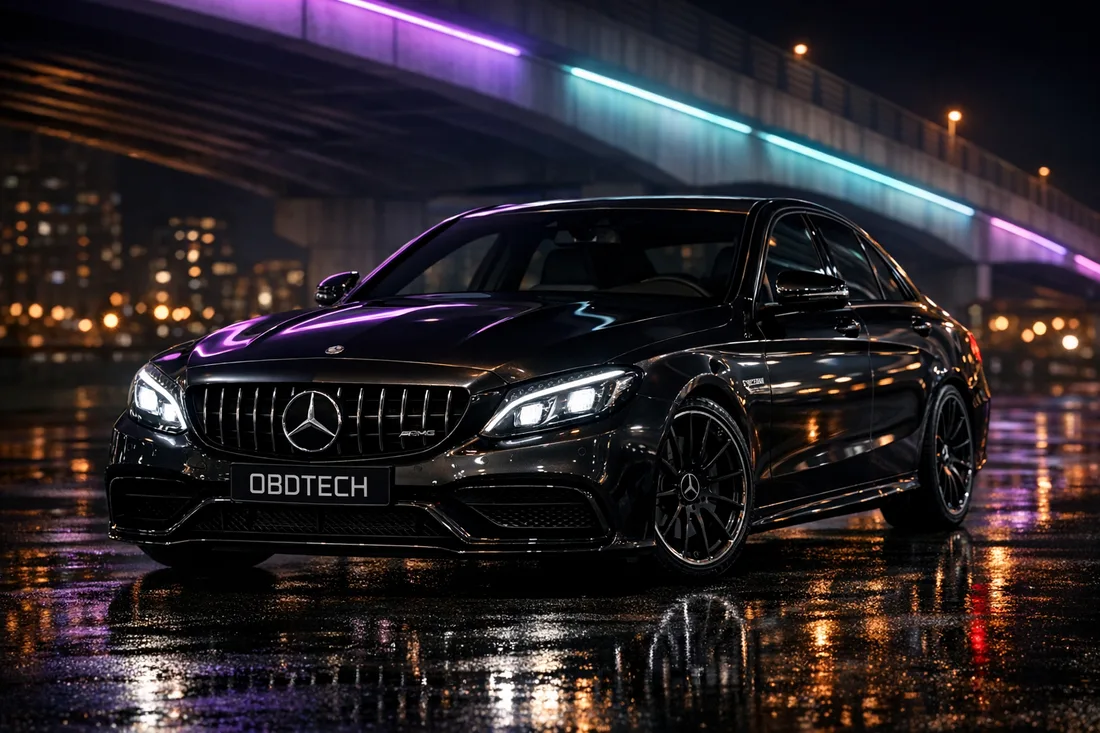
C 180 CGI: The Entry Point With a Familiar Weak Spot
The C 180 CGI is where many W204 owners started. The M271 DE18 EVO is a 1796 cc turbocharged petrol making 156 hp and 250 Nm, tidy numbers for a compact executive car and genuinely smooth in everyday driving. The compression ratio sits at 9.8:1 and the ECU is the Siemens/Continental SIM271DE, which means it responds well to a properly written Stage 1 tune when the owner wants more from it.
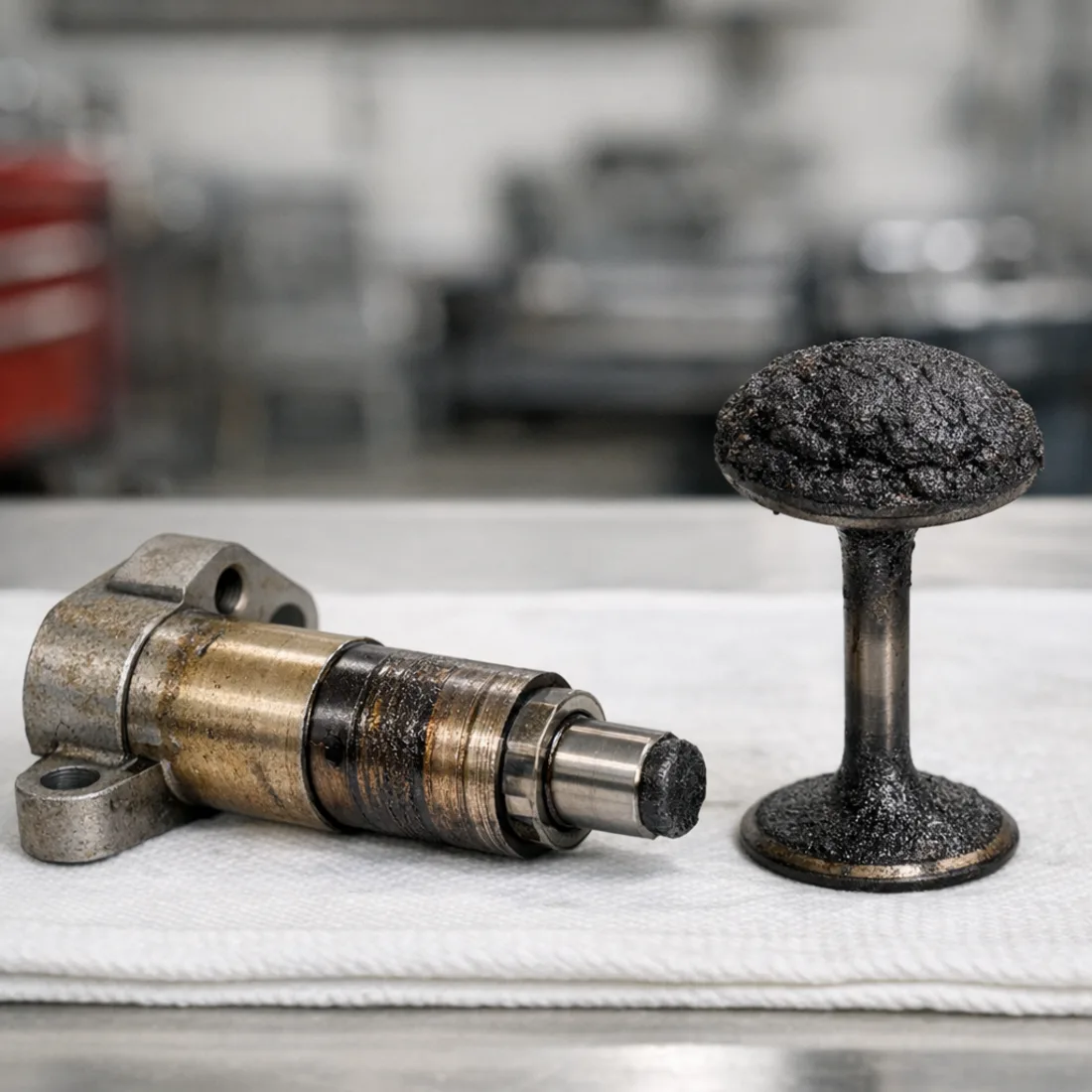
The problem is that the M271 EVO has one well known weak point that shows up on every variant that uses it, including this one: the timing chain and chain tensioner. A faint metallic rattle on cold start that settles after ten seconds is not nothing. It is the chain telling you the tensioner is losing the plot. Left alone, timing drift follows, and that becomes a much more expensive conversation. Carbon build up on the intake valves from direct injection is another issue that creeps up gradually, along with camshaft adjuster magnet faults and the occasional weeping plastic thermostat housing or coolant pipe.
The C 180 is the most accessible W204 to own, but it shares the M271 EVO's DNA completely with the C 250 CGI above it. The chain and adjuster faults are identical across both. The difference is that on the 156 hp tune, the engine is under slightly less stress, but that does not mean you can ignore the symptoms. Fix the chain early and this engine has a long, pleasant life ahead of it.
Stage 1 tuning on the C 180's 1.8 turbo brings real gains, up to 210 hp and 380 Nm, which transforms what is a polite commuter into something much more engaging. The SIM271DE ECU takes a proper tune well.
-
Timing chain and tensioner wear, especially noticeable on cold start
-
Camshaft adjuster magnet faults and balance shaft area issues
-
Carbon build up on intake valves from direct injection
-
Plastic thermostat housing and coolant pipe seepage
-
Spark plug and ignition coil wear on higher mileage cars
A faint metallic rattle on cold start that settles after ten seconds is not nothing.
It is the chain telling you the tensioner is losing the plot.
Get your W204 booked in with a proper Mercedes specialist.
C 250 CGI: More Power, Same Chain Story
Take the C 180's engine, turn up the boost, recalibrate the ECU and you have the C 250 CGI: 204 hp and 310 Nm from the same 1796 cc M271 DE18 EVO. The compression drops slightly to 9.3:1 to manage the extra cylinder pressure, but the architecture is identical. That means every fault the C 180 has, this car has too, and then some.
The timing chain and tensioner concern is the headline fault on the C 250 CGI as well. Higher output means the chain is working harder, so if a C 180 at higher mileage warrants a chain check, a C 250 absolutely does. The EVO designation addressed some of the balance shaft issues that plagued the earlier M271 family, but it did not fix the chain tensioner design, and these cars still come in with that telltale cold start rattle regularly.
Turbo actuator faults and boost leaks are more of a C 250 concern than on the C 180 simply because the forced induction is working harder. Carbon build up on the intake valves from direct injection is also worth monitoring. On both M271 EVO cars, we diagnose through genuine Mercedes XENTRY and DAS with a proper C4 or C6 interface, which lets us read live data and run guided tests properly rather than guessing from generic fault codes.
If you are choosing between a C 180 and a C 250 used, the C 250 gives you noticeably more real world performance but the chain risk is at least as high, so budget accordingly. A Stage 1 tune on the C 250 brings it to around 220 hp and 380 Nm, a worthwhile step if the engine is already in good health.
-
Timing chain and tensioner wear, identical fault to C 180 CGI
-
Turbo actuator faults and boost leak diagnosis
-
Carbon build up on direct injection intake valves
-
Camshaft adjuster faults and occasional injector issues
If a C 180 at higher mileage warrants a chain check, a C 250 absolutely does.
Higher output means the chain is working harder.
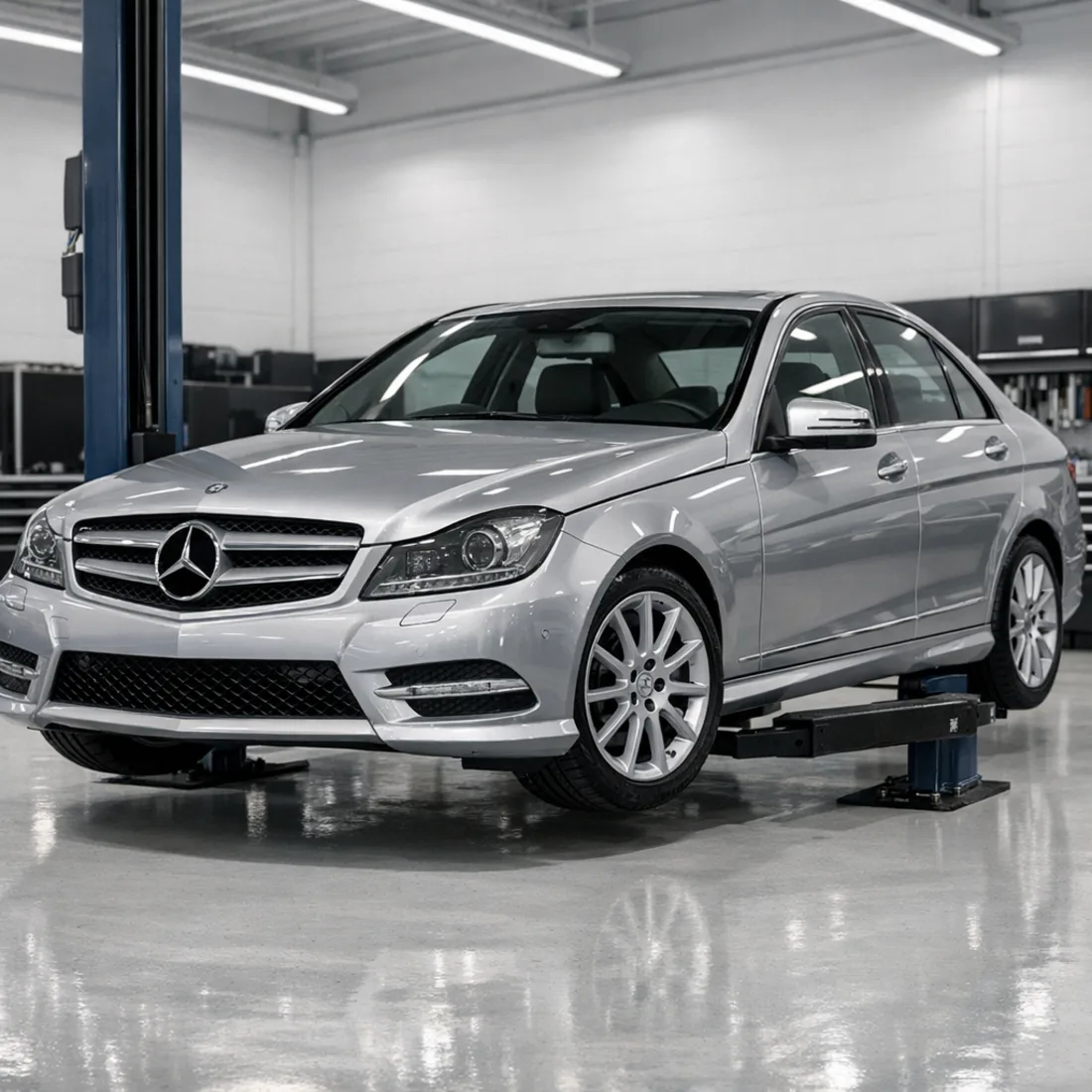
C 220 CDI: The Diesel That Earns Its Keep, When It Is Running Right
The C 220 CDI is the W204 that built the model's reputation for everyday usability in New Zealand. The OM646 2143 cc diesel with its 16.2:1 compression ratio and 400 Nm from low in the rev range made it genuinely practical and economical, and a lot of them racked up big mileages doing exactly what they were bought for. At 163 hp it is the least powerful W204 on this page by a margin, but the torque figure matches or beats most of the petrol variants at normal driving speeds, which is why so many people chose it.
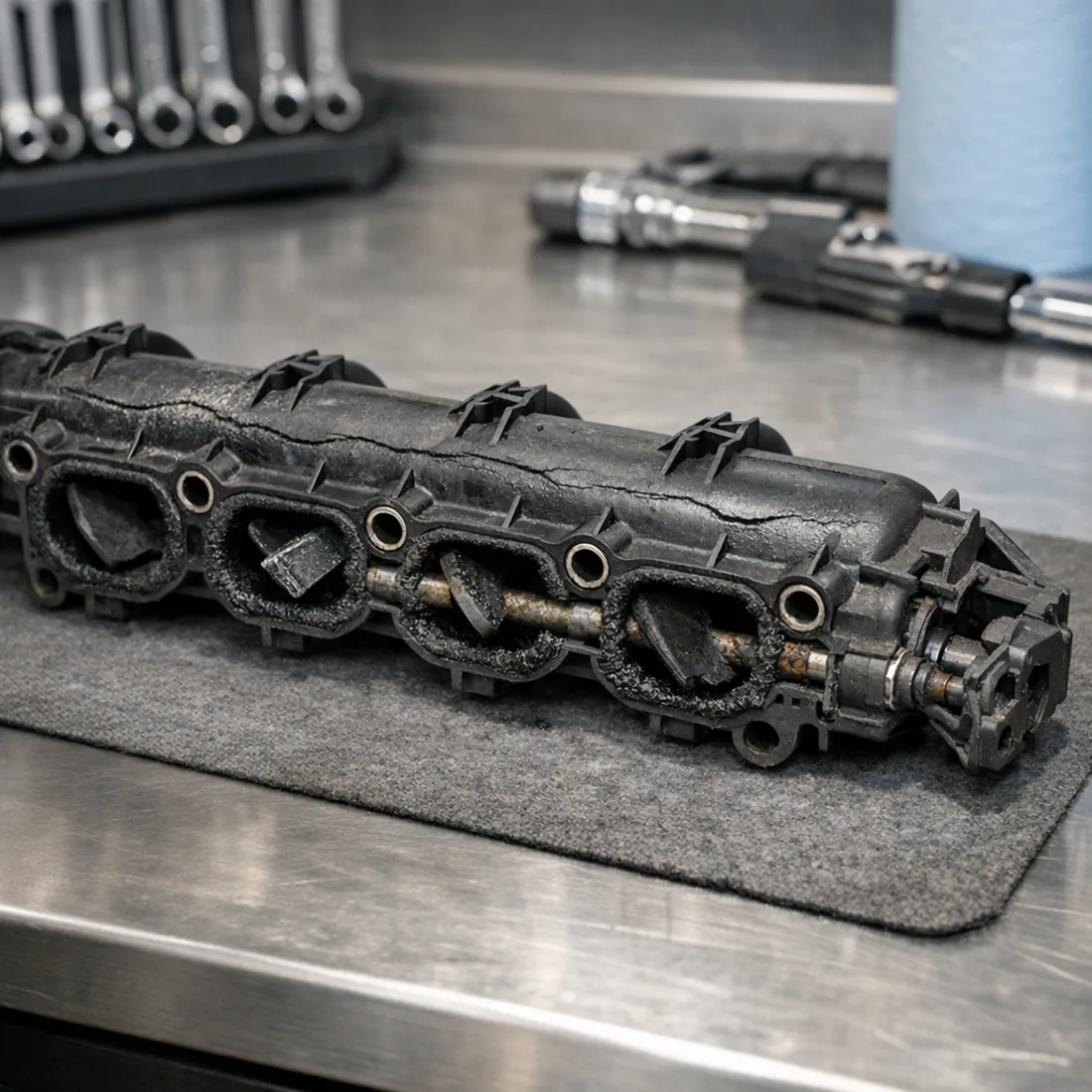
The OM646 is solid, but it has a well documented fault list. Swirl flaps in the intake manifold are the classic one. They stick, they break, and when they do, the engine either runs rough or swallows a broken flap actuator pin, which causes much worse damage. We check these carefully. Injector wear and fuel system leak off are another common issue on higher mileage cars, leading to hard starting and rough running. The timing chain and tensioner deserves attention at higher mileage, and EGR clogging combined with turbo actuator faults round out the usual suspects.
Compared to the petrol variants, the C 220 CDI is cheaper to run day to day but its diesel specific faults, particularly the swirl flaps and EGR, can be costly if ignored. We diagnose the OM646 with XENTRY and DAS through a proper interface, reading live injection data and actual EGR flow figures rather than working from generic fault codes. A Stage 1 tune on the OM646 brings it to 205 hp and 500 Nm, a substantial gain that transforms the car's character on New Zealand roads.
The ECU options on this car vary, covering Delphi CRD2.x, CRD3.x and CRD3P.A0 depending on build date, so proper tool compatibility matters. We carry genuine tooling that handles all of them.
-
Swirl flap sticking or failure in the intake manifold
-
Injector wear and fuel system leak off causing hard starting
-
Timing chain and tensioner condition on high mileage examples
-
EGR clogging and turbo actuator faults
-
DPF condition and regen cycle monitoring
An extra 100 Nm from a diesel that already pulls strongly is a substantial change.
Stage 1 on the OM646 brings it to 205 hp and 500 Nm.
C 350 CGI: V6 Confidence With a Gear Fault to Know About
Step up from the four cylinders and you arrive at the C 350 CGI, 292 hp from a 3498 cc M272 E30 V6 with direct injection and a 12.0:1 compression ratio. No turbo, just displacement and compression doing the work. The power delivery is smooth in a way forced induction cannot quite replicate, and this car sits clearly above the C 180 and C 250 in terms of feel and presence.
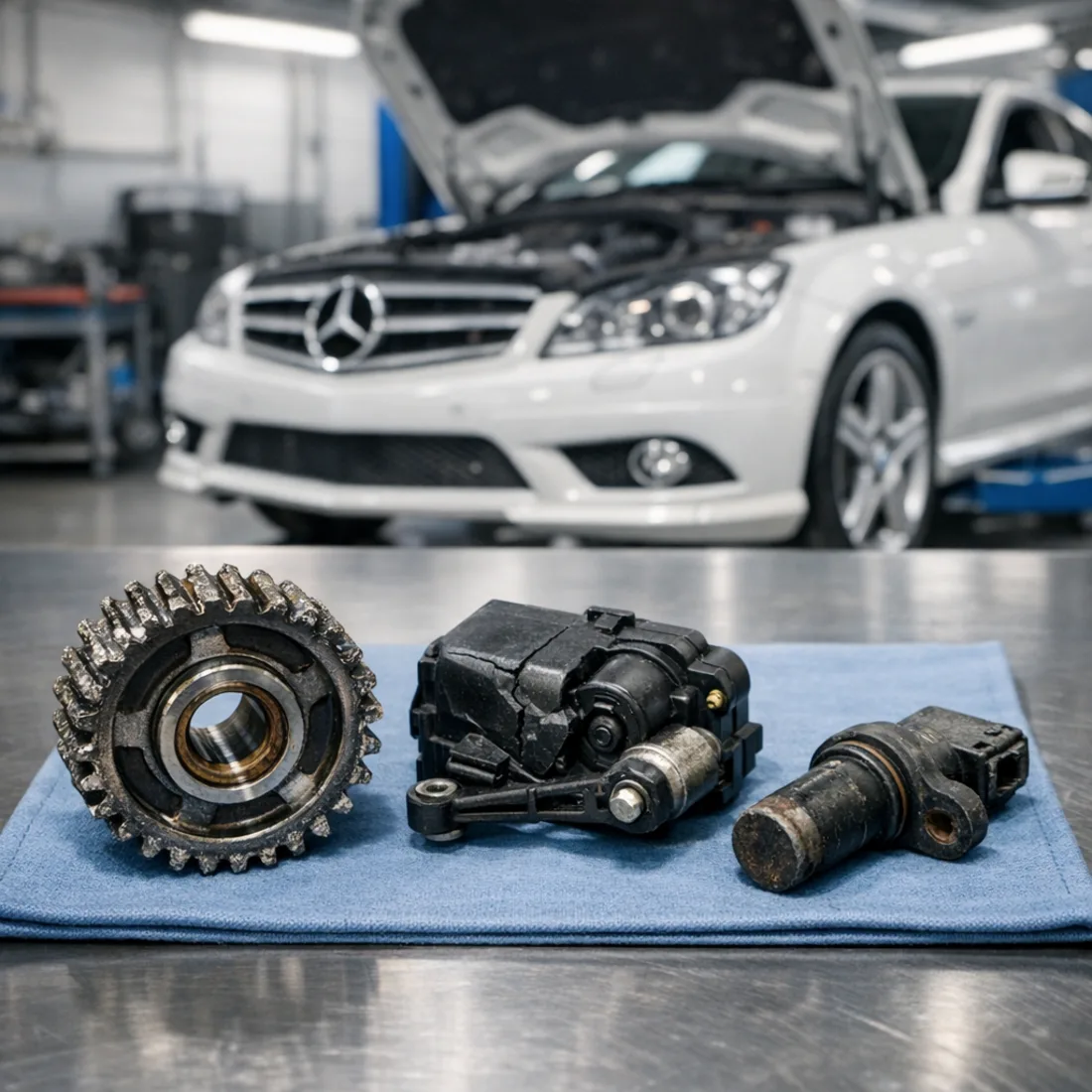
The M272 family carries a known weakness from its earlier versions: balance shaft or idler gear wear. Later E30 builds were improved, but it is always worth checking service history and listening carefully. Camshaft position sensor faults and the plastic intake manifold with its swirl flap actuators are the other recurring issues on this V6. Direct injection means carbon build up on the intake valves accumulates over higher mileage, and coil pack plus spark plug wear causing misfires is common enough that we often quote the full set as part of a major service.
The ECU is either Bosch MED17.7.3 or MED9.7 depending on build, and we diagnose through XENTRY and DAS with the correct factory interface. If you are comparing the C 350 CGI against the C 350 BlueEfficiency that replaced it, the CGI gives you the older M272 engine and slightly less output at 292 hp versus 306 hp, while the BlueEfficiency steps up to the newer M276. Both share the same displacement and bore and stroke, so the step is more about refinement and fuel economy than outright character. A Stage 1 tune on the M272 brings it to 310 hp and 390 Nm, making the most of what is already a naturally confident engine.
-
Balance shaft and idler gear wear on earlier M272 builds
-
Camshaft position sensor faults
-
Plastic intake manifold and swirl flap actuator failure
-
Carbon build up on intake valves from direct injection
-
Ignition coil and spark plug wear causing misfires
No turbo, just displacement and compression doing the work.
The power delivery is smooth in a way forced induction cannot quite replicate.
C 350 BlueEfficiency: The Refined V6 That Still Has Its Quirks
The C 350 BlueEfficiency is the facelift W204 at its most polished. The M276.957 3498 cc V6 delivers 306 hp and 370 Nm through a 7G Tronic gearbox, and with a 12.0:1 compression ratio and chain drive, it looks like a thoroughly resolved package on paper. In practice it mostly is, but the M276 has its own list of things to watch.
Camshaft adjuster and magnet faults are the headline issue on this engine family, causing rough running or timing related fault codes that can be misdiagnosed without the right tooling. Oil leaks from the cam covers and the front of the engine are common as these cars age, and the variable intake manifold with its swirl flap actuators can fail, mirroring the pattern we saw on the M272 below it. Ignition coil pack and spark plug wear on higher mileage examples rounds out the list.
Compared to the C 350 CGI it replaced, the BlueEfficiency M276 is a more modern and generally more refined engine. The balance shaft concerns of the older M272 are not carried over, which is a genuine improvement. But the camshaft adjuster faults are arguably more nuanced to diagnose correctly, which is why having the factory XENTRY platform with guided test capability matters. The ECU is Bosch MED17.7.1 and we read it properly. A Stage 1 tune brings the M276 to 328 hp and 411 Nm, a meaningful step that adds real urgency to the mid range without changing the car's composed character.
-
Camshaft adjuster and magnet faults causing rough running
-
Oil leaks from cam covers and front of engine
-
Variable intake manifold and swirl flap actuator failure
-
Coil pack and spark plug wear on higher mileage cars
The camshaft adjuster faults are arguably more nuanced to diagnose correctly.
Having the factory XENTRY platform with guided test capability is what makes the difference.
C 63 AMG: The One That Needs No Introduction, Just Honest Maintenance
There is a reason the W204 C 63 AMG developed a genuine following in the New Zealand performance car scene. A 6208 cc naturally aspirated V8 with a 11.3:1 compression ratio, 102.2 mm bore, and 457 hp delivered with no turbo lag and a sound that nothing else in the class could match. The Bosch ME9.7 ECU manages the whole thing with commendable confidence. It is special in a way that no number on a spec sheet fully captures.
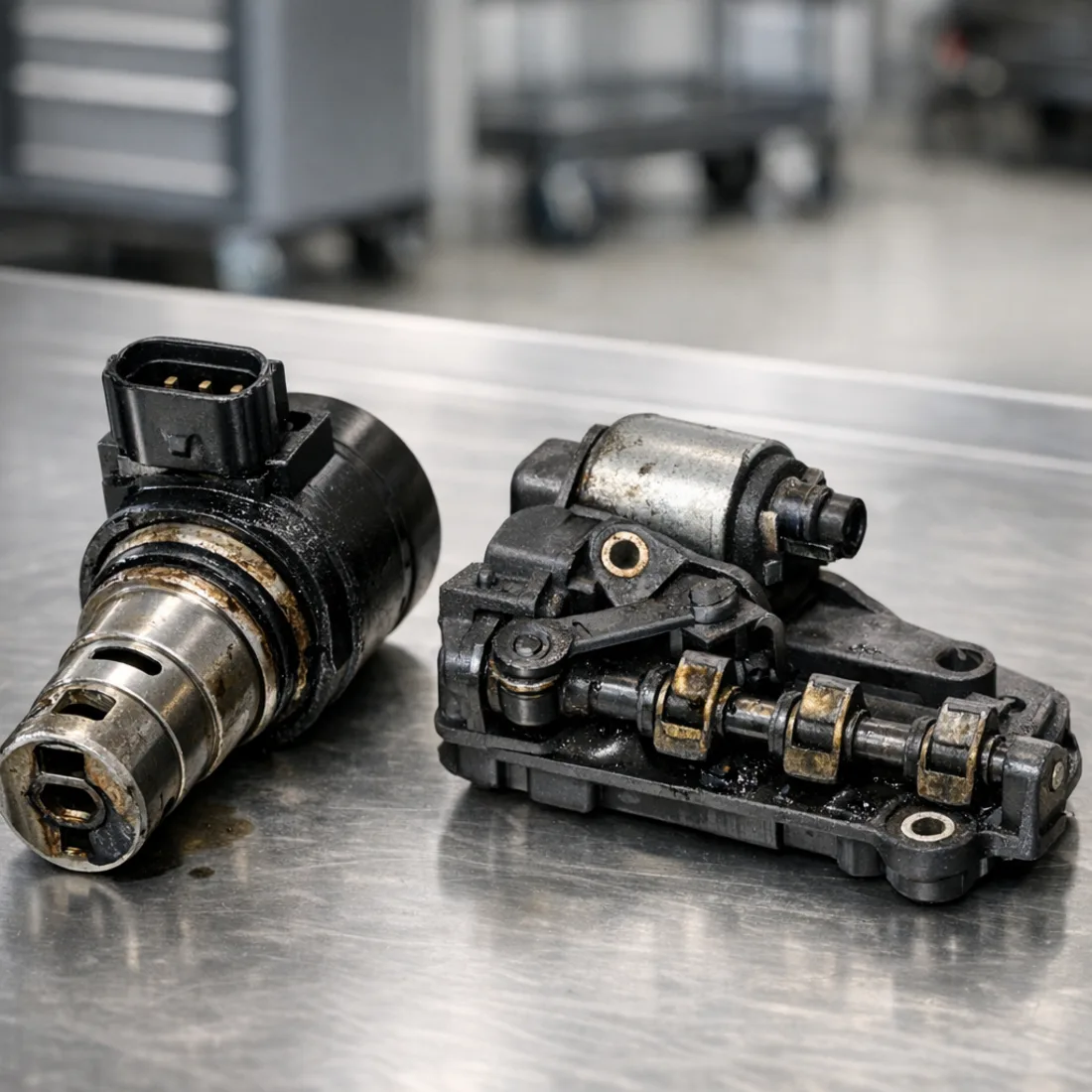
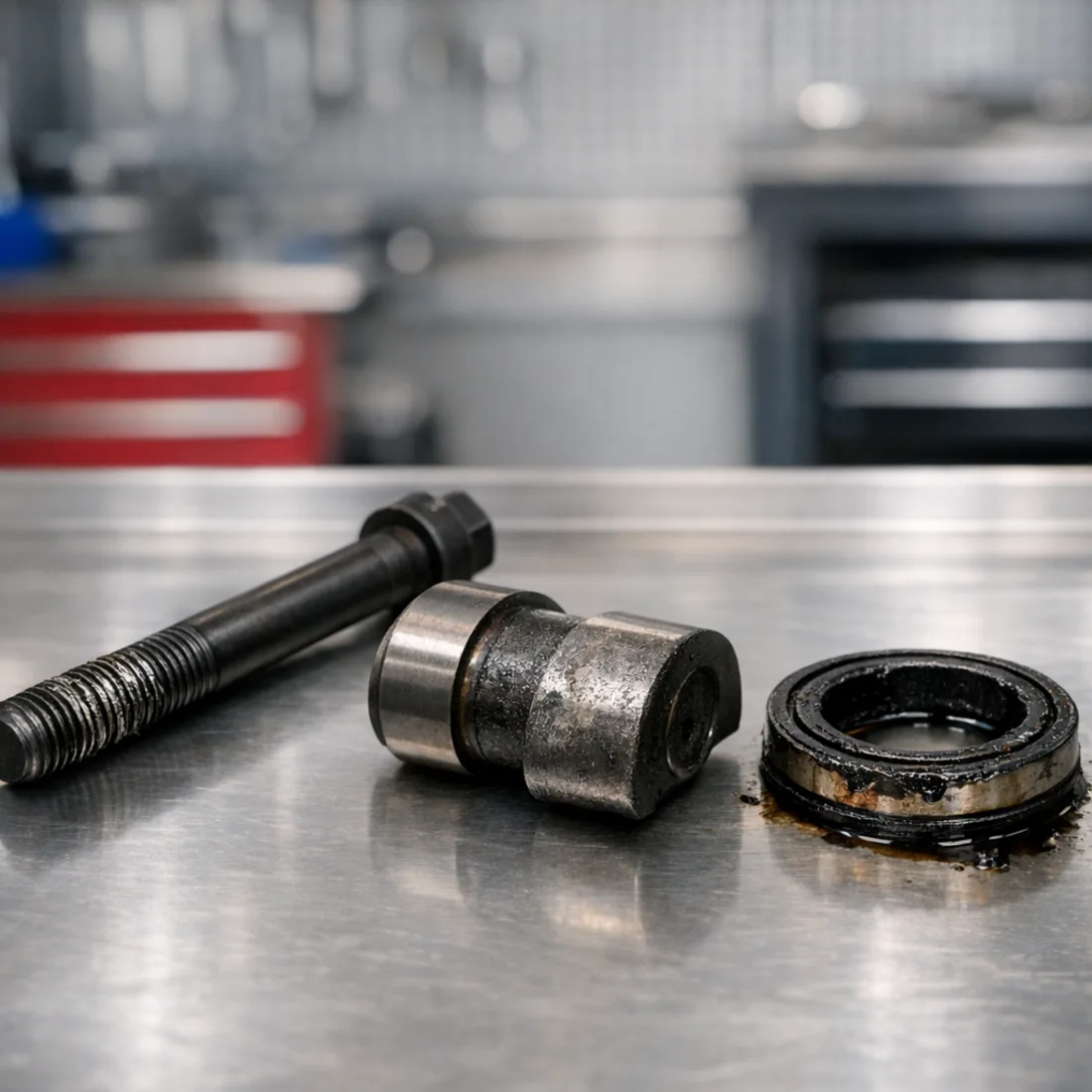
But the M156 is not invincible. The head bolts on early units are a well documented concern, stretching at higher mileage in a way that can become a serious problem if left unchecked. Camshaft and lifter wear is another recognised issue on this engine: listen carefully for top end noise at any mileage and take it seriously. Oil consumption and leaks from the cam adjusters and valve covers are common, and they tend to accelerate once the seals start to go. The brakes on this car are a big item too given the performance on offer, and suspension bushes and dampers wear with use.
Compared to every other W204 on this page, the C 63 AMG is in a different category entirely. The M156 is a dedicated AMG engine, not a shared platform unit, and it requires genuine expertise and the right tooling to diagnose and maintain properly. We use genuine Mercedes XENTRY and DAS with a proper C4 or C6 interface, not a generic scan tool, because on a car this complex and this valuable, guessing is not acceptable.
Stage 1 tuning on the M156 brings it to 510 hp and 650 Nm, a gain of 53 hp and 50 Nm from an already exceptional naturally aspirated baseline. The ECU responds well to a properly written map and the results on a healthy engine are genuinely impressive.
-
Head bolt stretching on early M156 builds, worth checking on higher mileage examples
-
Camshaft and lifter wear causing top end noise
-
Oil leaks from cam adjusters and valve cover seals
-
Brake pad and rotor wear, front and rear
-
Suspension bush and damper wear from the extra performance loads
Never skip a pre purchase inspection on a C 63. The stakes are too high.
Buy one in good health, maintain the M156 properly, and it is one of the most rewarding performance cars available used at its price point.
How to Pick Between Them When Buying Used
The W204 range is wide enough that the right choice depends entirely on what you actually want from the car. Here is how we see it from the workshop side.
The C 180 and C 250 share the M271 EVO engine and therefore share the same chain risk. Of the two, the C 250 gives you more real world pace for a modest price premium used, but budget for a chain and tensioner inspection regardless of mileage claims. If the chain has already been done, a C 250 with a Stage 1 tune is genuinely entertaining and still easy to live with daily.
The C 220 CDI is the sensible long distance choice if fuel economy is a priority. It has the best torque per dollar figure in the range at stock tune and the Stage 1 gain of 42 hp and 100 Nm transforms it completely. The swirl flap and injector concerns mean you want to see receipts for those items specifically, not just a general service history.
The C 350 BlueEfficiency is the better engineered engine overall, shedding the M272's balance shaft risk and adding refinement. If you can find a well maintained example, it is probably the sweet spot in the W204 range for someone who wants genuine performance without the running costs of the C 63. The C 350 CGI is older and slightly less powerful but still a fine car if the M272 has been looked after.
The C 63 AMG is in its own category. Buy one in good health, maintain the M156 properly, and it is one of the most rewarding performance cars available used at its price point. Buy a neglected one and the head bolt and cam wear bills will remind you why inspection matters. Never skip a pre purchase inspection on a C 63. The stakes are too high.
- On M271 EVO cars, listen for timing chain rattle on cold start before any purchase
- On the C 220 CDI, ask specifically for swirl flap and injector service receipts
- On the M272 C 350 CGI, check for balance shaft history on earlier builds
- On the M276 C 350 BlueEfficiency, confirm camshaft adjuster work has not been ignored
- On the C 63 AMG, have the head bolts and cam condition inspected by a proper specialist
- Check brake pad and rotor condition across all variants given the weight and performance loads
- Verify correct MB approved oil grade has been used throughout the service history
Servicing Across the W204 Family
Every W204 variant has specific service requirements that matter. These are not simple cars that tolerate generic oil and a filter from anywhere. The correct MB approved oil grade, the right spark plug specification, the proper glow plug type on the diesel, the correct coolant mix: getting these wrong does not just void the service, it can cause the faults that the service was meant to prevent.
Our car servicing for the W204 family covers the full item list across every variant. That includes oil and filter with the correct grade, air filter, cabin filter, fuel filter where applicable, spark plugs for the petrol engines, glow plugs for the OM646 diesel, drive belt inspection, coolant condition, and a proper check of the fault prone items specific to each engine. We fit brand new genuine or OEM parts throughout. No shortcuts.
Common service items across the range include brake pads and rotors front and rear, which are a regular replacement item on W204s given their weight and the performance loads some of them carry. Our brake repair service covers the full job including caliper condition and fluid condition, not just swapping pads. Suspension bushes, dampers and control arms are also regular items on W204s as these cars age, and worn suspension makes a noticeable difference to both feel and tyre wear.
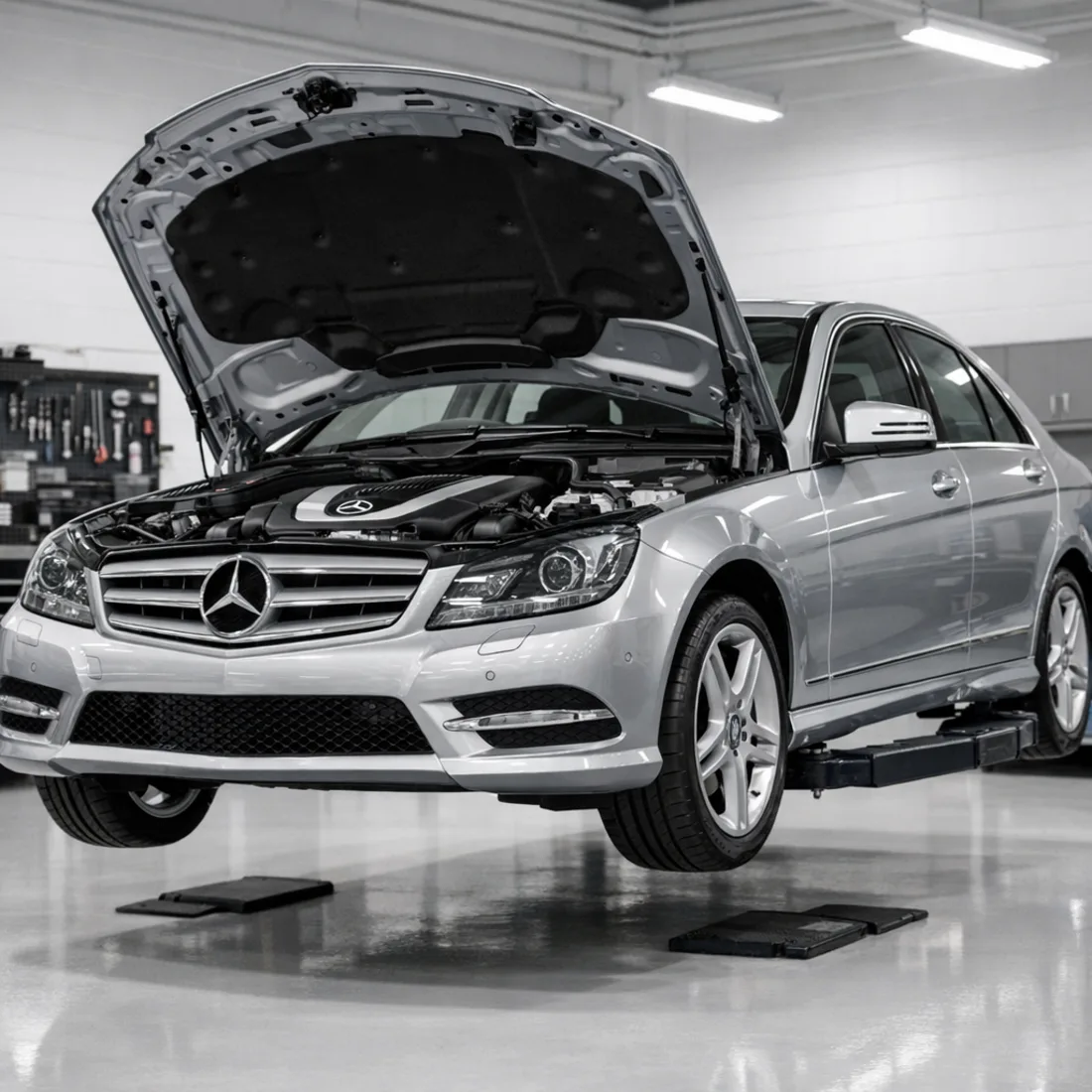
How We Diagnose the W204: Factory Tooling, Every Time
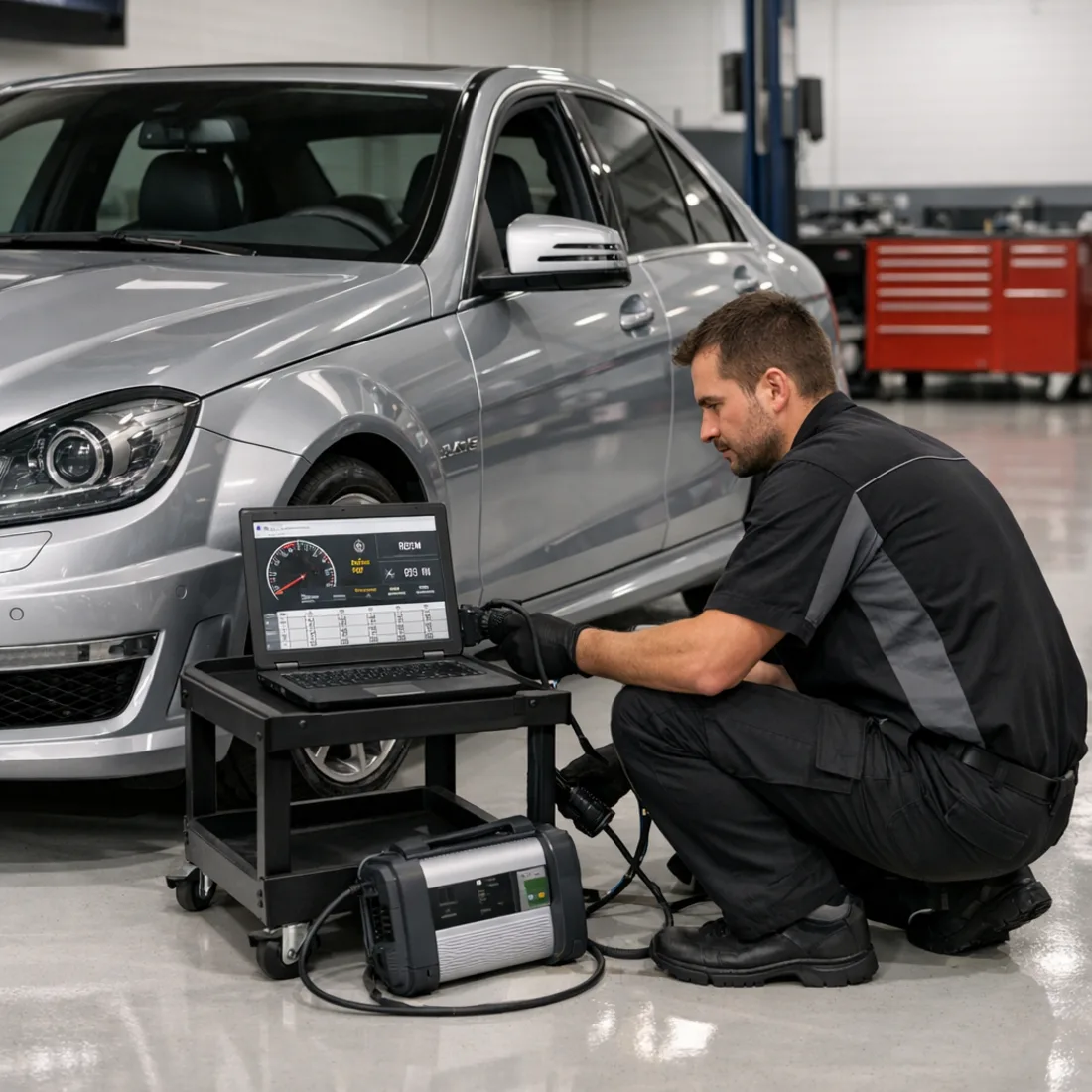
Every variant of the W204 from the C 180 CGI through to the C 63 AMG gets diagnosed with the genuine Mercedes XENTRY and DAS platform running through a proper C4 or C6 interface. That is the factory diagnostic system, not a generic scan tool that reads a handful of basic fault codes and calls it done.
The difference matters more on Mercedes Benz than on most brands. XENTRY gives us guided test procedures for specific fault paths, live data streams that include things like injection timing, cam adjuster position and actual EGR flow rather than just switched signals, and the ability to run adaptations and coding that the car needs after certain repairs. On the M156 C 63 AMG, reading a P code from a generic tool is nearly useless for diagnosing cam wear or head bolt stretch. On the OM646 diesel, live injection data is how you confirm injector leak off rather than just replacing parts and hoping. On the M276, camshaft adjuster faults look superficially similar to several other faults until you run the guided test sequence with the proper tool.
Our auto electrical team handles the W204's electrical systems, sensors and control modules using the same factory tooling. W204 owners know these cars can generate complex fault combinations that need proper interpretation, and we read them that way.
Tuning the W204 Range
Every variant on this page has a Stage 1 tune available, and the gains vary significantly depending on the platform. All tuning is carried out on the correct ECU platform for each variant. The C 63 and V6 petrol variants use Bosch ECUs, the C 180 and C 250 use the Siemens/Continental SIM271DE, and the diesel uses Delphi. We write to each one correctly. We also offer DTC removal, Vmax removal, Pop and Bang maps where applicable, and Start/Stop disable on the variants where it is available. All work is performed on a healthy, properly serviced engine.
The biggest relative gain on the page, transforming the entry car into something genuinely lively. The SIM271DE ECU takes a proper tune well. Also available: DTC Removal, Pop and Bang Crackle map, DECAT, FLAPS, Vmax.
A more modest headline power gain but the torque step is the real benefit in daily driving. Also available: DTC Removal, Pop and Bang Crackle map, DECAT, FLAPS, Vmax.
The diesel responds exceptionally well. An extra 100 Nm from a diesel that already pulls strongly is a substantial change. Also available: EGR OFF, DPF OFF, DTC Removal, START/STOP OFF, FLAPS, Vmax, Adblue.
Worthwhile sharpening of an already confident naturally aspirated engine. Also available: DTC Removal, Pop and Bang Crackle map, DECAT, FLAPS, Vmax.
Real mid range improvement on an engine that already has strong credentials. Also available: DTC Removal, START/STOP OFF, Vmax.
Fifty three extra horsepower from a naturally aspirated V8 is a remarkable result and completely changes the top end character. Also available: DTC Removal, Pop and Bang Crackle map, DECAT, FLAPS, Vmax.
All tuning files are written specifically for the ECU fitted to your car. Contact us to discuss your variant, or learn more about our ECU file service for remote tune options.
Frequently Asked Questions
The questions we get most. Something else on your mind? Get in touch.