Toyota Crown 2.0T: Expert Servicing and Repair for the 8AR FTE
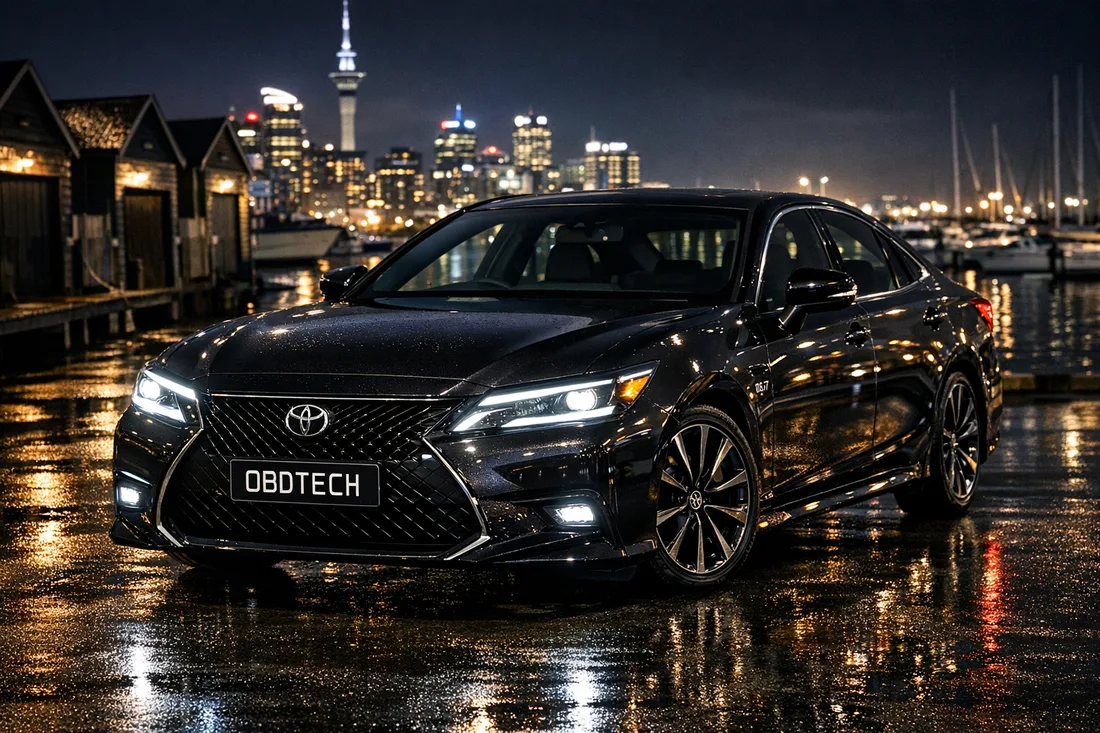
The Toyota Crown has always occupied an interesting position in the fleet: a proper executive sedan with genuine engineering behind it, not just a rebadged cost cut. The 2018-on generation brought a 2.0-litre turbocharged four cylinder in place of the old naturally aspirated six, and for most owners that trade turned out to be a good one. Smaller displacement, direct injection, a twin scroll turbo, and 235 horsepower on tap. On paper it sounds almost too tidy. In practice, the 8AR FTE is a strong, refined unit, but it has specific habits that reward a workshop which knows it properly rather than one that just plugs in a generic scan tool and hopes for the best.
The Engine Underneath: What the 8AR FTE Actually Is
The 8AR FTE is a 1998cc inline four with a square bore and stroke of 86.0mm by 86.0mm, a 10.0:1 compression ratio, and factory outputs of 235hp and 350Nm. That torque figure arrives early and holds, which is what makes the Crown feel heavier and more planted than its engine size suggests. The ECU is a Denso 057L1, and the fuelling is direct injection, meaning fuel is sprayed straight into the combustion chamber rather than over the intake valves. That one detail is the source of the Crown's most common headache, and we will get to that shortly.
The turbocharger on this engine is water cooled, which keeps heat soak in check after shut down but introduces its own maintenance considerations around the coolant circuit.
-
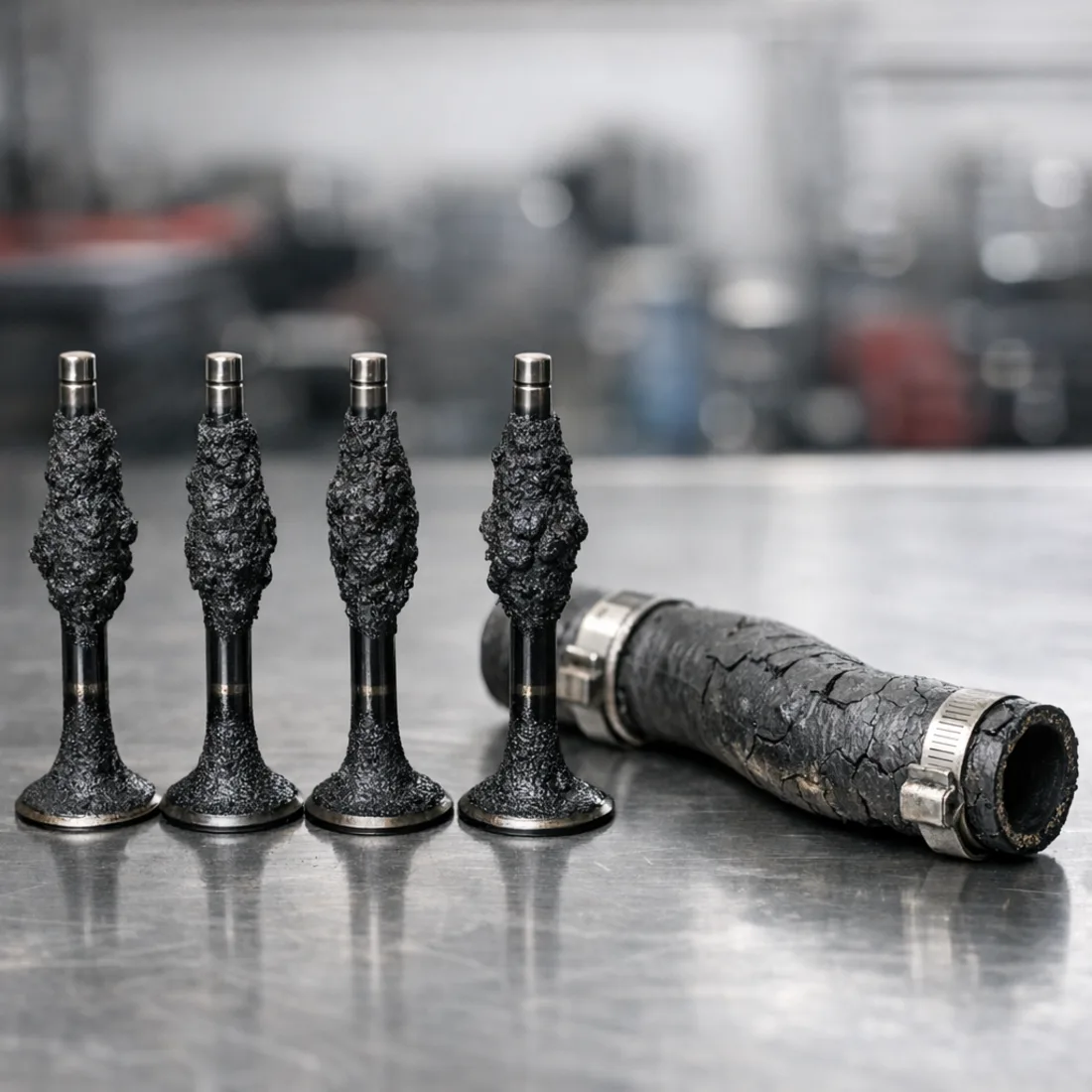
Carbon build up on the intake valves: direct injection means fuel never washes over the valves, so oil vapour from the crankcase ventilation system deposits on them unchecked. Over higher mileage, that carbon builds into a crust thick enough to disrupt airflow into the cylinder, causing rough idle, hesitation under light throttle, and cold start stumble.
-
Turbo coolant lines and oil consumption: the water cooled turbo relies on coolant circulating through its centre section even after the engine stops. A weeping connection or softening hose can drop coolant slowly and quietly. Oil consumption can also creep up on stretched service examples, wearing turbo bearings faster than they should.
-
Timing chain stretch: the 8AR FTE uses a chain rather than a belt, so there is no set replacement interval. However, a chain run on old or low oil will stretch and produce a rattle on cold start that disappears within thirty seconds. That rattle means the tensioner is working hard to take up slack, and eventually it will not keep up.
A generic OBD reader will pull a fault code, but Techstream lets us read live sensor data in real time.
When a Crown comes in with a hesitation fault, we are looking at boost pressure traces, cam and crank sensor correlations, and injector duty cycle simultaneously, not just reading a stored code and guessing what set it.
We use Toyota Techstream, the genuine factory level diagnostic software, connected through an appropriate interface to the Denso 057L1 ECU. That distinction matters more than it sounds. Techstream lets us run actuator tests on individual components, access the specific service functions Toyota built into this platform, and see parameters that third party tools simply do not expose. That is the difference between fixing the root cause and replacing parts until something works. If you are dealing with an electrical fault or a sensor issue that has resisted diagnosis elsewhere, our auto electrical diagnostic service is a good starting point.
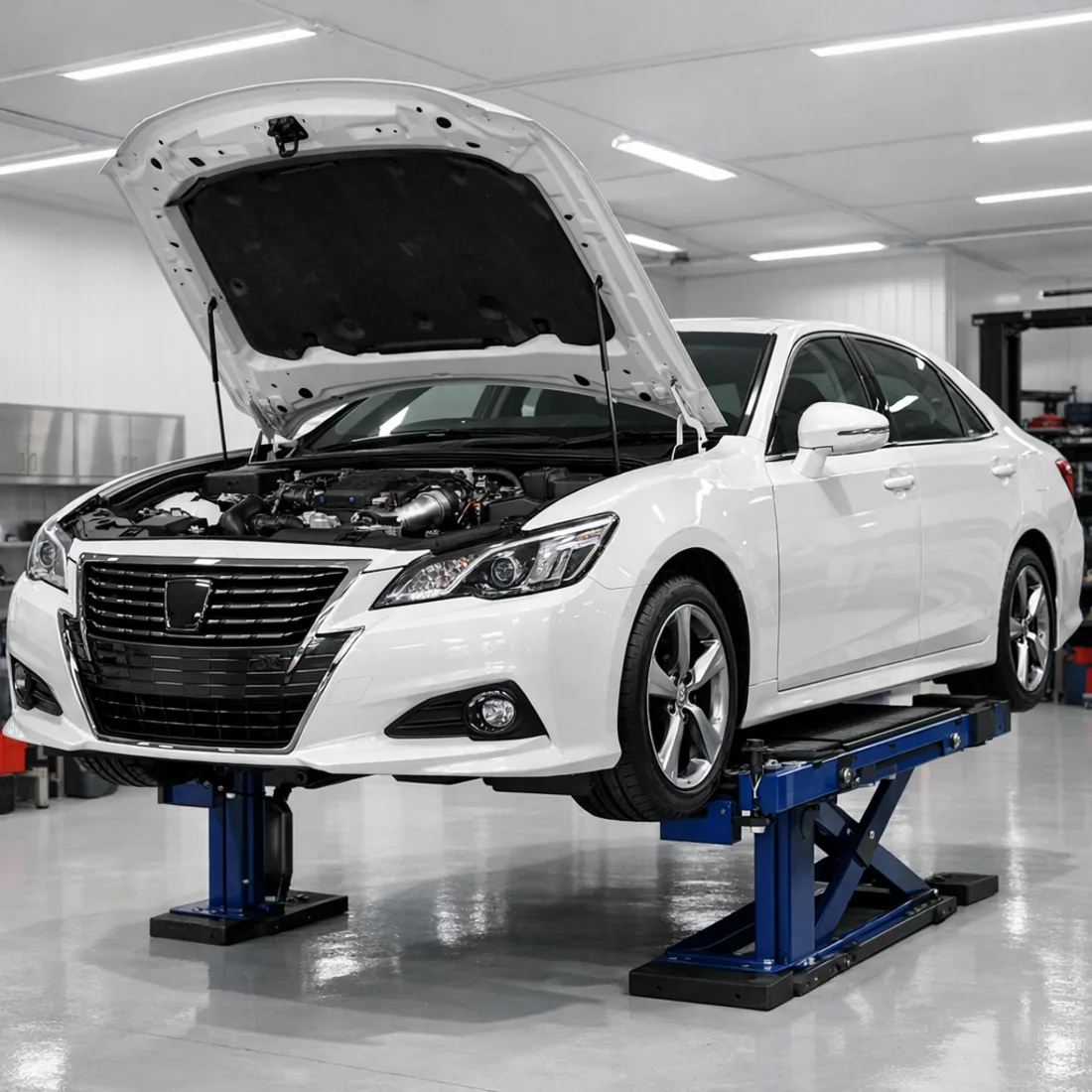
The Toyota Crown 2.0T is a rewarding car to own when it is properly maintained and diagnosed with the right tools. Carbon on the valves, turbo coolant lines, timing chain health, and sensor faults all have clear solutions when you know what you are looking for. We fit genuine, brand new OEM and OEM grade parts as standard across every repair and service job we do, no shortcuts on the parts that matter.
Get your Crown booked in with a proper specialist.
Routine Servicing Worth Doing on Schedule
A direct injection turbo four is more sensitive to service intervals than a simpler naturally aspirated engine. Fresh oil is not just a maintenance tick box here; it is what keeps the turbo bearings lubricated during that critical post shutdown heat soak period. We use a full synthetic oil that meets or exceeds the factory specification for the 8AR FTE, paired with a quality filter that holds its bypass pressure correctly. Stretching the interval by a few thousand kilometres is exactly how oil consumption and turbo wear begin on this engine.
Service items include: engine oil and filter using the correct full synthetic low SAPS grade; air filter replacement to protect the turbo from abrasive dust ingestion; cabin filter swap; spark plugs suited to the turbo and direct injection application; drive belt inspection and replacement before it shows cracking or glazing; and wiper blades and washer system check.
Beyond the consumables, the Crown benefits from a proper coolant system check at each scheduled service. That means pressure testing the system, inspecting the turbo coolant lines for seeping joints, and confirming the coolant concentration is right for the NZ climate. We also test the brake circuit as part of every visit because these are heavy, fast cars and the brake pads and rotors carry a real load. Our brake inspection and repair service covers everything from pad condition through to rotor runout and fluid condition.
Inspection checklist: coolant system pressure test and concentration check; turbo coolant hose and connection inspection; boost pressure sensor and cam sensor function check; suspension component inspection including bushes and ball joints; brake pads, rotors and fluid quality assessment; intake valve carbon inspection on higher mileage examples; timing chain rattle assessment on cold start.
How We Actually Diagnose the Crown
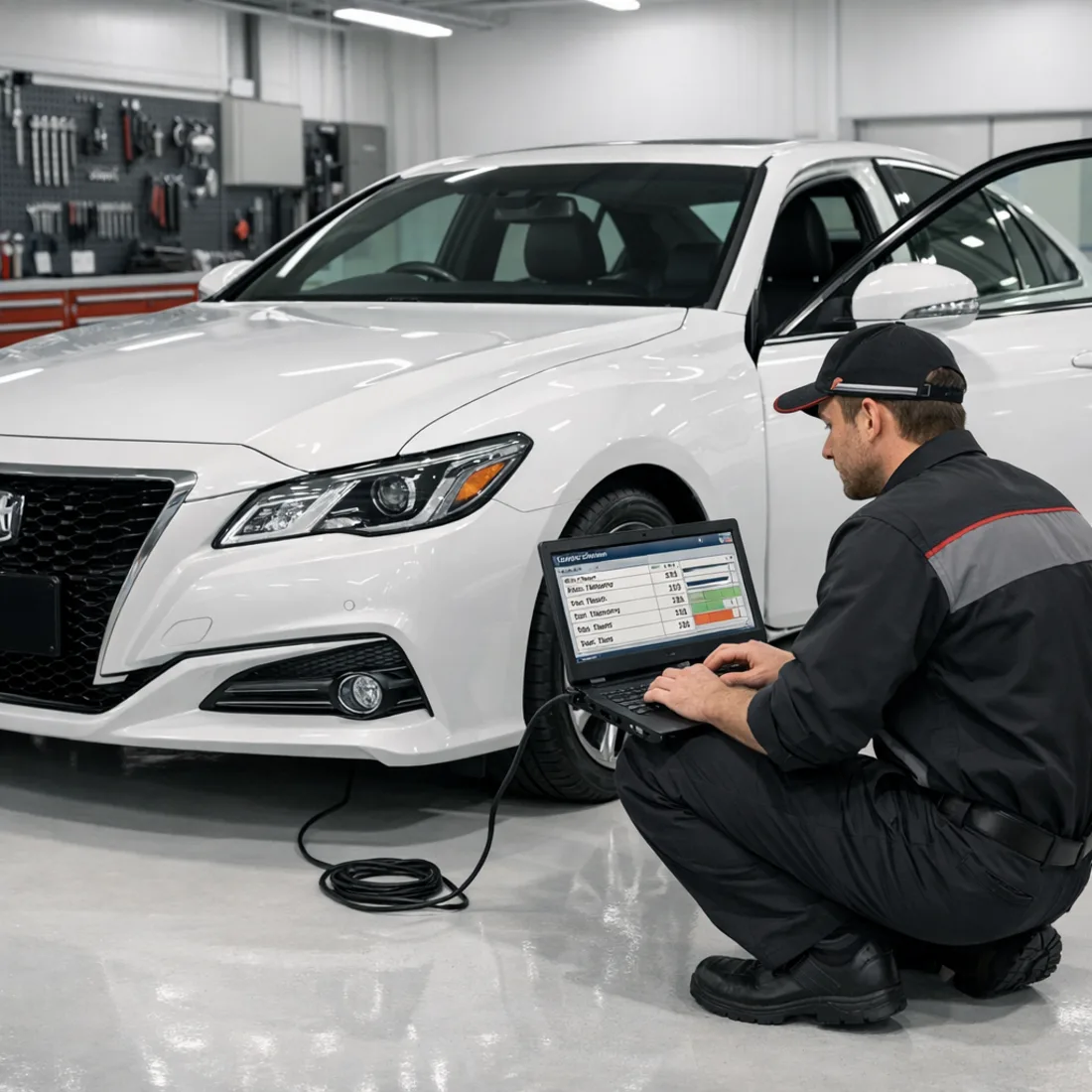
We use Toyota Techstream, the genuine factory level diagnostic software, connected through an appropriate interface to the Denso 057L1 ECU. A generic OBD reader will pull a fault code, but Techstream lets us read live sensor data in real time, run actuator tests on individual components, access the specific service functions Toyota built into this platform, and see parameters that third party tools simply do not expose.
When a Crown comes in with a hesitation fault, we are looking at boost pressure traces, cam and crank sensor correlations, and injector duty cycle simultaneously, not just reading a stored code and guessing what set it. That is the difference between fixing the root cause and replacing parts until something works. Our auto electrical diagnostic service covers sensor faults that have resisted diagnosis elsewhere.
Getting More From 235 Horsepower
The 8AR FTE has meaningful headroom above its factory 235hp and 350Nm figures. The hardware is there; the factory calibration is conservative, partly for emissions compliance and partly because Toyota tunes for the widest possible operating conditions globally. A Stage 1 tune on this engine, working through the Denso ECU, lifts output to 260hp and 400Nm. That is a gain of 25 horsepower and 50Nm of torque achieved entirely through recalibration of the fuel, ignition, and boost maps, with no hardware changes required. The result is a noticeably more responsive Crown through the mid range, which is exactly where you feel it on Auckland motorways.
Boost and fuelling map recalibration through the Denso 057L1 ECU, with no hardware changes required. We also offer DTC removal and Vmax speed limiter adjustment where relevant to the owner's use case.
If you want to understand what a calibration like this actually involves before committing, our power gains and tuning page walks through the process in plain terms. We also handle the full range of scheduled car servicing for the Crown, so you can combine a tune visit with a service and have both done in one appointment.
Frequently Asked Questions
The questions we get most. Something else on your mind? Get in touch.