Toyota Land Cruiser: 3.0 D-4D, 4.0 V6 and 300 Series 3.3 D-4D V6
The Land Cruiser is one of the few vehicles that actually lives up to its legend. From the torquey 1KD FTV diesel that hauled gear across a generation of New Zealand farms and back roads, through the naturally aspirated 4.0 V6 petrol that kept the lineage honest, to the sophisticated 300 Series twin turbo V6 that buyers are still waiting months to take delivery of, every chapter of this story rewards good maintenance and punishes neglect in its own particular way. We have worked on all three of them, and this page tells you exactly what to expect from each one and how they compare.



Toyota Land Cruiser 3.0 D-4D: The One That Started the Modern Diesel Story
The 1KD FTV is a 2982 cc common rail diesel producing 190 hp and 420 Nm from the factory. Bore and stroke sit at 96.0 by 103.0 mm, compression ratio is 15.0:1, and the ECU is a Denso 275922-022 running on CAN. By the numbers it looks modest, but put it behind a full size Land Cruiser with a trailer on the tow ball and it earns its keep quickly. The problem is that years of heavy use and, frankly, variable servicing history have taught us exactly where these engines fail.
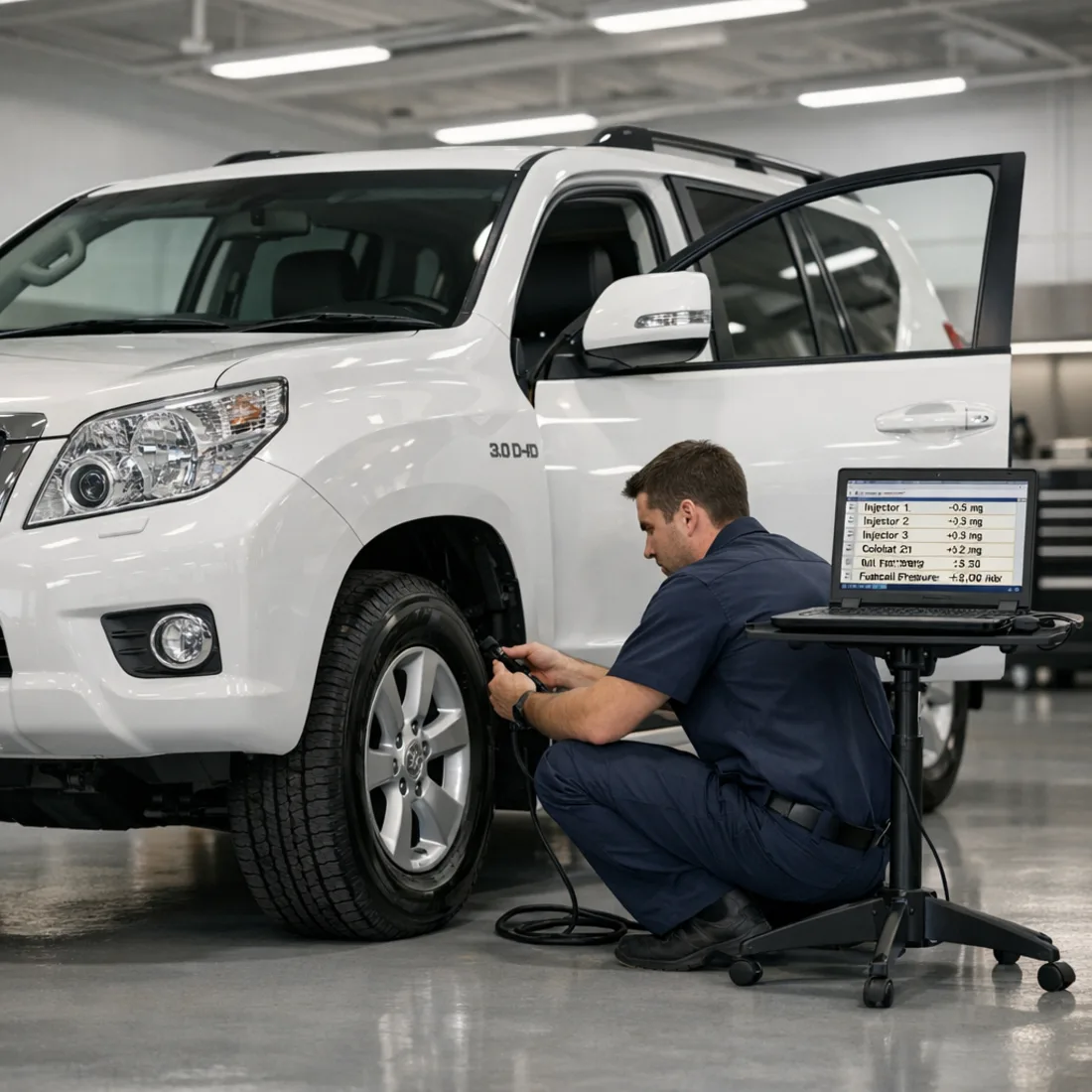
Injectors are the headline issue. Common rail injection at this pressure level is sensitive to fuel quality and service intervals, and worn or leaking injectors on the 1KD FTV show up as rough idle, hard cold starts and fuel consumption that creeps upward. We read injector correction data through Toyota Techstream rather than a generic scanner so we can see exactly how far each injector has drifted before deciding whether to clean, recondition or replace.
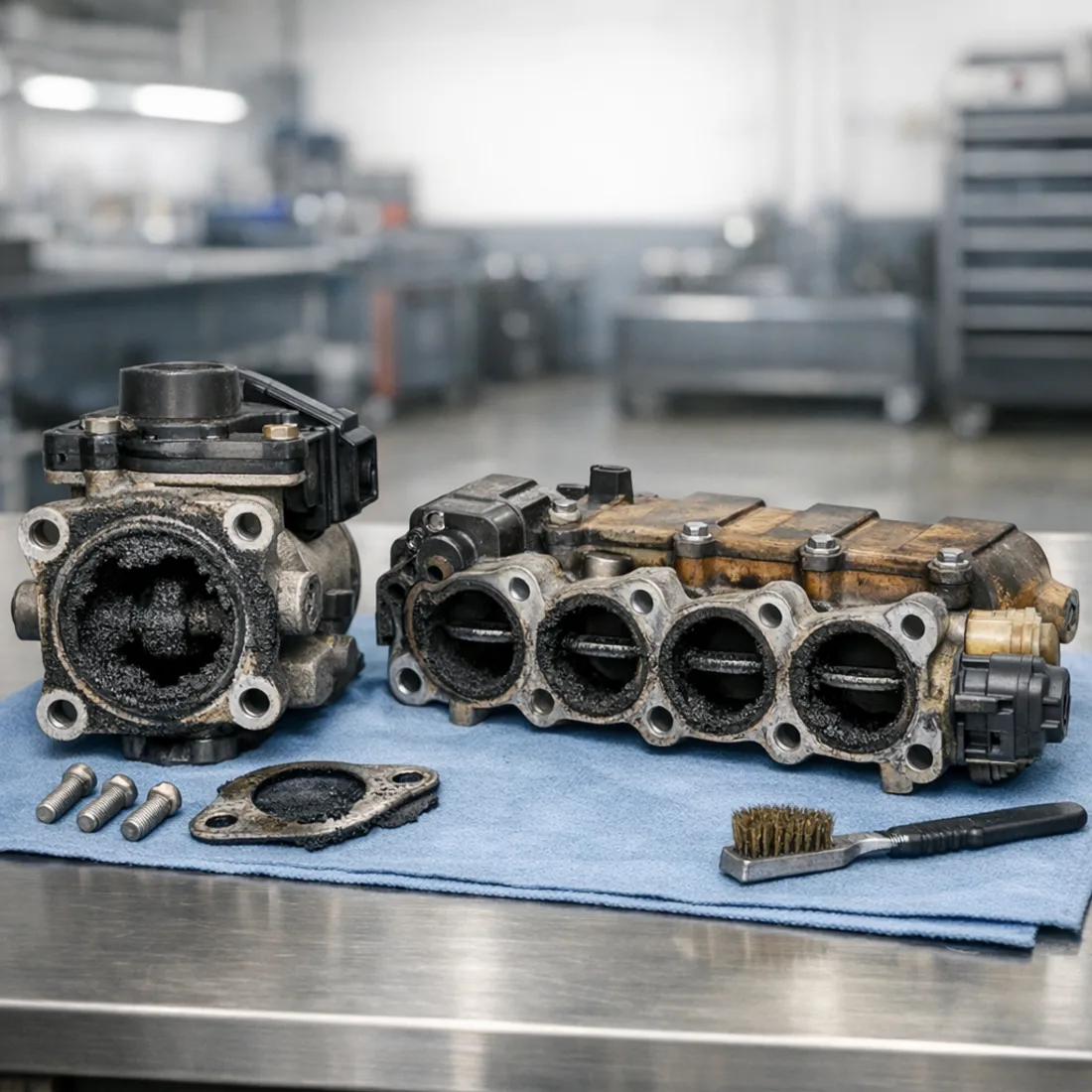
The EGR and swirl flap carbon fouling is almost universal on older 1KD FTVs. Soot accumulates over time and eventually affects throttle response and economy noticeably. Cleaning is usually the first step, and it makes a real difference. The DPF issue is essentially a use case problem: diesel particulate filters need heat to regenerate, and a truck doing school runs never gets there. We handle DPF diagnosis and cleaning, and we use live after treatment data to assess the system properly before recommending any course of action.
Head cracking is less common but serious enough to flag. If you are buying a used 1KD FTV with an unknown history, a proper coolant check and pressure test is cheap insurance. Any sign of combustion gases in the coolant is a conversation stopper.
-
Injector wear and fuel delivery faults, especially on high mileage examples
-
Carbon build up on intake ports, EGR valve and swirl flaps restricting airflow
-
DPF clogging on vehicles used mainly for short urban trips
-
Head cracking on engines that have run hot or been overheated
Put it behind a full size Land Cruiser with a trailer on the tow ball and it earns its keep quickly.
Years of heavy use have taught us exactly where these engines fail.
Stage 1 tuning on the 1KD FTV takes the engine to 225 hp and 510 Nm, gains of 35 hp and 90 Nm over stock. For a towing vehicle that spends time on New Zealand's hill country roads, that extra torque at the bottom of the rev range is genuinely useful rather than just a bragging rights number. See our tuning services page for full details.
Get your Land Cruiser booked in with a proper specialist.
Toyota Land Cruiser 4.0 V6: The Naturally Aspirated Middle Chapter
The 4.0 V6 1GR FE is a different animal entirely. It is a 3956 cc naturally aspirated petrol unit, 94.0 by 95.0 mm bore and stroke, 10.4:1 compression, and a Denso ECU. Factory output is 280 hp and 360 Nm. Where the 1KD FTV diesel is all about low end grunt, the 1GR FE breathes more freely and pulls through the rev range in a way that diesel drivers sometimes find surprising the first time they drive one. It is not exotic, but it is genuinely capable and has proven durable in service when maintained correctly.
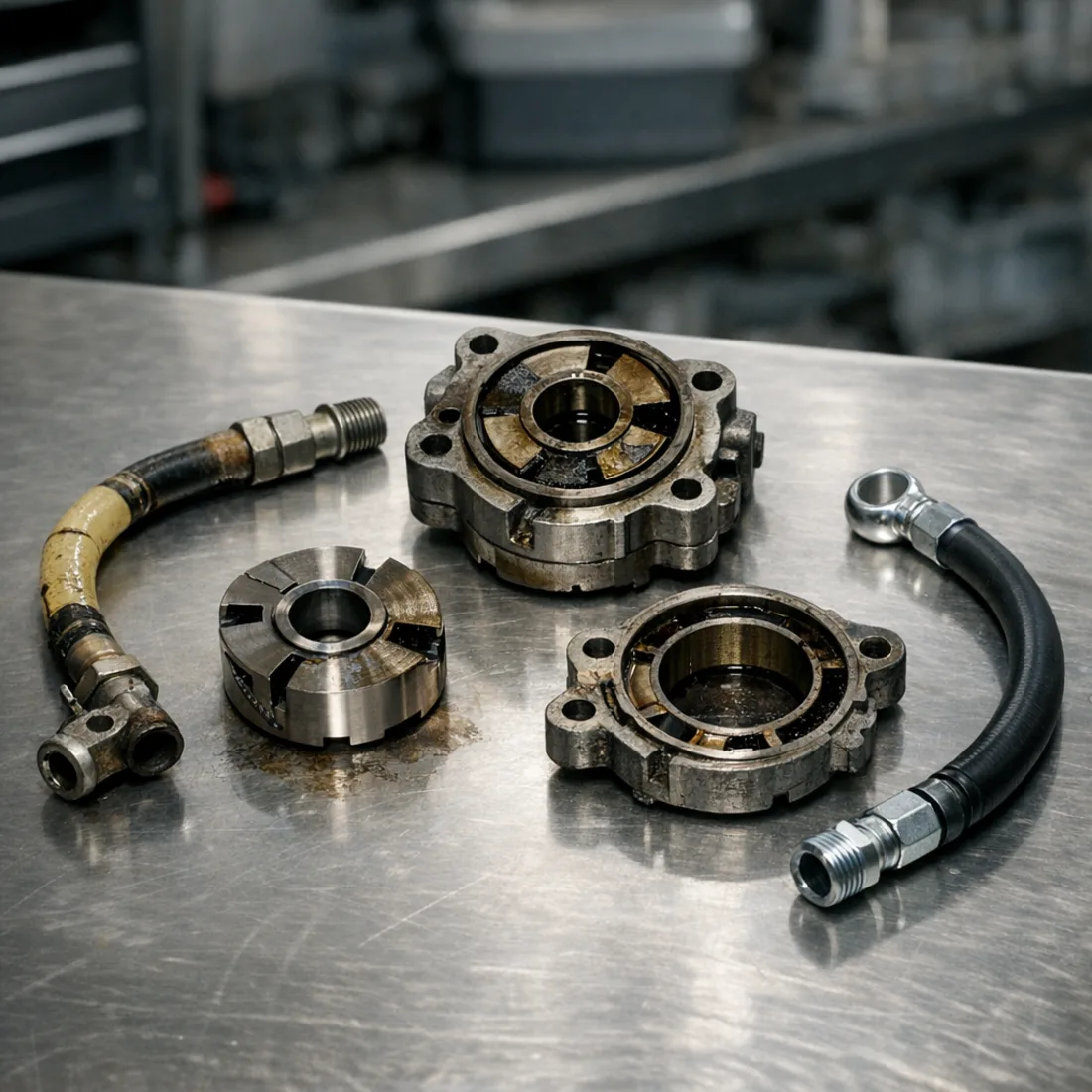
The headline fault on early 1GR FE engines is the VVT i oil line. The original design used a metal to plastic line that cracks and leaks, and an oil leak near the variable valve timing system is exactly the wrong place to have one. The rubber replacement line is the recognised fix, and if you are buying one of these used it is worth checking whether that work has already been done. A leaking VVT i oil line can cause cam phaser noise and rattles at cold start that get owners worried unnecessarily; once the line is replaced properly the issue usually resolves.
Carbon fouling on the intake side is a slower building problem than on the diesel, but it does appear on high mileage examples. Cam sensor and knock sensor faults can trigger rough running and stored codes. These are straightforward to diagnose with Techstream live data, and they are not expensive repairs once properly identified. The cooling system components, water pump, radiator and thermostat, are simply age and mileage wear items on any vehicle doing the kilometres Land Cruisers typically accumulate.
Compared to the 1KD FTV diesel, the 1GR FE is simpler mechanically in the emissions sense: no DPF, no swirl flaps, no glow plug system. That means fewer emissions related failure points, though it also means higher fuel consumption in everyday use. For buyers doing serious towing in hilly terrain, the diesel wins on torque and economy. For buyers who want a proven, less complex drivetrain that is easier to live with, the petrol V6 makes a solid case.
-
VVT i oil line failure on earlier examples, causing oil leaks near the cam phasers
-
Carbon build up and cam or knock sensor faults at higher mileage
-
Water pump, radiator and thermostat wear as the vehicle ages
-
Timing chain guide wear where a rattle at cold start is present
The 1GR FE breathes more freely and pulls through the rev range in a way that diesel drivers sometimes find surprising.
No DPF, no swirl flaps, no glow plug system: fewer emissions related failure points.
Stage 1 tuning on the 1GR FE moves the figures to 320 hp and 420 Nm, gains of 40 hp and 60 Nm. On a naturally aspirated engine those are meaningful numbers and they improve highway cruising and overtaking noticeably without changing the engine's fundamental character.
Toyota Land Cruiser 300 Series 3.3 D-4D V6: The Sophisticated New Chapter
The 300 Series arrives with the F33A FTV twin turbo V6 diesel producing 309 hp. It is a high pressure common rail engine with a level of sophistication that makes both earlier Land Cruisers look almost old fashioned. Long term fault data is still building, because these vehicles are relatively new and many examples have not yet accumulated the mileage where recurring issues become obvious patterns. What we do know is that the systems to watch are familiar diesel territory: the DPF, the EGR and the twin turbo setup.
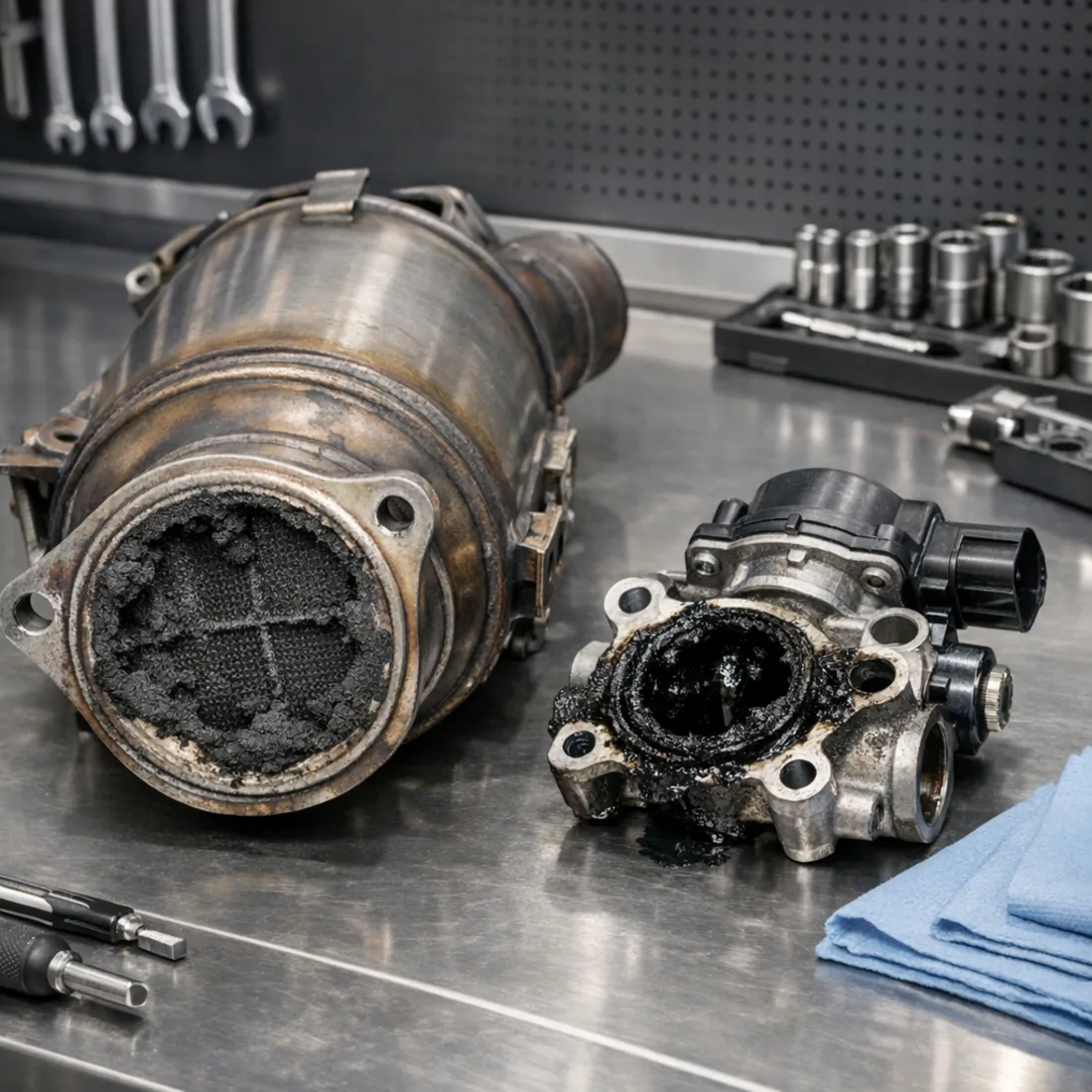
Short trip use and low speed towing are the enemy of the DPF on any diesel, and the 300 Series is no different. Incomplete regeneration cycles allow soot to accumulate, and if that continues long enough the filter needs active intervention rather than a motorway run. We read live after treatment data through Toyota Techstream to assess where the DPF actually stands rather than guessing from a dashboard light.
Fuel quality matters more here than it did on the 1KD FTV. The injection pressures are higher, the tolerances tighter, and contaminated or watery diesel from a remote pump is a real risk for anyone using these vehicles the way Land Cruiser owners typically do. Carrying spare clean diesel in an appropriate container is straightforward insurance. On the mechanical side, the twin turbo setup and timing chain should be on the watch list as these vehicles age, but at this stage those are preventive checks rather than known failure points.
Compared to the 1KD FTV, the F33A FTV is a more powerful and more complex engine. It fixes the injector frailty and head integrity issues that plagued the older diesel at high mileage, but it introduces its own electronics and emissions architecture. Compared to the 1GR FE petrol, it is everything the V6 was not: turbocharged, diesel, and loaded with after treatment systems. The payoff is strong torque, better fuel consumption at highway speeds, and genuine capability that matches its premium price tag.
-
DPF soot loading from short trip use or incomplete regeneration cycles
-
EGR system fouling in stop start or urban heavy driving patterns
-
Fuel quality sensitivity in the high pressure common rail injection system
-
Twin turbo system monitoring, particularly on vehicles used for remote or hard towing work
The payoff is strong torque, better fuel consumption at highway speeds, and genuine capability that matches its premium price tag.
The systems to watch are familiar diesel territory: the DPF, the EGR and the twin turbo setup.
Stage 1 tuning is available on the F33A FTV for owners who want sharper throttle response and additional torque for towing, particularly useful for anyone pulling a boat or horse float regularly on New Zealand's grades. We assess each vehicle individually before recommending a tune. See our tuning services page for what is possible.
Picking Between Them: Buying Advice Across the Generations
If you are shopping the used market and have not yet committed to one of these, here is the honest comparison.
The 1KD FTV 3.0 D-4D is the sweet spot for value if you find one with a documented service history and no evidence of overheating. Prices are accessible, parts availability is good, and a well maintained example will cover serious kilometres yet. The injectors and EGR are the things to check before you hand over money. A proper pre purchase diagnostic on Techstream is cheap relative to the repair bill if those systems are already struggling.
The 1GR FE 4.0 V6 petrol suits buyers who want simplicity. No DPF to worry about, no swirl flaps, no glow plugs. The VVT i oil line is the one specific thing to verify has been dealt with. Running costs are higher in fuel, but the ownership experience is less fussy. If you are doing mainly highway kilometres and not towing heavy, the petrol makes good sense.
The 300 Series F33A FTV is the choice if you want the current best. It is a genuinely excellent machine and it justifies the price when used properly. If you are buying new or near new, keep up with servicing intervals, use the correct oil grade, and do not let DPF regeneration cycles get interrupted habitually. The sophistication works in your favour when the maintenance is right.
- On the 1KD FTV, request Techstream injector correction data before purchase; drifting injectors mean a repair bill is coming
- Check the 1KD FTV coolant for combustion gases with a pressure test; head cracking on overheated examples is a conversation stopper
- On the 1GR FE, confirm the VVT i oil line has been replaced with the rubber upgrade version
- On the 300 Series, ask for the service history and confirm correct low SAPS oil grade has been used throughout
- On any diesel Land Cruiser, establish whether the vehicle has been used mainly for short trips; DPF health depends on it
- All three generations benefit from a pre purchase Techstream diagnostic with a genuine interface, not a generic code reader
Servicing the Land Cruiser Family in Penrose
Across all three generations the service fundamentals are the same: correct grade oil and filter on schedule, air filter, fuel filter and water separator, cabin filter, drive belts and glow plugs (on the diesels), and a genuine look at brake pads, rotors and suspension at every visit. These are heavy vehicles and they work hard, so wear rates on brake and suspension components are higher than on a typical passenger car. We supply and fit brand new genuine and OEM specification parts only.
Oil grade matters more on the 300 Series than on either of its predecessors. The F33A FTV specifies a low SAPS diesel grade to protect the DPF, and fitting the wrong oil accelerates ash loading in the filter. On the 1KD FTV we use the correct specification for that engine's seals and injection system. On the 1GR FE petrol we match the grade to what Toyota specifies for the compression ratio and VVT i system.
For anything involving the transfer case, gearbox or driveline on any of these generations, see our gearbox and TCU repairs page. Land Cruisers accumulate towing kilometres and the gearbox and transfer case carry the load. Fluid changes on schedule and a proper inspection if anything feels off are the right approach.
Brake work across the family is covered on our brake repairs page. On a vehicle this heavy with these towing capacities, worn pads and glazed rotors are not just a convenience issue.
How We Diagnose Land Cruisers: Techstream, Not Guesswork
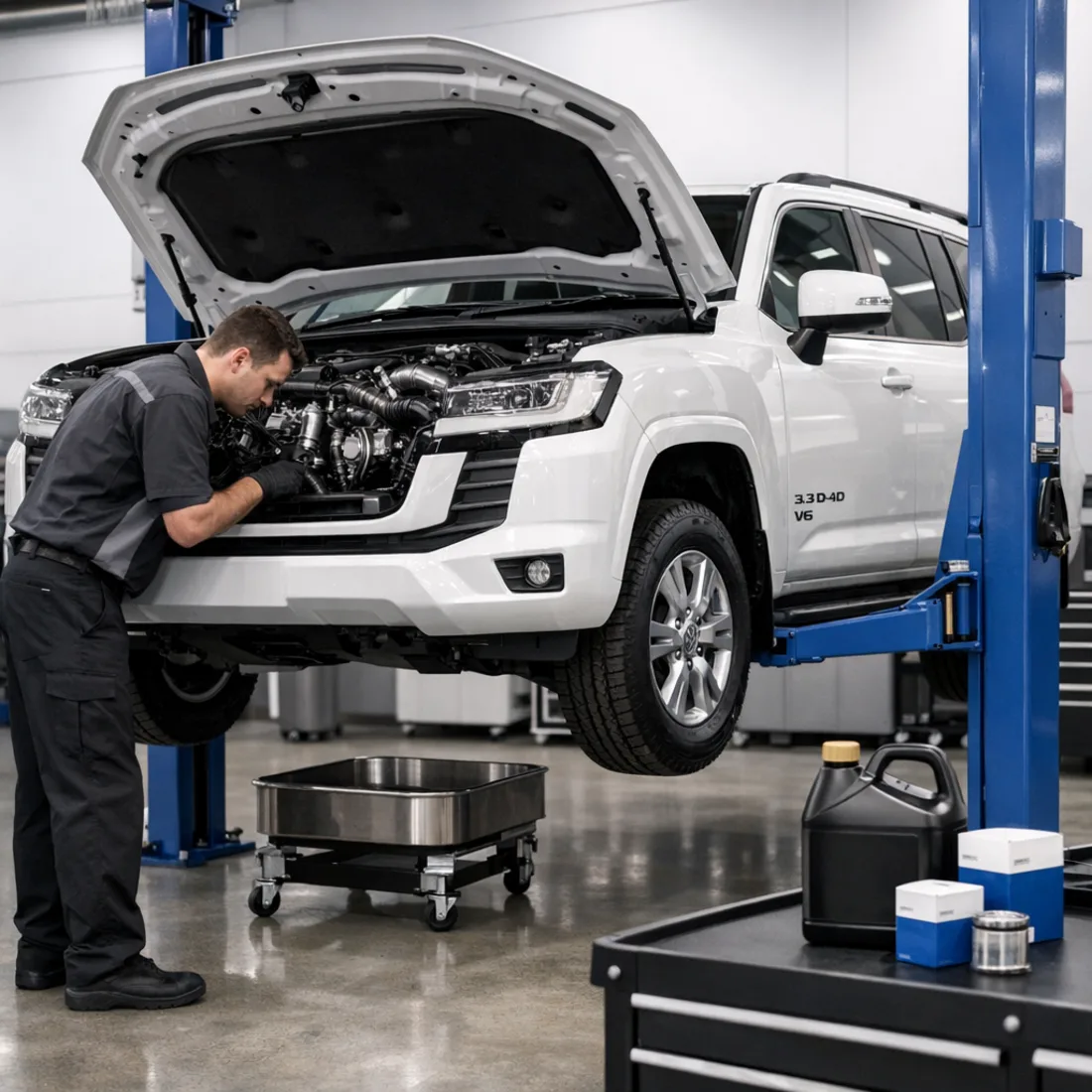
All three generations are diagnosed using Toyota Techstream with a genuine interface. Generic code readers pull basic fault codes but they miss the detail that actually matters on these vehicles: live injector correction data on the 1KD FTV, VVT i timing values on the 1GR FE, DPF soot load and regeneration status on the 300 Series. The difference between a generic scanner and Techstream on a diesel Land Cruiser is often the difference between a clear diagnosis and an expensive parts lottery.
On the 1KD FTV we pay close attention to injector balance rates. An injector that is correcting significantly outside the normal range is telling you something before it causes a drivability problem you can feel. Catching it early means the repair is a recondition or replacement of that injector, rather than a wider fuel system job.
On the 300 Series the after treatment data from Techstream tells us exactly where the DPF and EGR systems stand. Soot load percentage, regeneration history, EGR valve position and temperature sensor values all feed into a proper diagnosis. We do not guess at DPF cleaning or EGR work. The data drives the recommendation.
Tuning the Land Cruiser: What Each Generation Offers
All three engines respond to tuning, and the character of the gains differs by generation.
The 1KD FTV diesel Stage 1 tune moves output from 190 hp and 420 Nm to 225 hp and 510 Nm. That 90 Nm torque gain is the number that matters for towing, and it arrives lower in the rev range where a loaded trailer demands it on a New Zealand hill. It is the most practically useful tune of the three in everyday working vehicle terms. Related options include EGR OFF, DPF OFF, DTC Removal, FLAPS, Vmax and Adblue.
The 1GR FE petrol Stage 1 tune takes the engine from 280 hp and 360 Nm to 320 hp and 420 Nm, a 40 hp and 60 Nm improvement. On a naturally aspirated engine those are real numbers, and the improvement in throttle response and highway cruising is tangible. There is no boost pressure to manage, so the tune is about optimising ignition timing and fuelling maps within the engine's safe operating limits. Related options include DTC Removal, DECAT and Vmax.
The F33A FTV 300 Series tune improves throttle response and torque delivery, which for a twin turbocharged diesel with 309 hp from stock is genuinely rewarding. Owners who tow frequently or want sharper response in off road terrain find it worthwhile. We discuss options and expectations before committing to any tune.
For full details on what is possible across our tuning range, see our tuning services page.
Frequently Asked Questions
The questions we get most. Something else on your mind? Get in touch.