Toyota RAV4 2.0 VVT i: Honest Servicing, Real Diagnostics and a Bit More Power in Auckland
The RAV4 is one of those vehicles that earns its place without making a fuss about it. It hauls the family to the Coromandel, survives school run traffic in Remuera, and asks for very little in return, which is exactly why owners sometimes forget it needs attention at all. But even the most dependable daily driver has its weak spots, and the 2016 onwards 3ZR FAE petrol is no exception. Get ahead of the known issues and this thing will run for years. Leave them to fester and you will be looking at a repair bill that stings.

What You Are Actually Working With Under the Bonnet
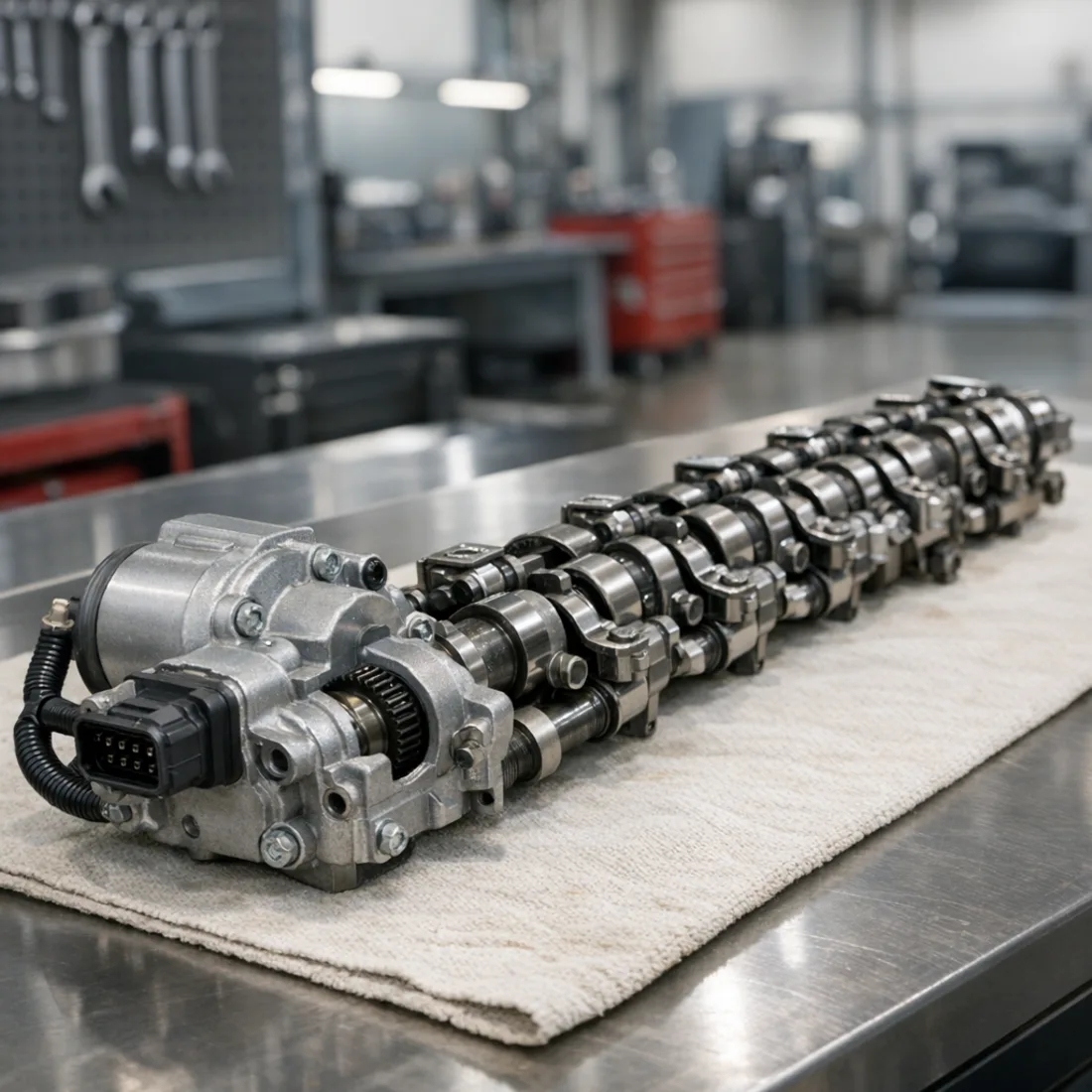
The 2016 onwards RAV4 in New Zealand came with the 2.0 litre 3ZR FAE petrol, a 1987cc four cylinder producing 152hp and 195Nm in standard form. It has an 80.5mm bore and a 97.6mm stroke, a 10.0:1 compression ratio, and Toyota's Valvematic system layered on top of the usual VVT i variable valve timing setup. Valvematic gives the engine a broader, more efficient power curve by continuously varying intake valve lift, not just timing. It is clever engineering and, in normal operation, genuinely effective. The problem is that the system adds mechanical complexity, and complexity has a way of introducing its own failure modes over time.
The good news is that the 3ZR FAE uses a timing chain rather than a belt, so there is no looming belt replacement interval to budget for. The less good news is that chains are not immortal either, and a stretched or rattling chain on a higher mileage unit is a warning you do not want to ignore.
-
Valvematic actuator wear causing rough idle, flat initial acceleration or an amber engine warning light
-
Carbon build up on the intake side leading to hesitation, rough cold starts and reduced throttle response on higher mileage vehicles
-
Gradual oil consumption increase as the engine ages; letting the level drop too far before a service interval is where real damage begins
-
Timing chain rattle and stretch on higher mileage units, worth monitoring even though there is no belt replacement interval
-
Water pump seal weeping and thermostat sticking open on older examples, hurting fuel economy, increasing wear and reducing heater output
A generic scan tool gives you a fault code number. Techstream tells you whether the actuator is responding correctly, whether the position sensor is drifting, and whether the fault is electrical or mechanical.
Those are very different repair paths and very different costs.
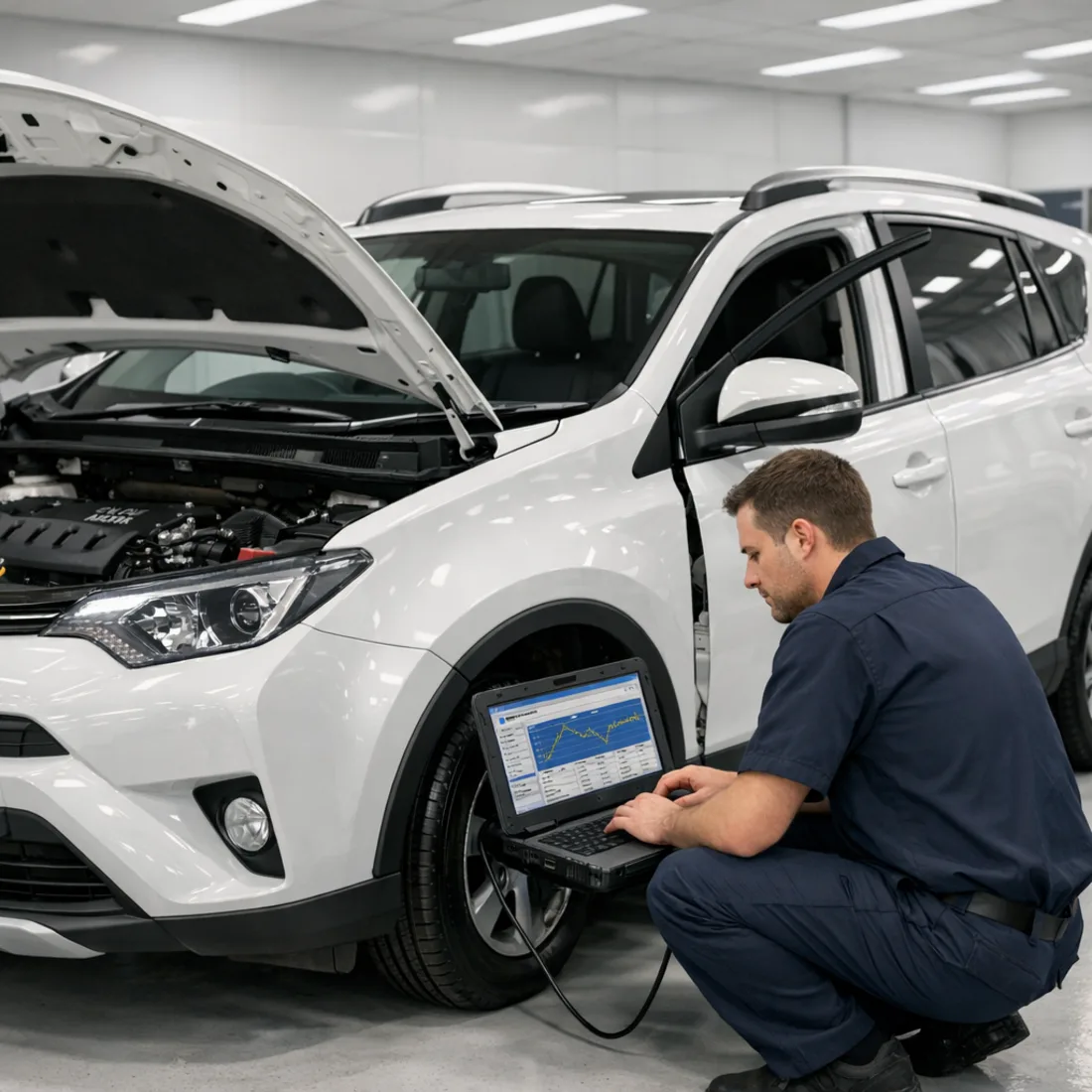
We use Toyota Techstream to diagnose RAV4s, the same platform Toyota dealers use. That distinction matters enormously on a car like this. Techstream lets us read live data from the Valvematic actuator in real time, so we can see exactly what valve lift the system is commanding versus what it is actually delivering. The same applies to engine management faults, coolant temperature data, and fuel trim readings that help identify whether a rough idle is a Valvematic problem, a carbon issue, a failing coolant thermostat, or something else entirely. Getting that right the first time saves you money and saves us both time.
On older and higher mileage examples, the water pump and thermostat are worth a proper look. A thermostat that is stuck open keeps the engine running cooler than it should, which hurts fuel economy, increases wear, and on a cold Auckland morning makes the heater feel like it is working on good intentions rather than actual heat. The water pump is a gradual wear item, and catching a weeping seal before it becomes a proper coolant leak is exactly the kind of preventive work that keeps a RAV4 on the road rather than in the workshop for a week.
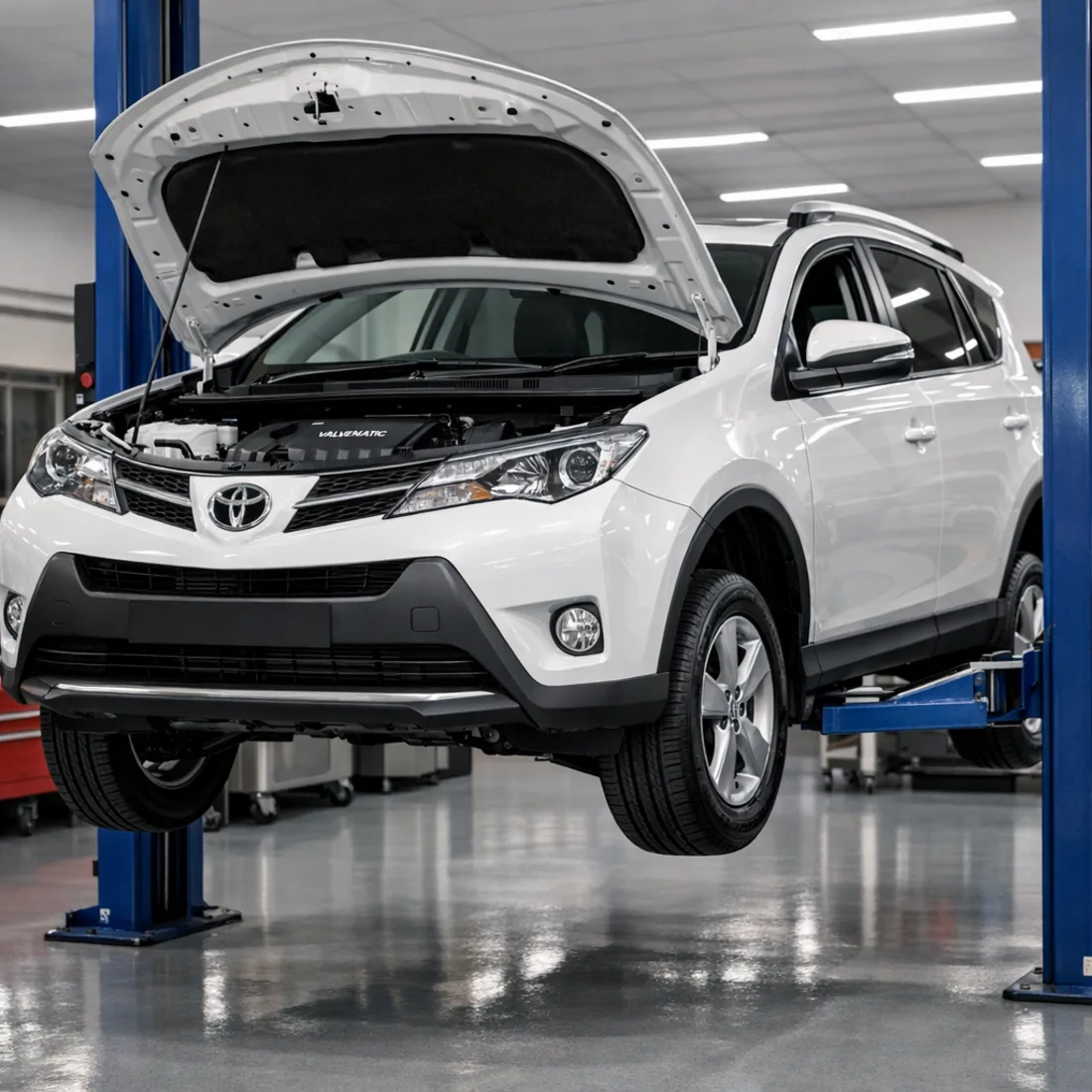
Get your RAV4 booked in with a proper specialist.
Routine Servicing This RAV4 Actually Needs
The foundation is the oil and filter change, and the grade matters here. The 3ZR FAE calls for a low viscosity full synthetic oil that meets or exceeds the factory specification. Running a heavier grade might feel like a conservative choice but it works against the Valvematic system's hydraulic operation and can contribute to the carbon build up issues mentioned above. We use the correct spec, every time. Our scheduled car servicing covers all of this as part of a proper service, not just a quick drain and fill.
A full RAV4 service covers air filter inspection and replacement, cabin filter replacement, spark plugs at the correct interval (worn plugs compound the rough idle symptoms that can otherwise be misread as a Valvematic fault), drive belt inspection for cracking and tension, timing chain condition check on higher mileage units, coolant service, thermostat and water pump inspection, and wiper blade replacement.
Brake repairs are another regular job on RAV4s, particularly on vehicles used in urban stop and go driving. We see worn front pads long before rears on these, and scored rotors are common when pads have been left too long. Our team handles full pad and rotor replacement, caliper inspection, and brake fluid renewal. Suspension bushes and control arms also show wear on higher mileage examples, particularly the front lower arms, and we check these as part of a thorough service inspection. We fit genuine, brand new OEM and OEM grade parts as standard. No compromises on components because the RAV4 is supposed to be the reliable one in your driveway, and we intend to keep it that way.
Diagnosing It Properly: Toyota Techstream Is the Difference
We use Toyota Techstream to diagnose RAV4s, the same platform Toyota dealers use. Techstream lets us read live data from the Valvematic actuator in real time, so we can see exactly what valve lift the system is commanding versus what it is actually delivering. A generic scan tool will give you a fault code number. Techstream tells you whether the actuator is responding correctly, whether the position sensor is drifting, and whether the fault is electrical or mechanical. Those are very different repair paths and very different costs.
The same applies to engine management faults, coolant temperature data, and fuel trim readings that help identify whether a rough idle is a Valvematic problem, a carbon issue, a failing coolant thermostat, or something else entirely. Getting that right the first time saves you money and saves us both time. Whether you need a routine service, a proper diagnosis of that amber light, or you want to find out what a Stage 1 tune actually feels like on the motorway on ramp, book online or give us a call. You will find us at Unit 26, 930 Great South Road, Penrose, Auckland 1061.
Stage 1 Tuning: 152hp Becomes 167hp
The 3ZR FAE is a conservative tune from the factory. Toyota built it for economy, longevity, and emissions compliance across a wide range of markets, which means there is genuine headroom in the ECU mapping that never gets used in standard form. Our Stage 1 tune for this engine lifts output to 167hp and 221Nm, a gain of 15hp and 26Nm over stock figures. In a car that weighs what a RAV4 weighs, that difference is genuinely felt in real world driving, particularly in the mid range where overtaking confidence lives.
The tune works with your existing hardware and does not require hardware changes to achieve those numbers. It is a calibration of the fuel, ignition, and throttle maps to get the engine working closer to what it is actually capable of rather than what the factory needed it to be. We also offer DTC removal and Vmax adjustment where applicable. One note on emissions systems: if you are ever considering any changes to the catalytic or exhaust system, our team will walk you through what is and is not compliant for road use in New Zealand. Any full decat work is strictly for off road or track use and would affect WOF compliance. We are straight about that upfront.
For full details on what the tune involves and what you can expect, our power gains page has the breakdown.