Toyota Highlander 2.0 Turbo Servicing & Repairs in Penrose
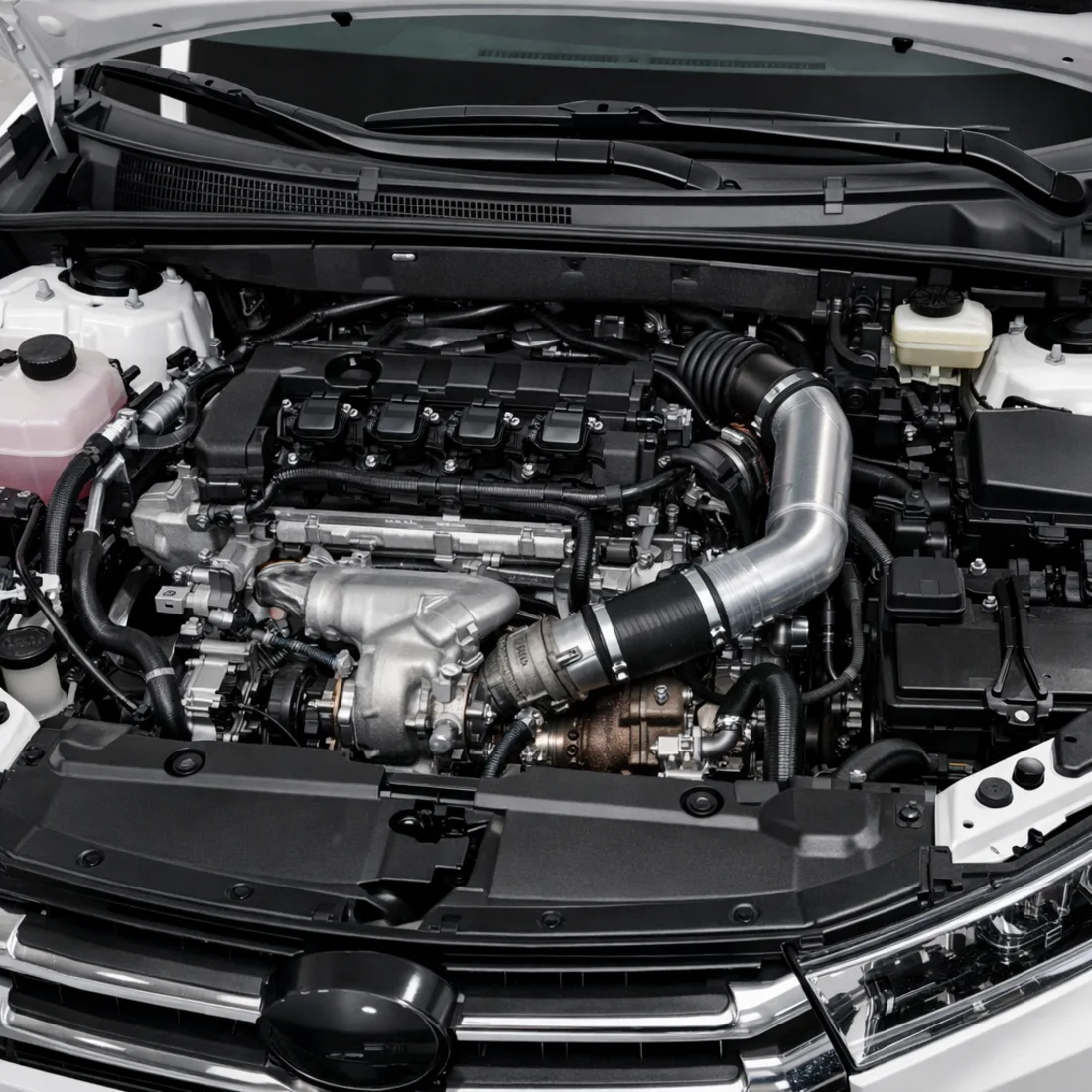
The Toyota Highlander arrives wearing that familiar badge of bulletproof reliability, and for the most part it earns it. But underneath the composed SUV exterior lives the 8AR FTS, a 2.0 litre turbocharged direct injection petrol engine with a few quirks that show themselves once the kilometres stack up. Think of it like a well built road: mostly smooth, but there are a couple of spots where the surface lifts if you don't stay on top of maintenance. We know exactly where those spots are, and we know how to fix them before they become expensive.

The 8AR FTS Engine: What You're Actually Working With
The 8AR FTS is a square engine in the truest sense: 86 mm bore, 86 mm stroke, 1998 cc displacement, running a 10.0:1 compression ratio with direct injection and a turbocharger bolted on top. Toyota rates it at 220 hp and 350 Nm, which is a respectable number for a family SUV of this size and weight. The engine management is handled by a Denso 76F00XX ECU, the same family of Denso hardware that Toyota leans on across a range of its modern petrol units. It is generally a smooth, responsive powertrain, but the direct injection architecture introduces a specific maintenance reality that owners need to understand early rather than late.
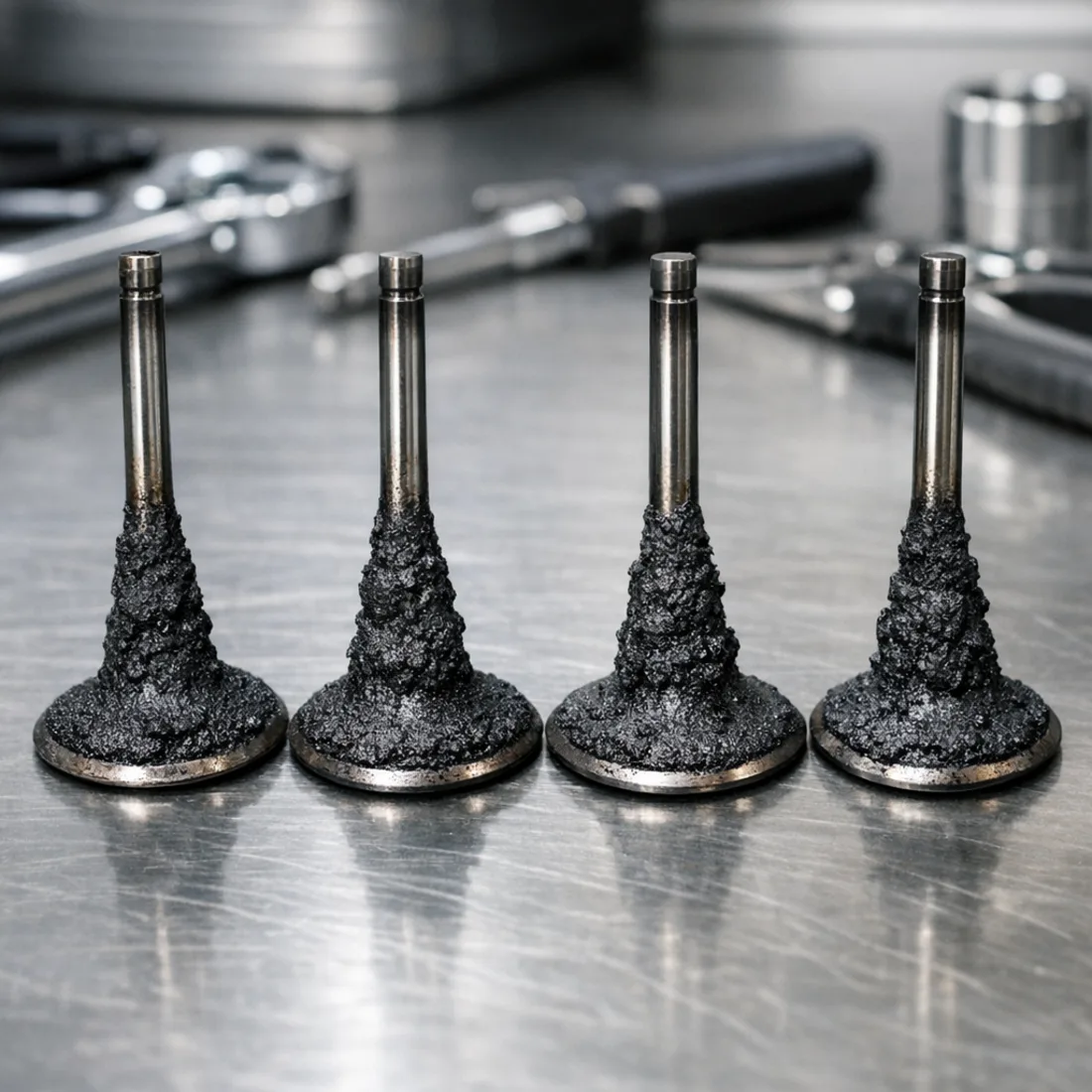
In a port injected engine, fuel sprays past the intake valves on every cycle, effectively washing them clean. Direct injection skips that entirely, so over time engine oil vapour from the PCV system bakes onto the back of the intake valves and builds up as hard carbon deposits. On the 8AR FTS this shows up as rough cold starts, a slight misfire under light throttle, and a general loss of crispness that creeps in so gradually you almost don't notice until it's pronounced. An intake valve clean, either by walnut blasting or approved chemical method, restores the original airflow and brings back the smooth response. If your Highlander hesitates on a cold morning and idles a little rough until it warms up, that is very likely what is happening.
-
Carbon build up on intake valves: rough cold starts, misfire under light throttle and a gradual loss of crispness caused by the direct injection architecture and PCV oil vapour.
-
PCV system deterioration accelerates carbon build up and can cause excessive crankcase pressure on higher mileage units.
-
Water pump seal weep is easy to miss until coolant loss becomes noticeable; worth inspecting on higher mileage vehicles.
-
Turbo plumbing leaks: intercooler pipework, hose clamps and boost connections can develop small leaks that rob power and occasionally trigger boost related fault codes.
-
Coil pack and spark plug wear: the 8AR FTS is particularly sensitive to plug condition due to higher cylinder pressures; a marginal plug can cause a genuine misfire code, and a weak coil stresses the ignition driver in the ECU.
Using the correct low viscosity full synthetic oil is not optional on this engine.
It is the single most important thing you can do to keep the turbo healthy for the long term.
Carbon on the intake valves is the headline, but it is not the only thing worth watching. The PCV system itself can deteriorate, which accelerates the carbon problem and can cause excessive crankcase pressure. The water pump is worth inspecting on higher mileage vehicles because a slow weep from the pump seal is easy to miss until coolant loss becomes noticeable. Turbo plumbing, meaning the intercooler pipework, hose clamps and boost connections, can develop small leaks that rob power and occasionally trigger boost related fault codes without an obvious driveability complaint at first.
Coil packs and spark plugs are straightforward wear items on any turbocharged petrol, but the 8AR FTS is particularly sensitive to plug condition because of the higher cylinder pressures involved. A marginal plug that would just run rough in a naturally aspirated engine can cause a genuine misfire code here, and running on a weak coil pack for too long stresses the ignition driver in the ECU. Replace plugs at the correct interval and check coil condition at the same time. It is simple preventive work that saves a bigger bill later. The Highlander is a heavier vehicle, and the cooling system works harder for it. Coolant condition, thermostat function, and the water pump seal should all be checked as part of any thorough scheduled service. The turbocharger itself is generally robust on this engine, but oil quality matters enormously for turbo longevity: a too long oil change interval or the wrong viscosity grade accelerates wear on the turbo shaft bearings.
Get your Highlander booked in with a proper specialist.
Servicing the Highlander 2.0 Turbo the Right Way
A thorough scheduled service on the Highlander starts with an oil and filter change using a full synthetic oil in the low viscosity grade this engine specifies. Do not be tempted by a heavier conventional oil just because it is cheaper: the 8AR FTS is designed around a low viscosity oil for cold start protection and turbo lubrication, and the wrong grade shortens bearing life quietly over time. Air filter, cabin filter, wiper blades and drive belt inspection are all part of a complete service. Spark plugs need attention at the right interval on a turbocharged direct injection petrol, and we carry out intake valve cleaning where carbon build up has been confirmed.
Brake pads and rotors wear faster on a heavier SUV than on a lighter hatchback, so brake inspection and repair is a genuine priority here rather than a box ticking exercise. Our team measures rotor thickness, checks caliper slide pins, and gives you a straight answer on when you need to act. Suspension bushes, wheel bearings, and the various sensors on the running gear are also checked and replaced as needed, because on a vehicle of this weight those components carry a real load every day.
Service checklist: oil and filter change with the correct low viscosity full synthetic grade; air filter replacement; cabin filter replacement; spark plug inspection and replacement at the correct interval; intake valve carbon inspection and clean where needed; drive belt condition check; cooling system condition and water pump inspection; turbo plumbing and boost connections check; PCV system inspection; brake pad and rotor measurement and replacement; caliper slide pin condition check; suspension component and wheel bearing inspection; wiper blade replacement.
How We Diagnose the 8AR FTS Properly
Generic code readers pull stored fault codes, but they miss half the story on a modern Toyota. We use Toyota Techstream on the correct interface to connect to the Highlander's Denso ECU the way the factory intended. That means live data streams for boost pressure, fuel trim short and long term, ignition timing corrections, throttle adaptation values and coolant temperature sensor accuracy, all read in real time while the engine is actually running. A fault code pointing at a random misfire on cylinder two tells you something is wrong; Techstream live data tells you whether it is a coil, a plug, a fuel delivery issue, or compression related. That distinction determines whether the fix costs $80 or $800, so getting it right the first time matters.
One area where dealership level tools earn their keep is adaptation and learned value data. After a carbon clean or a sensor replacement, the ECU adaptations sometimes need resetting so the engine can relearn its base fuelling and idle parameters cleanly. Without the right tool, you can do the physical work correctly and still have the car running slightly off because the old learned corrections are fighting the fresh parts. Techstream handles that properly, and it also lets us verify that the repair actually fixed the underlying issue rather than just clearing the light. All work is carried out using genuine and brand new OEM or OEM grade parts as standard. We do not fit second hand or reconditioned components.

Stage 1 Tuning for the 8AR FTS
The 8AR FTS leaves the factory producing 220 hp and 350 Nm, but the Denso ECU has headroom that Toyota left on the table for regional market reasons and production tolerances. A Stage 1 tune on this engine brings output to 250 hp and 400 Nm, which is a gain of 30 hp and 50 Nm on an engine that already handles well in this SUV. In real driving terms that translates to noticeably stronger mid range response when merging or overtaking, without changing anything physical on the engine. The tune is written to the Denso ECU safely and the factory safety parameters are respected throughout.
Written to the Denso 76F00XX ECU via the correct interface. Fuel trim and ignition timing are optimised for the 8AR FTS. DTC removal is available where applicable. A pre tune health check is recommended to confirm engine condition before any work is committed.
If you have questions about what the tuning process involves or whether your Highlander is a good candidate, our team can advise you before any work is committed. A good tune on a tired engine is a waste of money, so we assess the car first. Have a look at our power gains and tuning options for more detail, or talk to us about general mechanical repairs for anything that comes up during the assessment.
Frequently Asked Questions
The questions we get most. Something else on your mind? Get in touch.