Toyota GT86 Across Both Generations: FA20 2.0i and FA24 2.4i
The GT86 is one of the purest driver's cars Toyota has ever built, a lightweight, rear driven flat four that rewards commitment and punishes neglect. The first generation arrived with the FA20 buzzing at high revs and a devoted following, then the second generation landed with the FA24 and fixed the one complaint everyone had. If you own either version, or you're shopping between them, this is the full story from a workshop that's had plenty of both on the hoist.
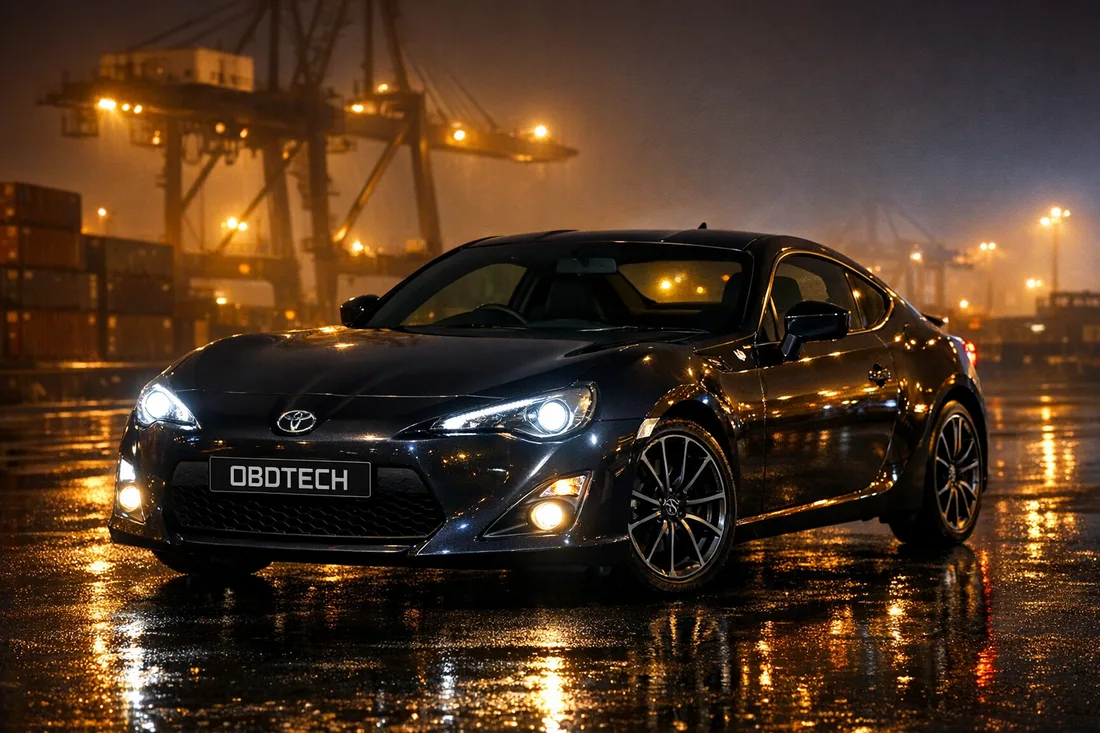
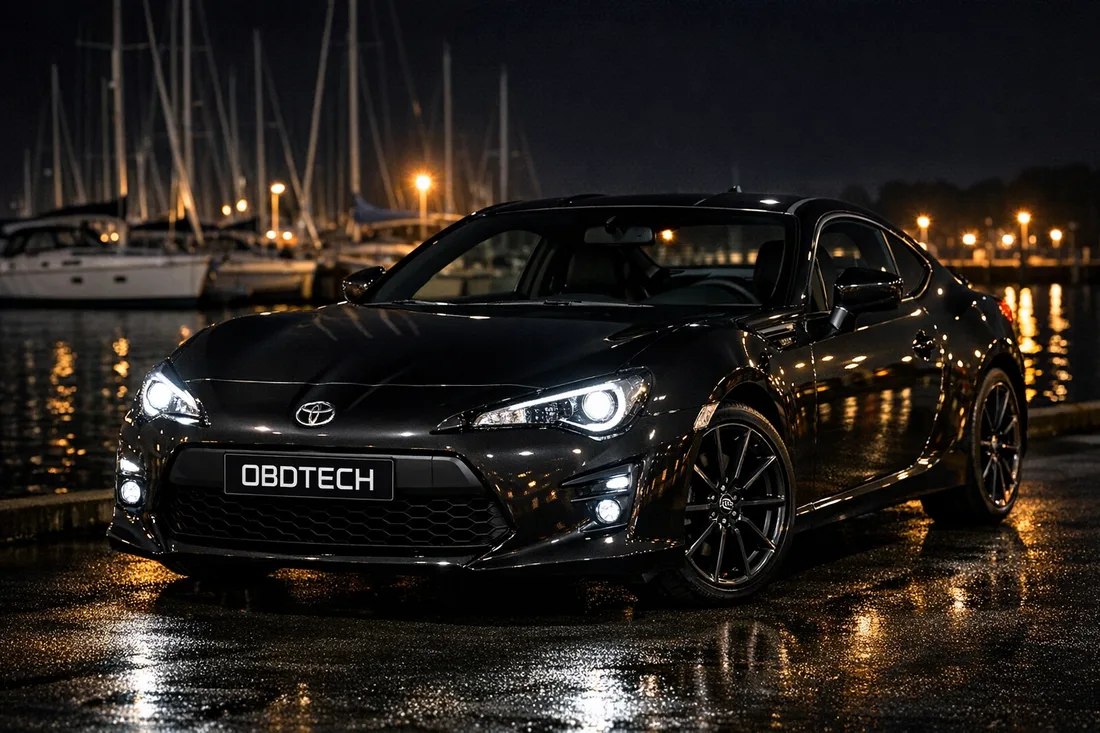
GT86 2.0i: The Car That Started It All
Toyota developed the 2.0 litre FA20 flat four jointly with Subaru, and if you've ever driven a first generation BRZ you'll know this engine well. In the GT86 it produces 205 hp and 205 Nm, with a compression ratio of 12.5:1 and a square bore and stroke of 86 mm x 86 mm. The ECU is a Denso SH72531. It's a willing, high revving engine that rewards those who use the full rev range, but it has a few specific traits that matter when it comes to ownership.
The torque curve was the most talked about characteristic of the FA20 era. There's a noticeable dip in the mid range, roughly between 3,000 and 4,500 rpm, that caught a lot of new owners by surprise. It's not a fault exactly, it's a product of how the direct and port injection systems work together, but it's something Toyota genuinely addressed when the second generation arrived.
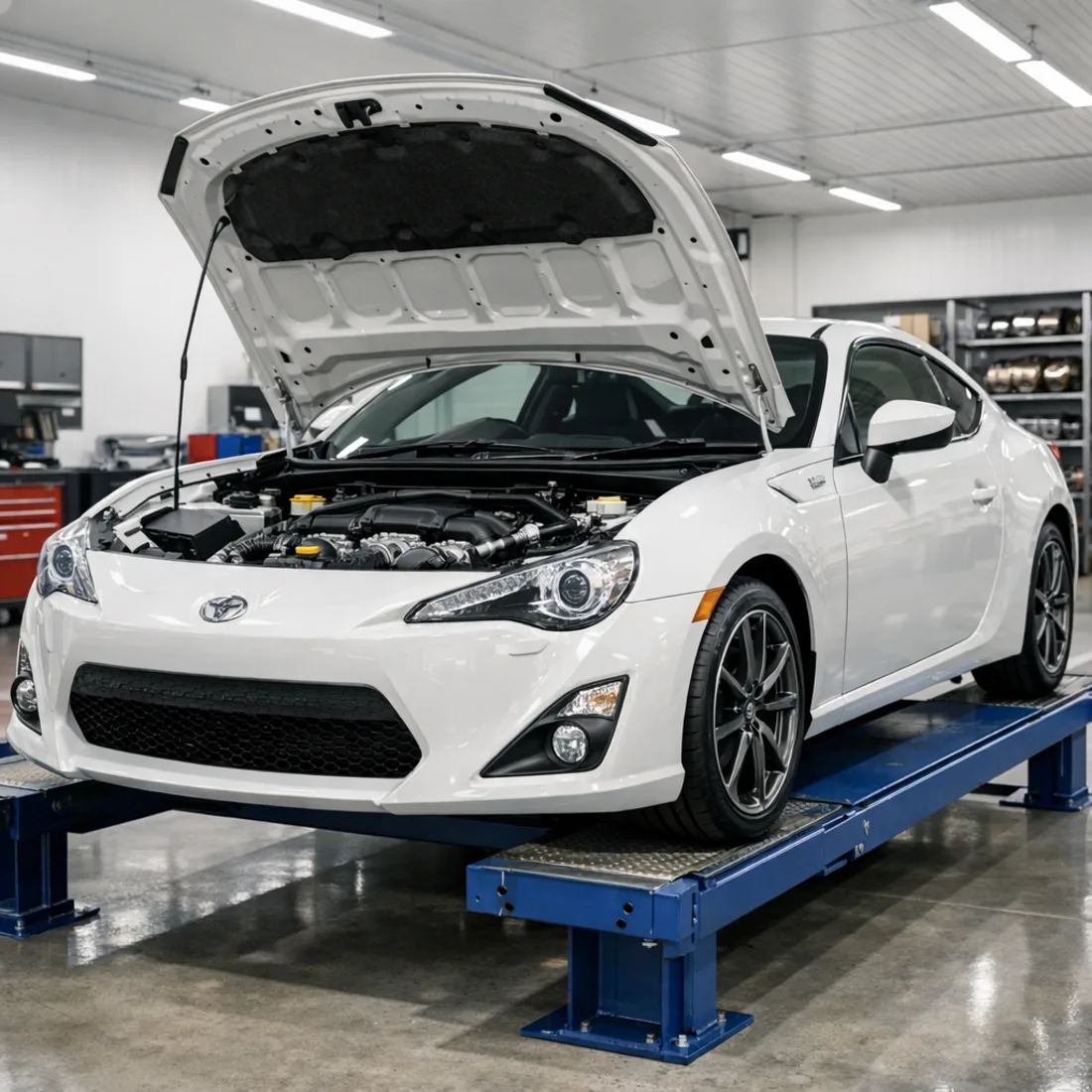
We diagnose the FA20 with Toyota Techstream rather than a generic scan tool. That distinction matters. Techstream lets us read live data properly, access manufacturer specific fault codes, and run service reset functions the generic tools simply can't touch. An FA20 throwing an intermittent fault that a generic reader can't pin down is often straightforward on Techstream.
Routine service work on the 2.0i covers oil and filter with the correct grade, air filter, cabin filter, spark plugs on the right interval, drive belts, wipers, and a thorough brake inspection. Alignment after track use is also a regular job for us, since even one aggressive track session can shift things.
-
Valve spring failures on early cars, subject to a Toyota recall. Worth verifying on any unmodified example before you buy.
-
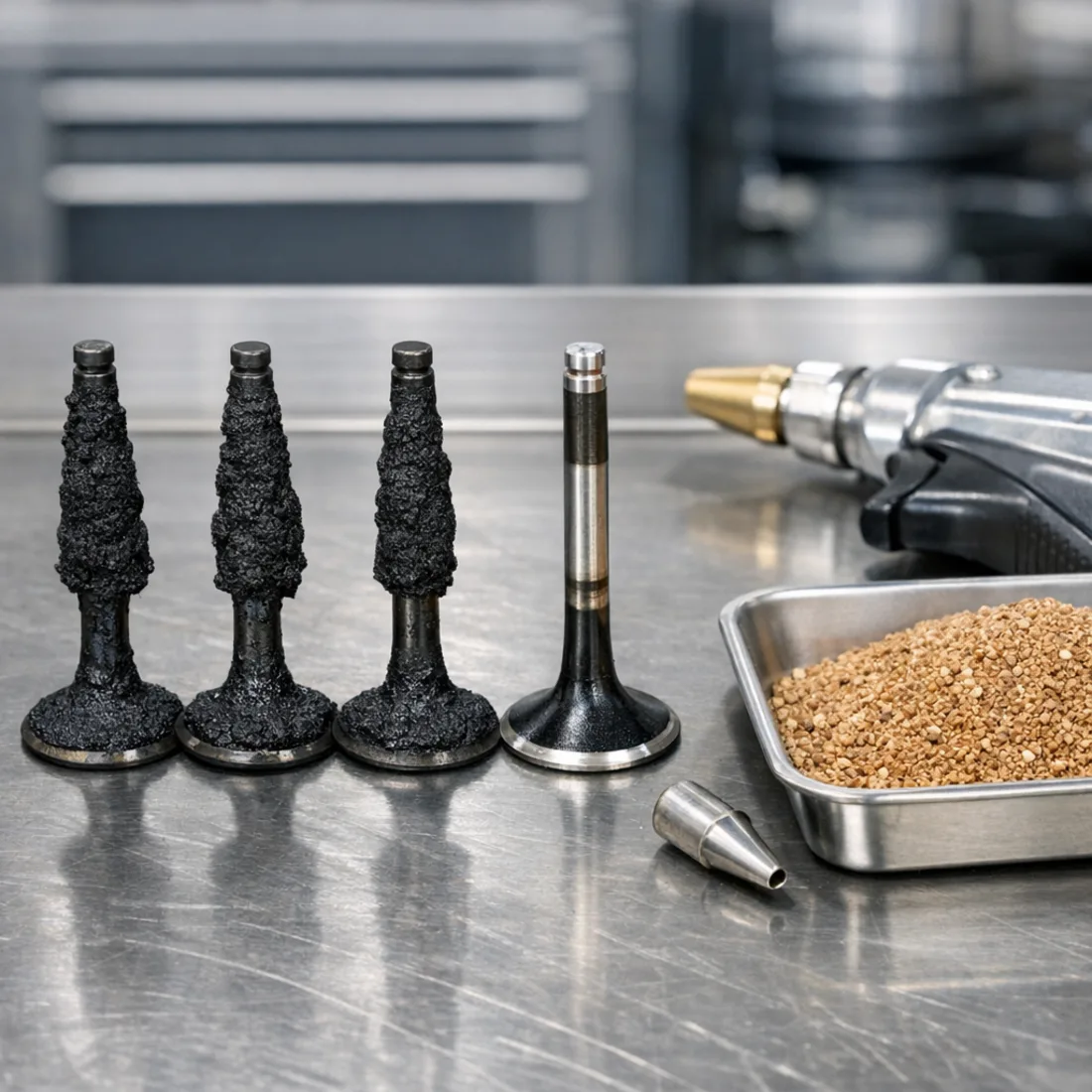
Carbon buildup on intake valves due to the direct injection component of the dual injection setup. More pronounced on higher mileage cars.
-
Oil consumption, not dramatic on well maintained engines but worth monitoring. The correct low viscosity grade matters on this flat four.
-
Mid range torque hesitation that owners often chase with throttle mapping and tuning work.
-
Clutch wear on cars that have seen track use or enthusiastic street driving.
-
Suspension bushes and dampers going soft after hard use, especially on cars that have done multiple track days.
-
Brake pads and rotors wearing faster than on a typical road car. This thing gets driven the way it deserves to be driven.
An FA20 throwing an intermittent fault that a generic reader can't pin down is often straightforward on Techstream.
We diagnose the FA20 with Toyota Techstream rather than a generic scan tool.
On the tuning side, Stage 1 mapping on the FA20 brings output to 220 hp and 220 Nm, a gain of 15 hp and 15 Nm. More importantly it smooths out that mid range dip and sharpens throttle response, which transforms how the car feels in daily driving as much as it does on the twisties. We also offer DTC removal, DECAT, FLAPS and Vmax work on this engine.
For the full breakdown of what's possible, our tuning page covers the process in detail.
Get your GT86 booked in with a proper specialist.
GT86 2.4i: Toyota Fixed the One Thing Everyone Complained About
When Toyota launched the second generation GT86 from 2021 onwards, they kept what worked and addressed what didn't. The FA24 is a 2.4 litre naturally aspirated boxer producing 234 hp, and the mid range torque hole that defined the FA20 ownership experience is gone. The engine pulls cleanly from lower in the rev range, which makes the car feel genuinely different in day to day driving, not just on a back road at full chat.
It's a more modern engine in other respects too. The FA24 uses a timing chain rather than a belt, so there's no cambelt replacement interval to budget for. That said, we still check chain health on higher mileage cars because a stretched or noisy chain on a performance engine isn't something to ignore.
Diagnostics on the FA24 use the same Toyota Techstream approach as the first generation. Genuine interface, manufacturer specific data, proper live readings. If a 2.4i comes in with a warning light or an intermittent fault, we're not guessing with a generic reader.
Stage 1 tuning on the FA24 is available and delivers a genuine improvement in throttle response and mid range delivery. The engine already pulls better than the FA20 from the factory, but there's still measurable gain to be had from mapping work.
Routine service items on the 2.4i mirror the 2.0i: oil and filter to the correct spec, air filter, cabin filter, spark plugs, drive belts, wipers, and brake pads and rotors as needed. The chain driven timing setup removes one variable but everything else on the service schedule stays relevant.
-
Intake valve carbon deposits from the direct injection system. The FA24 is still a direct injection engine and deposits build over time, particularly on cars that don't see regular longer runs.
-
Oil consumption habits consistent with a high compression boxer. Keep on top of the level and use the correct spec oil.
-
Clutch and tyre wear on cars driven hard from new, often earlier than owners expect.
-
Brake pads and rotors, same story as the FA20. These cars get used, and that's entirely the point, but it means brakes are a regular service item.
-
Suspension bushes and sensors worth inspecting on any car that's spent time on track.
The mid range torque hole that defined the FA20 ownership experience is gone.
The FA24 pulls cleanly from lower in the rev range, which makes the car feel genuinely different in day to day driving.
Picking Between Them: FA20 or FA24 on the Used Market
If you're shopping used and deciding between the two generations, here's the honest version. The FA24 is the better engine in everyday terms. The torque dip is gone, the chain drive removes a service cost, and output is up to 234 hp from the factory. If budget allows and you can find a clean one, it's the sweet spot. That doesn't mean the FA20 is a bad buy. Far from it. They're well proven by now, parts are well understood, and a properly maintained 2.0i with fresh valve springs is a great car.
Budget allows and you want the cleaner torque curve, chain drive timing, more power from the factory and the most refined version of the GT86 formula.
Price is the primary factor. A clean first gen with confirmed valve spring recall work, good service history and a Stage 1 tune is still one of the best driver's cars you can buy in New Zealand for the money.
- Confirm the valve spring recall has been done on any FA20. It's a known item and easy to verify by VIN at a Toyota dealer.
- Check for signs of oil consumption and ask for service history showing the correct grade was used.
- Look for intake carbon buildup history, or factor in a walnut blasting job if the car hasn't had it.
- On any GT86 regardless of generation, check clutch condition, ask about track use, and inspect the brakes and suspension properly.
Servicing the GT86 Family Right
Both generations of GT86 share the same basic service philosophy: use the correct fluids, don't skip intervals, and pay extra attention to the components that get worked hard when the car is driven the way it's meant to be driven.
Oil is the big one. These are high compression boxer engines and the correct low viscosity grade isn't a suggestion. The wrong oil on either the FA20 or FA24 accelerates wear and can mask early signs of consumption. We use the correct spec every time, full stop.
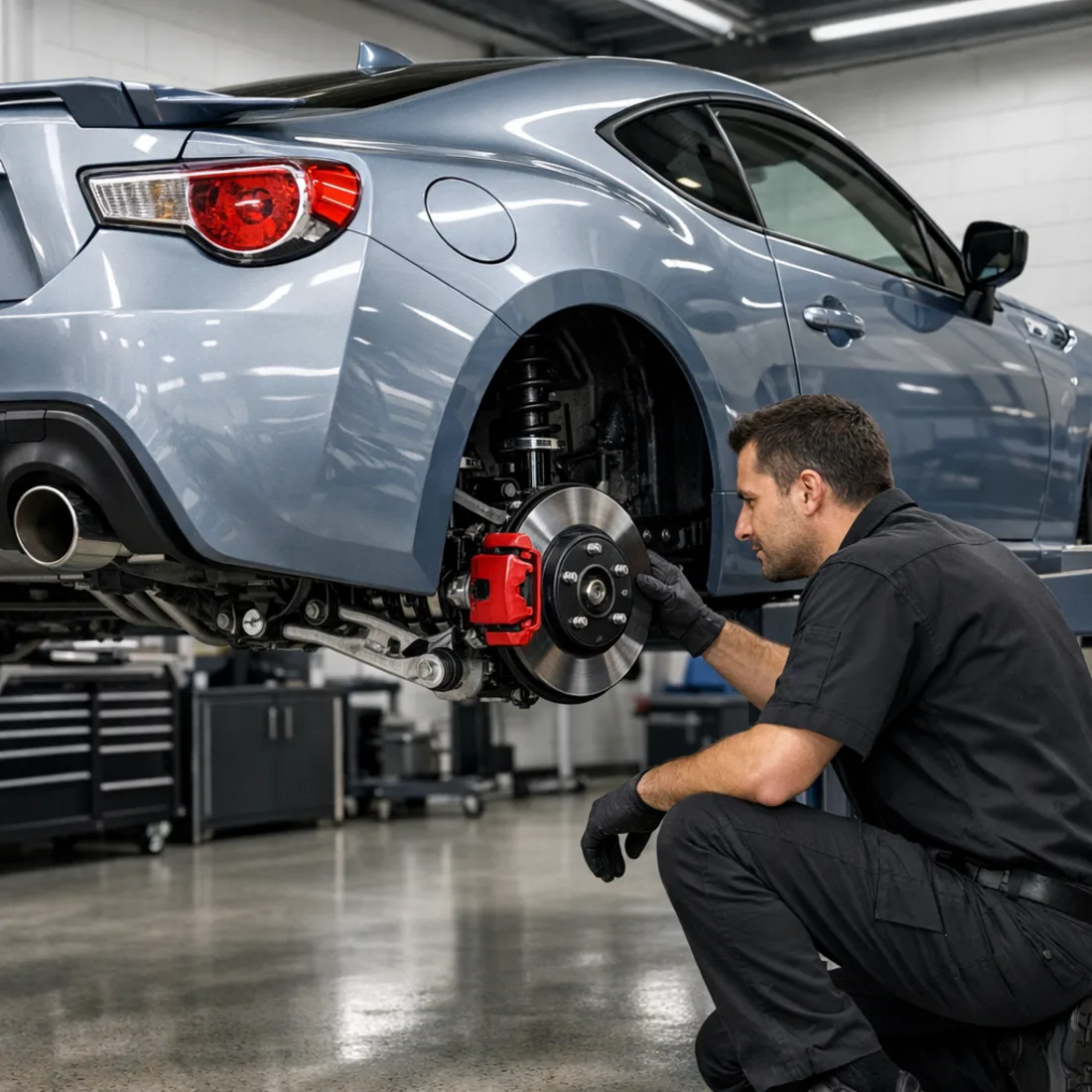
Brakes deserve a mention too. A GT86 driver who takes their car to the track, or even just presses on through the Waitakeres on a Sunday, will go through pads faster than a typical road car owner. We recommend checking brake condition at every service rather than waiting for the wear indicators to trigger.
For the wider service picture, oil and filter, air and cabin filters, spark plugs, drive belts, wipers and a full safety check cover the core of what both engines need at regular intervals. Our car servicing page has more detail on what a full service includes.
Diagnostics: How We Read These Cars Properly
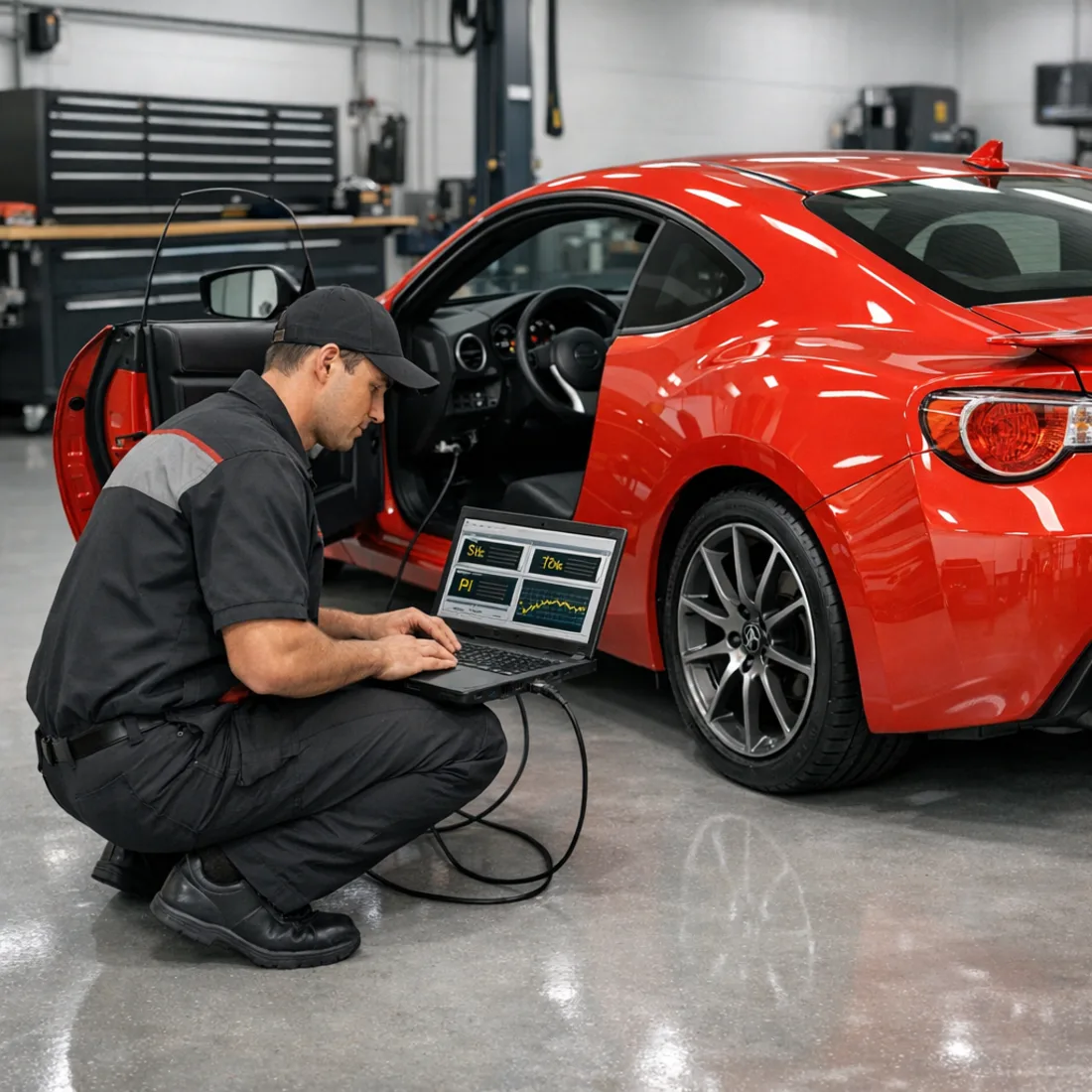
Toyota Techstream is the factory diagnostic system and it's what we use on both generations. There's no substitute for it on a GT86. Generic OBD readers can pick up basic fault codes but they miss the manufacturer specific data that actually tells you what's happening inside the engine management, transmission and ABS systems.
With Techstream we can read live sensor data across the whole powertrain, run active tests on components, reset service intervals properly, and access codes that a generic tool simply doesn't know exist. On an FA20 with an intermittent misfire or an FA24 with a VSC light that won't clear, that capability is the difference between fixing the car and guessing at it.
We carry genuine Toyota compatible interfaces so the connection is stable and the software reads what it's supposed to read. No cheap clone adapters, no version mismatches. If you want to understand more about what proper diagnostics looks like, our auto electrical and diagnostics page covers the broader picture.
Tuning Both Generations
Both the FA20 and FA24 respond well to Stage 1 mapping, and both reward owners who want to sharpen what the factory gave them.
The raw numbers tell part of the story, but the bigger gain is the improvement in throttle response and the smoothing of that mid range torque dip. It changes how the car drives day to day, not just when you're pressing on. Additional options include DTC removal, DECAT, FLAPS and Vmax.
The torque curve is already better from the factory, but Stage 1 still delivers a genuine improvement in throttle sharpness and mid range delivery. The FA24 comes from the factory with more headroom in the calibration than the FA20 did, so the mapping gains land well.
All tuning work is done on a genuine calibration platform with proper data logging. We don't flash and hope, we verify the result. If you want the full breakdown of what's possible, our tuning page covers the process in detail.
Frequently Asked Questions
The questions we get most. Something else on your mind? Get in touch.