Volkswagen Amarok: 2.0 TDI, 2.0 BiTDI and 3.0 V6 TDI
The Amarok arrived in New Zealand promising something the ute segment had never quite delivered: European engineering, car like manners, and genuine capability all in one package. From the first generation 2.0-litre common rail diesels through to the twin turbo BiTDI and then the second generation V6 platform shared with the Ford Ranger, the model line has evolved significantly. Each generation brought better performance and more sophistication, and each one brought its own specific weak spots that a generic scan tool simply won't find.
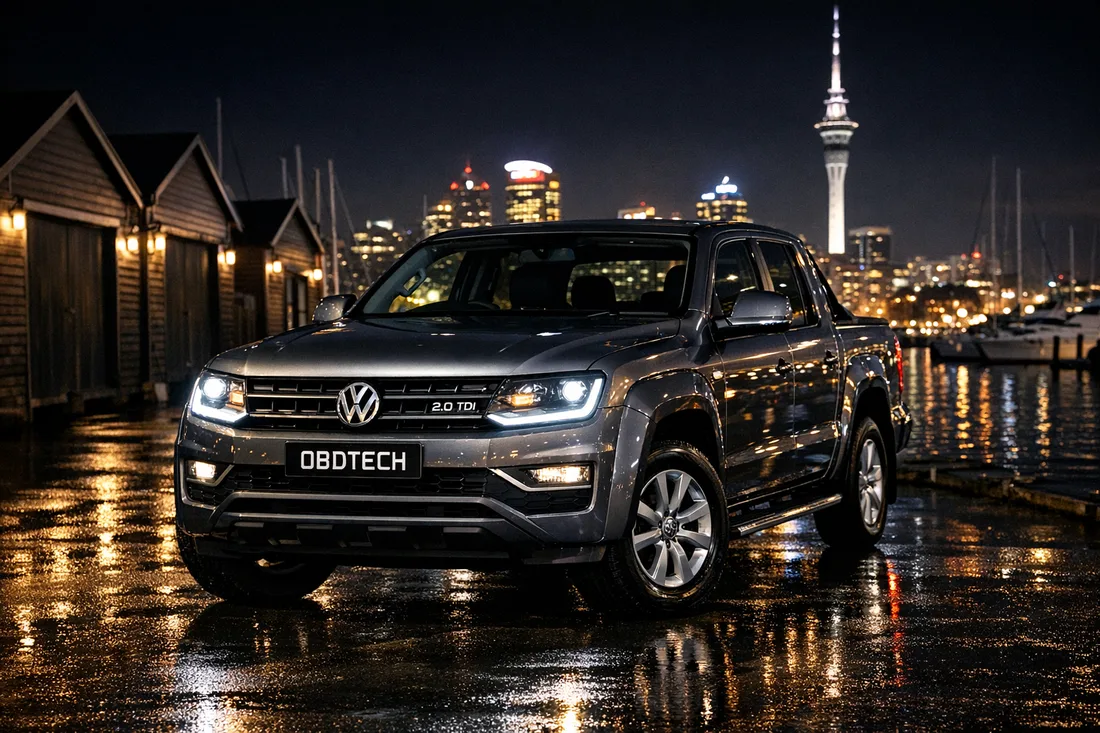
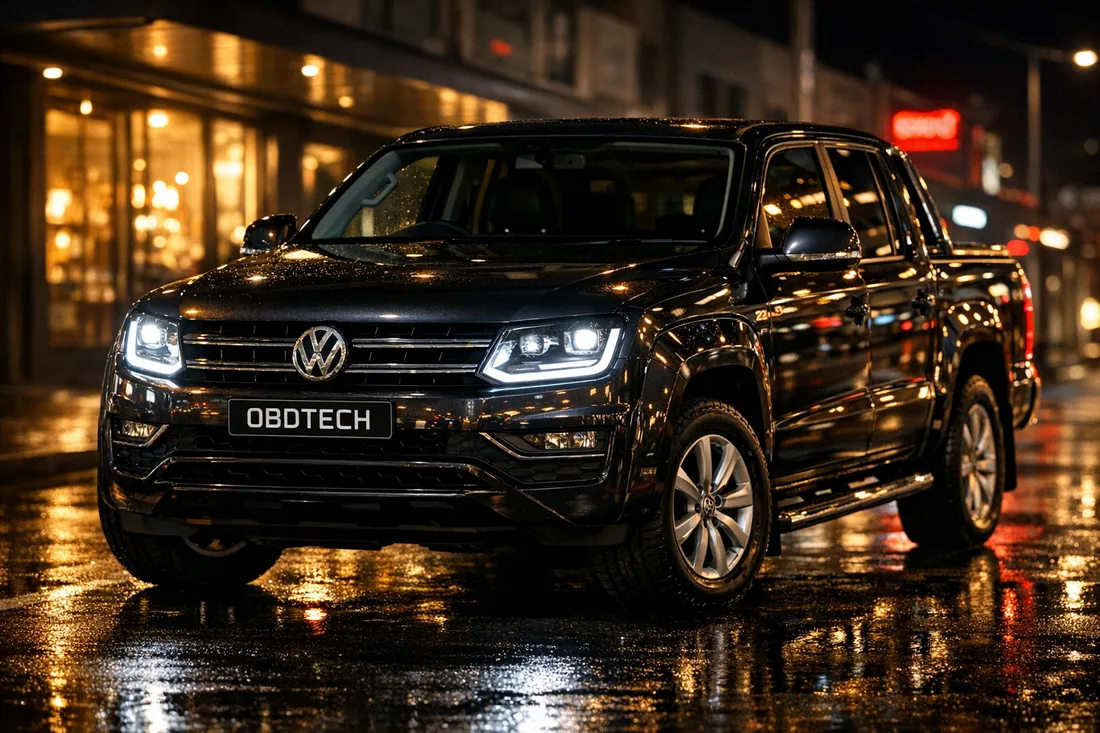
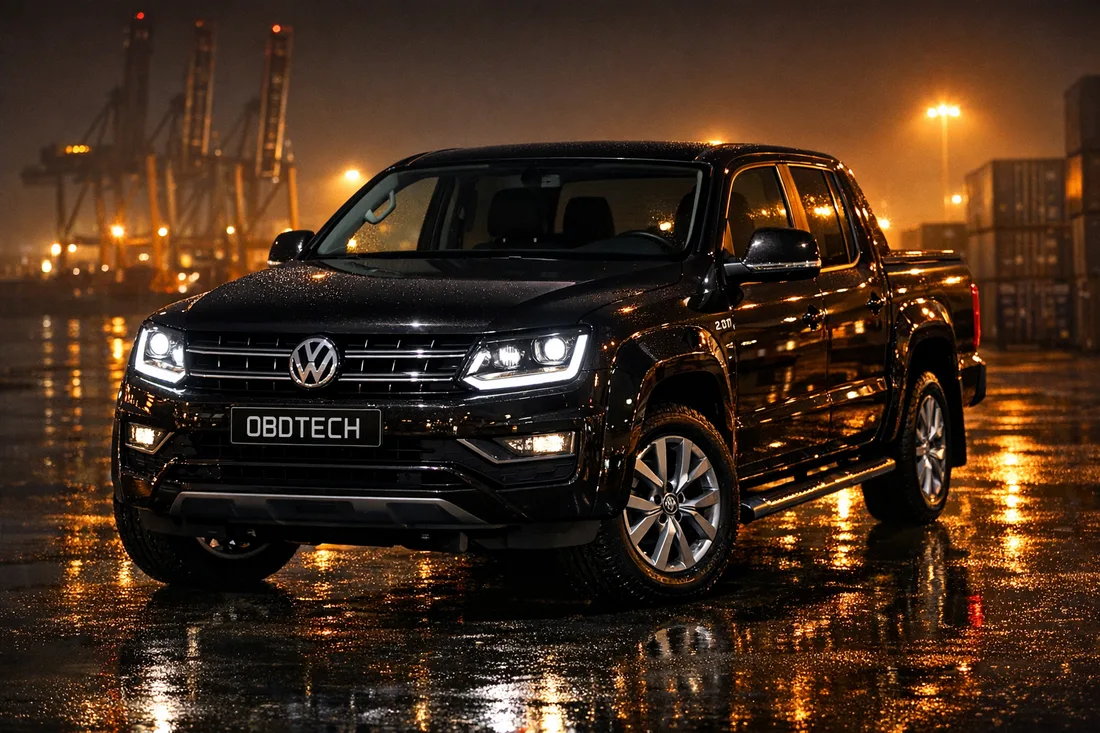

Amarok 2.0 TDI 122hp (Engine Code CNFA): The Workhorse That Started It All
The entry level engine in the first generation Amarok is a 1968cc common rail diesel with a 16.0:1 compression ratio and an 81.0 x 95.5 mm bore and stroke. The CNFA runs either a Bosch EDC17C54 or Bosch EDC17CP20 ECU depending on the build, and from the factory it produces 122hp and 340 Nm. That's modest for a ute this size, and plenty of owners have found it lacking on the open road or when towing anything serious.
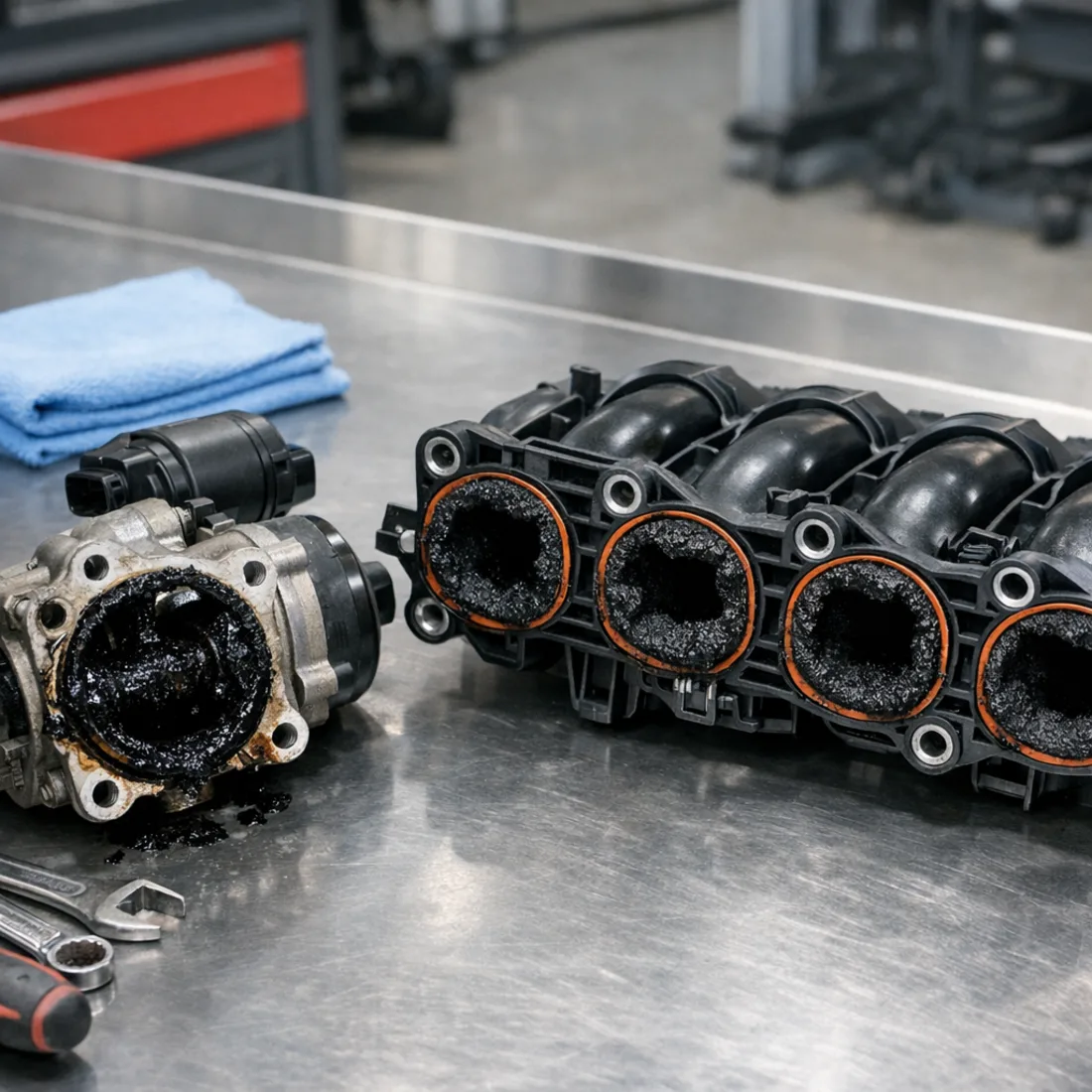
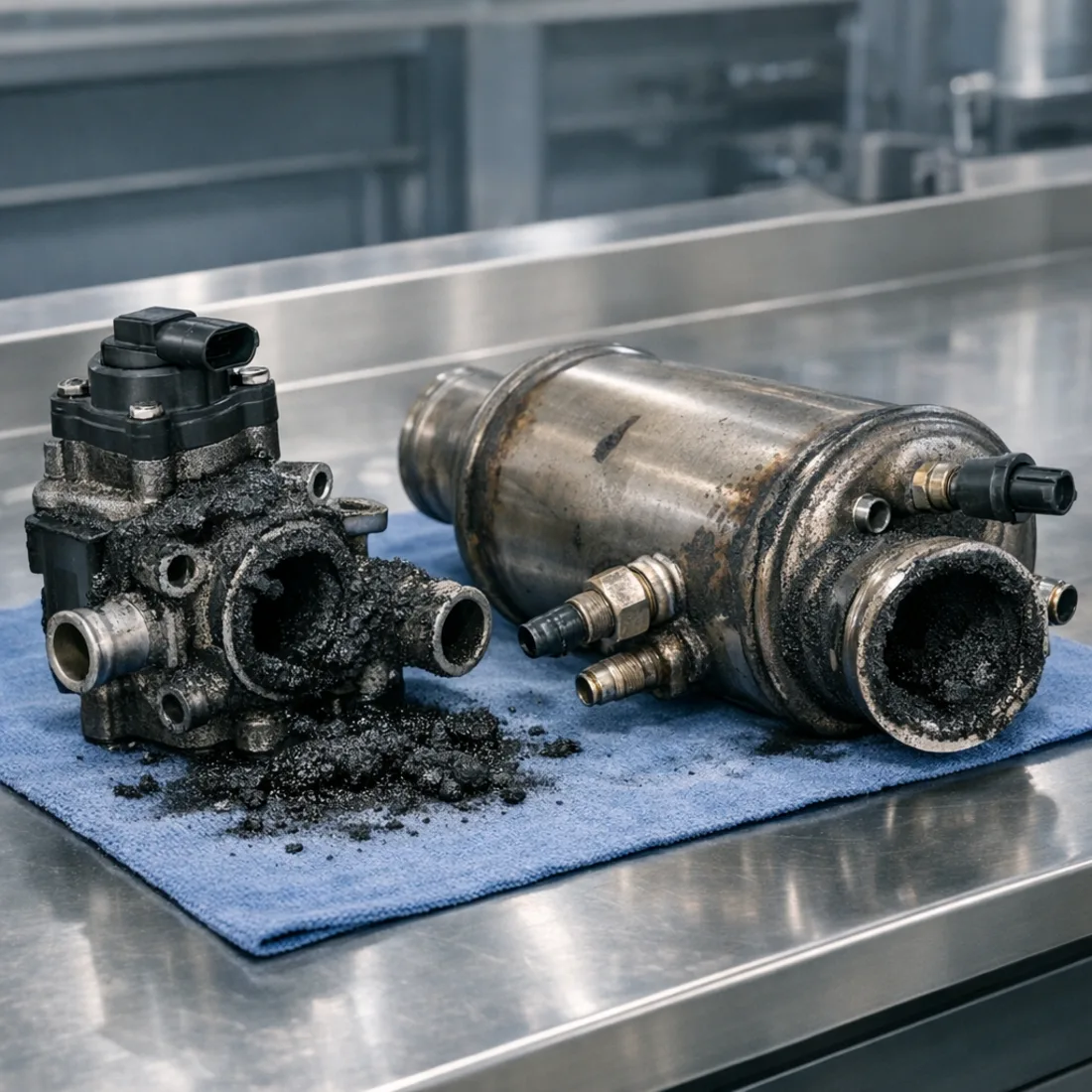
On the bench, this engine is generally solid. But it has known weak spots, and they come up regularly in our workshop. The EGR valve and cooler carbon up over time, causing rough running, hesitation and warning lights. The DPF clogs on trucks that spend most of their time on short urban runs or light farm work where it never gets hot enough to fully regenerate. Injectors and the high pressure fuel system are sensitive to poor or contaminated diesel, which is more common than it should be. And because this engine uses a timing belt rather than a chain, cambelt and water pump replacement at the correct interval isn't optional on a working ute. Miss it and the consequences are expensive.
-
EGR valve and cooler carbon build up causing rough idle and fault codes
-
DPF clogging on vehicles doing short trips or light load work
-
Injector wear and high pressure fuel system sensitivity
-
Dual mass flywheel and clutch wear on hard worked examples
-
Cambelt and water pump service overdue on many used examples
-
Suspension and brake wear accelerated by heavy loads
The Stage 1 tune available for the CNFA is genuinely significant: 185hp and 420 Nm, a gain of 63hp and 80 Nm over stock.
That transforms how this engine feels, especially for towing.
The Stage 1 tune available for the CNFA is genuinely significant: 185hp and 420 Nm, a gain of 63hp and 80 Nm over stock. That transforms how this engine feels, especially for towing. If you're running the 122hp variant and finding it underwhelming, a tune is worth a serious look.
We diagnose all faults on this engine using the factory VAG ODIS platform, not a generic code reader, so we're reading live data and coding parts correctly every time.
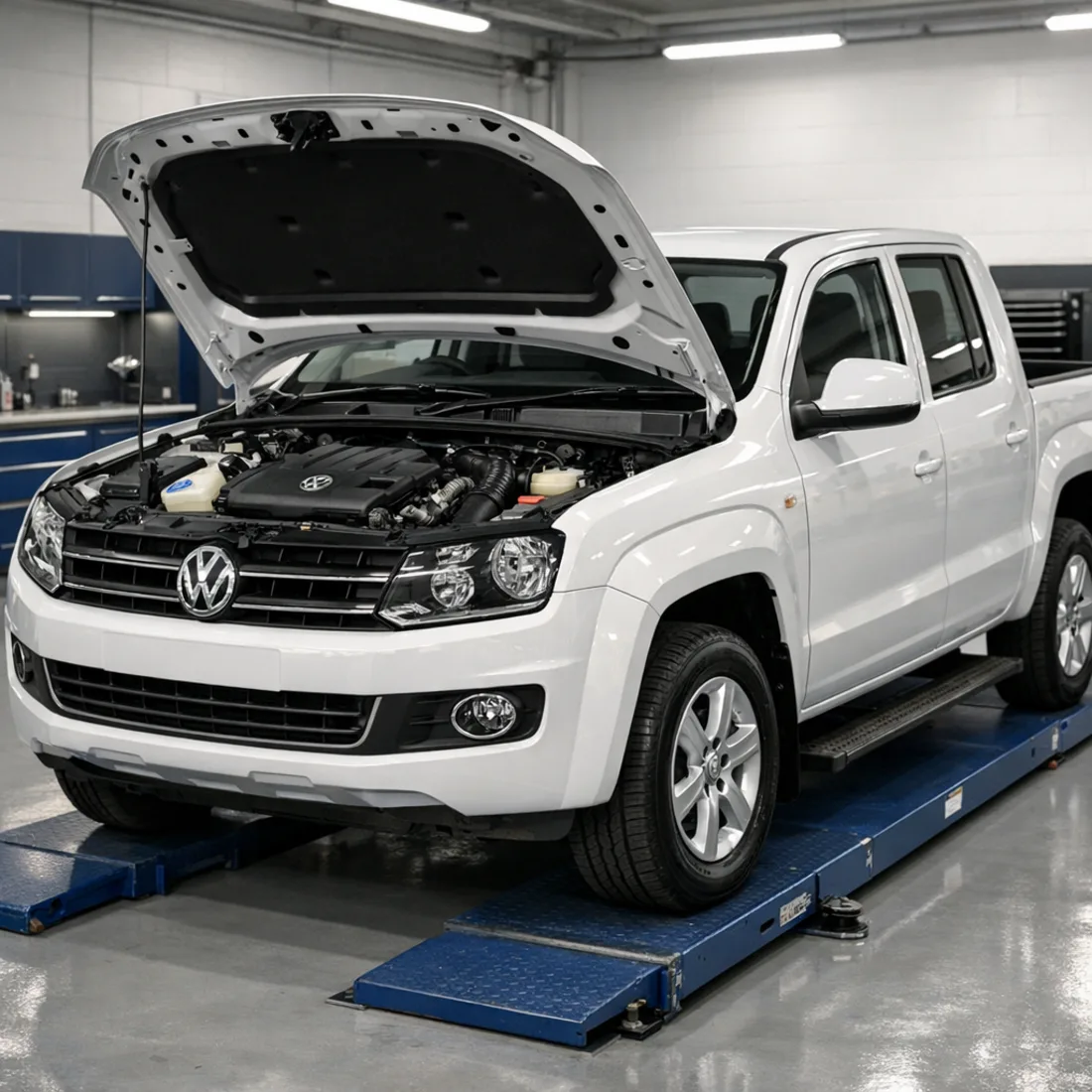
Get your Amarok booked in with a proper specialist.
Amarok 2.0 BiTDI CDCA 163hp: More Power, More to Watch
The BiTDI CDCA sits one step up from the CNFA in the first generation lineup. Same 1968cc block, same bore and stroke, same 16.0:1 compression ratio. But add a second turbocharger and the Bosch EDC17CP20 ECU and you get 163hp and 400 Nm from the factory, making it a meaningfully different driving experience to the 122hp car.
That twin turbo setup is also the main thing to watch. The smaller variable geometry turbo and its actuator are known to cause problems over higher mileage, and diagnosing exactly which part of the system is playing up requires proper live data and actuator testing rather than a fault code and a guess. EGR and intake carbon build up is even more common on these than the single turbo variant, partly because the more complex induction system gives the soot more surfaces to stick to. DPF regeneration issues follow the same pattern as the CNFA: short trips and light work mean incomplete regeneration cycles and an eventually clogged filter.
-
Small turbo actuator failure or erratic behaviour under load
-
EGR valve and intake manifold heavy carbon fouling
-
DPF clogging, especially on farm and urban use trucks
-
Cambelt and water pump overdue on many used examples (belt driven engine)
-
Injector and high pressure fuel system wear at higher mileage
-
Clutch and dual mass flywheel wear, particularly on tow heavy trucks
The CDCA responds well to a Stage 1 tune: 195hp and 440 Nm, up 32hp and 40 Nm from stock.
It's a useful step for a truck that's regularly towing or carrying.
The CDCA responds well to a Stage 1 tune: 195hp and 440 Nm, up 32hp and 40 Nm from stock. It's a useful step for a truck that's regularly towing or carrying. The CNFA to CDCA jump was the right move for buyers who used their Amarok hard, and the BiTDI still holds up well as a used buy if the timing belt and turbo system are in good shape. We'll check both properly when you bring it in.
We handle gearbox and transmission servicing on all first generation Amaroks, whether automatic or manual, and it's worth doing before the kilometres get too high.
Amarok 2.0 TDI 170hp (2023 On): The Ranger Platform, VW Badge
The second generation Amarok is a different truck entirely. VW and Ford's development partnership means this one sits on the same platform as the T6.2 Ranger, sharing architecture, electronics and the 2.0 TDI engine itself. From the factory it produces 170hp, a solid step up from where the first generation started, and the interior quality jump is immediately obvious to anyone who's driven both.
But that platform sharing also means the second gen Amarok carries quirks from both lineages. The EGR system and DPF still need attention, particularly on trucks that spend their time on short urban commutes rather than open highway runs. AdBlue and NOx sensor faults are a real world issue on these trucks: the SCR system is fully integrated and a failing NOx sensor or low AdBlue quality can trigger warning lights and, if ignored, limp mode. That's not a fix it later situation when you have a loaded trailer on the back.
-
EGR system fouling and associated fault codes
-
DPF regeneration failures on short trip and light duty trucks
-
AdBlue and NOx sensor faults leading to limp mode
-
Turbo wear and injector condition as kilometres climb
-
Brake and suspension wear on hard working examples
We diagnose the second gen Amarok exclusively with the factory VW ODIS platform.
The module level data and guided fault finding ODIS provides is simply not replicable on a generic scan tool, and on a truck this electronically complex, that matters.
We diagnose the second gen Amarok exclusively with the factory VW ODIS platform. The module level data and guided fault finding ODIS provides is simply not replicable on a generic scan tool, and on a truck this electronically complex, that matters. New parts are coded correctly on the bench before the truck leaves our workshop.
A Stage 1 tune is available for the 2.0 TDI for owners wanting more pulling power for towing and load work. Talk to us about what's achievable.
Amarok 3.0 V6 TDI 250hp: The One That Changed Expectations
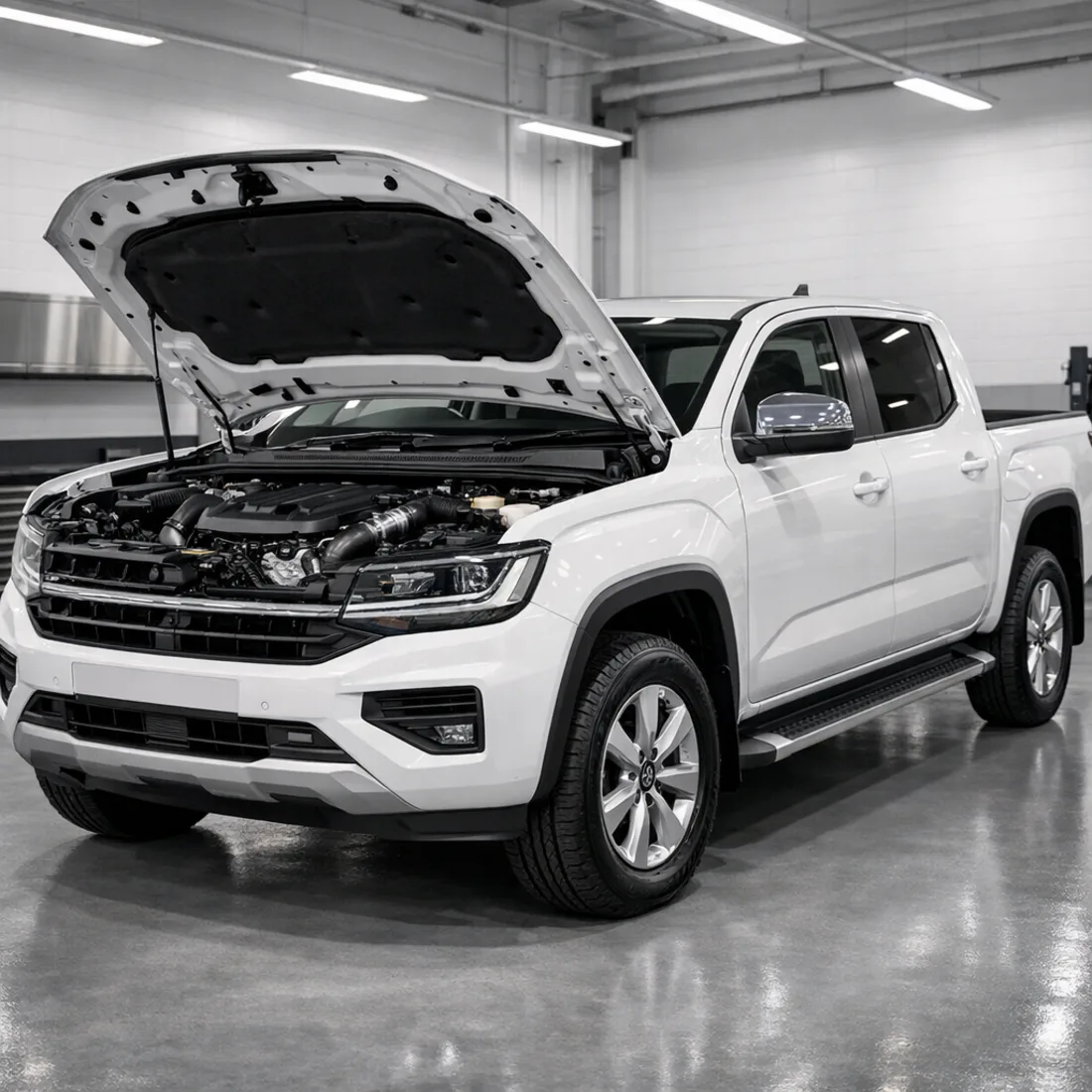
The 3.0 V6 TDI is the flagship of the second generation lineup, and it earns that status. With 250hp and 600 Nm from the factory and a Bosch MD1CP061 ECU managing it all, this is a ute that genuinely competes with large SUVs for interior feel and on road composure. The V6 diesel on the same platform as the Ford Ranger makes for an interesting package, combining German refinement with a well proven commercial vehicle underpinning.
That sophistication means the V6 demands proper care. The EGR system and DPF are both present and both capable of causing problems on trucks used for short trips, light work or stop start urban driving. Carbon build up over higher mileage is a real concern on the V6, and we see it regularly on trucks that haven't had their EGR system cleaned or serviced at the right intervals. The AdBlue and SCR system adds another layer of complexity: NOx sensors, the injector quality and the system's integration with the ECU all need to be monitored, not just topped up. Turbo actuator behaviour and injector wear are also on the watch list at higher mileage.
-
EGR system fouling and carbon build up, especially on urban use trucks
-
DPF regeneration issues on low speed or short trip vehicles
-
AdBlue and NOx sensor faults triggering warnings and limp mode
-
Turbo actuator faults and erratic boost behaviour
-
Injector wear at higher mileage causing rough running
-
Timing chain condition worth monitoring as kilometres accumulate
The V6 also has the best tuning headroom of the Amarok family.
A Stage 1 tune on the MD1CP061 ECU lifts output to 280hp and 680 Nm, a gain of 30hp and 80 Nm. For a truck this capable from stock, that extra torque in the mid range transforms towing behaviour.
The V6 also has the best tuning headroom of the Amarok family. A Stage 1 tune on the MD1CP061 ECU lifts output to 280hp and 680 Nm, a gain of 30hp and 80 Nm. For a truck this capable from stock, that extra torque in the mid range transforms towing behaviour. If you're running a loaded trailer regularly, it's worth discussing with us.
We diagnose the V6 TDI with factory VW ODIS, which gives us full guided fault finding, live actuator data and correct coding for all new parts. For a vehicle this electronically integrated, there's no substitute.
Buying Between Generations: Where Does the Amarok Sweet Spot Sit?
If you're shopping the used market, the Amarok family gives you real choices and it's worth understanding what you're comparing. The CNFA 122hp is the least expensive entry point, but it's genuinely underpowered for a ute its size unless you tune it, and the tuning headroom is significant. Both second gen variants carry more electronic complexity, particularly around the AdBlue and SCR system, so a pre purchase inspection using proper VW diagnostics is essential, not optional.
Budget is the priority and you're comfortable tuning it. The Stage 1 tune to 185hp and 420 Nm is the biggest percentage improvement in the family and genuinely transforms how this engine drives. Check cambelt history and EGR condition before buying.
You want the pick of the first generation for most buyers: more usable torque, still serviceable without excessive complexity, and a good platform for a Stage 1 tune to 195hp. Check the timing belt history and the turbo actuator condition before buying any first gen Amarok.
You want a cleaner, more refined truck with platform maturity. The interior quality jump is immediately obvious to anyone who's driven both generations. A pre purchase inspection with proper VW diagnostics is essential given the added electronic complexity.
Budget allows and you want the standout of the second gen lineup: 250hp and 600 Nm stock, better cabin quality than anything that came before it, and real tuning potential on top. Whatever you buy, check the EGR, DPF and cambelt history first.
- Check documented cambelt and water pump history on all first generation CNFA and CDCA engines
- Inspect turbo actuator behaviour and live boost data on the BiTDI CDCA
- Confirm EGR and DPF condition across all generations
- Verify AdBlue and NOx sensor function on second generation models
- Confirm oil service history used the correct low SAPS diesel grade for the specific engine
- Run a full ODIS pre purchase inspection on any second gen Amarok before committing
Servicing the Amarok Properly Across the Family
Every generation of the Amarok shares a common theme: they're diesel workhorses with European engineering, and they don't respond well to neglect or incorrect servicing. Regular servicing with the correct low SAPS diesel oil grades is the single biggest factor in how long these engines last. The EGR and DPF problems we see most often are on trucks that have been serviced with the wrong oil grade or left too long between changes.
Routine work that keeps them running well is consistent across the lineup: oil and filter service with the correct low SAPS diesel grade for the specific engine, fuel filter, air filter and cabin filter replacement at interval, glow plugs, drive belts and wipers on schedule, and brake pads and rotors inspected and replaced when needed, especially on loaded utes.
The timing system difference between generations matters here. Both first generation engines (CNFA and CDCA) use a timing belt, so that service is non negotiable at the correct interval. The second generation engines use a chain, which removes that specific concern but adds the timing chain condition monitoring you'd expect on any higher mileage diesel. DPF and EGR system inspection, cleaning or repair as required, and AdBlue and NOx system servicing on second generation models are all part of keeping these trucks right.
For brake and suspension work on any generation, our team handles pads, rotors, calipers and suspension components with genuine or OEM quality parts. Brake repairs on working utes often get deferred longer than they should, and a heavily loaded Amarok needs brakes that are fully up to the job.
How We Diagnose Every Amarok Generation
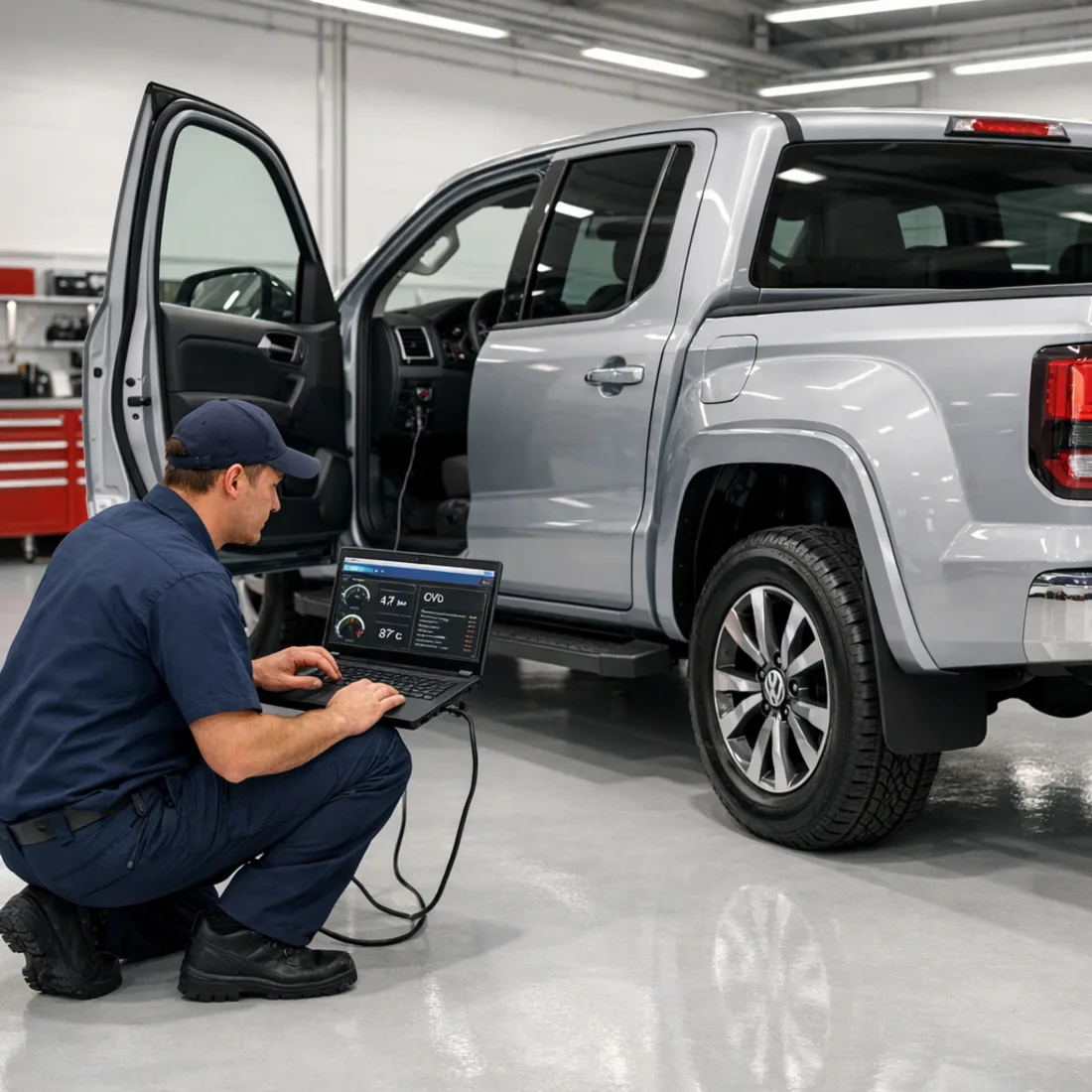
Every generation of the Amarok, from the CNFA 122hp through to the V6 TDI 250hp, is diagnosed in our workshop using the factory VW ODIS platform. That's not a minor point. ODIS gives us module level fault reading, live data streams, actuator tests and guided diagnostics that a generic OBD2 reader simply cannot provide.
On the first generation cars with the Bosch EDC17C54 or EDC17CP20 ECUs, ODIS lets us run proper turbo actuator tests on the BiTDI, verify injector correction values, and read EGR and DPF system data accurately. On the second generation trucks with the MD1CP061, the integration between the engine ECU, the AdBlue system, the gearbox controller and the body modules means that chasing a fault without factory level tooling is genuinely guesswork.
When we fit new parts, whether that's a NOx sensor, an EGR valve, an injector or a gearbox component, those parts are coded to the vehicle correctly using ODIS before the truck leaves our workshop. That matters for warranty, for function, and for the next time someone plugs a diagnostic tool in.
Tuning the Amarok: What Each Generation Can Do
The Amarok family has the best tuning response of any ute we work on regularly. Every engine in the lineup has real headroom, and the gains are usable in the real world, not just on a dyno graph. All tuning work is done on the factory ECU. We don't run plug and play piggyback devices on these trucks. The ECU calibration is written correctly and matched to the engine's actual condition. If the DPF or EGR system needs attention before tuning, we'll tell you upfront, because tuning a truck with a half blocked DPF doesn't end well.
The biggest percentage improvement in the family, and it transforms the way this engine drives. A must for owners finding the stock output underwhelming on the open road or under tow.
Suits towing and loaded work very well. The BiTDI platform responds cleanly to a Stage 1 calibration and the additional torque is noticeable in the mid range where it counts.
Stage 1 tune available for owners wanting more pulling power for towing and load work. Talk to us about what's achievable on the second gen 2.0 TDI.
Best real world towing improvement in the range. For a truck this capable from stock, that extra torque in the mid range transforms towing behaviour on the MD1CP061 ECU.
Ready to unlock more from your Amarok? Submit your vehicle details via our file service portal and we'll confirm exactly what's available for your specific engine and build.
Frequently Asked Questions
The questions we get most. Something else on your mind? Get in touch.