Volkswagen Beetle 2.0 TSI: Servicing, Repairs and Diagnostics Done Properly
The Volkswagen Beetle has always been more about character than raw numbers, but the 2.0 TSI 220hp version flips that script completely. Underneath the retro bodywork sits the CULC engine, a 1984cc turbocharged petrol unit from the EA888 family, the same bloodline that powers the Golf GTI of the same era. So yes, it looks like a conversation piece in the car park, and then pulls hard enough to catch most drivers off guard. That combination is exactly why keeping one in top mechanical shape matters more than it might seem at first glance.

What You're Actually Driving
The CULC is a proper piece of engineering: 82.5mm bore, 92.8mm stroke, a 9.6:1 compression ratio, and a factory tune that delivers 220hp and 350Nm of torque. The brain managing all of that is either a Bosch MG1CS001 or a Siemens/Continental Simos 18.2 ECU depending on build date, and both respond very well to calibration work. The engine breathes through a direct injection system, which is efficient and punchy in the midrange but does come with a known long term housekeeping issue that we'll cover shortly. Think of it like a well specced espresso machine: brilliant results when it's clean and set up correctly, frustrating when it's been neglected.
-
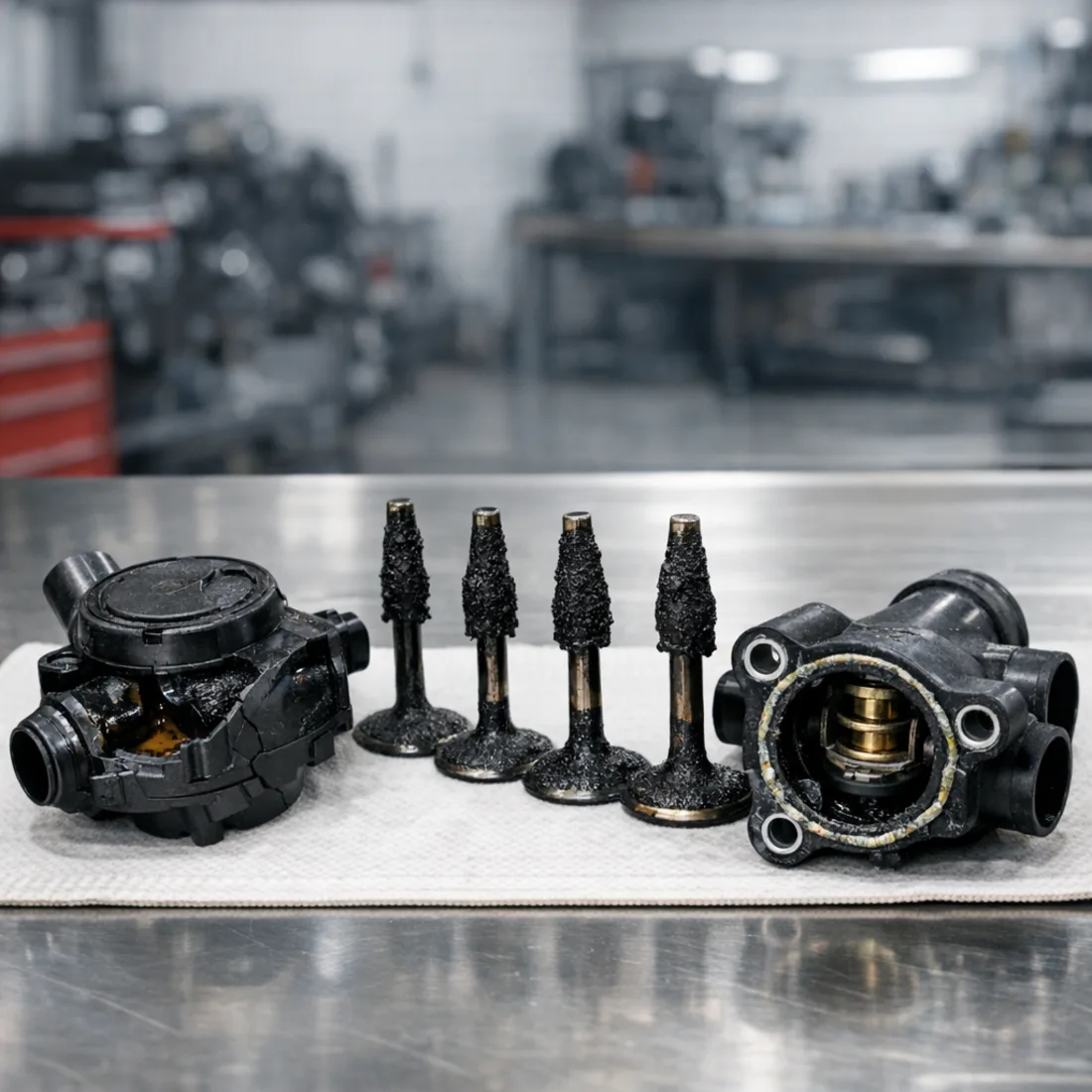
Intake Valve Carbon Build Up: Direct injection means fuel never washes over the back of the intake valves. Over time, carbon deposits build up on the valve stems and seats, restricting airflow and causing rough idle, hesitation under load, and a noticeable drop in response. The fix is a proper walnut blasting service that physically removes the carbon.
-
PCV and Oil Separator Valve Failure: The positive crankcase ventilation system on the EA888 uses a combined oil separator valve that is known to crack and fail, particularly in vehicles that spend a lot of time on short runs. When it goes, you get rough idle, an oily intake tract, increased oil consumption, and sometimes a check engine light with boost related fault codes.
-
Water Pump and Thermostat Housing Leaks: The plastic thermostat housing and the water pump impeller are classic EA888 weak points. The housing cracks with age and heat cycling. The water pump can fail internally, with the plastic impeller spinning freely on the shaft rather than actually pumping coolant. Watch for a low coolant warning, a sweet smell from the engine bay, or temperature gauge behaviour that does not look quite right.
-
High Pressure Fuel Pump and Diverter Valve: The high pressure fuel pump on the CULC runs off a cam lobe and can show wear that results in hard starting, hesitation and lean fault codes. The diverter valve can also split or stick, giving you a soft, vague feeling when you get back on the throttle after lifting off.
Reading a fuel trim deviation fault tells you almost nothing on its own.
Seeing the live fuel pressure data, the cam follower wear index, and the PCV system test results together tells you exactly what is wrong and in what order to fix it.
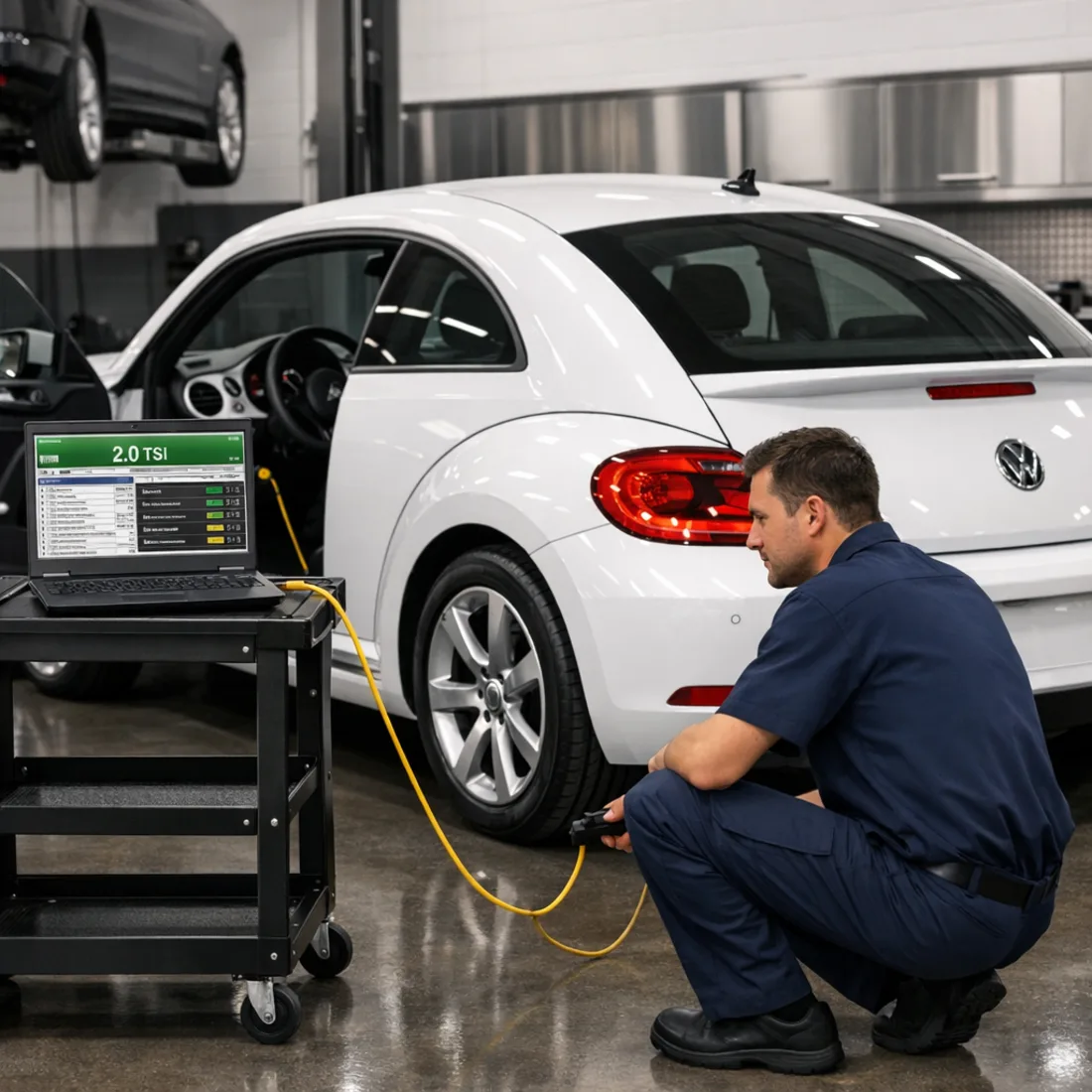
We use ODIS, the factory Volkswagen diagnostic platform, which is a significant difference from a generic code reader. ODIS reads the full fault memory across every control module, performs guided function tests, and allows us to check live adaptation values and coding parameters. That matters on the CULC because a lot of the faults on this engine family look similar on the surface but have completely different root causes. Our auto electrical and diagnostics capability means we go well beyond the fault code and into the actual system behaviour.
Every repair we carry out uses genuine or brand new OEM grade parts as standard. No compromises on a turbocharged direct injection engine that is already working hard from the factory. If you are hearing a rough idle that has crept up on you, noticing oil consumption between services, or just wanting to get ahead of the cooling system before an Auckland summer, now is a good time to get it looked at properly. We also cover coil pack and ignition system inspection and replacement, DSG or clutch service where applicable, and we handle everything from the first diagnostic scan through to the final road test.
Get your Beetle booked in with a proper specialist.
Routine Servicing Worth Booking
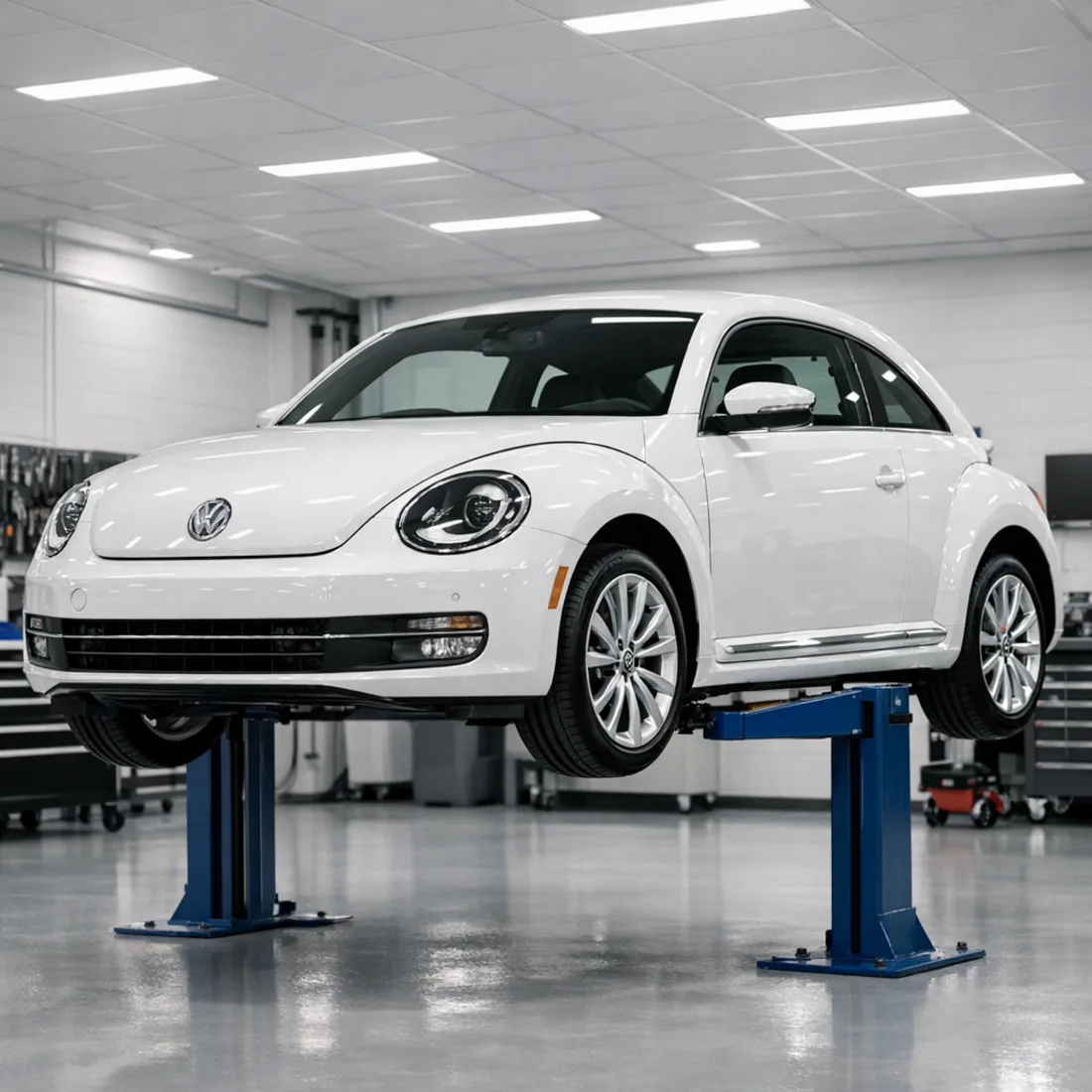
A full car service on the Beetle 2.0 TSI is not complicated, but the details matter. Oil and filter is the starting point, and the correct specification here is a full synthetic oil that meets or exceeds the VW 502 or 504/507 standard. Using the wrong grade in a direct injection turbocharged engine running this compression ratio is a false economy. We also replace the air filter, cabin filter, and spark plugs at the correct intervals using plugs that are properly gapped for the CULC. Drive belt condition gets checked every visit because a belt that lets go takes other components with it.
The service schedule also covers intake valve carbon cleaning via walnut blasting, PCV and oil separator valve inspection and replacement, and high pressure fuel pump inspection and service. With 350Nm of torque and a kerb weight that is not exactly lightweight, the brake system on the 2.0 TSI works harder than the base Beetle variants. Our brake repair and replacement work covers the full system front and rear, inspecting pad thickness, rotor condition, and caliper function as part of every service. Suspension components, particularly front control arm bushings and rear beam bushings, are worth checking on higher mileage cars because worn rubber here makes the whole car feel imprecise and can cause tyre wear that looks like an alignment problem.
Given the water pump and thermostat housing failures described in the faults section, we treat the cooling system as a priority item rather than an afterthought. We check the coolant concentration and condition, pressure test the system to catch early weeping before it becomes a full leak, and visually inspect the thermostat housing for the fine cracks that appear before they open up and dump coolant.
How We Actually Diagnose These Cars
We use ODIS, the factory Volkswagen diagnostic platform, which is a significant difference from a generic code reader. ODIS reads the full fault memory across every control module, performs guided function tests, and allows us to check live adaptation values and coding parameters. That matters on the CULC because a lot of the faults on this engine family look similar on the surface but have completely different root causes.
Reading a fuel trim deviation fault, for example, tells you almost nothing on its own. Seeing the live fuel pressure data, the cam follower wear index, and the PCV system test results together tells you exactly what is wrong and in what order to fix it. The PCV failure in particular gets misdiagnosed regularly on generic scanners because the symptom picture looks like multiple different problems at once. Proper mechanical fault finding starts with the right tools and the right platform.
Stage 1 Tuning for the CULC Engine
The CULC responds exceptionally well to calibration. Our Stage 1 tune on this engine takes the factory 220hp and 350Nm to 300hp and 450Nm, a gain of 80hp and 100Nm, entirely through ECU file work with no hardware changes required. That improvement is not just a peak number either. The real benefit is in the midrange delivery, the place where you spend most of your driving time. The car simply feels a different proposition from about 2500rpm upward.
No hardware changes required. Power and torque gains are delivered entirely through ECU file work on the Bosch MG1CS001 or Simos 18.2. Additional options available alongside the tune include a pop and bang crackle map for character on overrun, Start/Stop system disable, Vmax speed limiter adjustment, DTC removal for specific off road or track configurations, and decat and intake flap configuration (note: decat mapping affects emissions compliance and may have WOF implications for road registered vehicles).
For anyone looking to explore what the CULC is genuinely capable of, our full engine tuning service covers the ECU options in detail. You can also review the available options through our ECU file service.
Frequently Asked Questions
The questions we get most. Something else on your mind? Get in touch.