Golf GTI: Mk5 to Mk8 Servicing, Repairs and Tuning
Four generations, one obsession: the perfect hot hatch. From the Mk5's raw TFSI punch to the Mk8's tech dense EA888 evo4, every Golf GTI has rewarded owners who look after them and quietly punished those who don't. We work on all of them at our Penrose workshop, and the story of what goes wrong, and how it evolved, is worth knowing before you book in or before you buy.



Golf GTI Mk5 2.0 TFSI: Where It All Started
The Mk5 GTI running the CCTA 2.0 TFSI set the template. 200hp and 280Nm from a 1984cc turbocharged petrol engine, compression ratio of 10.3:1, bore and stroke of 82.5 x 92.8mm. It was compact, quick, and practical in a way no rival quite matched. It also introduced a collection of known weak points that every subsequent generation had to answer to.
The timing chain tensioner is the one that keeps people up at night. A cold start rattle on a Mk5 is a red flag you don't ignore. Earlier TFSI units were more prone to this than later ones, but any high mileage Mk5 deserves a thorough timing chain and tensioner inspection. Catch it early and it's a manageable job. Ignore it and you're looking at engine damage.
The high pressure fuel pump follower is another one. The cam that drives the HPFP can eat the follower if it's not inspected and replaced at the right intervals. It's a relatively cheap part that becomes very expensive if you find out about it too late. We check this as standard on any Mk5 that comes through the door.
Carbon build up on the intake valves is a direct injection problem that the GTI family carries across every generation, starting right here. Port injection can wash the valves clean, but direct injection can't. Without periodic cleaning, carbon deposits build up and cause rough running, misfires, and lost power. On a Mk5 with real mileage, walnut blasting or equivalent intake cleaning is almost always overdue.
For routine servicing, the Mk5 needs oil and filter on the correct VW 502 grade, air and cabin filters, spark plugs and coil packs at the right intervals, and drive belt inspection. Brake pads and rotors get a workout on a GTI driven the way it's meant to be driven, so we keep an eye on those too. On the gearbox side, clutch wear is part of the picture for manual cars.
-
Timing chain tensioner wear, cold start rattle
-
High pressure fuel pump cam follower wear
-
Carbon build up on intake valves from direct injection
-
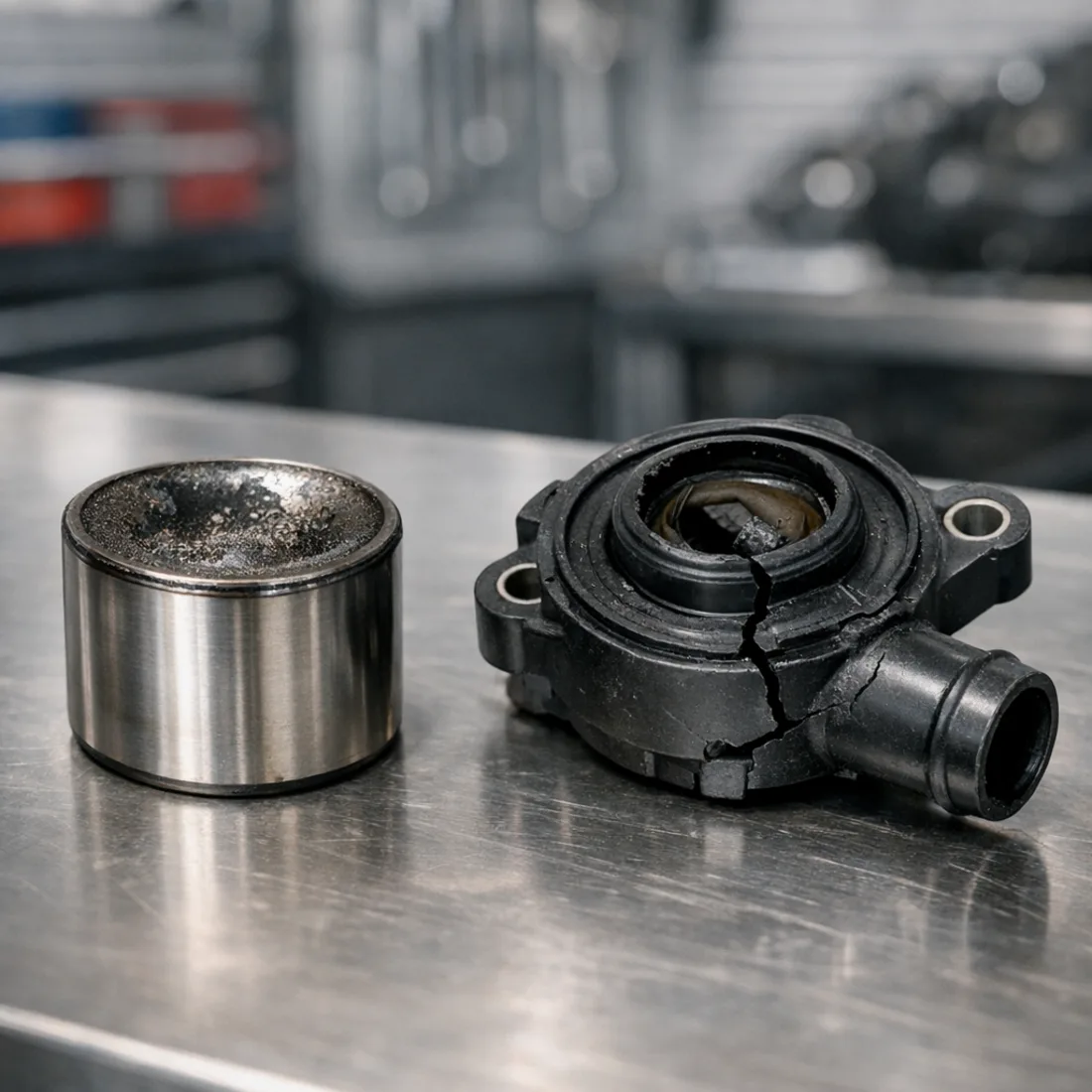
PCV valve failure causing idle and boost issues
-
Diverter valve faults on the turbo
-
Coil pack and spark plug degradation
A well maintained Mk5 with good service history is rewarding. A neglected one is a money pit.
The timing chain tensioner, HPFP follower and carbon build up are the three things to check before anything else.
Stage 1 tuning on the CCTA is popular and worthwhile. With the Bosch MED17.5 or MED9.1 ECU, a proper Stage 1 remap brings output up to around 250hp and 360Nm, a gain of 50hp and 80Nm over standard. The engine responds well when it's in good mechanical health first. That's the order we always recommend: sort the car, then tune it.
Options across the Mk5 range include pop and bang crackle mapping, DECAT, FLAPS, Vmax, and anti lag. Every tune starts with a proper mechanical inspection. A car that's got tired spark plugs, a leaking PCV, or a worn cam follower doesn't respond to a tune the way it should.
Get your Golf GTI booked in with a proper specialist.
Golf GTI Performance Mk7: The EA888 Refines the Formula
The Mk7 GTI Performance brought the EA888 2.0 TSI into sharper focus. Engine code DLBA, 1984cc, 9.8:1 compression, same 82.5 x 92.8mm bore and stroke as the TFSI before it, but with a refined architecture and the Simos 18 ECU. Factory output is 245hp and 360Nm, up from the standard Mk7's 220hp. It fixed several Mk5 gremlins, but it introduced its own.
Good news first: the timing chain tensioner issues that plagued earlier EA113 and early EA888 units were addressed significantly here. That cold start rattle terror largely went away. The HPFP cam follower is still worth monitoring but it's a less urgent concern than it was on the Mk5. Volkswagen clearly listened.
What didn't go away is carbon build up on the intake valves. Direct injection is still direct injection, and if your Mk7 Performance is running rough or has lost its sharpness, intake deposits are the first thing we check. Walnut blasting the intake valves on a higher mileage Mk7 is one of the most satisfying before and after jobs we do.
The water pump and thermostat housing are a new entrant compared to the Mk5. The EA888 uses an electric water pump and an integrated thermostat housing, and both can fail. Coolant loss, overheating warnings, or a car that takes too long to warm up often trace back here. It's a straightforward repair when caught early, but the housing is plastic and doesn't give much warning before it cracks.
Routine servicing on the Mk7 Performance calls for oil and filter at the correct VW 504 00 grade 5W-30, air and cabin filters, spark plugs on the correct interval, drive belt and brake inspection. The DSG transmission, if fitted, needs its own service schedule, and the Performance pack's larger front brakes work hard and need proper attention.
-
Water pump and thermostat housing leaks
-
Carbon build up on intake valves
-
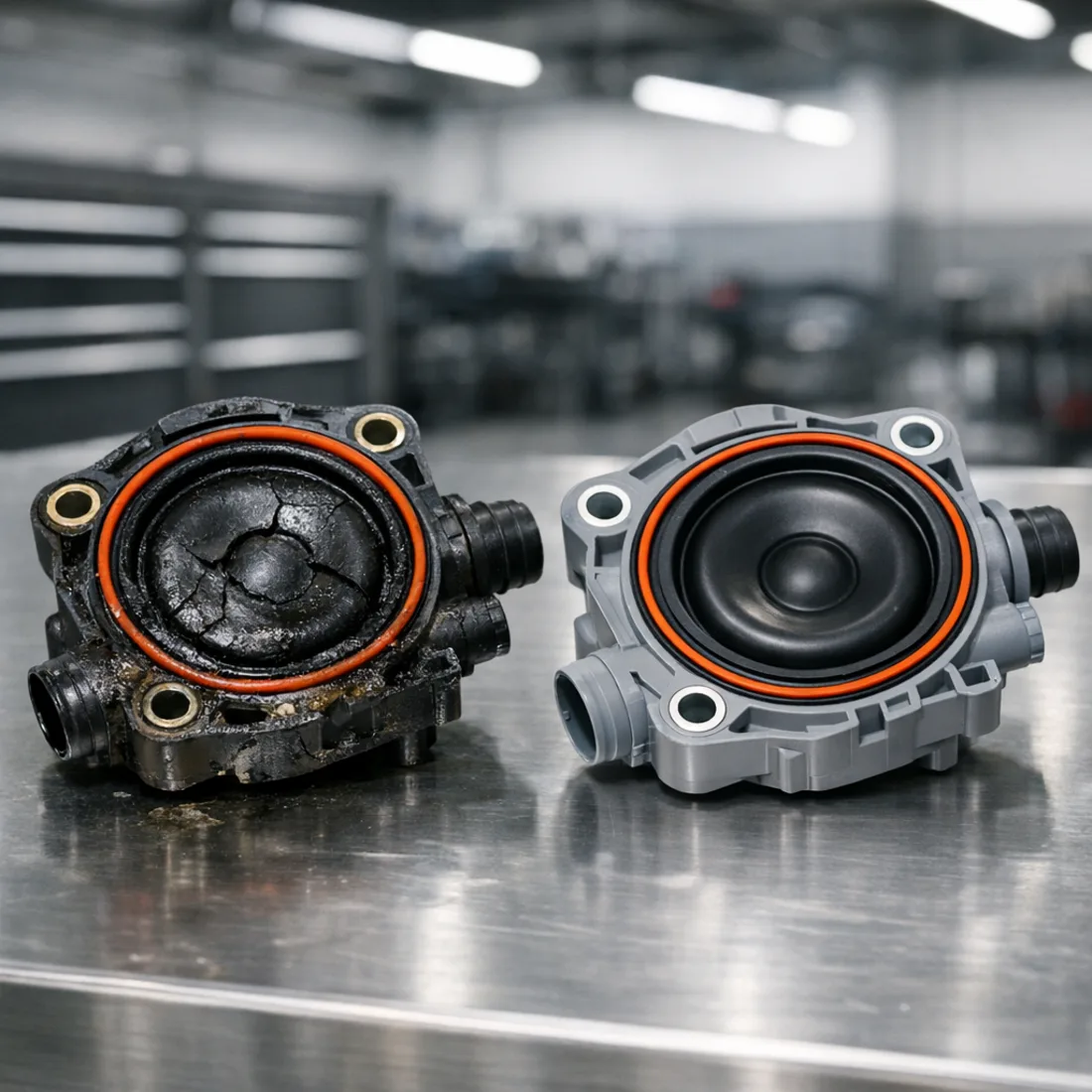
PCV valve and diverter valve failures
-
Timing chain and tensioner on higher mileage examples
-
Oil consumption from tired piston rings or PCV
-
HPFP follower and cam wear
The Mk7 Performance is arguably the sweet spot of the whole range for used buyers.
245hp from the factory, timing chain drama mostly resolved, and Stage 1 tuning takes it somewhere the standard car can't go.
Stage 1 tuning on the DLBA via Simos 18 takes output to around 300hp and 440Nm, gains of 55hp and 80Nm. Given it's already at 245hp from the factory, the Performance variant is genuinely strong after a proper tune.
We also offer DTC removal, pop and bang mapping, start/stop disable, and Vmax adjustments on this platform. The Mk7 Performance also supports DSG tuning alongside the engine remap, getting the gearbox software matched to the engine's new output gives you a better result than tuning the engine alone.

Golf GTI Mk7.5 2.0 TSI: The Facelift That Tidied Things Up
The Mk7.5 is essentially the Mk7 with a sharper face, tweaked suspension calibration, and a slight power bump to 230hp and 350Nm for the standard GTI. It carries the same EA888 architecture and the Simos 18 ECU, so the fault pattern is closely related to its immediate predecessor, with a few updates worth knowing.
The timing chain tensioner concerns that were more pronounced on earlier EA888 units eased further on the Mk7.5, but the chain and tensioner are still worth inspecting on any example with genuine mileage. Don't assume the improvement means it's invincible. It just means it's less urgent than it was on a Mk5.
Carbon on the intake valves is still very much a thing. The Mk7.5 doesn't have port injection added, so the physics haven't changed. Oil consumption creeping up is also worth watching, and it often traces back to the PCV valve or tired piston rings. A healthy Mk7.5 should use very little oil between changes; if it's drinking it, something needs attention.
The water pump and thermostat housing concern carries over from the Mk7. Same electric pump, same plastic housing, same failure mode. If a Mk7.5 comes in with a coolant smell or temperature irregularities, that's where we look first.
The DSG gearbox on the Mk7.5 is the DQ250-6A/6F/6V MQB unit. It's a good box when serviced correctly, but skipped fluid changes cause shift quality issues and solenoid wear. We see a fair number of Mk7.5s where the previous owner stretched the service intervals, and the gearbox is the first thing to show it. A proper TCU and gearbox service brings them back into line.
Routine servicing follows the same pattern as the Mk7: VW 504 00 oil, filters, spark plugs, brakes, and drive belt. Stage 1 tuning on the Mk7.5 via Simos 18 takes it to 300hp and 440Nm, a 70hp and 90Nm gain over standard. For a car that's already well sorted, that's a compelling uplift.
-
Timing chain and tensioner worth inspecting on higher mileage examples
-
Carbon build up on intake valves from direct injection
-
Water pump and thermostat housing leaks
-
PCV valve failure and oil consumption
-
DSG shift quality issues from skipped fluid changes
-
High pressure fuel pump follower and diverter valve issues
A DSG that shifts perfectly is a joy; one that's been neglected feels vague and hesitant.
DSG service history is the single most important thing to check on any Mk7 or Mk7.5 purchase.
Stage 1 tuning on the Mk7.5 via Simos 18 takes it to 300hp and 440Nm, a gain of 70hp and 90Nm over standard. The Mk7.5 also supports DSG tuning alongside the engine remap. Getting the gearbox software matched to the engine's new output gives you a better result than tuning the engine alone.
Beyond the power tune, options include pop and bang crackle mapping, Vmax adjustment, start/stop disable, and DTC removal. Every tune we do starts with a proper mechanical inspection. Sort the car, then tune it. That's always the sequence.
Golf GTI Mk8 2.0 TSI: More Tech, Same Family Traits
The Mk8 is the most sophisticated Golf GTI ever built. The EA888 evo4 pushes 245hp and the whole package is wrapped in a far more software dependent architecture than any generation before it. More technology means more capability, and it also means more things that need proper workshop expertise rather than a generic scan tool.
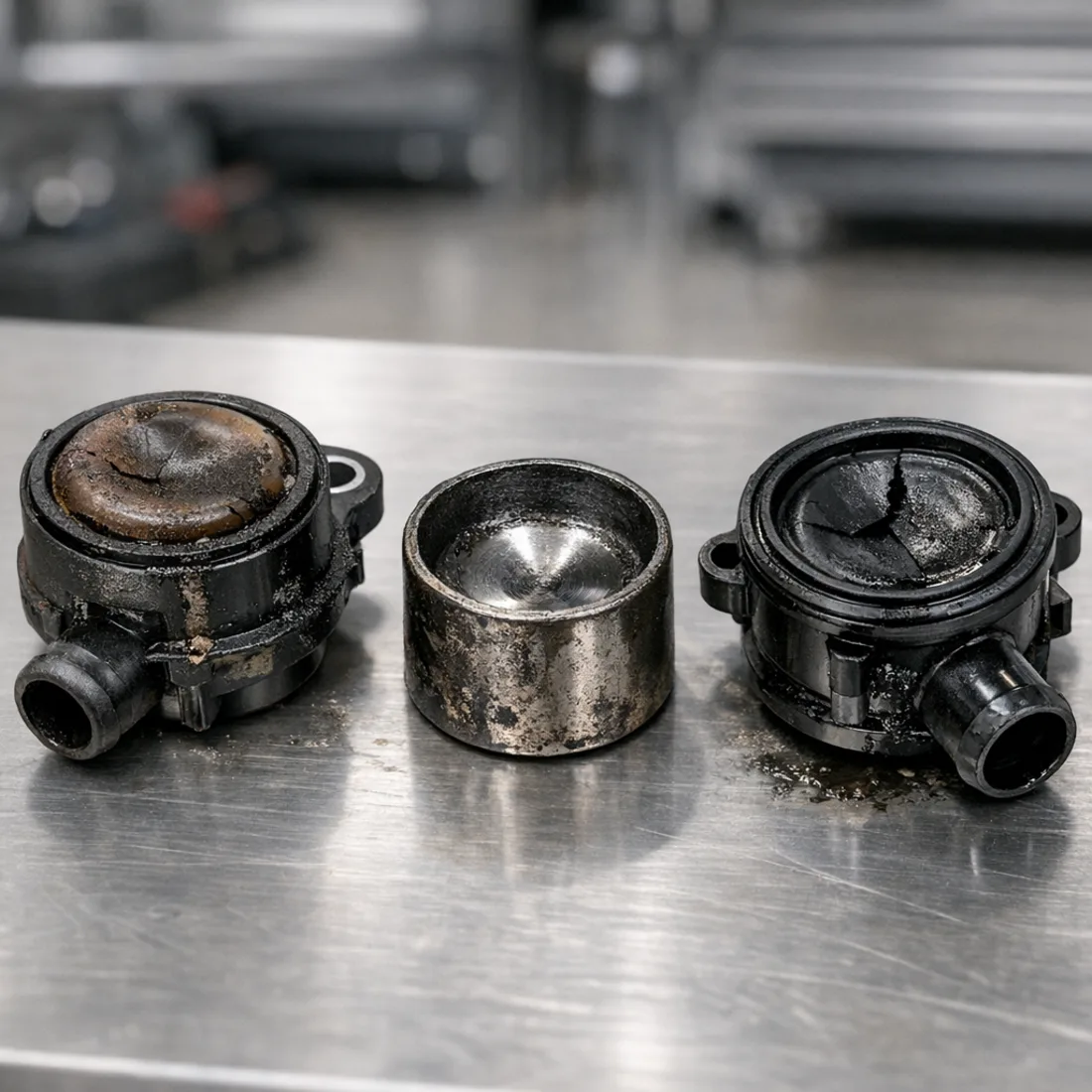
The PCV valve and crankcase ventilation are a known weak point on the evo4, and it's one of the first things we check on any Mk8 that comes in with oil consumption, rough idle, or boost concerns. Carbon build up on the intake valves carries forward from every previous generation, because the fundamental direct injection physics haven't changed. If your Mk8 is losing sharpness at higher mileage, the intake is worth inspecting.
The water pump and thermostat housing concerns that appeared on the Mk7 and carried through the Mk7.5 are still present on the Mk8. The HPFP cam follower and timing chain tensioner are worth keeping an eye on as the fleet ages. These aren't urgent on low mileage examples, but they're on our checklist for anything coming in above 80,000km.
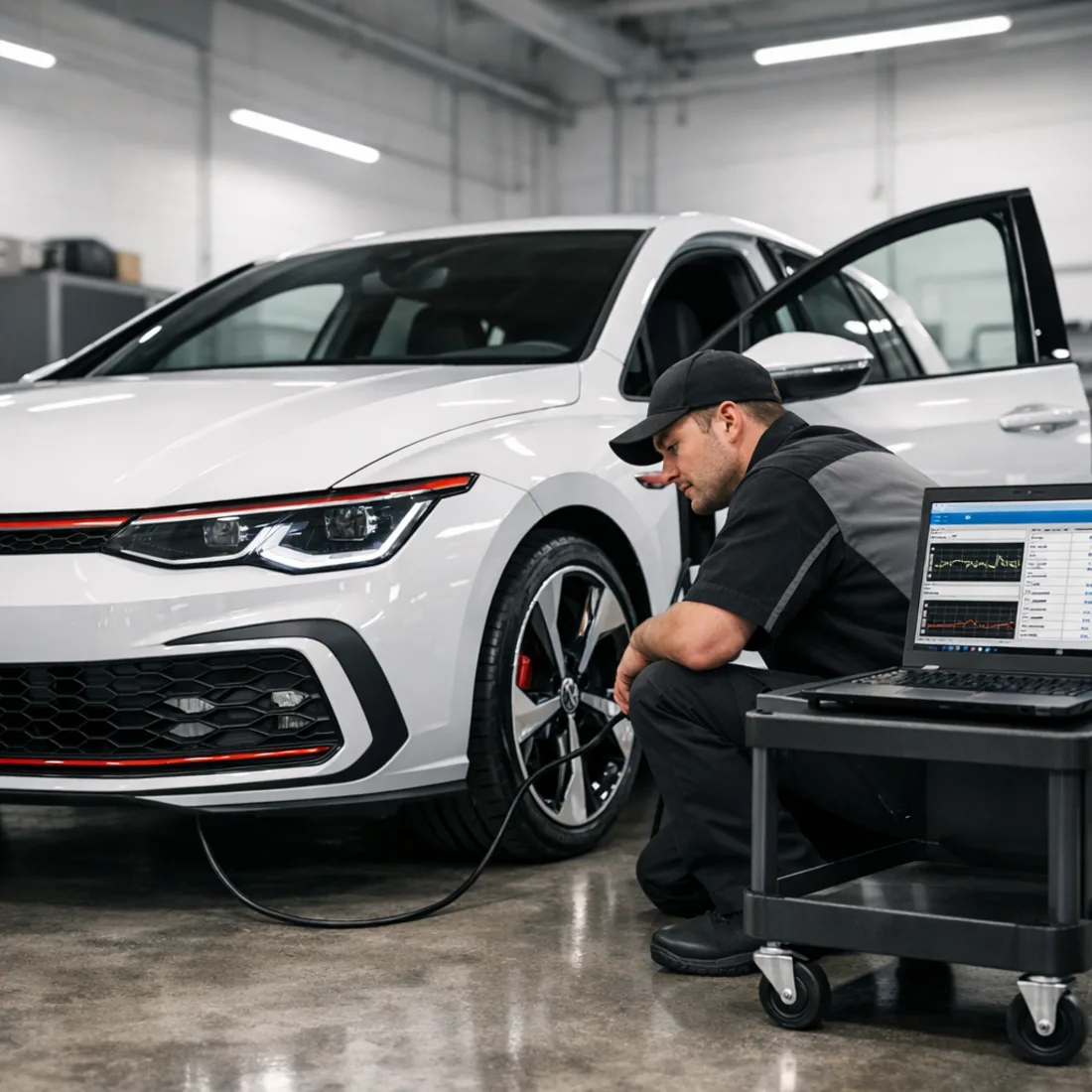
The Mk8 adds something genuinely new to the fault picture: software and coding complexity. The infotainment system, driver assistance modules, and various control units interact in ways that throw fault codes a generic reader can't properly interpret or clear. ODIS, the factory VW diagnostic platform, is non negotiable on an Mk8. Without it, guided fault finding is guesswork.
Routine servicing on the Mk8 uses VW 508 00 or the approved equivalent grade oil, which is different from the 504 00 used on the Mk7 and Mk7.5 families. Getting the oil spec right matters on the evo4. Beyond that: air and cabin filters, spark plugs at the correct interval, brakes, and wipers. The DQ381 DSG box on the Mk8 has its own service requirements and responds well to proper fluid changes. Stage 1 tuning suits the evo4 very well given the engine's architecture and headroom.
-
PCV valve and crankcase ventilation failure
-
Carbon build up on intake valves
-
Water pump and thermostat housing leaks
-
HPFP and cam follower wear on higher mileage examples
-
Timing chain and tensioner watch items above 80,000km
-
Infotainment and module coding faults requiring ODIS
ODIS, the factory VW diagnostic platform, is non negotiable on an Mk8.
Without it, guided fault finding is guesswork. A generic OBD reader gives you a fault code; ODIS tells you what actually caused it.
A used Mk8 that's had issues repaired at a non specialist workshop may carry incorrectly cleared or uncoded faults. Always have it checked with ODIS before buying. The infotainment gremlins are real and the right diagnosis and coding tool is essential.
Stage 1 tuning suits the evo4 very well given the engine's architecture and headroom. Every tune starts with a proper mechanical inspection. A car that's got tired spark plugs, a leaking PCV, or a worn cam follower doesn't respond to a tune the way it should, and it may not hold the tune reliably either.
Picking Between Them: Used Buying Advice Across the Generations
If you're shopping the Golf GTI used, here's how the generations stack up honestly.
You want the cheapest entry point and the most character rich driving experience. It demands the most mechanical attention. Always listen for a cold start timing chain rattle, check the HPFP follower, and budget for intake cleaning. A well maintained Mk5 with good service history is rewarding. A neglected one is a money pit.
You want the sweet spot of the whole range for used buyers. The timing chain drama of the early EA888 is mostly resolved, the DLBA engine is genuinely strong, 245hp from the factory is more than enough, and Stage 1 tuning takes it somewhere the standard car can't go. Get a pre purchase inspection and check the DSG fluid history.
You want the same strength as the Mk7 Performance in a fresher package. The standard GTI variant at 230hp is a touch behind the Performance in factory output, but Stage 1 tuning levels that out. DSG service history is critical to check. Shares most of the same considerations as the Mk7 Performance.
You want the newest and most capable GTI. Be aware it's also the most software dependent. A used Mk8 that's had issues repaired at a non specialist workshop may carry incorrectly cleared or uncoded faults. Always have it checked with ODIS before buying.
- Listen for a cold start timing chain rattle on any Mk5
- Ask for HPFP cam follower inspection history on the Mk5 CCTA
- Check coolant level and look for thermostat housing seeps on Mk7 and later
- Verify DSG service history on any DSG equipped example
- Have any Mk8 scanned with ODIS before purchase to check for uncoded faults
- Check for carbon build up symptoms: rough running, misfires, lost power
- Ask about oil consumption, especially on EA888 cars with higher mileage
Servicing Across the GTI Family
One engine family across four generations means there's a common thread to GTI servicing, but the differences in oil spec and service requirements across generations do matter. Our car servicing covers every Golf GTI generation with the correct fluids, filters, and intervals for each one.
The Mk5 runs VW 502 grade oil. The Mk7 and Mk7.5 need VW 504 00 grade. The Mk8 evo4 calls for VW 508 00 or approved equivalent. Using the wrong spec in any of these engines isn't a minor issue: it affects oil consumption, turbo lubrication, and long term wear. We stock the right fluids for all of them.
Spark plug intervals matter more on a turbocharged petrol than most people realise. Run too long and you're dealing with misfires, coil stress, and potential catalytic converter damage. Across all four generations, we follow the factory intervals rather than the stretched ones some service centres try to push.
Brake work is a constant on GTIs because they get driven. Our brake repair service covers pads, rotors, calipers, and brake fluid flushes across the whole GTI range. The Performance variants especially put their brakes through serious work.
The DSG transmission across these generations needs its own attention. Fluid changes at the correct intervals, mechatronic unit health checks, and software adaptations done properly through ODIS. A DSG that shifts perfectly is a joy; one that's been neglected feels vague and hesitant. We sort both.
Diagnostics: Why ODIS Matters Across Every Generation
Every Golf GTI from Mk5 to Mk8 gets diagnosed with ODIS, the factory Volkswagen diagnostic platform. It's not a preference, it's a necessity. ODIS reads full module data, runs guided fault finding, performs coding and adaptations, and gives us live data the way the factory intended. A generic OBD reader gives you a fault code; ODIS tells you what actually caused it and what the fix requires.
This matters most on the Mk8 where software complexity is highest, but it's just as important on older generations. Clearing a fault code without understanding the root cause, or performing a repair without the correct adaptation afterwards, creates problems that show up later and cost more to fix. We don't take shortcuts here.
When a Golf GTI comes in with a check engine light, we do a full module scan rather than pulling the single fault that triggered the light. On these cars, a single visible symptom often comes with secondary codes in other modules that point to the actual cause. Seeing the full picture is how you fix the car properly the first time.
Tuning the Golf GTI: Mk5 Through Mk8
The Golf GTI has always been a strong platform for tuning, and the EA888 family takes a Stage 1 remap very well. Every tune we do starts with a proper mechanical inspection. A car that's got tired spark plugs, a leaking PCV, or a worn cam follower doesn't respond to a tune the way it should, and it may not hold the tune reliably either. Sort the car, then tune it. That's always the sequence.
Bosch MED17.5 or MED9.1 ECU. The engine responds well when it's in good mechanical health first. Options include pop and bang crackle mapping, DECAT, FLAPS, Vmax, and anti lag.
Simos 18 ECU. Given it's already at 245hp from the factory, the Performance variant is genuinely strong after a proper tune. Options include DTC removal, pop and bang mapping, start/stop disable, and Vmax. DSG tuning available alongside the engine remap.
Simos 18 ECU with Temic DQ250-6A/6F/6V MQB DSG. For a car that's already well sorted, that's a compelling uplift. DSG tuning alongside the engine remap gives you a better result than tuning the engine alone.
Stage 1 tuning suits the evo4 very well given the engine's architecture and headroom. The Mk8's software dependent architecture means proper coding and ODIS are essential to the tuning process.
Beyond the straight power tune, options across the range include pop and bang crackle mapping, Vmax adjustment, start/stop disable, and DTC removal. Our tuning service covers both engine and DSG remapping.
Frequently Asked Questions
The questions we get most. Something else on your mind? Get in touch.