Three Generations of the Fast Golf: R32, Mk6 R and Mk7.5 R
The Golf R story is one of VW finding a formula and then quietly, relentlessly refining it. A brawling 3.2 V6 with all wheel drive in the Mk5, a turbocharged four cylinder that punched harder and harder with each iteration, and a Mk7.5 that arrived almost embarrassingly competent. Each generation fixed something the last one got wrong, and each one introduced its own pressure points. If you own any one of them, this page tells you what actually goes wrong, why it goes wrong, and what proper care looks like. If you're shopping between them, we'll help you figure out which one makes sense for your situation.
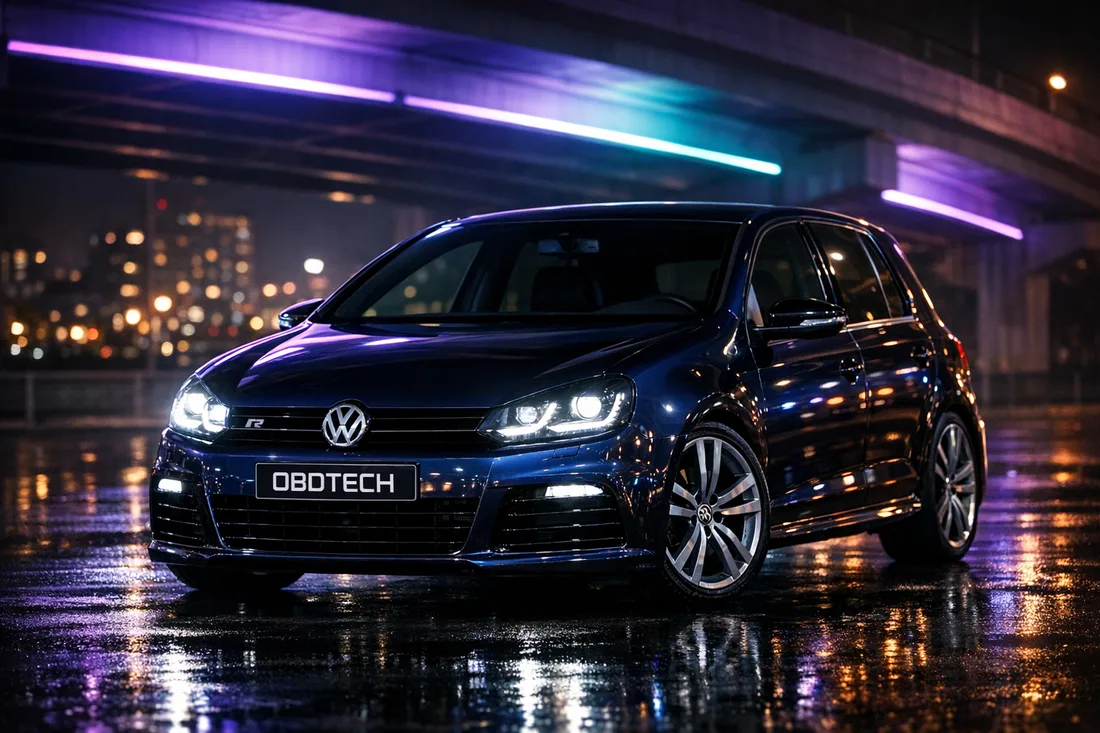
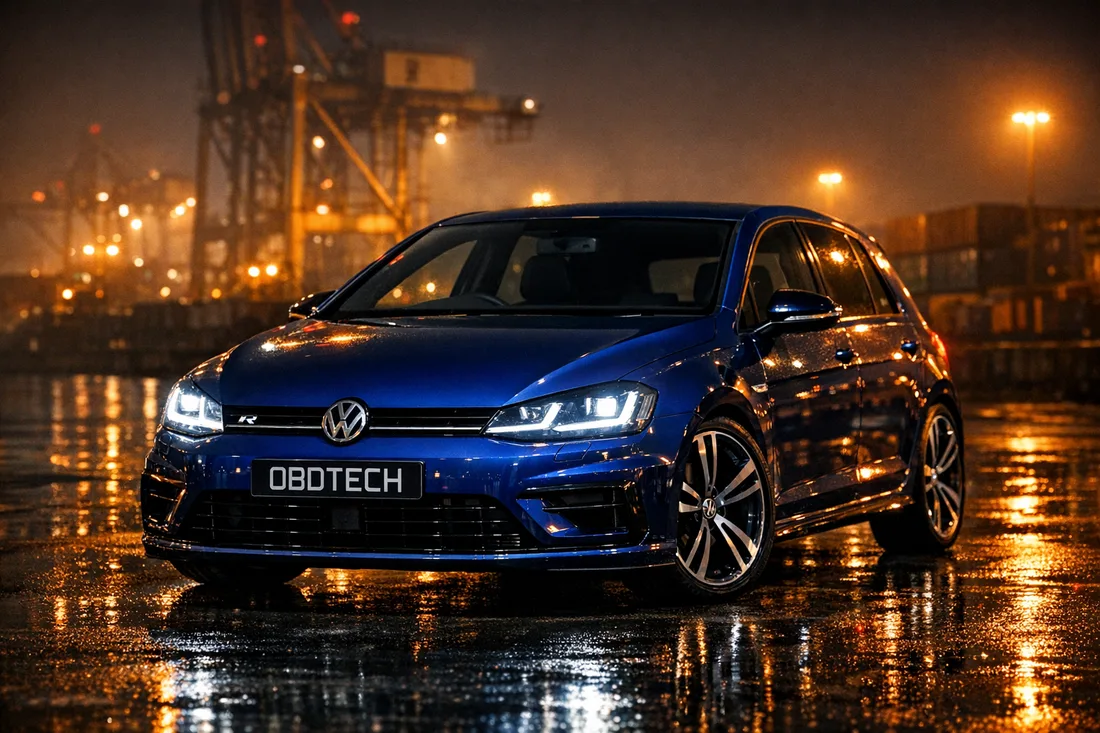
Golf R32 Mk5: The V6 That Started It All
The Mk5 R32 is the odd one out in this family, and that's exactly what makes it special. While the Golf R generations that followed it went turbocharged four cylinder, the R32 ran a 3.2 litre narrow angle V6, the BUB engine, producing 250hp and 320Nm from the factory. Paired with Haldex all wheel drive and available with a DSG gearbox, it was a proper performance car dressed up as a sensible hatchback. The intake sound from that V6 is still something a turbocharged four can't replicate, and plenty of owners hold onto them for exactly that reason.
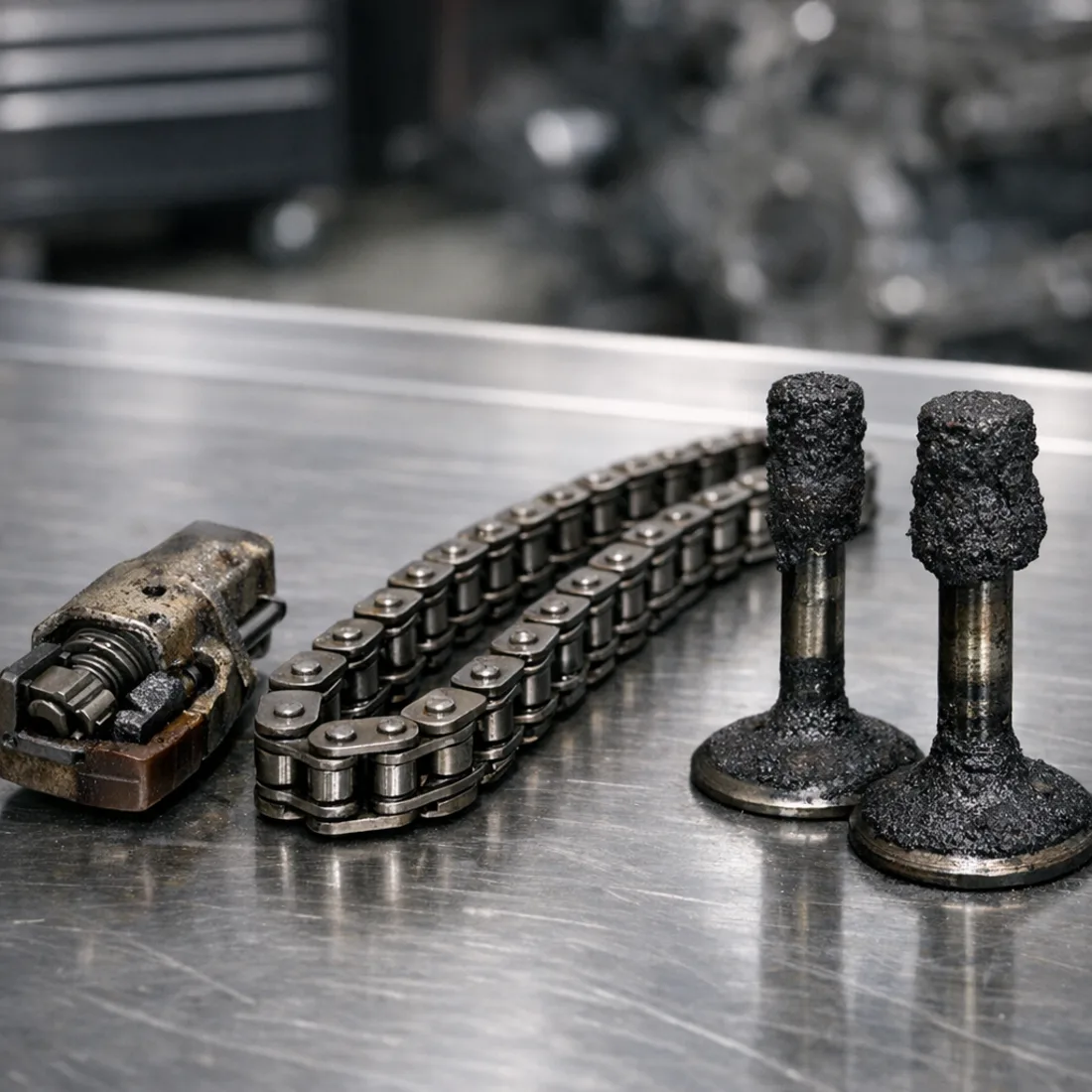
But these cars are aging now, and the BUB engine has some specific habits you need to know about. The timing is chain driven, and as chains and tensioners wear, cold start rattles develop. That rattle isn't something to ignore and then reassess next month. It means the tensioners are tired, and if they let go the damage is expensive. Carbon build up on the intake side is a known issue on this engine too, and it quietly robs power and smoothness before you even notice it's happening.
The Haldex all wheel drive system on the R32 needs its oil and filter changed on a proper schedule. Skip that service and the coupling gets sluggish, then starts slipping, then gets expensive. Same story with the DSG: regular fluid and filter changes keep it crisp, neglect it and the mechatronics take the hit.
We diagnose the R32 with the factory VW ODIS platform, not a generic scan tool. That matters because ODIS reads every module in the car properly, including Haldex control, DSG mechatronics and the BUB engine ECU running Bosch ME7.1.1 or ME7.5.5 depending on the build. Generic tools often can't reach those modules at all.
-
Timing chain rattle on cold start from worn chains and tensioners
-
Carbon build up on intake valves and ports
-
Coil pack failures causing rough idle and misfires
-
Spark plug wear on the V6 (six plugs, all working hard)
-
Haldex coupling going lazy from skipped oil and filter services
-
DSG issues from neglected fluid and filter changes
That rattle isn't something to ignore and then reassess next month.
It means the tensioners are tired, and if they let go the damage is expensive.
Standard service items on the R32 that we work through at each visit include oil and filter in the correct VW 502 specification, air filter, cabin filter, fuel filter, wipers and drive belts. Spark plugs and coil packs are worth doing together when one starts failing because the others aren't far behind.
Brake pads, rotors and suspension components are all age related work on a car that's now well into its teens, and they respond well to genuine OEM replacement parts.
Get your Golf R booked in with a proper specialist.
Golf R Mk6 2.0 TSI: Where the Turbo Four Took Over
The Mk6 Golf R swapped the naturally aspirated V6 for a 2.0 TSI turbocharged four, the CDL engine, and in doing so made 270hp and 350Nm while being notably more efficient and tunable than what came before. It shares its EA113 architecture with the Audi S3 of the same era, which tells you a lot about where VW positioned it. The 0 to 100 sprint in around five seconds from a car that fits in a supermarket car park was genuinely impressive at launch, and it still is on the road today.
Compared to the R32, the Mk6 R fixed the V6's appetite for fuel and the complexity of maintaining six cylinders. What it introduced instead was a set of CDL specific pressure points that owners need to know about, especially as the cars age into the New Zealand fleet.
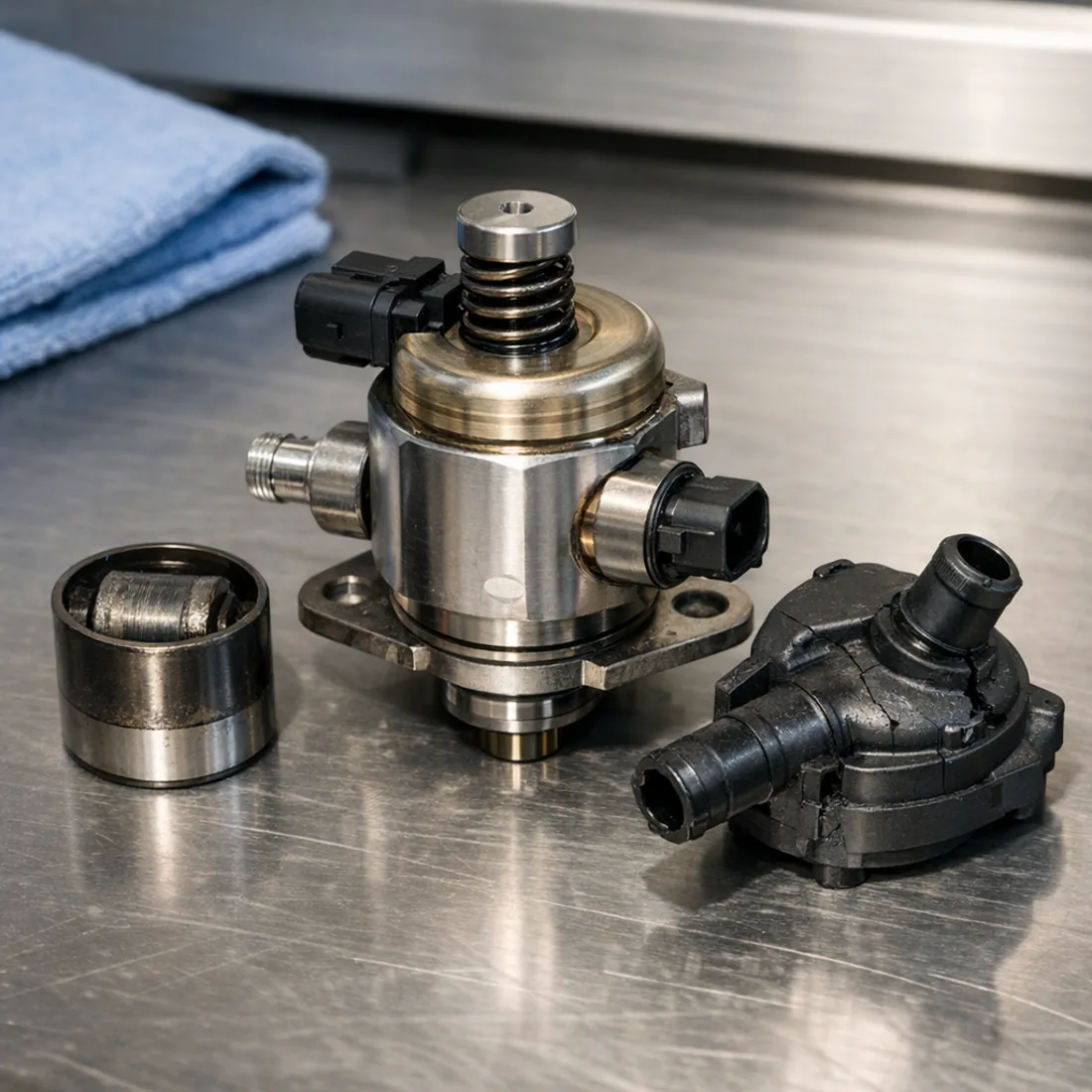
The cam follower issue on the CDL deserves special attention. This small part sits between the camshaft and the high pressure fuel pump, and when it wears down it starts damaging the HPFP lobe. The pump then fails. Replacing the follower early is a fraction of the cost of replacing both the follower and the pump together, so it's the kind of inspection we build into our service visits on these cars. If you're buying a used Mk6 R, ask specifically whether this has been checked.
Unlike the R32's chain driven timing, the CDL runs a cambelt. That means the cambelt, tensioner and water pump are all service items with a finite life, and skipping the interval isn't a gamble worth taking. When it goes it goes suddenly, and the engine doesn't survive it.
Diagnostics on the Mk6 R run through the factory ODIS platform. ODIS gives us live data, guided functions and proper coding access across every module, including Haldex control and DSG mechatronics. The CDL uses a Bosch MED9.1 ECU.
-
Cam follower wear that then damages the high pressure fuel pump lobe
-
HPFP wear from a worn cam follower going undetected
-
Carbon build up on intake valves from direct injection
-
Ignition coil and spark plug failures under boost
-
PCV system issues and diverter valve failures
-
Cambelt, tensioner and water pump reaching service life
Replacing the follower early is a fraction of the cost of replacing both the follower and the pump together.
It's the kind of inspection we build into our service visits on these cars.
Standard service items on the Mk6 R include oil and filter in the correct VW 502 specification, air filter, cabin filter, spark plugs, ignition coils, drive belt, and the cambelt kit with water pump at the correct interval.
DSG service for cars equipped with the dual clutch gearbox, Haldex fluid and filter, clutch inspection on manual cars, and brake pads and rotors round out a thorough visit.
Golf R Mk7.5 2.0 TSI: The Most Complete One Yet
The Mk7.5 Golf R is where the formula reached its sharpest point. Three hundred and ten horsepower and 380Nm through a DQ381 wet clutch DSG and Haldex all wheel drive, in a chassis that sets a benchmark for composure. VW moved to the EA888 Gen 3 engine here, a more modern turbocharged 2.0 TSI with better thermal management and refinement than the CDL that preceded it. On paper it addressed a lot of the Mk6's rough edges. In practice it introduced some of its own.
The carbon build up issue didn't go away with the newer engine. Direct injection still means fuel isn't washing the intake valves, and without regular cleaning the deposits accumulate and affect flow. PCV and breather issues appear on the EA888 Gen 3 too. Water pump and thermostat housing failures show up, and high pressure fuel pump follower wear is still a consideration, the same principle as the Mk6 R's CDL. The Haldex system and the DSG both need their periodic attention, and owners who treat this car as low maintenance because it's newer are the ones who call us with bigger bills later.
The DQ381 wet clutch DSG in the Mk7.5 R is a genuine improvement over older DSG units in many ways, but it's still a piece of precision engineering that needs clean fluid to work properly. The Haldex system is the same story it's always been: service the filter and pump on schedule and it works brilliantly, neglect it and it gets lazy.
We diagnose the Mk7.5 R with the factory VAG ODIS platform, which gives us proper access to the Simos 18 engine ECU, the Temic DQ381 gearbox controller, Haldex module and everything else in the car. A generic scan tool simply doesn't reach that depth.
Service items on the Mk7.5 R use 504/507 or 508 specification oil. Air filter, cabin filter, spark plugs at the correct interval, drive belts, brake pads and rotors, DSG service, Haldex fluid and filter, and intake carbon cleaning are all routine work we carry out on these cars.
-
Intake valve carbon build up from direct injection
-
PCV and breather system issues
-
Water pump and thermostat housing failures
-
HPFP cam follower wear
-
Haldex filter and pump neglect affecting AWD response
-
DSG DQ381 needing fluid and filter changes to protect mechatronics
The Stage 1 tune takes the Mk7.5 R from 310hp and 380Nm to 365hp and 470Nm.
That's the largest step across all three generations covered on this page.
Shopping Between Them: Which Generation Makes Sense Used
If you're weighing up which Golf R to buy second hand, here's how we'd think about it.
The R32 is the most distinctive of the three, and the sound of that V6 is genuinely hard to replicate. Buy one with confidence only if you can verify the Haldex and DSG have been serviced regularly and there's no cold start timing rattle. It's not the fastest of the three on paper, and the tune gains are more modest, but it's the one people keep for reasons that have nothing to do with spreadsheets.
The Mk6 R CDL is probably the sweet spot for most buyers right now. The power output is strong, the Stage 1 tune gains are excellent at 40hp and 70Nm, and there's a good supply of them in New Zealand. A car with a clear cambelt history and a freshly inspected cam follower is worth paying a bit more for. Avoid anything with a vague service history on a direct injection turbocharged engine.
The Mk7.5 R is the most powerful, the most refined and the easiest to live with day to day. The Stage 1 tune gain of 55hp is the largest of the three. It's also the youngest, so fewer surprises from age related wear, but it deserves the same discipline around Haldex service, DSG fluid and intake cleaning. It commands a higher price, and that's justified if you want the complete package.
- Verify Haldex and DSG service history on R32 and check for cold start timing chain rattle
- On the Mk6 R CDL, confirm cambelt service history and ask whether the cam follower has been inspected
- Check for HPFP wear history or any fuel delivery faults on CDL and EA888 Gen 3 engines
- On the Mk7.5 R, confirm DSG DQ381 fluid and filter has been changed on schedule
- Inspect all three generations for intake carbon build up history and any related rough idle faults
How We Service All Three Generations
All three generations of the Golf R are cars where the service schedule matters and the specification of parts and fluids is not optional. The R32 uses VW 502 grade oil; the Mk7.5 R moves to 504/507 or 508 spec. Using the wrong oil grade in either engine quietly causes wear the owner won't see until it's expensive.
Standard service items across the range include oil and filter, air filter, cabin filter, drive belts and spark plugs at the correct intervals. The R32 adds fuel filter, coil packs and Haldex service. The Mk6 R adds the cambelt kit with water pump as a non negotiable service item. The Mk7.5 R adds DSG DQ381 fluid and filter, Haldex pump and filter, and intake carbon cleaning. Brake pads and rotors are routine work on all three given how these cars are driven.
How We Diagnose These Cars
All three generations of the Golf R are cars where the diagnostic tool matters as much as the technician using it. Generic OBD tools can read engine fault codes and not much else. ODIS, the factory VW and VAG platform, lets us read live data from every module in the car, run guided test functions, perform adaptations and carry out coding. That includes the Haldex controller, DSG mechatronics, the engine ECU, immobiliser and body modules.
On the R32 with its Bosch ME7-series ECU, ODIS is the only tool that gives us reliable access to the fuel trim data and ignition control we need to properly diagnose a rough idle or coil related misfire. On the CDL with its Bosch MED9.1 ECU and on the Mk7.5's Simos 18, it's the same story. We don't guess. We read the data, confirm the fault, fix the right thing.
Tuning the Golf R Family: What Each Generation Can Do
All three generations respond well to a properly mapped Stage 1 tune, and the gains scale with the hardware as the generations get newer. We write and supply custom maps, not off the shelf files. The engine runs on the dyno, we read the data, and we calibrate the map to your car specifically. Tuning works best on a car that's in good health. If there are boost leaks, worn spark plugs or a failing coil pack, the tune will expose those problems rather than hide them. We check the car over before mapping and raise anything that needs attention first.
ECU is Bosch ME7.1.1 or ME7.5.5. Alongside the power gains we can add pop and bang crackle maps, Vmax removal, FLAPS deletion and DTC removal.
ECU is Bosch MED9.1. Forty horsepower and 70Nm of torque from a software change on factory hardware is a serious return. Pop and bang, Vmax removal and other options are available alongside it.
ECU is Simos 18 with Temic DQ381 gearbox controller. The largest step across all three generations. Pop and bang, Vmax removal, anti lag and other options are all available.
For more on what's possible across the range, see our ECU tuning page for the full picture.
Frequently Asked Questions
The questions we get most. Something else on your mind? Get in touch.