Passat B8 1.4 TSI and 2.0 TSI
The B8 Passat arrived in New Zealand as proof that a family saloon could feel genuinely premium without demanding a full luxury badge price tag. Both the 1.4 TSI and the 2.0 TSI share the same restrained exterior and the same understated confidence on the motorway, but underneath they are quite different animals with their own quirks, their own service needs, and their own sweet spots. If you own either one, or you're trying to choose between them, this is the page you need.
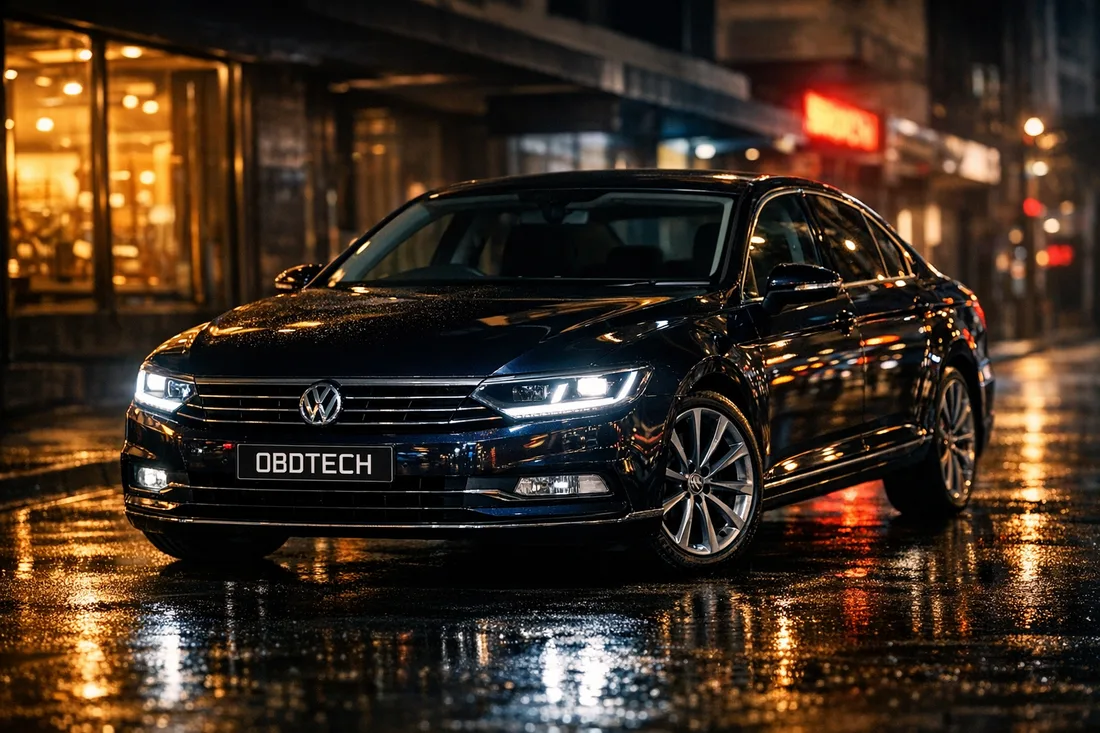
Passat B8 1.4 TSI (CZE, 150hp)
The 1.4 TSI uses the CZE engine code from Volkswagen's EA211 family. At 1395cc, 150 horsepower and 250 Nm, it's the more accessible engine in the B8 range, and in daily driving it's genuinely enjoyable. Compression sits at 10.5:1 with a bore and stroke of 74.5 x 80.0 mm, and the ECU stack includes the Bosch MED17.5.25 and MED17.1.27 alongside the Temic DQ200 DSG controller where that gearbox is fitted.
One of the most important differences between this engine and the 2.0 TSI is the timing drive. The EA211 uses a cambelt rather than a chain, which is actually a positive for durability when it's maintained, but it means there's a real deadline on that service. Miss the cambelt interval on a CZE and you're looking at a repair bill that will ruin your week. It's not a matter of watching for symptoms, the belt gives you no warning.
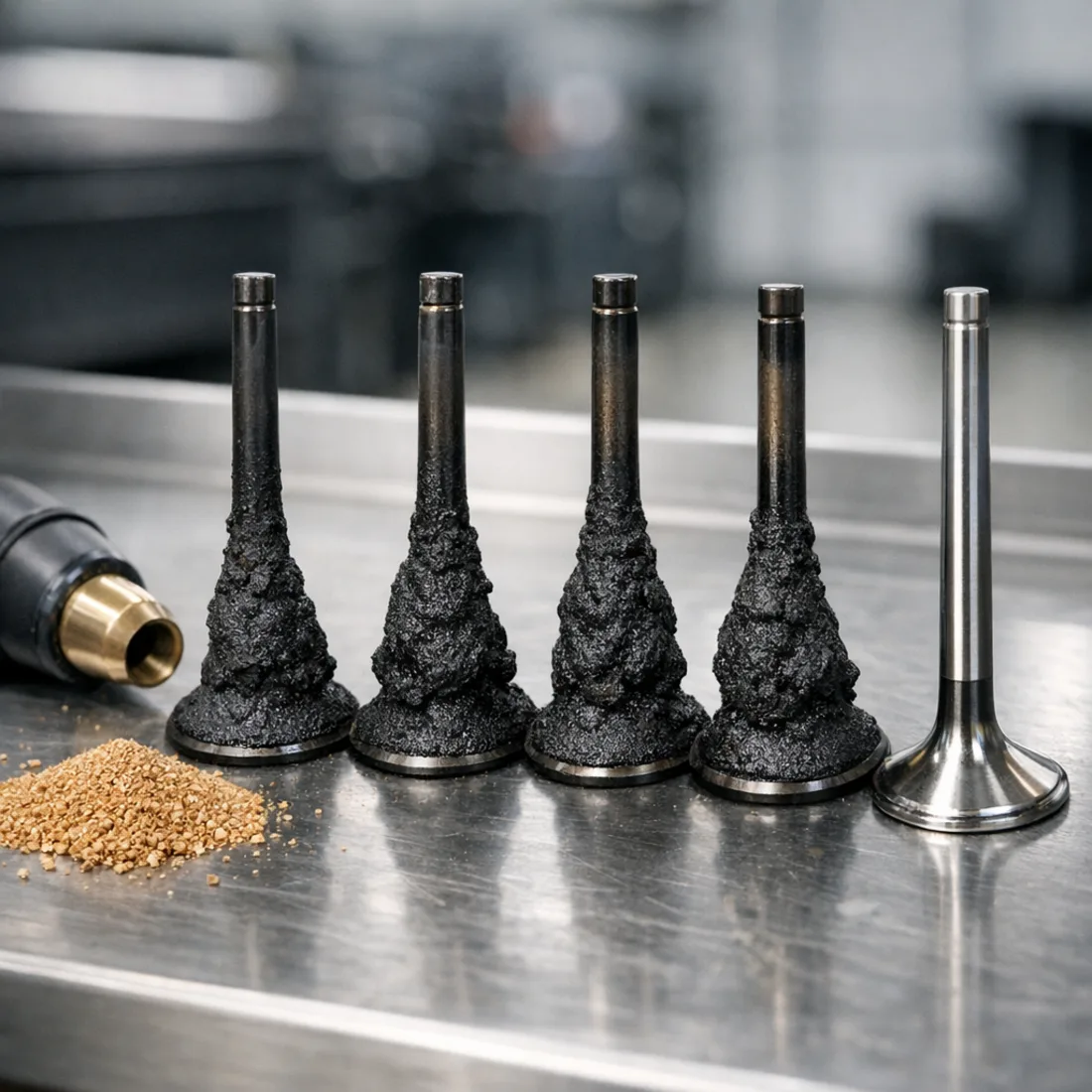
Because this is a direct injection engine, the intake valves don't get the fuel wash that a port injection setup provides. Carbon accumulates on the backs of the valves over time, and once it builds up enough you'll feel it as a rough idle, hesitation under load, or a misfire that comes and goes. It's a known characteristic of the EA211 family, not a sign the engine is worn out, but it does need addressing.
-
Cambelt service overdue, the single biggest preventable failure on this engine
-
Carbon build up on intake valves causing rough idle and occasional misfires
-
Ignition coil and spark plug degradation leading to misfire codes
-
Water pump and thermostat housing leaks
-
DSG service neglect, especially on higher mileage examples
Miss the cambelt interval on a CZE and you're looking at a repair bill that will ruin your week.
The belt gives you no warning. It simply breaks.
We diagnose the 1.4 TSI with ODIS, Volkswagen's factory diagnostic platform, not a generic Bluetooth scanner. That matters because ODIS gives us access to every module in the car, guided fault finding, and the ability to run output tests and adaptations that a generic tool simply can't touch. Suspension and sensor faults on these cars often look like something else until you can read the full picture.
Routine service on the 1.4 TSI covers oil and filter with the correct VW spec grade, air filter, cabin filter, spark plugs, drive belt, brake pads and rotors, and wipers. The cambelt service is a scheduled interval item and not optional. Where DSG is fitted, the gearbox fluid service matters more than most owners realise, and we cover that properly.
Get your B8 Passat booked in with a proper VAG specialist.
Passat B8 2.0 TSI (CHH, 220hp)
The 2.0 TSI steps things up considerably. The CHH engine code sits in the EA888 family at 1984cc, producing 220 horsepower and 350 Nm from a 9.6:1 compression ratio with an 82.5 x 92.8 mm bore and stroke. The ECU options across the range include Bosch MG1CS002, Siemens/Continental Simos 18.1 and Simos 18.2, depending on build date and market. This is a meaningfully more powerful machine than the 1.4, and it's more complex to work on as a result.
The EA888 has a long history in the VAG lineup and the CHH is a later revision of that family, which means some of the earlier generation's problems were addressed. Earlier EA888 units had a reputation for timing chain tensioner issues that would announce themselves as a cold start rattle. The CHH is generally improved in this area, but timing chain and tensioner condition is still worth checking on any used example.
The PCV valve is a regular culprit on the 2.0 TSI and worth checking early. When it fails you'll often see increased oil consumption, a rough idle, or boost issues, and sometimes all three. The water pump on this engine integrates with the thermostat housing in a way that makes a small leak a bigger job than it sounds. We fit brand new genuine parts only, so when we do this work it's done once and done right.
Carbon build up on the intake valves is a theme that runs through both B8 engines, and the 2.0 TSI is no exception. It's a direct consequence of direct injection, the fuel never touches the back of the valves, and over time carbon deposits accumulate to the point where they restrict airflow and cause rough running. Intake carbon cleaning is something we handle regularly on these cars.
-
Carbon build up on intake valves, a direct injection characteristic shared with the 1.4
-
PCV valve failure leading to oil consumption and crankcase pressure issues
-
Water pump and integrated thermostat housing leaks
-
High pressure fuel pump and injector faults when running issues appear
-
Timing chain and tensioner wear on higher mileage units
Diagnosing the 2.0 TSI properly means reading module specific data, not just pulling generic fault codes.
ODIS lets us see what each control unit is actually reporting, run guided tests, and carry out adaptations after replacing components.
We service the 2.0 TSI with VW 504 00 specification oil, along with air filter, cabin filter, spark plugs, wipers, drive belts, and brake pads and rotors as needed. Timing chain and tensioner work, PCV replacement, water pump and thermostat housing, intake carbon cleaning, DSG service where fitted, and high pressure fuel system work are all in scope. Diagnostics run on factory ODIS throughout.
Without factory level ODIS access, you're working with incomplete information, and these cars will send you in the wrong direction if you let them. Our team uses ODIS to see what each control unit is actually reporting, run guided tests, and carry out adaptations after replacing components.
Choosing Between Them: 1.4 TSI or 2.0 TSI?
If you're shopping for a used B8 Passat, the choice between the 1.4 and 2.0 TSI comes down to what you actually need from the car, and what you're prepared to manage going forward.
The 1.4 TSI is the easier ownership proposition in some ways. It's lighter on fuel, the parts costs are generally lower, and the EA211 is a well understood engine. The catch is the cambelt, which is a hard deadline, not something you push out. If you buy a 1.4 TSI and don't know when the cambelt was last done, budget for it immediately. A 1.4 with a fresh cambelt and documented service history is a genuinely good used buy.
The 2.0 TSI is the better driver's car. 220 horsepower and 350 Nm in a composed family saloon is a strong combination, and the CHH is a refined unit. The complexity is higher, the service costs are a little higher, and you want to be confident the PCV and water pump are in good shape before committing. A well maintained 2.0 TSI with clean service records is worth the modest premium over the 1.4.
- For the 1.4 TSI: confirm the cambelt has been replaced and obtain documented proof, or budget for immediate replacement
- For the 2.0 TSI: check PCV valve and water pump condition before committing to purchase
- On either engine: check for carbon build up symptoms such as rough idle or misfire under load
- Verify DSG gearbox fluid service history on any DSG equipped example
- Prioritise cars with service history from a VAG specialist with proper ODIS access rather than a generalist workshop
- The sweet spot in the B8 range is a 2.0 TSI with provable service history
Servicing the B8 Passat Family
Both B8 engines share a DNA that rewards consistent, correct servicing. The oil spec matters on these engines, not just the viscosity but the approval rating. The 2.0 TSI runs VW 504 00 specification, and the 1.4 TSI has its own correct grade. Running the wrong oil to save a few dollars is a false economy on a turbocharged direct injection engine.
Our car servicing on both B8 variants covers the full scope of what these cars need at each interval, not a checklist job that misses the engine specific items. That includes DSG gearbox fluid service, which is one of the most commonly neglected items on these cars and one of the more expensive things to fix when it goes wrong from neglect. If the gearbox hasn't been serviced at the correct interval, address it before any harshness or hesitation becomes a larger repair.
Brake wear on the B8 is generally reasonable, but these are heavier cars and if you're in the 2.0 TSI and you use the performance regularly the pads and rotors will reflect that. Our brake repairs team handles pad and rotor replacement with genuine parts, and we check caliper condition and fluid health at the same time.
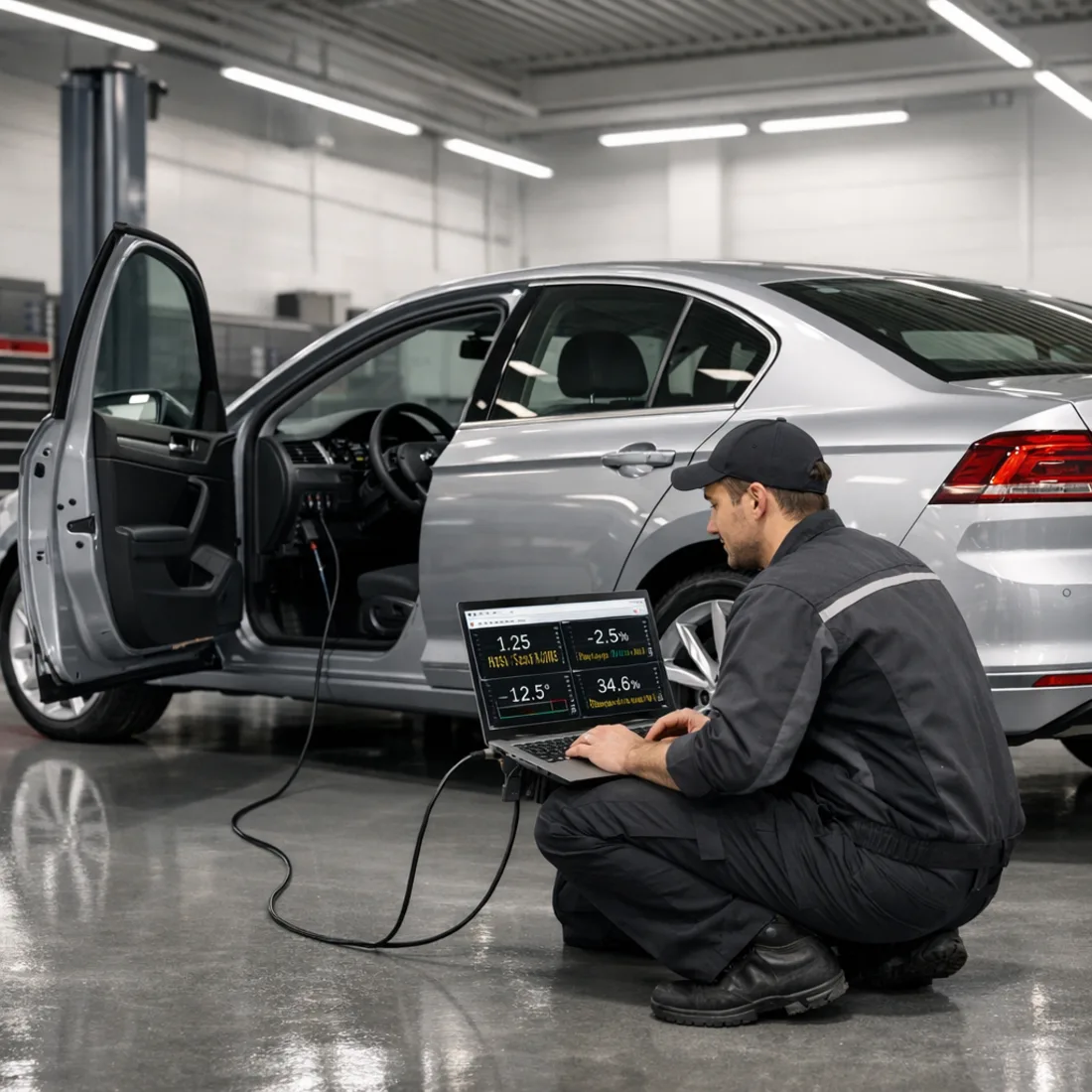
Factory Level Diagnostics on Every Visit
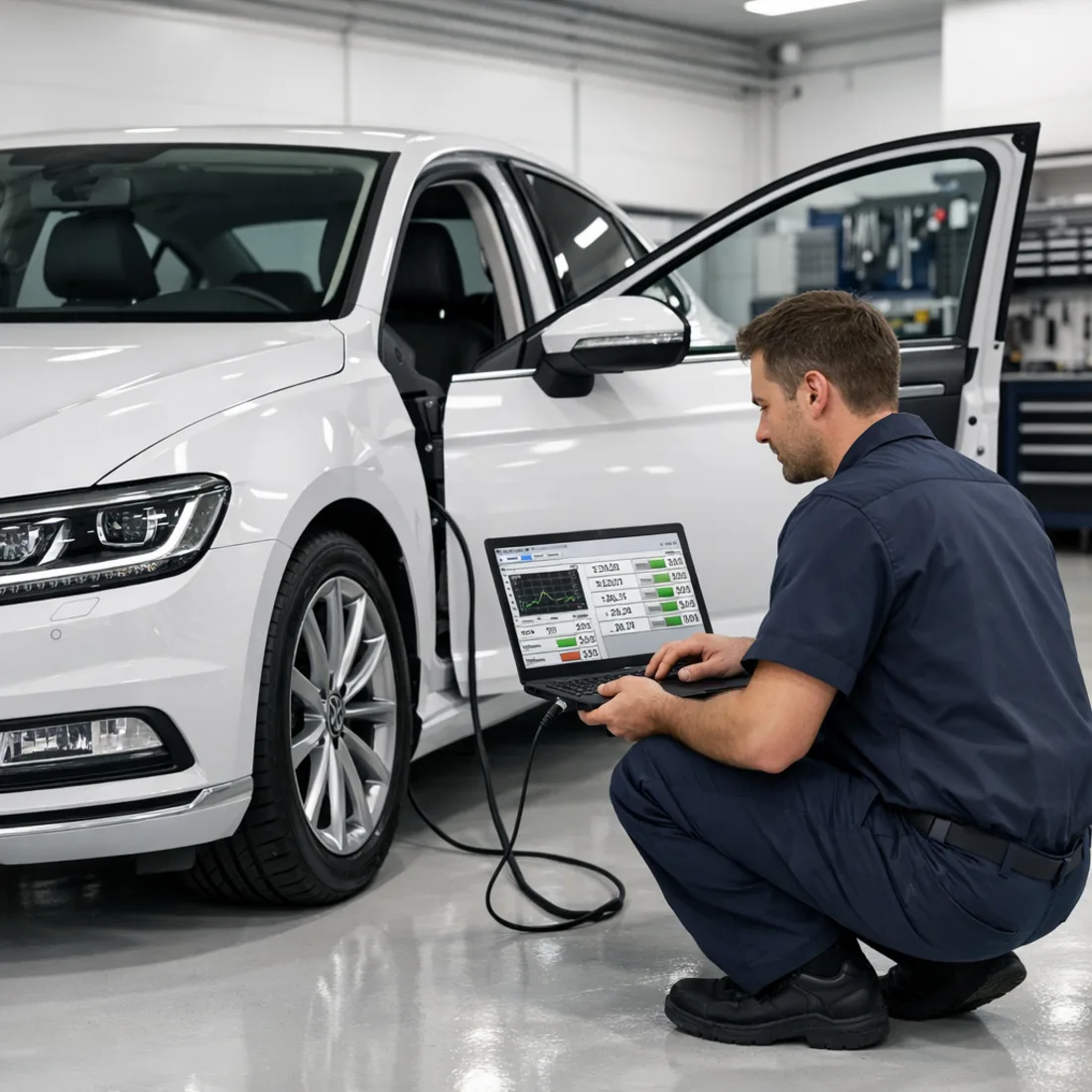
Diagnosing the 2.0 TSI properly means reading module specific data, not just pulling generic fault codes. ODIS lets us see what each control unit is actually reporting, run guided tests, and carry out adaptations after replacing components. Without that, you're working with incomplete information, and these cars will send you in the wrong direction if you let them.
We diagnose the 1.4 TSI with ODIS, Volkswagen's factory diagnostic platform, not a generic Bluetooth scanner. That matters because ODIS gives us access to every module in the car, guided fault finding, and the ability to run output tests and adaptations that a generic tool simply can't touch. Suspension and sensor faults on these cars often look like something else until you can read the full picture.
Tuning the B8 Passat
Both engines in the B8 Passat respond well to ECU tuning, though the 2.0 TSI is the more dramatic story.
The 1.4 TSI CZE responds to tuning as well. Stage 1 moves output from 150 horsepower and 250 Nm to 175 horsepower and 320 Nm, gains of 25 horsepower and 70 Nm. It won't turn the 1.4 into the 2.0, but it sharpens the throttle response and fills in the torque curve in a way that makes everyday driving noticeably more satisfying. Additional options available include DTC removal, pop and bang crackle map, START/STOP off, FLAPS, and Vmax.
The 2.0 TSI CHH on its stock Bosch MG1CS002, Simos 18.1 or Simos 18.2 calibration leaves a lot of headroom on the table. A Stage 1 tune brings output to 300 horsepower and 450 Nm, gains of 80 horsepower and 100 Nm over stock. That transforms the character of the car without any hardware changes, and it does it within the platform's mechanical limits. On top of the power map, we can also set up DTC removal, pop and bang crackle map, START/STOP disable, FLAPS control, and Vmax adjustment where relevant.
All tuning work is carried out alongside the engine calibration, because on a DSG equipped Passat the gearbox controller needs to be in step with the engine's new output. We don't tune the engine in isolation and leave the gearbox running on stock shift logic. Talk to our team about a file service to get the most out of your B8 Passat.
Frequently Asked Questions
The questions we get most. Something else on your mind? Get in touch.