Volkswagen Polo: 6C TDI, AW TSI and GTI
The Polo has always been a lot of car in a small package. From the frugal 6C diesel commuter through to the AW 1.5 TSI that catches you off guard mid corner, and on to the proper hot hatch energy of the GTI, each generation tells a different chapter of the same story. We work on all three in our Penrose workshop, and the differences between them matter a lot when you are buying used, booking a service, or chasing a fault.


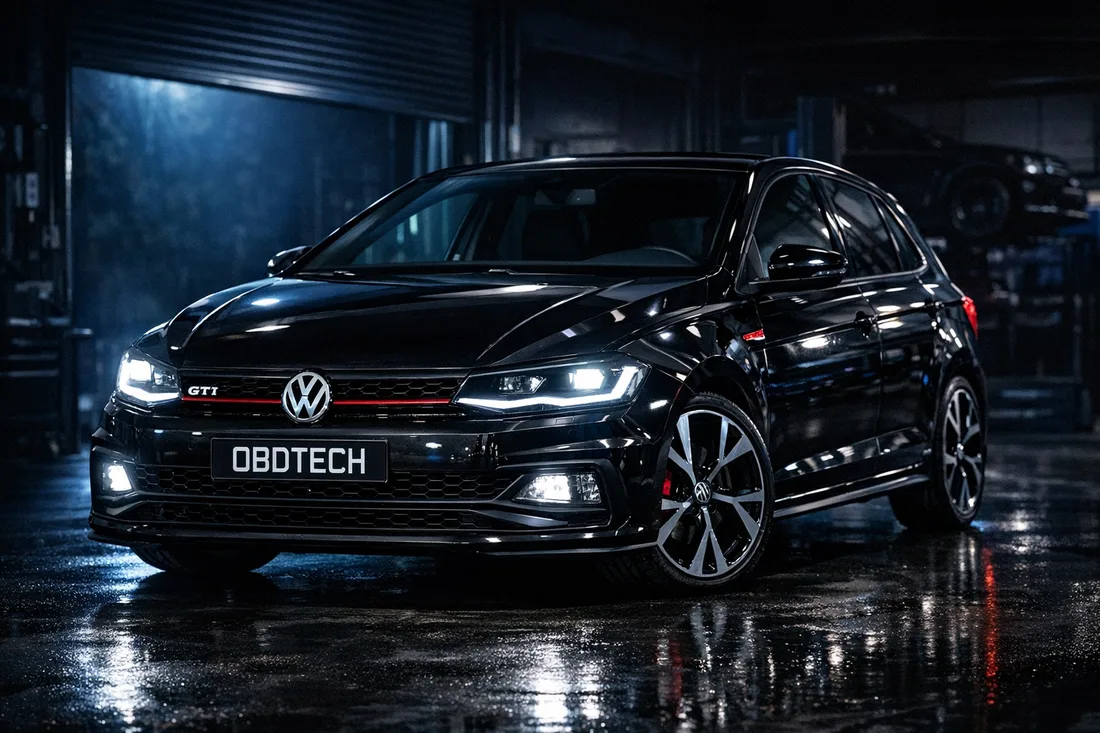
Volkswagen Polo 1.4 TDI (6C): The Diesel That Started It All
The 6C Polo with the 1.4 TDI three cylinder common rail diesel is the generation that made the most sense on paper. One hundred and five horsepower from 1422cc, 250Nm of torque, and fuel economy that makes weekly fill ups feel almost optional. The engine code is CUTA, the ECU is a Delphi DCM6.2, and on paper it is a tidy little package. In practice it rewards owners who actually look after it, and punishes those who do not.
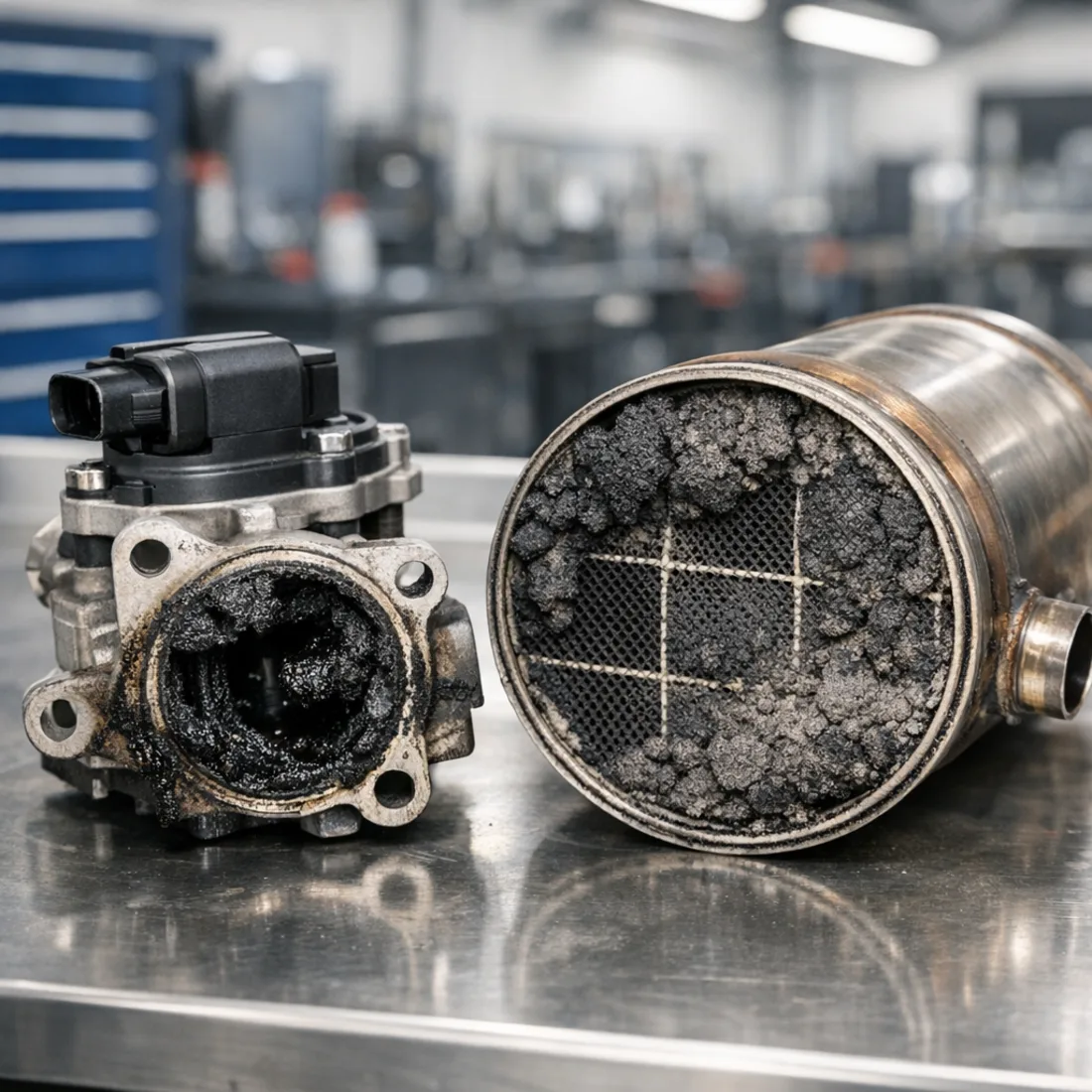
The biggest recurring story we see on 6C TDIs is diesel particulate filter trouble. These engines were designed in an era when European city cycles were the assumed use case, and New Zealand driving, with its mix of short suburban hops and occasional open road runs, does not always give the DPF the sustained heat it needs to regenerate naturally. A car that spends most of its life in stop start Auckland traffic will clog the DPF faster than most owners expect. We handle DPF diagnostics, cleaning and replacement properly, using forced regeneration via ODIS where the filter is recoverable.
The EGR valve and cooler is the other diesel headache. Soot accumulation over time restricts flow, triggers fault codes and eventually causes rough running or limp mode. It is not a failure unique to this Polo, but the three cylinder layout means there is less margin for error when one component is working against the others. We clean and replace EGR components as needed, and diagnose the root cause rather than just clearing the code.
-
DPF blockage, particularly on short trip city cars
-
EGR valve and EGR cooler soot fouling
-
Injector and high pressure fuel system wear at higher mileage
-
Timing belt service, cambelt and water pump on schedule
-
Glow plugs and glow plug control module on cold start complaints
Miss the cambelt service and you are looking at engine damage that costs dramatically more than the belt job would have.
We do the full timing service including the water pump, since pulling the front of the engine apart twice to save a few dollars on parts makes no sense at all.
One thing that catches owners out is the timing setup. This engine uses a cambelt, not a chain, and the service interval is not negotiable. Miss it and you are looking at engine damage that costs dramatically more than the belt job would have. We do the full timing service including the water pump, since pulling the front of the engine apart twice to save a few dollars on parts makes no sense at all.
The 6C diesel also responds well to a Stage 1 tune. Starting from 105hp and 250Nm, we can lift that to 130hp and 300Nm through a properly mapped ECU file. For a commuter Polo that spends its life hauling through Auckland, the extra torque makes a real difference without asking anything more of the hardware.
Get your Polo booked in with a specialist who knows all three generations.
Volkswagen Polo 1.5 TSI (AW): The One That Surprises You
The AW generation Polo is a genuine step up from the 6C in almost every measurable way. The switch from diesel to a petrol only lineup in this generation reflects a broader VAG strategy, and the 1.5 TSI EA211 evo is the engine that makes the AW feel properly grown up. One hundred and fifty horsepower, 250Nm, a Bosch MG1CS011 ECU handling the engine and a Temic DQ200 Gen2 managing the dual clutch gearbox. It is a sophisticated bit of engineering for a car this size.
The standout technology on this engine is Active Cylinder Technology, ACT, which shuts down two of the four cylinders under light load to cut fuel consumption. It is clever, and most of the time you barely notice it working. The issue is that early software calibration on some of these units produced low speed hesitation, rough running and a kangarooing sensation, particularly at light throttle in traffic. VW addressed this through software updates, but cars that have not had those updates applied still show the symptoms. We can run the update through ODIS properly, not just clear the code and hope.
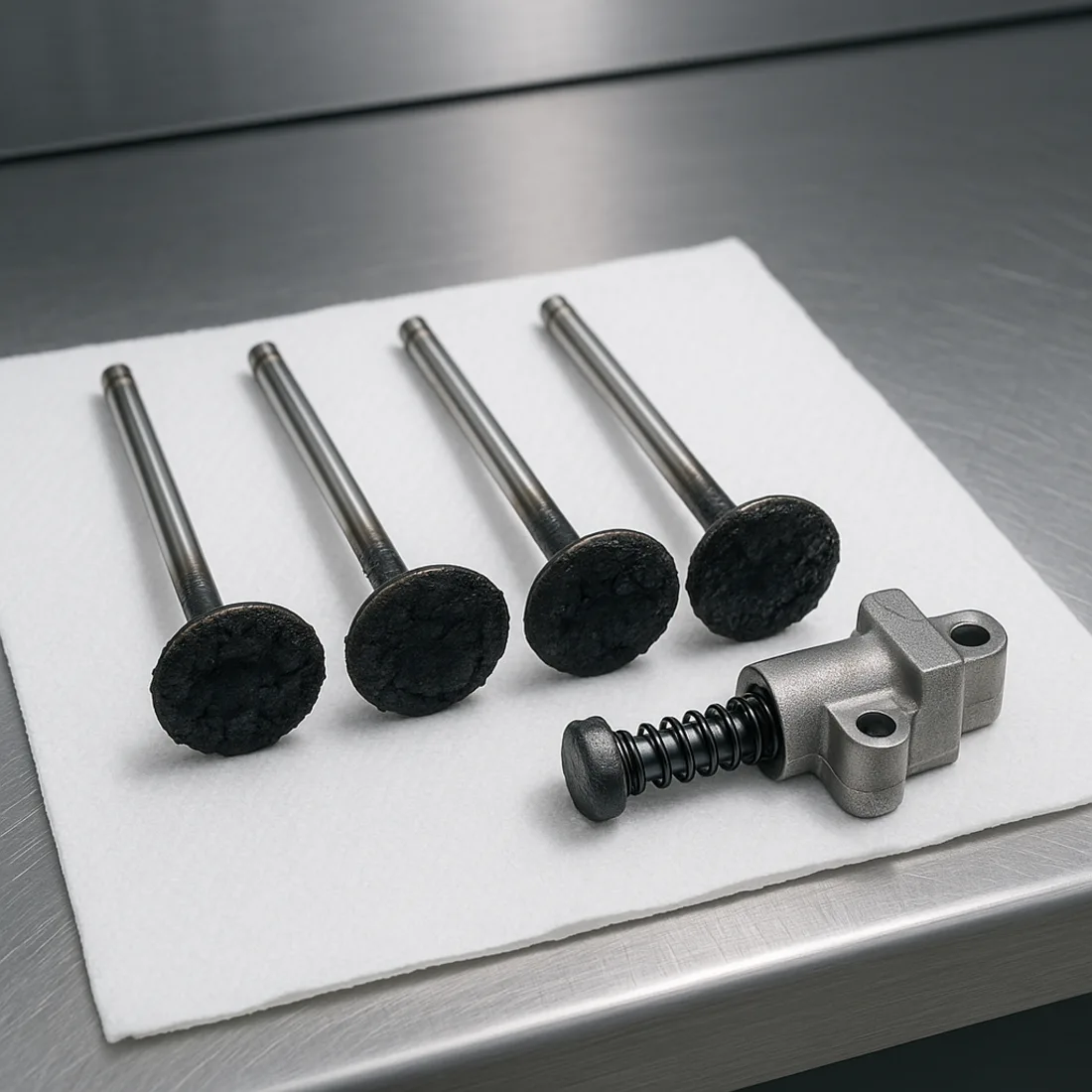
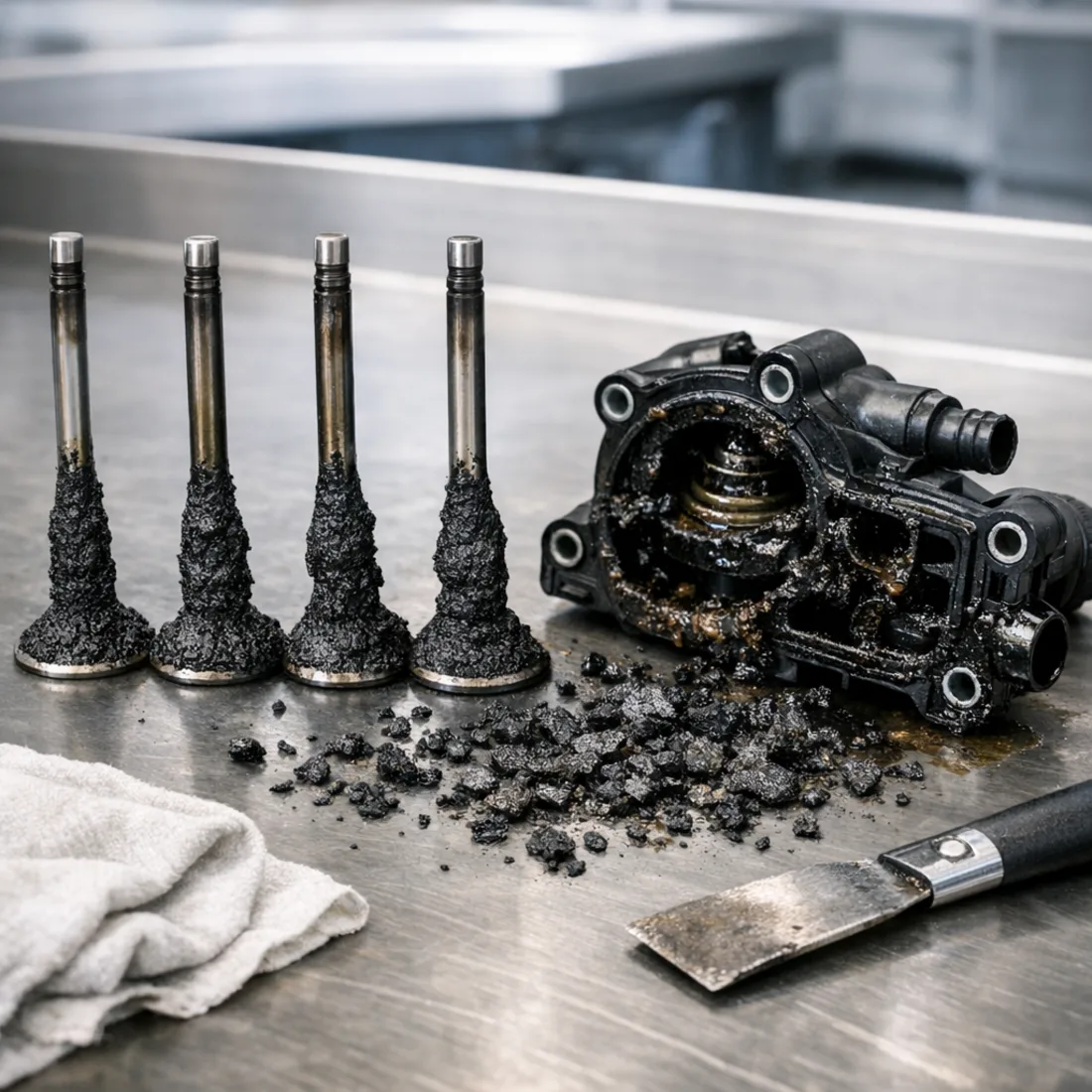
Carbon build up is present here just as it is in every direct injection VAG engine. Without intake manifold injection washing the valves, deposits accumulate over time and restrict airflow. It does not happen overnight but by the time you start to feel the hesitation from it the valves need a proper walnut blast clean. The timing on the EA211 evo is a chain, so listen for a rattle on cold start, which can indicate tensioner wear, especially on higher mileage examples. Coil packs and injectors are worth keeping an eye on too.
-
Low speed hesitation and kangarooing from ACT software calibration
-
Carbon build up on intake valves from direct injection
-
Timing chain tensioner wear on higher mileage engines
-
Coil pack and injector faults
-
PCV and cooling system components over time
Compared to the 6C diesel, the 1.5 TSI is a much simpler emissions story. No DPF, no EGR soot fouling, no diesel particulate headaches.
But it is more software dependent than the older engine, and a generic code reader simply cannot get into the guided functions, ACT system calibration or DSG adaptations that the AW generation needs.
Compared to the 6C diesel, the 1.5 TSI is a much simpler emissions story. No DPF, no EGR soot fouling, no diesel particulate headaches. But it is more software dependent than the older engine, and a generic code reader simply cannot get into the guided functions, ACT system calibration or DSG adaptations that the AW generation needs. We use ODIS, the same factory platform VW uses, so nothing gets approximated.
The tuning potential here is real and well established. From 150hp and 250Nm the EA211 evo responds to a Stage 1 remap to 180hp and 335Nm. That is 30 horsepower and 85Nm of torque from a software change alone, using the factory hardware with no mechanical modifications. For a car that already handles well and weighs very little, that gain is immediately noticeable on the road.
Volkswagen Polo GTI 2.0 TSI (AW): The Pocket Rocket Done Properly
If the standard AW 1.5 TSI surprises you, the GTI simply gets on with it. Two hundred and seven horsepower from the EA888 2.0 TSI, the same engine family that powers the Golf GTI, crammed into the smaller AW body. It is genuinely quick, genuinely fun, and it has found a loyal following in the New Zealand market among people who want real hot hatch performance without paying Golf money or parking something that size.
The EA888 is a proven engine but it is not without its habits. Carbon build up on the intake valves is the same story as the 1.5 TSI, just amplified by the bigger displacement and higher operating pressures. Direct injection is wonderful for performance and efficiency but it gives you nothing to wash the valves, so over time the deposits build and the engine starts to feel slightly off its best. A walnut blast clean sorts it out and the difference in throttle response is immediate.
The PCV crankcase breather valve is another regular on our bench. When it fails it creates pressure imbalances in the crankcase, leading to oil leaks, rough idle and sometimes misfires. It is not an expensive part but it does get overlooked because the symptoms can look like almost anything else until you actually check it. Water pump and thermostat housing leaks come up on higher mileage GTIs too, both worth watching if you are buying used.
-
Carbon build up on intake valves from direct injection
-
PCV crankcase breather valve failure causing pressure and oil leaks
-
Water pump and thermostat housing leaks on older/higher mileage cars
-
Timing chain tensioner behaviour worth checking on higher mileage
-
Oil consumption between services on some EA888 units
Oil consumption is worth monitoring on the EA888. Some of these engines use oil between services, and if you are not checking the dipstick between changes you can end up running low without realising.
The GTI is also where tuning gets genuinely exciting. The EA888 in its standard 207hp state still has headroom, and Stage 1 tuning is popular.
Oil consumption is worth monitoring on the EA888. Some of these engines use oil between services, and if you are not checking the dipstick between changes you can end up running low without realising. It is not universal but it is common enough that we always mention it to GTI owners. Keeps the engine happy, keeps your warranty in shape.
The GTI is also where tuning gets genuinely exciting. The EA888 in its standard 207hp state still has headroom, and Stage 1 tuning is popular. We both service these cars and handle the tuning side, so you are getting consistent work from people who know exactly what the engine has had done to it.
Picking Between Them: Which Polo Suits You
If you are shopping used and deciding between the three, here is the honest version.
You want the cheapest to buy and most economical to run. It demands vigilance around the DPF and EGR. Check for DPF fault codes, look for oil residue around the EGR, and verify the cambelt history because that service is life or death on this engine.
You want the sweet spot for most buyers. Newer platform, simpler emissions setup without diesel particulate concerns, genuinely engaging to drive and tunable to 180hp. Check whether the hesitation software updates have been applied and whether there is any cold start chain rattle.
You actually want to drive the thing. Check oil consumption history, look at the PCV system, and if it has high mileage push for evidence of the cooling system components being attended to. A well maintained EA888 GTI is a tremendous car.
- Check for DPF fault codes on the 6C TDI before buying
- Look for oil residue around the EGR valve on the diesel
- Verify cambelt and water pump history on the 6C TDI
- Confirm hesitation software updates have been applied to the 1.5 TSI
- Listen for cold start chain rattle on the AW 1.5 TSI
- Check service history uses correct oil spec: VW 508.00 or 504.00 on the 1.5 TSI
- Review oil consumption history on the GTI EA888
- Inspect PCV system condition on the GTI
- Ask for evidence of cooling system work on higher mileage GTIs
Servicing Across All Three Generations
All three of these Polos share one servicing requirement: the right oil spec, applied consistently. The 6C TDI wants a low SAPS diesel grade compatible with its DPF. The 1.5 TSI runs on VW 508.00 or 504.00 spec. The GTI requires VW 504/507 or a GTI approved grade. Put the wrong oil in and you are either shortening the engine's life or risking DPF damage on the diesel. We stock and fit genuine and OEM specification fluids and filters every time.
Beyond the oil, the service requirements diverge by generation. The 6C diesel needs a fuel filter in the schedule, a cambelt and water pump timing service that is non negotiable, and glow plugs monitored for cold start performance. The two petrol AW variants need spark plugs at their correct intervals, air filter, cabin filter, drive belt checks and coolant condition monitoring. The DSG equipped AW cars also need gearbox fluid changes at the correct interval, something that often gets missed on cars with service histories from non specialist workshops.
Our car servicing covers all of these properly, using factory correct fluids and genuine or OEM spec parts. No shortcuts, no approximations on spec.
How We Diagnose These Cars
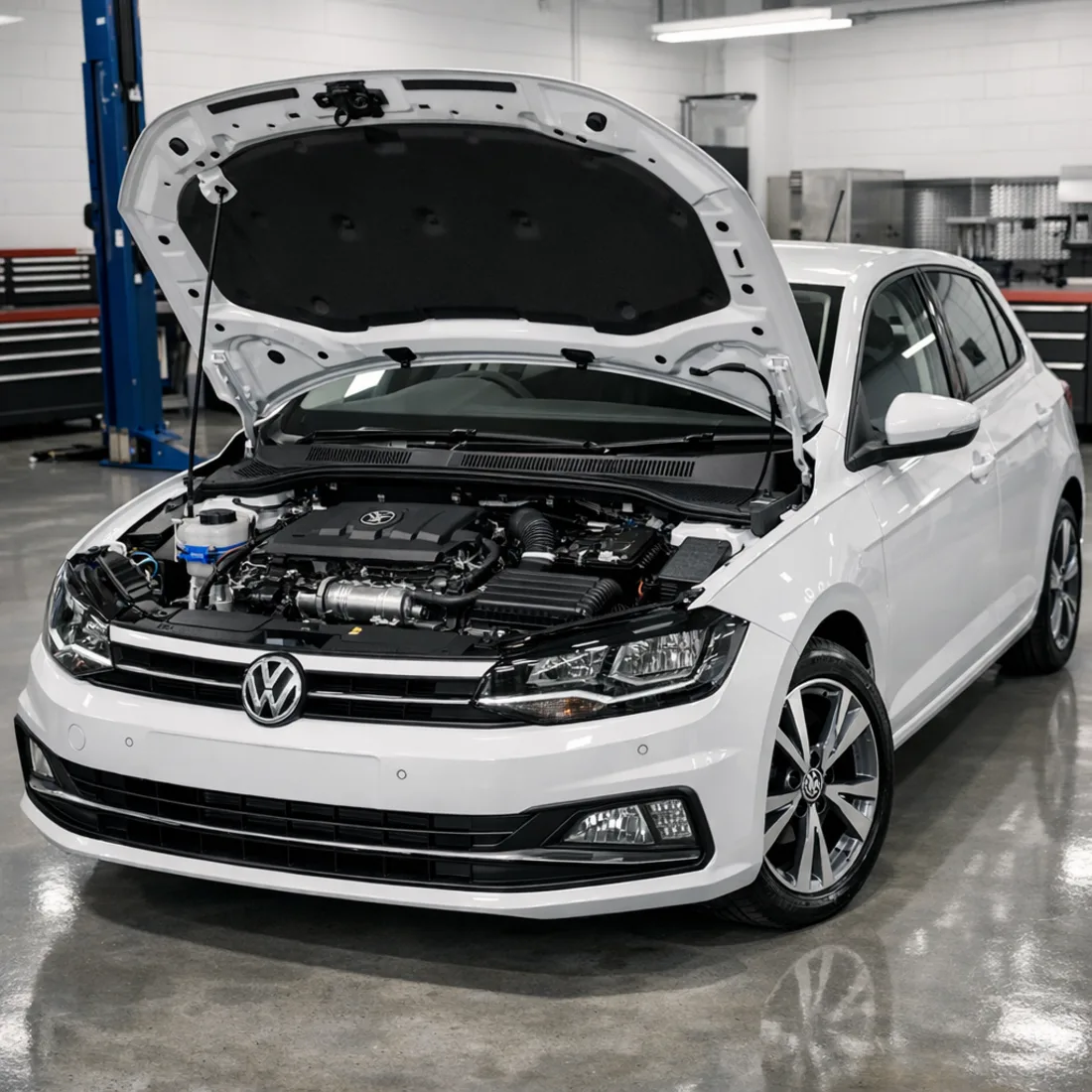
All three generations of Polo respond to ODIS, Volkswagen's factory diagnostic platform. This is not optional, it is the difference between actually fixing the car and guessing at it. A generic code reader will pull a fault code but it cannot run a DPF forced regeneration on the 6C, it cannot calibrate the ACT system on the 1.5 TSI, it cannot perform DSG adaptations or coding functions on any of these cars. ODIS can do all of that, and that is what we use.
For the diesel 6C, guided functions in ODIS let us run actuator tests on the EGR, check injector return quantities, and force a DPF regen to test whether the filter is still recoverable or needs replacement. For the AW petrol variants, ODIS handles software updates, service resets, ACT system health checks and gearbox adaptations after a fluid change. For any of these cars, coding work after parts replacement is done correctly through the same platform rather than left uncoded and causing new problems.
Our auto electrical and diagnostics team works on these platforms daily. When you see a warning light on your Polo, bring it in for a proper read rather than a guess.
Tuning: What Each Generation Can Do
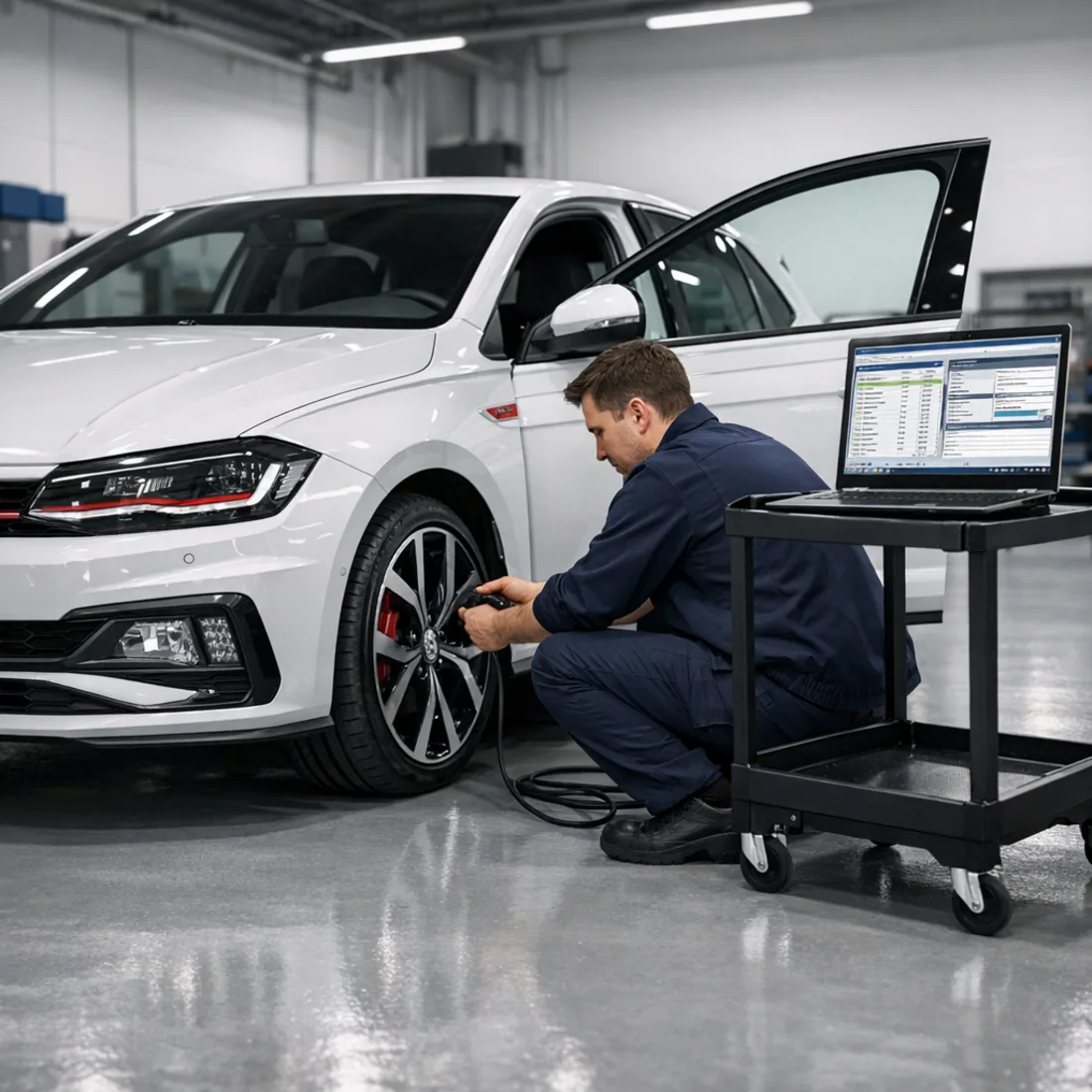
All three Polos have tuning potential, but the numbers vary a lot by generation and engine type.
The 6C 1.4 TDI starts at 105hp and 250Nm. A Stage 1 remap lifts that to 130hp and 300Nm, a gain of 25hp and 50Nm. For a small diesel hatchback used primarily as a commuter, that extra torque in the mid range is exactly what makes urban driving less of a chore. The engine handles it comfortably within its hardware limits.
The AW 1.5 TSI starts at 150hp and 250Nm and responds to Stage 1 tuning with 180hp and 335Nm. That is 30hp and 85Nm added purely through a properly calibrated ECU file. The EA211 evo has the thermal management and hardware to support that output without modification, and the difference on the road is substantial for a car this light.
The GTI's EA888 starts at 207hp and responds well to Stage 1 tuning. The EA888 family has a long established tuning history across Golf GTI, Tiguan and other platforms, so the mapping is well understood. We handle the tuning work in house, using the same ODIS familiarity and platform knowledge that informs our service and repair work.
If you want to know what your specific Polo can gain, check our tuning power gains page for a clearer picture of what Stage 1 delivers on these engines.
Frequently Asked Questions
The questions we get most. Something else on your mind? Get in touch.