Tiguan 1.4 TSI & 2.0 TDI and 2.0 TSI: Every Generation Covered
The Tiguan has been one of the most popular compact SUVs New Zealand families have put on their driveways, and for good reason. From the original 5N with its supercharged 1.4 TSI or the workhorse 2.0 TDI diesel, right through to the sharper Mk2 packing a 245hp 2.0 TSI, the line has evolved in meaningful ways. But every generation carries its own set of predictable weak points, and knowing which generation you have, what it does well and where it lets you down, is the difference between staying ahead of the car and playing catch up.
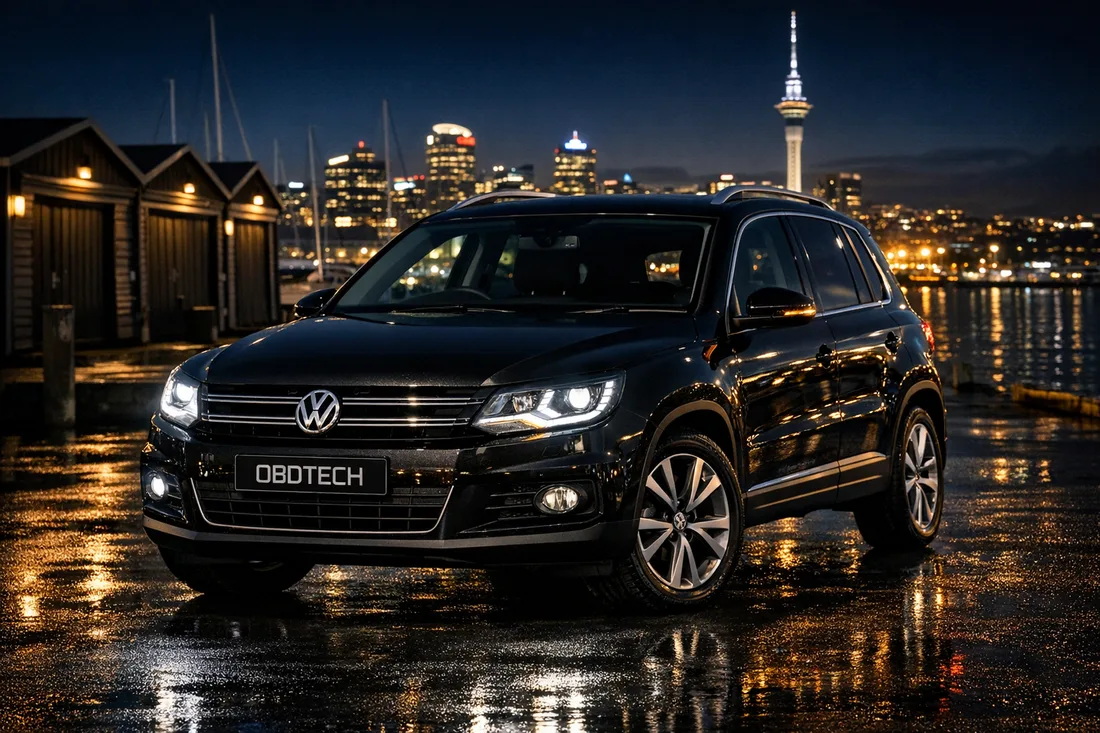
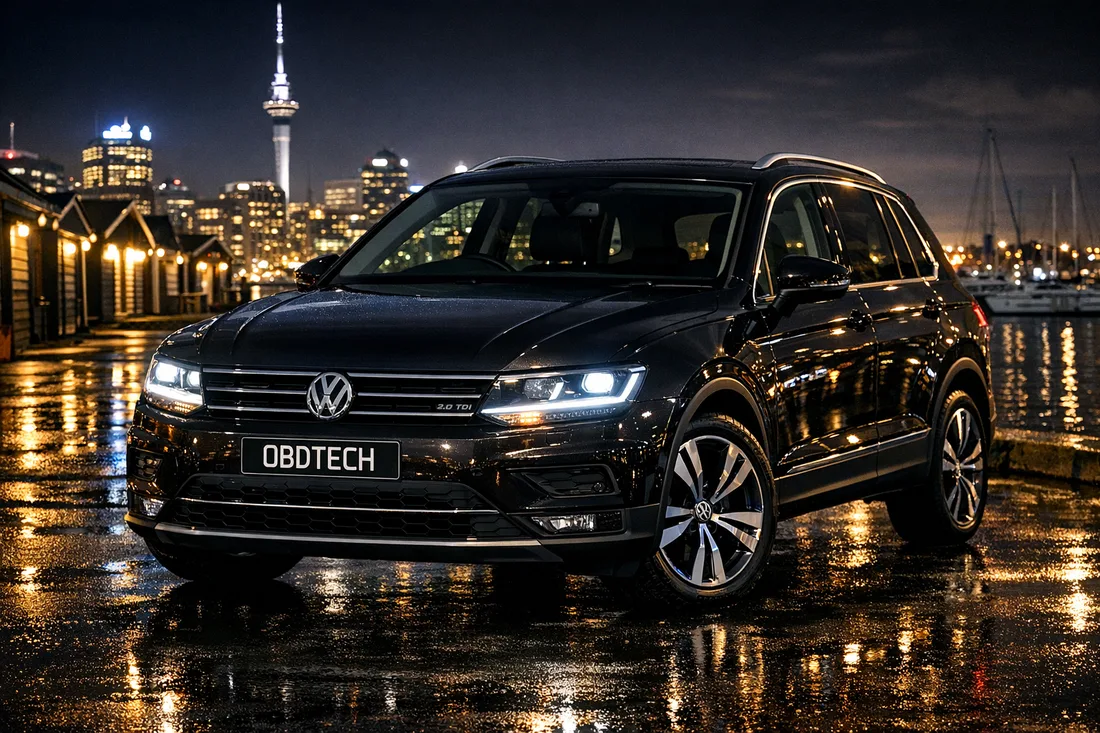
Tiguan 1.4 TSI (CAXA, 122hp): The Original Petrol
The first generation Tiguan wearing the 1.4 TSI badge uses the CAXA engine, a 1390cc unit with both a supercharger and a turbocharger working together. On paper that sounds impressive, and in practice it makes the car feel livelier than the displacement suggests, producing 122hp and 200Nm from the factory. But Volkswagen's decision to combine direct injection with a relatively complex twin charging setup created a handful of recurring problems that show up predictably as the kilometres mount.
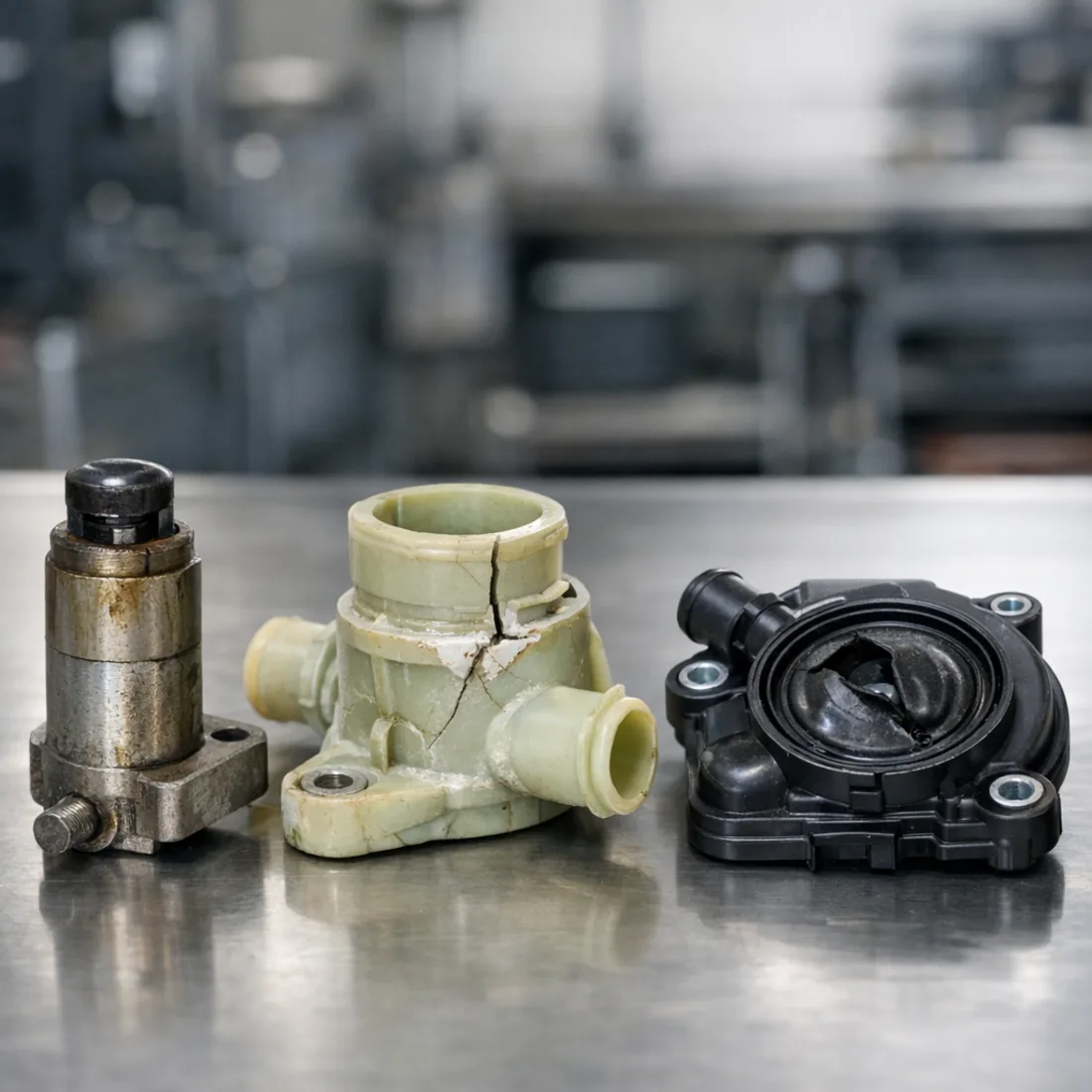
The most talked about issue on the CAXA is the timing chain and tensioner. These engines can develop a cold start rattle that most owners initially dismiss as normal. It isn't. It's the tensioner losing its ability to keep the chain under proper load, and if it's ignored long enough the chain can jump a tooth. That turns a repair job into a much bigger one. Listen for the rattle when you first start a cold engine and don't wait on it.
The thermostat housing on this engine is plastic, and plastic plus heat cycling plus NZ temperatures equals coolant leaks. We see them regularly. The PCV valve sits in the cam cover and when it fails you get rough idle, increased oil consumption and often a misfire fault. These aren't catastrophic by themselves but they stack up quickly if a car hasn't been looked after. Carbon build up on the intake valves is inevitable with direct injection and worth addressing at higher mileage, usually alongside a coil pack and plug service.
Routine servicing on the CAXA needs the correct VW 504 00 grade oil. It's not optional. Using the wrong spec shortens the engine's life. Air filter, cabin filter, spark plugs at the right interval, drive belt, brake pads and rotors, coolant jobs and suspension work all form the standard service schedule on these.
-
Timing chain and tensioner wear, especially cold start rattle
-
Plastic thermostat housing and water pump assembly leaking coolant
-
PCV valve in the cam cover failing, causing rough idle and oil consumption
-
Carbon build up on intake valves from direct injection
-
Coil pack and spark plug failures causing misfires
-
Suspension control arm bushes and drop links at higher NZ mileage
The tensioner is losing its ability to keep the chain under proper load.
If it's ignored long enough the chain can jump a tooth. That turns a repair job into a much bigger one.
For owners who want more from the 1.4, a Stage 1 ECU tune takes the CAXA from 122hp and 200Nm to 150hp and 265Nm, a gain of 28hp and 65Nm. Given the engine's twin charging setup, it responds well to a calibration that works with what's already there rather than fighting the factory mapping.
Get your Tiguan booked in with a proper specialist.
Tiguan 2.0 TDI (DFGC, 115hp): The Diesel Workhorse
The 2.0 TDI with the DFGC engine code is Volkswagen's EA288 common rail diesel in the 5N Tiguan. It's a 1968cc unit with a 16.5:1 compression ratio and a stock output of 115hp and 320Nm, and it genuinely earns its reputation as a solid diesel in the right conditions. The problem is that NZ driving patterns, short commutes, lots of stop start urban running and not enough open road kilometres, are precisely the conditions that create the most grief for this engine.
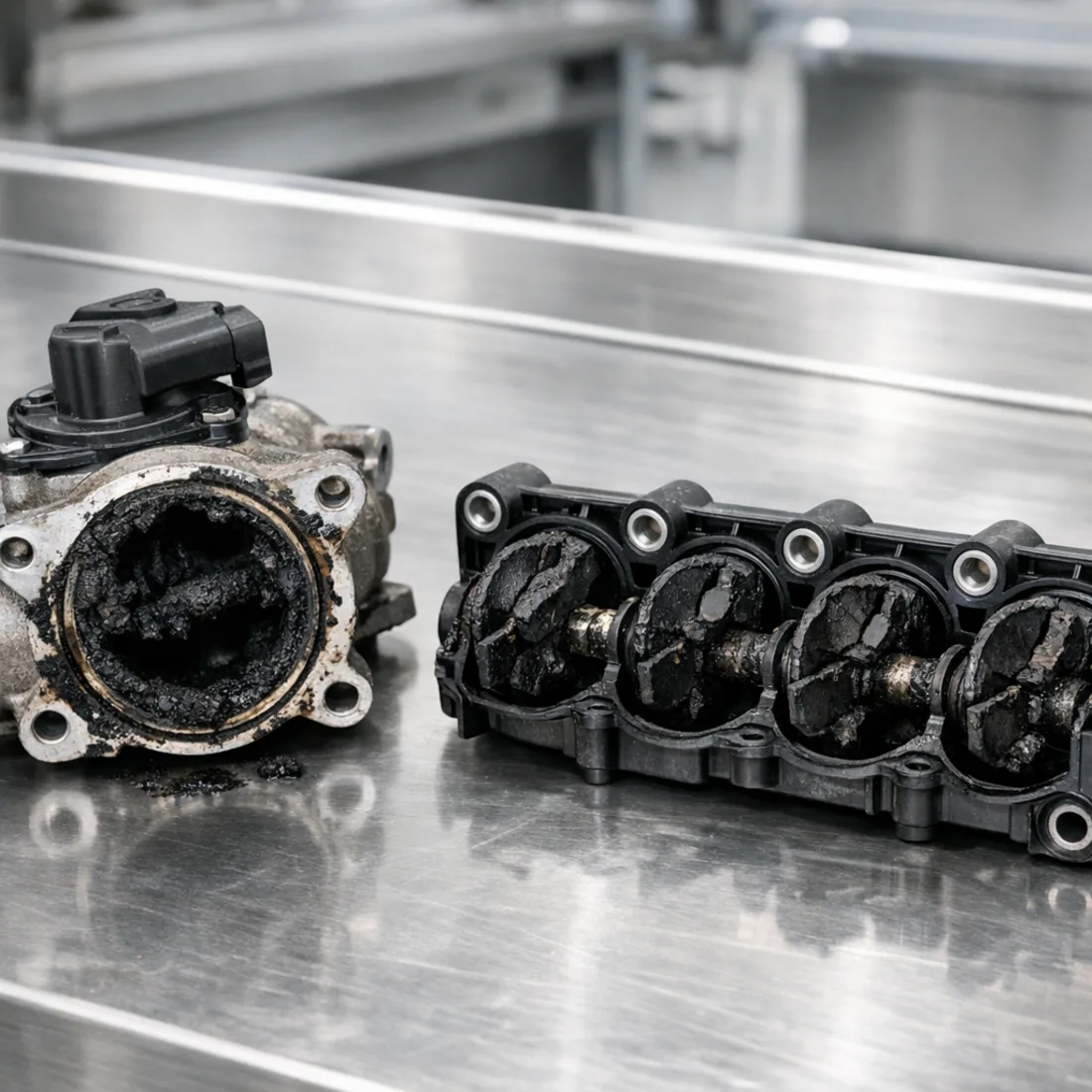
Short trips don't let the DPF (diesel particulate filter) reach the temperature it needs to self clean. The result is a blocked filter, a warning light and a bill that could have been avoided with a longer run every week or two. This is the most common call we get on the 2.0 TDI. Closely behind it is EGR trouble: the valve and cooler clog with carbon over time, causing rough running, hesitation and sometimes a limp mode. The swirl flaps in the intake manifold are another carbon trap.
Unlike the other two Tiguan engines covered here, the DFGC is cambelt driven, not chain driven. That's an important distinction. A timing chain that's neglected will rattle and warn you; a cambelt that's overdue just fails, and when it does on a diesel with a 16.5:1 compression ratio, the engine doesn't survive it. Belt and water pump replacement on schedule is non negotiable.
The AdBlue and NOx sensor side of things is another point of difference. The DFGC runs an SCR emissions system, and faults here can put the car into a countdown mode that limits starts if not resolved. We diagnose these properly with ODIS and carry out DPF and EGR cleaning and repair using the right approach rather than guessing.
Routine servicing needs a low SAPS diesel oil, the correct spec for the DPF equipped EA288. Oil and filter, air filter, fuel filter, cabin filter, glow plugs, brake pads and rotors, and the cambelt and water pump at the prescribed interval form the core of what this car needs.
Compared to the 1.4 TSI, the 2.0 TDI is a heavier, more capable long hauler that suits owners covering real kilometres. The diesel's 320Nm torque figure from stock makes everyday towing and motorway running feel effortless in a way the petrol can't quite match. But it punishes short trip driving more than either petrol option.
-
DPF blocking, especially on cars used for short urban trips
-
EGR valve and cooler clogging with carbon
-
Intake and swirl flap carbon build up
-
AdBlue system and NOx sensor faults
-
Cambelt and water pump service (belt driven, must be tracked)
-
Dual mass flywheel and clutch wear at higher mileage
A cambelt that's overdue just fails.
When it does on a diesel with a 16.5:1 compression ratio, the engine doesn't survive it. Belt and water pump replacement on schedule is non negotiable.
A Stage 1 tune on the DFGC takes output to 190hp and 420Nm, a gain of 75hp and 100Nm, which transforms the character of a car that can feel a little breathless at stock output. The tune also allows for START/STOP deactivation and Vmax adjustment, all done at the ECU level via the Bosch EDC17C74. Our tuning service covers all of these options.
Tiguan Mk2 2.0 TSI (EA888, 245hp): The Sharper End
The Mk2 Tiguan in 245hp form is a different proposition to either 5N variant. It uses the EA888 evo4, a 1984cc turbocharged petrol unit with a 9.8:1 compression ratio and a bore and stroke of 82.5 x 92.8mm. Stock output is 245hp and 360Nm, which makes it the quickest Tiguan in this lineup by a comfortable margin. It sits on the Mk2 platform, which is longer, wider and better equipped than the 5N underneath, and most examples arrived here paired with a DSG gearbox.
The EA888 family has a strong reputation when serviced on schedule, and the evo4 variant is the most refined iteration. But it still carries a few traits that owners need to know about. Direct injection without port injection means intake valve carbon build up is a fact of life, just as it is on the 1.4 TSI. The PCV and crankcase breather system is another recurring item, and when the breather fails you get oil consumption and sometimes misfires from contaminated intake air. Water pump and thermostat housing leaks appear on higher mileage examples.
The timing system is chain driven on the EA888, which puts it in the same camp as the 5N's 1.4 TSI rather than the cambelt driven TDI. Chain stretch and tensioner condition are worth checking on any example over 100,000km. The DSG gearbox fitted to most of these needs its own service interval respected, including mechatronic and clutch attention if there are any shift hesitations or engagement shudder.
Routine servicing on this engine requires the correct VW 504/507 or approved TSI grade oil. Spark plugs, air and cabin filters, drive belt, brake pads and rotors, coolant, and DSG or transmission service form the core schedule. Don't skip the DSG service because the gearbox feels fine. They always feel fine right up until they don't.
-
Intake valve carbon build up from direct injection
-
PCV and crankcase breather system failures
-
Water pump and thermostat housing leaks
-
Timing chain stretch and tensioner wear on higher mileage cars
-
Turbo diverter valve and wastegate faults
-
DSG mechatronic and clutch wear on the transmission
The 245hp EA888 on a Stage 1 tune reaches 300hp and 440Nm.
The car's platform, suspension and brakes are genuinely up to the extra output. It's a significant step up in a different league altogether.
This is where the Mk2 TSI pulls ahead of the 5N cars for owners who care about driver engagement. Gains of 55hp and 80Nm from a Stage 1 tune puts it into genuinely quick territory for a family SUV. Our TCU and gearbox repairs service covers DSG and automatic transmission work across the range in more detail.
How to Pick Between Them if You're Shopping Used
All three Tiguans are genuinely good family SUVs when they've been looked after. But they suit different owners, and knowing which suits you avoids regret.
You're mostly doing urban driving and want the lightest on fuel of the petrol options. Look for a car that's had the timing chain tensioner and thermostat housing dealt with already. Avoid cars with a cold start rattle unless you're prepared to budget for the chain and tensioner immediately. Service history showing the correct oil spec used every time is a good sign the rest of the engine has been treated with similar respect.
You're doing regular longer drives, highway commutes, towing or genuinely mixed use. If the car has spent most of its life on Auckland city runs alone, treat the DPF and EGR as items needing attention regardless of what the service history says. The cambelt history matters more on this engine than any other item; if it's unknown, budget to replace it and start fresh. The diesel's torque advantage over the 1.4 TSI is real and immediately noticeable.
You want the most modern platform, the most power and the best driving experience in the range. It costs more to buy and more to run, the DSG service adds to the ownership cost, and it drinks premium petrol. But the combination of 245hp, a well sorted chassis and room for a meaningful tune makes it the enthusiast's Tiguan. If the budget allows, it's the most capable car in the family.
- 1.4 TSI: listen for cold start rattle before buying; check timing chain tensioner and thermostat housing history
- 1.4 TSI: confirm correct VW 504 00 oil has been used throughout service history
- 2.0 TDI: treat DPF and EGR as needing attention if the car has lived on Auckland city runs
- 2.0 TDI: if cambelt history is unknown, budget to replace it immediately
- Mk2 2.0 TSI: confirm DSG service history; if unclear, book a fresh service baseline
- All 5N models: budget for suspension control arm bushes and drop links at NZ mileage
- All models: verify correct oil spec has been used at every service interval
Servicing Across the Tiguan Family
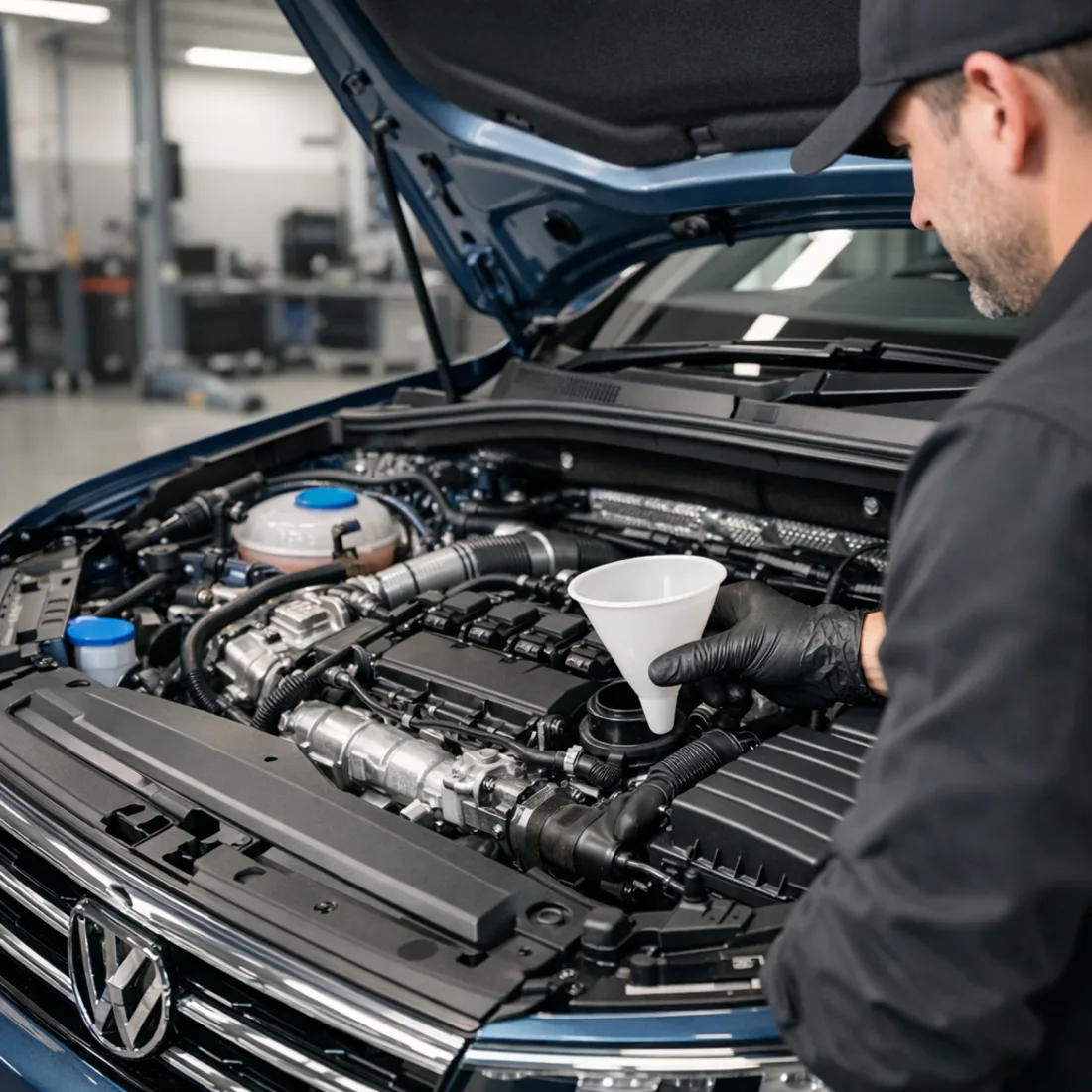
All three engines need the correct grade of oil, and none of them will tell you they're running the wrong spec until it's caused damage. The DFGC diesel needs a low SAPS oil to protect the DPF. The CAXA 1.4 TSI needs VW 504 00. The EA888 2.0 TSI needs 504/507 or an approved TSI grade. A quick oil change at a fast lube chain using whatever's on the shelf is a false economy on any of these cars.
Beyond oil, the main service differences between the three come down to: the cambelt interval on the TDI (belt driven, critical), the timing chain condition on the TSI engines (chain driven but not immortal), and the DSG or transmission service on Mk2 cars. Brake pads, rotors, cabin filters, air filters and wipers are common across the family and straightforward to keep on top of. Our car servicing covers the full schedule for all three variants.
Suspension wear is a shared trait across all 5N examples at NZ mileage. Control arm bushes and drop links are consumables on these platforms. The Mk2's suspension is generally holding up better at equivalent age, but it'll get there eventually too. Brake work is the same story; we stock and fit genuine and OEM quality pads and rotors for all three variants.
How We Diagnose the Tiguan Range
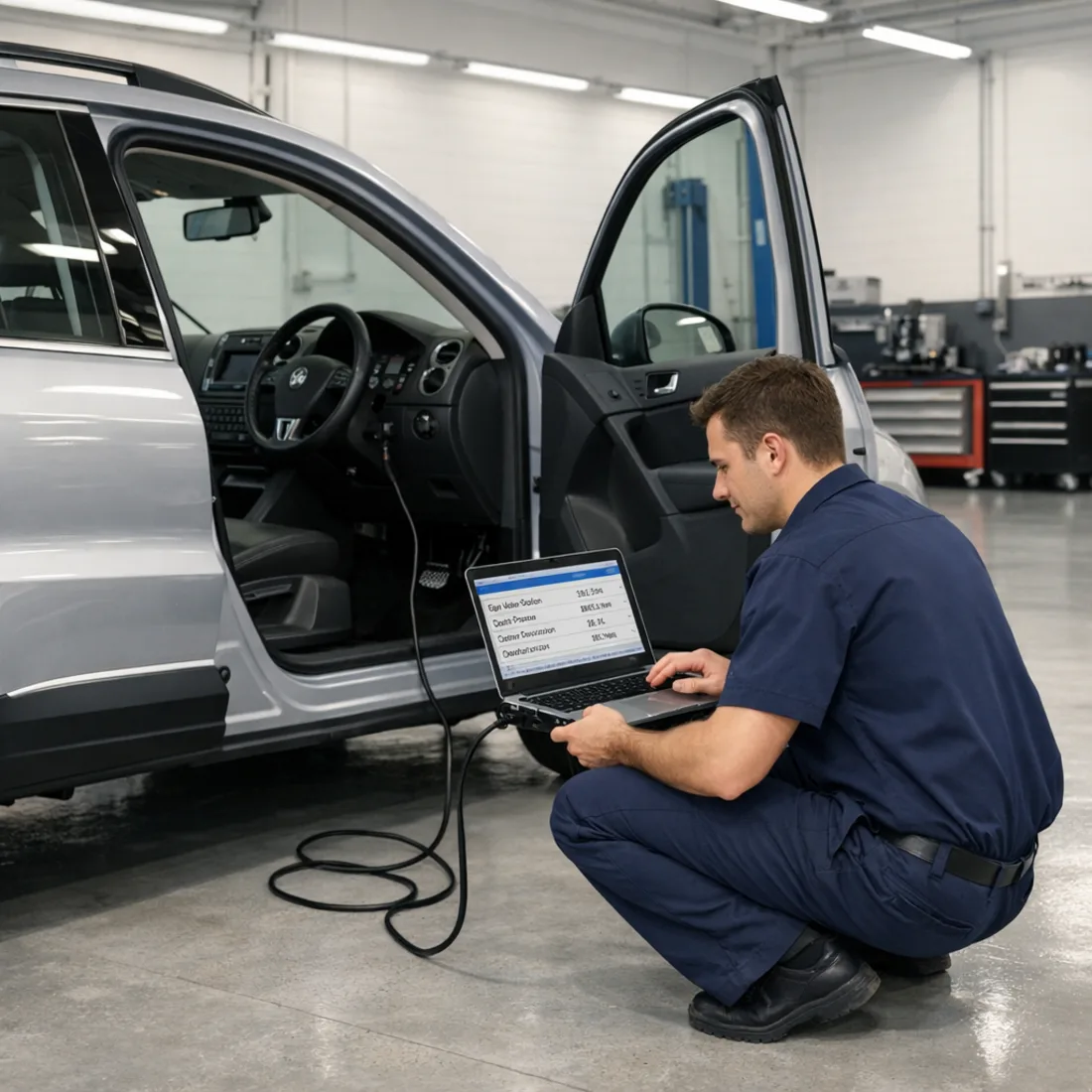
All three Tiguans share one diagnostic requirement: you need factory level tooling to read them properly. Generic OBD scanners will pull generic codes, and on a VW that means you're seeing maybe a third of what's actually stored in the car's control units. The DFGC diesel's emissions system, the CAXA's twin charging calibration and the Mk2's EA888 with DSG all have subsystems that only reveal themselves properly on the factory VW platform ODIS.
ODIS lets us read live data across all control units simultaneously, run guided functions and adaptations after a repair, code replacement parts correctly so they work as intended, and check the emissions system on the TDI in the way the factory intended. Fitting a new part and not running the adaptation afterwards is a common cause of faults returning, and it doesn't show up as wrong on a generic scanner.
For the Mk2 specifically, DSG adaptations after clutch or mechatronic work require factory tooling to complete correctly. For the 1.4 TSI, the twin charging system has specific calibration requirements after any significant engine work. For the TDI, the AdBlue and NOx system needs proper guided functions to clear and reset correctly. We handle all of this as part of standard repair work, not as an extra. Our TCU and gearbox repairs service covers DSG and automatic transmission work across the range in more detail.
Tuning Options Across the Tiguan Range
All three Tiguan variants offer meaningful gains through ECU tuning, and the nature of those gains reflects the character of each engine. Tuning is only worthwhile on an engine that's in good mechanical condition. We won't tune a car that has unresolved faults, a marginal timing chain or an EGR system in poor health. The car needs to be right first.
Transforms the car's everyday response, particularly mid range pull. The tune supports a pop and crackle map, START/STOP off and Vmax adjustment. Given the engine's twin charging setup, it responds well to a calibration that works with what's already there rather than fighting the factory mapping.
The biggest percentage gain in the range, genuinely changing the diesel's character from adequate to strong. The TDI tune also includes options for EGR OFF, DPF OFF, DTC Removal, START/STOP deactivation, Vmax removal and flap control, all done at the ECU level via the Bosch EDC17C74.
Already the most powerful of the three, the tune takes it into genuinely quick territory for a family SUV. The car's platform, suspension and brakes are genuinely up to the extra output. Tune options are focused primarily on the power and torque gains.
All tunes are carried out on a mechanically sound engine using a calibration that works within the engine's safe parameters. Custom and remote options are available via our file service for tuners working off site.
Frequently Asked Questions
The questions we get most. Something else on your mind? Get in touch.